Moving to Northamptonshire from Cheshire has made the east of England much more accessible than it was. This has put many of the wildlife sites and reserves within easier reach of an hour or two’s drive. So far we’ve had some great trips out that way including to the Ouse Washes, the Nene Washes, the Great Fen Project and much further into Norfolk. Late this spring we went to one of the reserves I’ve been wanting to visit for many years, Wicken Fen.
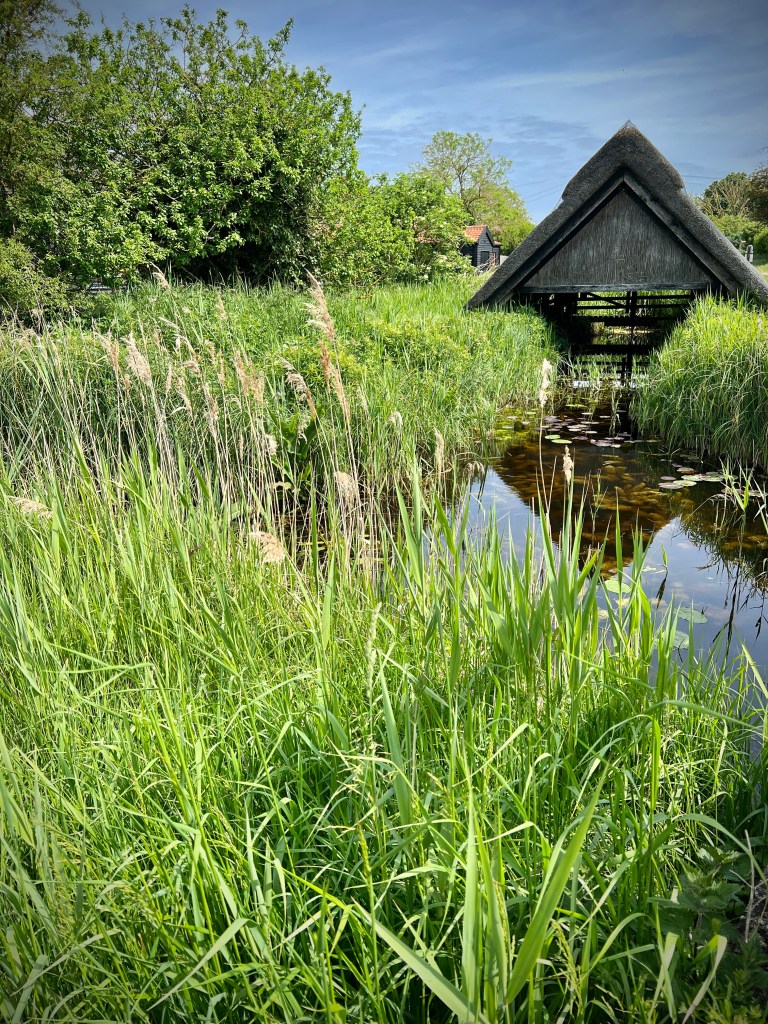
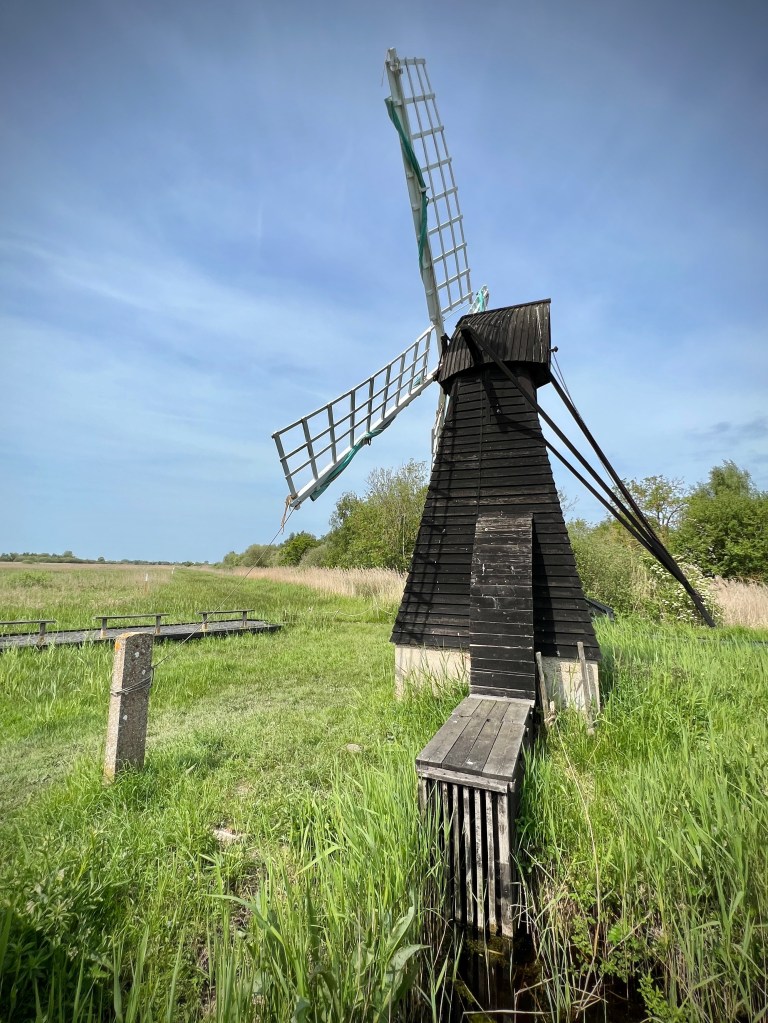
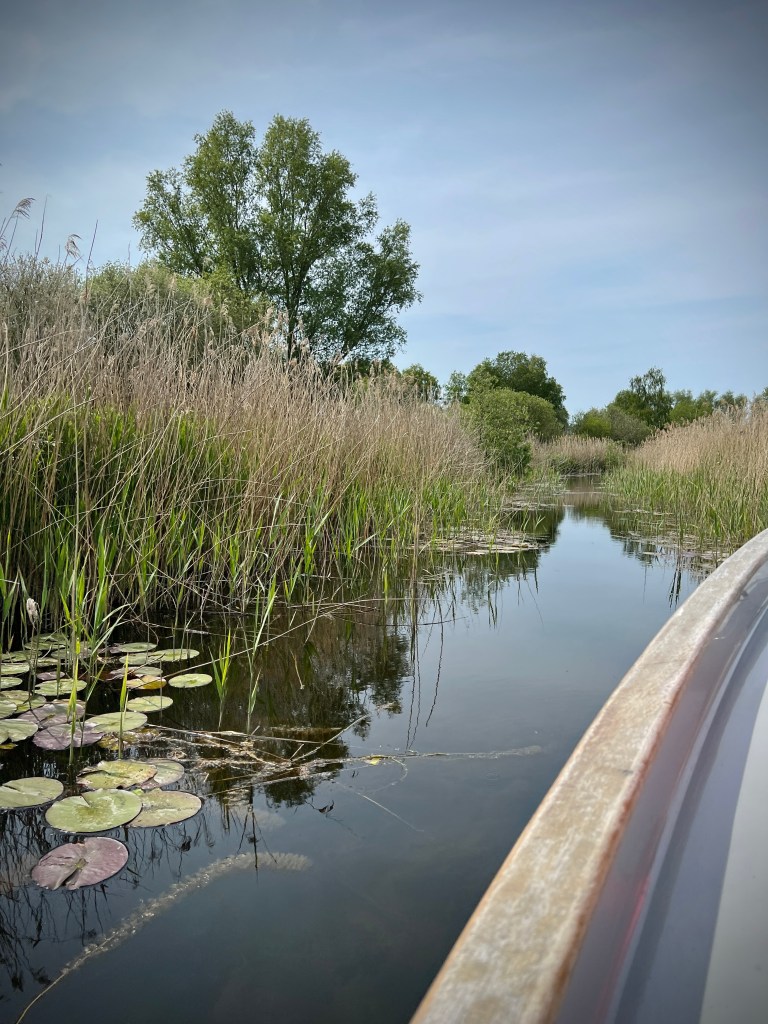
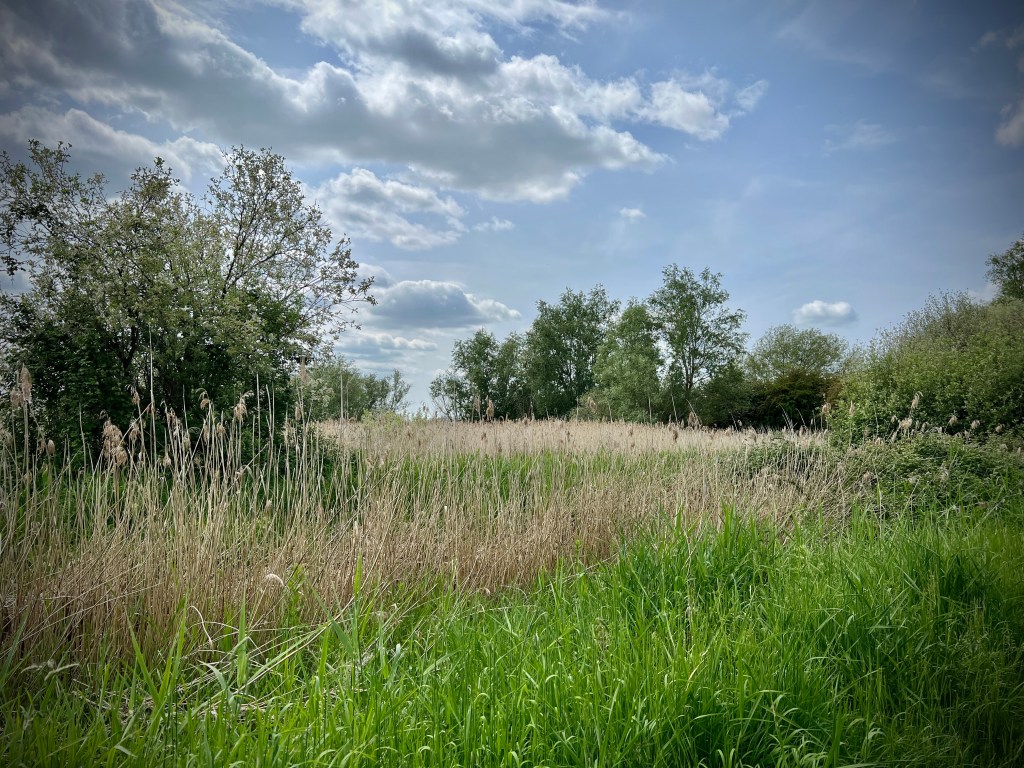
The Natural Trust reserve is large at 255 hectares and consists of a fenland landscape of wet meadows, sedge and reedbeds that has been lost from most of its former area. It has navigable channels, boardwalks and grassy paths on which to see the site. As well as walking, we took a 50-minute out and back electric boat ride which gave us a very different perspective to walking around the paths.
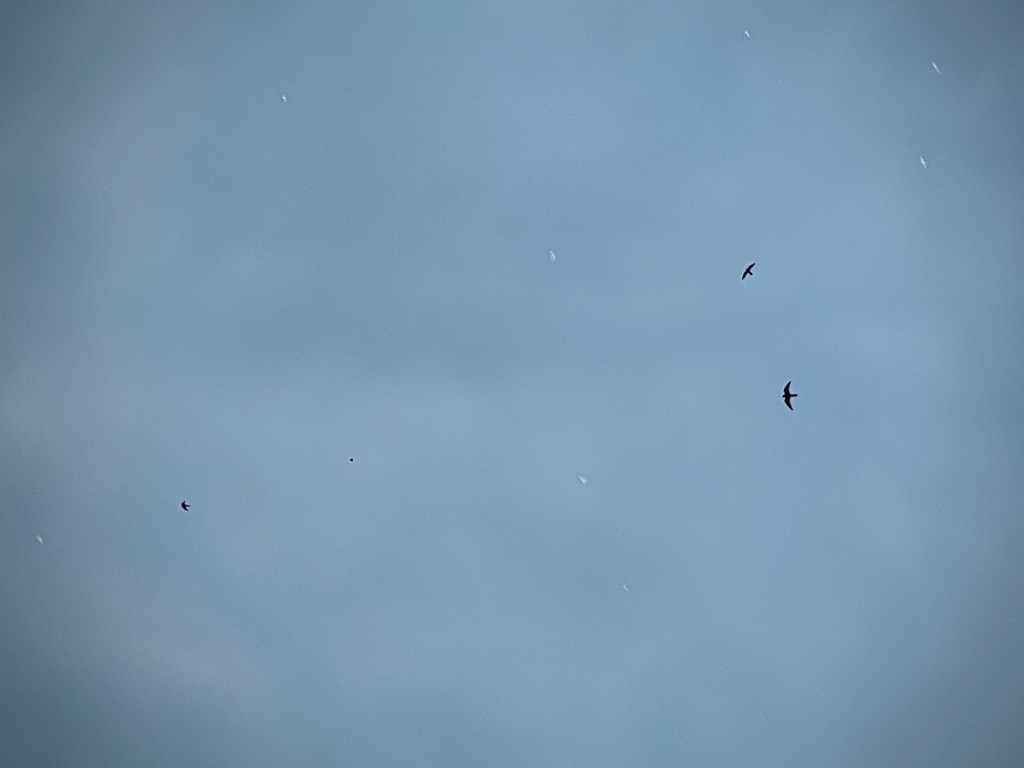
Being springtime, one of our main aims was to see and hear some of the typical fenland birds in their prime and we weren’t disappointed. We saw 45 species during the day but with some real highlights. The warblers, as would be expected, we very prominent with cetti’s, grasshopper, reed, sedge, willow, garden, chiff chaff, whitethroat and blackcap all in abundance. The raptors were led by marsh harriers but also included red kite, kestrel and buzzard. However, the real star of the show were the hobbies, with up to five in one view catching dragonflies and eating them on the wing. The other bird of note, which I always long to hear, and hopefully see, was the cuckoo. We heard one a few times as we sailed and walked around the reserve but then we got a great view as it sat in one tree calling and then flew across a meadow and called from another tree, all with the hobbies circling overhead.
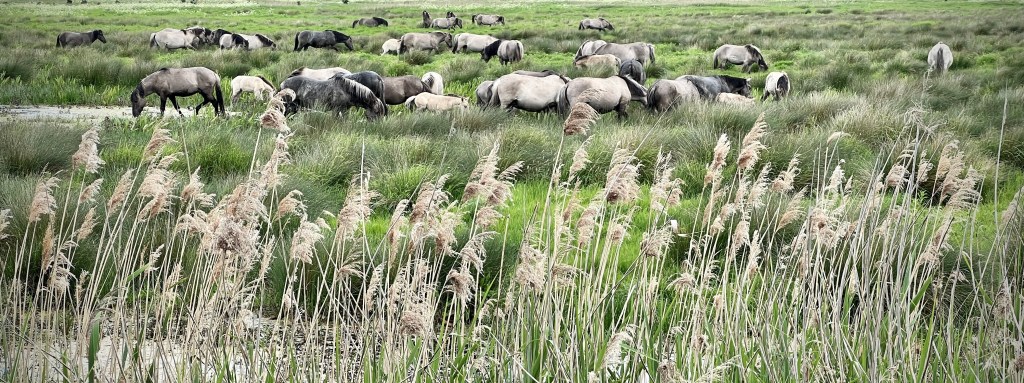
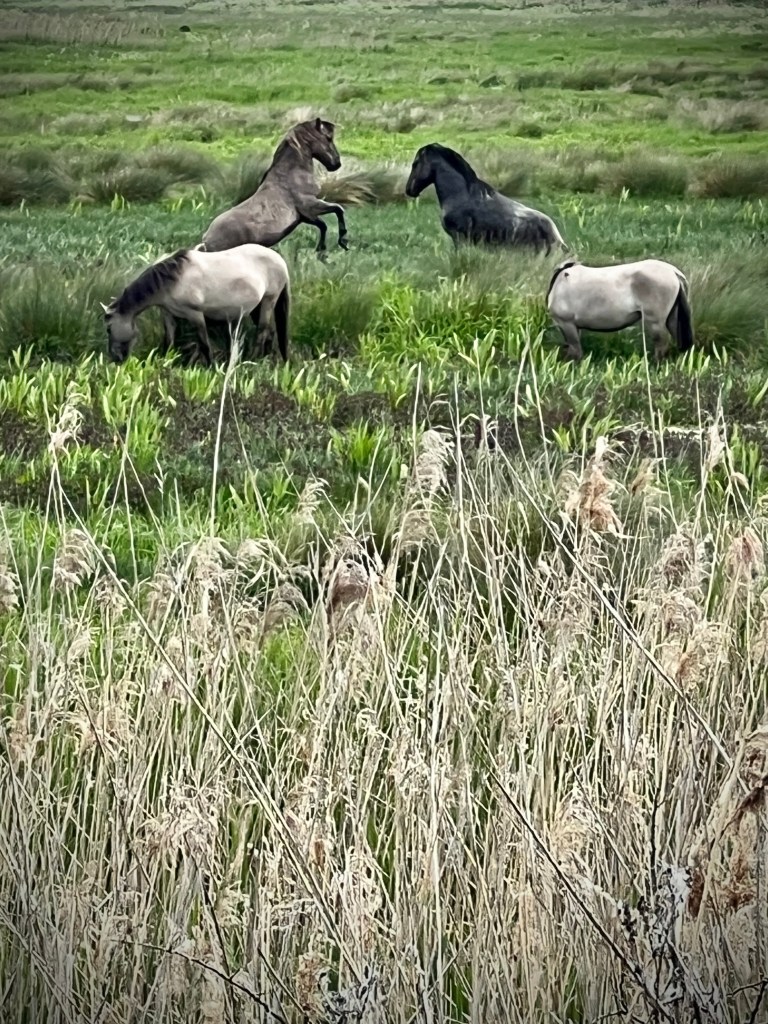
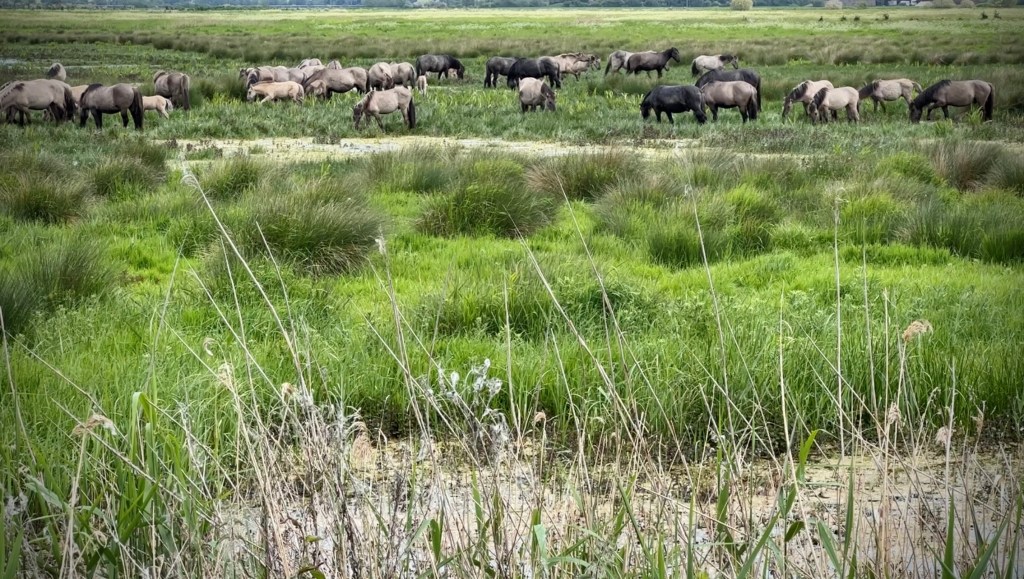
The visit was lovely in the warm spring sunshine and the birds alone made the trip very much worth it. However, there was another target species for the day which at first we only had a very distant, hazy view of. Like the not too far away Great Fen Project, Wicken is a generations-spanning project to restore the fenlands at a landscape scale. To support the process, the plans include not just supporting birds but bringing back large herbivores to the land. So far this has included both highland cattle and wild Konik ponies.
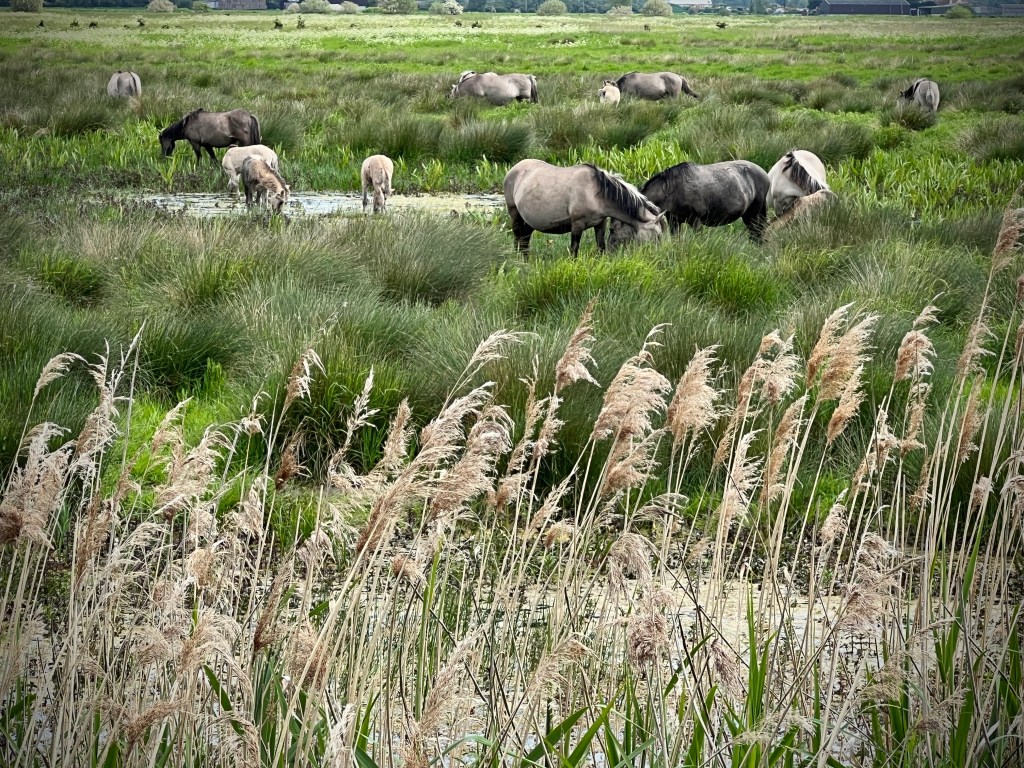
After that distant view of both the ponies and cattle, we didn’t expect to see them close up during our visit, despite going to the area closest to where they would be. As we headed back to the car, we had almost given up the hope but then we heard a commotion in the distance as we walked past the area we had previously looked. We suddenly saw a small herd of ponies coming into view across the meadows and shallow lakes. Rushing to get a better look, the view opened up to reveal a stream of ponies in different groups cantering across the landscape and getting closer and closer until they were right in front of us.
It was immediately apparent that these weren’t just some tame hacking ponies from the local livery yard but very much their wild cousins. There was a dynamism in their lives you don’t see in horses grazing domestic fields. They weren’t just passively nibbling at the grass and lazily swishing their tails to swat flies. Instead, they were living real lives of herd animals. The mares we’re staying close to their youngsters, guiding them as they splashed through the water but with the older foals gaining confidence and rushing around in groups. The stallions were the stars of the show. Their strength and energy was obvious as they rushed around their harems, warding off the advances of others. Squabbles and fights would break out, with biting and kicking, and occasional face-to-face thrashing of limbs and hooves as they stood high on their rear legs. There was a constantly whinnying and snorting as the males tried to keep hold of their mares.
The last group of ponies, a bachelor pack, galloped from the distance over harder ground with their hooves filling the air with a rumble and their cries growing louder. As they entered the water, they chased and bickered amongst themselves but slowed down to a trot as the water deepened. The stallions closest to their route were agitated by their advance and turned towards them, only for the group to halt their approach. Individually they stopped and dropped into the water, rolling to cover themselves in dark, watery peat-laden mud. They stood up and shook themselves, now blackened and dripping, their bedraggled manes plastered think against their necks.
This was a wild herd acting as wild animals. All of this was laid out in front of us in a landscape that is being transformed by their presence. It stirred something visceral, a feeling of wilderness and something long lost from the country. There are no true wildernesses left in the UK but at times a sound or view can bring a momentary link between the modern UK and its former more wild past. For a moment, a window opened to provide a view into what has been and what could yet be again.
 Daft Mumblings