Well, that went quickly didn’t it? I said something similar in the equivalent post last year but, really, 2025 has absolutely shot past and I’m not sure how we’ve got to the end of the year so quickly – surely it should be only September?
2025 was in some ways a routine one, having been settled into rural Northamptonshire for a fifth year. We have now familiar places to visit for wildlife and walks, as well as regular cycles into the countryside. We also have a pattern of more distant trips and holidays that is becoming more standard between the years, with destinations both familiar and new.
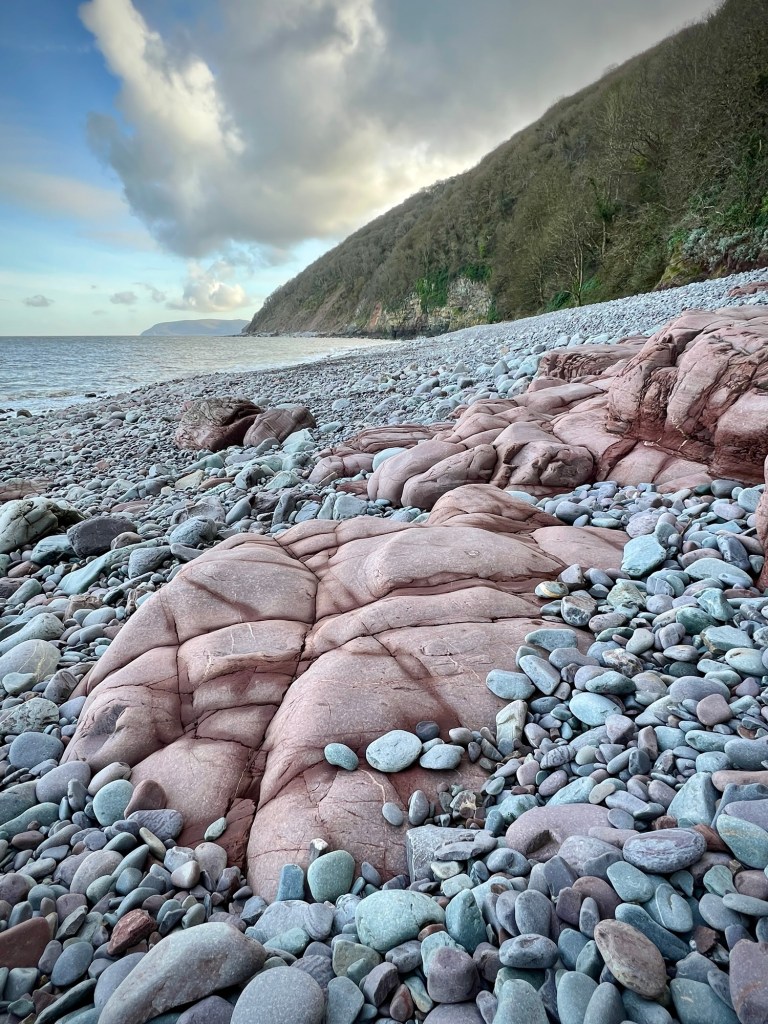
The year started in a new location in Devon, close to Hartland Point, where 2026 is now planned to finish. The wild rugged north-west Devon coast is a stunning location for any time but a stormy opening of the year was pretty wild and set a tone for some extreme weather during 2025.
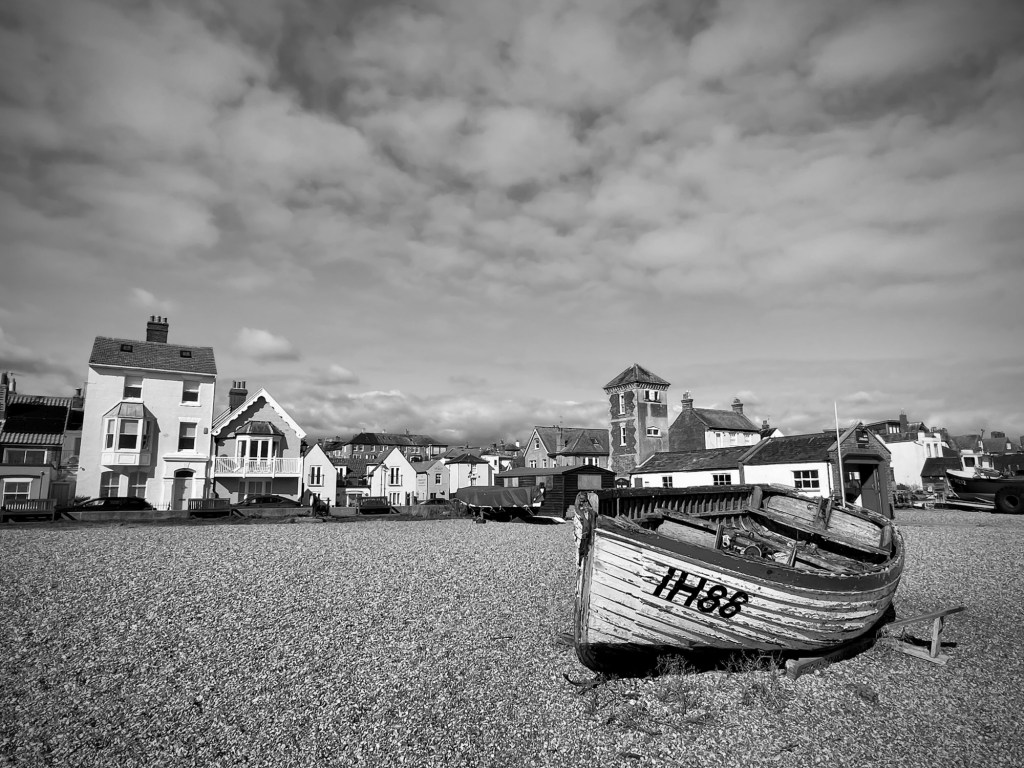
We had to wait into March for our first short trip away, with another coastal stay, this time in Suffolk at Orford. I had just finished reading a book, ‘Where are the fellows who cut the hay?’ by Robert Ashton, which is set in the rural area behind the coast and is well worth some time if you want to reflect on the changes to rural communities over the last 100 years. We really liked that part of the country and plan to go back, including more visits to the nature reserves including Minsmere.
We also had a spring long weekend in Ludlow, enjoying walks from the town and down into Herefordshire and mid-Wales. Another lovely rural location with great wildlife, historic towns and villages and pleasant scenery. So nice in fact, that we may one day end up living there, if or when we choose to move on from Northamptonshire.
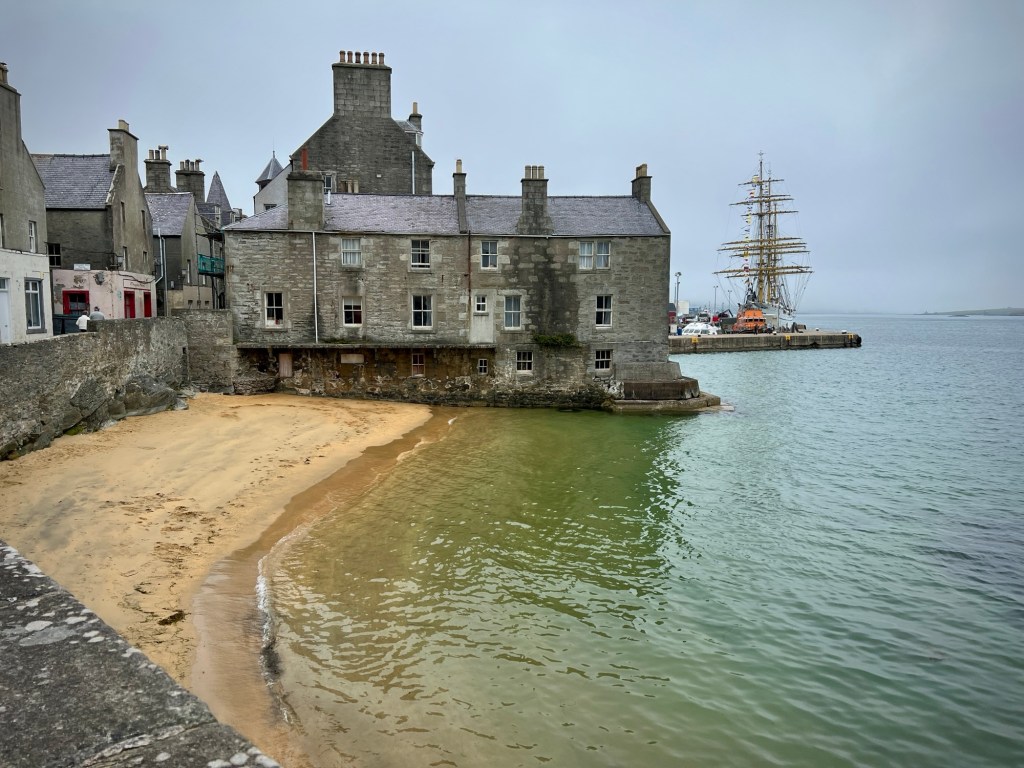
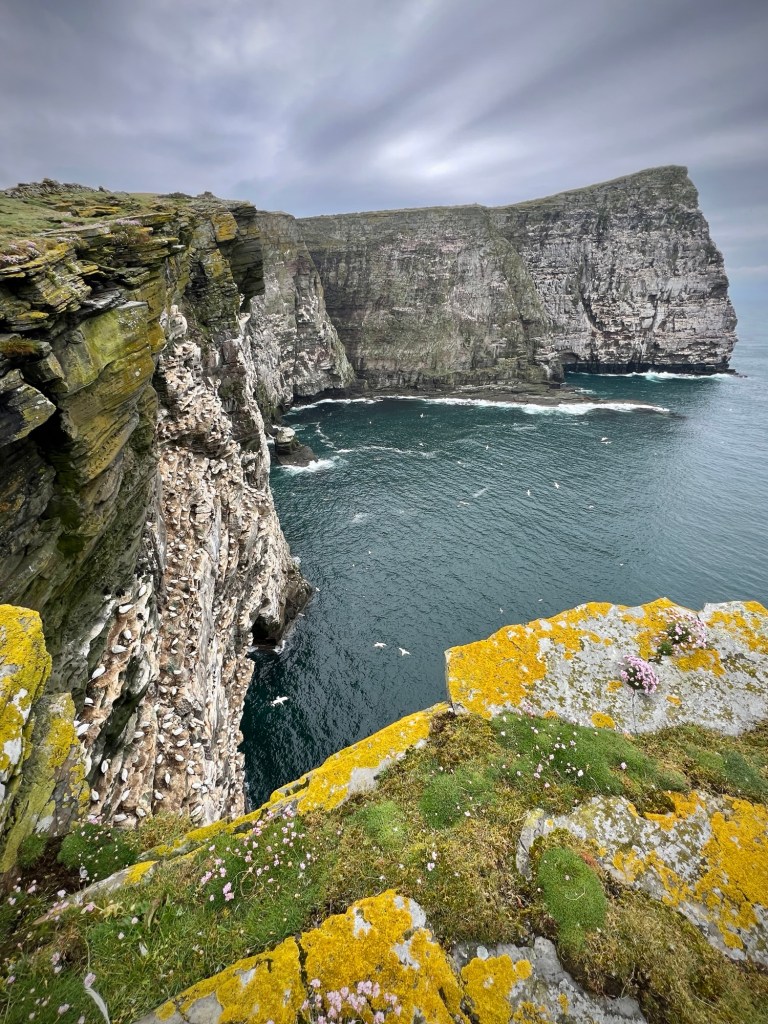
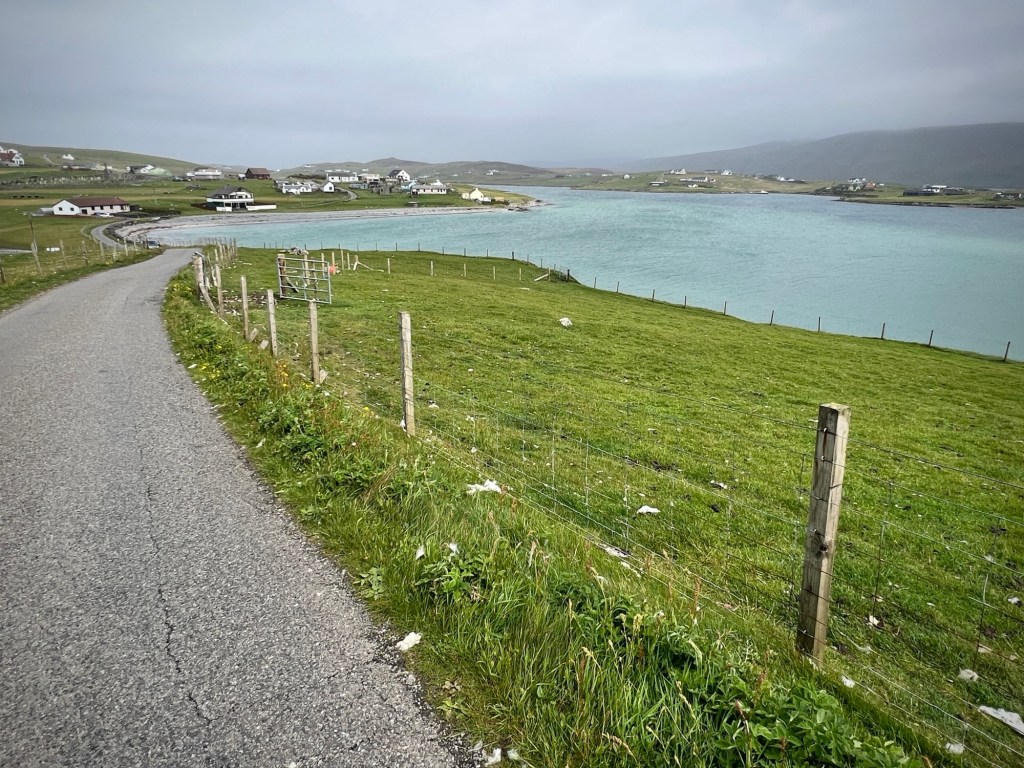
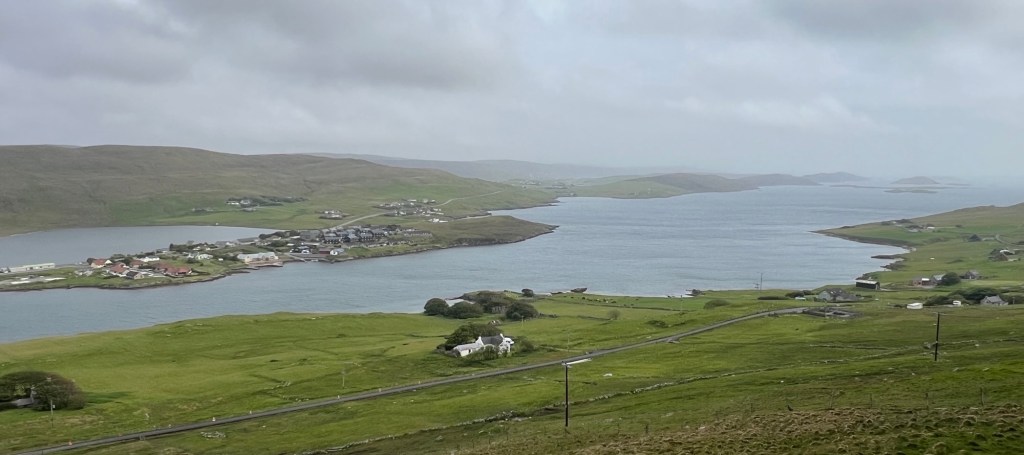
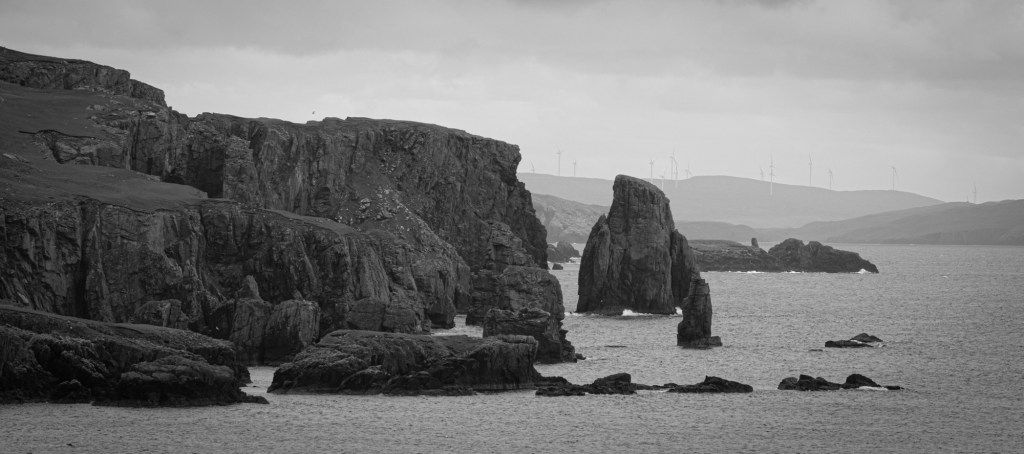
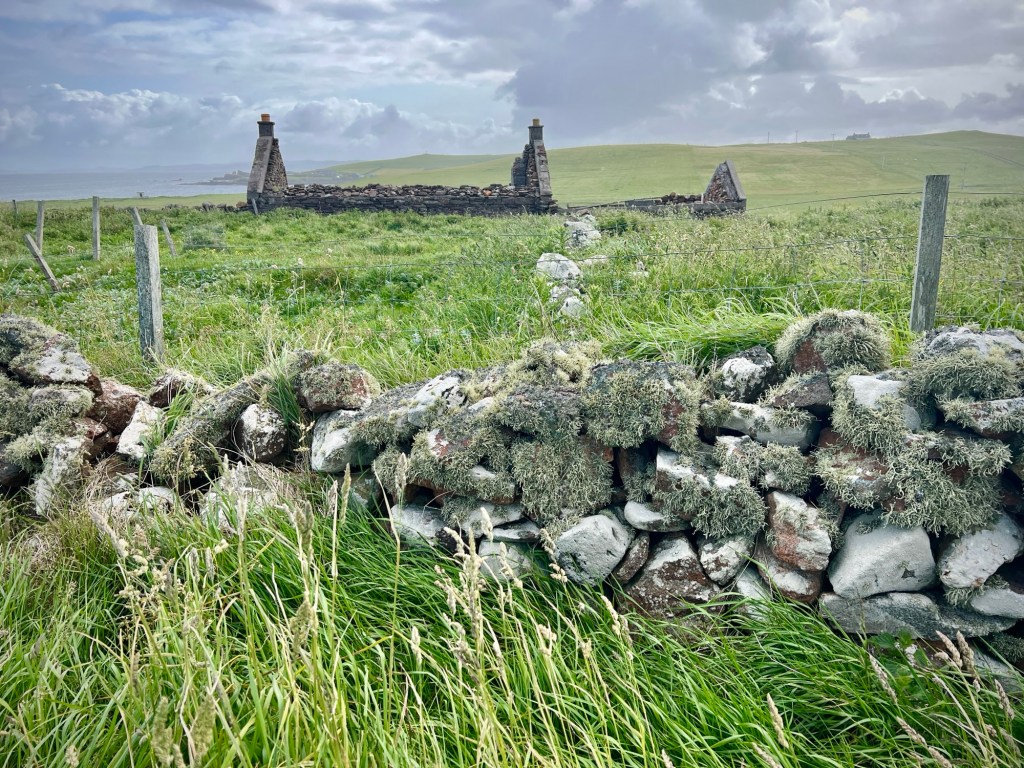
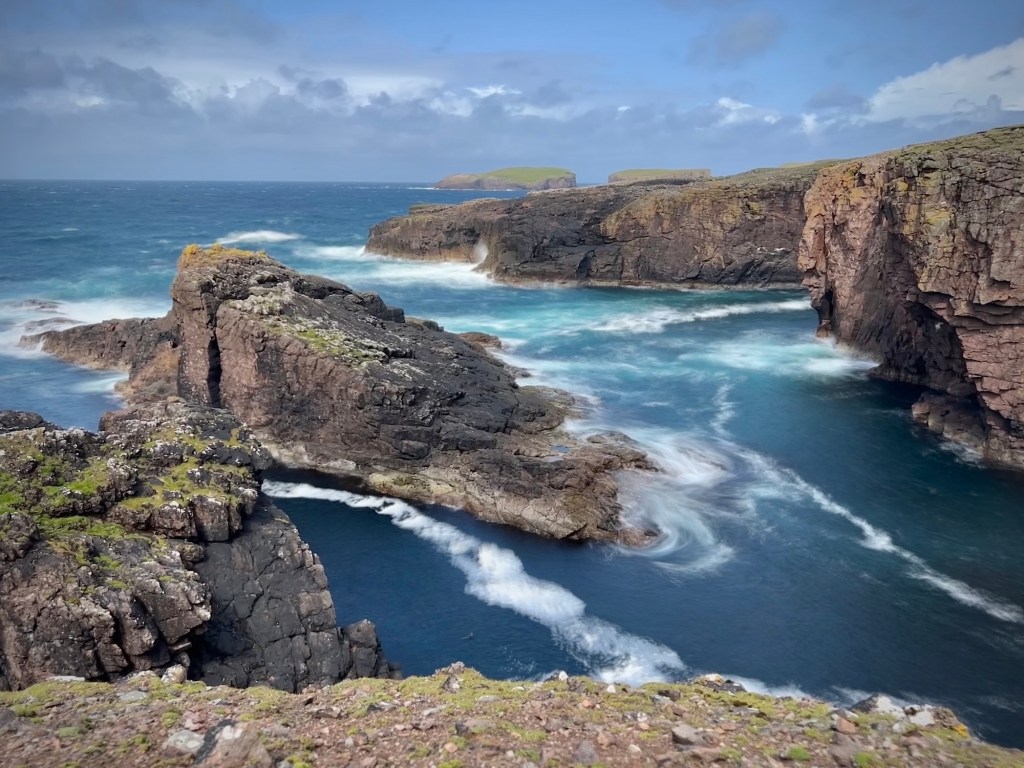
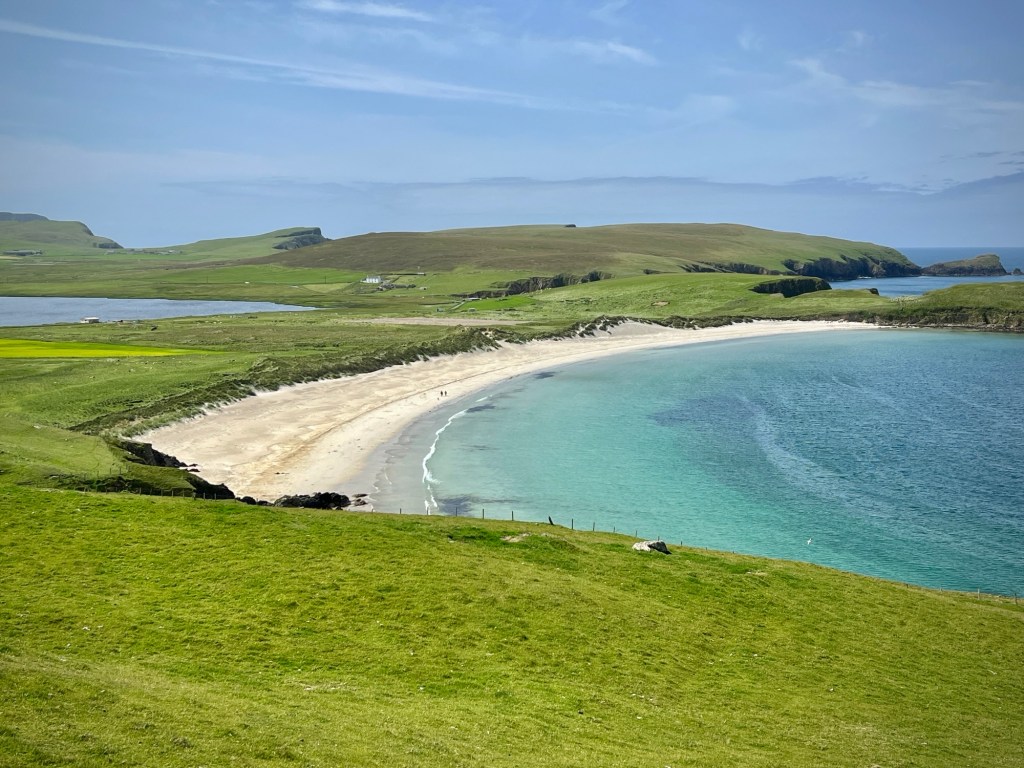
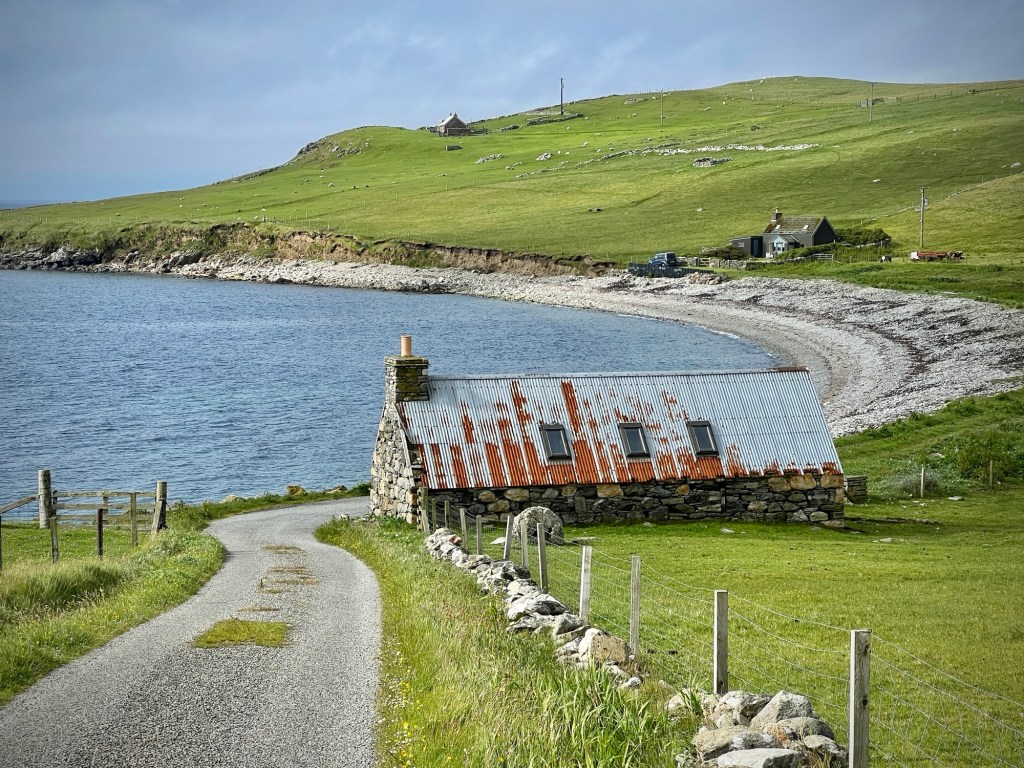
Out biggest trip of the year came in June with a two week holiday in Shetland. I’m still writing up blog posts for the trip but it deserves that time. I honestly think it was the best trip I’ve ever had in the UK and I’d love to spend more time there. The wildlife was spectacular, the landscapes both similar and very different to other Scottish islands, and the history was fascinating. Islands really are my ‘thing’ and Shetland is top of my list of those in the UK.
For a second year running I wasn’t able to volunteer in RSPB Ramsey Island; this time due to issues with the mainland jetty to get volunteers and visitors across. Due to the lack of clarity on whether things will be back to normal soon, I also won’t be going to a stay jn 2026. Instead, I did two days volunteering with the local BCN Wildlife Trust. I did one day cutting willow in a wetland and a second day gathering hay at the Trust’s new Strawbery Hill reserve. This built on my two visits to the site in the spring the second of which produced perhaps the loudest dawn chorus I’ve ever heard in the UK.
The last bigger trip of the year was our usual annual visit to central Sweden and we loved seeing the autumn colours coming out in October and gathering wild produce. We liked it so much that we’re heading there again in later October to hopefully see autumn in full swing.
Our year ended in on the west Somerset coast, which was a bit of a surprise as we thought we were staying in north east Devon. However, we enjoyed it nonetheless.
A bright, sunny but chilly few days brought to a close a year that delivered heat and drought for the spring and summer with heavy rains both in the early months and throughout autumn. It has been a year of whether extremes which we may need to become used to.
Without a big trip to far off lands in 2025, my wildlife watching was much more modest in scale. I saw 161 species of bird, not bad for me, with ruddy shelduck and Sabine’s gull the only new additions to my life list, which took me little further to my current 1,000 target. My mammal watching was particularly limited with only 21 seen, however, the warm and dry weather was great for butterflies. My recording of my butterfly sightings was probably patchy so I’m not confident how many species I saw but I suspect it was over the previous record of 14.
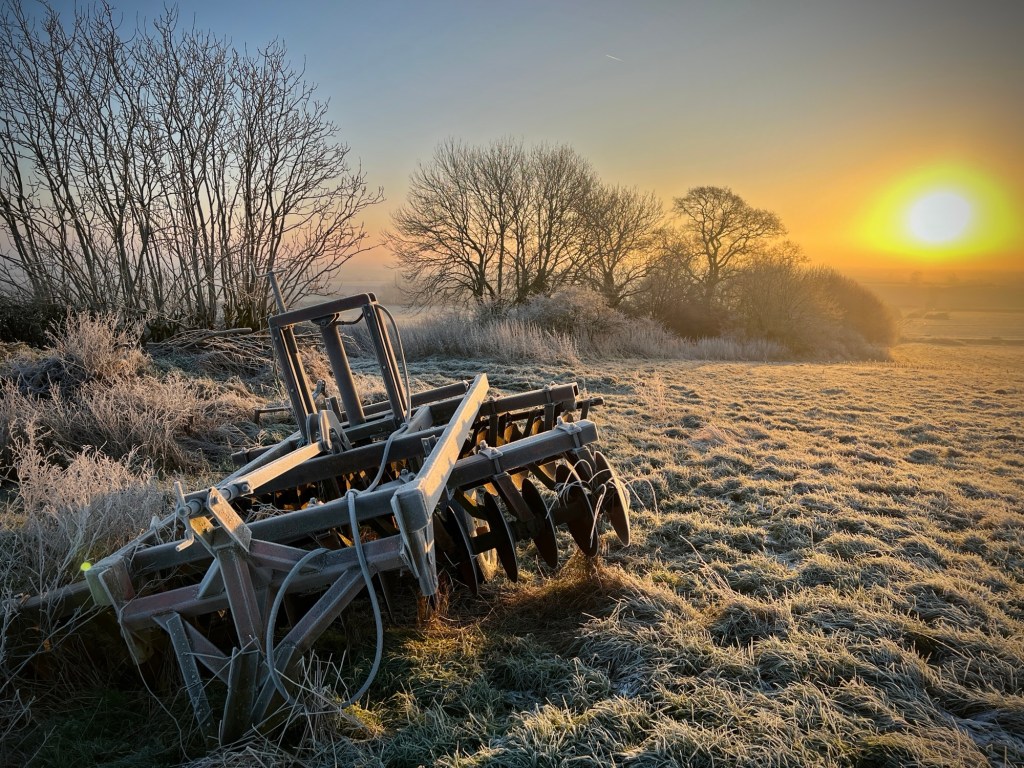
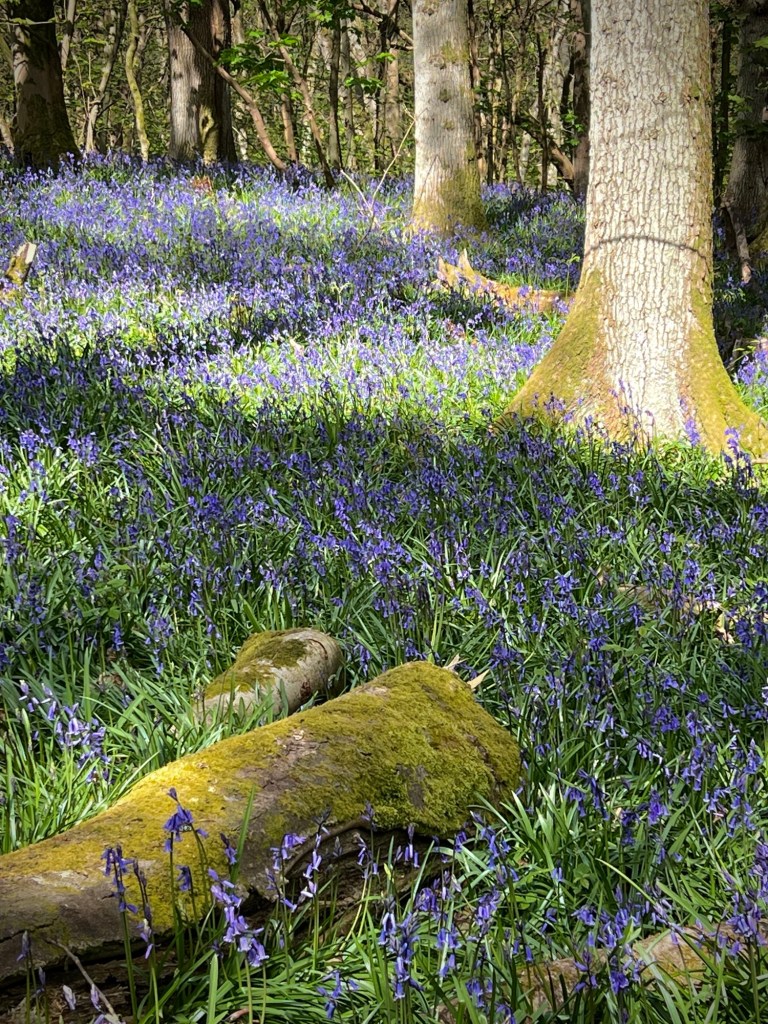
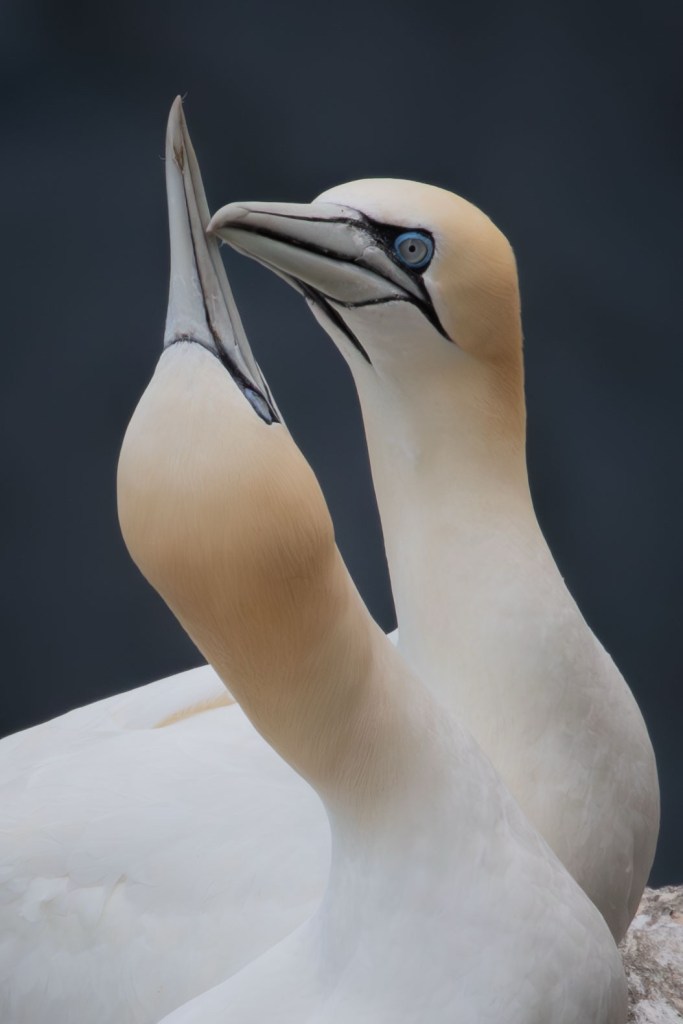
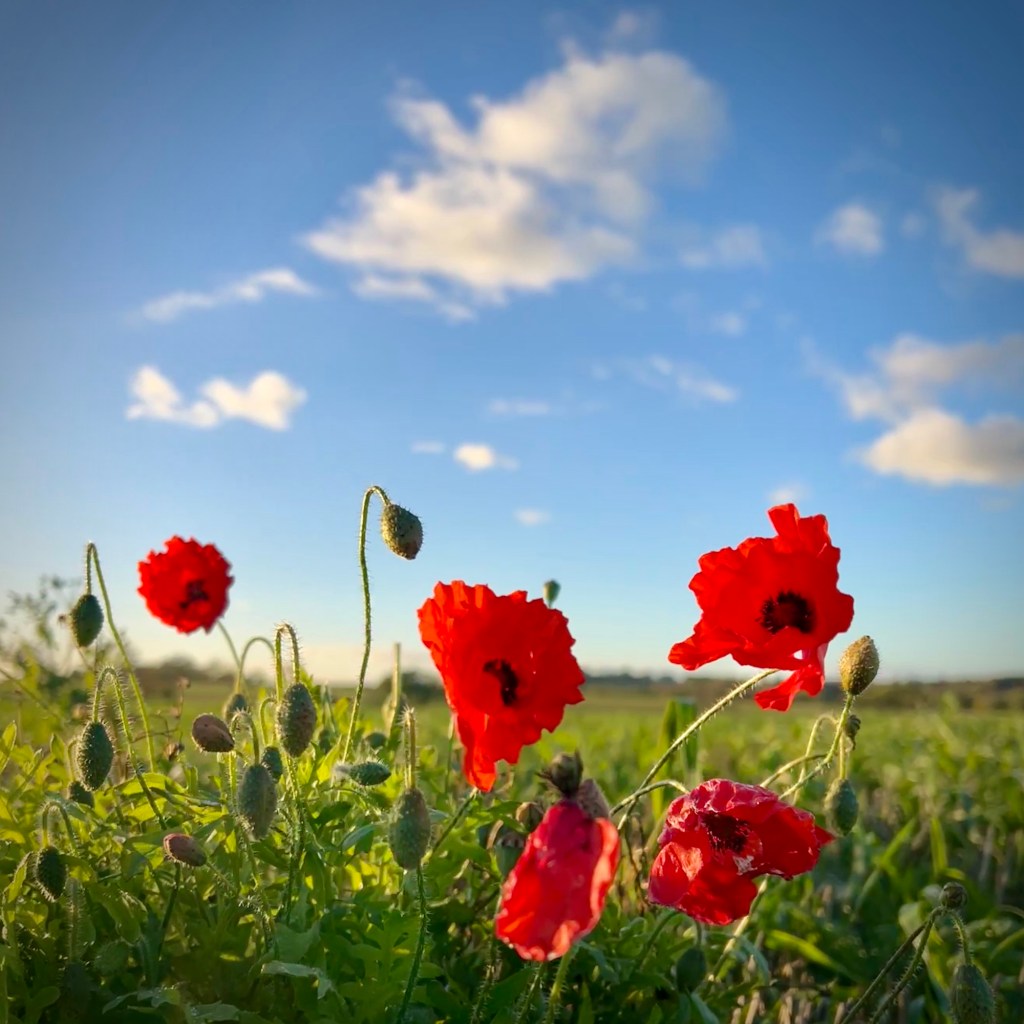
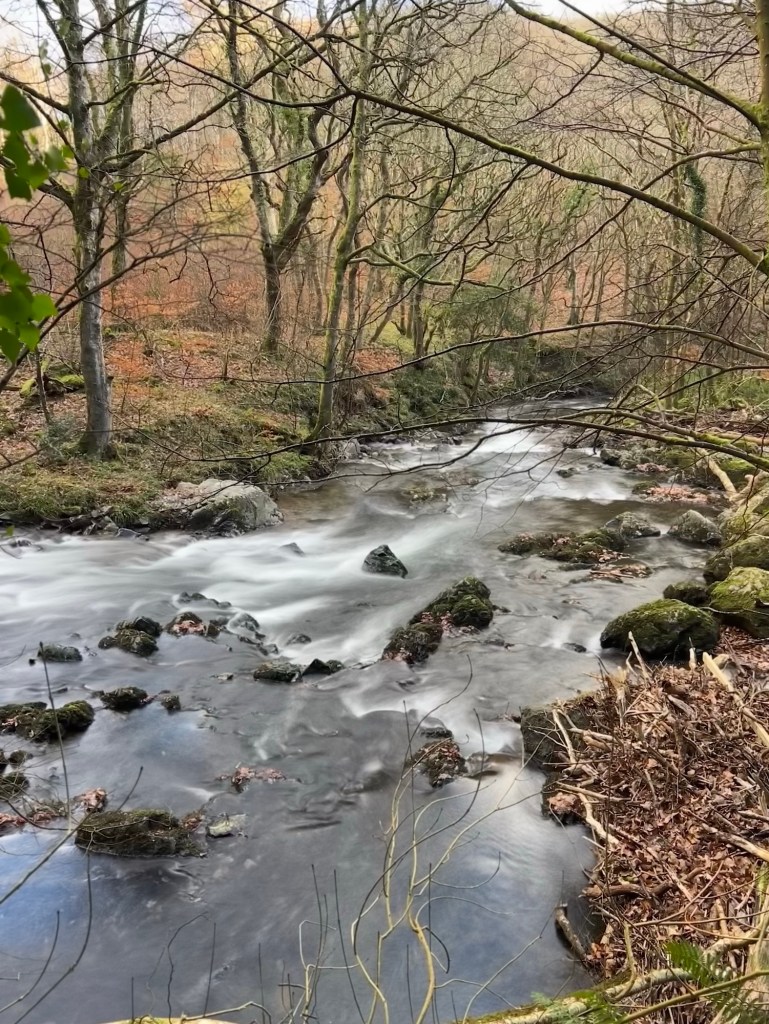
So I’ll end this post with some images of the year…
On a bright sunny Boxing Day afternoon, we went for a walk to a local high point in the countryside. Despite the sun, it was bitterly cold with a strong wind taking several degrees off the already low single figure temperatures.
As we got to a viewpoint we were faced with a sight of at least 16 red kites playing in the wind as it raced across the rolling fields. They soared, swooped and whirled around each other, diving towards the ground and back up to above the height of the low hills. At times they seemed to be playing with together but they also went off on their own to explore the fields before coming back into the group.
The cold wind soon drove us back into the shelter of the hedgelines and we left the kites behind, continuing to play in the wind.
Yesterday afternoon we made the relatively short journey to Coventry to visit Warwickshire Wildlife Trust’s Brandon Marsh nature reserve. We have been a few times over the last couple of years but this was the first time for a winter dusk.
We arrived mid-afternoon and wandered around the reserve’s tracks. The plentiful recent rainfall had made some paths and hides unreachable so our walk was somewhere shorter than usual.
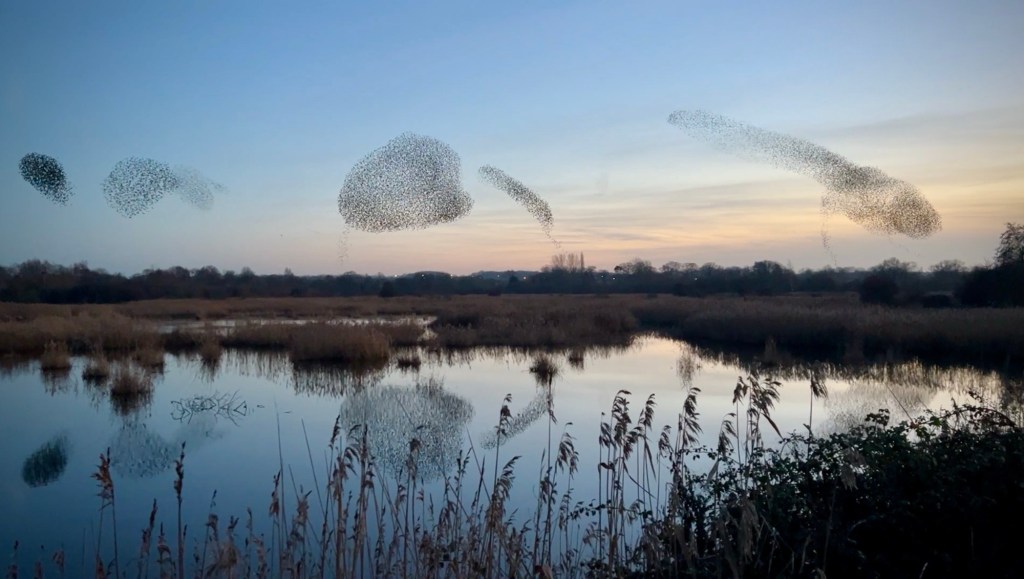
As sunset grew closer, we walked down to the viewpoint overlooking Albert’s Reedbed and waited. The sky cleared and we had a bright sun lowering in the sky to shine light across the reeds. As we waited there was little sign of starlings; instead there was a steady stream of gulls overhead and pigeons occasionally crossing the view. After what seemed like an age, a single starling flew over the reedbed and disappeared from view.
A little while later a small flock of five started circling and after a few more minutes it started to attract more birds. The group continued to fly over our heads, slowly adding more and more starlings to its number but it then moved off and appeared to be heading away from our viewing point.
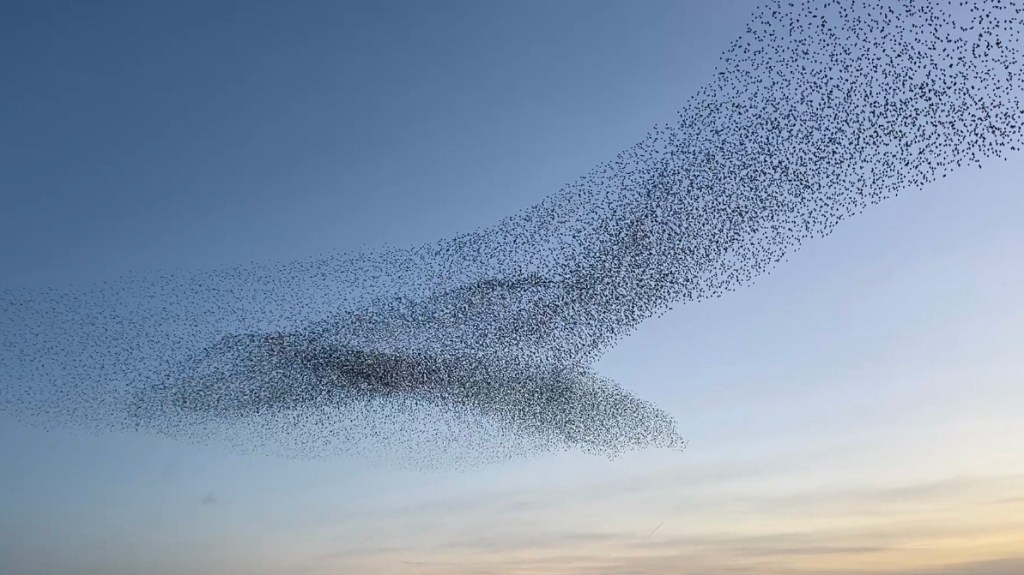
Then, from behind us a mass of birds appeared and started wheeling around the sky forming continuously shifting serpentine shapes. It suddenly dropped low over the ground and, to the sound of screaming children, rushed at head height over the gathering of watchers. This was the start of an amazing show of avian synchronised flying that was without doubt the best I’ve seen. The videos and images below speak for themselves…
It’s a while since I posted and the year has moved on a lot. The leaves are nearly all fallen from the trees and the light is decreasing rapidly. However, today could be mistaken for Spring. It’s warm(ish) with a strong sun and fluffy white clouds. Even some of the birds are tentatively singing.
It’s not to last, though, tomorrow is set for heavy rain all day and then as we go into the new week it looks almost wintry with a chance of frost.
I must do some more posts soon – finish my writing about Shetland and perhaps (a forlorn hope) another post on last year’s trip to Ecuador.
I’ve been to Sweden in most months of the year but never before stayed for longer than a weekend in the autumn. To make up for that, we have just spent over a week staying in rural Sweden to see what its version of the season of mist and mellow fruitfulness is really like – it didn’t let us down.
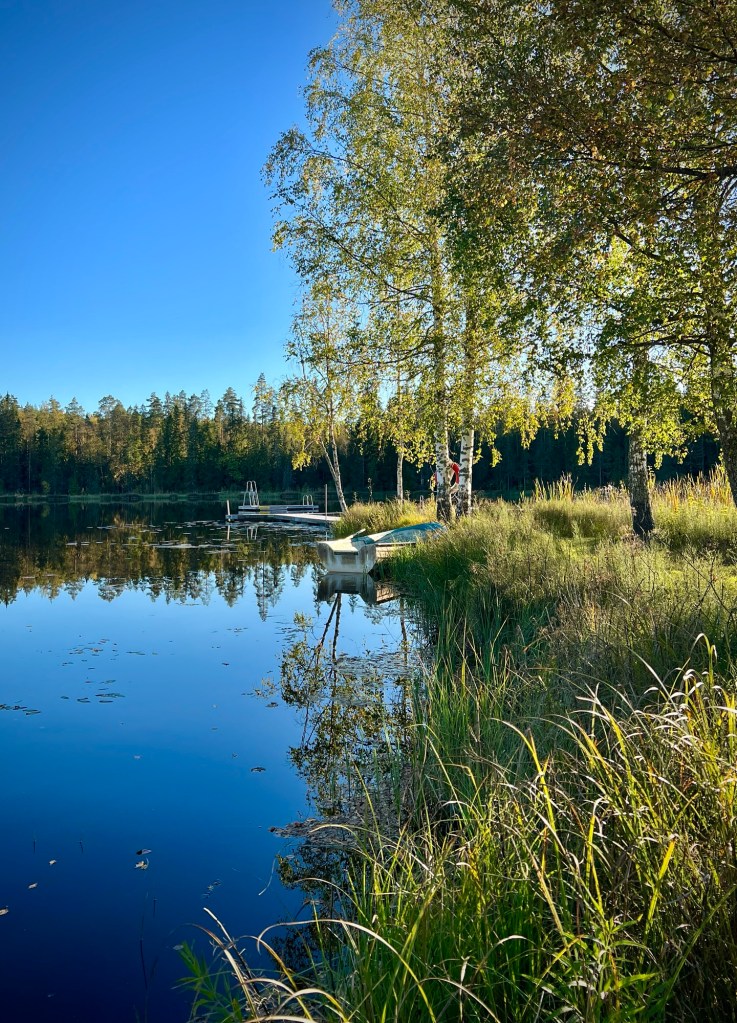
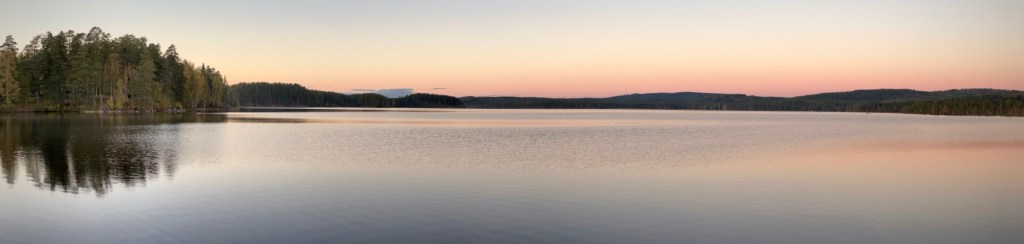
Staying as we usually do, in a summerhouse deep in the countryside of central Sweden, we spent days wandering the land, experiencing the season getting into full swing.
We visited the Hälleakogsbrännen nature reserve, went to the Bergslagen forest and walked through the woods and lake edges of Färnebofjärden National Park. At all these locations we went looking for wildlife, seeing the scenery change with the season and partaking in some very Swedish activities.
Hälleakogsbrännen is a fascinating nature reserve covering a huge area affected by the major forest fires of the summer of 2014. I’ve visited the reserve a few times now but hadn’t been there for two or three years. The gap between visits gave us a dramatic show of nature’s return to an area so badly affected by fire. Much of the land is now covered by thick birch and fir scrub which is starting to enclose the views. The authorities have built a boardwalk up to a high point upon which they have erected a watchtower. From there visitors can see across the vastness of the forest fire site but also how life is now strongly returning over a decade on. With the autumn colours starting to show, the growth of the birch woodland was clear to see.
It was here that we did the second of the very Swedish activities, grilling sausages on an open fire next to a lake. This followed the first activity enroute; eating a cake for a late morning fika. Grilling in the wild places of Swedish is one of my favourite things to do; making a fire at one of the many fireplaces located across stunning locations, cooking sausages and eating them looking over a forest, river or lake.
Our trip to the Bergslagen Forest, specifically within the Malingsbo-Kloten nature reserve, was primarily to see if we could find European Elk, however, our driving amble through the low hills and alongside the lakes gave us other sights. We stopped at the Skräddartorpsfallet waterfall and went for a wander through the woods to the north of Kloten. We spent time on the walk doing another very Swedish activity; picking lingon blueberries. Our good haul of lingon accompanied meat balls and mashed potato the next night, both in the cream sauce and as a sauce themselves: food doesn’t get much more Swedish than this.
As darkness began to fall, we drove slowly along the forest tracks hoping to catch site of the elk (the area has some of the highest concentrations of these huge animals anywhere). However, our search came to nothing elk-wise but we did follow a mountain hare down one track for a little while which was a great bonus.
Färnebofjärden National Park, which I have written about before, is very close to where we usually stay and some parts are less than 30-minutes away by car. Our first visit was through the nearest point to us which gave us access to the quietest and perhaps most wild part of the park. We spent a few hours walking the tracks through typical Swedish forest; a mixture of deciduous and evergreen trees standing over the ground dotted by large boulders and carpeted by thick mosses and lichens. We came across a wide variety of fungi on the walk and picked a few chanterelles for our dinner. It was quite quiet for wildlife sightings apart from roving mixed flocks of tits and a few woodpeckers. However we did come across elk footprints and wild boar rootings along the paths.
We also went to my favourite part of the national park, at Skäkarsbo, near the town of Tjärnsjö. Here you can find a high watch tower which looks out across a large part of the park, giving wide and distant views. Unfortunately, it was temporarily closed for maintenance but we made use of jetty jutting out into the water nearby and spent time in the sun looking for wildlife. It was clear that much of the summer birdlIfe had already moved south with gulls and terns conspicuous by their absence. However, we did get good views of two white-tailed eagles soaring on thermals, their tails flashing in the sunlight, before they purposefully glided off into the distance.
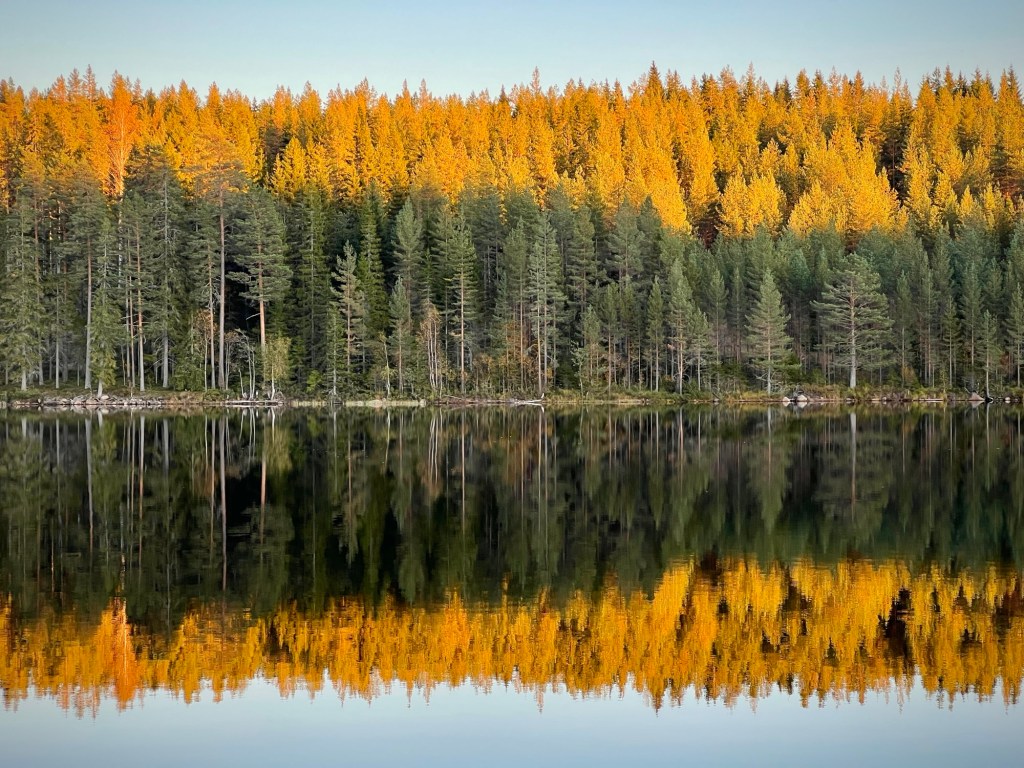
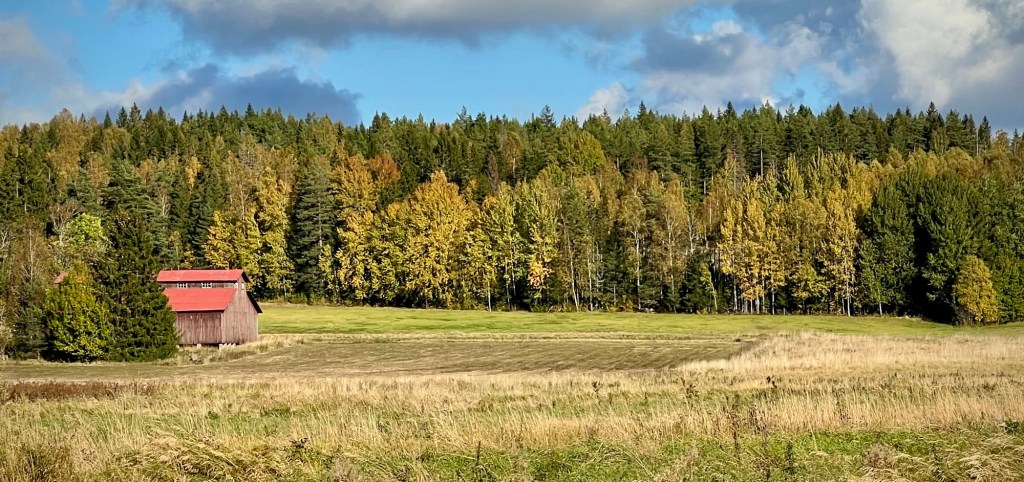
What I haven’t mentioned yet is the landscapes and scenery. The area of central Sweden in which we stay and spend most of our time is in the dividing line between the southern and northern ecosystems. It is an area of forests, meadows, lakes and bogs. The trees are a mixture of deciduous oaks, birch, alder and aspens, often in clear stands or at the edges of fields, alongside vast areas of evergreen pine forest. As our time in the area moved on, the colours of the deciduous trees changed dramatically. At the beginning of our stay. The autumn changes had only really started with the birch by as the trip progressed the other trees started to turn into a range of vibrant yellows, oranges and deep reds. The naturally sifting colours provided a charming background to the traditional red and white houses and barns that punctuate the landscape throughout the area.
The weather made the views even brighter with most days of our stay having a good deal of sunshine and the only rain came on the last couple of days. The daytime temperatures were not too dissimilar to those of central England at this time of year, with highs around the mid-teens Celsius most days. We even sat outside in the sun a few times, with the day of our arrival being almost summer-like out of the shade. The night time temperatures did drop at times, with low single figure the norm but occasionally dropping closer to freezing.
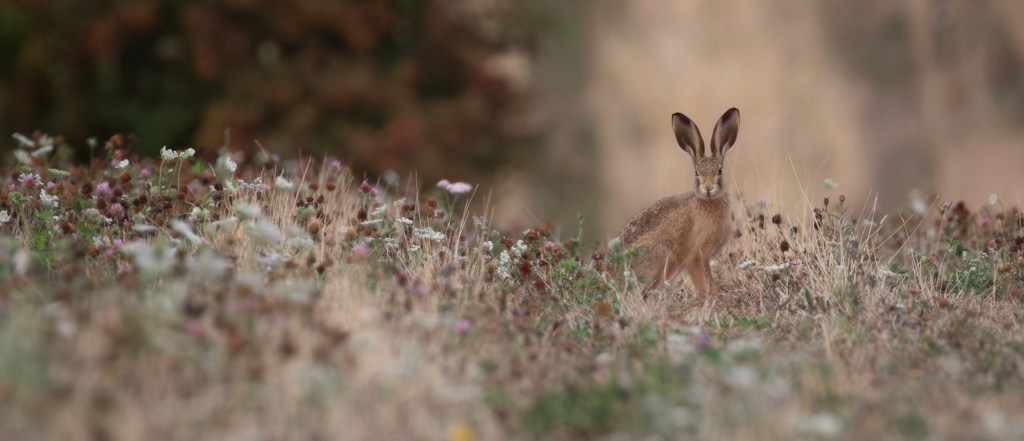
The wildlife wasn’t saved purely for the trips out into the countryside; the summerhouse itself has a great selection of birds and mammals both within the garden and in the immediate surrounding area. There was a resident brown hare in the garden when we arrived and there were nightly visits by a badger and roe deer. We also had frequent visits by red squirrels to the bird feeders, much to the annoyance of the birds. The feathered visitors included a good range of tits and nuthatches constantly on the food as well as jays, magpies and great spotted woodpeckers in the garden. Further out into the surrounding woodland were green and black woodpeckers and a frequently calling pygmy owl. Our favourite residents close to the summerhouse are the beavers in the nearby lake. After not seeing them at all during your visit last year, we saw two together as dusk on our penultimate evening. We also heard news that brown bear scat had been found in one of the garden of a nearby summerhouse recently; I’m not sure whether it would have been good to see one on our evening wanders! Perhaps it was best to leave that to our planned trip to Finland next year.
Amongst our wanderings we also came across some other notable birds of the landscape including goshawk, marsh harrier, whopper swan, goldeneye, crested tit, willow tit, fieldfare and hooded crow.
I’ve saved the best, and least expected, experience to last. Despite having visited the country throughout the year, most stays have been in the lighter spring and summer months. At these times of year, the sky barely gets dark at night, if dark at all, and it’s a joy to experience such long days. However, the drawback is you don’t get an opportunity to see one of the greatest spectacles of nature.
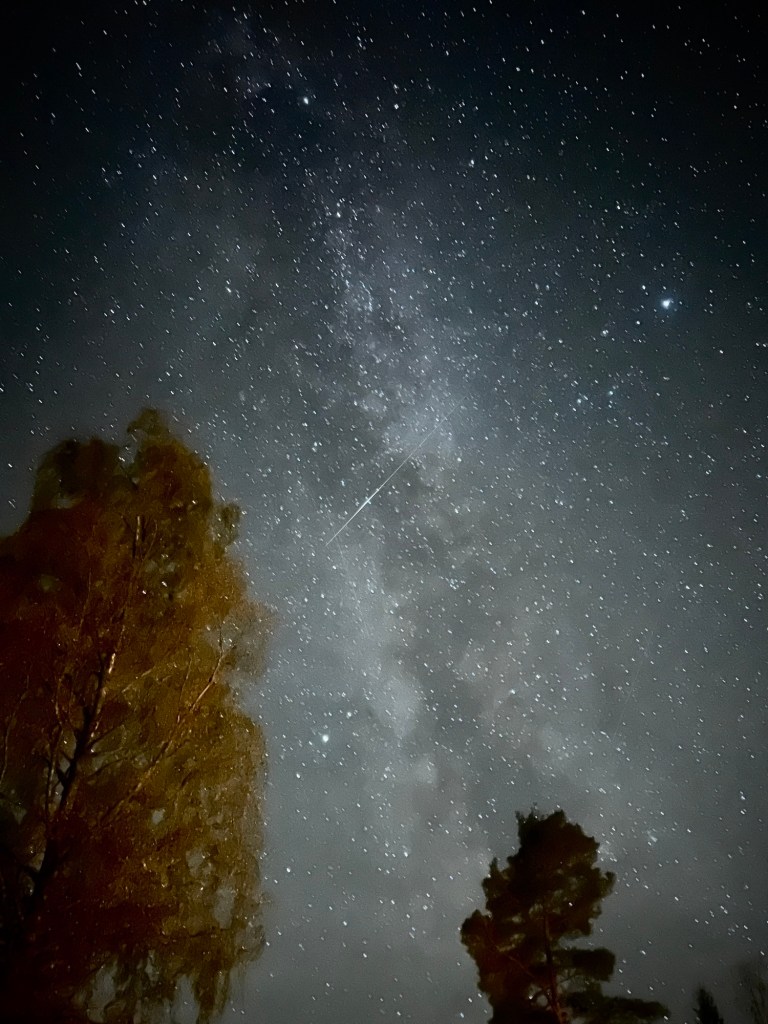
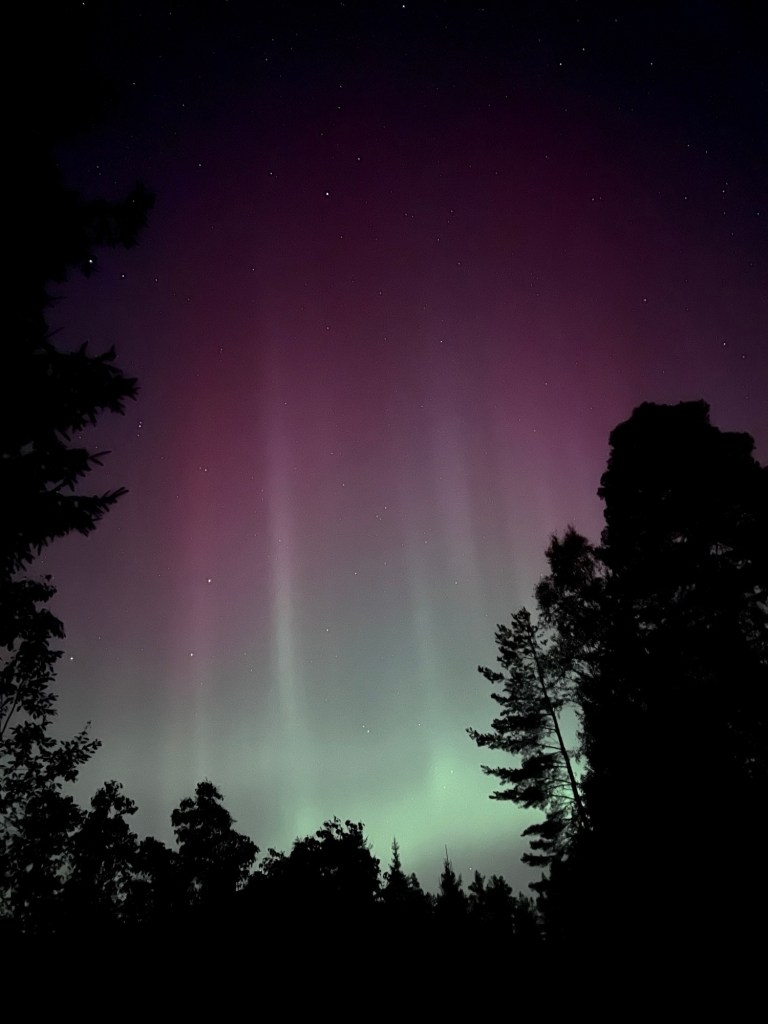
One evening during this stay, I stepped outside into the rapidly coolly night air to listen for any nocturnal wildlife calls. As I looked into the clear star-studded sky I saw the Milky Way above my head and off to the north what appeared to be clouds. To the naked eye, they appeared to be striped and slightly green-tinged. Having called my wife outside we both took photos with our phones. It was the start of a show of the Northern Lights!!!
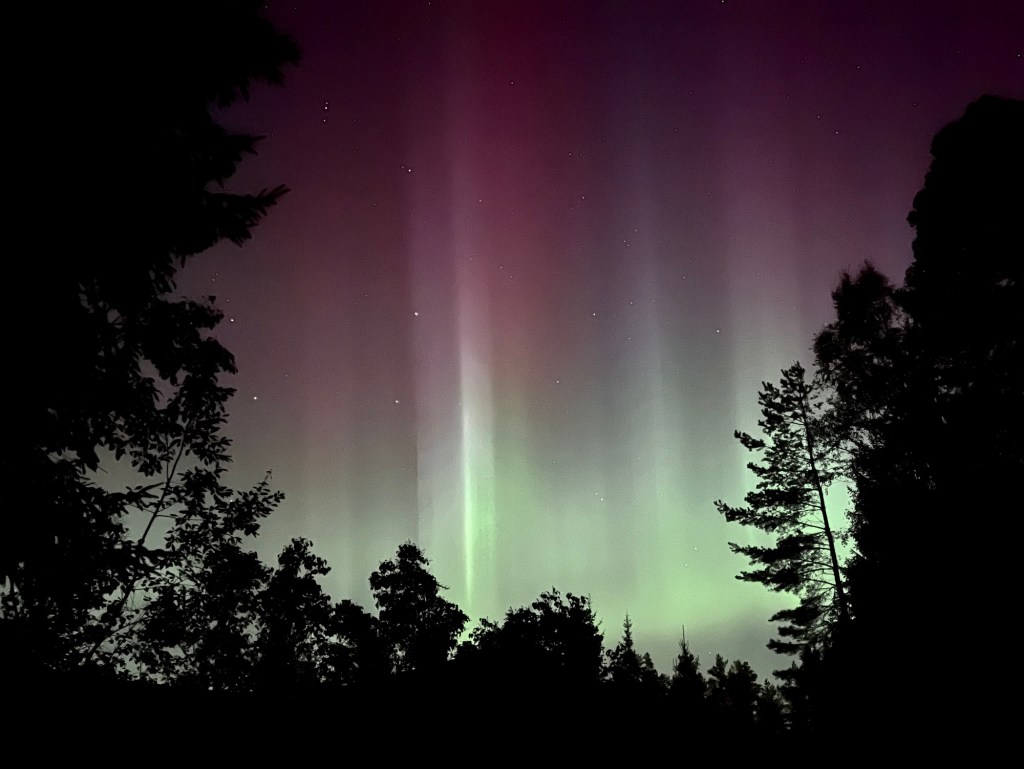
Over the next hour or so, both outside the summerhouse and down by the nearby lake, we watched a flickering show of green and purple lights constantly moving in curtains and shafts across the sky. This was only the second time I’d seen them after a pretty tame show in Iceland over 15 years ago.
One night of such views was fantastic but we got a second the following night. The colours we perhaps not as clear but instead we saw rapid pulses of light scudding across the sky above our heads. This was far more difficult to pick up on our cameras, as it just looked like clouds in a still image. However, I also took a photo I had always dreamt of taking but never expected to; the Northern Lights above the summerhouse.
This really was the highlight of the trip but there was so much to like about our autumnal stay in rural Sweden. It was a visit truly in touch with the season, from the birds and mammals, the changing colours of the trees to picking mushrooms and berries, as well as nip in the air as the temperatures fell each evening. It was a visit that gave us a pause in our recently busy lives, to take a breath, to slow the pulse, and to feel more in step with nature’s rhythm. It felt like a celebration of cosiness, changing colours and shortening days, warmed by evening fires and hearty food.
In our morning drive to the airport, the Swedish nature gave us one last bit of joy. Travelling down the fast road to Västerås from Sala, we saw a large bird flying low over the tree tops before crossing the open fields and making its way across our view. At first we thought it was a grey heron, having seen a few during the week, but as it got closer we could make out the clear silhouette of a big bird of prey. It was a golden eagle brightening our journey home!
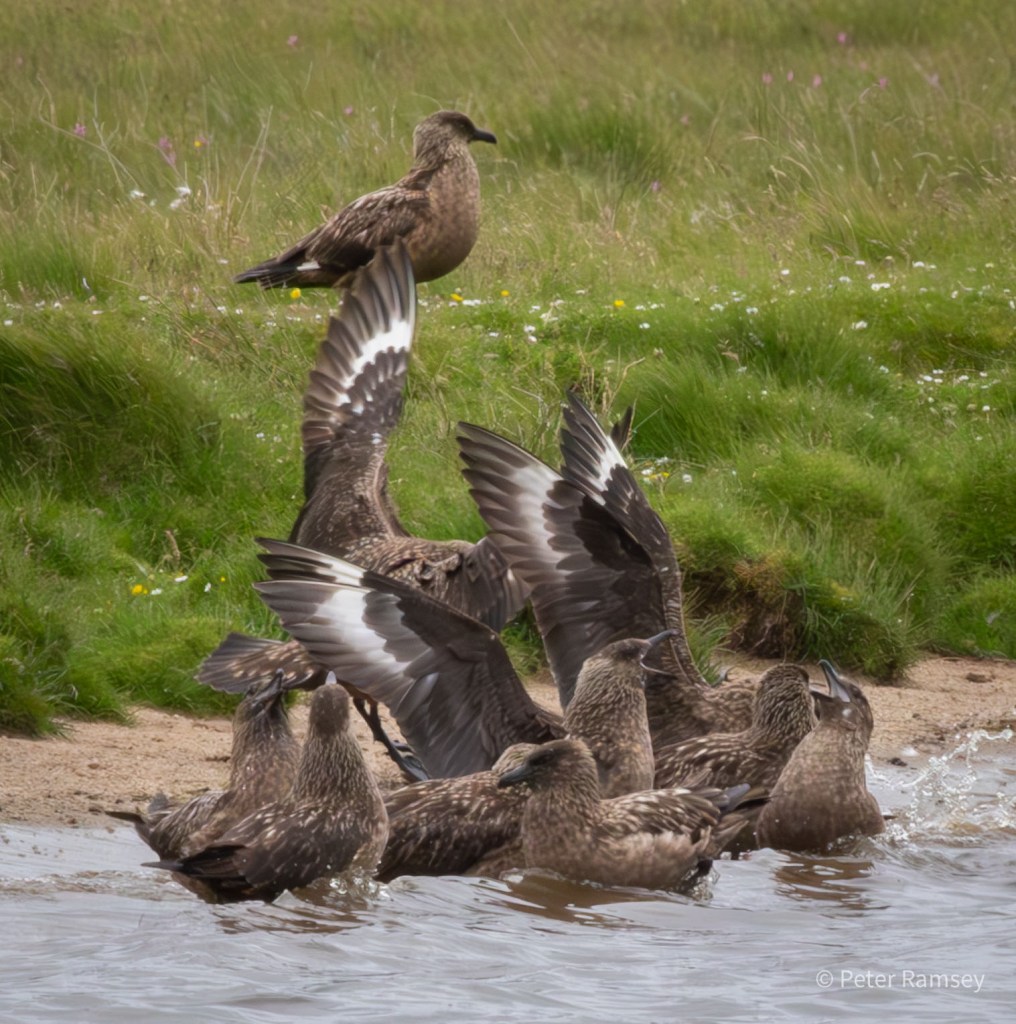
On our travels around Shetland, one of the best wildlife sights was of a Bonxie bathing spot not far from Hermaness National Nature Reserve.
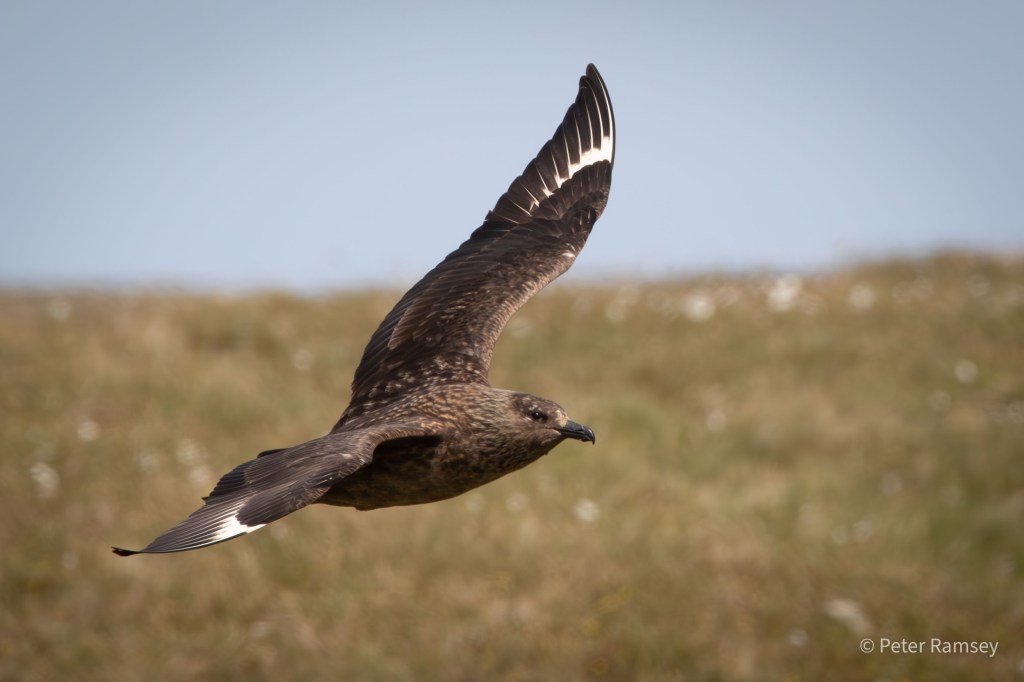
Great Skuas, or Bonxies as they are known locally, are a bird highlight of the islands. These large, heavy-weight birds are known for their aggression and they frequently mob passers-by if they get too close. I was on the receiving end of their dive-bombing out on a walk in Orkney a few years ago but fortunately in Shetland we didn’t have that experience, despite some quite close encounters. Skuas are also known as ‘pirates of the sky’ as they spend much of their time robbing other birds of their food.
The bathing spot is in a large freshwater lake in a valley behind Hermaness. The first time we drove past we counted around 70 individuals in the water or standing on the nearby lakeside. The second time, we stopped and used the car as a birdwatching hide and managed to get a few photos as they argumentatively cleaned themselves.
The real close-up pictures in the set below are actually from a small pond on Hermaness itself. As we hiked up the boardwalk we came across a very obliging Bonxie that didn’t at all seem bothered by our presence.
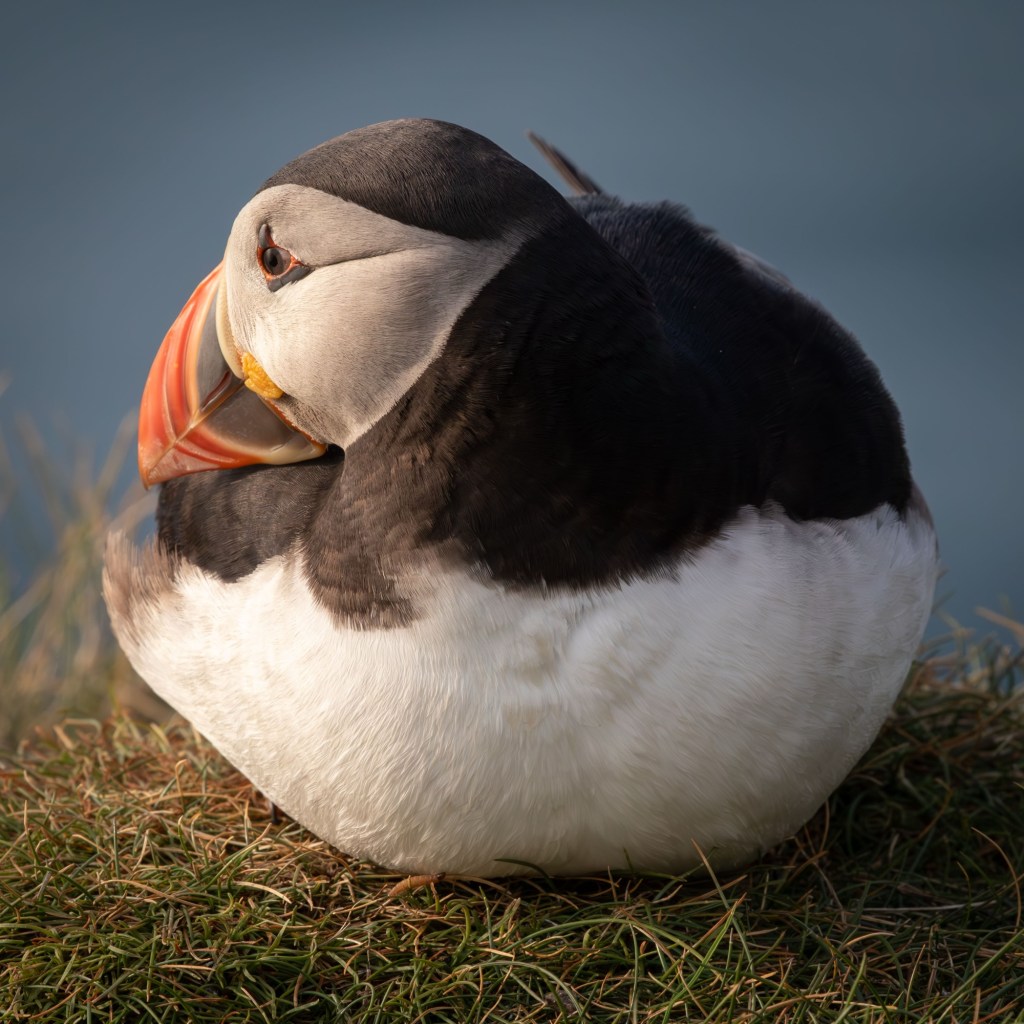
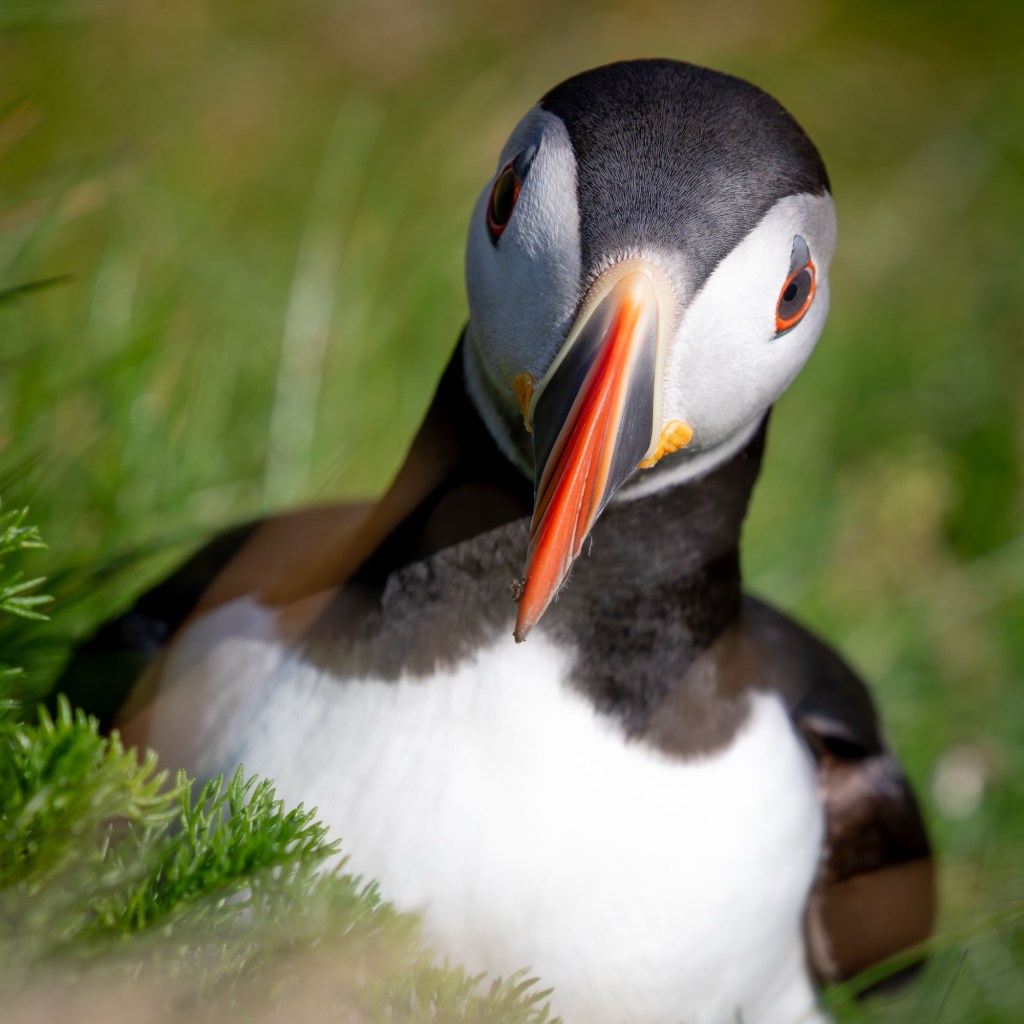
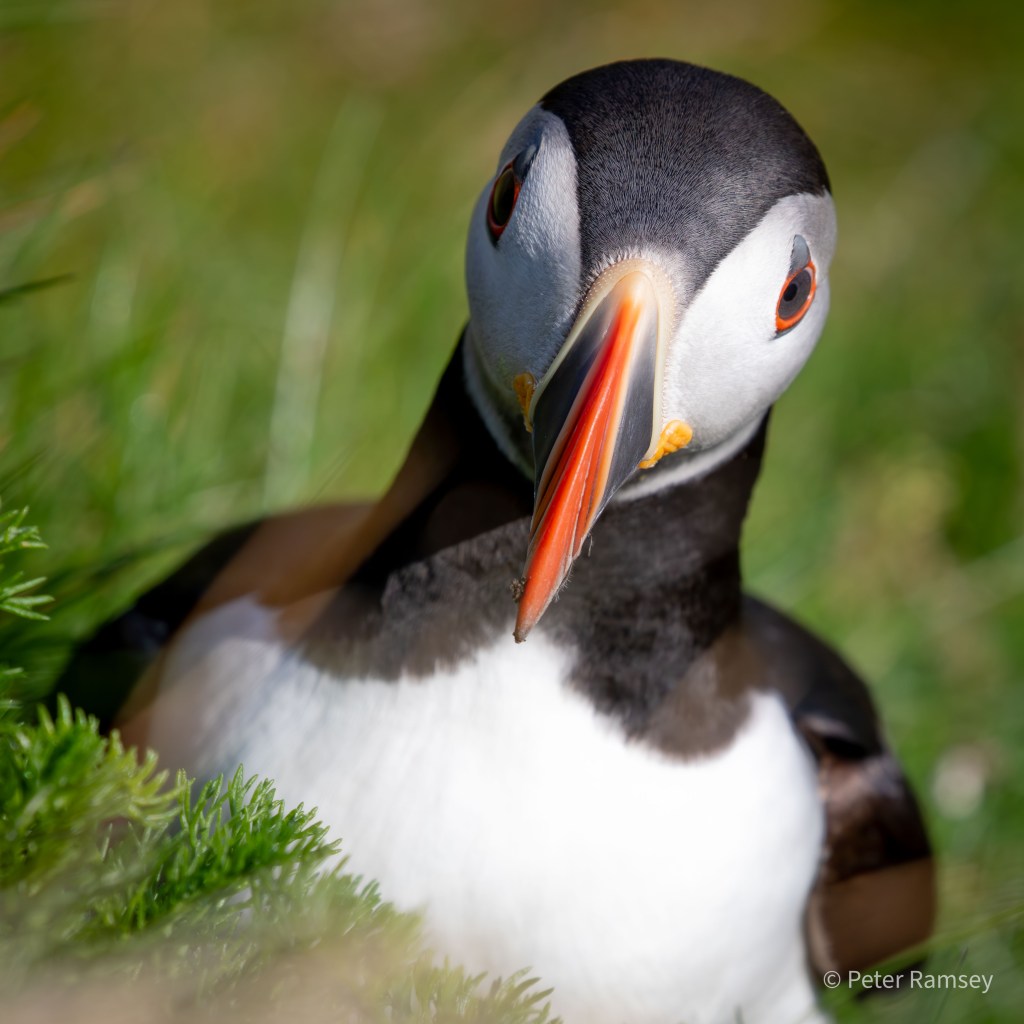
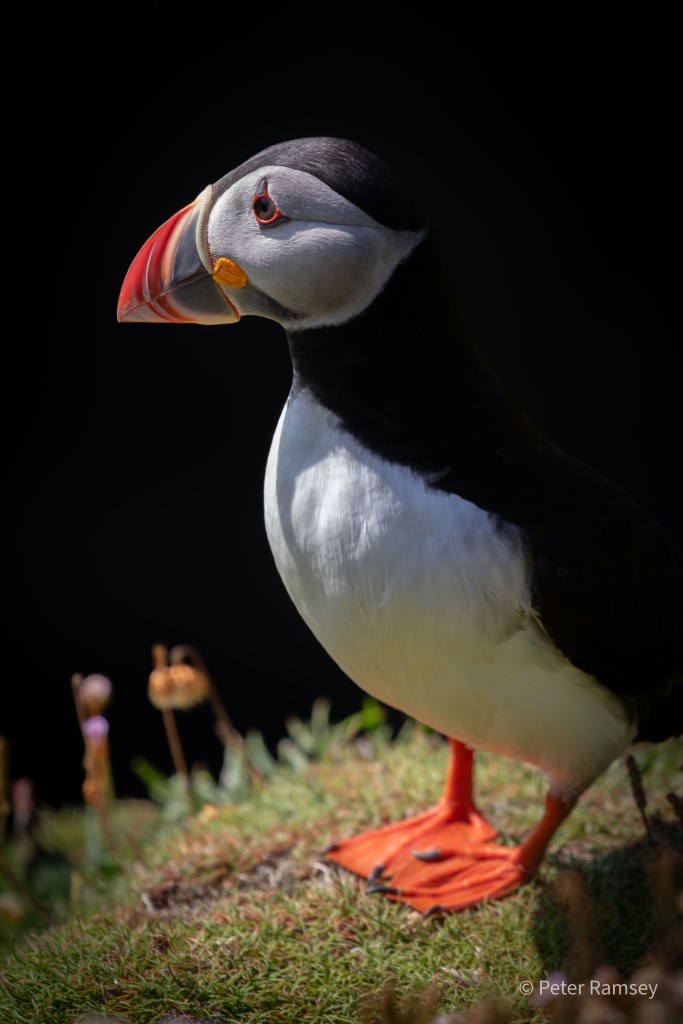
For many people, a standout bird of Shetland has to be the Atlantic Puffin. I have a mixed relationship with these familiar birds. On one hand they’re one of the most charismatic species the UK is lucky to have but on the other hand, due to that charisma, they often take the limelight away from other species. Despite their attraction, they are on the UK Red List for birds, which puts them at the highest level of conservation concern.
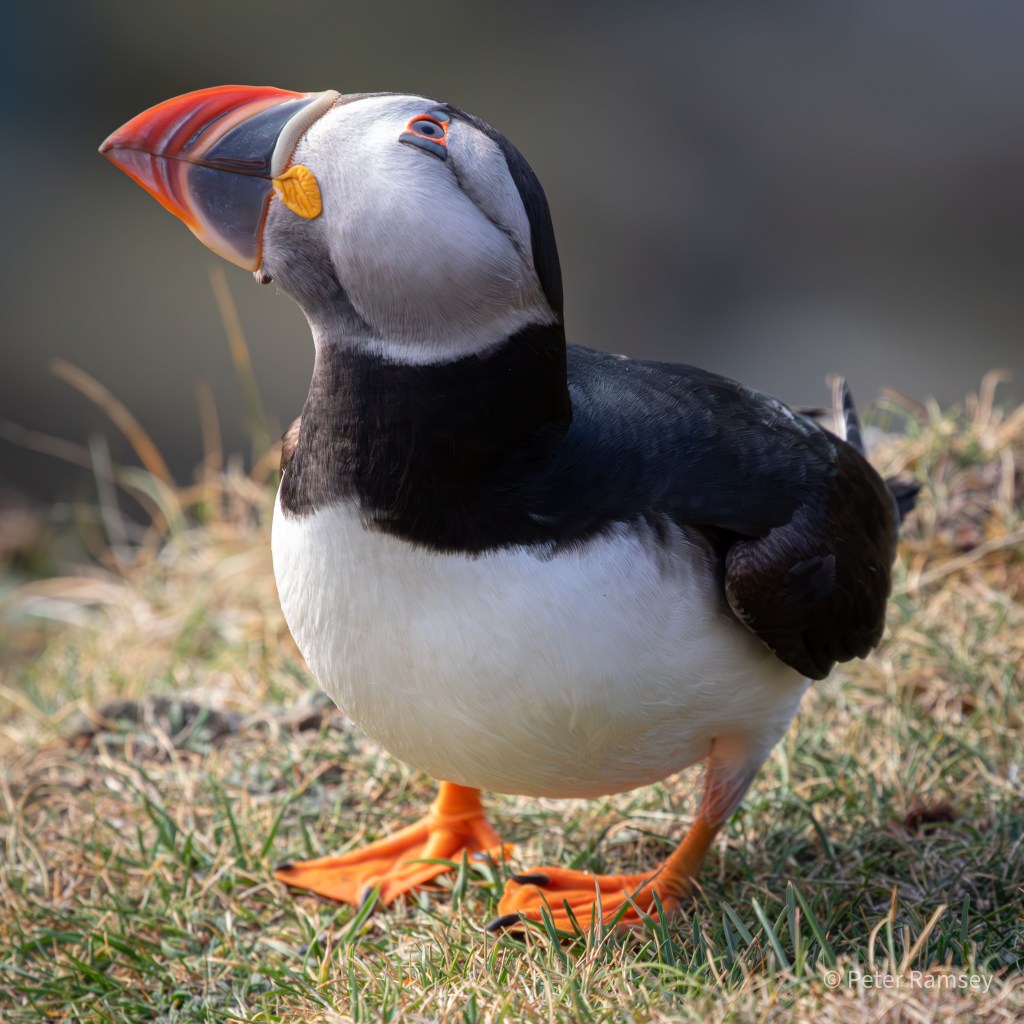
We found these bird in a number of places in Shetland, from the northern-most spot, at Hermaness, to the most southern, at Sumburgh Head. The latter gave the best views of these birds including during an early morning wander around the lighthouse which gave is the perfect light for some of the photos below.
The two images below are my particular favourites. Both taken in that early morning light. The first is a ‘ball of Puffin’ sitting cosily on the edge of the North Sea, looking east towards the sun. The second is of a jaunty Puffin, as it came out of its burrow high up on cliffs.
Like so many seabirds, Puffins have experienced long term declines in their numbers but it was good news to hear that the UK has closed its sand eel fishery. These are the main food source of Puffins and it’s a pity we weren’t in Shetland to get some of those lovely images of parent birds bringing in bills full of sand eels to their growing pufflings…perhaps next time!
This year I’m using the two days volunteering my company gives me to spend time with Bedfordshire, Cambridgeshire and Northamptonshire Wildlife Trust.
Today, I’ve been out with them at their amazing Strawberry Hill reserve. This is the rewilded farmland site they took over recently and one of the most inspiring places I’ve ever visited. Taken out of agricultural production nearly 40 years ago, the site has been allowed to return to nature. When I visited in spring, the dawn chorus was perhaps the loudest and most intense I’ve ever heard it in the UK.
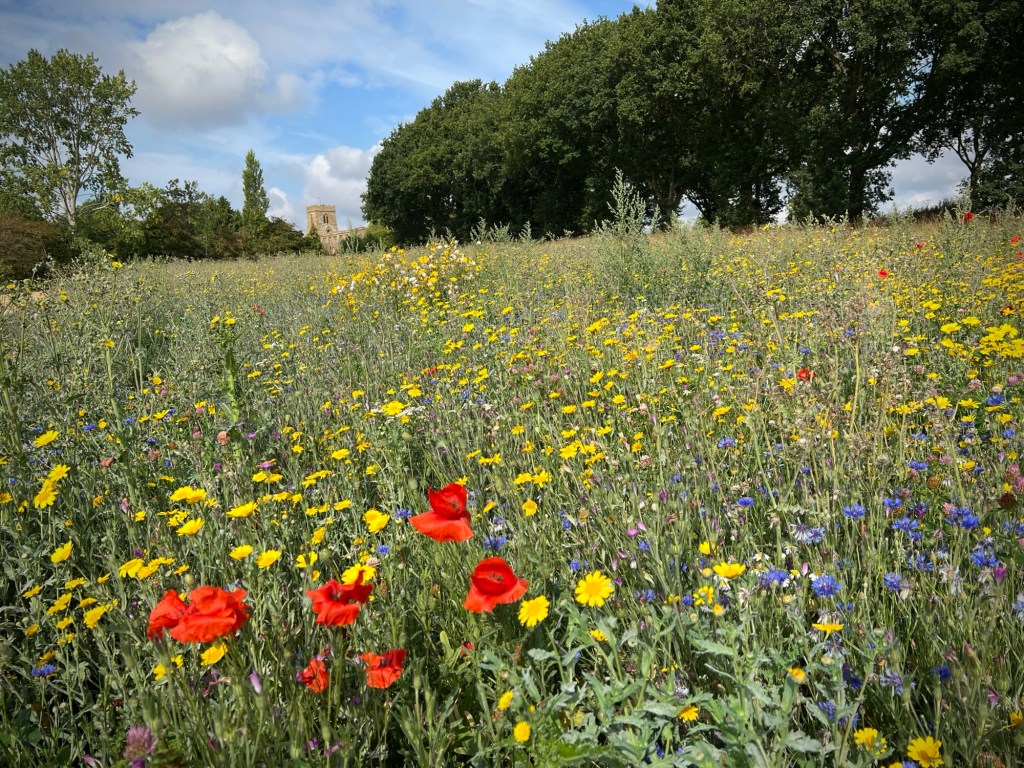
Today, at the far end of the bird breeding season, I was helping with work to maintain a wildflower meadow. The rangers had already cut the long grass, and cut some more today, while the volunteers spent the day raking the cuttings and piling them up in large stacks of hay at the edge of the open area.
At first it did seem slightly odd for management techniques to be reapplied to an area where nature had been allowed to take its own course over the last few decades. However, without some intervention, the whole site would eventually be taken over by scrub and then succession woodland. The alternative is to have a richer and more varied pattern of landscape with woodland, scrub, open areas, meadows and water. We were, essentially, acting as large herbivores who, in truly wild areas, would help to create that diversity of places. As much of the site is presently unfenced, these animals have been missing during that rewilding period. While traditional breed cattle are now in parts of the site, to do that work, much of the site remains unfenced, so there’s still a role of us to some of the clearing.
Given the temperature was well into the mid-20s today, it was hot work but by the end of the day we had cleared the whole area. Tomorrow, I will be at another Wildlife Trust site, possibly doing something similar but also cutting willow. I’m hoping I don’t wake up too stiff tomorrow!
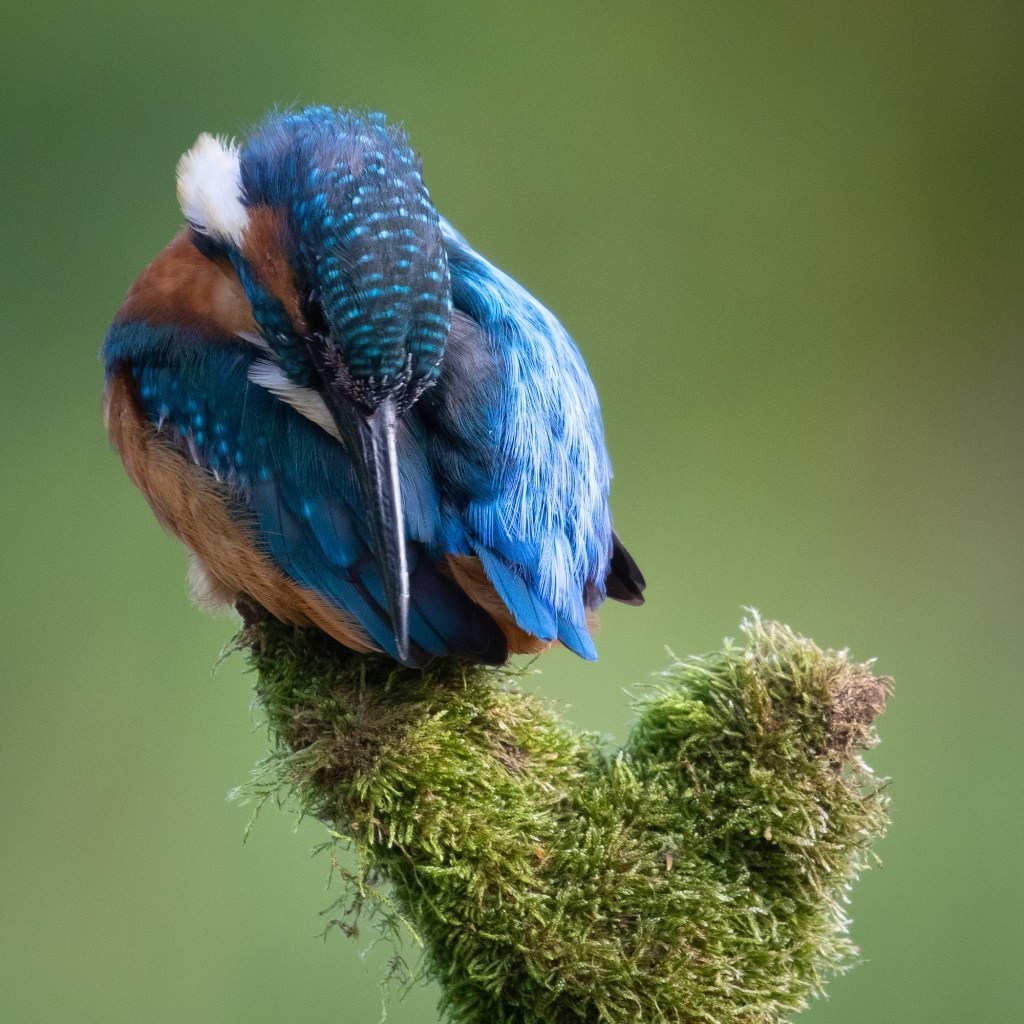
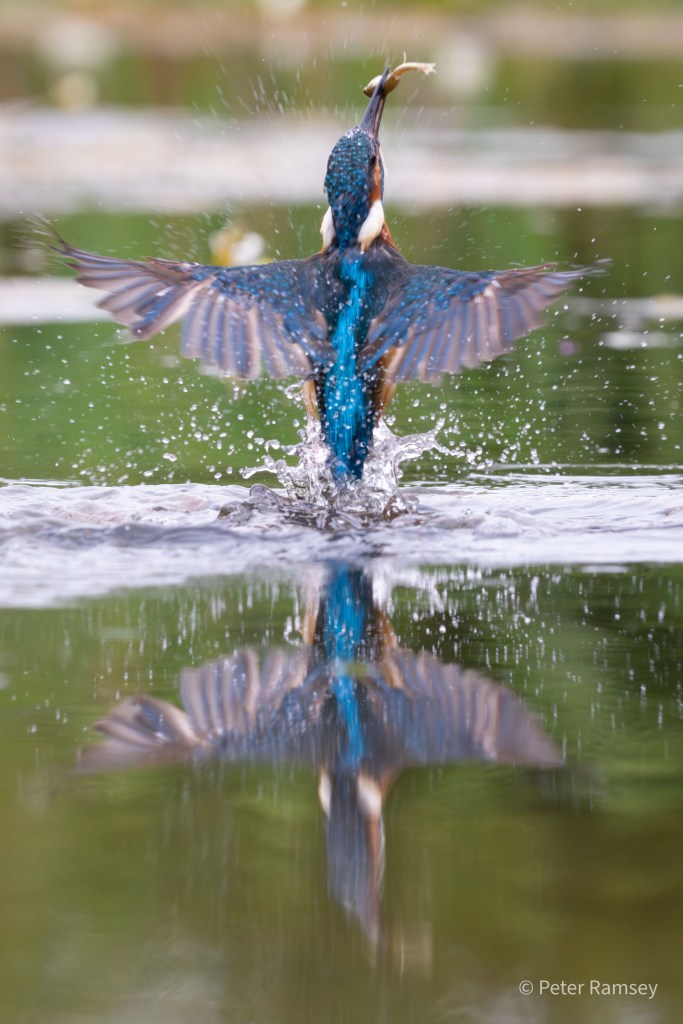
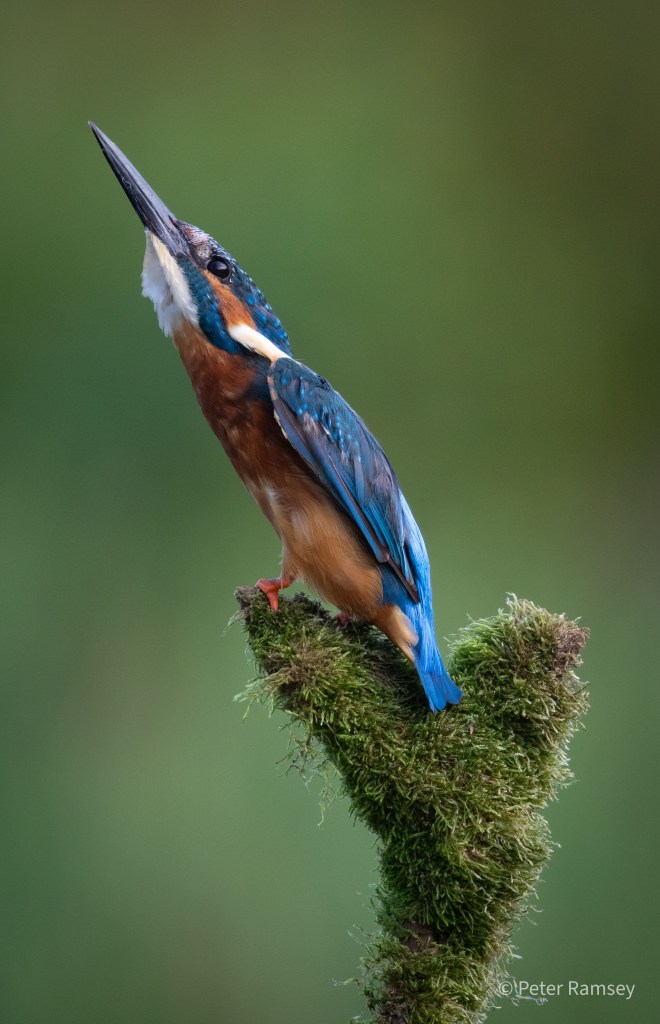
Last week we spent much of a day at a photography hide watching and taking pictures of kingfishers. Over eight hours with had at least ten visits from a couple of different birds. They came to perch just a few metres away, using it as a vantage point from which to spot and catch fish.
Despite the sometimes long waits between visits, the time flew past, and it barely seemed like the eight hours when we packed up at the end of the session.
It was perhaps one of the most mindful and relaxing ways to spend a day, between the short periods of activity when the birds turned up. We plan to return to this spot again but to also find more such hides; they provide great opportunities to capture images of wildlife!
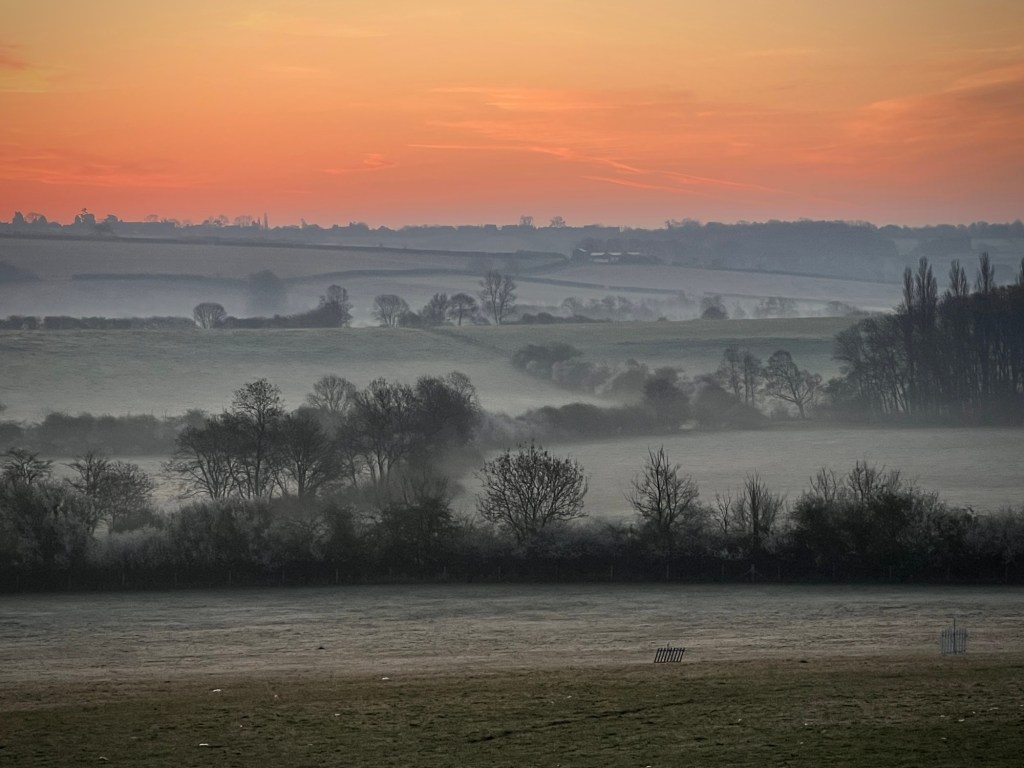
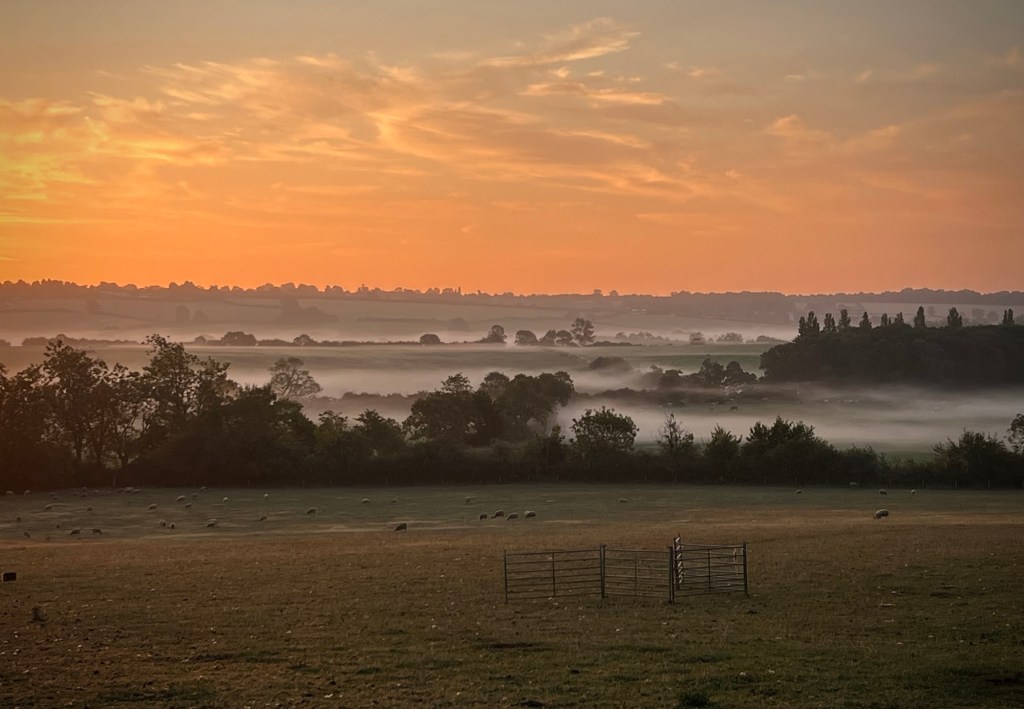
It’s many weeks since I last took a dawn wander down the lane to the sheep fields. The sunrise has been so early that even I, a usual early riser, haven’t been up before the sun has broken the horizon for quite some time.
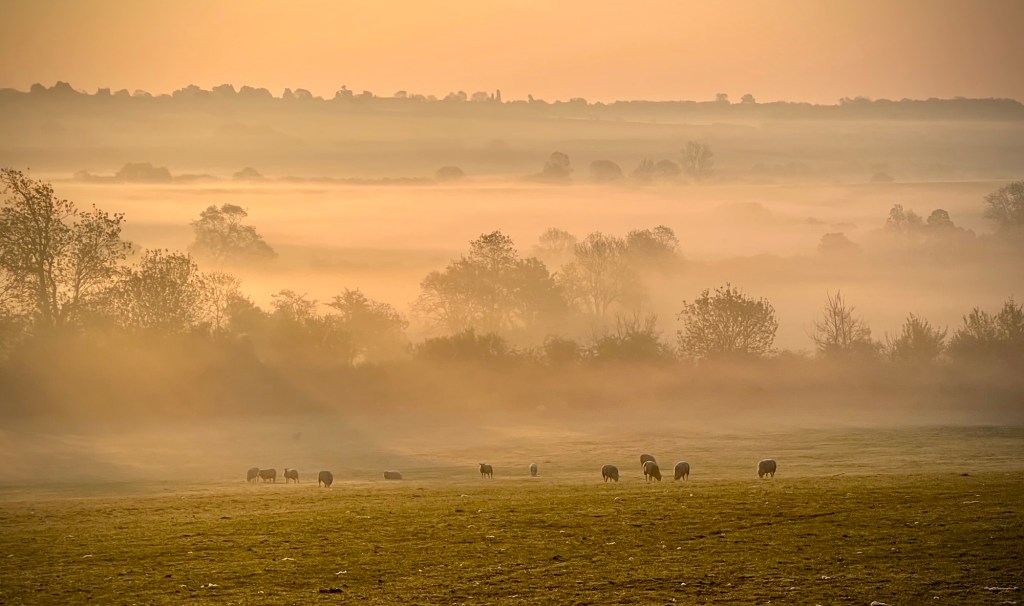
This morning I was up just at the right moment of the ‘golden hour’ to take a few phone photos of the mist in the shallow valleys beneath me. I was surprised to see any sign of moisture at all given we are in the fourth heatwave of the summer and drought conditions were announced some time ago. It’s going to be around 30 degrees Celsius today, not hot in comparison by the current continental extremes being experience but still a continuation of the warm or very warm weather we’ve had most of the summer and reaching back into the spring.
One of the real differences between this and my last dawn visit to the bottom of the lane was the bird song. Gone is the vibrant, energetic, many-voiced dawn chorus and in its place a softer and more subtle melody of a few individuals. Today there were two wrens on opposing sides of the track alternating their calls and a robin perching high in a tree with its quiet song of autumn.
…and it does feel slightly like autumn or, if not, approaching the latter part of summer. Despite the ongoing hot weather, those misty fields show that the cooler days of the next season are not too far away.
























 Daft Mumblings