A great sight for the first day of the year…
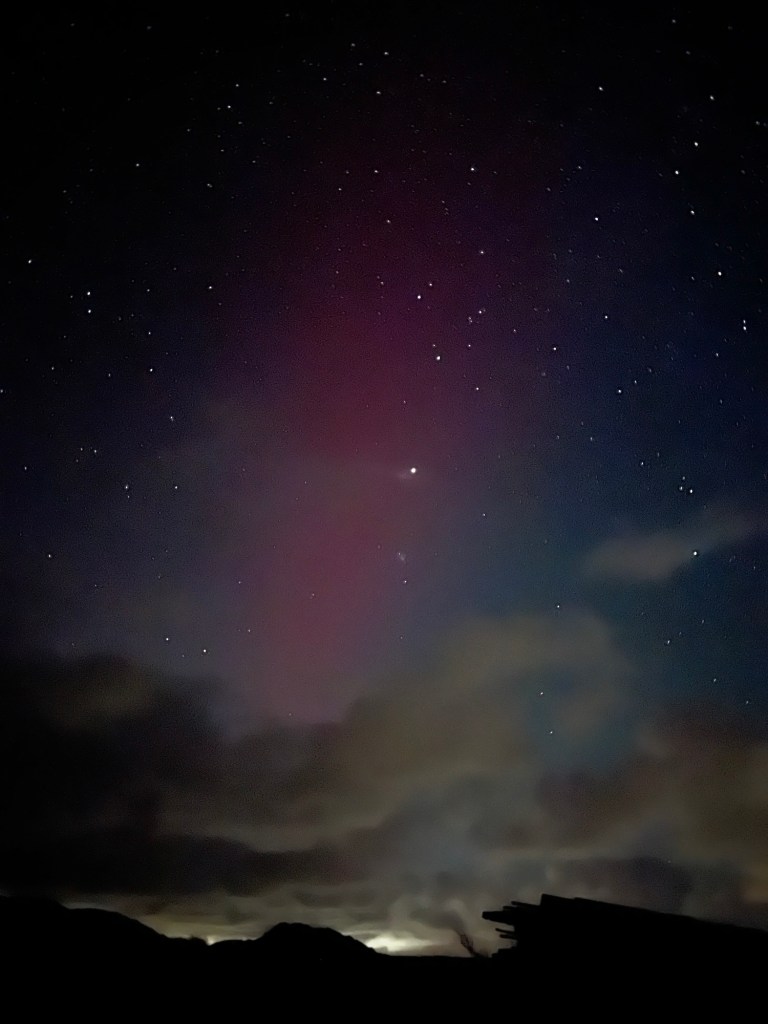

A great sight for the first day of the year…
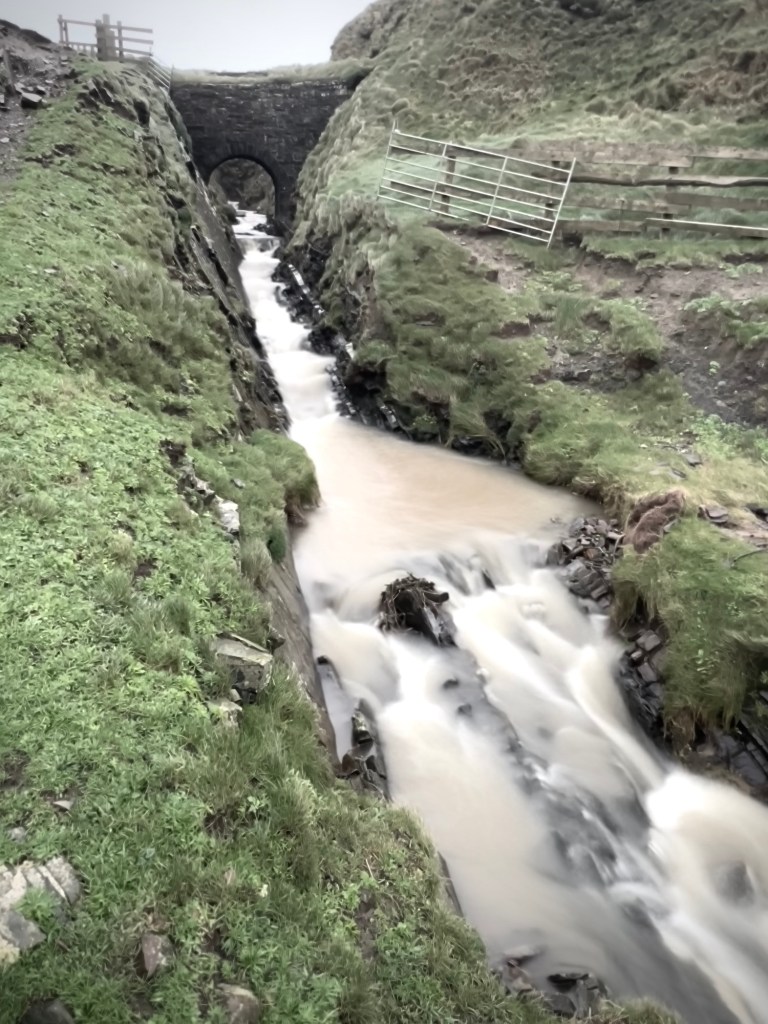
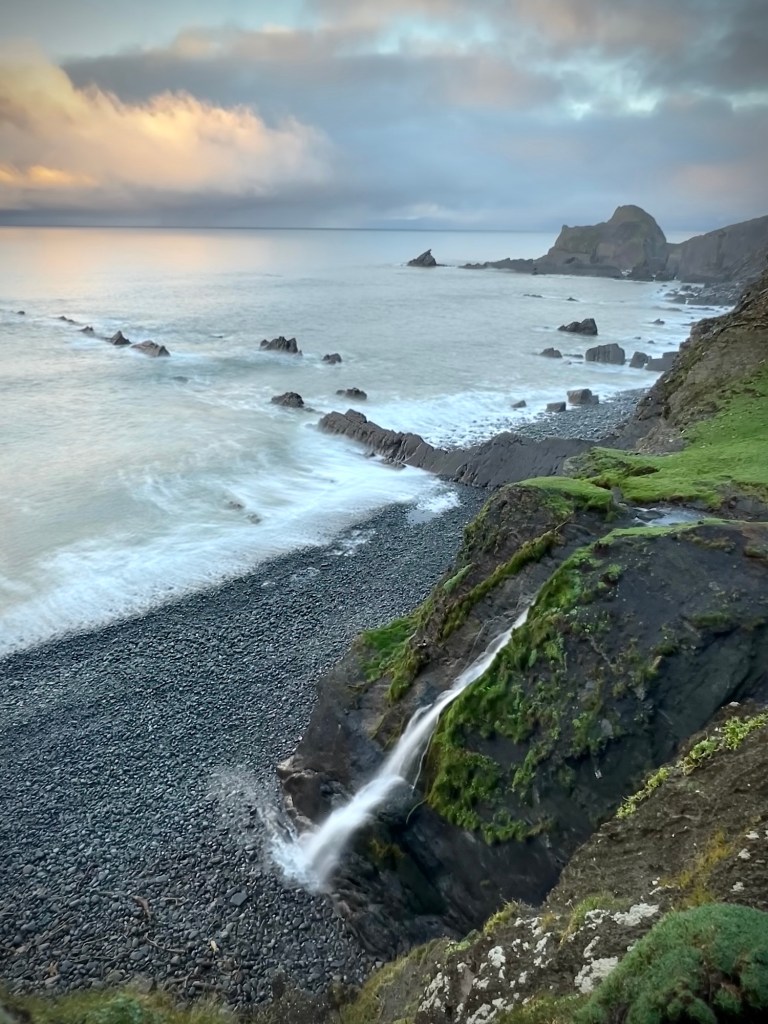
After a very windy and rainy night and morning we made our way down to the coast and the beach at Blegberry near Hartland, Devon.
With the tide out, the waves were distant from us as we stood overlooking the shoreline but they were still an impressive sight crashing onto the rocky beach.
I took the following photos standing on the low grassy cliff top above the beach, focusing on the stream that cascades down onto the rocks beneath. The water level had increased markedly following the hours of rainfall since the early hours of 2025…


I’m writing this post on New Years Eve sitting in a cottage just a few hundred metres back from the north-west Devon coast. That distance is definitely a good thing as there is a storm outside (well gusts of between 50 and 60mph) and the sea looked pretty threatening, even this far away.
2024 has been been another great year in my exploration of nature, both at home and much further away. It has also been a very fast moving one – it really does seem to have gone in a blink of an eye, especially the months since the end of summer. I’m really not sure where the time has gone.
As is now becoming traditional in my life, the year started down in Devon as it is now finishing. We then had five months to wait until a first longer trip away from home. In between, we did have a short winter trip to Norfolk and visited many of the nature reserves in our area and further east.
That first trip, in May, was to Northumberland, staying for a week in Bamburgh. The highlights of that holiday were trips to the Farne Islands and out to the Isle of May, continuing our ‘quest’ to visit the islands around the UK.
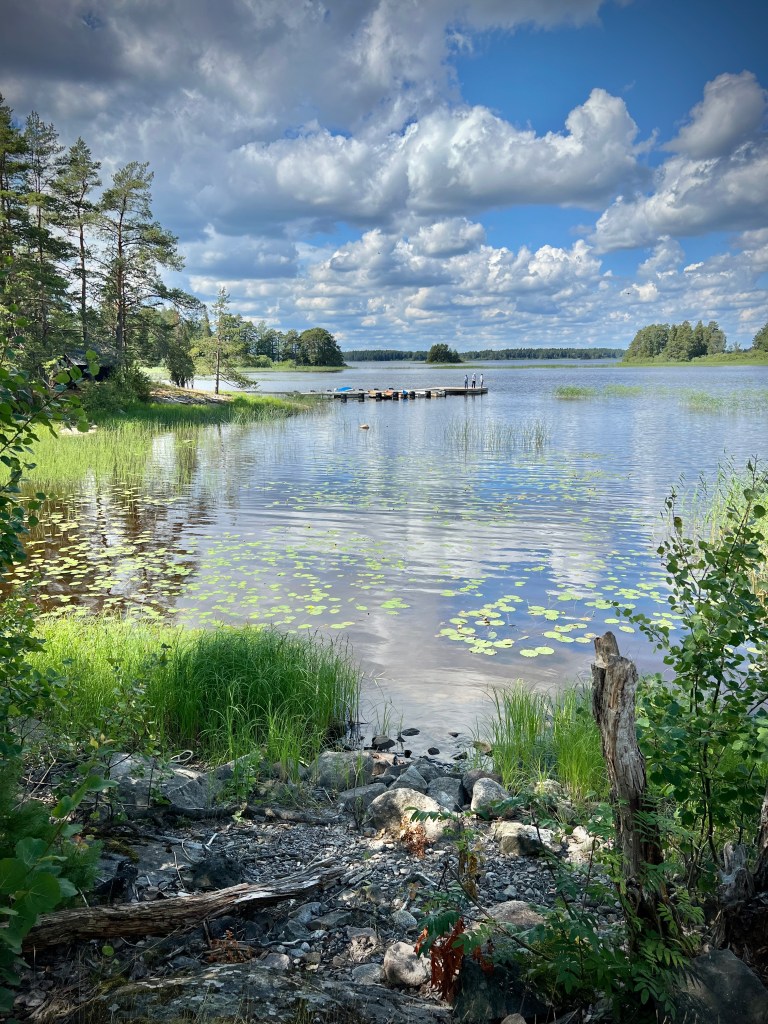
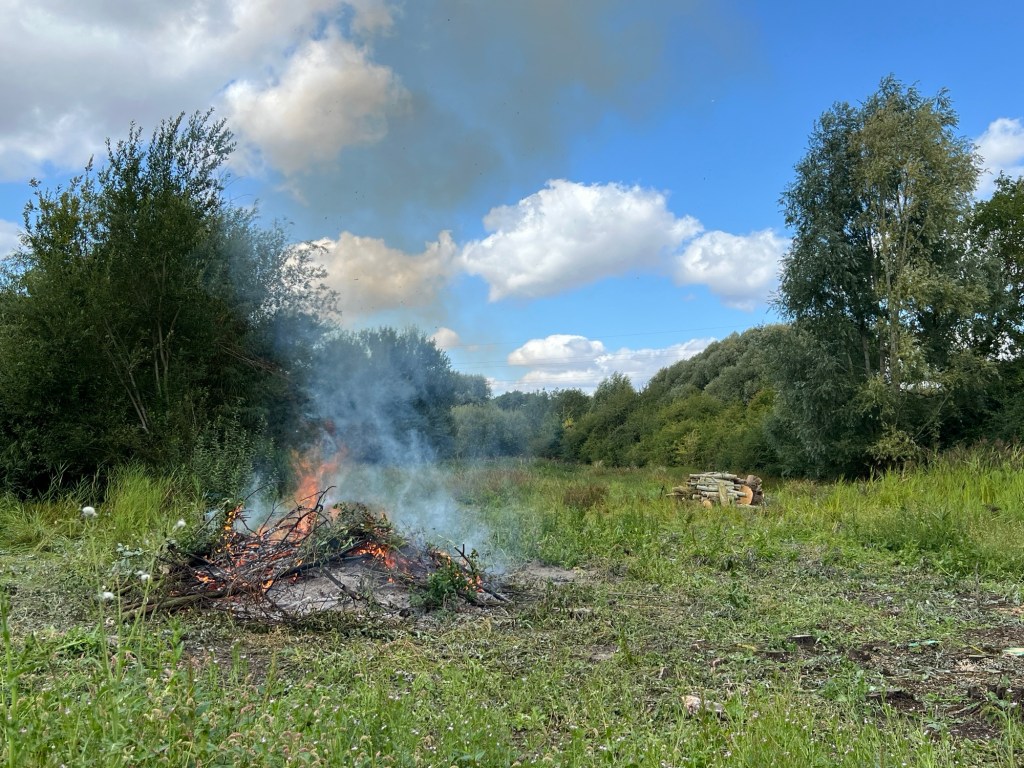
With the summer came a trip to Sweden, which is also now getting back into an annual routine. We spent that week travelling what are now well known wildlife spots, canoeing and grilling sausages on open fires.
Unfortunately, one routine was broken this year as I had to cancel my late-August trip to RSPB Ramsey Island. However, this did enable me to do a first bit of formal volunteering locally with two days working with the Bedfordshire, Cambridgeshire & Northamptonshire Wildlife Trust.
Then, in November we had the biggest trip of the year with a two-week exploration of the Andes and Amazonian Rainforest of Ecuador. I’ve put some blog posts about this trip already but there will be more to come.
The trip to South America helped to make this a record-breaking year for me wildlife-wise. I have seen seen 475 species of bird and 54 species of mammal in the calendar year. The former breaks my bird record by 175!
I added one new bird to my life list in the UK (waxwing) and I saw 316 new birds for my life list in Ecuador. I am now much closer to my current target of 1,000 birds with the trip to Ecuador taking my current total to 821.
Back to the weather; the first part of the year was extremely wet being part of the wettest 12 months and 18 months on record. The poor weather continued into June but we then had a surprisingly good summer. This good weather dried out the land and enabled me to do a lot of off-road cycling around my home in rural Northamptonshire which I loved immensely. The weather then got back to its old pattern with some very heavy rain and in late November we were almost cut off in our village by flooded roads.
Signing off for 2024, it’s been a great year with many brilliant memories. It does make me reflect just how grateful I am to live in a rural area with easy access to the countryside and a great range of nature sites. It also reminds me just how fortunate I am to be able to travel around the UK and much further to see the best of the wild. That gratitude comes with a continuing recognition that so much of that nature and wildness is threatened and more action is needed to protect and revive it.
I should just say thanks to the small group of followers who read my Daft Mumblings (your numbers actually jumped up a bit on 2024!)
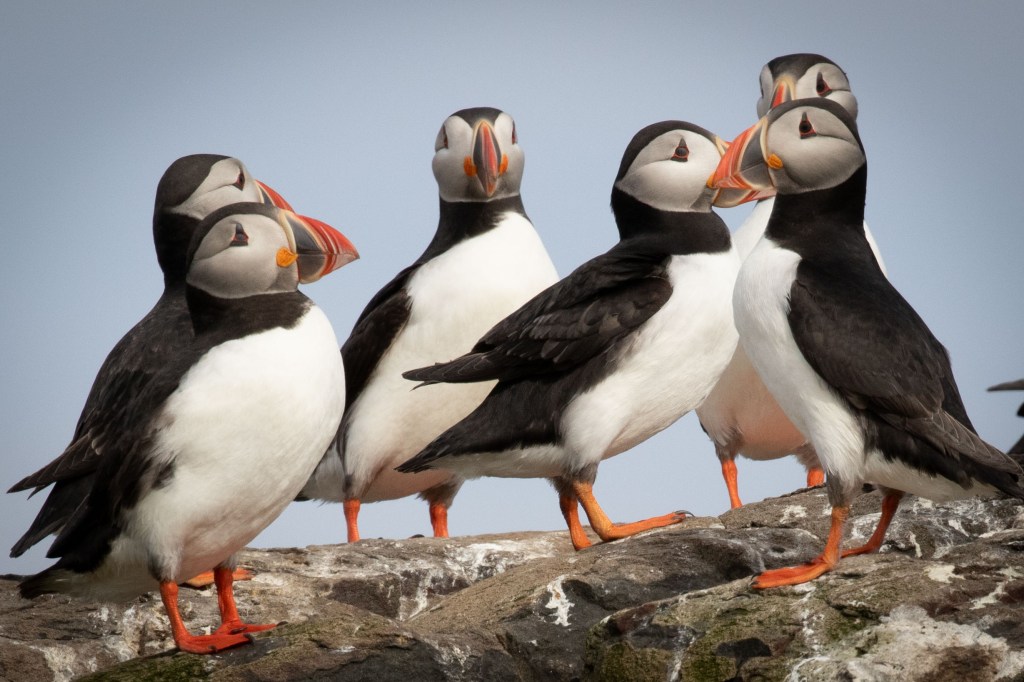
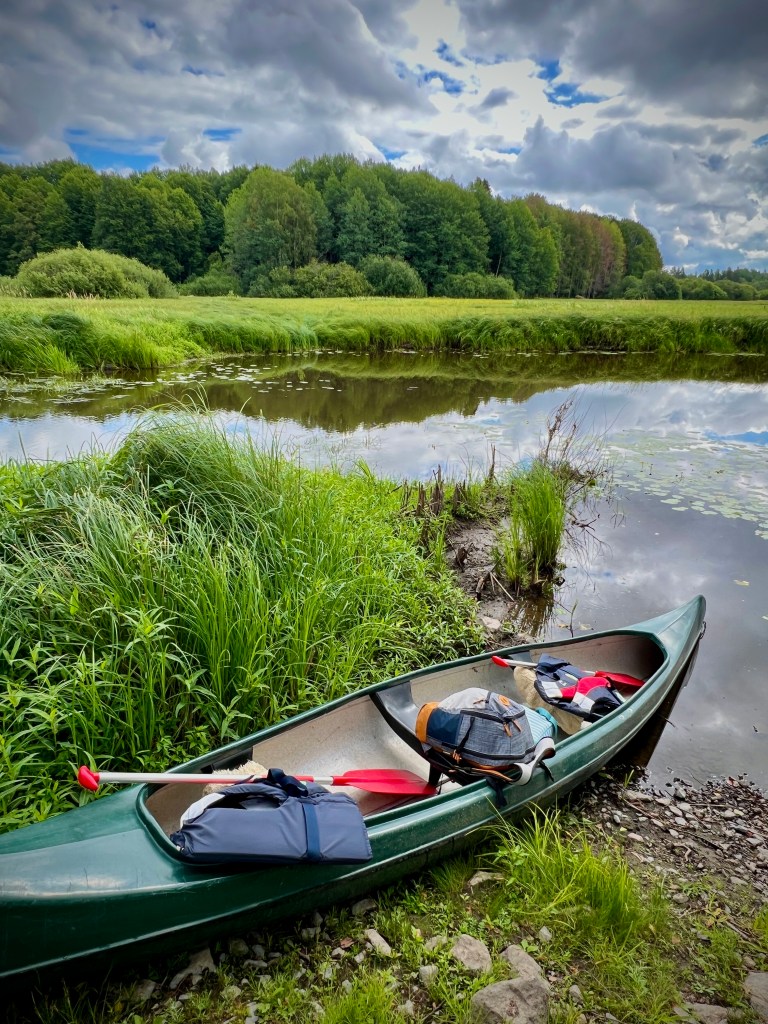
I’ll finish with a few photo highlights of the year…










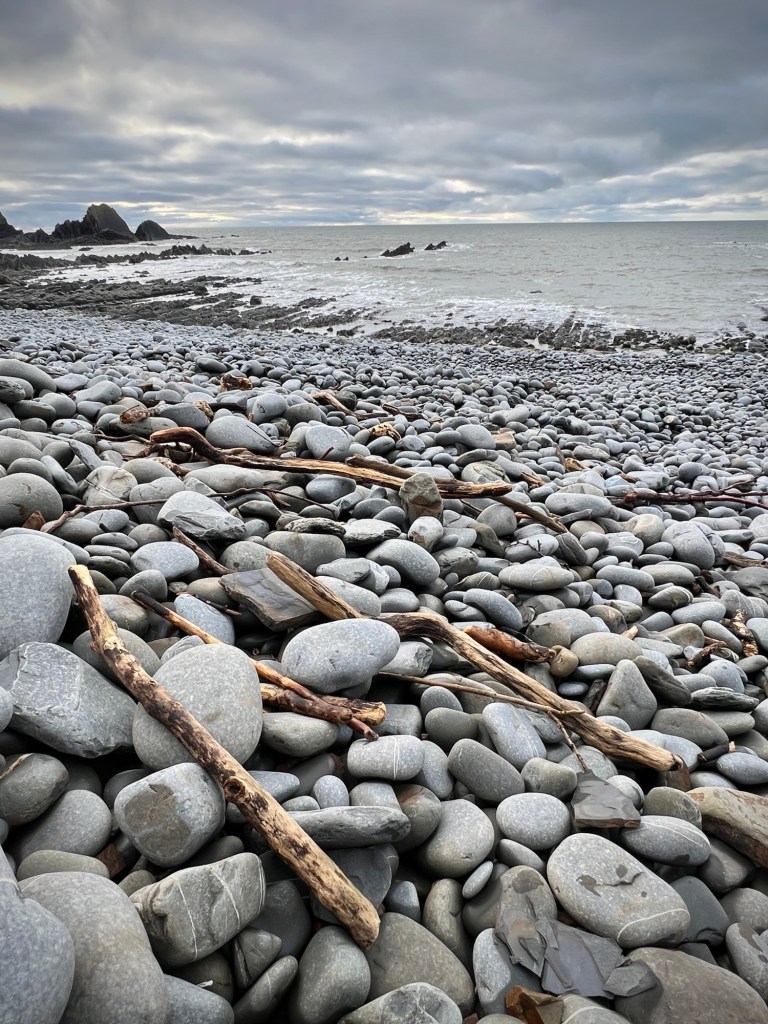
We’re spending six nights in north-west Devon to mark the end of the year and the start of a new one. I’ve not been in the Hartland area before but it really is lovely. We’re staying in former farm buildings just back from the coast, which we can see from the lounge window. This location means we can walk the coast path almost directly. Below are just a few shots of the landscape around Hartland Point…






I’ve got a very long trip report in the making but here’s a shorter post about the best bits of our trip to Ecuador in November 2024.
This was a 15 night guided trip with Naturetrek, led by a local Ecuadorean guide, Roberto. We arrived a day early to acclimatise, staying in the lovely Puembo Birding Garden, and had an afternoon guided trip around the historic part of the capital, Quito. After a second night, this time in a city centre hotel, we started the big trip itself. We headed out to the western slope of the Andes staying at the Bellavista Cloud Forest Lodge for two nights. The next four nights were to the east of Quito at the Termas Papallacta Hotel, high up in the Andes at 3,250m. We had two nights at the San Isidro Lodge further to the east, and the final four nights were further east still, in the Amazonian Basin at the Napo Wildlife Center.
As the title indicates, this was a trip prioritising mammals as the main focus. However, watching mammals in South America is quite different to a typical African safari; in Ecuador there are no great open plains populated by huge herds of herbivores hunted by the ensemble of hungry carnivores. Instead, there are the hills and mountains with cloud forest and high paramo grassland, and the lowland Amazonian Basin. These are much lighter populated by wild mammals and they are accordingly much harder to find…but find them we did. Alongside the mammals, but far more plentiful, are hundreds of species of bird, and when not looking for the mammals, we spent a lot of time watching the amazing diversity of birds.
We crammed a lot into the thirteen full days of the main trip with a very wide range of wildlife and scenery seen (and heard, so summarising it is quite a difficult task. However, here is a top ten of the highlights (in chronological order):
1. Hummingbirds
Almost everywhere we went, the ‘hummers’ were in abundance, from the first morning until leaving the Andes behind. In total, we saw 52 species and countless individuals, from the largest to some of the very smallest. Everywhere we stayed up in the mountains, as well as some of the lunch spots and other places we stopped, there were hummingbird feeders and we spent a lot of time watching them. Not only are they spectacularly pretty, they’re also very feisty, constantly squabbling and chasing each other around. Of all the hummingbirds, the Long-tailed Sylph was my favourite, partly due to how obligingly one sat still on a branch long enough for me to get more than a few photos; most of the time it was complete luck whether the would be in the same spot by he time I brought my camera up to get a shot.
I’ll write more about these amazing birds in another post.


2. Cock-of-the-Rock
Before we left for the trip, this was one of the star species we wanted to see but for a time it seemed like our luck might not be in. On our first morning at the Bellavista Cloud Forest Lodge we got a very fleeting view of a silhouetted bird that Roberto told us was a Cock-of-the-Rock, but it flew through the trees so quickly that no one got a good view. Later that day, as dusk came, we when down to a lekking spot to find them but, while we saw plenty of other birds, including a mass of swifts in the distance, there were no lekking males around (or females for that matter). The next morning, after a very early departure from the lodge, we had a short walk from the minibus to another lekking ground. As soon as arrived, we could hear the harsh, loud calls (harsher and louder than a Eurasian Jay) echoing around the woodland and then spotted three of the males chasing each other around the trees. We watched the large red, black and grey cocks for about 20 minutes before they disappeared from sight (but not from hearing) into another area of the woodland.

3. Spectacled Bear (aka Paddington)
During our stay at Papallacta, one day we headed back towards Quito and then looped up into the mountains to the Antisana National Park (named after the huge volcano at its centre). Climbing up to the high plateau, the scenery turned from farmland into wild paramo grassland and in amongst the dense vegetation we came across perhaps the star species of mammal for the trip. At first we saw one Spectacled Bear feeding on a bromeliad. It was quite distant across the other side of a steep valley, so we moved on round a corner in the road for a better view. After a while of scanning the hillside, we found it again but realised there were two. We had good views of one through our binoculars and a couple of scopes but the other only occasionally appeared. As is always the case, we had to move on to other things and leave the bears behind, not to see them or others again (although we have just seen the new Paddington movie – although set in Peru, he is the same species of bear as those in Ecuador).

4. Andean Condor
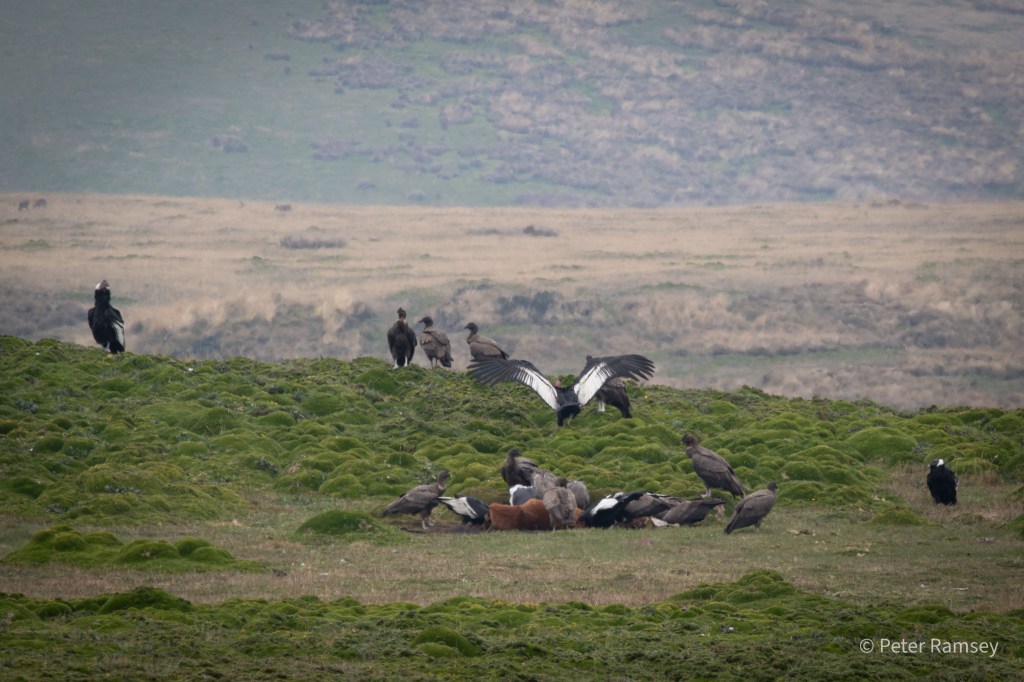
Moving on from the bears gave us another great moment on the trip, and one that was as memorable for Roberto as it was for the seven guests. We had seen four distant Andean Condors flying above the valley in which we saw the bears but they weren’t great views, silhouetted against an overcast sky. As we entered the Antisana National Park, one flew low over our heads but the best was yet to come. Rising up further onto a great plateau, we saw some more on the high edge of a valley but we were then amazed to see a mass of both adults and juveniles at a congregation around a dead horse. This group of 20 was the largest Roberto had even seen in one place, after many years of guiding; of course, it was the most for the rest of us too. We stayed a respectable distance from them and watch as the squabbled over the huge meal.
Of all the birds that were possible to see on the trip, with was the top of my list. I’ve wanted to see them for a very long time after watching them on TV as a child. They have the longest wingspan of any land-based bird and use them for soaring high above the Andes in search of carrion. Obviously, on this day many had done just that and spotted the horse. In all, we saw 32 individuals, quite a feat considering that this species is becoming very rare.
5. On top of the Andes
We hadn’t finished with the high altitude and the next day went to the highest point accessible to us (without actually climbing a mountain, which we weren’t equipped to do). We turned off the Quito to Papallacta road and joined a track up to a peak covered in radio antennas. From the top (of the peak, not one of the antennas), we had spectacular 360 degree views across the Andes, with ourselves standing at 14,000 feet (over 4,030 metres). We could see several volcanoes (including Antisana again) as well as other peaks spread out over many, many miles. I now realise, first hand, why climbing at these altitudes is so difficult. I consider myself quite fit for my age but even walking a short distance at this height left me quite breathless; we were only 3,000 feet below the level of Mount Everest Base Camp.

6. Giant otter
Our arrival into the Amazonian Basin demonstrated exactly why this ecosystem is called a ‘rainforest’. Leaving the town of Coca behind, our gateway to the Amazon region, we had a 2.5 hour motorised canoe ride down the Napo River. We then swapped horse power for human arm power as we were paddled for two-hours to the Nap Wildlife Center. As we arrived at the place to swap boats, the heavens opened and the rain would have drenched us if it hadn’t been for the sheltered we hid under. The rain didn’t last long and as we started off on the last leg of the journey, the cloud parted momentarily. However, it was only a short reprieve and an even heavier downpour came over and lasted for almost the entire two hours of the canoe trip. Even with ponchos, we were all soaked.
Despite the rain, the journey had a real highlight for me, first we saw a Three-toed Sloth high up in a tree, actually moving rather than just hanging around. This was followed by the sighting of a family group of Giant River Otters swimming almost alongside us. Their squeals and squeaks were heard first but then they broke the water’s surface along side us and swam in view for 30 seconds of so, before disappearing up a side stream. We were to see or hear them again another couple of times over the following few days but this was the best view of all.
7. Tree-top tower
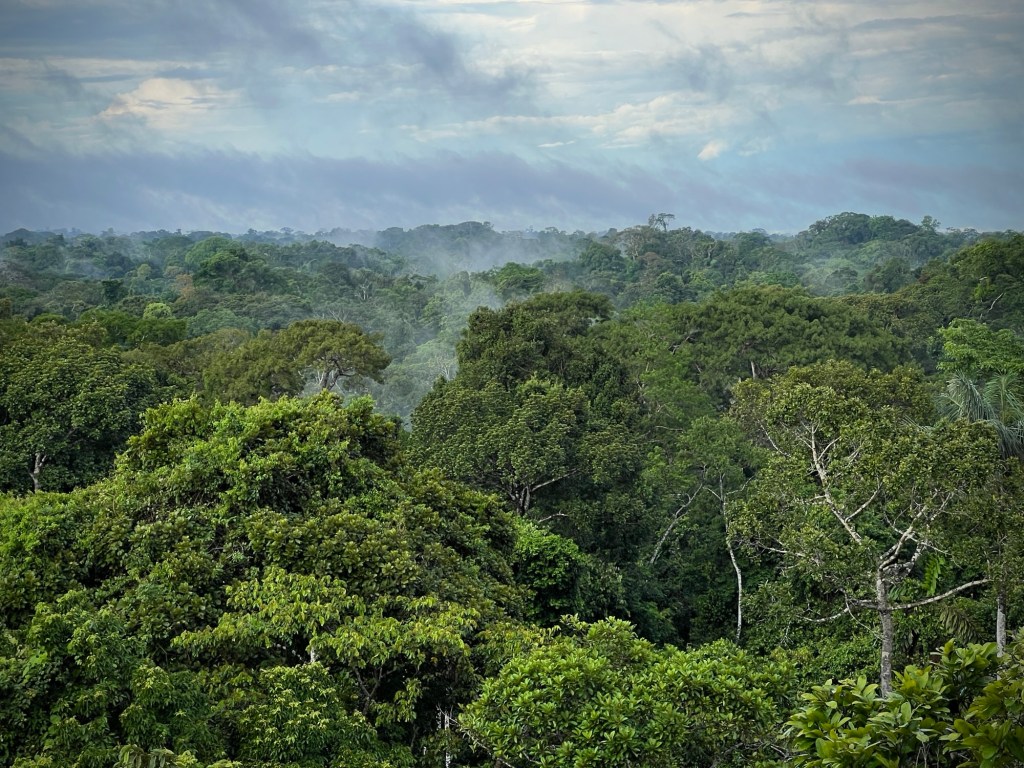
One morning at Napo, we headed out very early (all mornings on the trip were very early, to be honest) and went to tree canopy tower. 100 foot up in the air, with a platform in a huge tree, we had a great 360 degree view over the rainforest canopy. We spent several hours up there in the growing morning light, watching both monkeys and birdlife surrounding us and listening to the sounds of the Amazon.


8. Thunderstorm
Being in the Amazonian rainforest was a highlight in itself, a place I had never been to before and truly spectacular (I’ve purposely used that word a lot in this post!). However, apart from the wildlife, the most memorable part of the spending time there was the huge thunderstorm that rolled across the area one night. We first saw some fork lightning in the distance as we arrived back at the Center after darkness had fallen. The storm reached us not long after might with thunder and lightning the like of I’ve not experienced before. I simply had to get out of bed and video it from under the shelter of our cabin’s roof. By the time I shot the video the largest rolls of thunder had moved off but the rain persisted well into the early morning, altering our plans for the day.
Over the two months before our trip, Ecuador had been hit by a major drought, leaving water levels very low and many areas struggling with electricity blackouts. The Ecuadorian electricity system is reliant to a very large extent on hydro systems such as dams, so the reduction in water has had a very big impact on the amount of energy that can be produced. We didn’t feel the effects of the enforced electricity blackouts (we were asleep during one in Puembo) but we did see plenty of shops and restaurants with petrol generators working. Rain over the week before we entered the rainforest increased water levels substantially, meaning we could paddle in where previously guests had to walk to the Center.
9. Six monkeys in a day
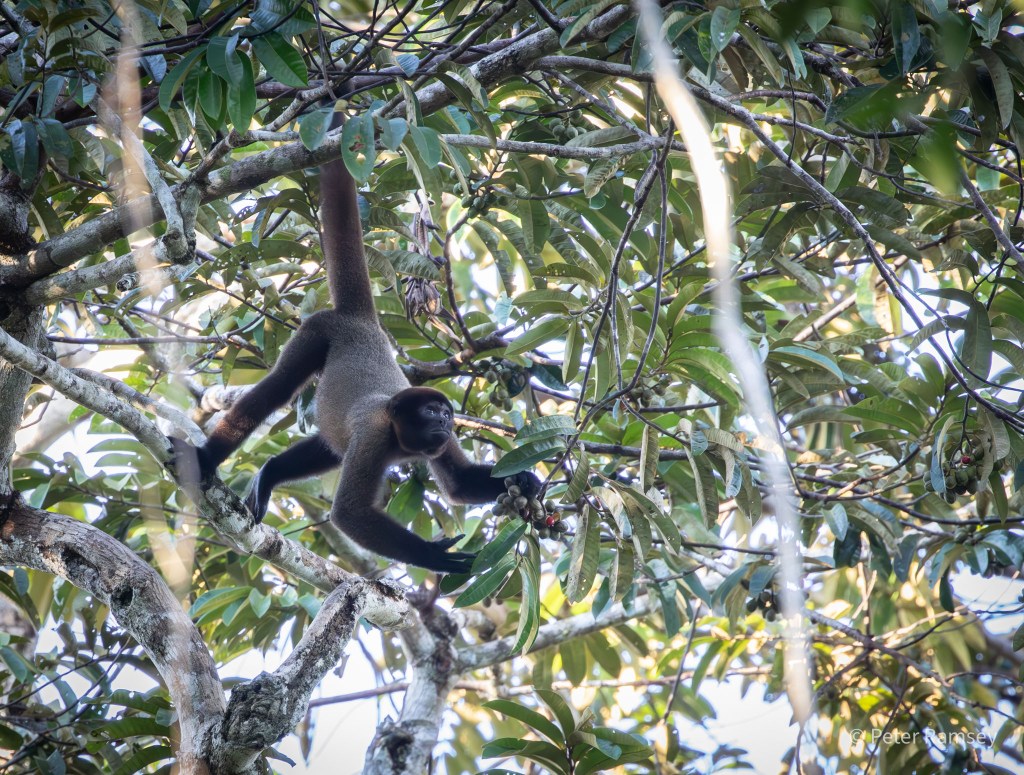
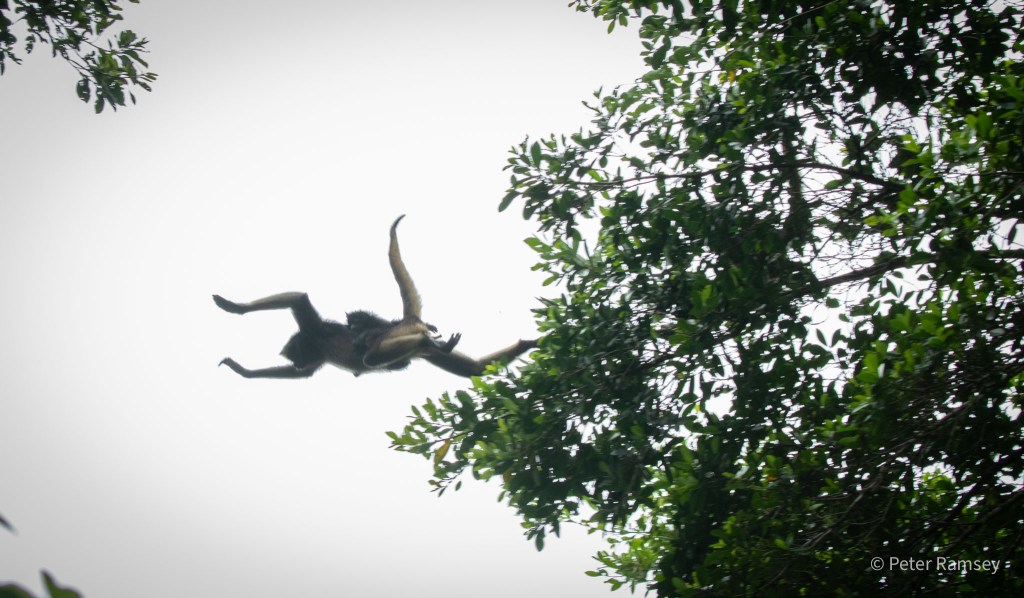
The monkeys were major highlight during our trip, particularly in the rainforest. On one day we saw six different species and had amazing views of many of them, both from land and the canoes. On one day we saw White-fronted Capuchin, Humbloldt’s Squirrel Monkey, Spix’s Night Monkey, Red Howler Monkey, White-bellied Spider Monkey and Silvery Woolly Monkey. On other days we also saw Black-mantled Tamarin, Golden-mantled Tamarin and Napo Saki.
One particular canoe trip gave us very close views of spider monkeys swinging through the trees and leaping over of us between the tops of trees, with capuchins and squirrel monkeys not far away and much closer to us, just above the water. This was accompanied by the calls of unseen howler monkeys in the nearby forest.



10. Howler monkey
The best views of any mammals were of the howler monkeys at the Napo Wildlife Centre. We woke one morning to the sound of them howling into the dark from trees just behind our cabin – a very unusual and slightly disconcerting call to wake to. There’s a video below from inside the fly netting around of bed – you’ll need to turn the volume up!
That morning we went for a walk through the rainforest and came across a different group of these big monkeys howling away in the trees and a further group on the way back in the canoe. However, the best sighting was at the end of the afternoon. We had all gone up to the top of the spectacular seven-floor observation tower that sits at the heart of the Center. We first heard two groups of howler monkeys calling at each other in the distance but we then saw one group coming closer. One particular monkey came to a tree right next to the tower. Having left our cameras in our cabin, we raced down to get them. On the way back up the tower, we realised the monkey was still in the tree and that it was at eye level on the fourth floor. We stopped our ascent and spent time watching and photographing this big male as he ate in the tree just a few metres away.

What else?
A top ten of the highlights was actually quite difficult to come up with; there were so many great experiences in this trip and many things I could have included in the list such as:
There will be more blog posts about this trip with more details on some of the things I’ve mentioned in this post and many of other experiences and moments.
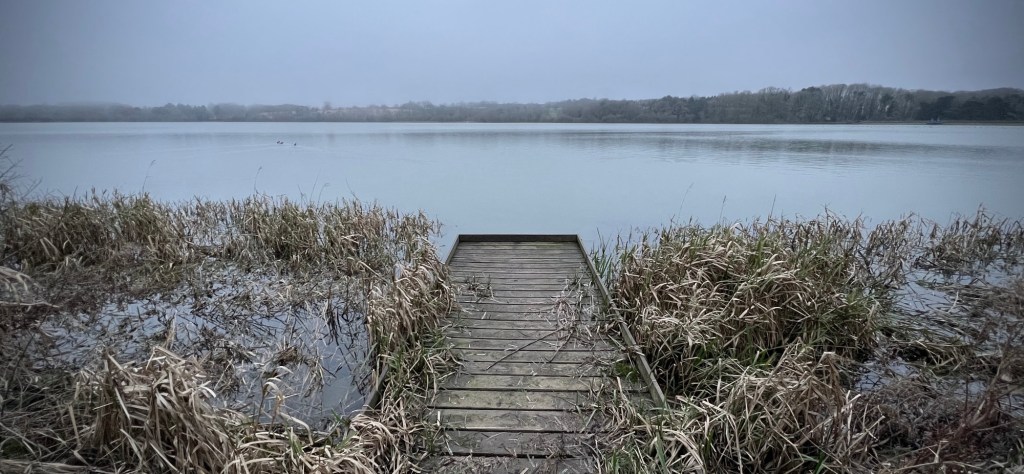
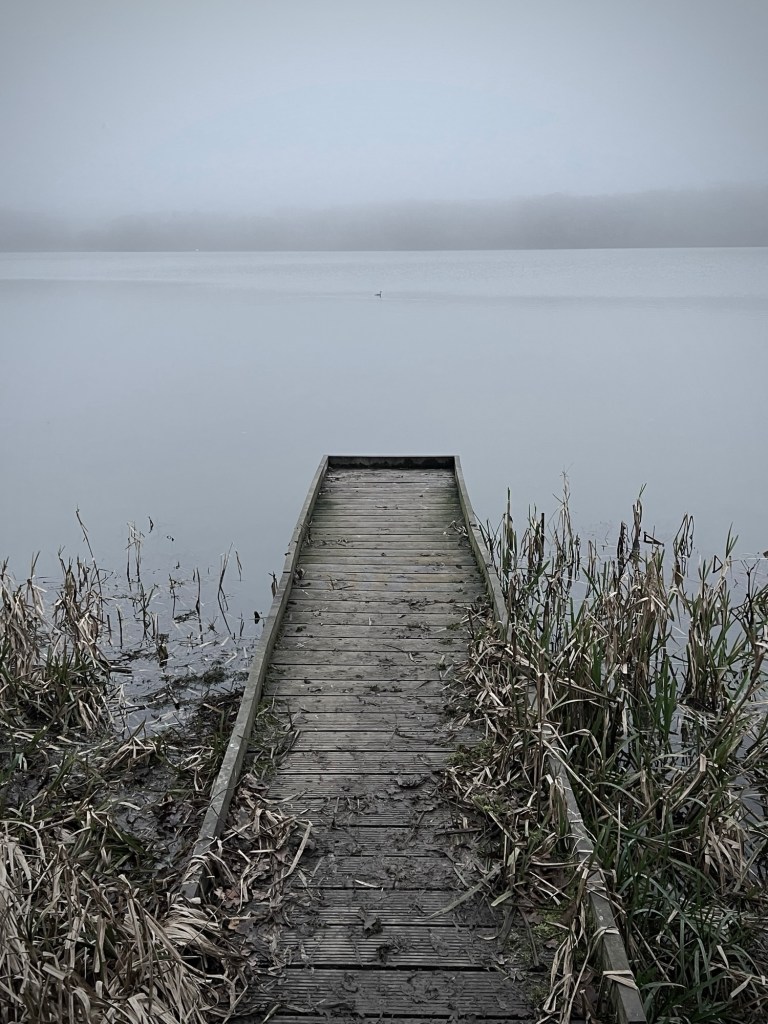
After completing our food prep for tomorrow, we went for a Christmas Eve wander around one of the nearby reservoirs. It has been a very gloomy day and the cloud was starting to form into a think mist above the trees and fields as we set off for an our walk.
At we made our way around the very muddy path, we stopped at some of the fishing platforms, which made for some very nice, atmospheric photos across the flat calm lake.


There were two wildlife sitings of note as we wandered. First, were an adult and juvenile white-fronted geese, our first siting of this species this year. Second was quite an odd view of a Daubenton’s bat flying low over the water. I haven’t seen one of these bats for a long time and to see one on Christmas Eve must be quite unusual – but given it was 10c, not as surprising as it seems.

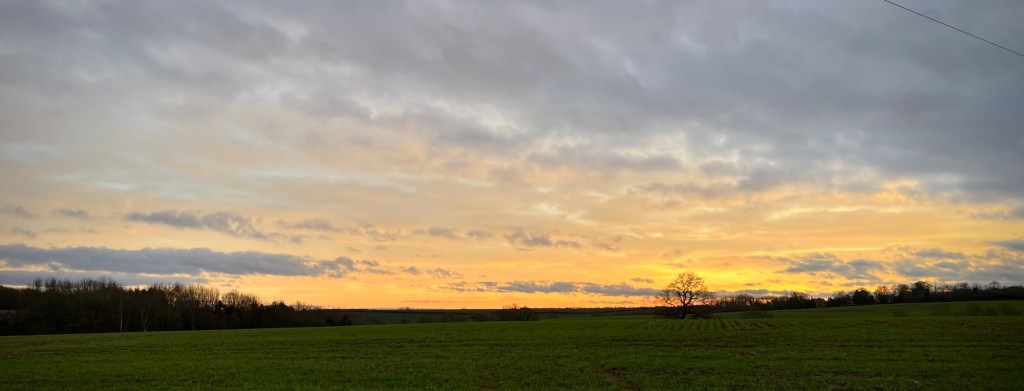
We went for a walk to a local high point this afternoon to watch the sun set on the winter solstice. It has been a windy day and we felt it as we walked out from the shelter of the trees and onto the ridge above the rolling Northamptonshire countryside.
We weren’t the only ones enjoying the view in the gusty breeze. We watched five red kites playing in the air, hanging on their wings and swooping down to the ploughed fields. As we walked to a good vantage point they flew back and forth across the scene which was starting to be lit by the dipping sun. We stood and watched them quartering the sky and the sun behind become surrounded in an orange haze. A bank of cloud momentarily blocked the view but the sun shone from behind, seemingly unusually large despite being at its furthest from us.
As the sun finally dipped behind the horizon, the kites drifted off to their night-time roost and we wandered back to the car in the increasing darkness.


One late afternoon last December, when we were out looking for nacreous clouds, we came across a red kite roost.
These roosts are where red kites gather to rest for the night. They are quite social birds, especially outside of the breeding season. As evening approaches, they come together in groups, often returning to the same roosting spots year after year.
This communal roosting is pretty unique among raptors. They start forming these roosts in early autumn, and as winter sets in, more kites join the group. They might do this to find mates, follow others to food sources, or just enjoy the company of fellow kites.
We were fortunate to stumble across this roost by chance last year and retuned a few times to see the birds come in as the light faded on winter evenings.
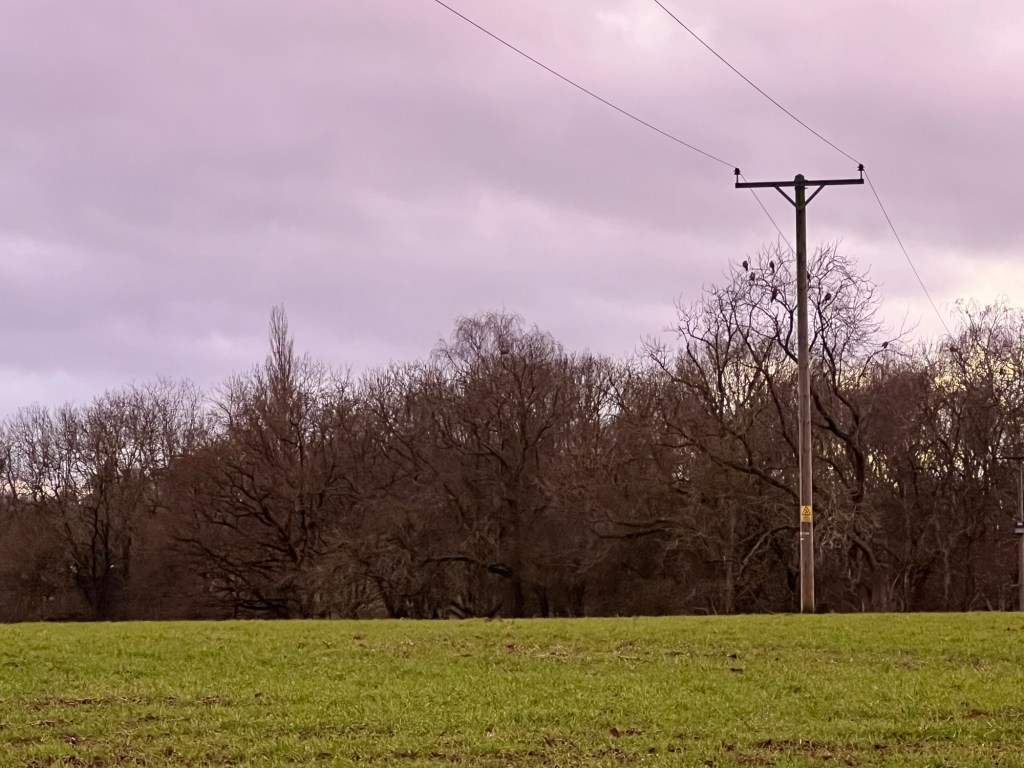
Today, was the first time we have been to look this winter and we weren’t disappointed. The sunset was rather lovely and we counted at least 38 kites come into two separate small copses a few hundred metres apart. This was the highest number we have so far counted, so I’m keen to pop back a few times to see if numbers increase further this winter.

The first output from our trip to Ecuador is an updated gallery with a few of my favourite photos from our trip in November. I took nearly 4,000 photos between my SLR and phone and it took a little while to go through them but those on the gallery are the best ones from my ‘proper’ camera.
Here’s a link to the new gallery if you want to take a look or you can navigate there through the menus at the top of the page.
Below are my two favourite shots from the trip, both taken at the Napo Wildlife Center in the Amazon – the first is of two blue and yellow macaws we saw on an evening boat trip and the second is of a male howler monkey we watched from the main tower at the center (more on them in future blog posts).

We returned from a drought-affected Ecuador (including the Amazon Basin) on Saturday to heavy rain. By Sunday morning we could see flooding in the fields nearby and by the evening our village had been cut off in all directions apart from one road.
Today, therefore, it has been nice going for a lunchtime walk in the sunshine…

Our holiday was amazing and one of the best I’ve had. It may take some time but it warrants more than one short post. So, over the next few weeks, I’ll be posting a series of posts about different aspects of the trip, starting with an overview.
 Daft Mumblings