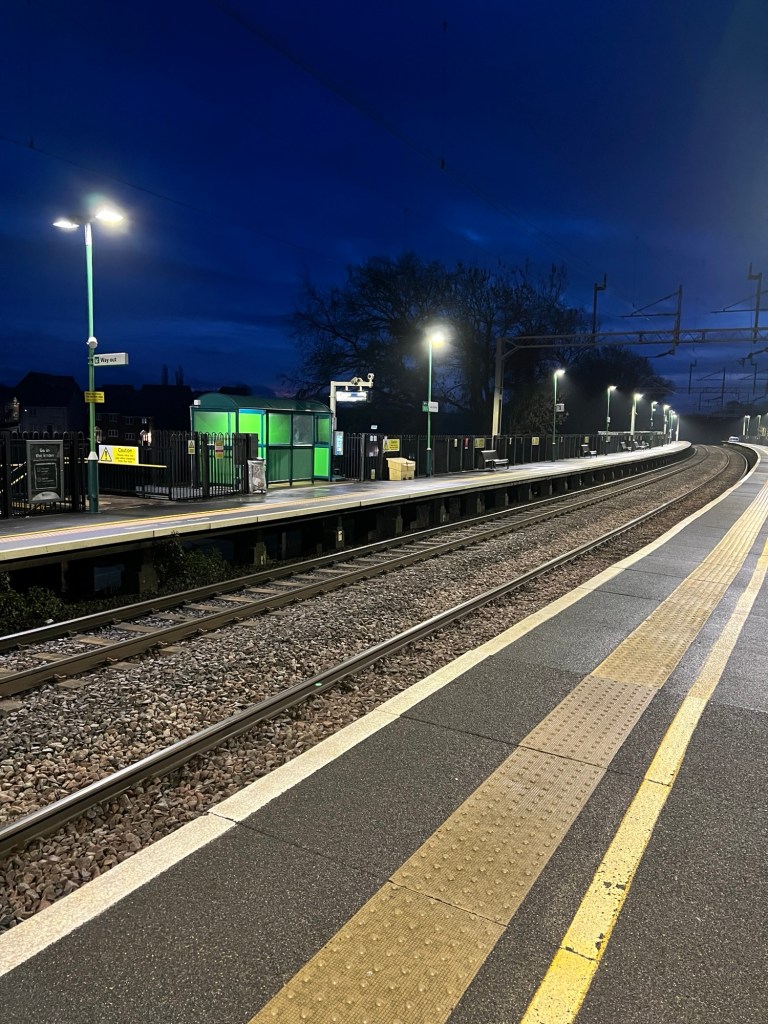
Unusually, I’m on the way into work on a Monday morning but I’ve been cheered up by the dawn chorus while waiting at the station. It’s just a handful of robins and a distant song thrush but there is certainly some spring energy to it. This positive song of spring is backed up by the increasing light in the sky, despite being completely overcast.
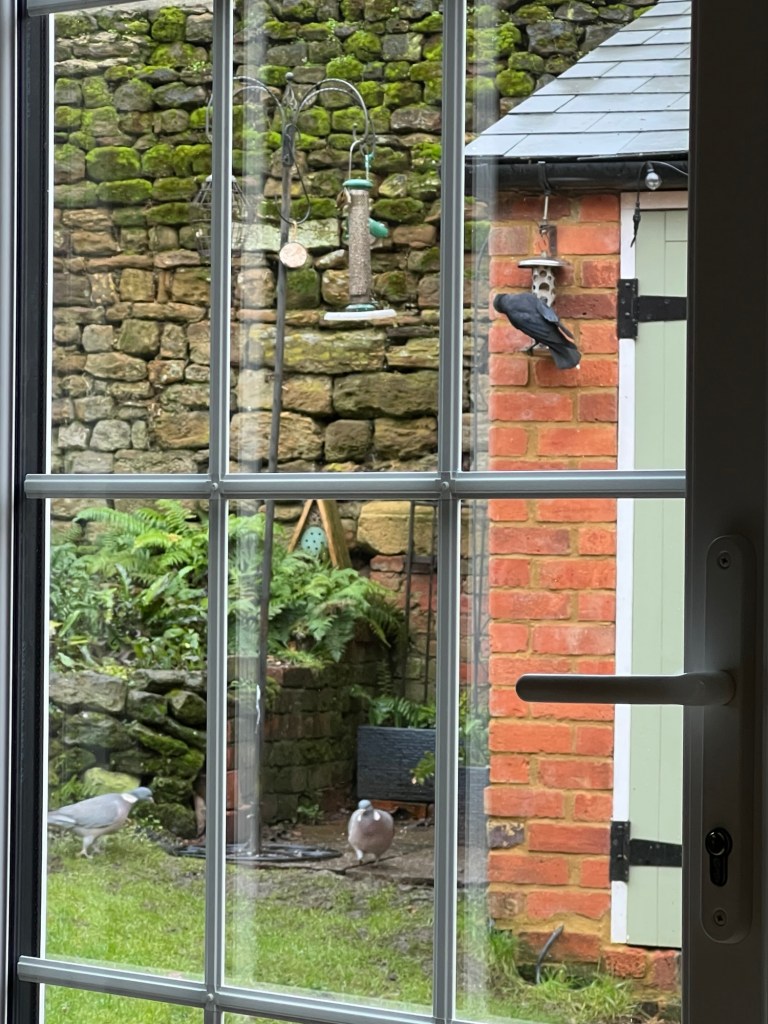
We’ve just done our hour taking part in this years Big Garden Birdwatch and we recorded quite a good list of birds.
We get a lot of different birds in and above the garden and I’ve record 65 species, seen or heard from the garden since we moved here nearly five years ago. Obviously, we were never going to record that many in just an hour but a total of 14 species in those 60 minutes is quite good, I think.
Our list is okay included the following:
Blackbird – 2 individuals
Blackcap – 1
Blue tit – 4
Chaffinch – 1
Coal tit – 2
Dunnock – 3
Goldfinch – 4
Great spotted woodpecker – 2
Great tit – 5
House sparrow – 6
Jackdaw – 4
Robin – 1
Starling – 2
Wood pigeon – 4
Despite such a good list, we missed some of our regulars including greenfinch and long-tailed tits. We also saw ravens and a red kite flying overhead but birds only count if they land in the garden. We’ve also had a grey wagtail in the garden several times recently and sometimes get a brambling at this time of year but sadly no sign of them today.
When we entered our data on the website, well over 2 million over entries had been made, which makes this a huge citizen science event. In this time of divisive politics and social discord, it’s quite heartening that so many people put aside an hour to join in something so positive.
For the first time in ages, I had a wander down the lane this morning and to my surprise there were still some birds singing a chorus. This is the time of year when the gardens and fields go quiet as the avian breeding season comes to an end. However, there were one or two calling from trees and hedgerows including a song thrush, yellowhammer and a few tits. There were also a few crows and an alarmed green woodpecker.
This is a slightly melancholic point of the summer when I can feel the year moving from its vibrant burst of life that started in the spring to a slower pace of life as the heat lingers and nature takes a breath.
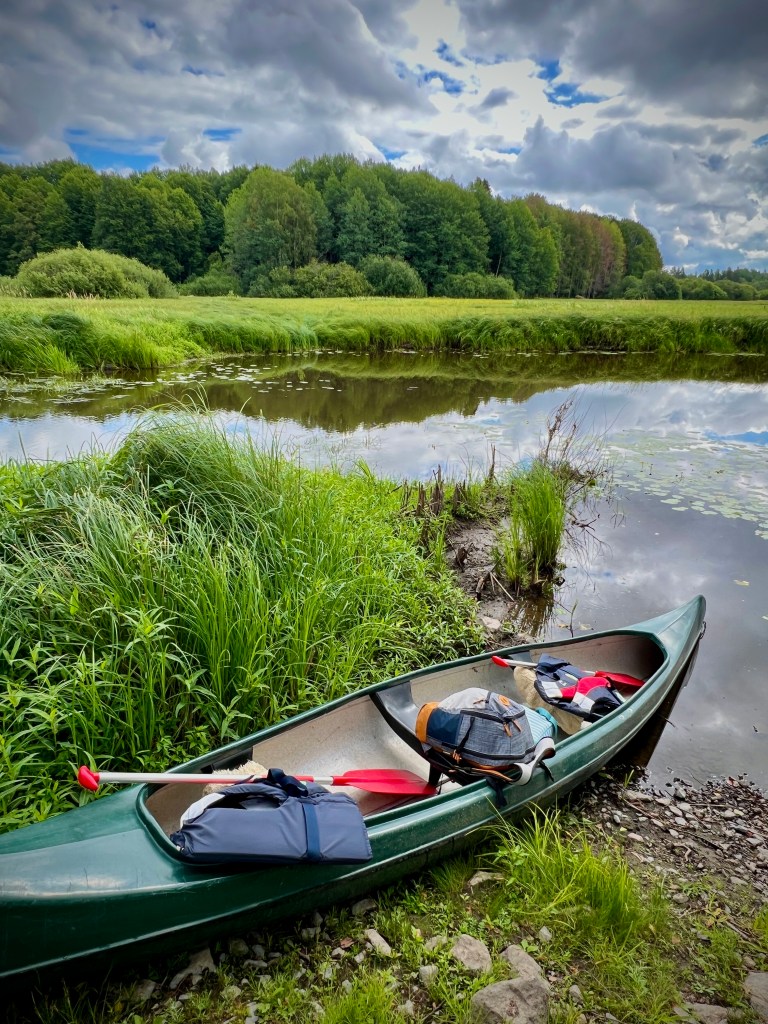
Despite doing quite a few osprey nest protection shifts in North Wales between 2012 and 2019, I never got to see one fishing. The nearest I’ve got to seeing one do so was some years ago in Swedish. I was canoeing down a quiet, slow-moving river when an osprey appeared a couple of hundred metres in front of us, rising up from the surface and shaking mid-flight to rid itself of the water in its feathers. We had missed the fishing attempt as it had been around a bend in the river; the bird had missed its target and flew away empty-taloned.
Today we went for a lunchtime walk to Pitsford Reservoir, only about 10-minutes drive from our house. We had a lovely amble alongside the waterside meadow on the nature reserve side of the reservoir. As it so often is, it was very quiet with only three other people seen in the hour we spent there (you need to be member of the local Wildlife Trust and obtain a permit, to visit the reserve).
We walked to the Bird Club Hide and sat in there for a while, using the eBird app to record the species of bird we saw. It does really feel like summer now with the common terns, sand martins and swifts all showing very well. There were also quite a few young birds about including geese, black-headed gulls and treecreepers.
However, the star of the show was an osprey which we spotted just as it lifted from the water’s surface, shaking the water off and holding a large fish. The gulls were flushed from their nesting rafts and gave pursuit but the osprey seemed unbothered by them as he disappeared into the distance. I say ‘he’ as it was most likely a male if the bird has a nest nearby and was catching fish for its chicks.
Here’s a very rubbish zoomed-in phone photo, clearly showing the fish in the osprey’s talons and there’s an equally rubbish video below that.
After a lovely first visit to Bedfordshire, Cambridgeshire & Northamptonshire Wildlife Trust’s reserve at Strawberry Hill a few weeks ago, I retuned today to see what summer migrants I could find; I wasn’t disappointed!
We arrived just after 7:00am on a slight chilly but very sunny May morning. We could see our breaths as we left the car behind but the sun brought warmth whenever it shone through the trees.
As soon as we stepped onto the footpath into the reserve we were enveloped by the rich cacophony of spring bird song. The voices were so numerous and so loud that it was at first quite difficult to tell one from another. Chiff chaffs, song thrushes, blackbirds, blackcaps, garden warblers, great tits and robins were all singing at the tops of their voices and together creating a wave of sound that was almost overwhelming. The senses were further bombarded by the sweet smell of blossom, particularly from the swathes of white hawthorn blooms throughout the reserve.
As we walked on further, the sound did not decrease and the deeper we ventured the richer and more intense the sounds became. It was not until I stopped to take a picture of a dew-dusted spider’s web that the spring soundscape reached its peak. As I knelt down as sweet, fluting and trilling song came from a nearby bush; a nightingale was calling from deep within its thorny cover. We stopped for a little while to listen to its lovely song. At times, it was quite hard to decipher its call from all the others, especially as a loud song thrush started up nearby but it really is an unmistakable song when you become attuned to it.
As we walked on we came across other birds that had made their way here for the summer with willow warblers, grasshopper warblers, lesser and greater whitethroats, and, often the star of spring, a couple of cuckoos.
However, today, the real stars were the nightingales of which we found seven singing alongside the footpaths and bridleways through the reserve. They were the main reason I wanted to go, although I had hoped for turtle dove too. They far exceeded my expectations and it was a drag to leave them behind.
The experience this morning was everything I’d hoped for in visiting this rewilded site. It was full of wildlife at the height of the breeding season, an example of what is possible if we give nature space and tome, and just let it return on its own terms.
Strawberry Hill is a soul-liftingly magical place and I can’t wait to make another visit.
On my 15-minute drive to the station this morning I had a lovely view of a barn owl as it lightly flapped its way across the road in front of me. It was a fleeting glimpse but long enough to see the patterns of its wings over the soft cream tones of its feathers.
It’s moments like this that make getting up early and heading out on the long journey to work from rural to city. My short drives to and from the station have had quite a few wild views lately including deer, badgers and foxes plus some lovely misty dawns.
I’ve long had an interest in rewilding, hoping that landscape-scale nature restoration projects can bring back some of the wildness that the UK has lost over time. Having taken trips to various parts of Europe watching wildlife, it is quite easy to see how impoverished and lacking we are as a nation in our natural environments. Whilst small local nature reserves have their place, I have always yearned for bigger, wilder landscapes where nature is in control and the hands of people can barely be detected. Rewilding has given me hope that we can get more of the wild back into Britain.
Rewilding, at its heart, is about letting nature get back to doing what it does best, without too much human interference. Think of it as giving the environment a chance to breathe, without all the fences, fields, and tidy boundaries we’ve imposed on it for centuries. It’s about reintroducing species that used to roam freely and restoring landscapes that were once wild but have been gradually lost to farming, development, and urban ecroachmentl. So, whether it’s bringing beavers back to our waterways or letting forests grow back over our largely treeless uplands, rewilding is nature’s way of getting a second shot at being itself.
The Knepp Estate in Sussex, which was once a traditional dairy farming estate, has been transformed into one of the UK’s most exciting, and most famous, rewilding projects since its shift away from intensive agriculture in the early 2000s. Now, with wild ponies, cattle, deer and beavers roaming freely across the 3,500-acre site, it’s become a thriving haven for wildlife, with species naturally returning while others have been given a helping hand. We paid a visit in 2020, once COVID-19 restrictions had been lifted, and spent the day wandering around a landscape long lost from most of England. We particularly wanted to see the white storks which has been reintroduced to the site and the project saw the first storks to fledge in England in the early 1600s. I also had my first ever glimpse of turtle doves; an increasingly rare site in the UK.
Last summer, while volunteering for a couple of days with the Bedfordshire, Cambridgeshire & Northamptonshire Wildlife Trust, I was told of an exciting project that the Trust was raising funds to support. Strawberry Hill, nestled in the quiet countryside near Knotting Green, Bedfordshire, was once a productive wheat farm. However, in the late 1980s, the landowner, Hugh White, made the decision to stop farming the 377-acre site, taking advantage of ‘set aside’ payments, allowing it to return to nature. Without the constant ploughing and cropping, the land slowly transformed. Dense scrubland and young woodlands emerged, creating a thriving habitat for a variety of wildlife, including nightingales, cuckoos, and turtle doves. Over time, the site became a refuge for many species, quietly evolving into a significant piece of rewilded land. This was rewilding before rewilding became a ‘thing’.
By the early 2020s, the Wildlife Trust recognised the importance of Strawberry Hill and took steps to secure its future. In 2022, they leased the land, and by 2024, they were able to purchase half of the reserve, thanks to generous funding from Biffa Award. The remaining portion required additional support, so BCN launched a crowdfunding appeal aiming to raise £1.5 million. The response was overwhelming, with nearly £500,000 raised from more than 3,800 individual donors, as well as contributions from trusts and private benefactors. As a result, Strawberry Hill is now permanently protected, ensuring that its unique ecosystem will continue to flourish for years to come.
Having heard about the site late last summer, I decided to wait until spring to make a first visit. I had intended to first go in May when the season would be in full flow, and I still intended to, but with time on my hands today, I decided to travel the 20 miles or so for an earlier visit.
With no facilities for visitors at the site (yet) and no formal parking, I left my car in a sensible place close to a footpath into the site. Strawberry Hill isn’t open to the public as such but it is cross-crossed and bounded by several well-maintained public footpaths and bridleways, providing quite extensive access through the reserve.
Heading into the reserve, I was immediately surrounded by scrubland interlaced with larger trees and open areas of grass. As I carried on, the scrub became thicker and there were fewer mature trees, except for those along the route of a land drain. Having seen the site from aerial photos and a video on the Trust’s website, I knew what to expect, and there are similarities with parts of the Knepp Estate. The path became more enclosed by scrub with occasional views deeper into the site through openings although the scrub was still evident beyond. The site has been left to nature longer than Knepp and so I expect the succession from open fields, to scrub and on to woodland may be further ahead, however, Knepp has continued to be stocked with large herbivores (at much lower densities than the previous dairy operations) which has brought a different dynamic to the ecosystem. It will be interesting to see what the Trust decides to do with the management of the site and how mammals, large and small will play a role.
Despite the strong winds today, the birds were very much in evidence, even for this early part of the season. I’m not sure I’ve ever heard so many Chiffchaffs in one area nor so many Bullfinches. There was also a good selection of other woodland and farmland birds in smaller numbers as well as signs of badger and muntjac deer. It’s still too early for many of the summer migrant birds to have arrived in significant numbers but I’m hoping a return in May will reveal good numbers that the habitat promises to attract. I’m particularly keen to return to find those turtle doves and nightingales.
One thing that struck me more than anything about this first visit, is the stark contrast between Strawberry Hill and the surrounding farmland. Wandering around the site, as you get to the end of a footpath, you suddenly find yourself out into arable fields, like those this site used to be. You emerge from tentatively blossoming scrub and young woodland, through an opening in a hedgline, onto open, flat, windswept monoculture fields of young wheat or barley; you abruptly move from nature into modern intensive agriculture. It’s quite a jarring moment as you move from one space to another and it broke me out of a meditative state. Wondering slowly listening to birdsong is when I’m at my most mindful and ‘present’ in the moment; I’m about as relaxed as I can be while standing up. It brought home to me just how far modern agriculture, and the landscape it has created, is from nature; I’m hoping Strawberry Hill and other rewilding projects can have the same effect on many more people.
I’m really excited by this project and can’t wait to go back in a month or so but also to see how it progresses over the coming years.
What the site used to be…
If you want to know more, here’s a link to the Wildlife Trust’s website.
I’m writing this post on New Years Eve sitting in a cottage just a few hundred metres back from the north-west Devon coast. That distance is definitely a good thing as there is a storm outside (well gusts of between 50 and 60mph) and the sea looked pretty threatening, even this far away.
2024 has been been another great year in my exploration of nature, both at home and much further away. It has also been a very fast moving one – it really does seem to have gone in a blink of an eye, especially the months since the end of summer. I’m really not sure where the time has gone.
As is now becoming traditional in my life, the year started down in Devon as it is now finishing. We then had five months to wait until a first longer trip away from home. In between, we did have a short winter trip to Norfolk and visited many of the nature reserves in our area and further east.
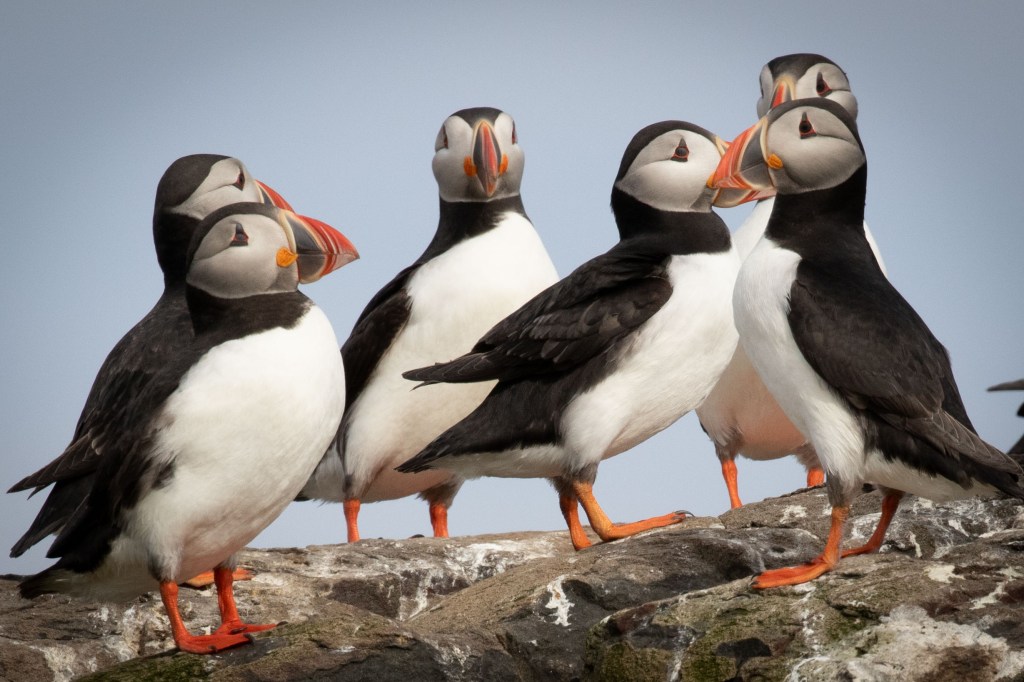
That first trip, in May, was to Northumberland, staying for a week in Bamburgh. The highlights of that holiday were trips to the Farne Islands and out to the Isle of May, continuing our ‘quest’ to visit the islands around the UK.
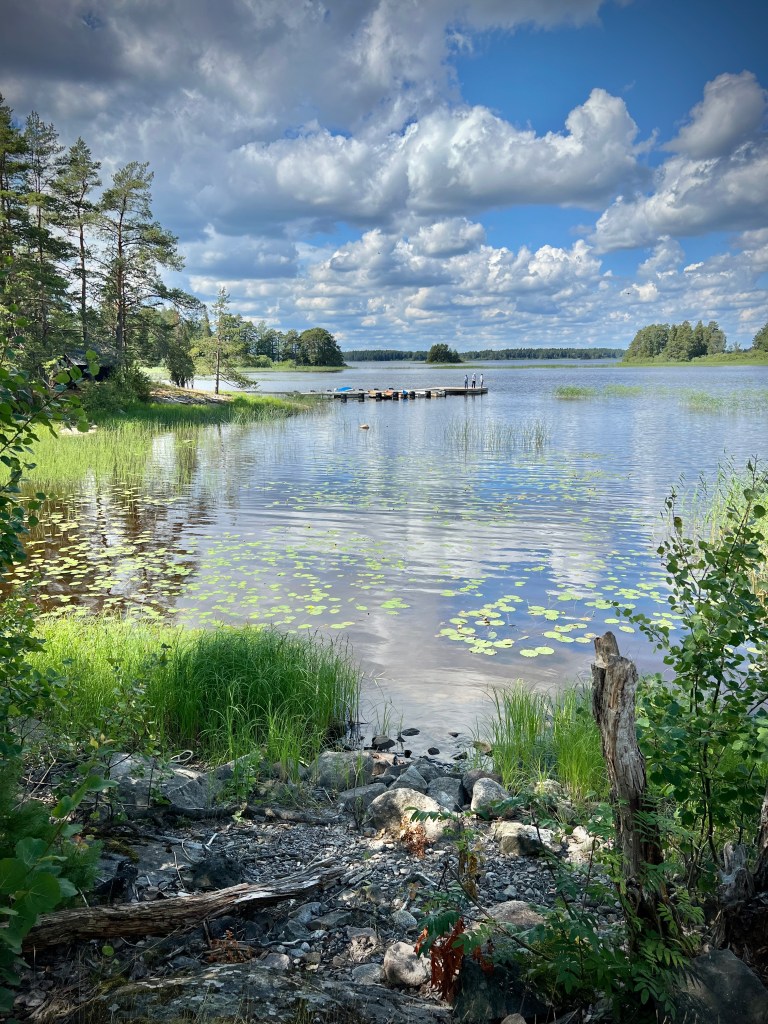
With the summer came a trip to Sweden, which is also now getting back into an annual routine. We spent that week travelling what are now well known wildlife spots, canoeing and grilling sausages on open fires.
Unfortunately, one routine was broken this year as I had to cancel my late-August trip to RSPB Ramsey Island. However, this did enable me to do a first bit of formal volunteering locally with two days working with the Bedfordshire, Cambridgeshire & Northamptonshire Wildlife Trust.
Then, in November we had the biggest trip of the year with a two-week exploration of the Andes and Amazonian Rainforest of Ecuador. I’ve put some blog posts about this trip already but there will be more to come.
The trip to South America helped to make this a record-breaking year for me wildlife-wise. I have seen seen 475 species of bird and 54 species of mammal in the calendar year. The former breaks my bird record by 175!
I added one new bird to my life list in the UK (waxwing) and I saw 316 new birds for my life list in Ecuador. I am now much closer to my current target of 1,000 birds with the trip to Ecuador taking my current total to 821.
Back to the weather; the first part of the year was extremely wet being part of the wettest 12 months and 18 months on record. The poor weather continued into June but we then had a surprisingly good summer. This good weather dried out the land and enabled me to do a lot of off-road cycling around my home in rural Northamptonshire which I loved immensely. The weather then got back to its old pattern with some very heavy rain and in late November we were almost cut off in our village by flooded roads.
Signing off for 2024, it’s been a great year with many brilliant memories. It does make me reflect just how grateful I am to live in a rural area with easy access to the countryside and a great range of nature sites. It also reminds me just how fortunate I am to be able to travel around the UK and much further to see the best of the wild. That gratitude comes with a continuing recognition that so much of that nature and wildness is threatened and more action is needed to protect and revive it.
I should just say thanks to the small group of followers who read my Daft Mumblings (your numbers actually jumped up a bit on 2024!)
I’ll finish with a few photo highlights of the year…
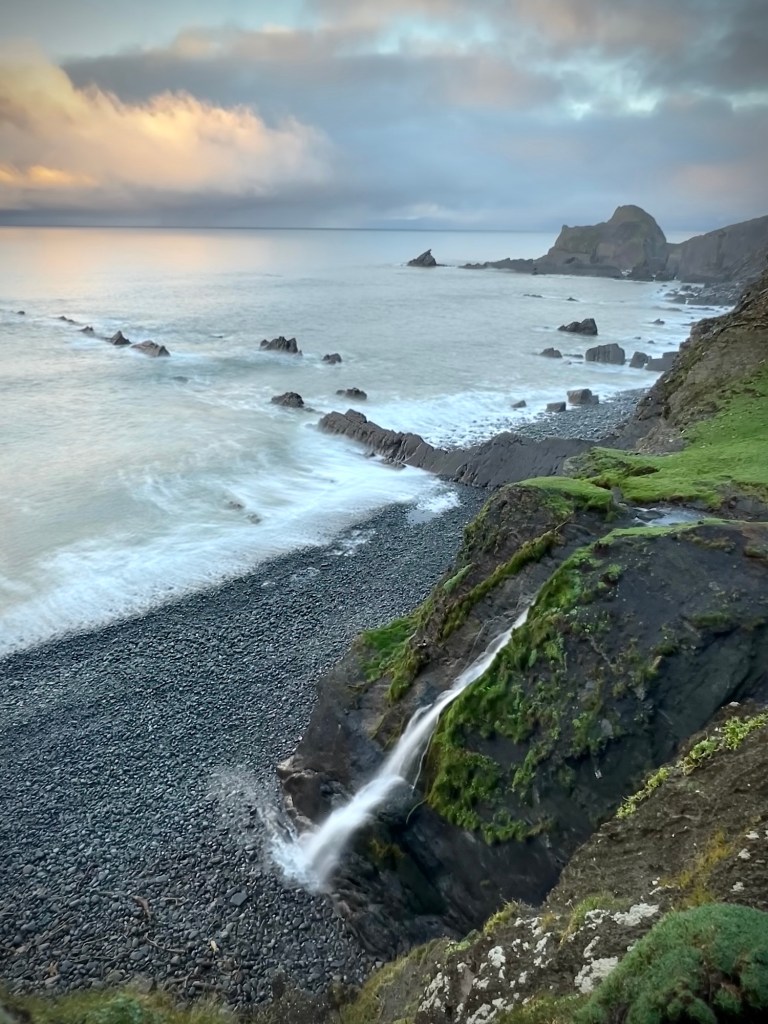
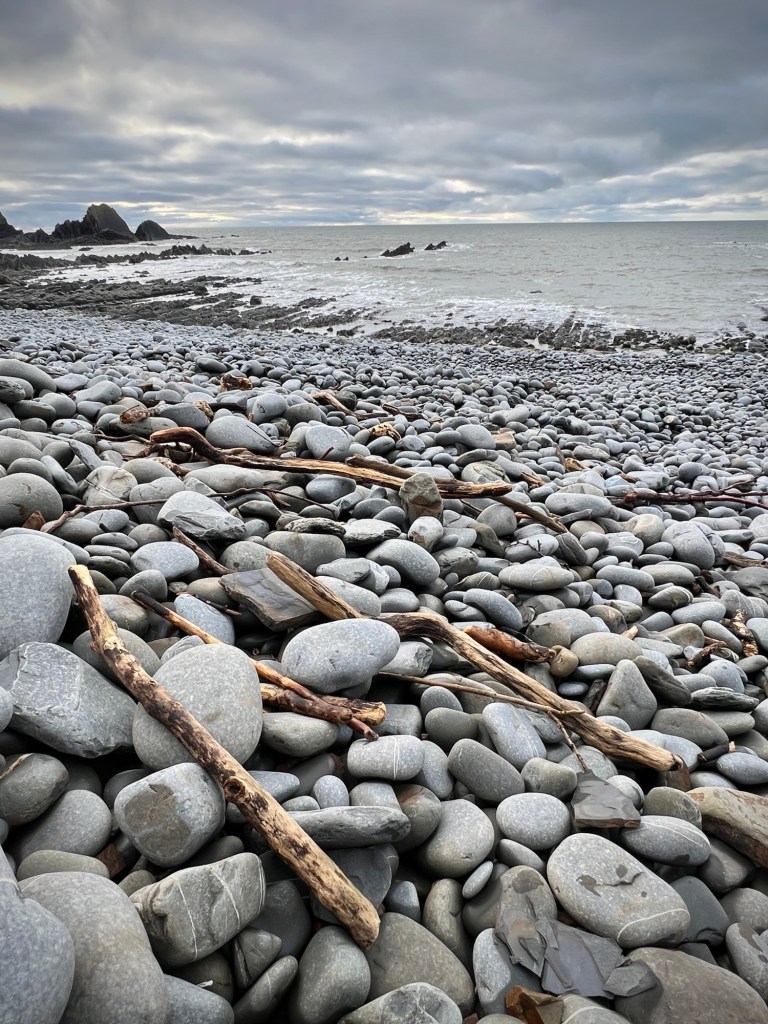
We’re spending six nights in north-west Devon to mark the end of the year and the start of a new one. I’ve not been in the Hartland area before but it really is lovely. We’re staying in former farm buildings just back from the coast, which we can see from the lounge window. This location means we can walk the coast path almost directly. Below are just a few shots of the landscape around Hartland Point…
One late afternoon last December, when we were out looking for nacreous clouds, we came across a red kite roost.
These roosts are where red kites gather to rest for the night. They are quite social birds, especially outside of the breeding season. As evening approaches, they come together in groups, often returning to the same roosting spots year after year.
This communal roosting is pretty unique among raptors. They start forming these roosts in early autumn, and as winter sets in, more kites join the group. They might do this to find mates, follow others to food sources, or just enjoy the company of fellow kites.
We were fortunate to stumble across this roost by chance last year and retuned a few times to see the birds come in as the light faded on winter evenings.
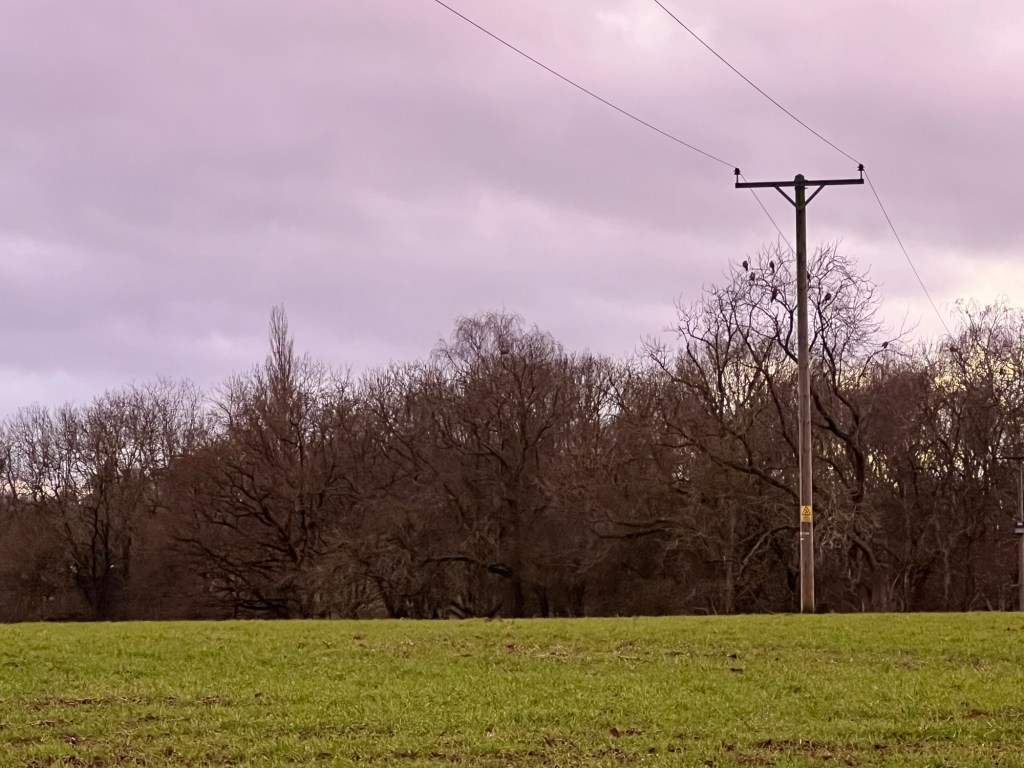
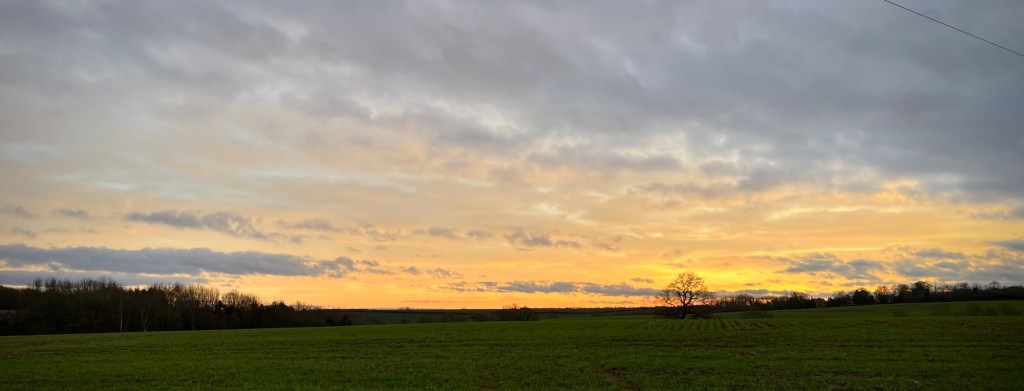
Today, was the first time we have been to look this winter and we weren’t disappointed. The sunset was rather lovely and we counted at least 38 kites come into two separate small copses a few hundred metres apart. This was the highest number we have so far counted, so I’m keen to pop back a few times to see if numbers increase further this winter.
A few kites visible in the tree behind the telegraph pole



















 Daft Mumblings