‘Big Society’ in action…

Yesterday I went along to the first osprey protection training day for the new Bywyd Gwyllt Glaslyn Wildlife Community Interest Company.  This team of volunteers took over the running of the Glaslyn Osprey Project protection and viewing sites from the RSPB in September last year.  Over the past couple of years I have done quite a few night and day shifts for the RSPB at the project, based near Porthmadog in north Wales.  After some thought, I decided to continue supporting the Glaslyn ospreys with my time and this Spring I’ll be putting in more hours.  This means I’ll be helping to ensure that no selfish egg-collector  successfully adds to his (or her!) collection with a very rare clutch of Welsh osprey eggs.

After my afternoon with the team, being shown around the protection site and new camera systems, I am truly impressed by what a small group of passionate people can achieve in such a short period of time. They have got a long way in a matter of months, and while they have a lot more hard work ahead, they are already delivering on their hopes and aspirations for the project.

What makes me want to volunteer here even more is the fact that one mindless (egg-collecting) idiot can ruin the hard work of many and can set back a project that has been in development for so many years.  I’m very concerned about the future of nature under the harsh reality of the man-dominated world, but occasionally there are bright lights that shine and we must work hard to ensure that they are not extinguished by a few selfish interests.

I hate the media-dominated empire of politics and David Cameron has used this term for his own ends, but ‘Big Society’ is a brilliant phrase that could positively influence our communities.  Everyone can spare an hour, and many can put in a day; if we all contribute, even in a tiny way, a world of difference can be made.

Here’s hoping that the ospreys return later this month!

Bovine TB and Badgers

Well, I’m not scientist or accountant but the badger cull makes no sense, scientifically or financially.  Don’t get me wrong, Bovine TB is yet another battle for farmers and I have sympathy for them, but the Government’s approach is just plain wrong.

Leaving the science to one side (I might come back to that later), the bean counters have surely got their sums wrong.  Bovine TB, both the testing and compensation to farmers, costs a great deal each year.  According to DEFRA’s own figures, in 2009/10 (this the latest year I came across with a quick Googling) testing and compensation cost a total of £72m – a very significant sum in anyone’s book.

However, the pilot badger cull in Gloucestershire and Somerset cost over £4.5m (this excludes the £2.6m spent on policing). If the cull was widened to cover the rest of the worst affected areas, the cost would surely soon rise to match or pass the current costs of Bovine TB.  Furthermore, of that £72m, some £44m is spent on testing, which would clearly continue to be spent even when a cull is underway.

Time for the Government to admit that they have got their sums wrong and give up on this nonsense.  Instead, they should be lobbying the EU more strongly on licensing the use of a vaccine for cattle and spending more on developing a test to differentiate between vaccinated and non-vaccinated cattle.

I’m not a scientist, farmer or bean-counter; just a concerned amateur.

‘Wild’ Beavers Seen in England

The Guardian reports that ‘wild’ beavers have been caught on camera traps (more about these later) on the River Otter, Devon.

http://www.theguardian.com/environment/2014/feb/27/wild-beavers-england-devon-river?CMP=twt_gu

This is the first confirmed sighting of beavers in the wild in England for hundreds of years. They are living wild in Scotland as part of a scientific research project in Argyll and there is a population on the River Tay, but this is the first confirmed sighting in England.

I’m all for reintroduction of native species, particularly as part of rewilding projects but ‘accidental’ reintroductions could lead to significant problems.  I believe that the reintroduction of beavers outside of official projects will inevitably lead to the culling of large numbers of these animals, given time.  The fact is, England does not have a balanced ecosystem with the full range of animals, birds and plants.  Without natural predators, beavers, if unmanaged, could spread to areas where their presence is inappropriate.  By inappropriate, I mean areas where their presence in the modern English man-shaped environment is not compatible with other land uses and this is clearly an acceptance on my part that many areas of this country are, in all likelihood, no longer suitable for this species.

On the other hand, the beavers could just spread as far as they can until the population is sufficiently dense that they manage their own numbers through a lack of habitat.  However,  I think conflict with humans is likely to happen long before this could come to pass.

There will be many people who are concerned about this reintroduction, farmers and foresters particularly, and there is already enough ‘conflict’ between countryside businesses and conservationists.

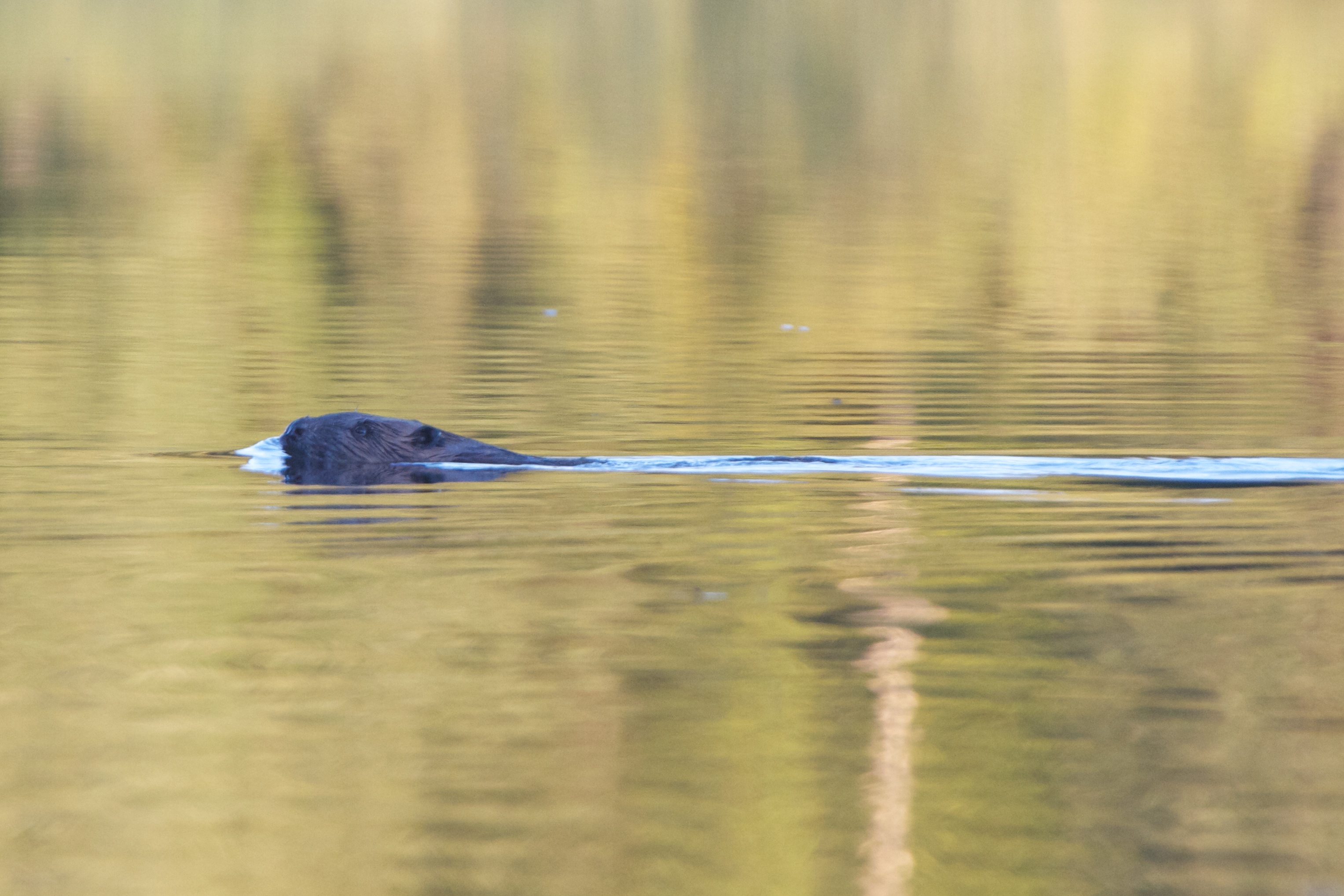
I’ve spent quite a few hours sat by a Swedish lake (being bitten by mosquitoes) trying to photograph and film these amazing animals and I’ve been lucky to have very close views (they came to me not the other way round!).
Image

I love the idea of beavers being back in the English landscape but if they are to have a wild future, they need to be reintroduced as part of managed, scientific projects in suitable habitats where the populations can grow and become established without significant conflict with other interests.  Reintroduction in a staged way, with debate on matters important to all stakeholders should be the way forward.  It should not be down to a few (possibly well-meaning) individuals to take things into their own hands and release animals into the wild.

As the title of my blog states, I’m a concerned amateur.  Therefore, these are just my thoughts and I’m starting on a journey towards greater understanding of these issues – I’m sure I’ll keep changing my views in the meantime.

Raptor Persecution

A good article in Scotsman by the RSPB’s Duncan Orr-Ewing on the ongoing killing of some of the most iconic British wildlife:

The Scotsman

I’ve seen both types of British eagle in various places in Scotland (and a possible in the Lake District) – an amazing sight each time.

White Tailed Eagle

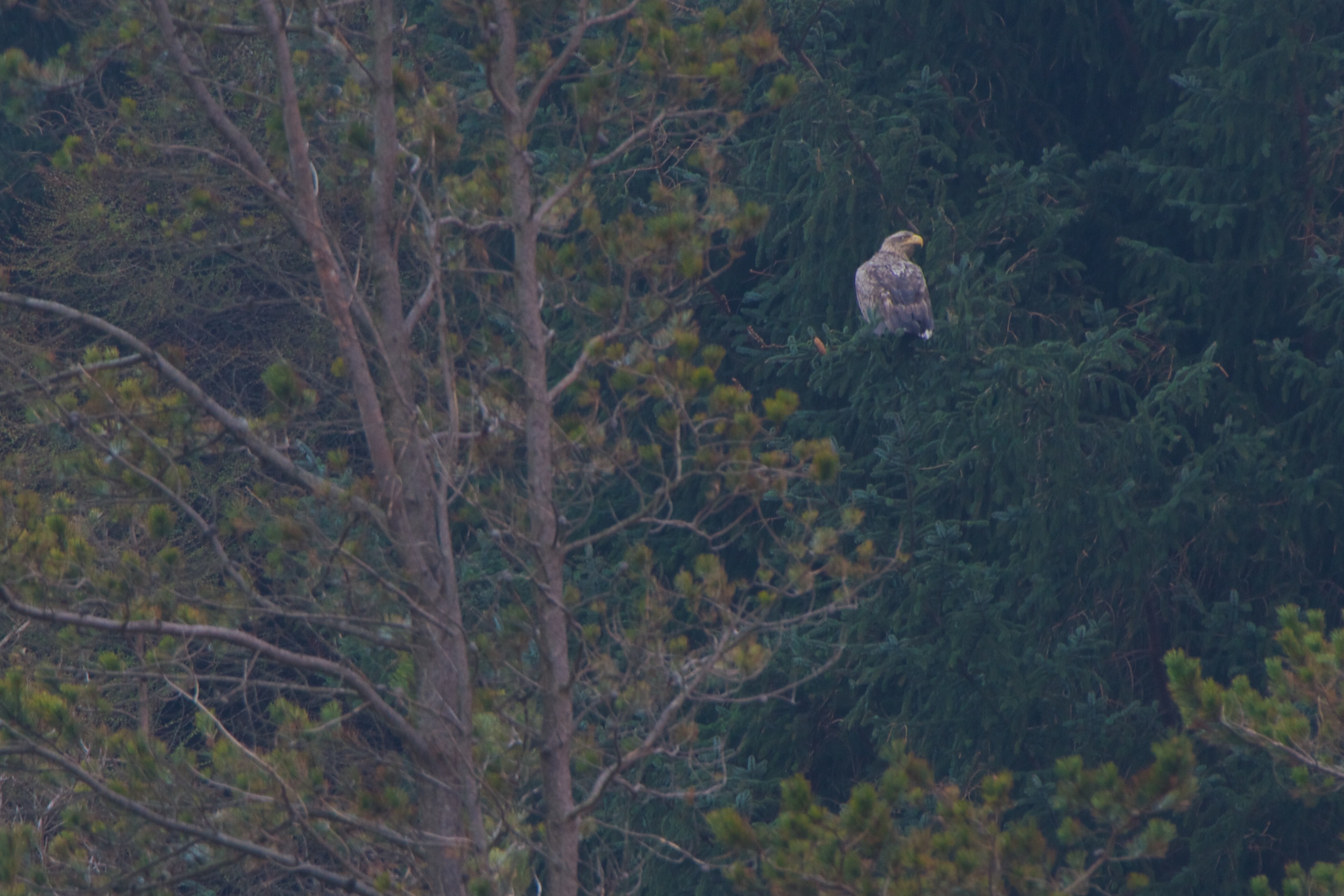
The best view I’ve had was of a white-tailed eagle which flew a few metres above my head and landed on the edge of the forestry block behind the cottage I was staying in on Mull. Each morning I would sit eating my breakfast looking out of the big picture window to the bay below, with a pair of eagles perched in a tree at the water’s edge. Breakfast eagles are pretty special!


Link

Ever since I first read about the Oostvaardersplassen nature reserve in The Netherlands, I have had a growing interest in the rewilding movement.  A few weeks ago I came across an opportunity to contribute to the early stages of a UK rewilding project and donated to a crowd-funding appeal for the Cambrian Wildwood.

http://www.cambrianwildwood.org