As we approach the changing of the clocks and the return of Greenwich Mean Time, my post-work cycles are coming to an end for this year.
I love heading out for a cycle in the country lanes after a day at my desk but I’m not keen on cycling in the dark once the clocks have gone back. Around here in Northamptonshire, the undulating and twisty roads can hide cyclists at night and many drivers don’t give enough consideration to cyclists (or walkers, pedestrians or horse riders for that matter). I’ve lost count of the number of times I’ve been close-passed by drivers this year and in the dark it is perhaps even more likely.
However, I’m not stopping cycling altogether over the darker days; I’ll try to make sure I head out at weekends and start running again to keep up my fitness.
This year has been great for exploring the off-road routes in the countryside surrounding my home and I feel closer to nature and the farming seasons because of it. Unfortunately, most of those routes are now very muddy and not really usable on a regular basis. I’m already looking forward to the drier days of spring and summer when the ground hardens and I can explore.
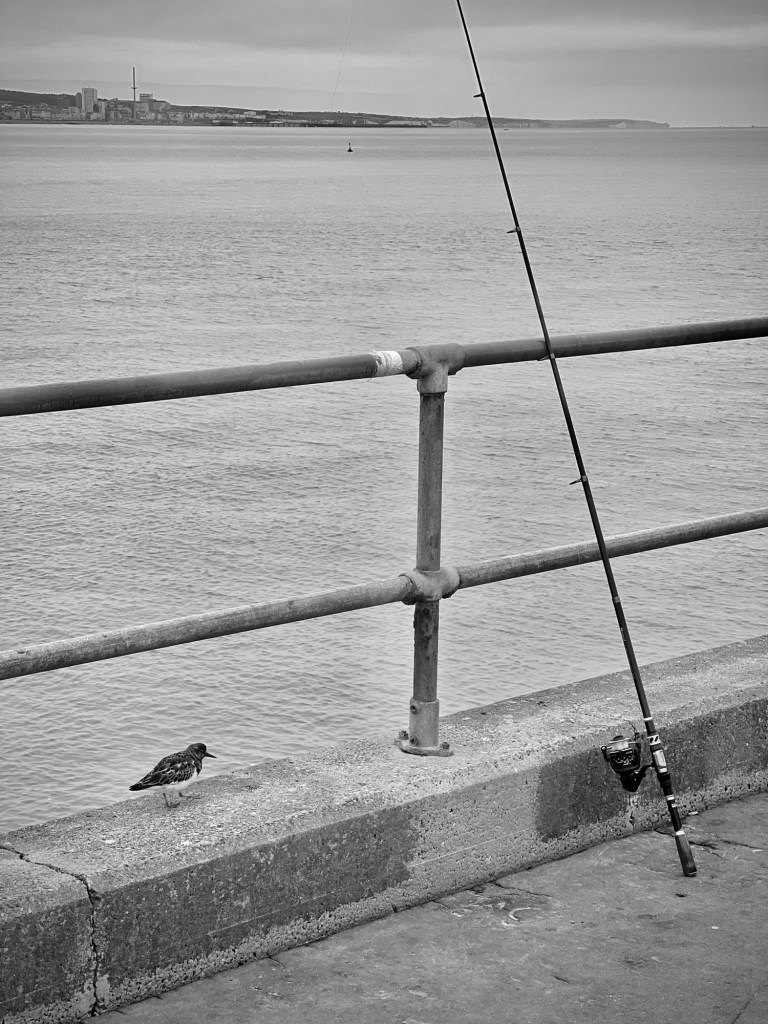
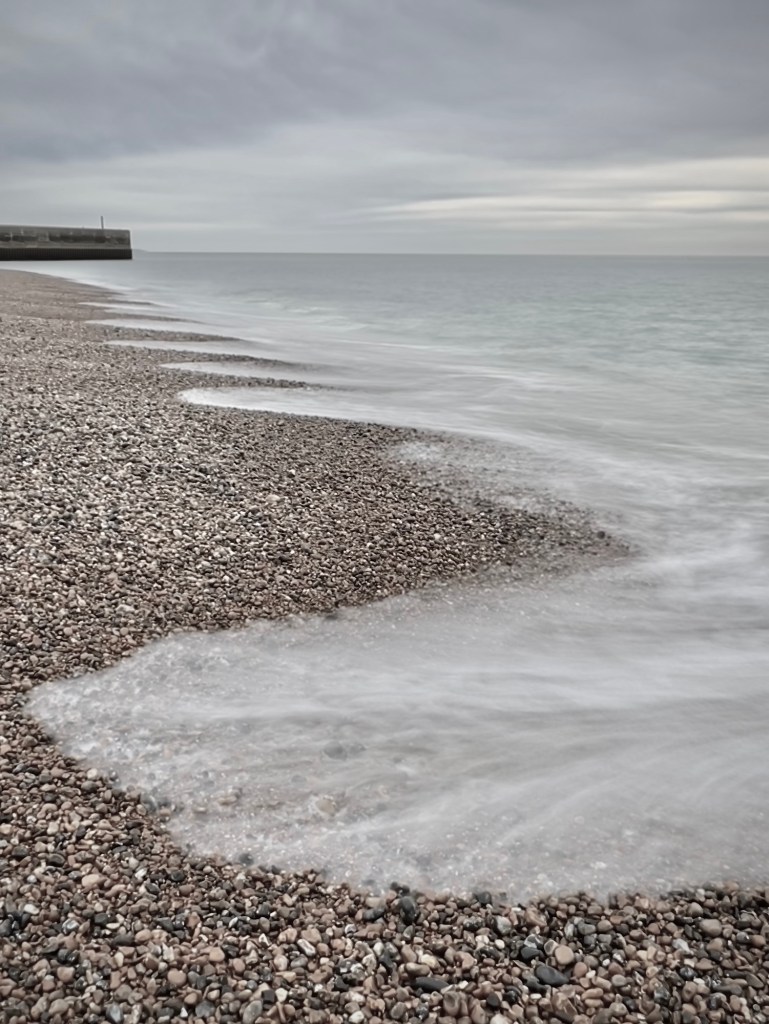
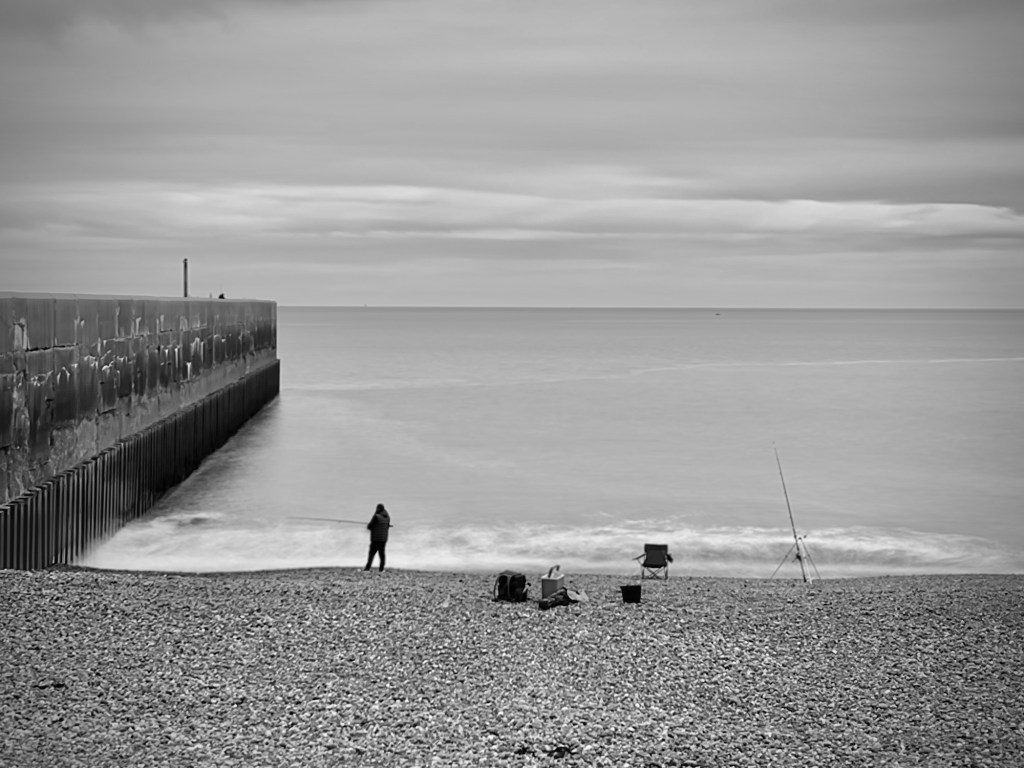
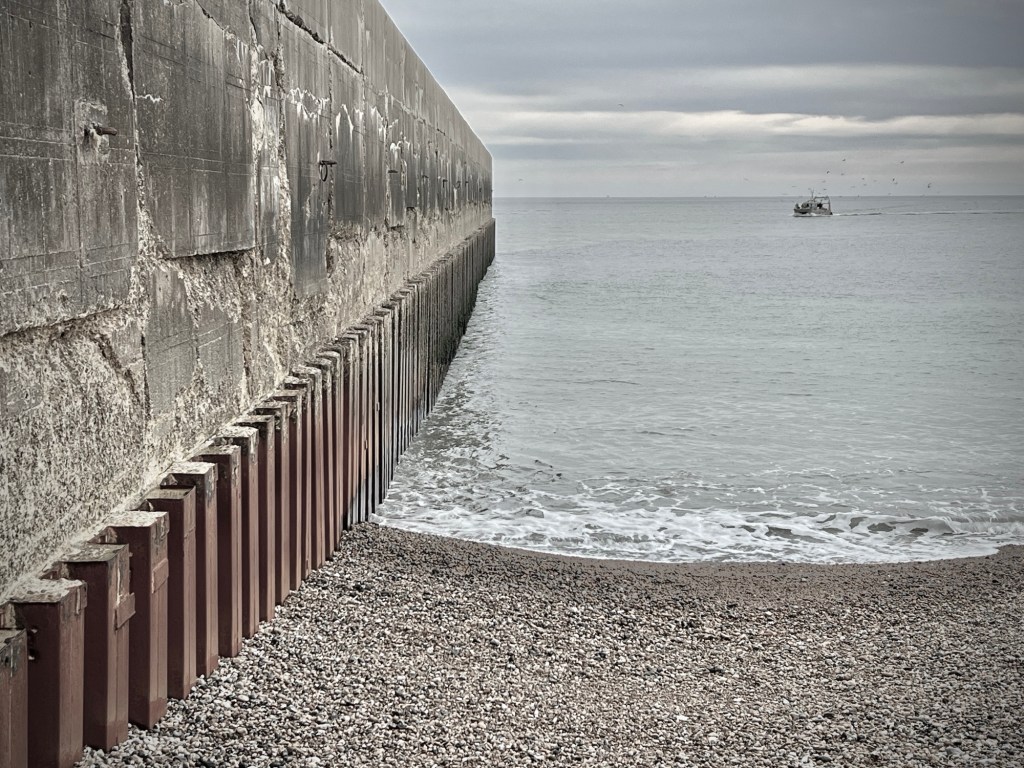
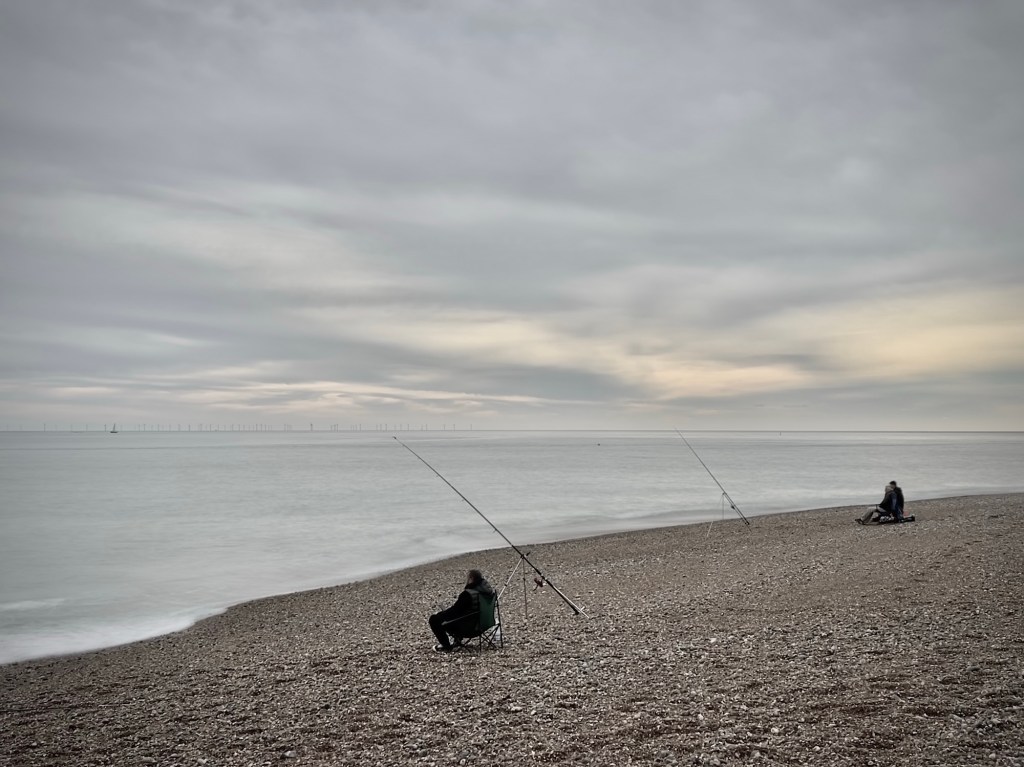
Today, very unusually, I had some hours to burn and as I was in West Sussex, I decided to head to the coast. I spent a bit of time doing something I haven’t done in ages, focusing purely and simply on taking photos and getting engrossed in it.
Sadly, I had to cancel my trip to Ramsey Island over August bank holiday week. Unforeseen circumstances at home meant that plans had to be changed and my trip was put off until next summer.
However, this did give me an opportunity to try out some local conservation volunteering instead. My company gives me two paid days per year to volunteer for social or environmental causes, so with Ramsey no longer happening I searched quickly for local opportunities. I soon found a two-day task with Northamptonshire Conservation Volunteers.
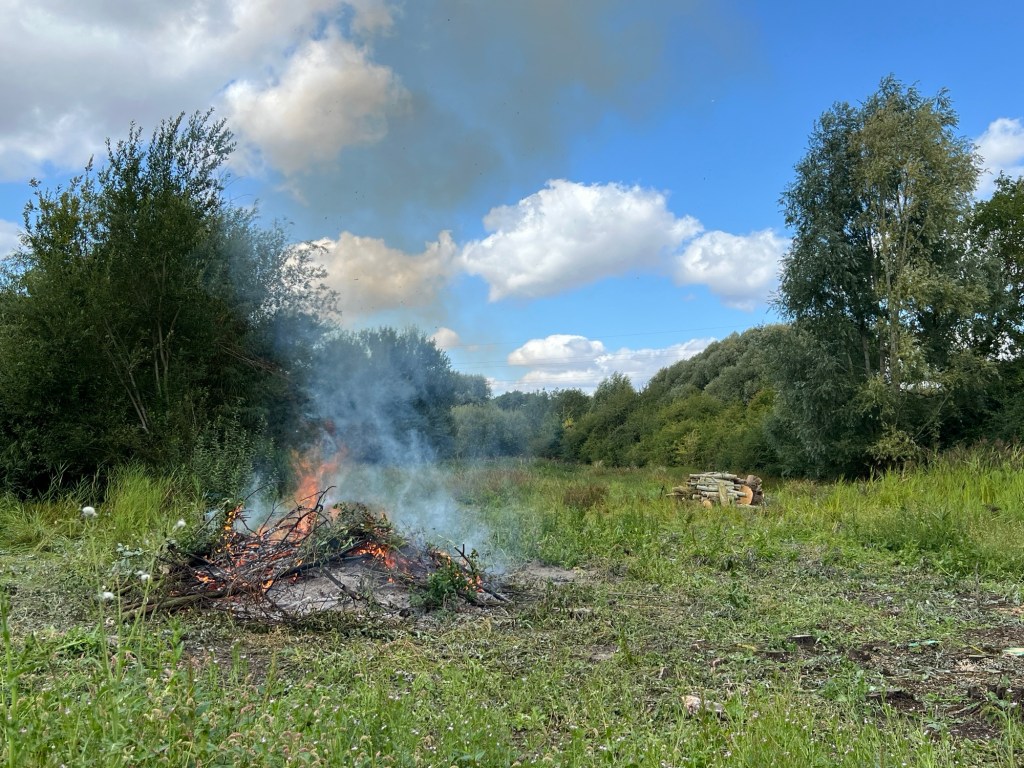
Last Wednesday I headed out to Abington Meadows Nature Reserve near Weston Favell. On a warm but grey morning I met rangers from Bedfordshire, Cambridgeshire and Northamptonshire Wildlife Trust and a small group of other volunteers at the edge of the meadows. We walked out to the centre of the site, each of us carrying a bow saw and pair of loppers. We stopped at a central area where the rangers had already used a chainsaw cut down a number of willow trees. Our task was to cut up the fallen trees and to put them on a fire.
Whilst cutting down trees and setting fire to them might not seem the most conservation-minded thing to do, I have learnt over many years of volunteering that it’s an often vital activity in maintaining many protected sites. With so many of our water meadows and reedbeds having been lost since the Second World War, those that remain need to be managed. This is to prevent natural succession leading to them being overtaken by willow and eventually drying up. In this case, this was exactly what was happening. The trees needed to be burned as the amount of willow taken down couldn’t all be taken off the site and if left on the ground it would re-grow not just from the stumps but also the cut down timber and brash.
So, for two days, I cut up the fallen trees and put them on the fire and, when the originally cut down trees had all gone, we cut down some more by hand to reduce the willow further.
This was an activity that took me back to some of my original conservation volunteering in Cheshire nearly 13 years ago. I have spent many a Sunday out of a Cheshire Wildlife Trust wetland site doing exactly the same task and over that time have seen what a significant positive impact a group of volunteers can have.
The only sad thing about this experience is that so many of the similar opportunities are only during weekdays when I’m out at work. However, I did learn of a couple of weekend volunteer groups which I might have to give a try.
With this 570th post, I’ve reached ten years of blogging on this site. It is somewhat surprising that I’ve kept it going so long; I only set up my blog to ‘give it a go’ a see if some longer-form writing would give me an outlet for my thoughts beyond the usual social media.
The blog started 18 months after I retuned to work following a 12-month career break. So much of that year was spent in nature with a mixture of volunteering, wildlife trips and photography, that it helped me find a new enthusiasm for the world around me and gave me a much more positive and constructive life overall. Before the break I had very little to say beyond my work life and I would never have blogged about that; I’ve always tried to keep work and home separate and leave thinking about work to weekdays. Continuing to spend my time away from work in nature in a number of different ways led me to consider blogging. I had done some (pretty rubbish) creative writing as a mindfulness practice and it seemed to work in moving my thoughts away from work. Doing things more interesting and constructive with my free time also gave me more inspiration to write and it just seemed to be an obvious extension to my practical conservation volunteering and photography, adding another dimension and enabling me to dive more deeply into my interests.
I can’t say this is the most keenly read or most visited blog and certainly not the best written or most thought-provoking. However, it does have a small band of followers and it does have individual posts which continue to be read years after they’ve been written. It seems that my posts on Scottish Islands and my trip to the Falkland Islands (also nearly 10 years ago) continue to get the most visits. Perhaps a bit of Googling while planning a holiday is the main source of my visitors.
The most visited posts at the time of writing have always been those about my volunteering at the Glaslyn ospreys in north Wales, where for a number of years I did nest protection shifts each spring. From the statistics page for my site it’s very easy to see when I stopped doing those shifts as my visitor numbers have never been the same since.
The subject which I have most prolifically written about is probably Ramsey Island. Since 2012, I’ve spent one, two or three weeks a year there as a residential volunteer for the RSPB, which all culminated in a three month stay in 2019. When I’ve written so much about the place, it’s hard to think of new things to say but I’m sure I’ll be inspired some more by my next visit.
I also can’t say that it hasn’t been a struggle at times to keep it going and to generate the enthusiasm to do so. Certainly over the past two or three years my rate of posting has dropped markedly. I have a generally strong underlying angst over the state of nature, the country and the world as a whole. I find so many things so concerning and hugely negative. I often find it exhausting when thinking beyond my own little world and at times writing about nature, when I feel so depressed about it, is almost the last thing I want to do. However, perhaps my blog should again be a place for positivity in the face of all the negativity around us.
At this ten-year mark in my blogging, I have considered whether it’s time to stop. It would end the false pressure and guilt I put on myself for not posting but it would seem such a waste of all the effort I’ve put in over the last decade. I also feel I still have so much to say, possibly, in fact, more than I used to. Almost by chance, my work has started to encroach on areas I blog about, with rural transport and wider countryside and coastal issues being a key area of my weekday focus. I don’t want my private time and work to mix too much but my personal thoughts on some of the crossover subjects could form the basis for future posts.
So, at this 10-year point, I don’t intend to leave the blog behind but, instead, find some new energy and, hopefully, new ideas, to reinvigorate my site and continue posting for a good while yet.
I’ll finish my post with a video. It was shot on my phone at Snettisham on the Norfolk coast of The Wash a couple of weeks ago. My wife and I had a weekend away, staying in a lovely pub nearby. One evening we went to the shoreline at the RSPB reserve to watch the dusk flight of birds as the tide came in. The result was a natural spectacular with thousands upon thousands of geese and waders putting on a show at a scale seen in few other places in the UK. It was a truly inspiring sight and one that re-energised my love of nature.
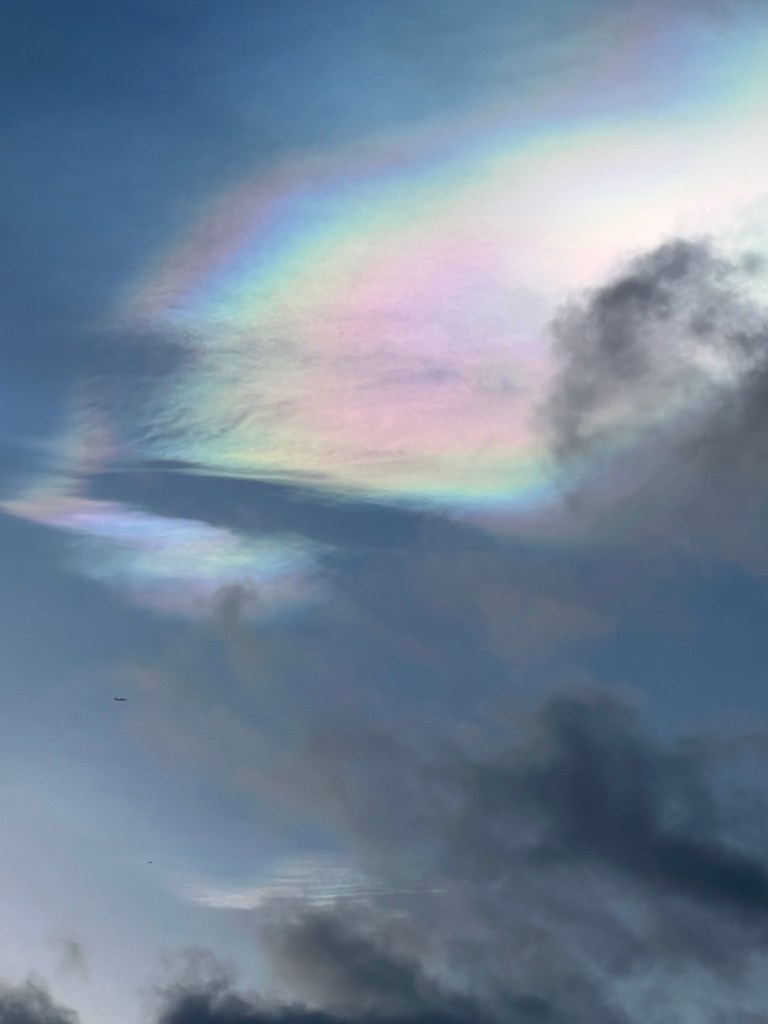
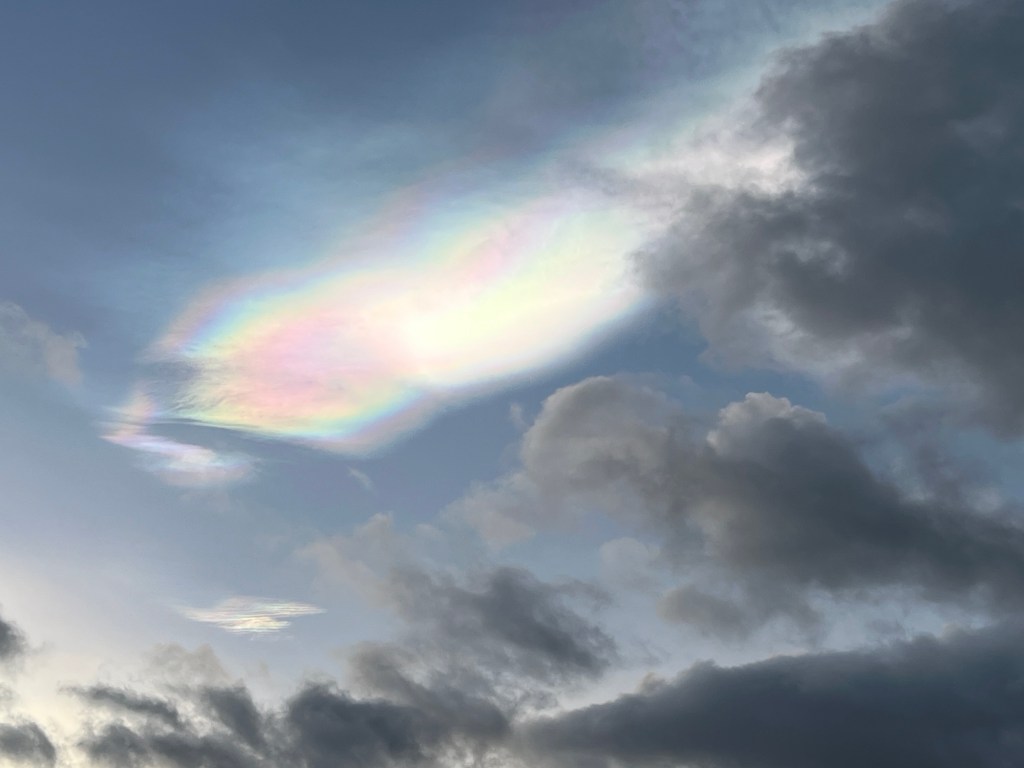
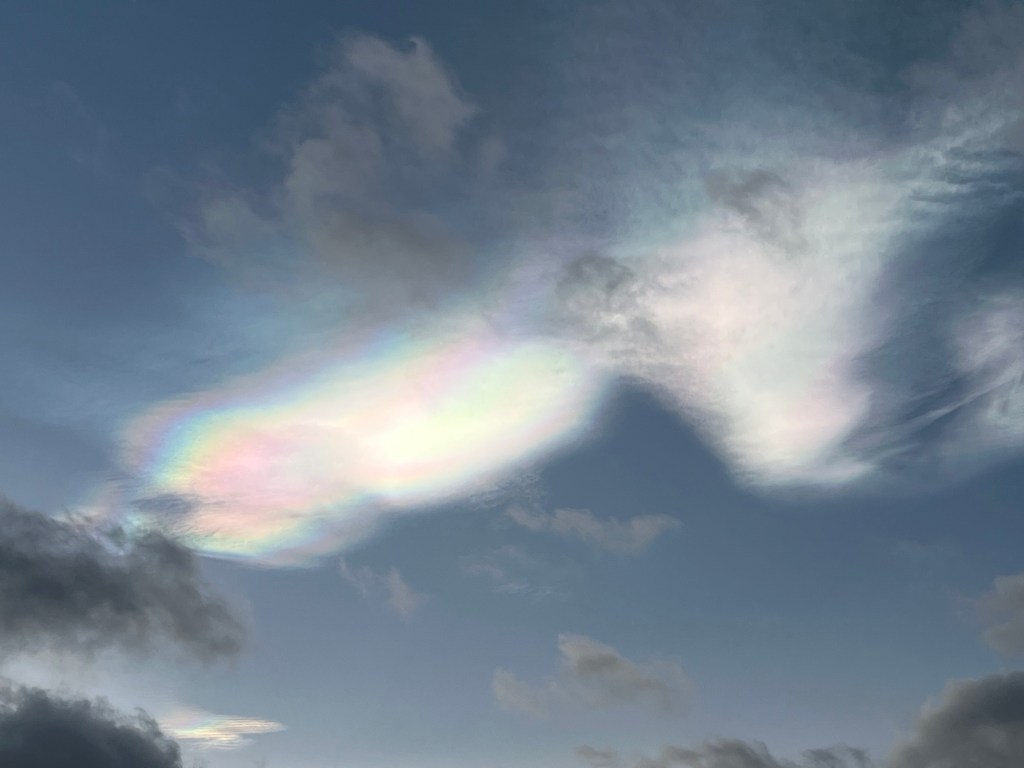
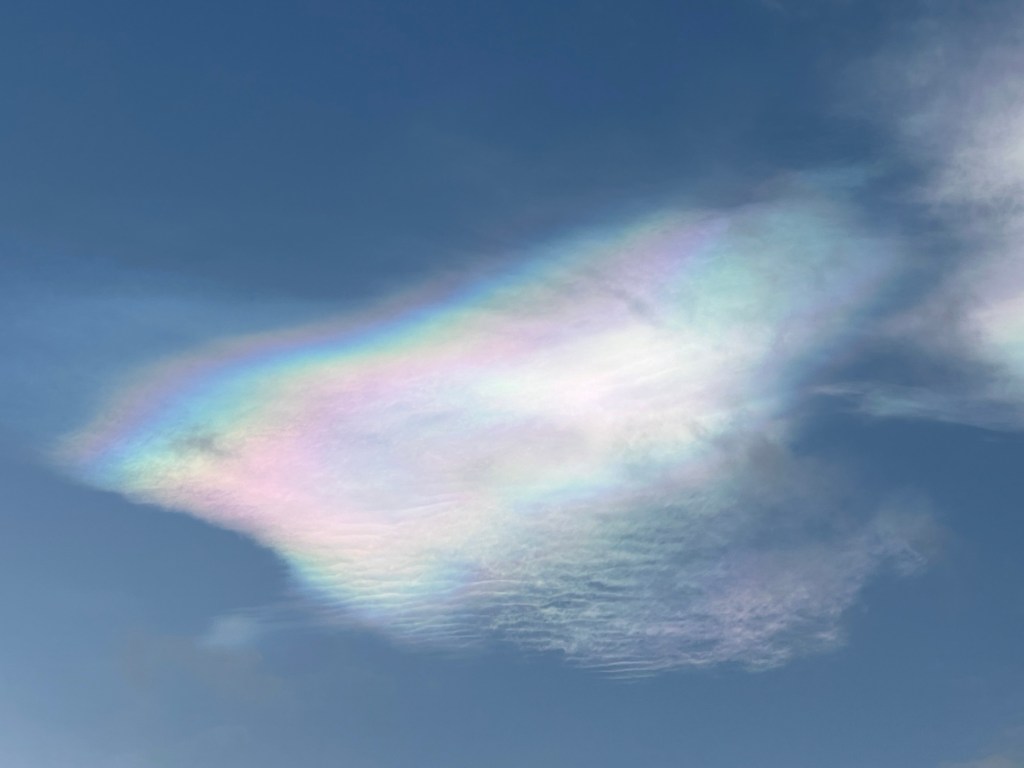
Over the last few days there have been images of nacreous clouds appearing from across the UK. I had just seen some posted on Facebook by a friend when they were spotted above our house…
I’m hoping they will still be around this evening and that the cloud clears enough to see them!
To make the break between the working week and the weekend, yesterday evening we had a sunset wander at one of our usual spots in the Brampton Valley. Almost immediately after getting out of the car we spotted a white shape flying low over the rough grass area amongst the now empty arable fields. Looking through our binoculars it was instantly recognisable as a barn owl. We slowly made our way along the farmland track to get a closer view and a second owl a popped up. We watched the pair for about half an hour as the light faded until they both flew off towards a nearby barn.
We’ve been visiting the spot often since we moved into the area two and a half years ago but only in the early days did we see barn owls there. So this was a delight and we’ll go back more often at sunset to see if we can find them again.












 Daft Mumblings