A morning with swifts

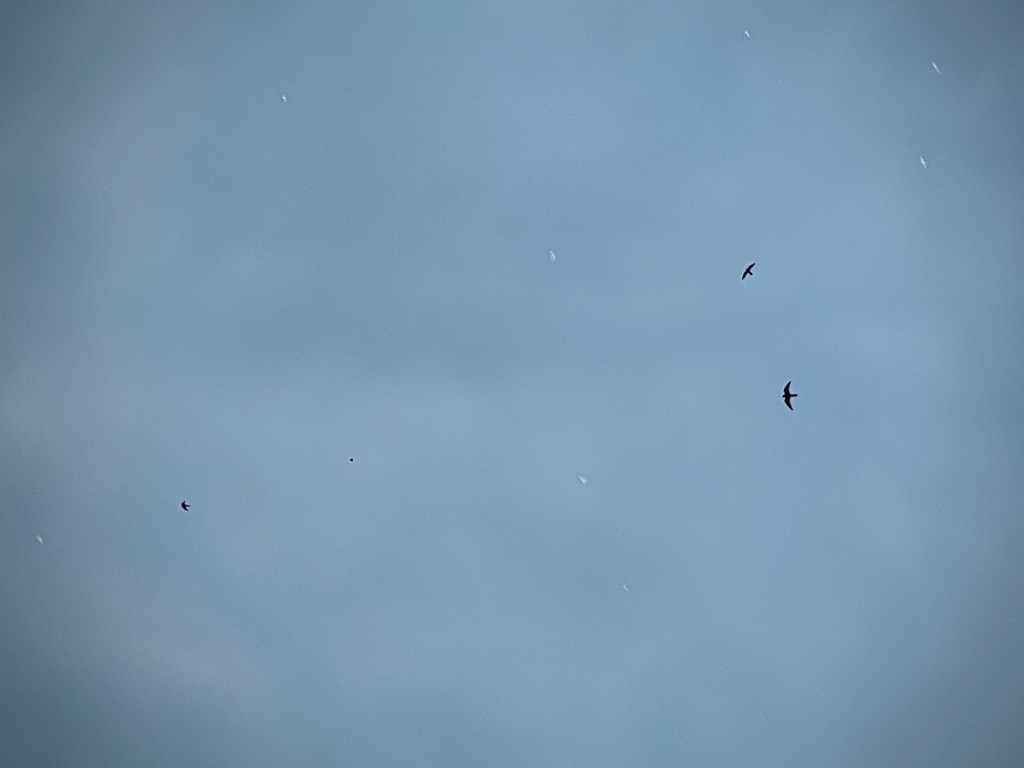
Searching through the pages of my blog, I’m not sure I’ve really given enough space to my favourite bird – the swift. I aim to change that and I’ll start with a post about yesterday when I had the chance to get up close to some of these birds. Having spoken to one of our fellow villagers, John, a few times since we moved here in 2021, last year he kindly showed me his swift nest boxes and the video feed he has from them. We spoke again recently and this time he invited me around to see the swift chicks be ringed.

John, the two ringers, Neil and Michelle, and I made our way up to one of his bedrooms where he can gain access to two of his nest boxes. The birds from one of the boxes had already fledged but there were two chicks still in the second. Unfortunately, on inspection, the chicks were too close to fledging to ring; it would have risked them flying out of the nest too early. We therefore had to abort the ringing but instead walked up to the church to inspect the nest boxes high up in the base of the steeple.

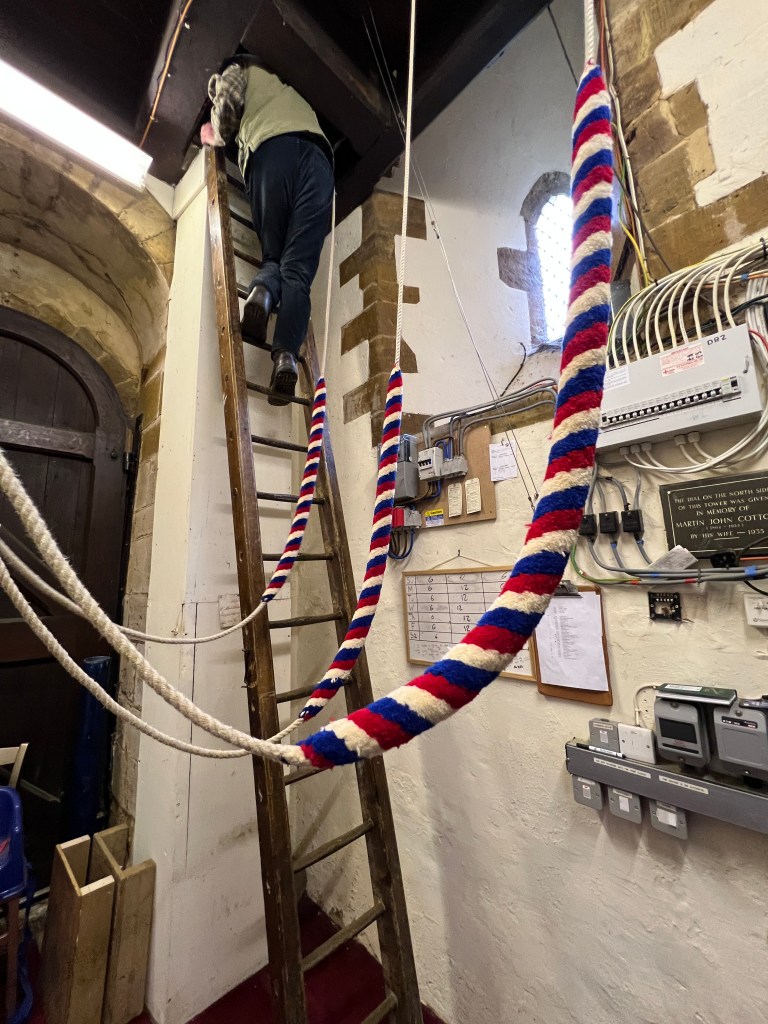
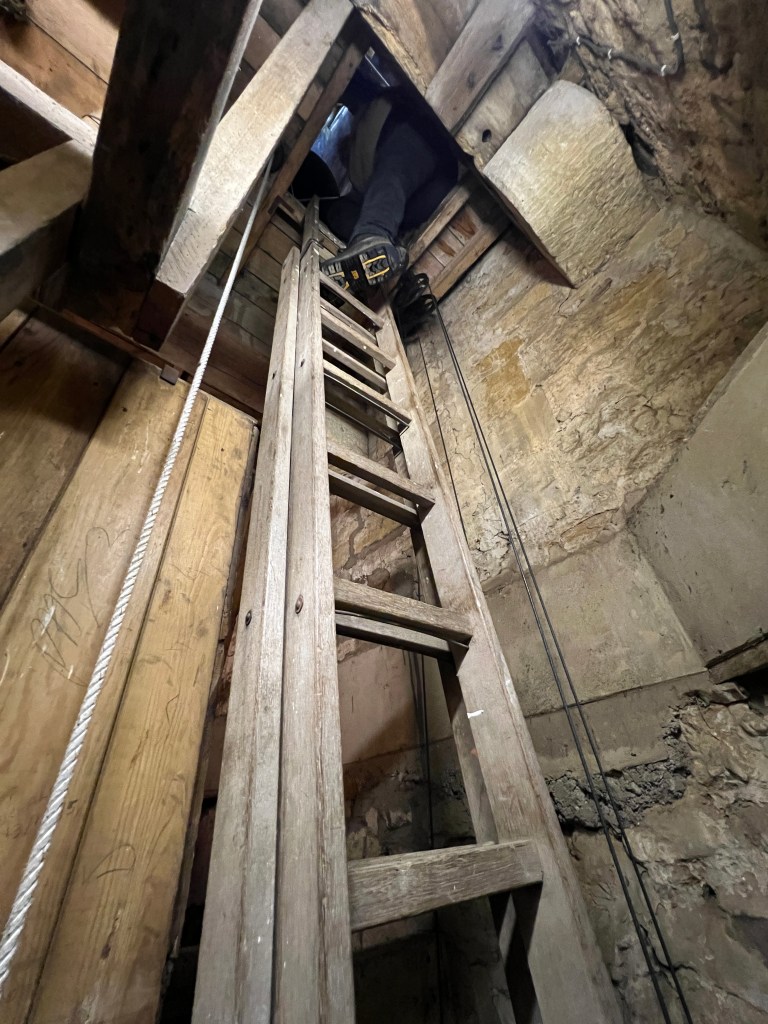
Three of us went up the three steep sets of ladders to gain access to the steeple and then John and Neil clambered over the bells to check on the two boxes. More chicks were found, revealing a very successful breeding year for John’s nest boxes with five boxes in total producing 10 chicks. 

Over the previous two summers we have lived in the village, we have frequently seen swifts but not often at low roof-top level around our house. However, during this third summer in the village, we have seen quite a lot of swifts flying close around our house and the neighbouring ones, hopefully, indicating not only that there may be more nests in the village but that they may be in the surrounding houses or out-buildings. 

I could talk and write for hours about swifts, and I aim to write some more, but I’ll keep this post short but just say that there is something rather nice about hearing a party of screaming swifts as I sit at my desk in my home office on a warm summer afternoon. It’s a sound I look forward to throughout the autumn, winter and spring.

Neighbourhood starlings

Ever since we moved into our house two years ago, we’ve had uninvited house guests staying all year round. From the roof space about our bedroom comes the frequent scratching, squeaking, squabbling and, sometimes, beatboxing of a pair of starlings.

Our relationship with them swings from care and amusement to annoyance and, very occasionally, strong avicidal thoughts. They like to slide down the sloping sides of the loft floor and get into fights with their neighbours, they occasionally like to run around the loft itself (in the pitch blackness) and they sit in the tree opposite their nest hole impersonating all manner of other birds.

They also bring up their broods just above our sleeping space. Just as the chicks first hatch, we hear very faint squeaking, barely audible without straining to hear. However, after very few weeks this turns into loud and rowdy cacophony of harsh rasping from countless near-fledglings. For a week or so in June we are woken way before sunrise each day by the feathery idiots and their offspring starting their day like hyperactive gremlins.

When they eventually do leave us in peace and fly the nest, the chicks invade our garden, causing more general disturbance as they endlessly beg their parents for food and fight with each other and their other starling friends.

Once they have left the next they do leave behind a bit of a mess in the eaves of the house but we tolerate it for the entertainment they give us. However, thinking our human guests would not appreciate the same treatment we get, we decided to block up another hole above our spare room. We then installed a starling nest box just below the former entrance. So far they have completely ignored the luxury new home and, instead, the pair decided to start a turf war with our bedroom starlings before trying a new spot above my study.

This post wasn’t meant to be about our idiot lodgers but their foreign friends who visit the UK every year. I do like to seek out murmurations, where the starlings migrating to the country each winter form huge flocks and perform aerial ballets at dusk. We found one earlier this winter a few miles away near to Summer Leys Nature Reserve but haven’t really looked since.

Over the couple of weeks, however, when I’ve been out for a run after work I’ve been seeing growing numbers of starlings around the village. They started as small flocks but very recently they have turned into much larger congregations swirling over the houses. Last night, deciding against a run, we walked up the gradual hill in the village to seek the murmuration out and the video and photos below are the result…

I really can’t be cross with our house starlings when their cousins provide these spectaculars…but we might just be away on holiday this year at the peak of their rowdiness.

Looking at lichen

We had a walk around the Northampton Washlands basin this morning. It was our first visit and we had a nice walk around the high banks but it was a dull and chilly day so it was slightly uninspiring. The standout moment was stopping by a fallen tree; its branches were covered in a bright orangey-yellow lichen which shone out from the rest of the landscape, providing splash of colour on an otherwise drab winter day.

First new bird of the year

2022 was quite a good year for me in terms of seeing new birds and mammals. Helped significantly by a trip to Zambia, I added 34 birds to my list with only two of those being in the UK (smew and jack snipe). This took me over the 500 birds mark and adding 14 new mammals took that list to over 100.

After look at a local bird blog this morning we knew there was a possibility of a first new bird of the year at nearby Ravensthorpe Reservoir. Having had a walked there last weekend we went elsewhere for a bit of a wander first but on the way home stopped at the reservoir car park for a quick look to see if the bird was there. Amongst all the other ducks, including the similar-looking female tufted ducks, was a female ring-necked duck. This might have been a vagrant from North America or, just as likely an escapee from a collection, but I’m still going to count it.

A dusk wander for owls

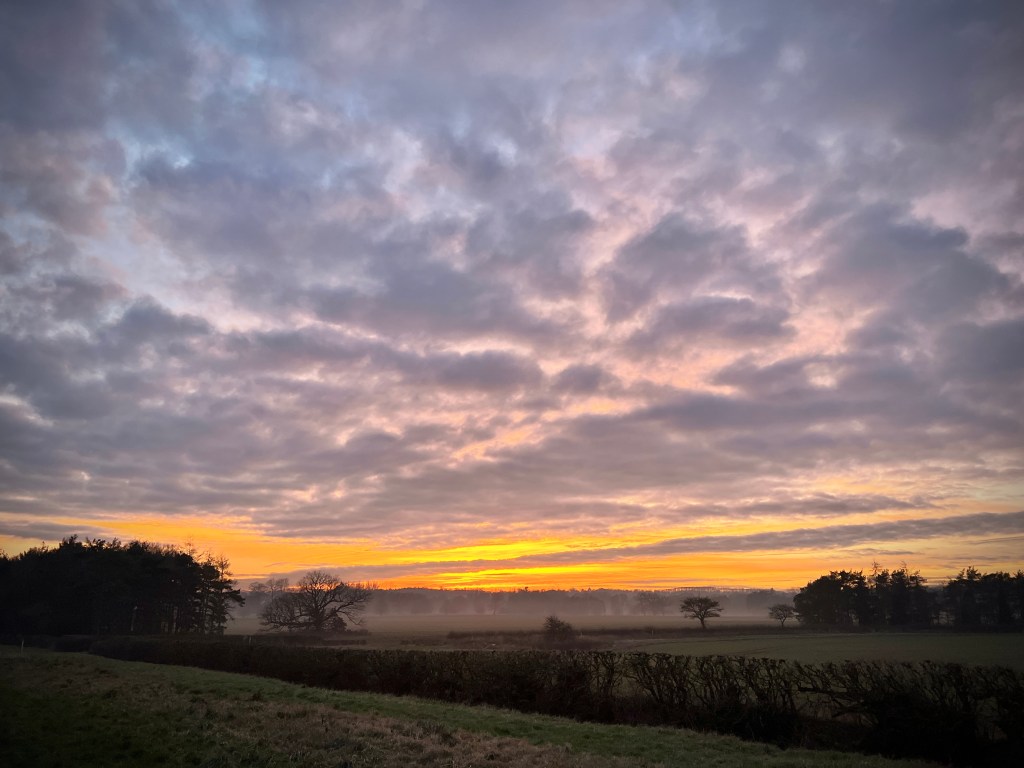
After seeing reports of owl sightings in the countryside beyond a nearby village, we headed out there late on Sunday afternoon to see if we could locate any. The frost of earlier was still clinging on in shady areas where the winter sun was unable to reach but where the ground had thawed, the footpath we walked along became increasingly muddy. As the sun started to dip, a mist started to rise up from the cold wet ground, shrouding some of the fields.

The low rolling countryside in the Brampton Valley, with large arable fields and low hedges, has quite a few areas set aside for wildlife, with margins left uncultivated and areas sewn for winter bird food. We scanned a few of these areas with our binoculars in hope of seeing the owls but even with their longer grass, perfect for small mammals, we didn’t see anything on the outward leg of our walk. We did see, however, a good number of lapwing in some of the open fields, a bird we haven’t seen much of in the valley before.

On the homeward leg, we had almost given up hope of seeing any owls but as we neared the end we caught sight of another nocturnal animal instead. In the growing gloom of dusk, a fox wandered across an open field and into a small copse. We then noticed at the far side of the same field, a muntjac feeding in the field margin. Just as we turned to walk the last few hundred metres, a white bird appeared in the distance and looped around another small copse, disappearing at one end and reappearing at the other. The barn owl did one more loop of the copse and then flew off into the field behind, not to be seen again.

January has been a good month for owls. At the Nene Washes we saw both short-eared and long-eared owls, while at the same location, as well as Welney and now closer to home, we’ve had good views of barn owl. Having said that, the tawny owls at have been very quiet in the trees surrounding our house over recent weeks but as winter comes to an end, hopefully we will start to here them again as well the little owls we often hear in the spring.

A frosty wander at Raventhorpe Reservoir

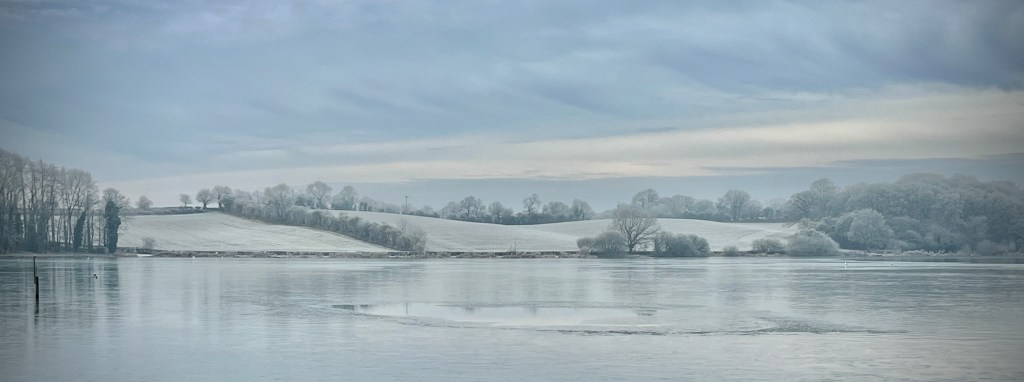
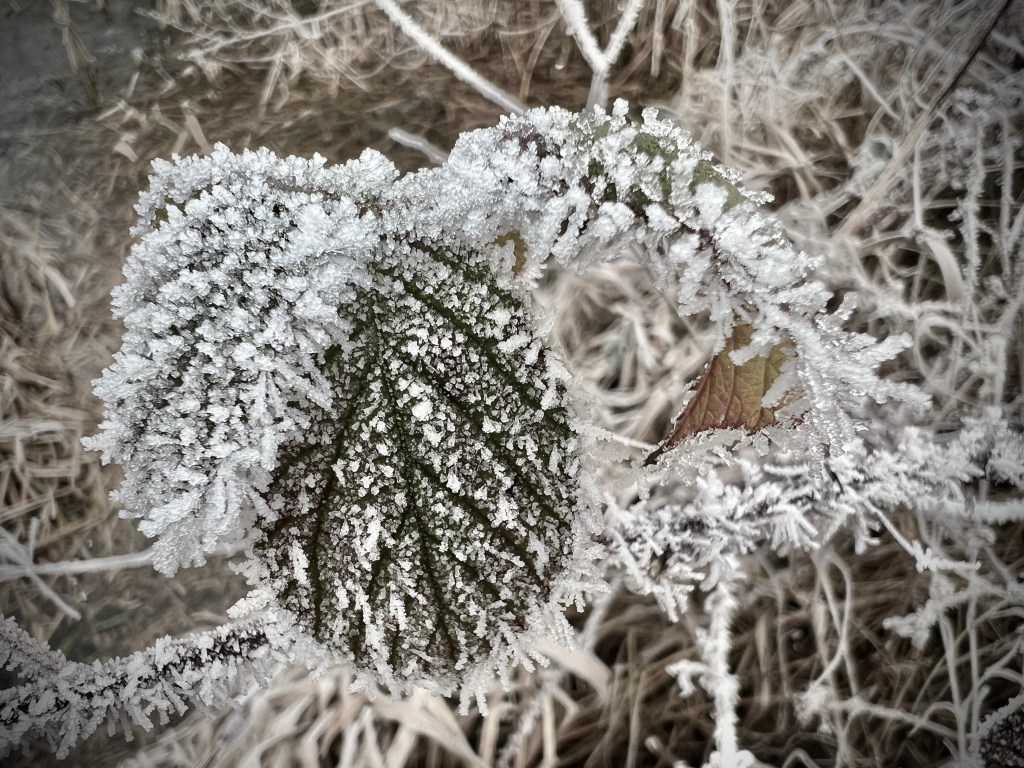
This morning we woke to a bright but sub-zero, frosty and misty Sunday morning. Instead of saying inside in the warm we decided to go for a walk around one of the nearby reservoirs; Ravensthorpe.

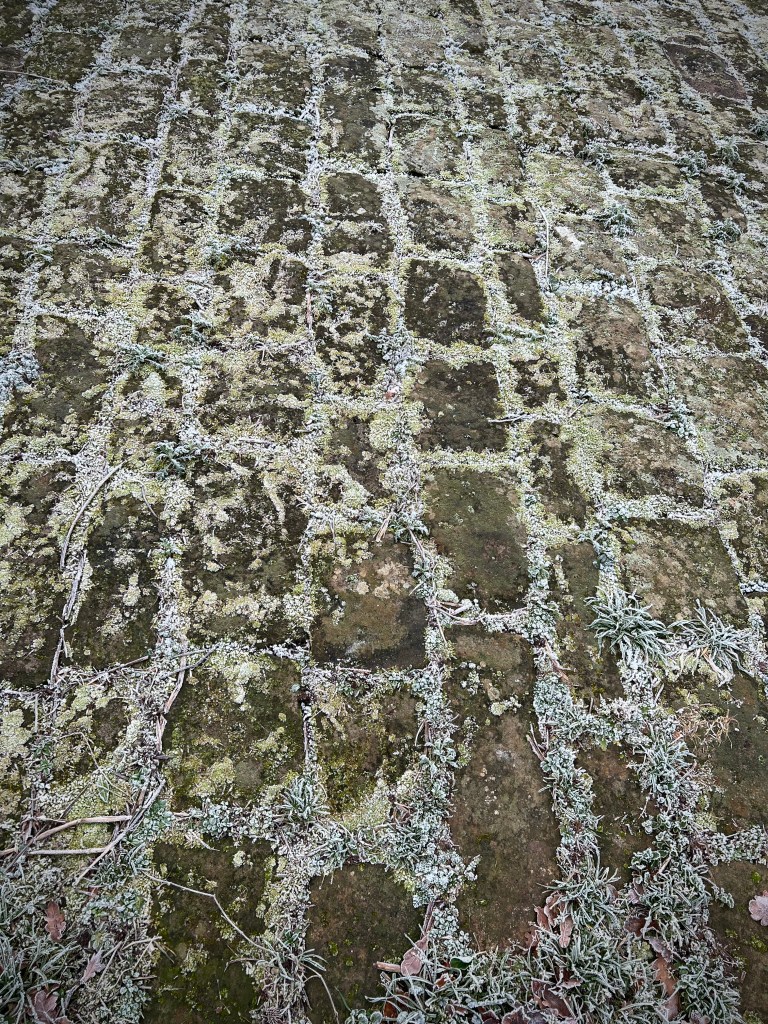
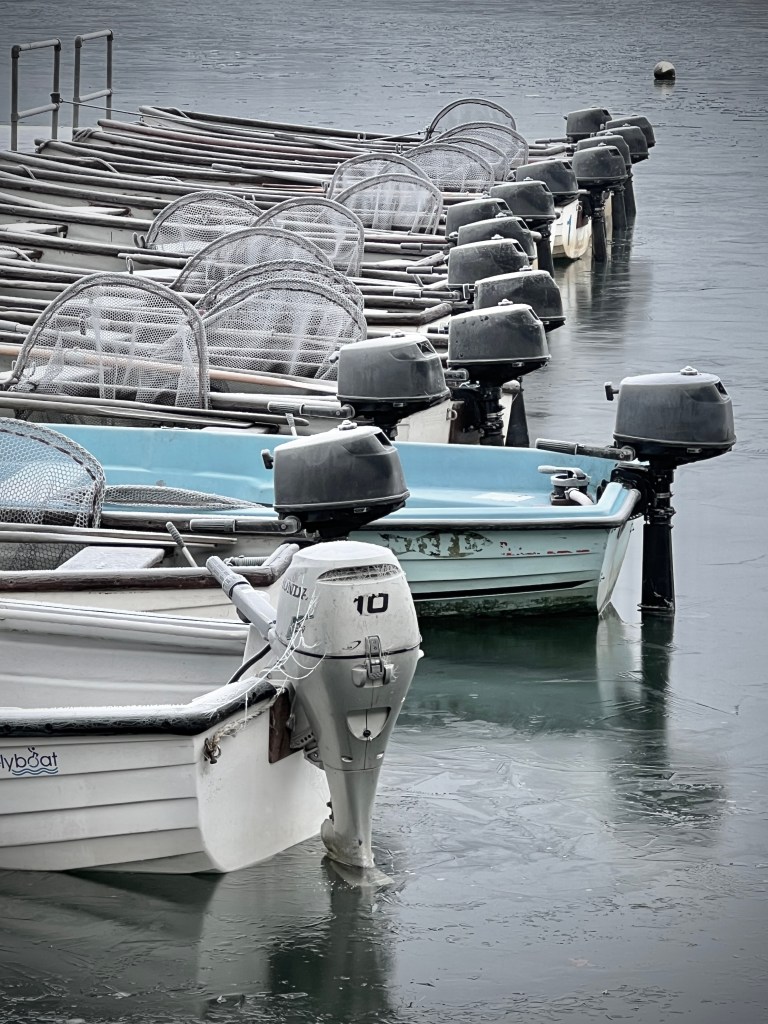
With a haze over the sun, what warmth there was from above didn’t melt the ice and our hour-long walk was surrounded in crystal. What can be a very muddy loop around the lake was instead solid as the ground remained frozen for all but last little stretch.

Usually, a visit to Ravensthorpe means looking for waterbirds but today we spent much more time taking photos of the scenes, both landscapes and up close. That’s not to say we didn’t see quite a lot of birds and there seemed to be a gathering of great crested grebes. While on the water they seems to be the essence of elegance but up in the air, they seem odd and awkward but a view of them we don’t seem to have very often.

Here are few fruits of our labour…

Still amazed by the Nene Washes

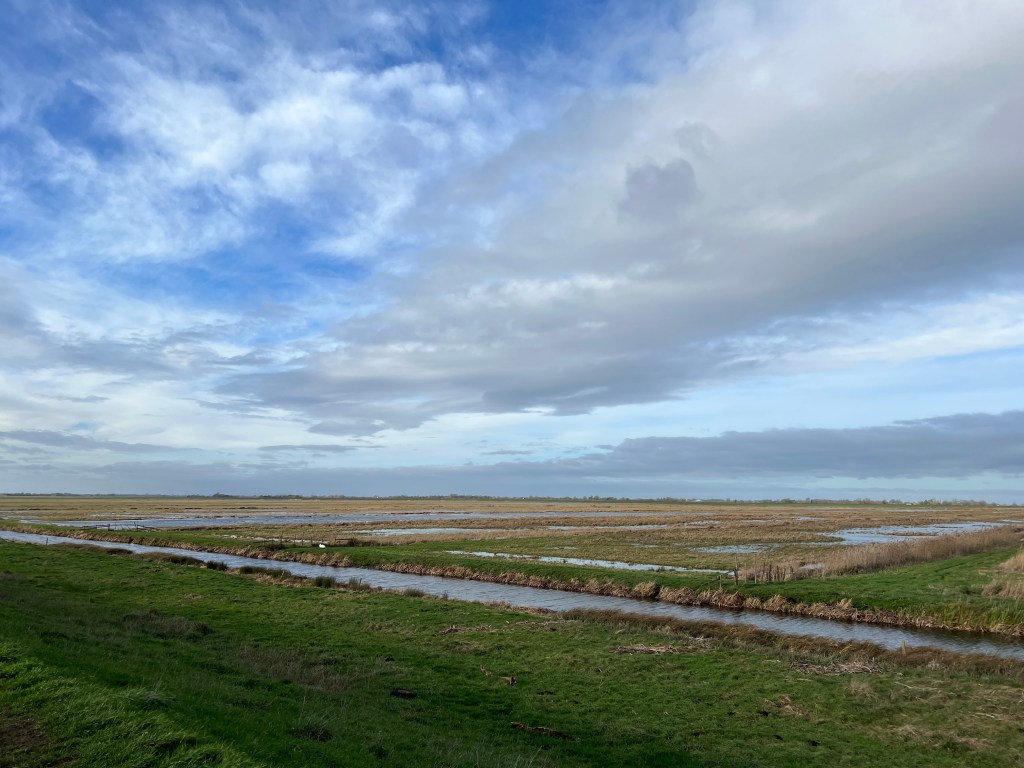
Last January we spent a day at the Nene Washes in Cambridgeshire and were amazed by the wildlife we saw. So, today we decided to take another trip across from Northamptonshire to see if it would be as good for a second time.

Well, we weren’t disappointed!

As soon as we arrived, we could see a few groups of people with cameras and scopes peering into some bushes. As we walked up we almost immediately saw a short-eared owl perched with a clear view in the front of a bush. A little further on there was a long-eared owl in another bush, although much harder to see as (my digi-scoping, as shown below, doesn’t improve). There were four long-eared owls altogether in the areas.

A little further down the embankment we tried to see a tawny owl in a large hole in an old tree but it wasn’t visible at all but as we turned back we had great views of a barn owl hunting over the tussocky grass.

We then spent a little while looking over the huge embankment-bounded flood plain of the River Nene and saw plenty of other birds including massed swirling flocks of wigeon, lapwing and golden plover. There were other raptors in the area including buzzard, kestrel, red kite and a mash harrier but we missed the hen harrier that had been seen earlier in the day. The other highlight for us was the sight of more than a dozen common cranes amongst the wildfowl flocks.

The Nene Washes really is a great place for winter wildlife and we might have stayed longer but for the strong, freezing wind. We had similar weather last year so hopefully next time it might be a little kinder to us.

Another winter visit to Summer Leys

This post could almost mirror a similar one I did in late January last year after a walk around one of our nearest nature reserves. After spending most of yesterday doing household chores, it seemed a waste of a weekend not to go for a walk somewhere. We did wonder whether we should head out today as the weather looked pretty awful, with wind and rain forecast but, actually, we had a dry visit to Summer Leys, although the wind was both strong and cold.

So many of the nature reserves in Northamptonshire are wetland, with the Nene Valley lying across the country as well as the area being dotted with reservoirs, both small and large. This gives the reserves two very distinct sets of wildlife with large congregations of wildfowl and waders in the autumn and winter months and visiting migrants taking advantage of the varied watery habitats in the spring and summer.

In January, Summer Leys is right in the middle of its big wildfowl and wader winter. We saw large groups of a range of ducks, particularly mallard, teal, wigeon, pochard and gadwall, as well as some nice spinning groups of shovelers and a few goldeneye. Just as last year, there were also flocks of lapwing and golden plover constantly being put up but we didn’t see what by.

We spent a little time at the bird feeding station and saw our first bullfinches of the year and we were told there was a yellow-browed warbler nearby, but we failed to see what would have been a first for us. We finished our walk having seen 40 species of birds in a walk of a little over an hour.

Whilst this time of year isn’t my favourite, the long, cold and dark nights seemingly stretching on into the far distance but there are some real wildlife spectacles to see, even relatively close to my doorstep. Summer Leys so far this winter has provided both starling murmurations and wildfowl congregations and perhaps there will be time left for another visit this season to see what else it can conjure up.

A gap in the rain for a wintry wander

With a day to spare between getting home from our New Year trip to Devon and returning to work, we did plan to go on one of our favourite local walks. However, the weather was pretty awful so we spent the morning de-Christmasing the house. The afternoon looked little better but with the rest of the week likely to be spent working in my office at home (due to the train strikes), I decided I had to get out of the house, even it is was for a short while. We’re lucky to have Pitsford Reservoir about a ten minute drive away and it’s our nearest nature reserve, With a gap in the rain, I jumped in the car and headed that way.

After all the hot weather and the drought over the summer, the water has been very low, even with significant local rainfall over the course of the autumn. However, on my first trip to the shores this year, the water is now back up to its high winter levels. This means that there is now very little exposed mud around the lake therefore little space for waders to feed; I saw only a handful of lapwing on my short walk.

On the other hand, the wildfowl are at very large numbers around the site and they gave me a good start to my year list of birds I’ve seen. There were good numbers of wigeon, mallard, teal, gadwall, tufted duck, and great crested grebe alongside smaller numbers of pochard. Thankfully, I didn’t see any signs of avian influenza; last time I counted 11 dead mute swans around the lake edge but I saw none today.

Elsewhere away from the water, there we plenty of fieldfares and redwings alongside groups of finches, tits and yellowhammers as well as tree sparrows in their usual place at the bottom of the track down from the main road to the western shore. Overall, I added 33 birds to my year list, not bad for an hour’s wander along the short of Scaldwell Bay.

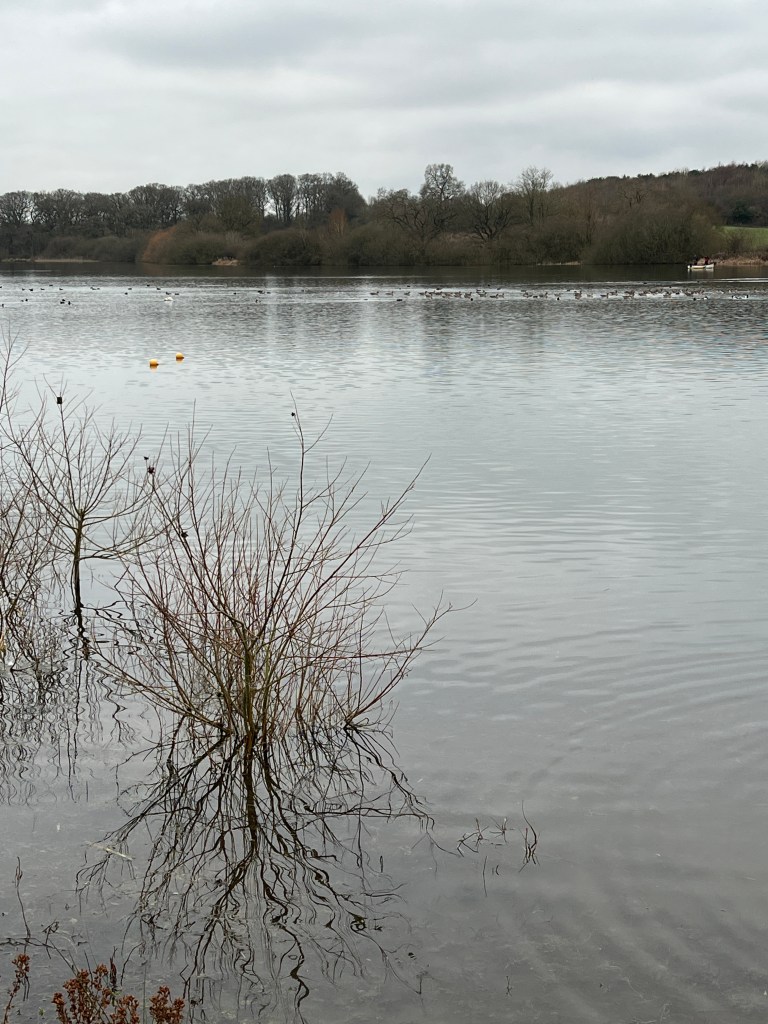
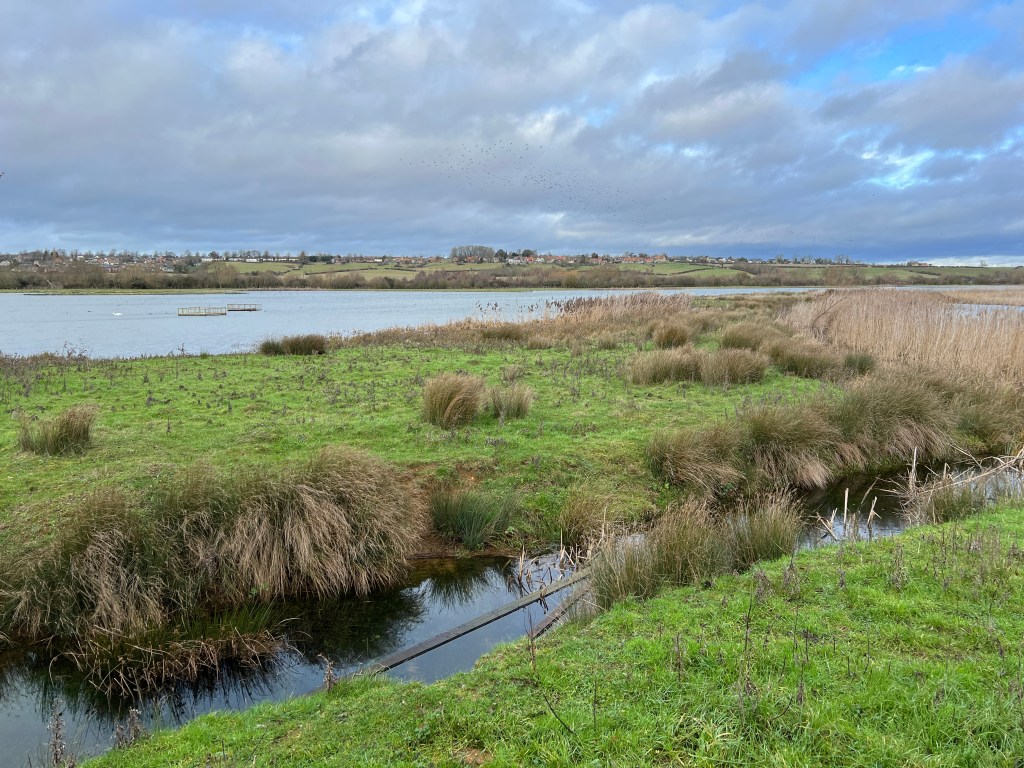
The two images below are the same spot in the bay, looking from the Bird Club Hide, taken just over three weeks apart; the lower and partly frozen water in the first compared to the much higher water levels in the second.