Today, very unusually, I had some hours to burn and as I was in West Sussex, I decided to head to the coast. I spent a bit of time doing something I haven’t done in ages, focusing purely and simply on taking photos and getting engrossed in it.






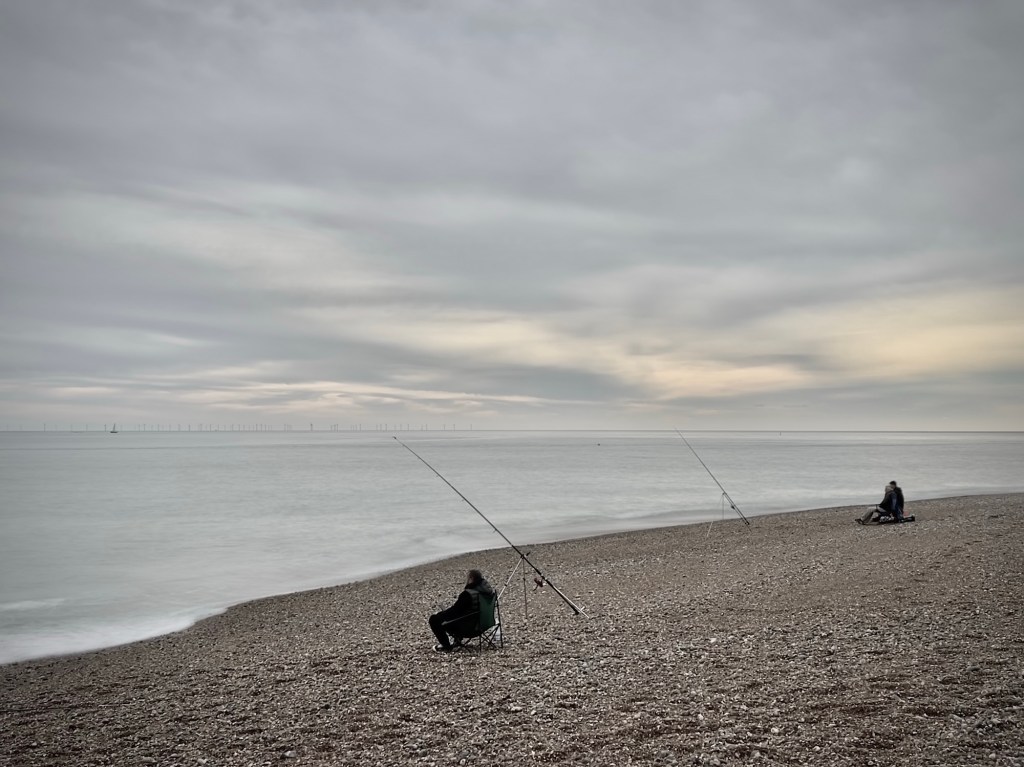
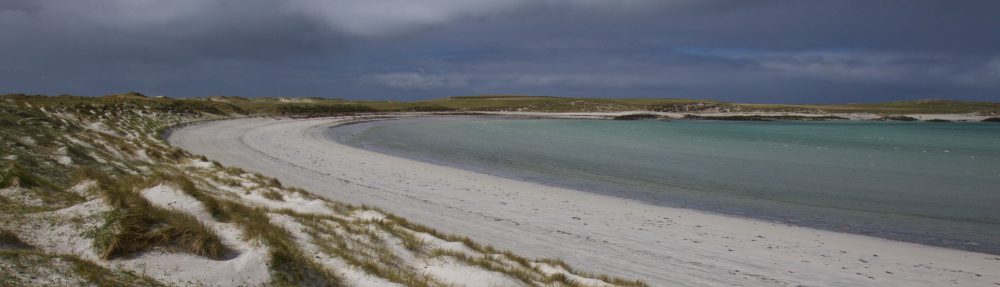
Today, very unusually, I had some hours to burn and as I was in West Sussex, I decided to head to the coast. I spent a bit of time doing something I haven’t done in ages, focusing purely and simply on taking photos and getting engrossed in it.
This image was taken this morning from the platform of the village station I catch my train to work from. I should be doing some work on the journey but I might have to stare out of the window instead…

Whilst it is still summer, there has been a marked change in the weather over the last couple of days. The wind has strengthened, and temperatures have dropped and we’ve had our first downpours for what seems like weeks.
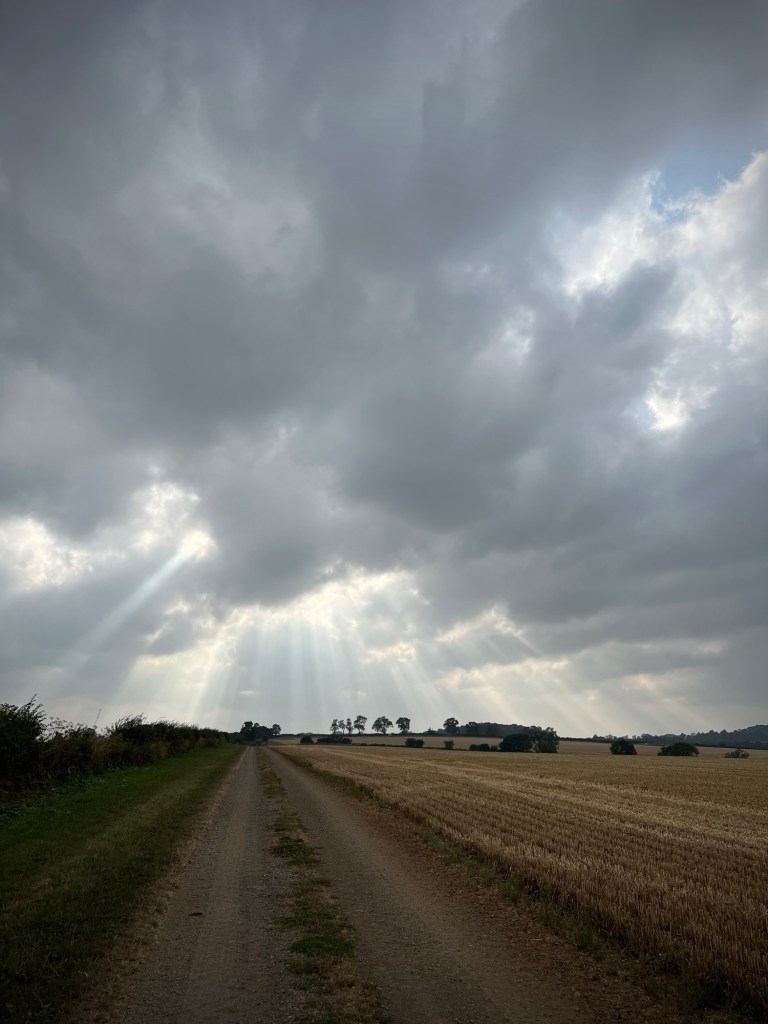
On my evening bike ride yesterday the weather resulted in a rather brooding atmosphere across the rolling countryside with dark clouds and a haze hanging low over the land (the result of Canadian forest fires I’ve been told).
I just hope the weather improves for my trip to RSPB Ramsey Island next week!
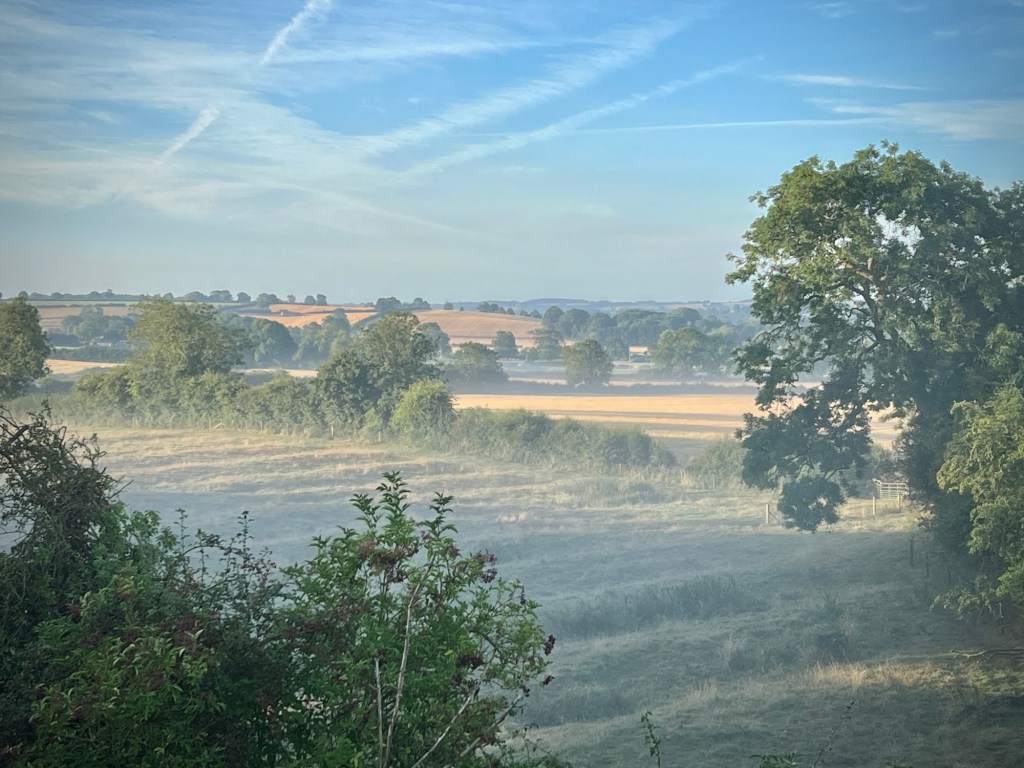
After the hottest day of the year yesterday, this morning there is a low covering of mist over the fields behind the rural railway station from which I catch my train to work. Today promises to be an other warm day and I expect the mist will burn off quite quickly but it seems is this another small tentative sign of autumn?
My lunchtime walk yesterday took me to the fields at the end of the lane. After looking over the sheep in the shallow valley, I turned back to wander home but was stopped by a single poppy, its sharp red standing out amongst the surrounding greens. As I walked up the slight rise into the field opposite I came across a view that brought immediate joy and brushed away the generally grumpiness of the hours before.
It wasn’t a stunning red carpet but a softer scattering of poppies amongst the other plants in the field. It gave the impression of a past times when poppies might appear anywhere in the arable fields when they weren’t so finely managed to remove any competition from the farmed crops. We have found fields a few miles away purposely sown with wild flowers which have much great spectacles of blooming. However, this little spot at the end of a quiet lane, hidden away and out of sight, felt more natural and out of the hands of man.
There were quite a few more poppies yet to flower, so I’ll be making more lunchtime trips over the next few days…

Out on a cycle last week I spotted a field with wildflower border but not a lot seemed to be blooming. Returning to the same spot today, we found a view of blooms laid out before us with perhaps a lot more to come…we’ll be returning over the next few weeks to see how the field is getting on…


Anyone who has scrolled through the pages of my blog will know I spend time each year on Ramsey Island, the RSPB reserve off the northern coast of Pembrokeshire in Wales, and I have grown very fond with it. However, I have a general love of islands, both large and small, and will take most opportunities to visit them when I can. Earlier this month we had a week-long holiday on the Northumberland coast, which presented a couple of such opportunities; the Farnes and the Isle of May. This post focuses on the latter.
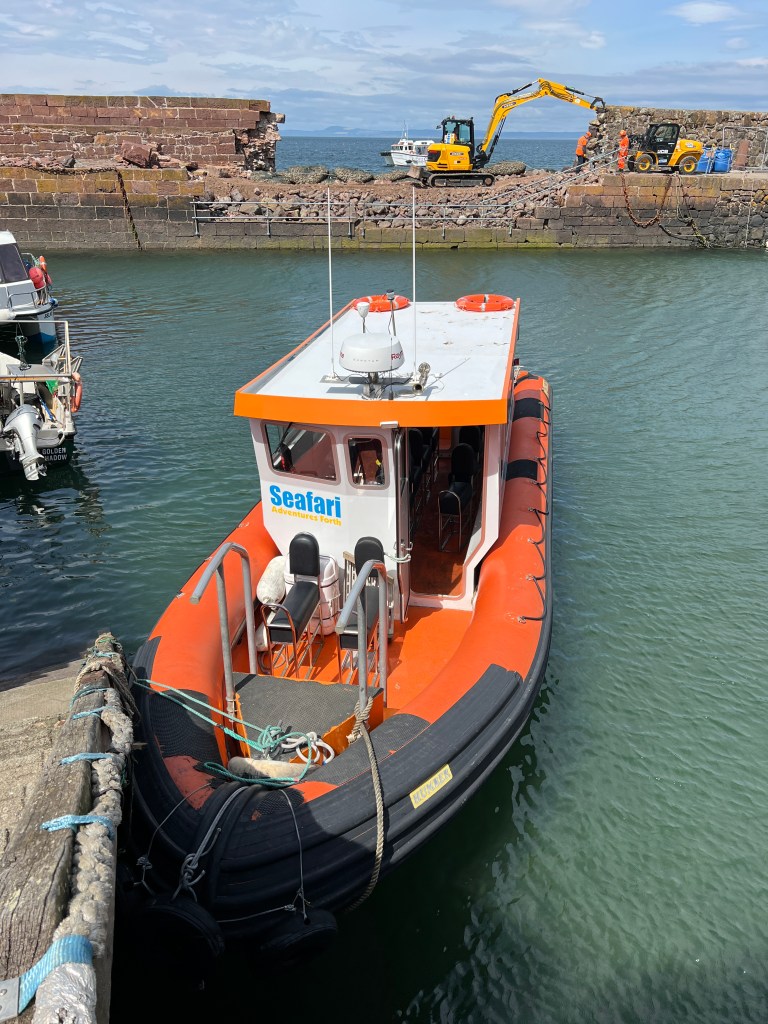
Our trip started at North Berwick, on the southern shore of the Firth of Forth, with a fast RIB (rigid inflatable boat) ride booked through the Scottish Seabird Centre. The town was a nice bonus to our day; an old town with narrow streets lying behind two long sandy beaches split by a rocky outcrop build out further by the sheltered harbour. We arrived early and spent some time wandering the quiet streets and along one of the beaches in the increasingly lovely, sunny weather.
We headed out on the RIB after lunch. Partially enclosed, it provided a lot more weather protection to the passengers (and crew) than other, open RIBs I’ve been on before. Sitting at the back, I did get a little damp on the trip across but not enough to be at all bothered. The sea was relatively calm and with a following wind and waves flowing with us, the journey was pretty bump-free.
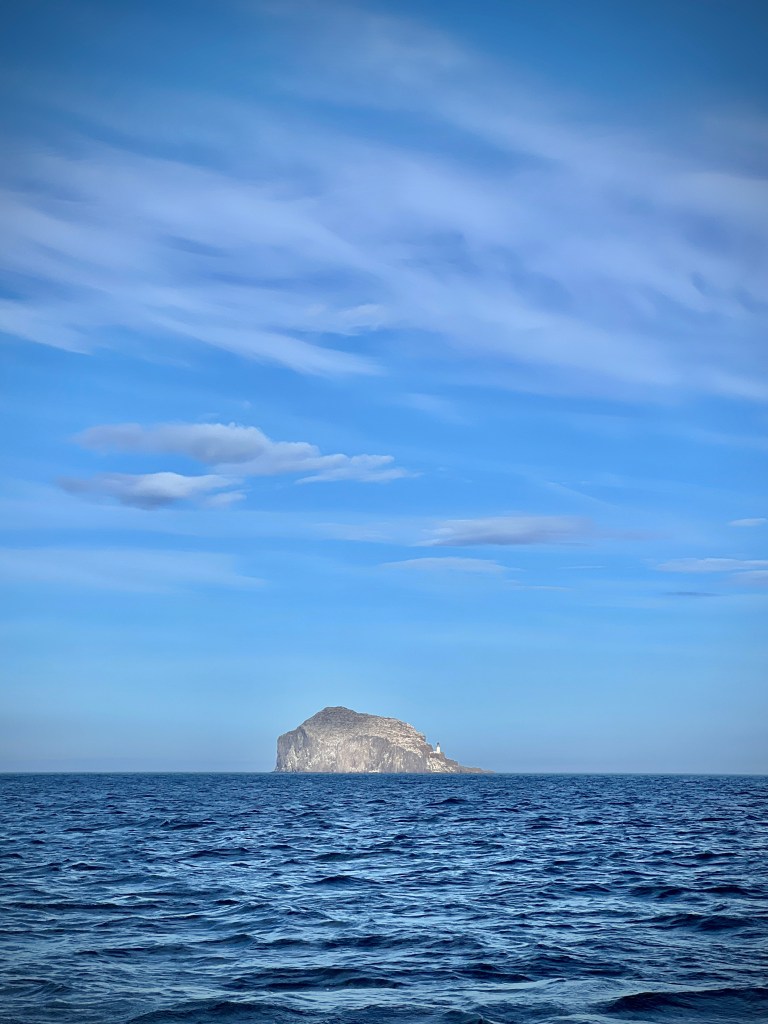
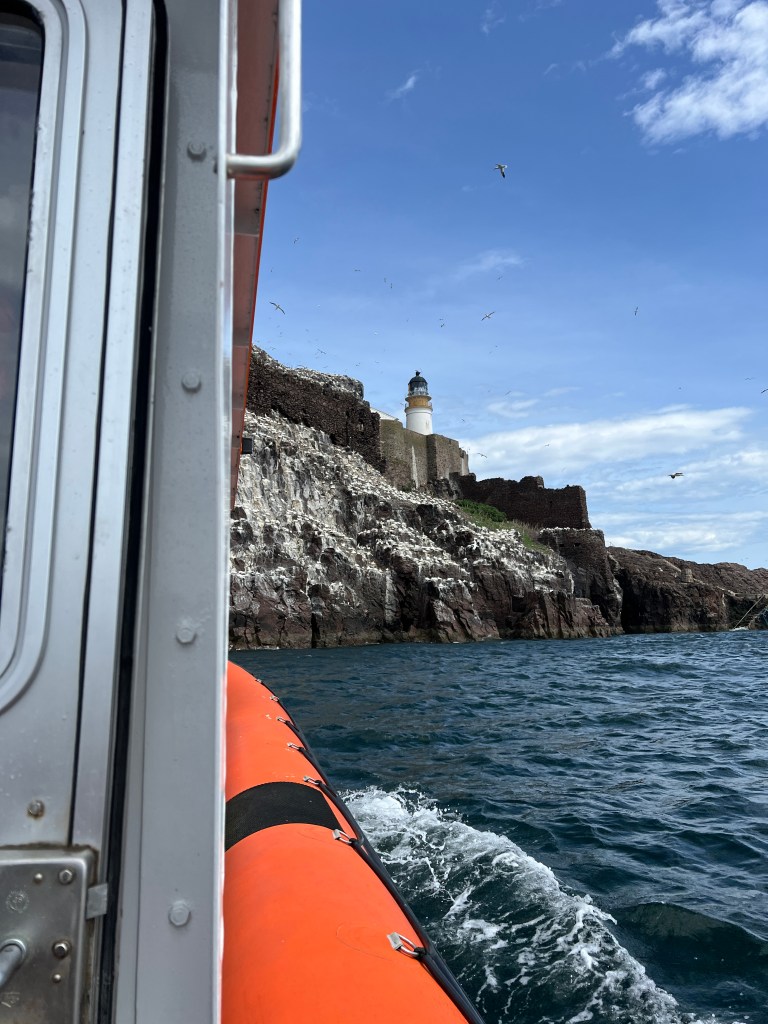
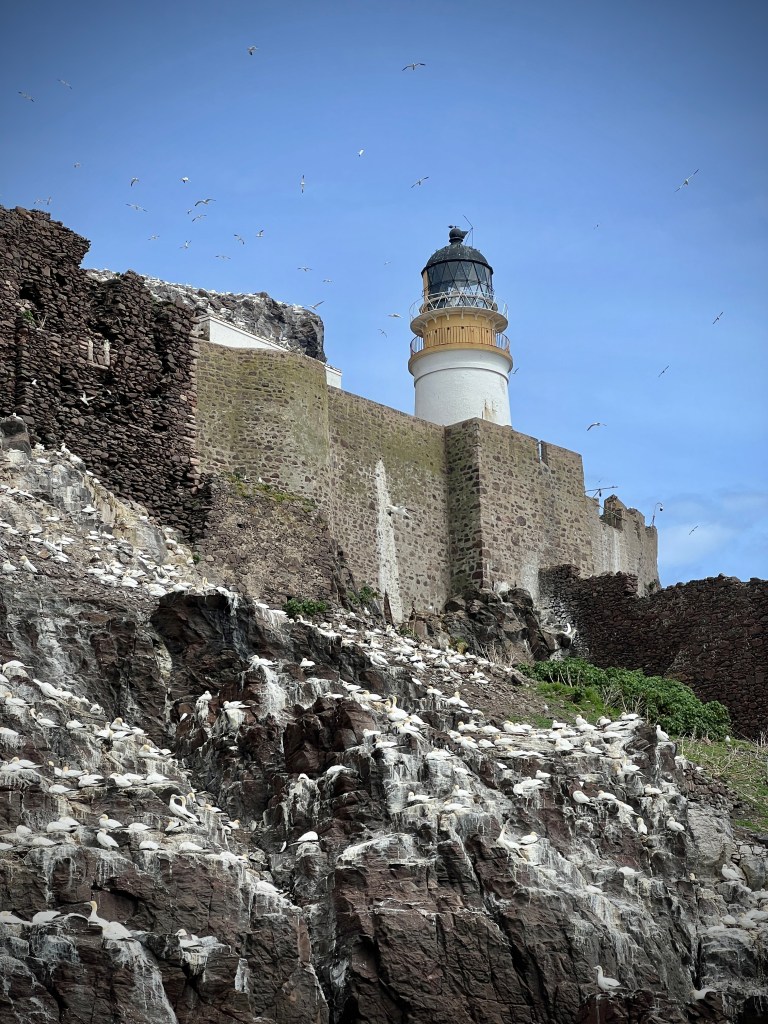
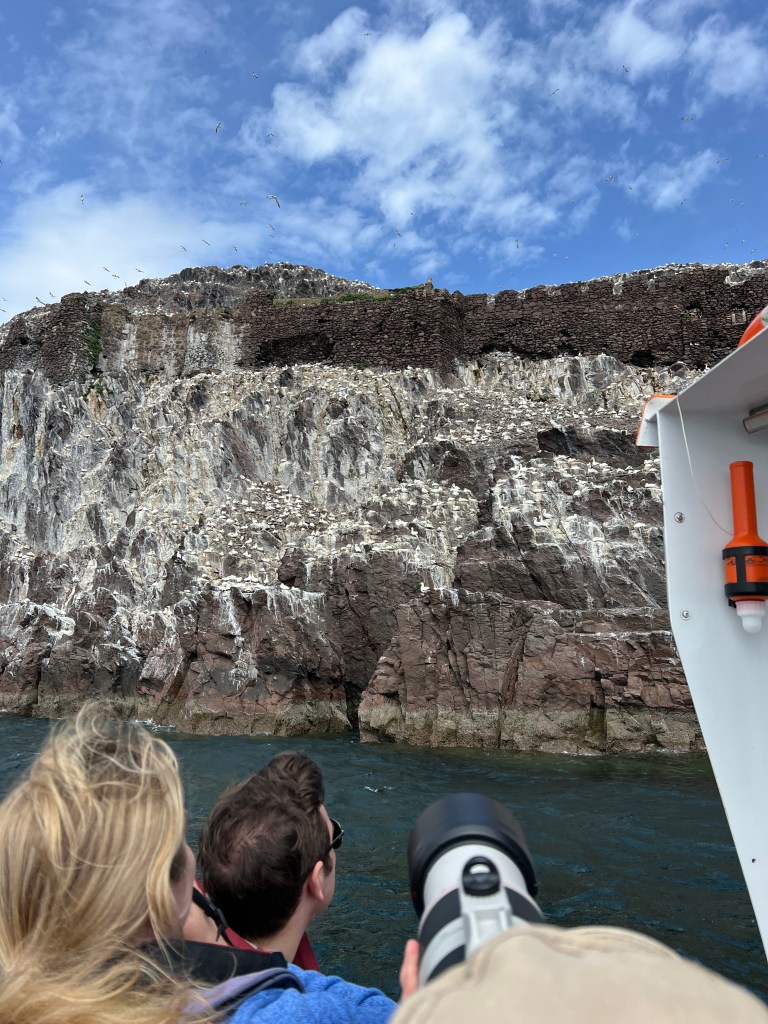
Before we arrived at our destination for the afternoon, we had an exciting stop on the way. Whilst on dry land, as we drove to North Berwick on our route to the coast, we started to get glimpses of a large mound in the distance. Eventually our view across the rolling countryside opened up and we could see the looming mass of Bass Rock. The 100m sheer cliffs stand abruptly in the sea, seemingly more cliff than island. On approaching the vertical sides in the boat, the Rock is a mix of light grey and white, the latter coming from its most famous inhabitants; the gannets belonging the the largest colony in the world. Before last year, ‘The Bass’ hosted more than 150,000 northern gannets but like so many of seabird colonies the population has been hugely hit by avian influenza and gannet numbers have dropped by around quarter in the past couple of years. However, the rock and its gannets still remain an impressive and unforgettable sight, especially as we peered up the looming cliffs from the boat below. There were gannets all around, those on the rock itself, others circling high above or coming into land, and some in and on the water around us. The noise was incredible with the thousands of birds raucous above our heads; pairs greeting each other amongst squabbles over nesting space. After a short stop floating by the gannets, we made our way to our main destination at the end of a 45 minute trip from North Berwick.

Lying towards the northern side of the Firth of Forth’s opening mouth, from a distance the Isle of May sits low in the water. It is a long, thin island, which is less than 2km in length, with the attached island of Rona, and less than 500m in width, running at an angle from broadly north-west to south-east. The 57 hectares aren’t flat with the land rising from the sea to a height of 50 metres. There are cliffs around much of the coast but the rise is more shallow on the western site from the beach and harbour. The island is a mix of grass on shallow soil, large areas of rock and jumbles of boulders, similar to so many exposed small islands at the edge of the UK.
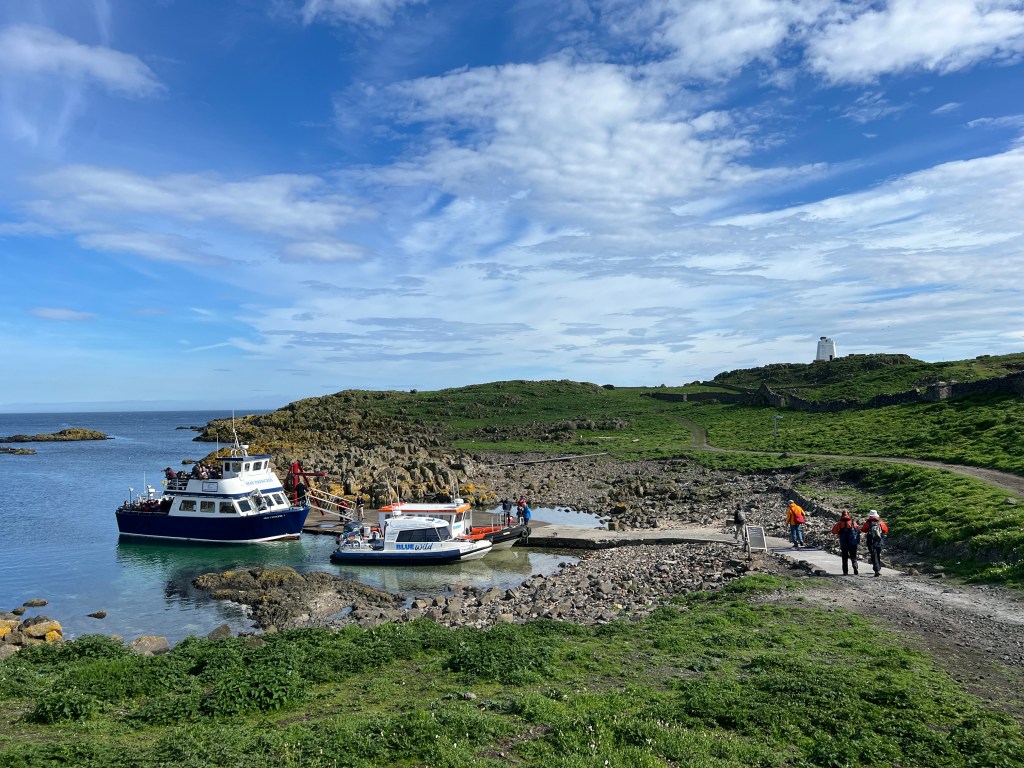
As we landed, two more boats accompanied us, one of similar size to our RIB as well as a much larger boat carrying around 100 passengers, in all bringing around 120 people to the island for just under three hours.
We were welcomed by two of the island team, giving us a very brief safety message; keep to the paths, don’t stand on the puffins (or their burrows), keep away from the edge of cliffs and don’t step over the ropes, and, most importantly, don’t forget to return in time for the boat home!
Our trip came with a guide and as we hadn’t been to the Isle of May before we decided to take a trip with him and our other passengers around the paths of the island and up to the large central lighthouse.
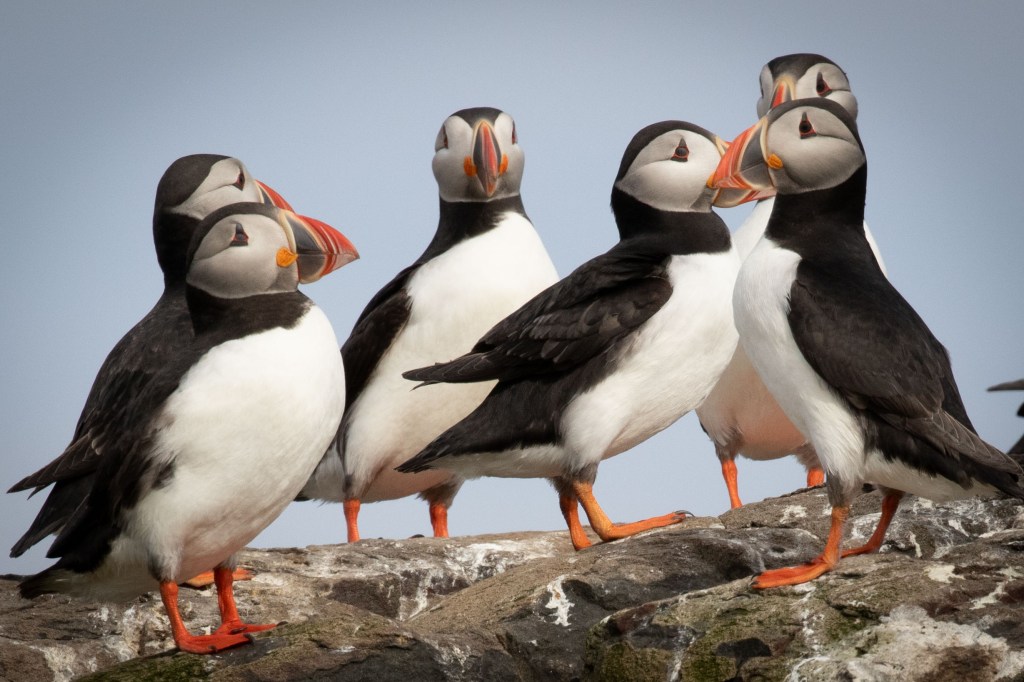
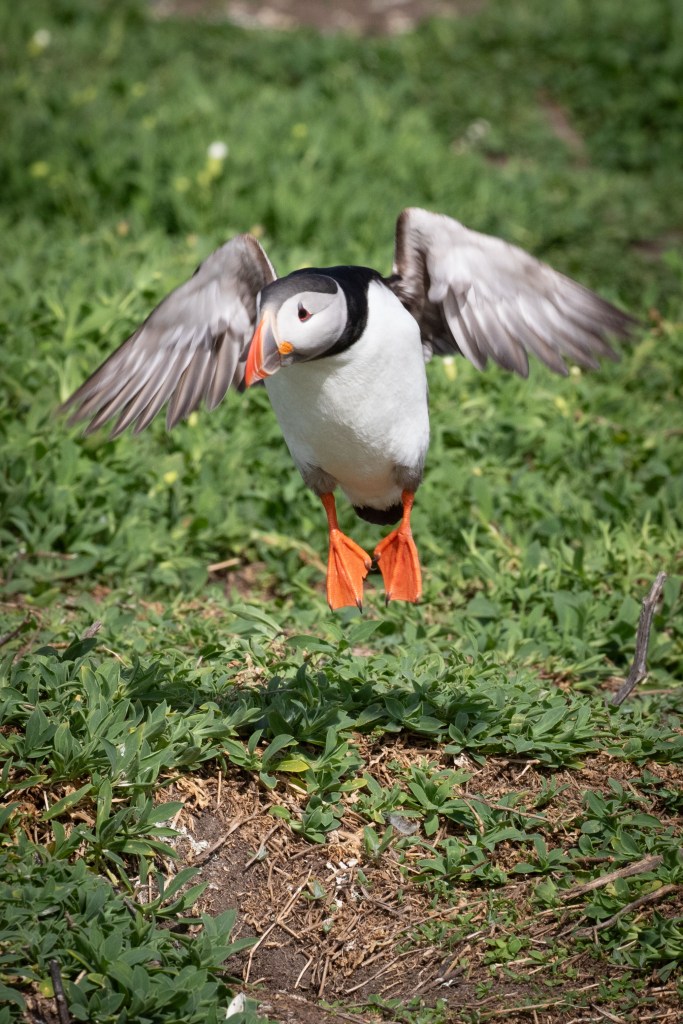
The main reason to visit the Isle of May was for its seabirds and we had a brutal introduction with one of the first sights being a huge great black-backed gull, with blood around its bill, tucking into one of other residents, a puffin. As we moved on we found many of the other inhabitants including other gulls including kittiwakes, razorbills, guillemots, shags and plenty of nesting eiders. Out at the cliffs we had great views of all of the seabirds on their nest sites and they didn’t at all seem bothered by the human onlookers quite close by.


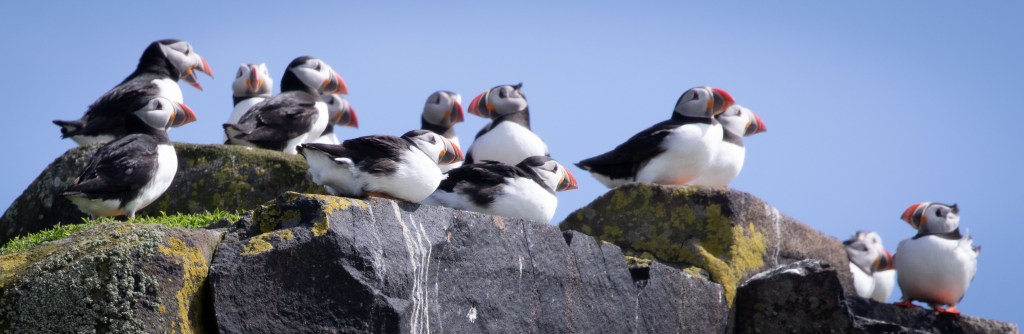


Like a number of other islands around our coasts, the Isle of May hosts a bird observatory. It was Scotland’s first and is celebrating its 90th birthday in 2024. Particularly during spring and autumn migration they and their fellow observatories record the passage of birds north and south and are some of the best places to seen rarities. We saw the Heligoland traps they use for humanely catching and then ringing the birds but unfortunately it was a quiet day for the migration.


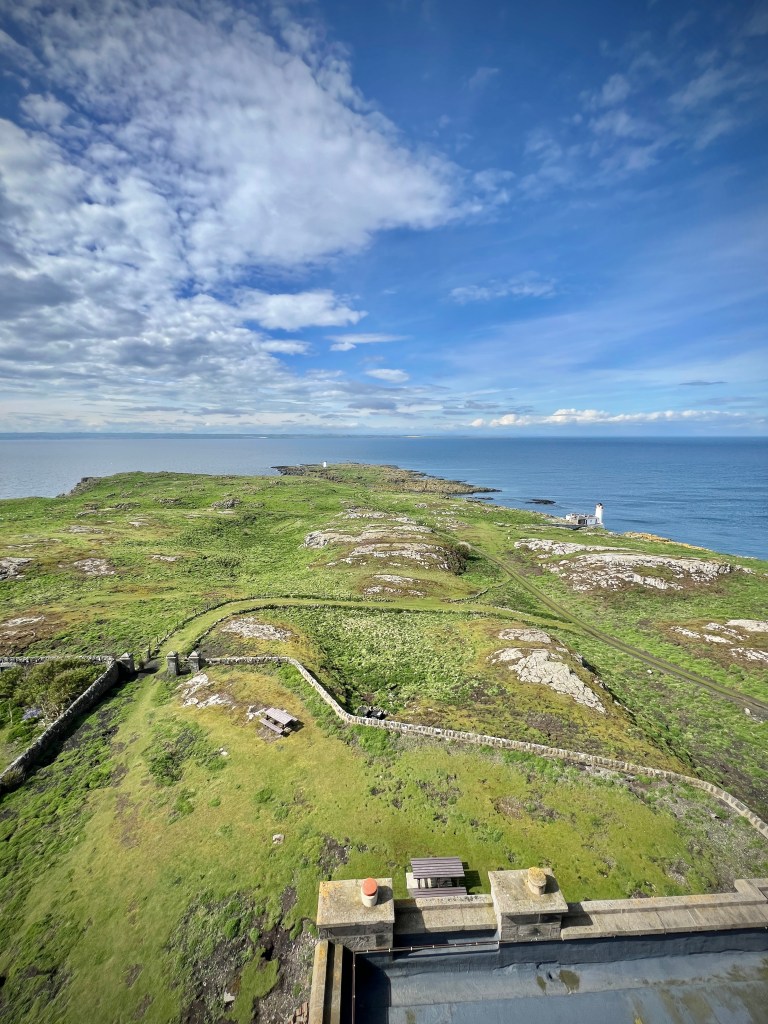
There is interesting human history on the island, surrounding its monastic, royal, military and nautical past. Of most interest to me were its series of lighthouses including the currently operational one sitting centrally. As we finished the guided part of our walk around the island we were allowed up this Robert Stevenson-designed gothic marvel from 1816. It is so different from many of the lighthouses I’ve visited. No slender white cone of a structure but an unpainted stone, almost castle-like block with a square tower upon which the light itself sits. We went all the way to the top of the tower, up several floors via the open spiral staircase and then a steep ladder at the end. From the top, the view over the island and across the Firth was spectacular, a 360 degree vista of the Scottish coast of East Lothian and Fife, towards Edinburgh and out into the North Sea. With the weather so clear and bright, I could have stayed up there for hours.
We concluded our visit with a walk back south and more seabird cliffs with steep drops down to the rocks and sea beneath. There were more puffins, razorbills, guillemots, shags and kittiwakes, and again, very obliging in their general nonchalance towards visitors.
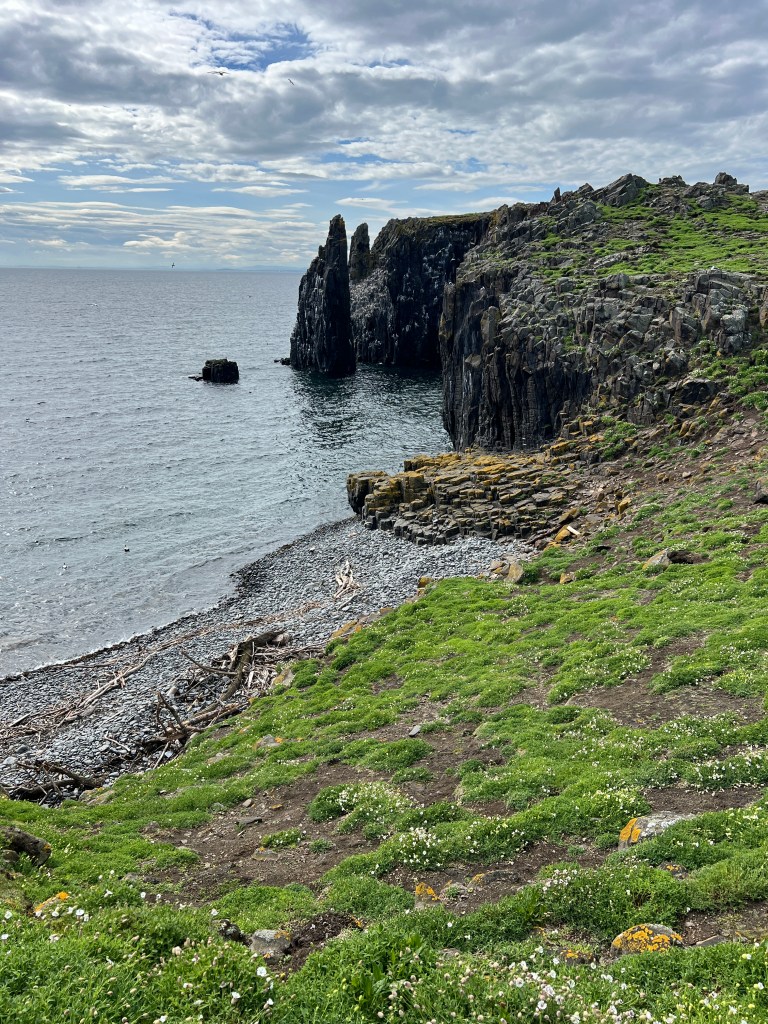

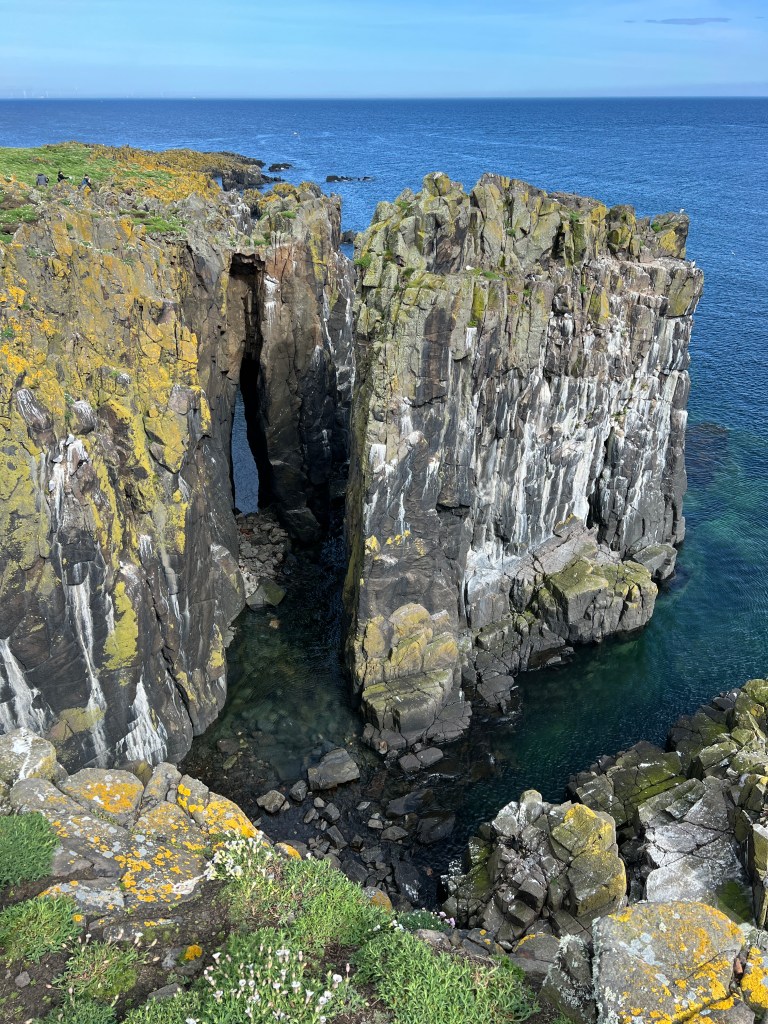

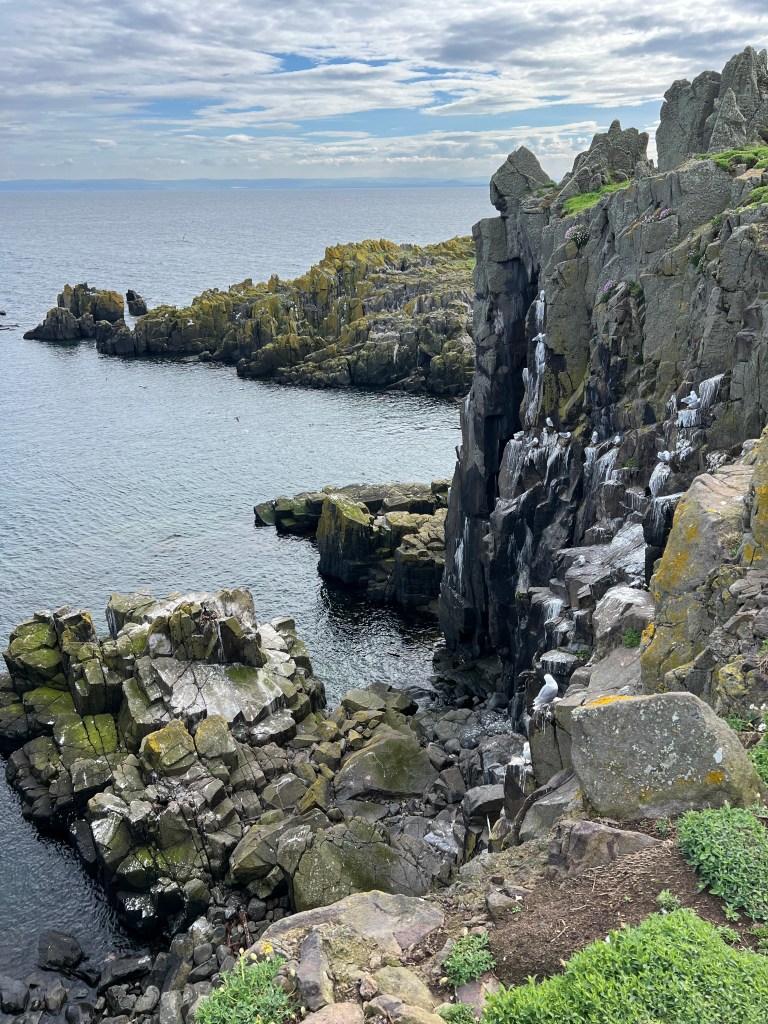
As always with an island visit, there is never enough time and it was soon the moment to step back onto the RIB for the fast 35 minute trip back to North Berwick. I would very much like to spend more time on the Isle of May and the guide did suggest learning more about the volunteering opportunities with team of conservationists. For me to volunteer there, I would have to give up my Ramsey Island volunteering week, and I not quite sure I ready to do that! However, the Isle of May really does have its attractions; the birds and other wildlife, the lighthouses, the history, the landscape and the views, and I definitely would like to return, and spending a week there would be incredible. I could easily see myself loving the Isle of May as much as I do Ramsey (well, almost, maybe).

Taken on a muddy walk around Ravensthorpe Reservoir this morning – certainly made my morning!!!
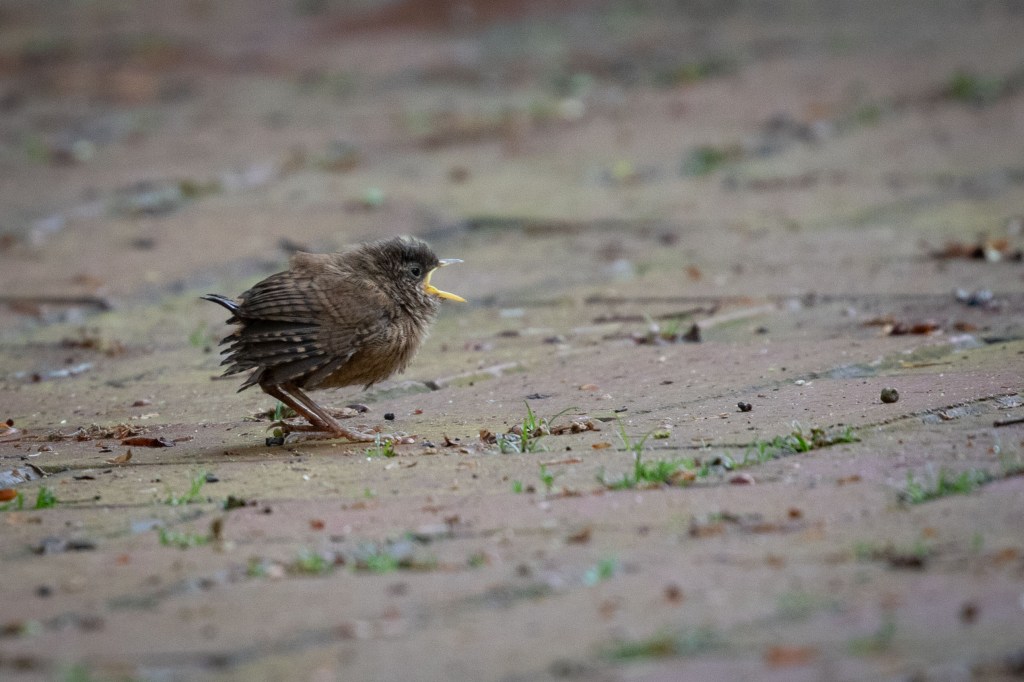
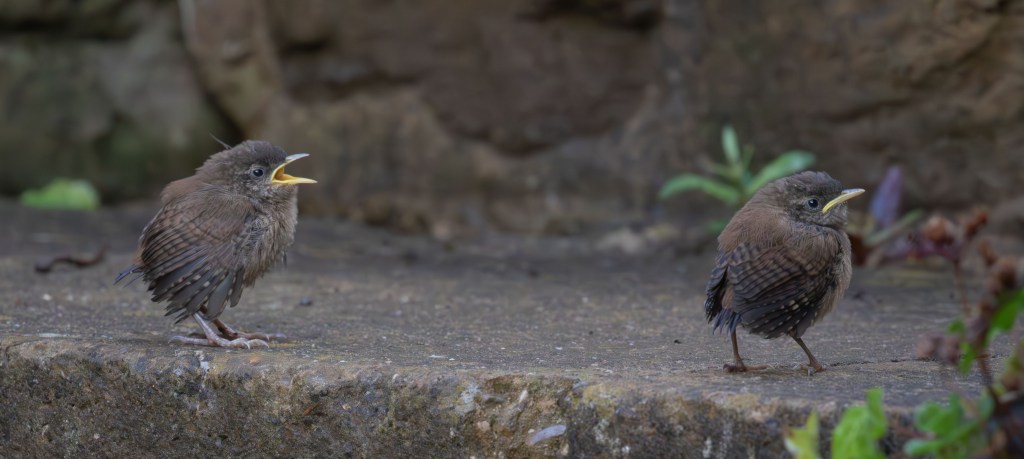
This week our garden seems to have been invaded by young birds, thankfully including the noisy starlings who hatched in our loft. We now have a group of around 50 starlings (only five from the loft) coming to feed several times a day but alongside them we have a many others. We started off quietly a few weeks ago with a young black bird but now we, alongside we starlings, we have fledgling robins, goldfinches, greenfinches and jackdaws. However, earlier in the week I was distracted from making our evening meal by a recently fledged four-some of wrens. I could hear there high-pitched squeaks coming from our garden wall and recorded some video on my phone. I then ran to get my camera and managed the shots below…






It’s been a pretty poor spring so far with the weather being cold and often very wet. Today, despite the forecast we decided to head out to Badby Wood near Daventry to see the bluebells. Were weren’t disappointed and the damp weather meant that there possible weren’t as many people around as there would have been in bright sunshine.
Here’s a shot of the cathedral-like little valley in the woods, carpeted with bluebells and roofed by the high beams of mature trees with their bright green leaves emerging.

 Daft Mumblings