Autumn Drive to Work

This morning I set out on one of my more-than-weekly work-related drives to Lincoln.  It’s actually quite a nice drive and usually reasonably quiet for most of the way; getting up at 5:30am does have some benefits.  There’s a lot of dual carriageway cruising on the route but there’s also some quieter cross-country single carriageways too, crossing the wolds between the M1 and A46.  This morning, however, was particularly nice.

I’m still getting used to the darker mornings and leaving home before the sun has risen – they seem to have suddenly crept up on me this year.  As I turned onto the bypass not far from home, the first shades of dawn were coming from the horizon and the thin sliver of a moon was still making its way across the remaining night.  Heading on, a few small clouds, standing out in the wide, open and clear sky, were starting to be pink-toned and a greater brightness started with a glow emerging from the behind the silhouetted trees and buildings.  Turning out and away from the last urban sprawl passed through, the shallow valleys spread out either side of the road.

At first, there were just thin wisps floating above the road, made to slowly dance by the passing traffic. They gradually gathered more substance, body and form. As the valleys grew more shallow, they became filled at their depths with a fine mist hanging lightly over the hedges and pastures. Driving onwards, the mist became a fog over the land, occasionally deepening into thick cloud through which the newly risen sun began to show its presence.

Continuing on my way, the journey was mist-filled and punctuated by sudden thick fog that was just as quickly left behind with clear views ahead.  The sun started as a deep electric orange, sometimes shrouded by the mists but became stronger, bursting out from behind the land-tied clouds. As I crossed the motorway and headed down into a village, a perfect vision came into view; a brightening sun, softened by mist, rising above steam clouds rising from a power station into a clear and deep blue sky above.

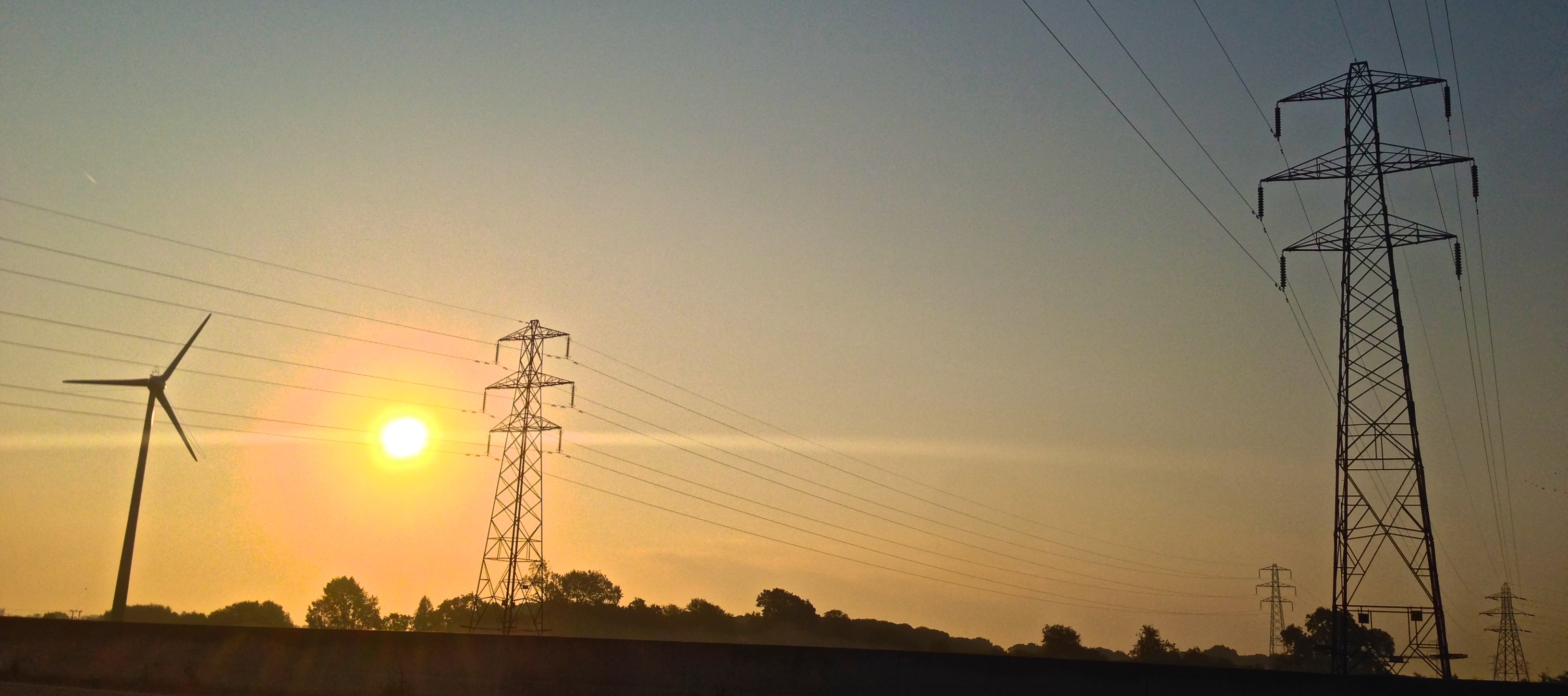
I searched for ages along my route for a place to stop and take an image of the misty dawn but was thwarted by high hedges and a lack of lay-bys and gateways.  Unfortunately the photo below is the best I could do – not very misty!
IMG_7036

How happily wrong could I be?

In my last post, I said it was too late for the house martins to raise a brood on my house this year – well, that’s exactly what they are doing!  A few days ago when I got home from work I noticed that the patch of droppings beneath the nest had continued to grow and then I heard the chirping coming from the nest above.

Today when I was out cutting my grass, I walked beneath the nest a few times and on each pass the chicks chirped loudly.  Looking up, I could see three little heads poking out through the narrow gap between the mud nest and the eaves.

IMG_7077

Whilst it’s not at all unusual for house martin nests to be holding a brood of chicks at this time of year, I think it probably is quite unusual for a first brood to be so late.  These chicks will have a bit of catching up to do with their neighbours as the skies around my house have a few families of house martins flying around in groups.

Last weekend I was out at the Fenn’s, Whixall and Bettisfield Mosses and that area had very good numbers of both house martins and swallows.  The swallows appeared to be preparing to leave for their warmer wintering grounds in South Africa, with large groups collecting on the power lines alongside the canal.

IMG_6980 (1)

Whilst summer is turning to autumn, it’s nice to see the migrants haven’t quite finished their breeding for this year.

A glimmer of house martin hope

With the summer migrants already starting to leave the country I had long ago given up any hope that the house martins would return to my house to breed this year…and they haven’t.

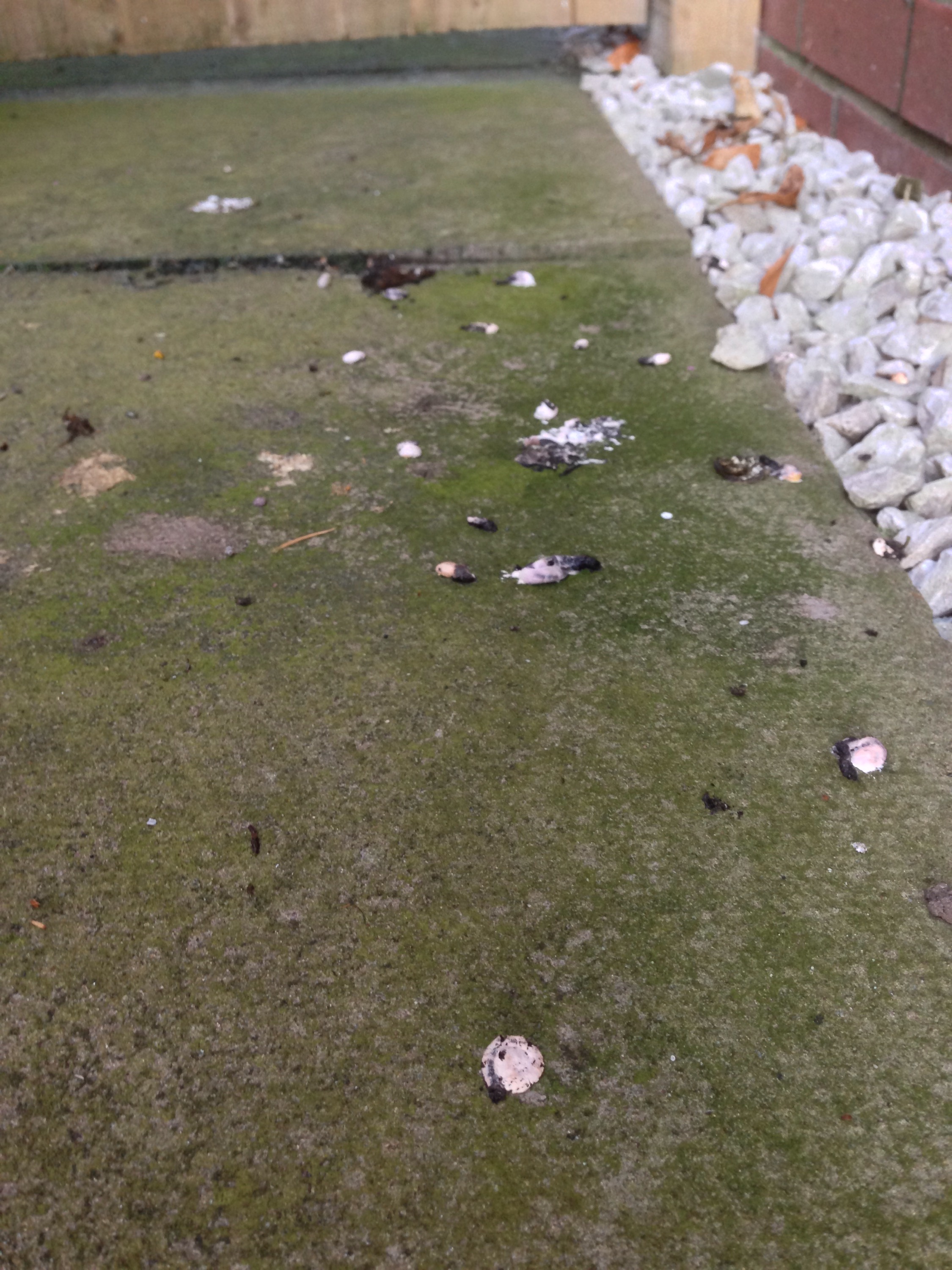
However, I was given some hope that maybe next year could be different. After spending much of the last two weeks working away, I returned home last Friday to find a small, but significant, scattering of droppings below the nest on the side of my house. It’s way too late for a pair to be starting to breed so I’m not too sure why house martins have started to use the nest. Maybe they’re youngsters who are now too large to all fit in their own nest – I’ll have to do some research.

I’m probably just grasping at straws but there is now a little more hope that they’ll return. There is a second house martin survey to do next year, monitoring an individual nest – it would be great it is was one on my own house!

Harvest Time

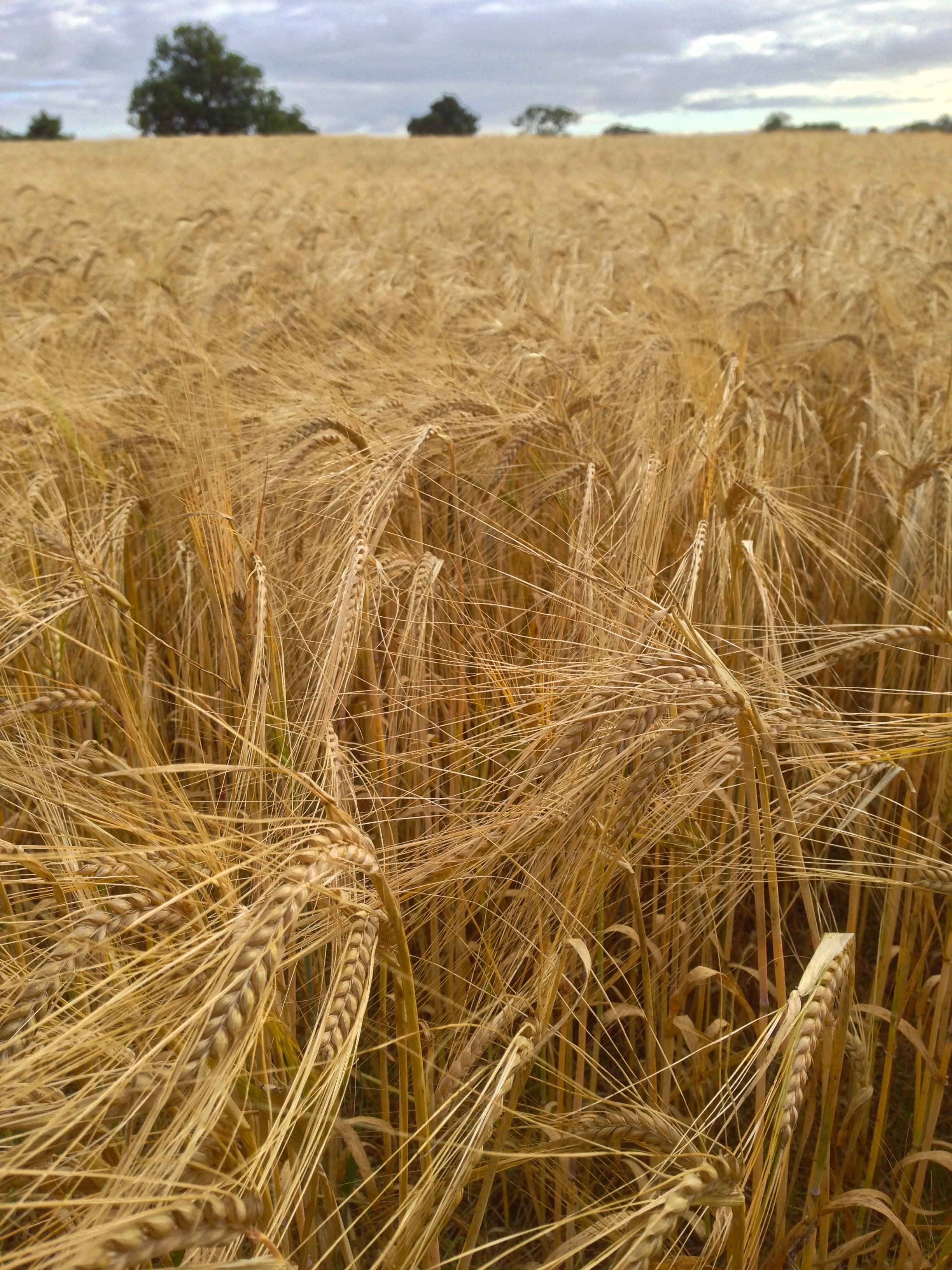
I went for a cycle yesterday afternoon, the first for ages, and could see that harvest is well under way.  Cheshire is more dairy than arable but there are still quite a few fields given over to growing crops, including grain, potatoes and maize.

I’ve been pedalling around my usual route for years and I’ve mentally noted when the fields are harvested, particularly those on the road between Sound and Ravensmoor.  The timing of harvest this year is similar to last, perhaps a bit later, however, the few years before last saw much earlier harvest, back in mid-July.

In my mind, harvest should be in August or even September, and mixed in with the change of season into autumn – I’ve already noticed the earliest hints of a change in season.

IMG_6958

First sign of autumn…

…and we haven’t had summer yet!

When I opened the curtains this morning there was a low mist over the fields and as I left the house the temperature was well down into the single digits. We are now some way past the peak of the sun’s strength but this should still be the height of summer.

An early autumn, anyone?

(PS that’s a view from the train this morning not the one from my house, unfortunately)

A pink-tinted journey to a wet osprey shift

Setting off in the early morning light, I look upwards in hope, seeing clear blue sky and thin hazy clouds dissected by contrails. Out on the Cheshire Plain the fields are bursting with the results of the farmers’ toil – cattle, sheep and crops. The harvest can’t be far off; the once green shoots of spring have now grown into tall golden lakes of wheat and barley. The roadsides are marked by large stands of rosebay willowherb, adding a pink splash of brightness to the dominating dark green of the surrounding pastures, hedges and woodlands. Across the border, the sky is brighter still but the sun hasn’t yet broken through its cover.

The warmth in the car is deceptive; this might be the peak of summer but the passing air is cool. Pressing onwards into the hills, the hope is starting to fade as the clouds begin to enclose the view once more. There is mist amongst the forests of tall pines and dampness on the road where showers have already been. Turning onto the high moorland road, fine drops of rain start to appear on my windscreen. Approaching the top, there is another pink flower in abundance; the season’s final display of foxgloves, later than the others in the lower fields and hedgerows. More pink joins them, with thistles standing amongst the roadside sheep, both trying to resist the growing breeze.

The rain comes down, turning from fine drops, to drizzle and into a heavy downpour as I flow down into the villages and back onto the main road. Turning right at the pub, there’s one last set of rises and one last show of pink for the journey. As I crest the top of the hill above the hamlet, yet another display, with the heather blooming in small patches amongst the crags. The view is almost washed out as the rain comes down heavier still and as I make a final descent onto the floor of the Glaslyn Valley, all hope for a fine summer’s day seems lost.

There’s no opening of windows this time as I turn through the narrow gate onto the wooded track. The only sound accompanying me is the heavy fall of fat drops onto my roof. The trees and undergrowth look invigorated by the water, a deep and rich green covers the land. Out into the wet meadows, the weather seems to be autumnal not high summer. Over the railway line, past the caravan, across the river and the bund, the chicks are growing fast in their tree top home. Feathers have sprouted and wings are being stretched – a first flight can be only a few short weeks away.

IMG_6923This weekend, the turning of July into August, should be the high point of summer, when the weather is at its warmest. Instead, my shift down in the Glaslyn Valley was probably the wettest so far this year and the temperatures barely got into the mid-teens. The rain was coming down heavily when I arrived at Protection and was torrential at times during the day.

It was an uneventful shift, just how we want them really. The female spent a bit of time chasing crows and the male brought a large fish in at 2pm (a sea trout I think – I’m not very good at this fish spotting lark!). The sky began to brighten around noon, after another great outburst from the darkness above, but the hope of a nicer afternoon didn’t last long as the rain came down again not long after 1pm. Much later in the afternoon the sky brightened again, with a sliver of blue sky as well but it was a too little too late.

IMG_6927

Young great, blue and coal tits spent the day messing on the feeders outside the caravan – several even visited me inside and had to be persuaded to leave. There was up to a couple of dozen young and adults, and a constant twittering accompanied my day. Two great-spotted woodpeckers made frequent visits to the feeders too, one begging for food from the other. A peregrine also put in a fleeting and distant appearance, gliding at speed up the valley.

IMG_6694

The chicks have grown a lot since my last shift four weeks ago – they’re unrecognisable from their younger, more bobbly, little selves. Their adult plumage is coming along nicely and they certainly now look like ospreys. With the heavy rain at times during the day, the female tried her best to protect the chicks from the worst of it but they’re getting a little big for her now. They all looked a bit miserable as the rain came down and are probably yearning for some proper summer weather just like the rest of us.

There’s one more shift for me this year, in a couple of weeks’ time, and hopefully the chicks will be about to fledge and maybe summer will make an appearance too!

The silence of dawn

This morning I woke about half an hour before my alarm and lay in bed cherishing those last few minutes before I had to crawl out from under my duvet. As I lay there, with a cool breeze flowing in through the window and the light starting to seep around the edges of the blinds, I noticed how quiet it was outside. There was near silence, apart from the ever present background rumble of a distant main road.

The peace was momentarily punctuated by a singing wren but he soon stopped. In the far distance there was a carrion crow calling as it flew over the cattle fields and an occasional short argument between jackdaws in the nearby sycamores.

Where has the vibrant and energised dawn chorus gone from the months past? Where is the song thrush starting its calling from the darkness, where is the blackbird slowly joining in and where is the robin backing them up?

It’s a sign that already the breeding season has moved on.

There are several reasons why the dawn chorus stops at this time of year. Some birds have finished breeding so there’s no need sing; they don’t maintain a territory once their fledglings have gone. Others may still have chicks in the nest and don’t sing to avoid attracting predators. Also, once breeding is over, the adult birds moult which makes them more vulnerable to predators; singing would just increase the risk.

It did strike me, lying there in almost silence, almost without bird song, that one day this could be the norm, even at the height of spring. Despite the efforts of conservationists, including amateurs like me, birds populations are continuing to decline. Without greater action, by many more people and organisations, a vibrant and rapturous dawn chorus could be a thing of the past – already it is much diminished.

A conclusion to survey season

Last weekend I did my last bird survey of the breeding season, having had a busy few months of recording since the beginning of March. This year I’ve been doing surveys at two nature reserves for Cheshire Wildlife Trust, I’ve completed a Breeding Bird Survey for the British Trust for Ornithology (BTO) in a grid square near Bulkeley, I’ve taken part in the BTO’s House Martin Survey and I did a bit of surveying for the RSPB when I stayed on Ramsey Island.

The surveys for Cheshire Wildlife Trust, at its Bagmere and Blakenhall Moss reserves, were done once a month during March, April, May and June, and this year the overall bird lists for the sites increased further. Over the course of the four visits to Bagmere, 39 species were recorded and this was two less than last year. However, I also made a note of species when I spent a day there with Crewe & Nantwich Conservation Volunteers and that visit brought the total up to 45. It was disappointing not to record willow tits at Bagmere this year, a red-listed species, particularly as some nest boxes have now been put up for them; I haven’t seen them at the site since December last year. However, it was good to hear water rail on each visit and to add some new species including garden warbler and grasshopper warbler. This year I didn’t record any confirmed breeding species at Bagmere but I did record 19 probables and 12 possibles.

IMG_5461

At Blakenhall, the transformation from woodland to wetland continues to increase the species seen at the reserve. Up until a couple of years ago there would have only been woodland species but now there is a range of both wintering and breeding wildfowl. In total, 47 species were recorded, up from 35 last year and there were five species confirmed as breeding including blue tit, great tit, Canada goose, greylag goose and treecreeper. In addition, 12 probables and 22 possibles were recorded. There were some new species at Blakenhall too including grasshopper warbler, spotted flycatcher, swallow, shoveler, tufted duck and little owl.

IMG_5770

I’ve now completed two years’ of Winter Bird Surveys and Breeding Bird Surveys at Bagmere and Blakenhall, and these have set a baseline for the sites as they were the first surveys of birds done by the Wildlife Trust at the reserves. I’ve now recorded a total of 53 species at Bagmere and 59 at Blakenhall.

The House Martin Survey is being undertaken for one year only, to help to assess the state of the house martin population in the UK. My second visit to my allocated grid square added another nest to the one recorded during the previous visit in June. However, it was only the first one that appeared to being used, with adult birds visiting to feed chicks. Fortunately, there are more house martins in the area, with colonies just outside my grid square. It was also nice to see a good dozen or more floating around in the evening sky last night when I was at a BBQ only a couple of hundred metres from the boundary of my square.

My hopes were raised that the old house martin nest on the side of my house might still be used this year as I saw birds making fleeting visits over a couple of days and I found droppings beneath the nest when I came back from my two weeks on Ramsey Island. However, those hopes have gone as the birds’ interest didn’t last long and it’s now too late for a pair to breed in the nest. Maybe next year!

IMG_2465

I really enjoy doing the bird surveys, not only because I’m doing something practical to support conservation efforts, but also because it’s lovely to spend a couple of early hours on spring mornings wandering around nature reserves. However, I have to say that the bird survey I helped with on my first day on Ramsey Island was the most fun and memorable of the year. The seabird survey by jet boat in warm summer sunshine was spectacular and a world away from the freezing cold March morning at Bagmere when I crunched my way around the hushed, snow coated reserve with my fingers, toes and nose being nipped by the frost.