Bird surveys start again…

Yesterday I started another round of bird surveys for Cheshire Wildlife Trust. Following the Winter Bird Surveys (WBS) and Breeding Bird Surveys (BBS) I completed for both the Bagmere and Blakenhall Moss reserves earlier this year, it’s now time to start the winter surveys again.

The WBS is much simpler than the BBS undertaken in the spring of each year. The former involve walking the same fixed route but only the species and number of individual birds are recorded. The BBS requires the noting of behaviour to assess whether each recorded species is indeed breeding on a particular site. In addition, the winter surveys can be done at any time during a day, but it should be dry and with little wind.

The winter surveys are undertaken on two separate visits, one in November/December and the other in January/February. Whilst only two visits are required in total for each site, if I get time I will hopefully be able to do four, one in each month. Very little data has been collected on birds at the Bagmere and Blakenhall Moss sites; essentially data is limited to that collected through the surveys I have undertaken this year. Therefore, I hope a little extra effort will help to build up a greater depth of information and therefore understanding of birds at the two sites.

IMG_5015

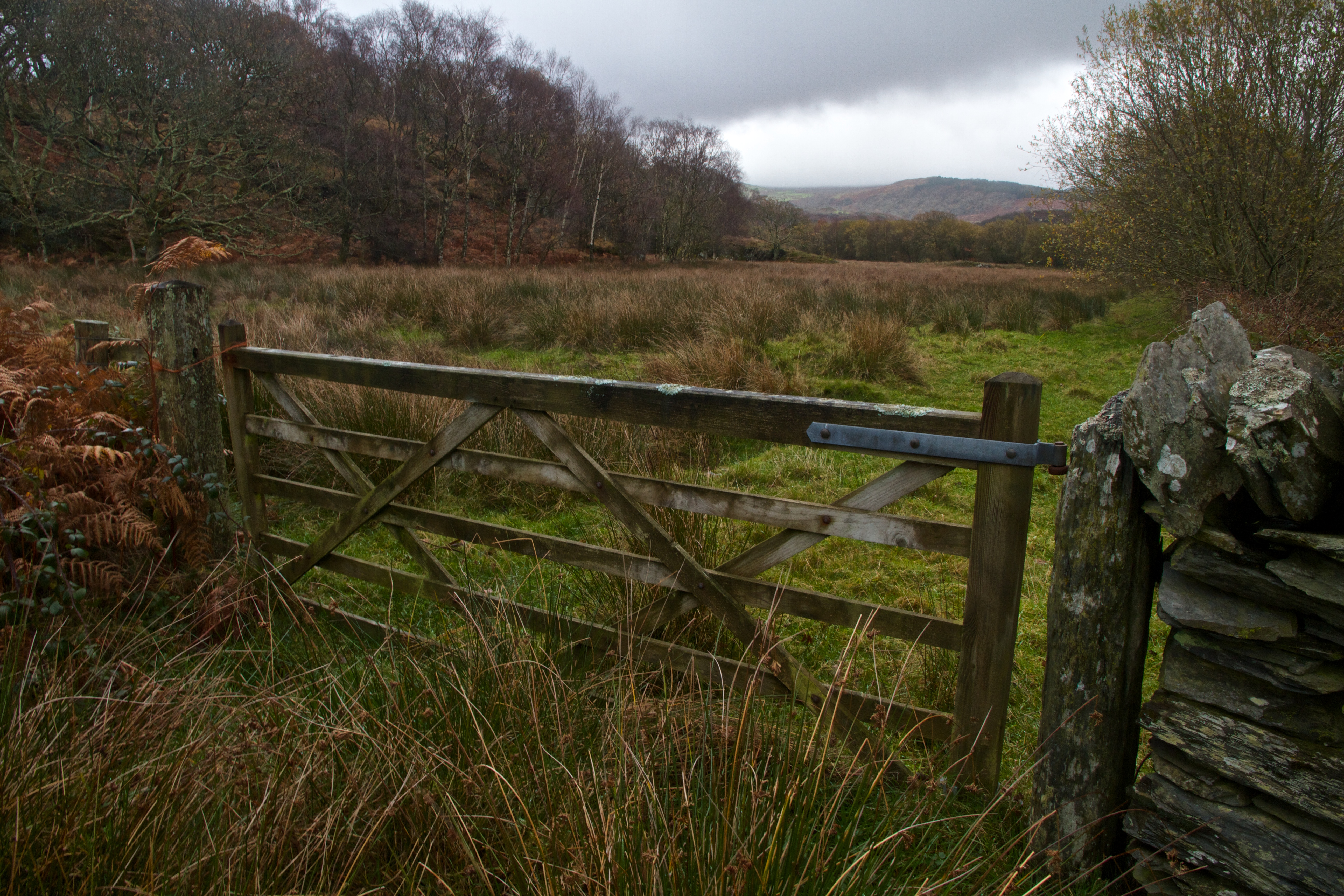
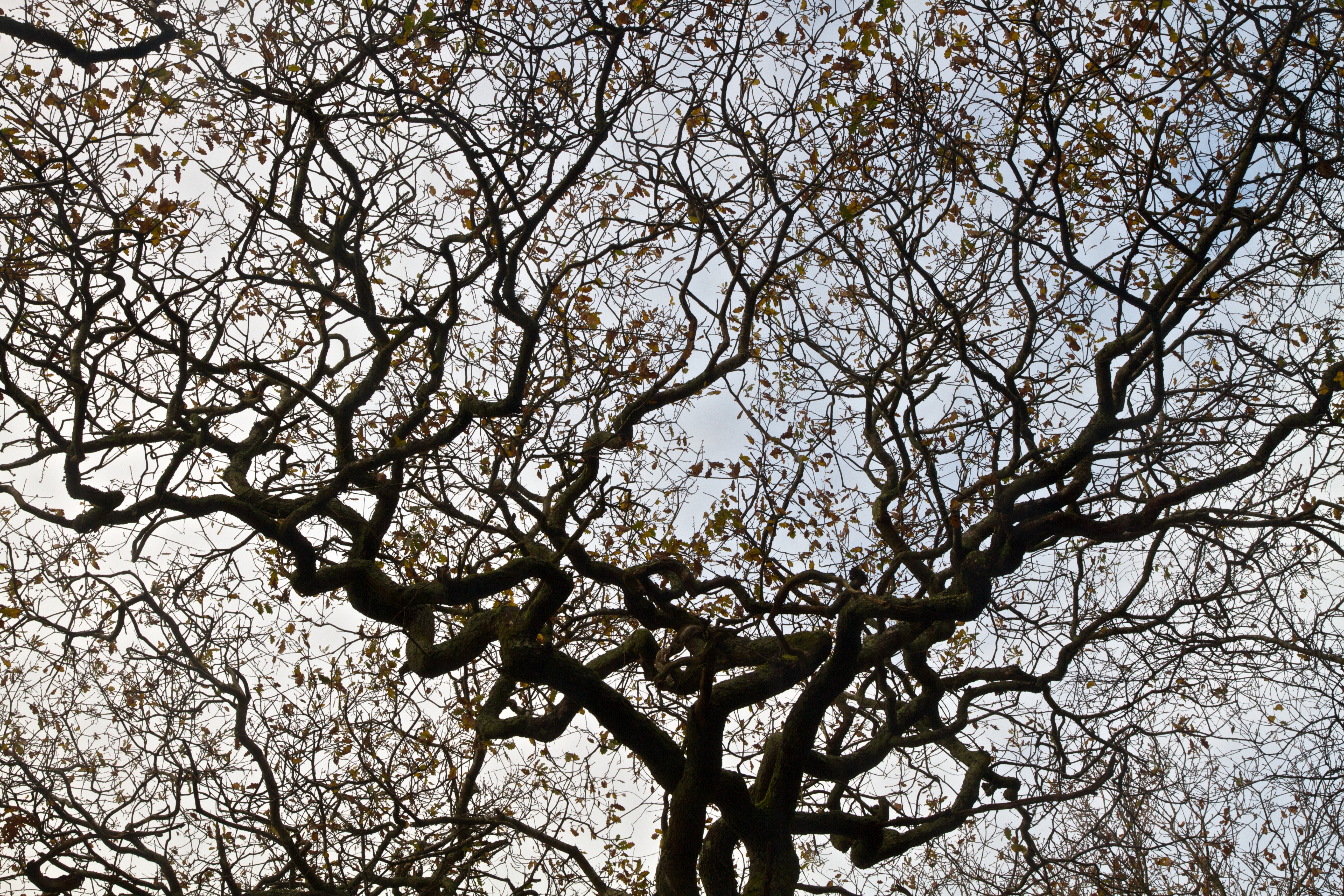
I started the November/December surveys with a visit to the Trust’s Bagmere reserve. It was a very clear day with bright blue skies and almost no wind – after being in the Falklands for most of the last three weeks, having so little wind was very different to what I have become used to! There was clearly been a lot of rain while I was away as the site was more wet than I can remember it being over the three years or so I have been visiting.

After a rather quiet start to the survey with very little activity, the number of species started to pick up and I ended with a half-descent list. In fact, I noted more species than either of the two visits last winter and only one short of the combined total for those visits. However, of the 21 species recorded, five were flying over rather than being present on the site. The species recorded included: blackbird, black-head gull, blue tit, bullfinch, carrion crow, chaffinch, great tit, jay, linnet, magpie, mallard, moorhen, pheasant, pied wagtail, redwing, robin, song thrush, starling, water rail, woodpigeon and wren.

Of those listed, the most interesting is the water rail which is a local rarity. While I recorded it during the BBS visits to the site earlier this year, it didn’t appear during the last winter surveys. However, it was disappointing not to record willow tit at the site as it was recorded at Bagmere during the BBS and has been noted on a number of visits I have made to the site while working with Crewe & Nantwich Conservation Volunteers (CNCV). The willow tit is also a local rarity and has declined in population nationally by 80% over the last 20 years. Furthermore, this was the only Cheshire Wildlife Trust site to record this species during the last round of WBSs. Hopefully, with more visits to be made to the site over the course of the winter, including with CNCV, I’ll be able to record its presence.

IMG_5023

As usual, it was a lovely way to spend a spare hour – wandering quietly around the countryside, immersing myself in the sounds and sights of my surroundings, although as it is approaching the end of the year, the sounds are nothing like the cacophony I listen to during the early morning Breeding Bird Surveys.

Falkland Islands – Visiting the Battlefields

The Falklands War is the primary reason why I have wanted to visit the Islands for so long. In my mid-teens, a TV program to mark the tenth anniversary of the war sparked an interest in me that has lasted ever since. Whilst my interests have expanded and my visit also served my interests in wildlife, landscapes and photography, learning more about events in 1982 were a priority.

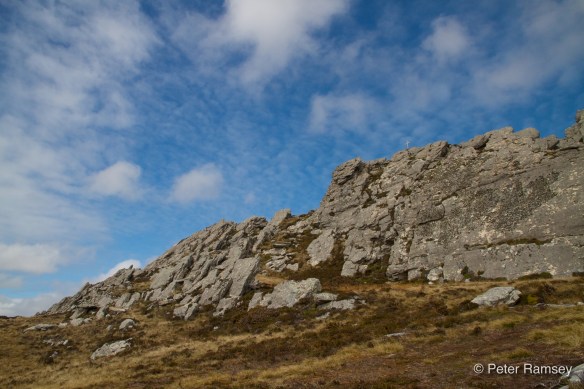
I had three tours around some of the battlefields and other sites while in the Falklands. What instantly struck me was how fresh the signs of war still are, even 32 years later. The positions constructed by troops I saw could have been created just a few years ago and the wreckage of the shot down Argentine Dagger aircraft on Pebble Island (the pilot of which survived) looks barely touched by the three decades of Falklands weather.

img_8810

The battlefields are still strewn with the debris and detritus of war, with some large items remaining including some weapons (e.g. the recoilless rifle on Mount Longdon and all now well beyond use), while many smaller items lie all around and hidden in the ground including blankets, boots, personal kit and spent, and unspent, ammunition. Of course there are also the much larger remnants of the war which cannot be seen, those below the surface of the surrounding sea. Six British ships from the war lie in the waters surrounding the islands and seeing the buoy marking the final resting place of HMS Antelope, in San Carlos Water, really moved me – lying in such dark, cold, rough and wind blown waters, so far from home.

The Falklands are perhaps infamous for having uncleared minefields spread around the islands. Yes, they are there; I saw them around Goose Green and in the mountains close to Stanley and on the beaches around the capital. However, there are vast swathes of the islands, the majority in fact, left untouched by the war.

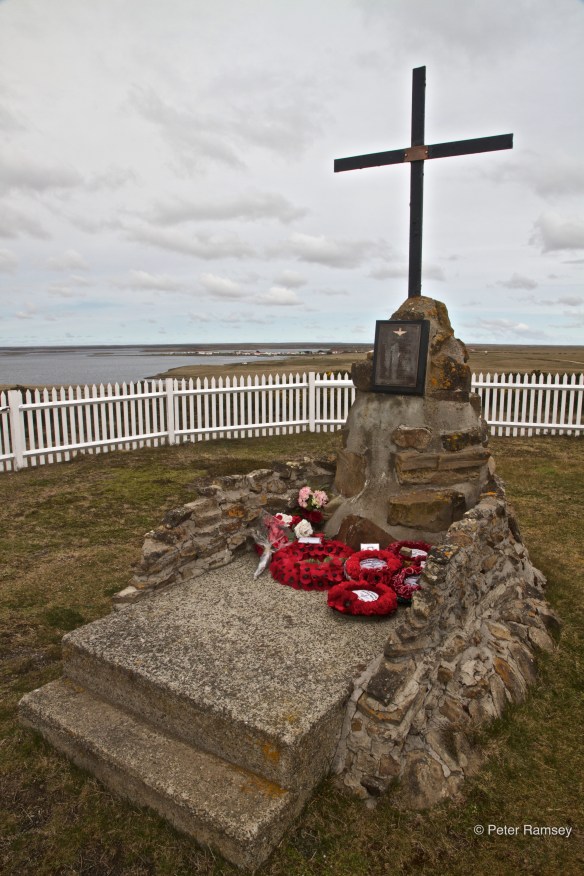
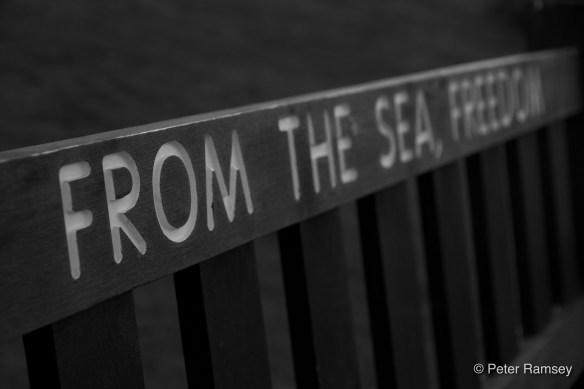
I was struck by the beauty of the cemeteries and monuments and their surroundings. Perhaps it was the good weather and I’m sure they will look and feel very different in the midst of a winter storm, but they are all in settings that give beautiful backdrops and fitting stages for those who gave all for the freedom of the islanders to decide their own future.

img_8232

At every cemetery or monument I visited, I made a point of reading every name, Argentine or British. Whilst it is easy to look for the most famous or most decorated names amongst those listed, for me it is important to notice all of them no matter what service, what rank or what age. Unfortunately, I didn’t get time to visit the one main Argentine cemetery, which is near to Darwin, but I did spend a short time at the small memorial on Pebble Island which marks the spot where a shot down Argentine Learjet crashed.

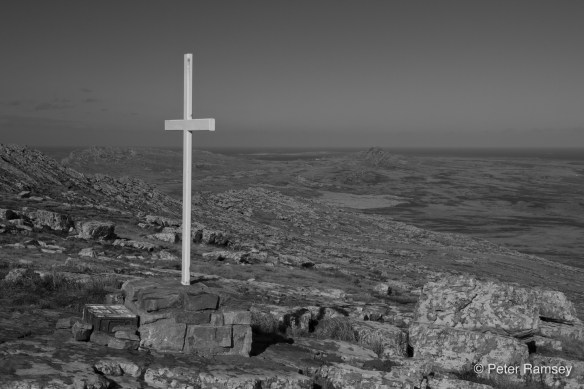
By chance rather than design, I visited the battlefields of Mount Longdon and Mount Harriet on Remembrance Sunday, and I marked the two-minute silence at the memorial on Longdon. After reading so much about the battle for Longdon, it was slightly unreal to spend time there; something I’ve wanted to do for a very long time. Having seen pictures and maps of the place and the battle, it was very familiar but seeing the signs of war still very much in evidence was both surprising and poignant.

Of the land battles in 1982, I have read most about those fought by the Parachute Regiment and I have read comparatively little about the battles fought by the Royal Marines including that for Mount Harriet. Harriet seems even more of an impenetrable fortress than Longdon and I found it almost unbelievable that there were, thankfully, comparatively few British losses in taking the mountain (one soldier was killed by artillery fire on the approach to the battle while a second was shot when trying to take the surrender of some Argentines when one soldier changed his mind).

img_8871

I found that there remain some strong feelings amongst the islanders towards the nation only 250 miles to the west. Some of these feelings are clearly lasting from memories of the actions over 30 years ago now, while some relate more to the current and the difficulties that the islanders have in living so close to a still hostile neighbour and the actions being taken by the Argentine government to isolate the Islands.

The military are still very much in evidence now, not least to visitors arriving at Mount Pleasant Airbase, using the Air Bridge between the Islands and RAF Brize Norton in Oxfordshire. In my travels I frequently saw movements by helicopter, was flown over by two RAF Typhoons and a Hercules and even had my own ‘HMS’ moored offshore for the night when at Bleaker Island. It is clear that the islanders are very grateful to the military, not only for their actions and sacrifice in 1982, but also to the ongoing security they provide.

However, not all the locals seem happy to see the military. Gentoo penguins really don’t like helicopters and go running off in a mad panic each time one comes close. This seems particularly odd when they see them very frequently, but they do trudge back to where they started as soon as the big noisy thing goes away – only to run off again when the next one comes (they must have the memories not much greater than their main foodstuff!).

I have cared about the plight of the islands for a long time, even though I have no strong connections with them. It therefore came as a bit of a surprise to me that for a moment during my visit, while flying over the vast, empty areas of West Falkland, I did question whether they are worth protecting and, if necessary, fighting for again. However, this was a very short-lived moment of questioning.

For me the most important factor is the presence of the Islanders themselves. They own the islands, their home, just as much as I own the land (albeit very small) under my home. The Islanders are as British as I am and the vast majority have British roots going back many generations (just as I do) and have, in fact, more shared history with mainland UK than many people living here now. To me, the Islands may be far away, at the end of a long line of communication, but they are as British as any group of Islands within the British Isles and deserve to be protected, and have the right to be, from any hostile action (whether military, economic or diplomatic) from their near neighbour and its supporters.

Having been to the battlefields and talked to islanders, this visit has very much renewed my interest in what happened in 1982. However, more than that, my support for the right of the Islands to remain a Crown Dependency has also increased and I need to give some thought to how I can do more to show that support (in whatever small way I can).

img_8698

(I would like to thank Tony Smith for guiding me around the Mount Longdon and Mount Harriet battlefields – he is an excellent guide with an incredible knowledge of the battles and insight into what actually happened in 1982. He can speak not only from first hand experience from an islander’s point of view but has also spoken to many veterans, both junior and senior and from both sides. He clearly has a passion for sharing knowledge of the war and he does so both enthusiastically and with great sensitivity).

Falkland Islands – The First Week

Blogging is actually even harder than I thought it would be in the Falklands. I knew internet connection would be poor but it’s actually the amount of time I have (or don’t have to be precise) which is hindering my blogging. I would love to have put up a post every day but each one is so full and I go to bed so tired that I just don’t have the time or reserves of energy. Anyway, I’ve decided to blog properly when I get home but thought I would provide a couple (or so) of updates before I have to leave the islands.

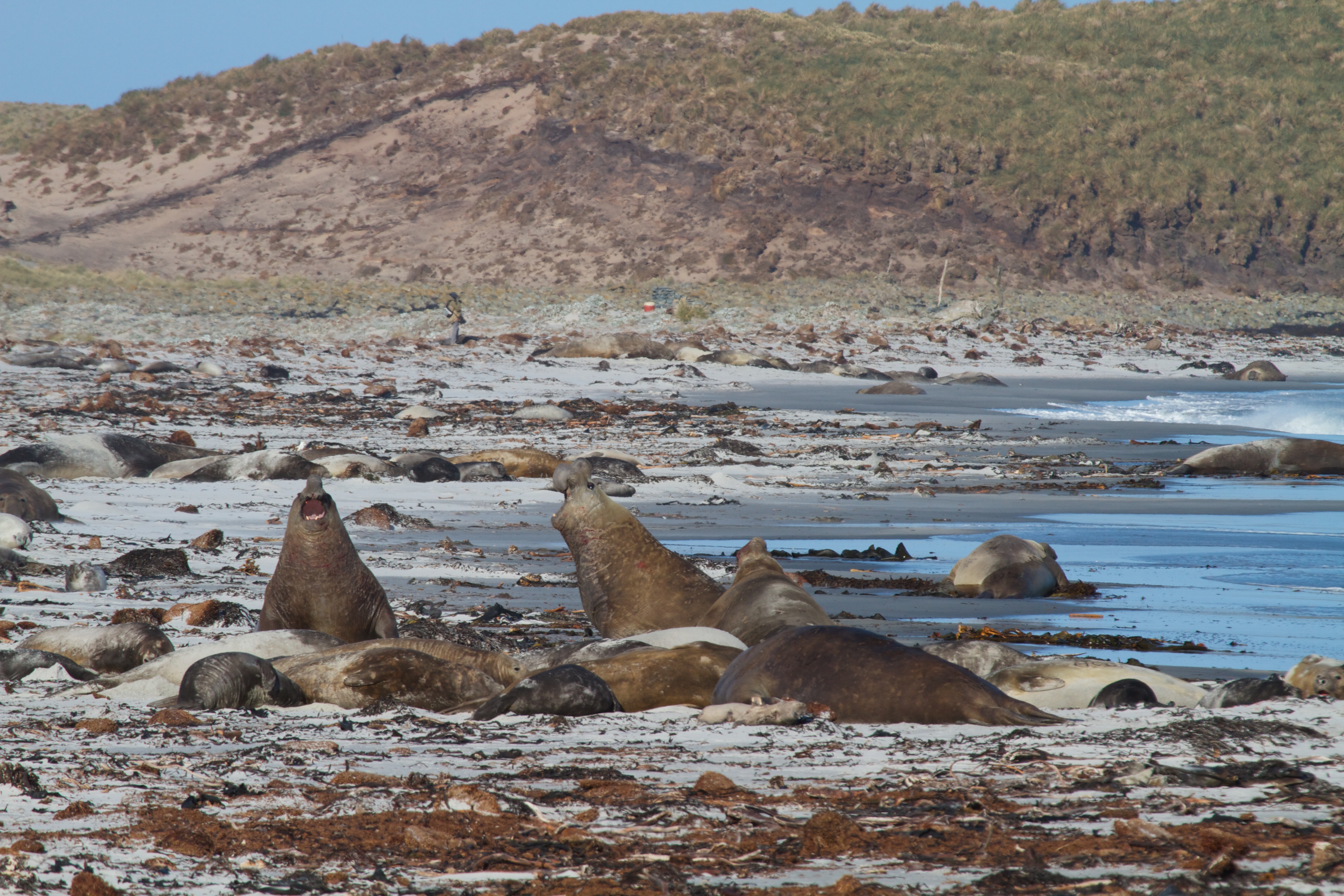
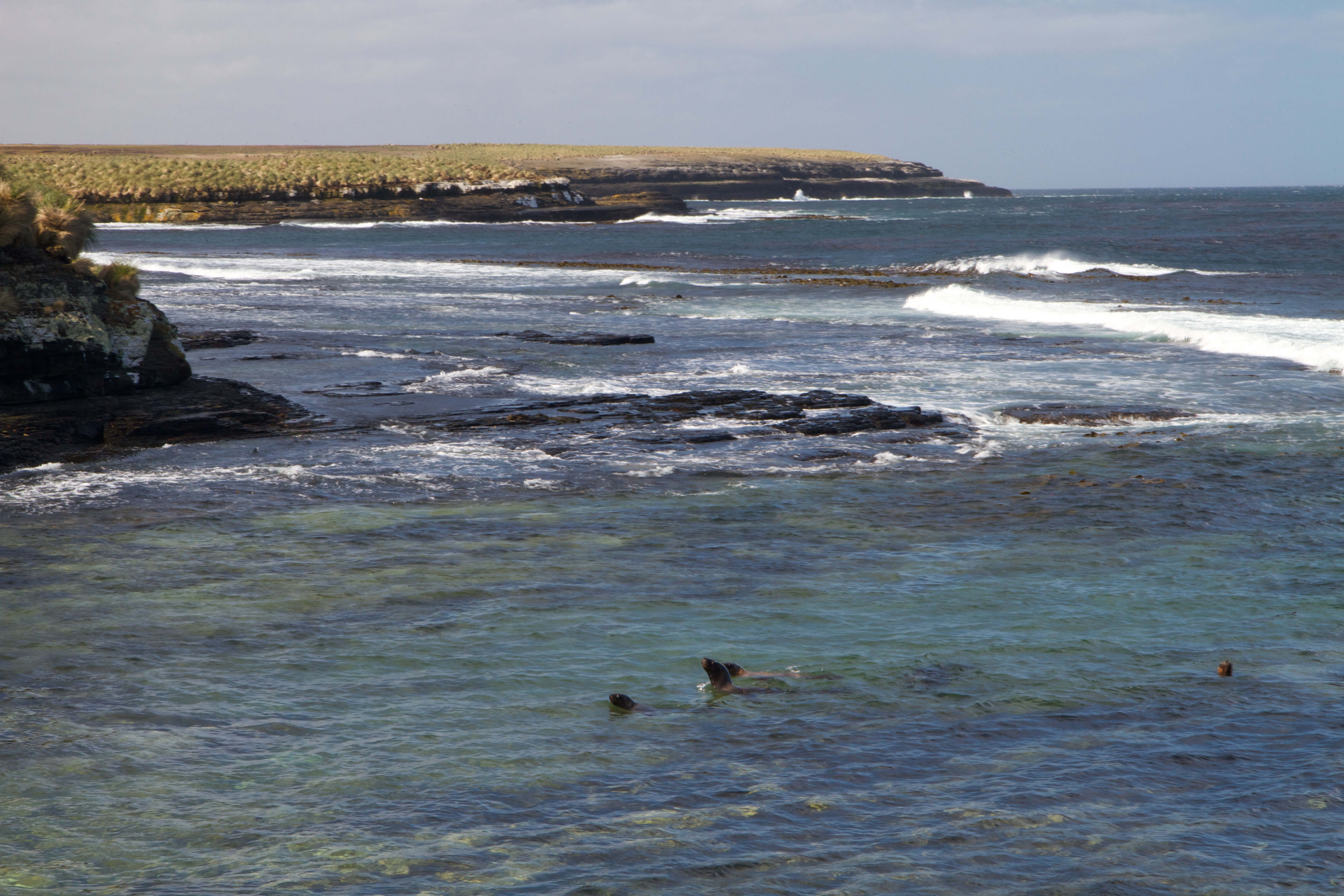
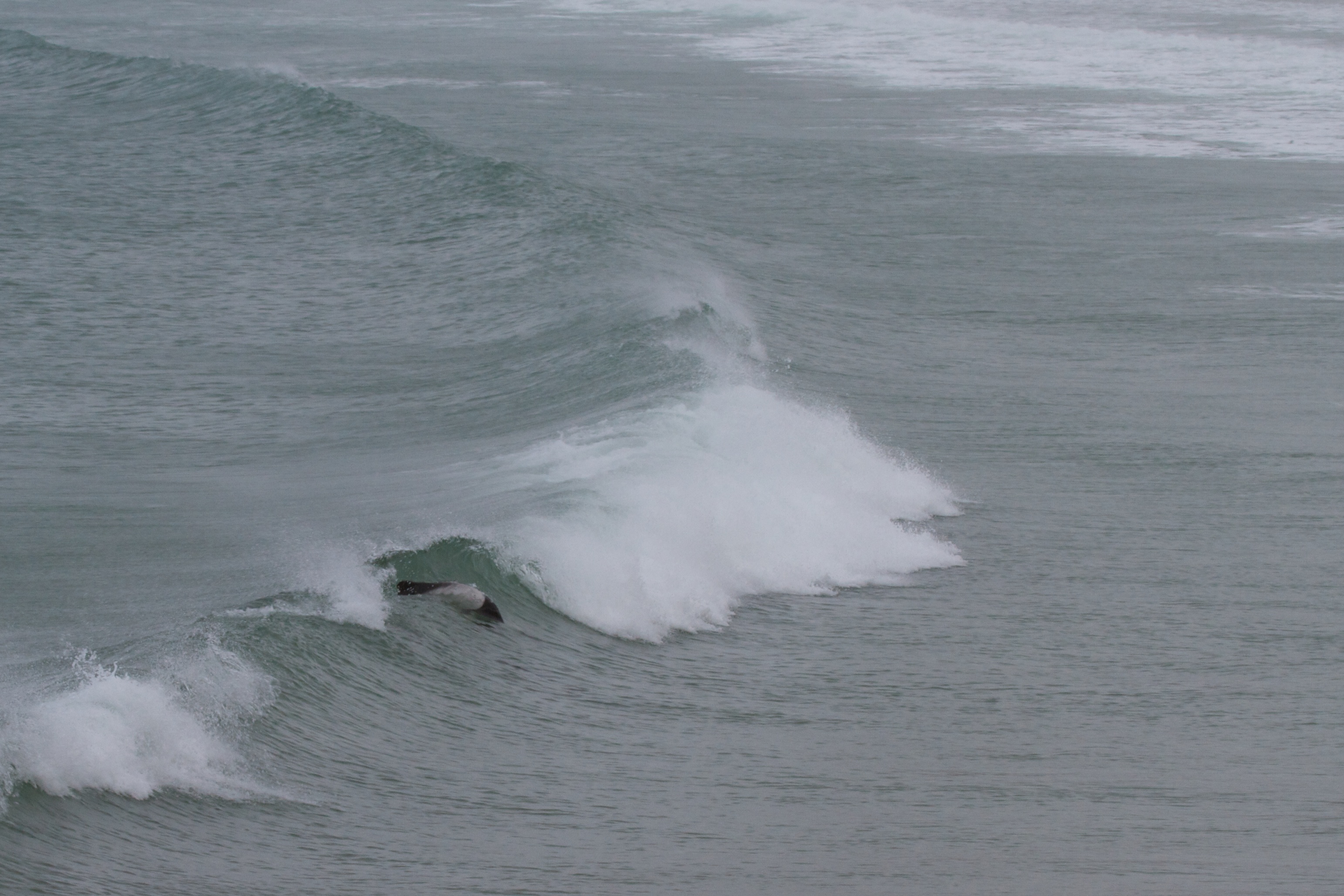
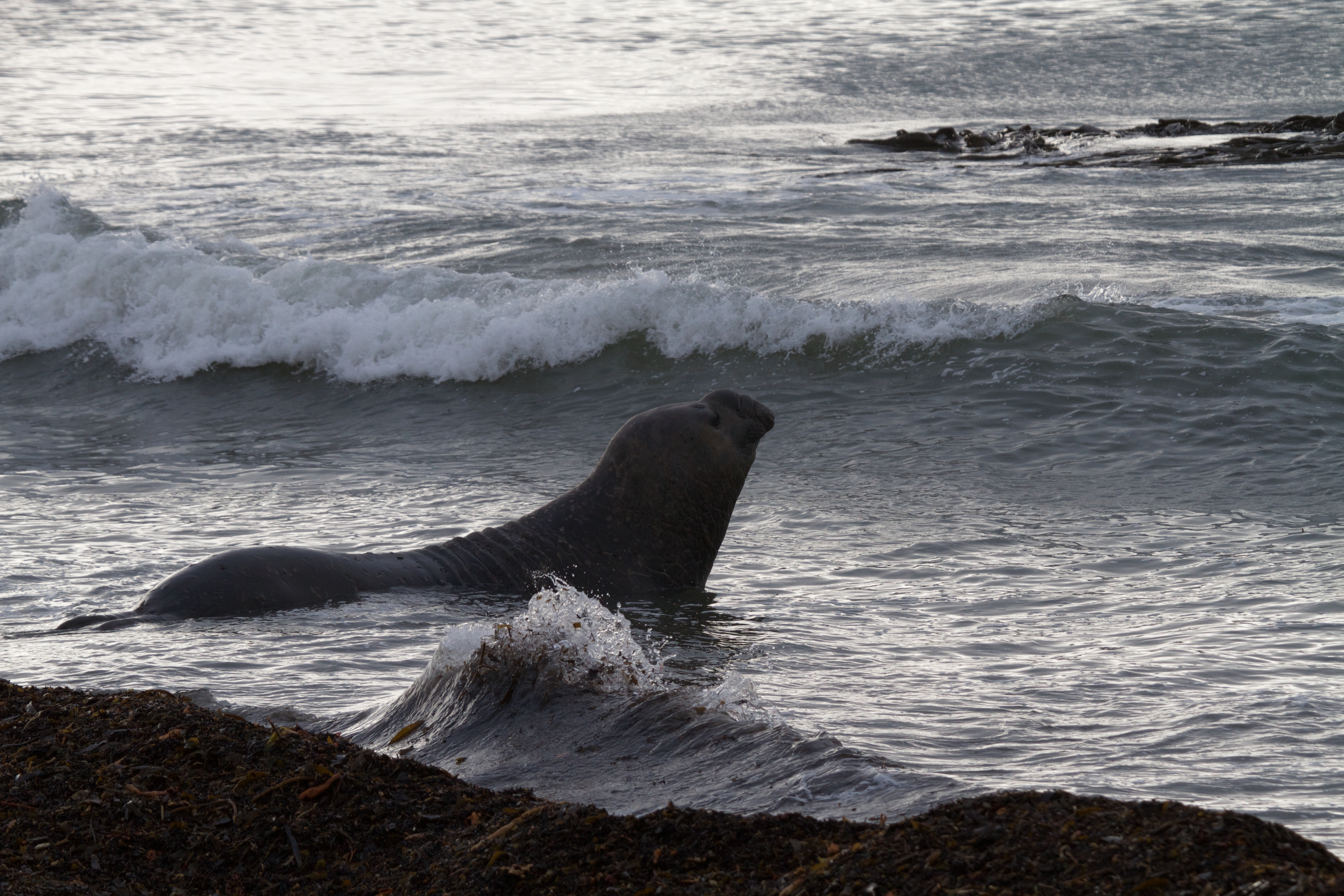
Since arriving last Tuesday afternoon the days have been hectic and I have so far stayed in five different places; Darwin, Pebble Island, Carcass Island and Saunders Island. I’m now on Bleaker Island to the south east of the archipelago. Travelling has been interesting and exciting, with flights between places being on small, eight-seater Britton-Norman Islanders – the workhorse of the Falkland Island Government Air Service. These little planes give a very different perspective on the islands including just how big and rugged they are. I’ve also had a boat trip out to West Point Island which was very rough on the way out, making a few of the passengers just a little ill (not me of course!), but less so on the way back with the wind behind us and the waves actually overtaking the boat. We were joined and entertained by a couple of dolphins riding the bow wave.IMG_0598Each place I’ve stayed has provided something different, from the battlefields at Darwin and the memorials, war wreckage and old buildings at Pebble Island to the hill walking and elephant seals at Carcass Island and seabird cliffs, large sandy beaches and wind-formed rocky mountain tops of Saunders Island.

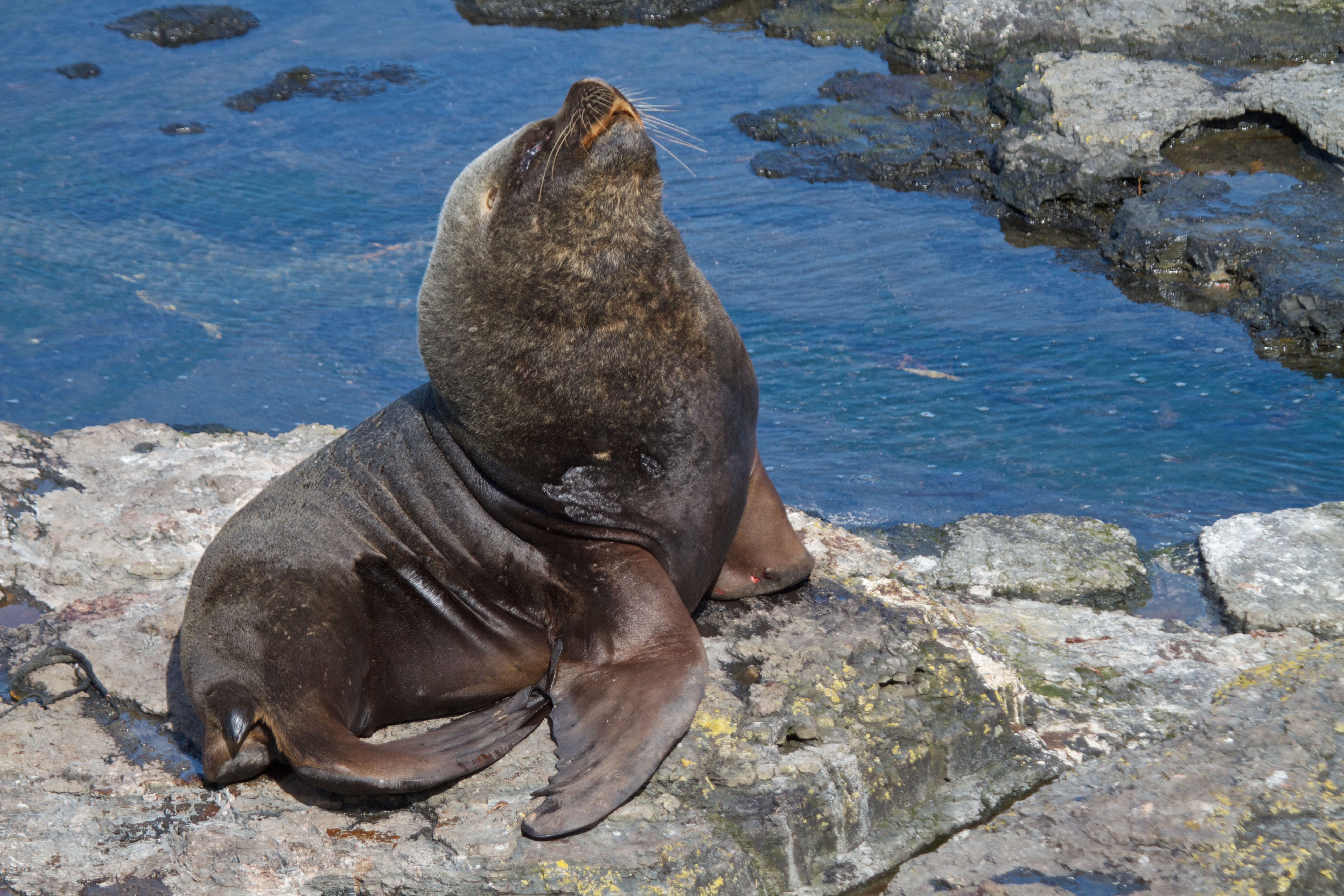
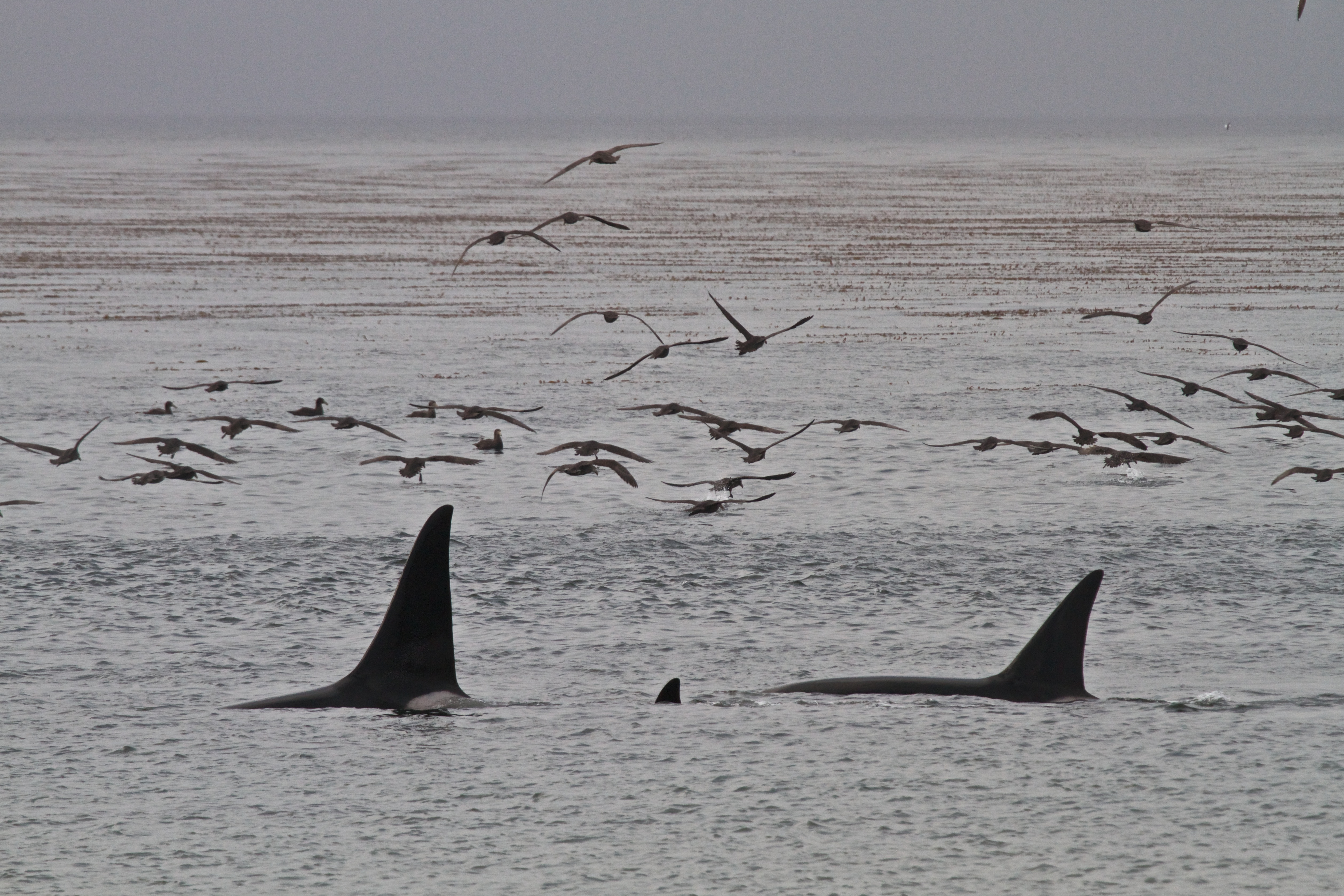
At each place, the wildlife has been spectacular but, so far, it is the outlying islands that have proven to be true natural havens with birdlife in abundance.  The mammals aren’t too bad either, with elephant seals, sea lions and Commerson’s dolphins all seen so far – and there may even be killer whales before I go home!

The weather so far has been well above expectations and certainly variable. With the exception of the last couple of days, the weather has been changeable in the extreme. On Carcass Island, I was taking shots of an almost tropical-like paradise one minute with snow coming down the next. On the same day, I was treated to near blizzard conditions but within a short period the sun came out burned it all off. Even the wind hasn’t been constantly strong and I’ve even experienced cloudless skies, which appear to be very rare in these parts.

The people I’ve met have made a real difference to my trip and everyone has a story to tell or an interest in asking about others. It’s certainly a small community down here with everyone knowing everyone else but there are also many people from overseas and I have already met Americans, Australians, Germans and Chileans.

That’s all for now!

The Falkland Islands: The Journey South

Well, that was a journey and a half!

Setting off from home on Sunday afternoon, I made my way down to RAF Brize Norton, getting stuck on the M6, as usual, but then after the M5 leg I drove through the beautiful autumn colours of the Cotswolds. My journey down was filled with paranoia about each step on the way to the Falklands and the many opportunities to be turned away at each step. On arrival at the air base I had to pass through the main gate security before I could access the terminal. This was the first nervous moment – would they let this usually very suspicious-looking person onto the site? It was first hurdle cleared (phew)!

On the base, I drove as slowly as possible, trying to look normal again but made it to the terminal okay and then waited for check-in to open – not as long as I was originally told. Would I pass this second hurdle? Yes, and they didn’t even check the weight of my carry-on luggage. I then had to drop off my car at the long stay car park and make it back to the terminal – no problems again. Then started the long wait until the flight; five hours in one of the most boring terminals in the world.

The long wait seemed to go much quicker than expected and eventually we were called through security and passport control – with the nowadays unusual ability to take a big bottle of water through. With military VIPs called through first, the rest of us were then boarded by row number and we walked out into the dark of the apron and onto one of the RAF’s new tanker aircraft – which also has over 200 seats. Just after 11:00pm, we were launched into the night, not to land until we had crossed the equator.

IMG_4654

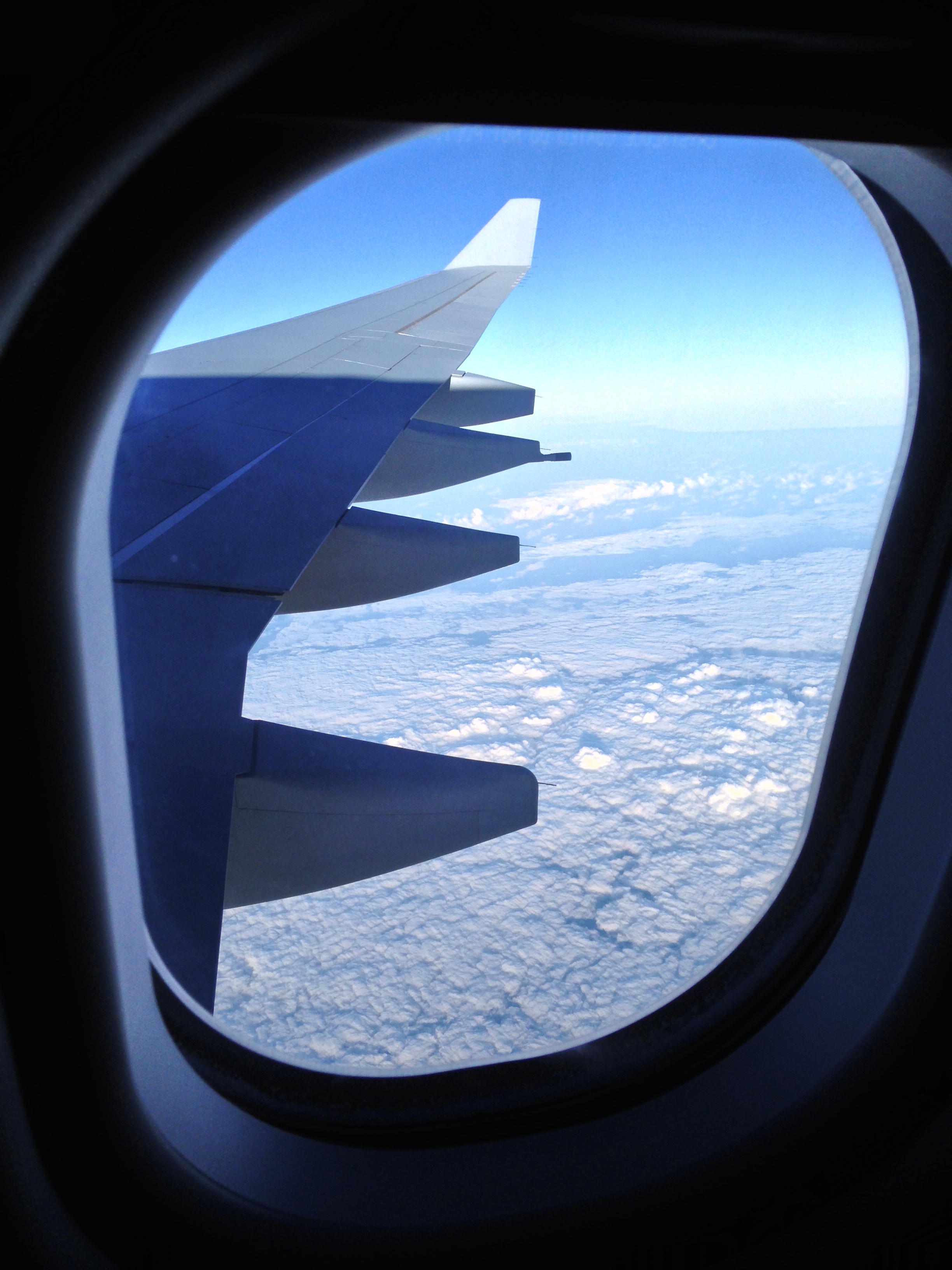
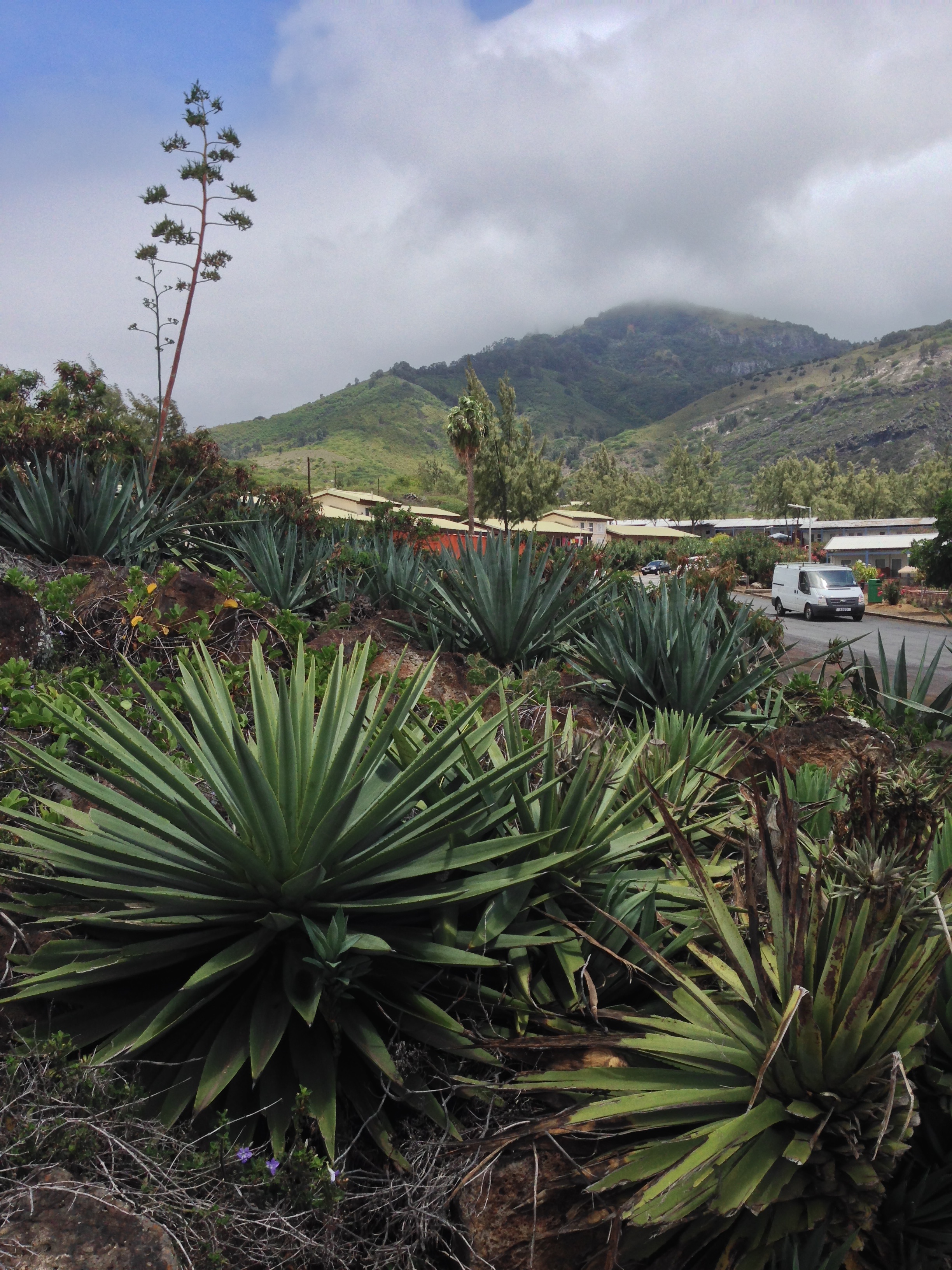
After skirting the west coast of Africa, watching the stars above the Atlantic and seeing the sun rise (unfortunately I had a window seat on the wrong side) we landed on the volcanic island of Ascension, rumbling down the runway past dark hills of black and red. The island was surprisingly cool for this time of year, only 21 degrees at 8:00am. We had two hours to wait in ‘the cage’ – the fenced-in and mostly open air part of the terminal ‘air side’ of security. With a bit of moisture in the briskly blown air, most were probably keen for the two hours to move quickly, although a chance to stand after hours on the plane were very welcome.

An announcement was made that the weather over Mount Pleasant runway in the Falklands was causing dangerous ‘rotor’ winds and that it was too risky to land, so we were delayed by an hour. Eventually, we were called to board the plane, only to be told, once we had nicely settled in, that there would be a twenty-four hour delay at Ascension and we all had to get off again.

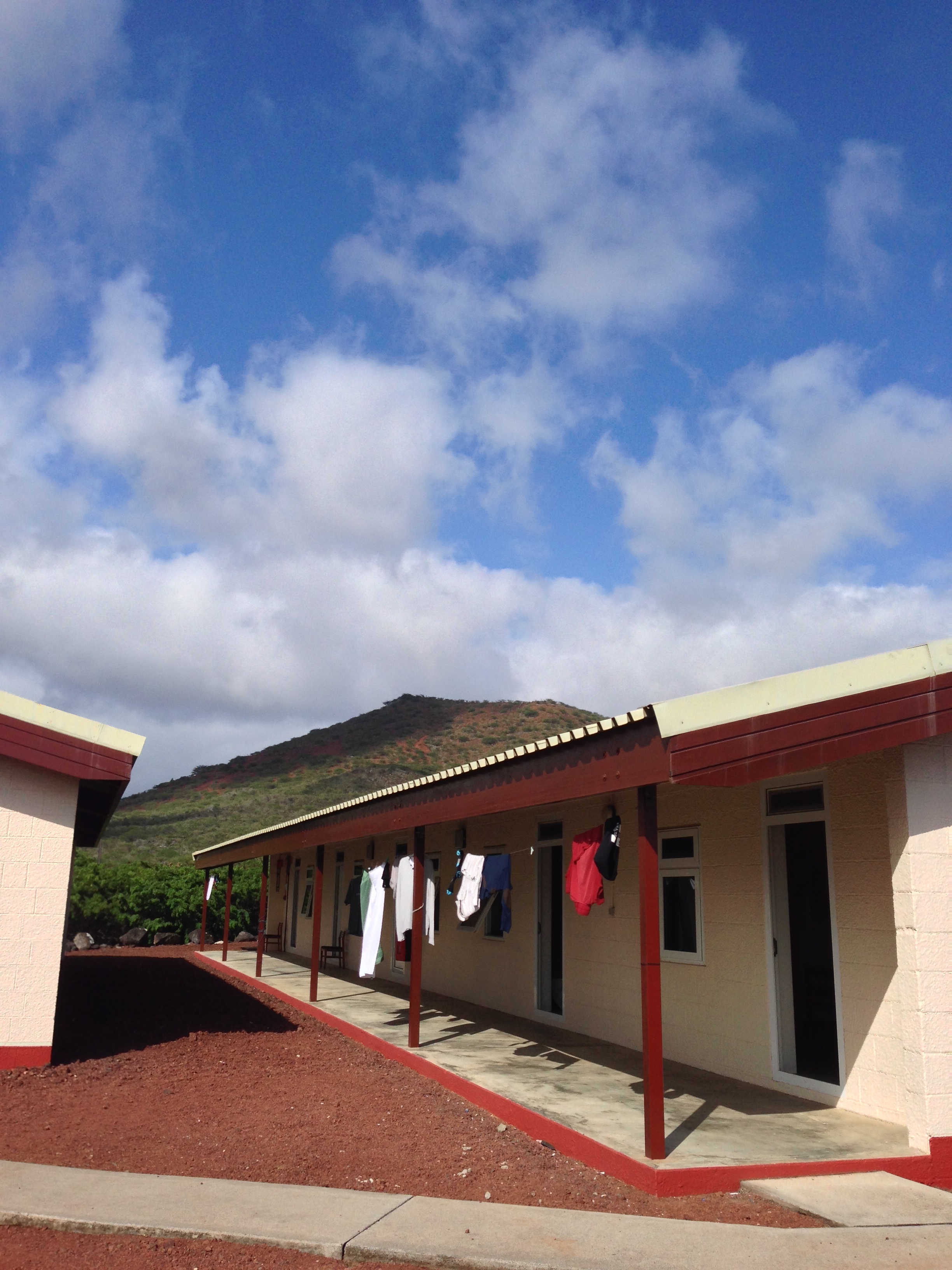
We trooped back to the cage and waited instruction – to be honest, they were very organised and in only about half an hour we were given room allocations in the transit camp accommodation and bussed across to the far side of the island. Travellers’ Hill is the main living area for the British military personnel on the island and there are rows of four-bed rooms set aside for just this eventuality. I was roomed with two soldiers and another civie. One of the soldiers wandered off with his unit, while the other dozed for most of the rest of the day, the other civie went to see some local colleagues, while I relaxed on the ‘veranda’ keeping out of the strong mid-Atlantic sun. I would have gone for a walk and seen how far I could get up the nearby tallest hill on the island – Green Mountain – but as this was ‘only’ a 24hr delay, our hold luggage was left on the plane and I wasn’t going to walk up there in the heat in the only clothes I had – pity really.

IMG_4682 IMG_4695

After two meals in the Combined Mess and a spot of essential shopping, three of us went to the Naafi bar for the evening. With a nice pint of John’s Smiths costing £1.30 a pint, it seemed rude not to take full advantage, however, I regretted that somewhat when the alarm woke us all at 3:45am. Climbing onto the coach 15 minutes later, travelling back to the airbase and waiting in the cool morning air did wonders and by the time we took off at 7:35am I was feeling a little bit more human again.

There wasn’t an awful lot to see out of the window for the next eight hours but shortly before landing, we spotted land; the land I’d been wanting to see for over 20 years. We flew over the coast of East Falkland, passed Stanley and over the mountains of its western approaches. As we came into the airbase, you could sense the apprehension in the plane as we had been warned that the landing would be rough. In the end, either the pilot was very good or the conditions weren’t that bad.

As we stepped off the plane, the wind was significant but the most striking thing was the clear, bright blue sky and intense early afternoon sun. After queuing for immigration and customs (getting a Falklands stamp in my passport), I grabbed my luggage, saying goodbye to friends I’d made on the extended journey and made my way outside to start the next stage of my trip.

Being on the ground of these south Atlantic islands for the first time, seemed unreal, even more so in the strong glare of the late spring sun. The 51 hours it had taken to get from my home to touching down at Mount Pleasant Airbase were certainly the most eventful of my travels to date and will stick in my memory for a long time – maybe I should plan to take my next holiday in Ascension!

Nearly on my way…

Well, it’s nearly time to start out on a trip I have been dreaming of making for over 20 years.  I’m suffering from a mixture emotions – paranoia (that something will stop me from getting there), excitement (obviously) and slight dread (of spending 20 hours on a plane – I usually find short haul mind-numbingly boring!).

So, after a night and the best part of a day on a plane, stopping at Ascension Island and crossing the Equator for the first time in my life, I’ll be landing at Mount Pleasant air base. For the following 15 nights I’ll be spending time in Darwin settlement, Pebble Island, Carcass Island, Saunders Island, Bleaker Island, Sea Lion Island, before returning to the sprawling and hectic metropolis that is Port Stanley.

There will be a bit of military history, plenty of wildlife and, as I will be wandering around on my own for a bit, plenty of daft mumbling.

Bucket List Item No.1

If I was to write a proper bucket list (I’ve only half-heartedly done it so far), there would only ever be one thing at the top of it – visiting the Falkland Islands.

I can honestly say that from my mid-teens to my early twenties, I developed something close to an obsession with the place and I think it all started with a Channel 4 documentary series marking the 10th anniversary of the 1982 war. The war ended a month before my sixth birthday but despite my age at the time, I do remember some of the news commentary. I remember the TV images of the burning Sir Galahad and the radio bulletin announcing that white flags were flying over Stanley. Most of all, however, I remember the images of servicemen being carried on stretchers off a ship newly arrived back from the South Atlantic. As a young child those images particularly stuck in my mind and probably helped to spark my interest 10 years later.

Whilst I still have an interest in the war, particularly after reading so many books about it, the islands now hold another fascination for me – their natural environment and the wildlife they support. From the very different bird species, including loads of penguins, to the equally different sea mammals and the dramatic, windswept landscapes; the islands have a lot to offer someone interested in all things natural. IMG_4650 Well, although I only have a part written bucket list, I may as well start ticking things off and there’s nowhere better to start than right at the very top! So next Sunday I’m off to make a 22 year old dream come true – I have an RAF flight to catch!

I’m going to blog as much as I can while I’m down there, but will have to wait and see when it comes to getting internet connection.

Nature can stir the soul

Today, I made the first of my usual autumnal pilgrimages to the Wildfowl and Wetland Trust’s (WWT) Martin Mere reserve near Ormskirk, Lancashire. I have been there so many times that I have long lost count. I return there every year in late September or early October to witness what is, for me, a true wildlife spectacle to rival many better known natural sights.

As autumn begins to grow in its seasonal beauty, the winter visitors to our shores start to arrive. Amongst the many different species to spend the colder northern hemisphere months in the British Isles, there is one that really connects with me – the Pink-footed Goose.

IMG_0395

These smaller geese, more petite than their canada or greylag cousins, breed just below the arctic circle, in Iceland. Only a few weeks after hatching, the goslings follow their parents from their early homes and fly across the north Atlantic all the way to our small islands. Around 240,000 pink-feet winter here, usually spending much of their time on the east coast but they use Lancashire as a first major staging post, with many thousands resting there before heading on their way further east.

I find the sounds of these geese have a soul-splitting ability. A single calling pink-foot, perhaps the lead of a small skein flying over an otherwise silent salt marsh, ‘wink-wink, wink-wink, wink-wink’, seems to be one of the loneliest and wildly remote sounds of nature. It brings visions of the wide open valleys of Iceland, and of the long struggle between their birthplace and their wintering fields here in the UK. Counter to that is the combined stirring chorus of a many thousand strong flock taking to the air in a mass force of nature. This is an invigorating, breathtaking and heart-pounding moment, a wave of noise as the flock erupts from the ground, turning the immediate sky into a flickering darkness, then splitting to form swirling clouds of avian purpose.

Three springs ago, I made a trip to Iceland with the aim, amongst other things, to see the breeding grounds of the pink-feet. I had seen them so many times in the autumn and winter, in Lancashire and in Norfolk, that I felt a great need to see them at the other end of their journey, in their other home. Feeling particularly sentimental at the time, I wrote the following:

“We drive through the high mountain passes, with small villages and scattered farms. The tall rock faces supported by brown scrub and green pasture. Out onto the valley bottom, the river flattens its course and man-made obstructions claim some of the plain. Out of shelter in the vehicle, the wind whips past and roars through the valley. Rolling clouds of sand and dust maraud across the plain, making eyes dry and scratched.

This is where they are, in small groups and pairs, preparing to nest after the long struggle north. Their colour now matching the surrounding ground. They are quiet here, now only an occasional call; not the great waves of noise from their winter glories.

Not as imagined; they are not alone here, amongst the farmland, fences and roads. Not as wild as thought but still more wild than most. A sense of seeing their other home; their real home. A sense of seeing it all, from journey start and journey finish.”

Today, there were over 20,000 pinkies at Martin Mere, a true spectacular in both sight and sound. The WWT website for the reserve has a sunset video that gives something of the emotional experience – but you have to be there to really feel it.

WWT Website

Hard work and dedication don’t guarantee happy endings…

A few posts ago, I was celebrating the fact that a chick from the first year I helped to protect the Glaslyn osprey nest (2012) had successfully returned to the UK for the first time. It was, for me, a reason to be very happy and proud that I had played a small part in helping this to happen – many others, and the osprey itself of course, can take much more credit!

However, this joy has now been tempered somewhat.

On one protection shift this year, I took along a friend, Jack (fellow wildlife enthusiast, womble tsar, long range cyclist, unstoppable camera-trapper and very poor whisky drinker), to show him what we do. He seemed to enjoy himself and hopefully will come along again next year.

Over the course of the summer, Jack got a job with the RSPB on their (now award-winning) Skydancer project doing the same role that the volunteers undertake at Glaslyn, but for hen harriers rather than ospreys. Based in the Forest of Bowland in north Lancashire, Jack spent many nights watching over a hen harrier nest from within a hide. Whilst there, Jack got some great views of wildlife in general as well as the hen harriers themselves. Unfortunately not all of the locals were friendly and many a night was spent fending off the unwanted advances of overly insistent midges (an experience I know all too well!).

In England, hen harriers are even rarer than their fish-eating cousin raptors and no pairs successfully bred in the country at all last year. So it was with some relief that three nests managed to fledge chicks this summer (two nests in Bowland and one in the Lakes). However, it was with great sadness and extreme anger that I heard today that two chicks from the Bowland nests have disappeared. They were fitted with trackers, which have both now fallen silent. The trackers are very reliable and it is highly unlikely that one of them, let alone both, will have failed whilst the birds were still alive. The most likely explanation is that both birds have been killed and probably at the hands of man. Whether this can be blamed on their nemesis, the gamekeeper, we may never know, but if I were a betting man…

It just goes to show that the collective will of many does not always overcome the selfishness of a few.  It also shows that the hard work of species protection teams is still of importance in the fight against our fellow humans who will not let a little thing like legal protection get in the way of their destructive hobbies.

IMG_6427.1 I don’t often see hen harriers (obviously, I suppose) but when I do, it’s usually pretty memorable.  No other sighting I’ve had, however, can beat seeing a male harrier mobbing a wolf; and I even got a snap! In the photo above, the wolf is in the centre, on the track, while the light-coloured spot above and to the left is the harrier (it is, honest – they were at least a mile away after all!)