Lacking inspiration…

Maybe it’s the winter blues or the need for a bit of a change but I’ve been finding it hard to motivate myself recently when it comes to my usual interests.  However, over last weekend I did push myself out of the house to do a Winter Bird Survey at Cheshire Wildlife Trust’s Blakenhall Moss reserve and had a walk around Wybunbury Moss.

Blakenhall Moss

The survey was almost as atmospheric as the December visit to Blakenhall but the lack of sun, made the view much more dull.  The fogginess and general murk certainly made the place feel like it was at its lowest ebb of the seasons.  However, I saw one of the first signs of spring with the bluebell shoots starting to emerge from under the leaf litter; maybe a little early this year.  I was also cheered up by recording a couple of marsh tits during the survey; these are an important species for the site, are a nationally red-listed species in serious decline and are not well-recorded in Cheshire.

Bluebell shoots

Out at Wybunbury Moss, I took advantage of the new section of footpath recently designated and opened close to the church tower and behind the Swan Inn pub.  This new path enables a complete circular walk around the Moss without having to use the footway alongside the road through the village, which altogether provides a nice, quiet wander of around 45 minutes.

IMG_5622

Unlike at Blakenhall, I didn’t see any signs of spring at Wybunbury and even the birds seemed subdued.

Unlike me, it appears others have had more motivation than me recently, as I found the results of the work put in by my volunteering colleagues the previous weekend.  They (Crewe & Nantwich Conservation Volunteers) had spent the day clearing an area of small ponds and undergrowth within the woodland surrounding the Moss and had also laid more log pathway to make it easier to walk along the permissive path through the site.

With the first signs of spring starting to appear, I’m hoping the first ‘greenshoots’ of motivation and inspiration will also start to grow – I certainly need something to give me a bit of a kickstart to the year!

Winter Bird Survey – Blakenhall Moss

A couple of days ago I did a second bird survey of the winter at Cheshire Wildlife Trust’s Blakenhall Moss reserve.  I have to do one survey for November/December and another for January/February but if I have the time, I plan to do one per month (and the same for the Trust’s Bagmere reserve).

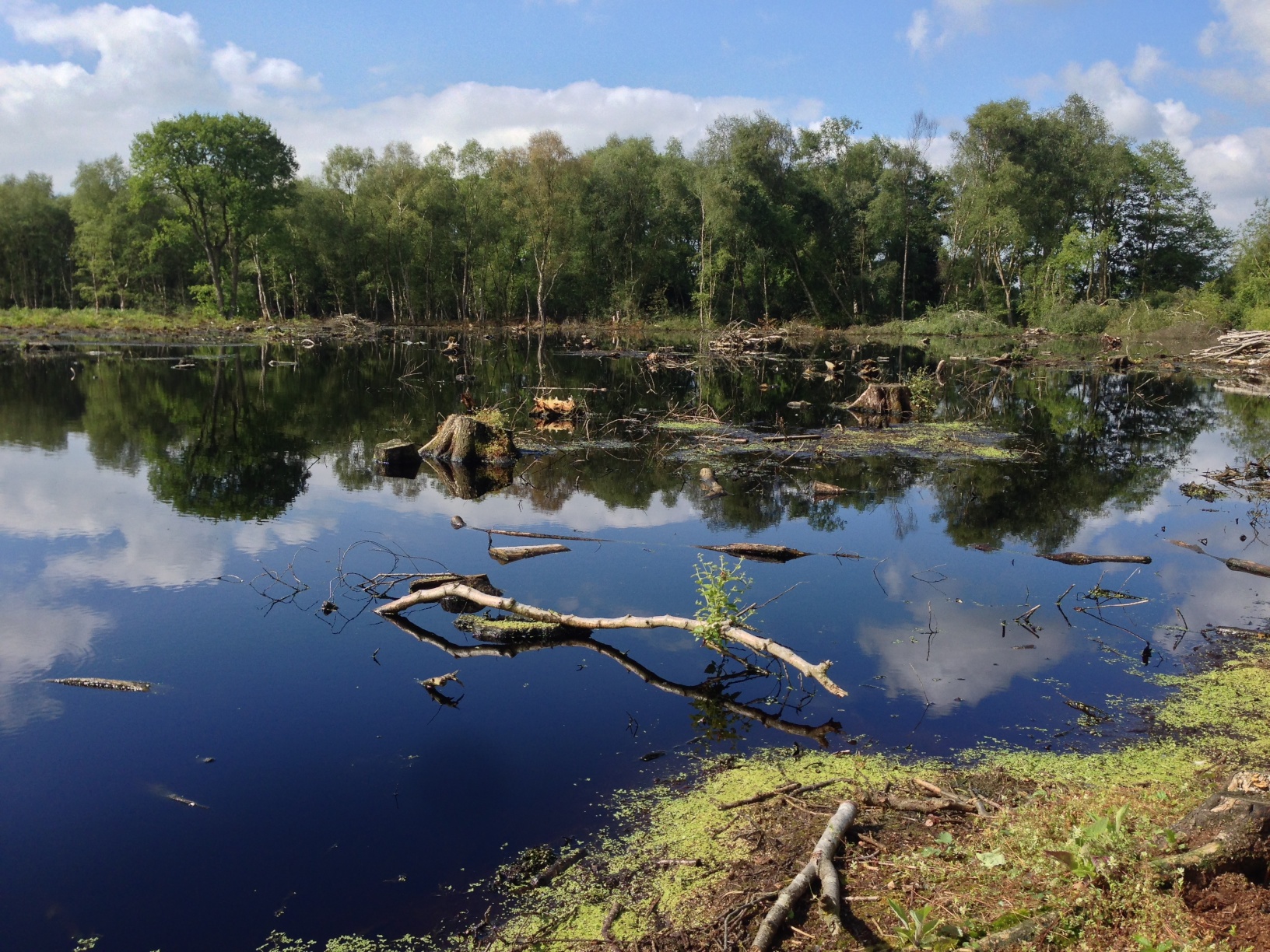
I recorded 28 species on this visit, which brings the total for the winter surveys so far to 35.  The Marsh Tits were present, unlike the first survey, and a flock of around 30 teal was still at the site.  Following the removal of the majority of the trees from the site and the raising of the water levels, to return it to its former moss state, the recorded bird species has changed with wetland birds now adding to the woodland species still present on the site.

The cold, bright and frosty morning made for a very atmospheric walk through the remaining areas of woodland around the outside of the site.  The flooded woodland looks almost like a mangrove swamp.

IMG_5244  IMG_5262 IMG_5256  IMG_5264IMG_5247

Winter approaches the Glaslyn Valley

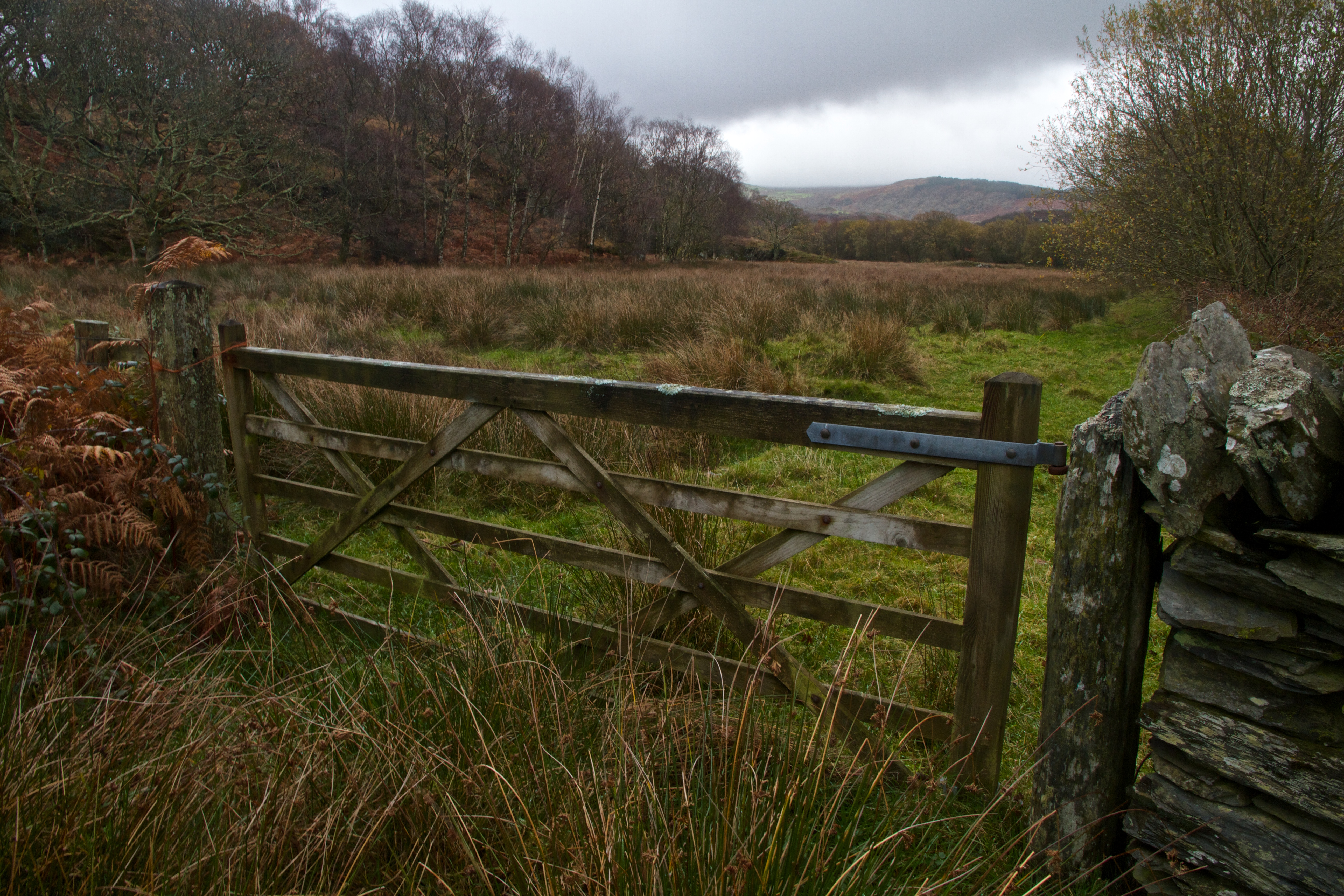
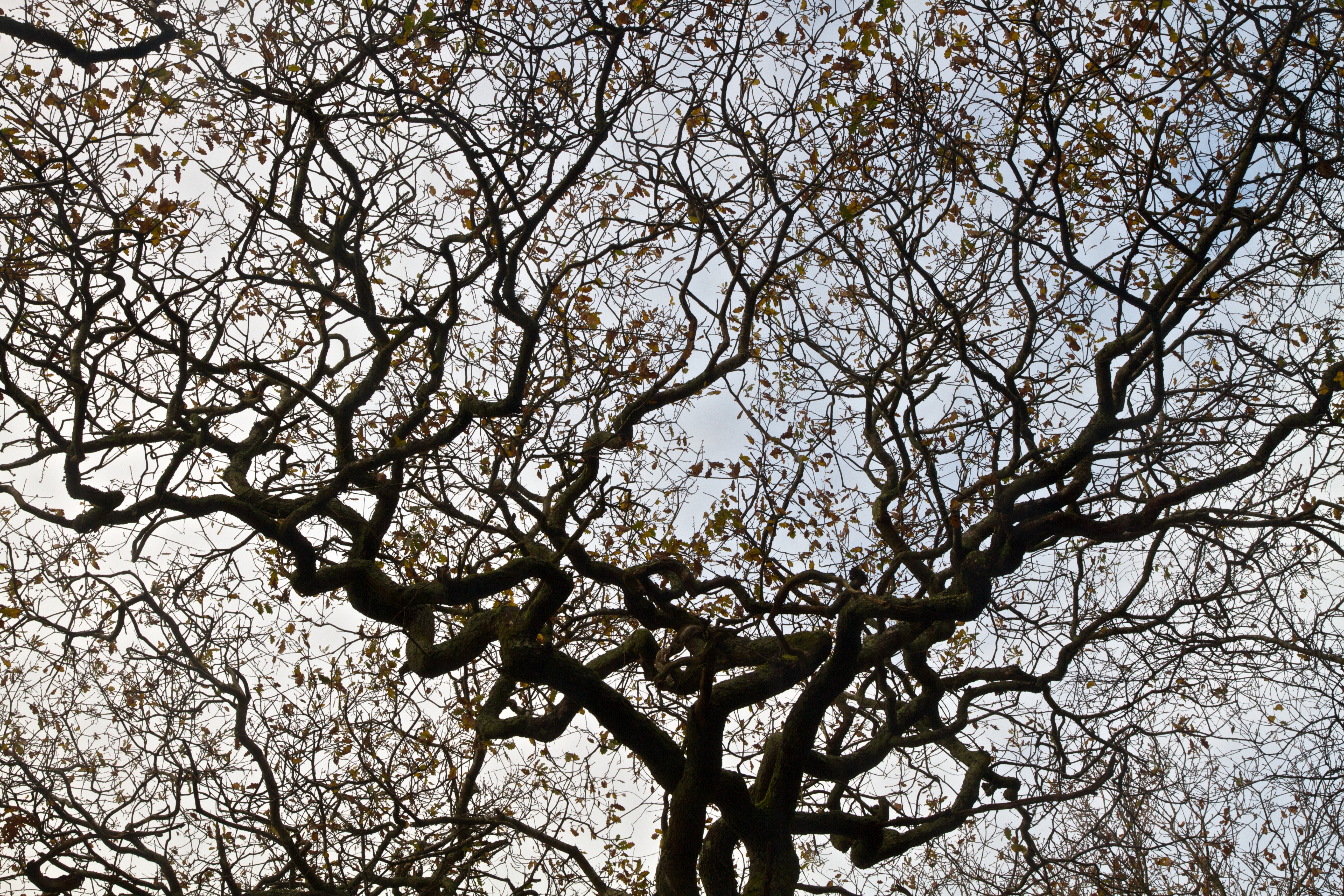
A familiar route once again but the first time in over a season’s length. I turn through the narrow gateway and over the cattle grid. The trees start to enclose as I make my way down through the wood once more. The winding, rising and dipping track has a new surface of fallen leaves and small twigs as autumn comes to a close. The summer shade has melted away and left naked, bent and twisted branches reaching out and interlocking over the narrow way. The vibrant green of the earlier months has gone and there is a new richness to the scene with the rusting bracken providing a foundation to the ambers, oranges and reds in the trees. However, the colours of the peak of a bright effervescent autumn are fading to the last drops of the season. Out on the wet meadows, with decaying dampness in the air, the dark, brooding clouds are letting a few drops of fine rain fall onto the ground as I approach the gate, crossing the grass that now has a touch of yellow. The site is almost silent now and would be but for a few calls of a chaffinch and a light breeze in the woods. The tops of the surrounding hills and mountains are covered in low mist, partly shrouding their purple-hinted rises. In the distance, what must be out above the sea, the suppressing clouds are parting and a brighter light is beginning to emerge but I have to leave and won’t see the land under a more vibrant autumn sun. Across the river and the low field, there stands a tree empty of the summer’s focus. Now long gone, it is like the family was never here but the nest lies up there, without its owners but ready for their return, just marking time through the long, cold and dark winter months.

IMG_0042

Well, I lied in a post back in July, that I wouldn’t see that old track again until next spring. I just had to go back; to see the valley at another time, a quieter time, a more sombre and more moody time. The Glaslyn Valley is so different from the height of the summer but just as beautiful and it’s a pity I couldn’t make a visit at the height of the autumn colours. The life in the valley was certainly of the season with jays calling from the woods, ravens cronking as they drifted across the sky and redwings ‘seeeeping’ on their journey through. The only fresh signs of life were new blooms on the gorse, while all other flowers have long gone from the fields, woods and field margins.

IMG_0117

After blogging over the spring and summer, I wanted to make a visit to the valley in the autumn or winter, so I could see and show how it changes through the colder months and seasons. With a meeting for public interest company that runs the osprey project planned for yesterday, a trip across had a dual purpose – to see the valley when the ospreys aren’t there and to keep up to date on plans for next year.

The meeting highlighted just how much great work the company and its volunteers have done over the past year and revealed some very promising plans for next. In all, over the last 12 months, nearly 5,500 volunteer hours have been put into running the project, from re-establishing both the viewing and protection sites, to all the hours put in watching over the nest and showing visitors views of the ospreys. Almost starting from scratch, it is simply amazing what this small group of volunteers has achieved over the past 12 months. Taking over the running of the project from a huge national charity was a daunting task and I’m sure others would have failed, and yes, there have been difficulties on the way. However, they have achieved what they have set out to do and now have plans to build on this and make next year even greater. There are proposals for a new visitor centre which should be open seven days per week during the breeding season, and the nest will be protected 24 hours a day while the risk to the ospreys, their eggs and eventually their chick persist.

Next year, they will need even more volunteers and more volunteer hours to ensure success, and yes, I will be back, hopefully doing some night shifts and maybe there might be a few blog posts too!

Bird surveys start again…

Yesterday I started another round of bird surveys for Cheshire Wildlife Trust. Following the Winter Bird Surveys (WBS) and Breeding Bird Surveys (BBS) I completed for both the Bagmere and Blakenhall Moss reserves earlier this year, it’s now time to start the winter surveys again.

The WBS is much simpler than the BBS undertaken in the spring of each year. The former involve walking the same fixed route but only the species and number of individual birds are recorded. The BBS requires the noting of behaviour to assess whether each recorded species is indeed breeding on a particular site. In addition, the winter surveys can be done at any time during a day, but it should be dry and with little wind.

The winter surveys are undertaken on two separate visits, one in November/December and the other in January/February. Whilst only two visits are required in total for each site, if I get time I will hopefully be able to do four, one in each month. Very little data has been collected on birds at the Bagmere and Blakenhall Moss sites; essentially data is limited to that collected through the surveys I have undertaken this year. Therefore, I hope a little extra effort will help to build up a greater depth of information and therefore understanding of birds at the two sites.

IMG_5015

I started the November/December surveys with a visit to the Trust’s Bagmere reserve. It was a very clear day with bright blue skies and almost no wind – after being in the Falklands for most of the last three weeks, having so little wind was very different to what I have become used to! There was clearly been a lot of rain while I was away as the site was more wet than I can remember it being over the three years or so I have been visiting.

After a rather quiet start to the survey with very little activity, the number of species started to pick up and I ended with a half-descent list. In fact, I noted more species than either of the two visits last winter and only one short of the combined total for those visits. However, of the 21 species recorded, five were flying over rather than being present on the site. The species recorded included: blackbird, black-head gull, blue tit, bullfinch, carrion crow, chaffinch, great tit, jay, linnet, magpie, mallard, moorhen, pheasant, pied wagtail, redwing, robin, song thrush, starling, water rail, woodpigeon and wren.

Of those listed, the most interesting is the water rail which is a local rarity. While I recorded it during the BBS visits to the site earlier this year, it didn’t appear during the last winter surveys. However, it was disappointing not to record willow tit at the site as it was recorded at Bagmere during the BBS and has been noted on a number of visits I have made to the site while working with Crewe & Nantwich Conservation Volunteers (CNCV). The willow tit is also a local rarity and has declined in population nationally by 80% over the last 20 years. Furthermore, this was the only Cheshire Wildlife Trust site to record this species during the last round of WBSs. Hopefully, with more visits to be made to the site over the course of the winter, including with CNCV, I’ll be able to record its presence.

IMG_5023

As usual, it was a lovely way to spend a spare hour – wandering quietly around the countryside, immersing myself in the sounds and sights of my surroundings, although as it is approaching the end of the year, the sounds are nothing like the cacophony I listen to during the early morning Breeding Bird Surveys.

Hard work and dedication don’t guarantee happy endings…

A few posts ago, I was celebrating the fact that a chick from the first year I helped to protect the Glaslyn osprey nest (2012) had successfully returned to the UK for the first time. It was, for me, a reason to be very happy and proud that I had played a small part in helping this to happen – many others, and the osprey itself of course, can take much more credit!

However, this joy has now been tempered somewhat.

On one protection shift this year, I took along a friend, Jack (fellow wildlife enthusiast, womble tsar, long range cyclist, unstoppable camera-trapper and very poor whisky drinker), to show him what we do. He seemed to enjoy himself and hopefully will come along again next year.

Over the course of the summer, Jack got a job with the RSPB on their (now award-winning) Skydancer project doing the same role that the volunteers undertake at Glaslyn, but for hen harriers rather than ospreys. Based in the Forest of Bowland in north Lancashire, Jack spent many nights watching over a hen harrier nest from within a hide. Whilst there, Jack got some great views of wildlife in general as well as the hen harriers themselves. Unfortunately not all of the locals were friendly and many a night was spent fending off the unwanted advances of overly insistent midges (an experience I know all too well!).

In England, hen harriers are even rarer than their fish-eating cousin raptors and no pairs successfully bred in the country at all last year. So it was with some relief that three nests managed to fledge chicks this summer (two nests in Bowland and one in the Lakes). However, it was with great sadness and extreme anger that I heard today that two chicks from the Bowland nests have disappeared. They were fitted with trackers, which have both now fallen silent. The trackers are very reliable and it is highly unlikely that one of them, let alone both, will have failed whilst the birds were still alive. The most likely explanation is that both birds have been killed and probably at the hands of man. Whether this can be blamed on their nemesis, the gamekeeper, we may never know, but if I were a betting man…

It just goes to show that the collective will of many does not always overcome the selfishness of a few.  It also shows that the hard work of species protection teams is still of importance in the fight against our fellow humans who will not let a little thing like legal protection get in the way of their destructive hobbies.

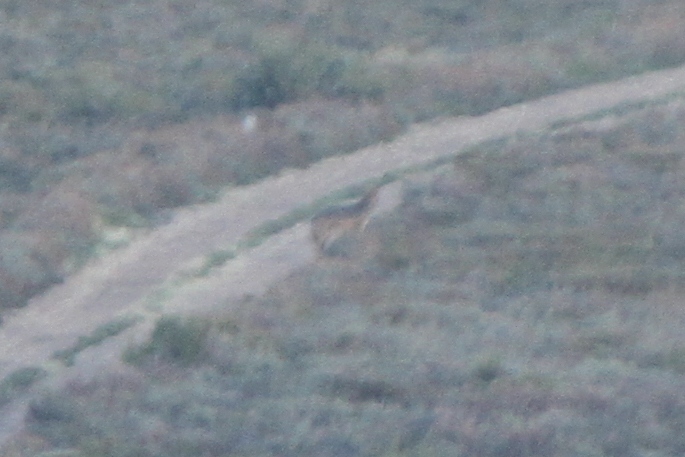
IMG_6427.1 I don’t often see hen harriers (obviously, I suppose) but when I do, it’s usually pretty memorable.  No other sighting I’ve had, however, can beat seeing a male harrier mobbing a wolf; and I even got a snap! In the photo above, the wolf is in the centre, on the track, while the light-coloured spot above and to the left is the harrier (it is, honest – they were at least a mile away after all!)

A footnote to an osprey footnote

I’m spending the bank holiday weekend at a family wedding on the atlantic coast of France, not far south of Bordeaux.  As always, I’ve taken an interest in the wildlife around the area I’m staying and there’s been plenty to see – ranging from a pipistrelle bat making a few passes over the post wedding drinks to a sand lizard in the dunes I walked through before the big event.

 (1)

Looking at the birds, there are some similarities to the Glaslyn Valley in the summer with green woodpecker yaffling in the woods, chaffchaff calling occasionally, a tawny owl screeching in the dark and a family of redstarts flitting from bush to bush.  However, the most significant connection came this morning on a slightly fuzzy walk down to the nearby lake.  In the distance I saw a familiar shape floating above the trees on the far shore.  It made its way along the lakeside and then suddenly plunged and splashed into the water, lifting itself out again after a moment on the surface.  I didn’t see if the bird had caught anything before it disappeared against the wooded backdrop. Even at some distance the bird was unmistakably an osprey but could it even have been one of the Glaslyn birds on migration south? If it was, that really would have been another great postscript to the osprey protecting season!

A great footnote to the end of another osprey protecting season!

Yesterday evening I was ecstatic to see the news that a Glaslyn chick from 2012 had been caught on camera at Dyfi. Whilst I’m sure this is a brilliant news for everyone involved in the great Glaslyn osprey project, for me it was quite personal. 2012 was the first year I volunteered at Glaslyn and this is the first time that a chick I have helped to protect has made it all the way back to Wales.

In 2012, I spent a total of four weeks on the Glaslyn as part of a year off work I had taken to do some ‘conservation stuff’.  I have so many great memories of those four weeks, from the male treating me to a ‘fly-by’ on my first visit to protection, to seeing the chicks for the first time, and from going to bed fully clothed after a night shift as I couldn’t defrost, to finding the Porthmadog wonder that is Dark Side of the Moose…not forgetting the people I met and the friends I made (of course!).

Seeing the successful fledging of another brood of young welsh ospreys is an immediate sign of success for all those who have spent many day and night hours watching over the Glaslyn nest, in all weathers (and, this year, some sun!). However, for me, personally, the knowledge that one of the chicks I helped to protect not only successfully fledged but lived through its first two years to make it all the way back to north Wales is the real sign that what the volunteers do at Glaslyn really makes a difference.

Here’s to you Blue 80, you’ve made my osprey protecting season!!!

P.S. A young Blue 80 is one of the birds in the picture below!

IMG_0659

A Taste of Wildness – an evening of bats at a Cheshire riverside

Standing at the end of a country road, the sun is setting over my shoulder as I stare down into the shallow river valley. It is a typically Cheshire scene, with wide open grassy fields enclosed by trimmed hawthorn hedges and overlooked by old heavily leafed oaks. The atmosphere should be undisturbed as the light falls on a warm sunny day but the railway over the crest interferes with the senses, with the distant rumble of freight trains and the higher pitched passing of inter-city expresses. Above human sounds, the birds come through; there are chiffchaffs well past their spring prime, great tits irritated in a nearby tree, swallows gathering the last insects of the day, blackbirds calling their dusk alarm and the ubiquitous rural crow slowly paddling and calling its way though the cooling air. Hidden away at the bottom of the gradually sloping fields runs a narrow river, enclosed by woodland on one side and by wheat and maize fields on the other. As the light continues to dim, the daytime wildlife settles down, while their nocturnal counterparts start to stir and emerge out to feed. This is a time of badgers, foxes and owls, but tonight it is the bats that will reveal their world.

 2

I don’t normally find myself heading out into the countryside at sunset on a weekday, but this week I had a very good reason to. My conservation volunteering colleagues and friends, Wendy and Gerry, undertake bat surveys at a number of locations around Cheshire and last year I was luckily enough to be invited to join them on a couple of their survey evenings. After enjoying the experience so much last year, I hinted, not too subtlety, that I would like to join them again and this week the first opportunity for this year came my way.

This survey focusses on Daubenton’s bat activity on a one kilometre stretch of river bank, with survey points every 100 metres. Using bat detectors, torches, a stop watch and midge repellent, the number of passes made by Daubenton’s bats over a four minute period are recorded at each point. The data generated enables the Bat Conservation Trust to understand the intensity of feeding and identify any trends in population levels.

The survey site is at the end of a long farm track, just north of Church Minshull, and the River Weaver is the focus. The section of river has open fields on one side, where we survey from, and woodland on the other. We crossed the river from where we parked and had to battle our way along rows of maize before breaking out onto a freshly harvested wheat field, the stubble crunched beneath our feet as we walked to the first survey point. Starting at the far end of the survey site, we stood next to a water pumping building waiting for the right time after sunset to start the survey. The first four-minutes revealed very few bats, Daubenton’s or others, so a little disappointed we made our way to the next points.

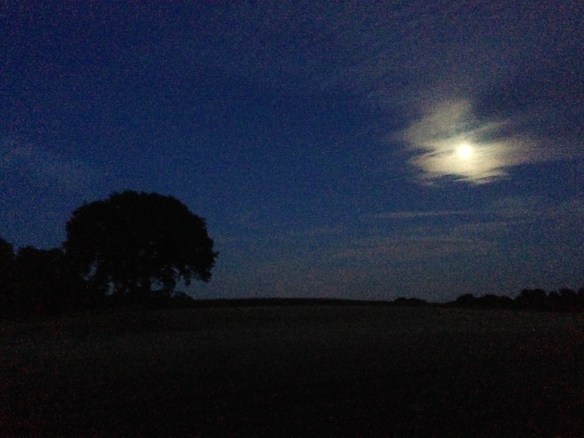
This particular evening was warm, dry and clear but as the survey progressed the air started to cool, the dew formed on the grass and the clouds began to appear. As we wandered from point to point, the moon appeared, breaking through the haze, casting our shadows across the field. Herons flew off from the riverside and tawny owls called from inside the woodland. At times we had to scramble down the banks to the water’s edge, whilst at other points we stood high up where the banks had been cut sheer by the passing river. The midges became an increasing annoyance as we made our way along the field and into the maize, where some of the survey points are located, but they were not as aggressive as they were when I went camping in Wales a couple of weeks ago.
 4
Our disappointment at the first survey point was soon forgotten as we recorded 127 Daubenton’s passes at one location; by far the most I have seen (last year 55 was the highest record at a single survey point). However, there were more than just the low flying Daubenton’s in the air, with Pipistrelle, Noctule and possibly Brandt’s bats flitting and speeding around our heads, some making very close passes. Overall, we recorded a good number of bats over the course of the survey but will have to wait until the second of the two visits to see how this year’s numbers compare to those previously recorded.

As we finished the survey and wandered back to the cars, I did a quick scan with the powerful torch, across the surrounding fields, to see if I could pick up any eye-shine from wandering wildlife in the night but didn’t see any. However, Wendy and Gerry did see a brown hare running along the road on the way home – a rare sight nowadays and I missed it unfortunately.

 1

Whilst I have found these batty evenings in the middle of the Cheshire countryside truly enchanting, what I’ve really taken from these experiences is the thought that the bats are out there every night, doing what they do, not caring about the manmade world that surrounds them. Not seeing them every night doesn’t stop them being there, going about their nocturnal ways. It’s a bit like the feeling I got from the first time I wandered around a wolf territory in Sweden; I didn’t see or even hear any wolves but the mere fact that they were out there, somewhere, was enough to make me feel there was something truly wild and untamed around me, something man cannot touch. Unfortunately that feeling is just that, a feeling, as, in reality, man is touching, destroying, the wildness around us. I say wildness as there is already no wilderness at all on this island but when you look closely enough, wildness is certainly there, everywhere – from deer in the woods, bats above the rivers, to spiders in the grass and lichen on the rocks.
A Final Weekend with the Ospreys

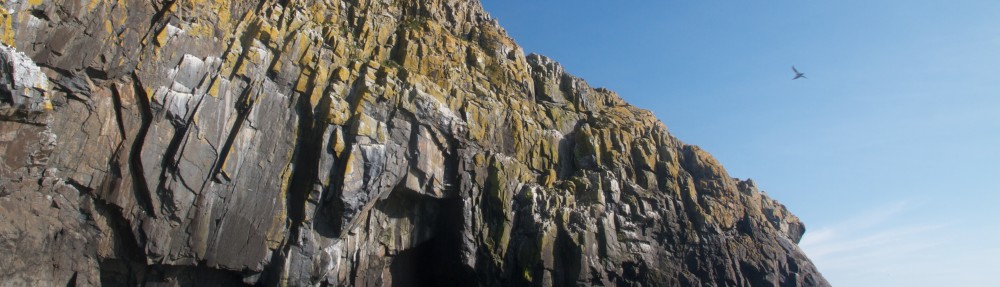
One last journey down the wooded track, now starting to be overgrown by the bracken and bramble. It is high summer and there is a heat I haven’t felt here before. This time there are no blackbirds guiding my way on the wing and the only sound is the undergrowth being brushed away by my car. As I break out into the harsh light of the open fields and walk to the river, the air is still and the birds are hushed. An occasional call of a flitting bird breaks the calm but not the cacophony of spring. The flowers are almost gone with the foxgloves dying away and the irises finished; only a few marsh woundwort remain. The insects are here though, the crickets and grasshoppers calling from the long grass, butterflies by the dozen dancing around the meadows and damselflies chasing each other above the river. Perhaps it is the recent heat and the lack of rain, but there appear to be the first tentative signs of autumn in the valley – with the brambles weighed down by a bumper harvest of blackberries and the bracken starting to turn brown. But this is the height of summer, we may be almost two thirds of the way through the season but this is the peak of the heat. The young ospreys, now fledged and learning their trade in the air, now seem to spend their days hiding from the sun beneath the large trees around the nest or wandering further afield to strengthen their wings and seek new lessons.

 6

These were my last two shifts of the year down at the Glaslyn osprey protection site. The last three and a half months, and nine shifts, have shown the changing seasons as much as progress of the breeding osprey pair and their chicks.  The scenes in the valley have gone from the grey dampness of late winter, through the clean and freshly bright colours of the new leaves and flowers of spring, to the dazzling brightness and drying land of high summer.

I was first to see an egg in the nest this year but missed the hatching. I retuned to see three gawky reptilian chicks only a fortnight old and on each subsequent visit, with weeks in between, they have grown larger and more confident, until now when they are as large as their parents and just as magnificent.

During these two shifts, I spent quite a bit on time in my favourite spot – sat on the bridge, feet dangling. With the river now at the lowest I’ve seen; it’s hard to imagine during the spring that it was close to the bottom of the caravan, high up and far from the water. I spent time watching the fish, from shoals of small minnows to larger fish hiding under the bridge. The insects chased around, hovered and landed on the weed and the birds gathered food from the surface or beneath the slow moving water.

 2

Well, that’s it. I get back in my car, opening the windows, a breeze washing in from across the fields. It’s with a sense of melancholy that I turn on the ignition and start my journey home, but there is also a sense of satisfaction of being involved in another successful breeding season for the Glaslyn ospreys. I have played only a small part compared to the other volunteers, who have made such a great start to the running the community interest company that now watches over the ospreys and shows them to the public. However, its all now down to the ospreys themselves; will the parents return for another year and how will the youngsters cope on their first long journey down to Africa and will they also return, in two or three years time, to breed themselves?

I slowly make my way back up the track, windows still open to let the last sounds of the valley in. The trees soon to be changing to their autumn colours, the bracken to die back, the other birds to seek their winter homes and a silence to descend over the land once more. I cross over the cattle grid and pull out onto the main road, accelerating away, not to see that old track through the woodland again until next spring.

 7

The viewing site will be open to the public on selected weekends until the end of August.  For more information, click on the following link:

Bywyd Gwyllt Glaslyn Wildlife

Battling through a Breeding Bird Survey

I’ve just finished the fourth and final visit to Cheshire Wildlife Trust’s Blakenhall Moss Reserve to undertake the Breeding Bird Survey for the site.  Wandering around a nature reserve recording the birds heard or seen, seems like an idilic way to spend an early morning in summer; however, it was a bit of a battle today.

Image

As I’ve mentioned before, the Trust bought the site last year and has blocked the drainage channels and cleared the majority of the woodland to hopefully restore the Moss to its previous bog-like state.  This has brought about a transformation to the reserve, which is now open in the centre and has large areas of standing water.  Throughout the time I have been doing the surveys (March, April, May and June), the raised water level has provided a few obstacles, with water overtopping my wellies, hidden timber to trip over and mud to get stuck in.  With the undergrowth having grown so much over the course of the spring and early summer, the brambles and nettles now also provide more obstacles to get over, through and around.  All this is then added to by the lovely mosquitoes which seem to like me quite a lot and they followed me around and bit me for much of the hour and a quarter it took to complete the survey.

With the final of the four visits completed, I can now submit my records to the Trust.  In total, over the course of the four visits, I noted 35 species, with a reasonably consistent number (26, 25, 23 and 26) recorded each time.  Of these species, five were confirmed as breeding including:

  • Mallard (destroyed nest found in March)
  • Great Tit (fledglings seen today)
  • Canada Goose (four goslings seen today)
  • Coot (three chicks seen today)
  • Buzzard (at least one chick heard in a nest today with an agitated adult nearby)

Image

I also recorded 16 ‘probable’ breeders; this is based on the numbers seen either during one visit or a number of visits, pairs seen or agitated behaviour indicating a nest may be nearby.

Also of note were seven species that are unlikely to have been breeding at the site last year but have now been attracted by the new areas of water; these species include mallard, canada goose, coot, greylag goose, little grebe, grey heron and lapwing.  Of course, with less tree cover at the reserve, the number of woodland birds will have decreased significantly since last year but hopefully only in total numbers of individual birds and not species.

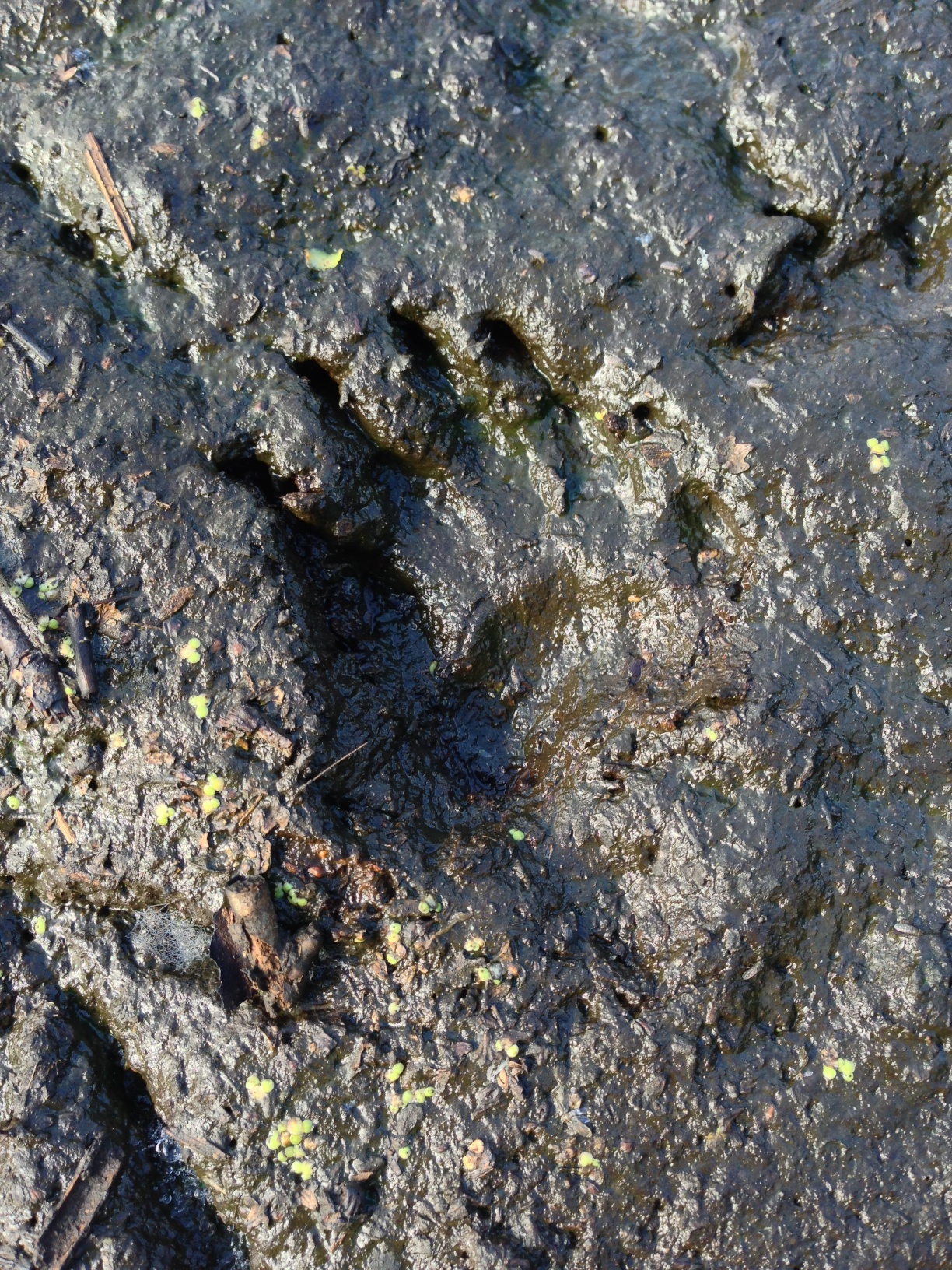
While I was at the site, I also recorded three species of mammal, either by seeing them (rabbit) or finding signs (mole hills and badger tracks – see below).  I also noted small white and spotted wood butterflies.

Image

I’ve really enjoyed doing the surveys for the Trust and I’ve learnt a lot over the course of the surveys, both at Blakenhall Moss and the same surveys completed at the Bagmere reserve – hopefully, I will be able to continue doing the surveys next years – now I just need to find some new activities to fill my weekend early mornings!