
I’ve been to Sweden in most months of the year but never before stayed for longer than a weekend in the autumn. To make up for that, we have just spent over a week staying in rural Sweden to see what its version of the season of mist and mellow fruitfulness is really like – it didn’t let us down.
Staying as we usually do, in a summerhouse deep in the countryside of central Sweden, we spent days wandering the land, experiencing the season getting into full swing.
We visited the Hälleakogsbrännen nature reserve, went to the Bergslagen forest and walked through the woods and lake edges of Färnebofjärden National Park. At all these locations we went looking for wildlife, seeing the scenery change with the season and partaking in some very Swedish activities.
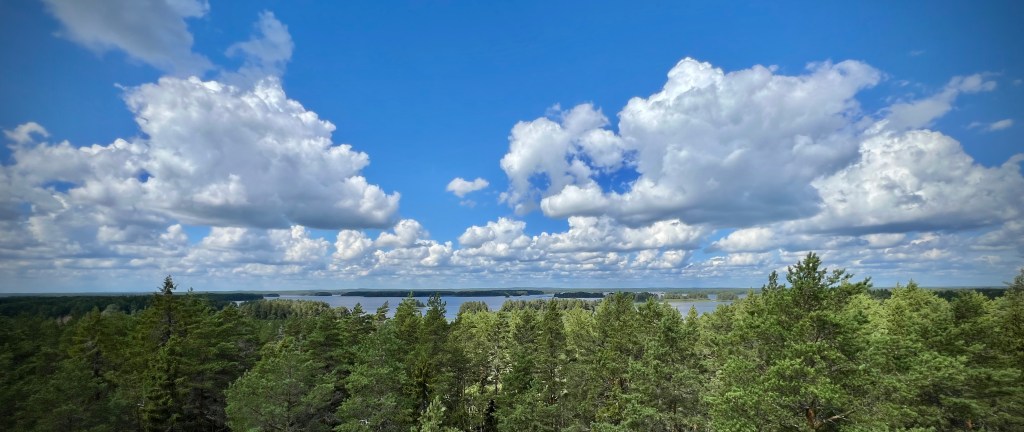
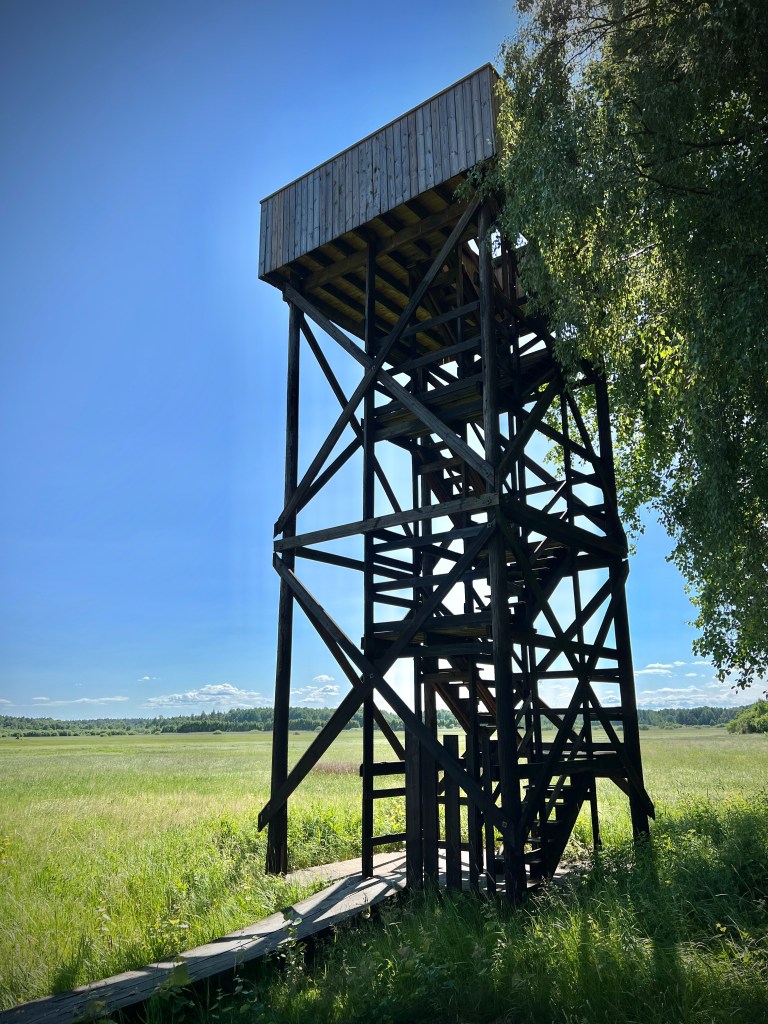
Hälleakogsbrännen is a fascinating nature reserve covering a huge area affected by the major forest fires of the summer of 2014. I’ve visited the reserve a few times now but hadn’t been there for two or three years. The gap between visits gave us a dramatic show of nature’s return to an area so badly affected by fire. Much of the land is now covered by thick birch and fir scrub which is starting to enclose the views. The authorities have built a boardwalk up to a high point upon which they have erected a watchtower. From there visitors can see across the vastness of the forest fire site but also how life is now strongly returning over a decade on. With the autumn colours starting to show, the growth of the birch woodland was clear to see.


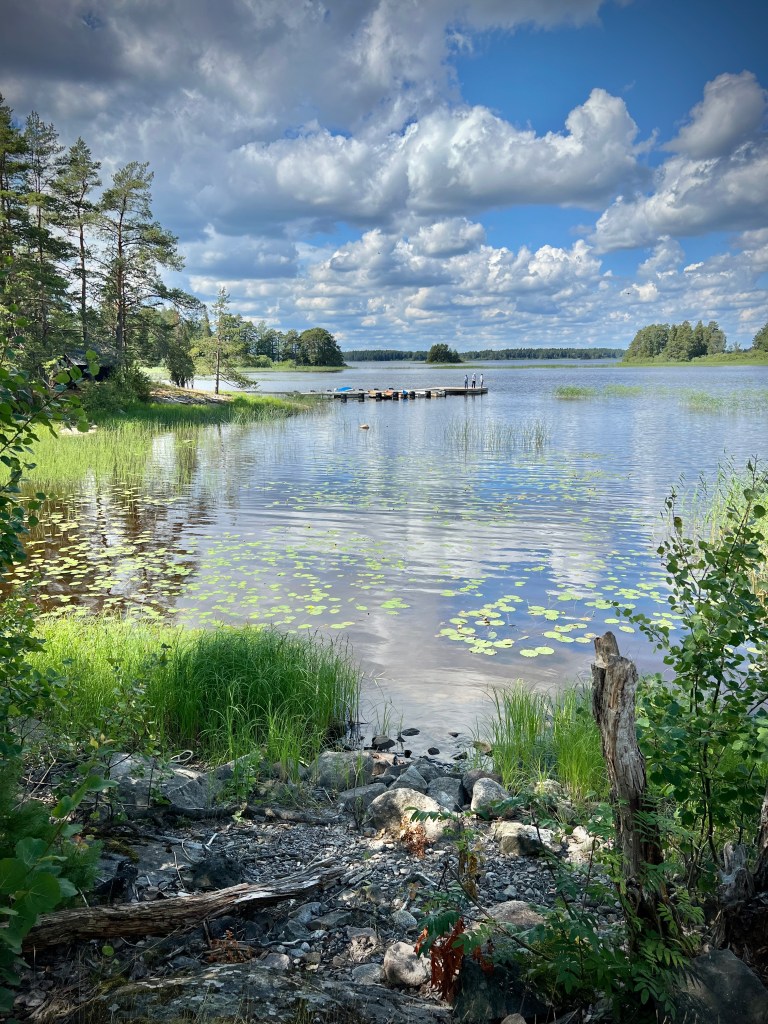
It was here that we did the second of the very Swedish activities, grilling sausages on an open fire next to a lake. This followed the first activity enroute; eating a cake for a late morning fika. Grilling in the wild places of Swedish is one of my favourite things to do; making a fire at one of the many fireplaces located across stunning locations, cooking sausages and eating them looking over a forest, river or lake.

Our trip to the Bergslagen Forest, specifically within the Malingsbo-Kloten nature reserve, was primarily to see if we could find European Elk, however, our driving amble through the low hills and alongside the lakes gave us other sights. We stopped at the Skräddartorpsfallet waterfall and went for a wander through the woods to the north of Kloten. We spent time on the walk doing another very Swedish activity; picking lingon blueberries. Our good haul of lingon accompanied meat balls and mashed potato the next night, both in the cream sauce and as a sauce themselves: food doesn’t get much more Swedish than this.
As darkness began to fall, we drove slowly along the forest tracks hoping to catch site of the elk (the area has some of the highest concentrations of these huge animals anywhere). However, our search came to nothing elk-wise but we did follow a mountain hare down one track for a little while which was a great bonus.


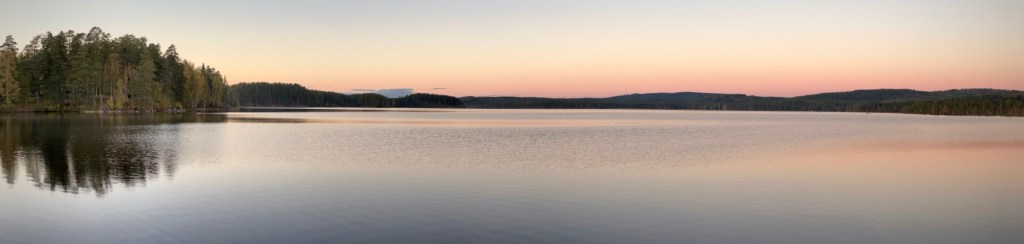
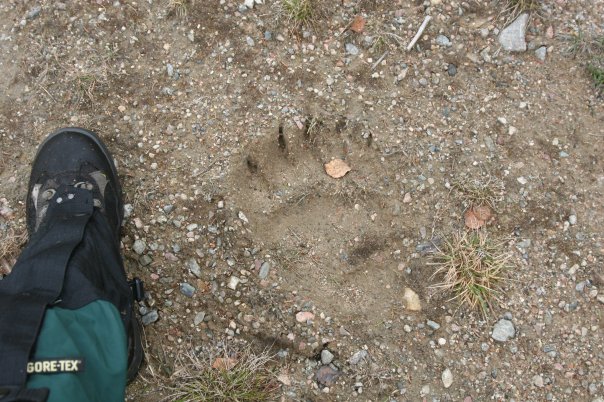
Färnebofjärden National Park, which I have written about before, is very close to where we usually stay and some parts are less than 30-minutes away by car. Our first visit was through the nearest point to us which gave us access to the quietest and perhaps most wild part of the park. We spent a few hours walking the tracks through typical Swedish forest; a mixture of deciduous and evergreen trees standing over the ground dotted by large boulders and carpeted by thick mosses and lichens. We came across a wide variety of fungi on the walk and picked a few chanterelles for our dinner. It was quite quiet for wildlife sightings apart from roving mixed flocks of tits and a few woodpeckers. However we did come across elk footprints and wild boar rootings along the paths.
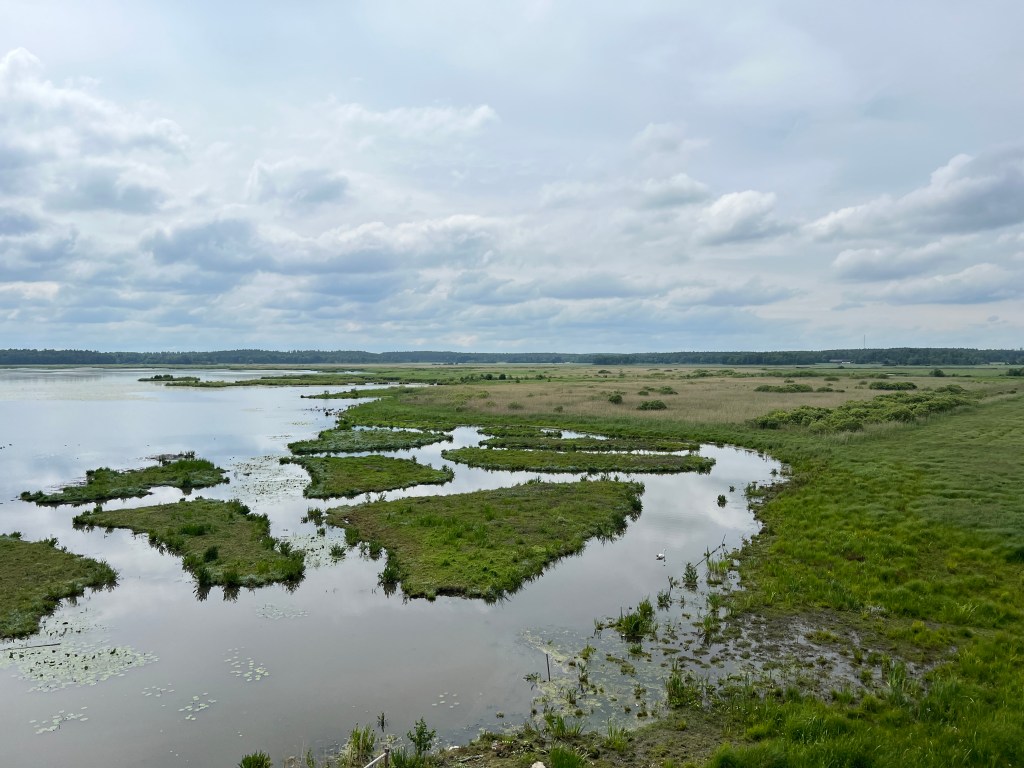
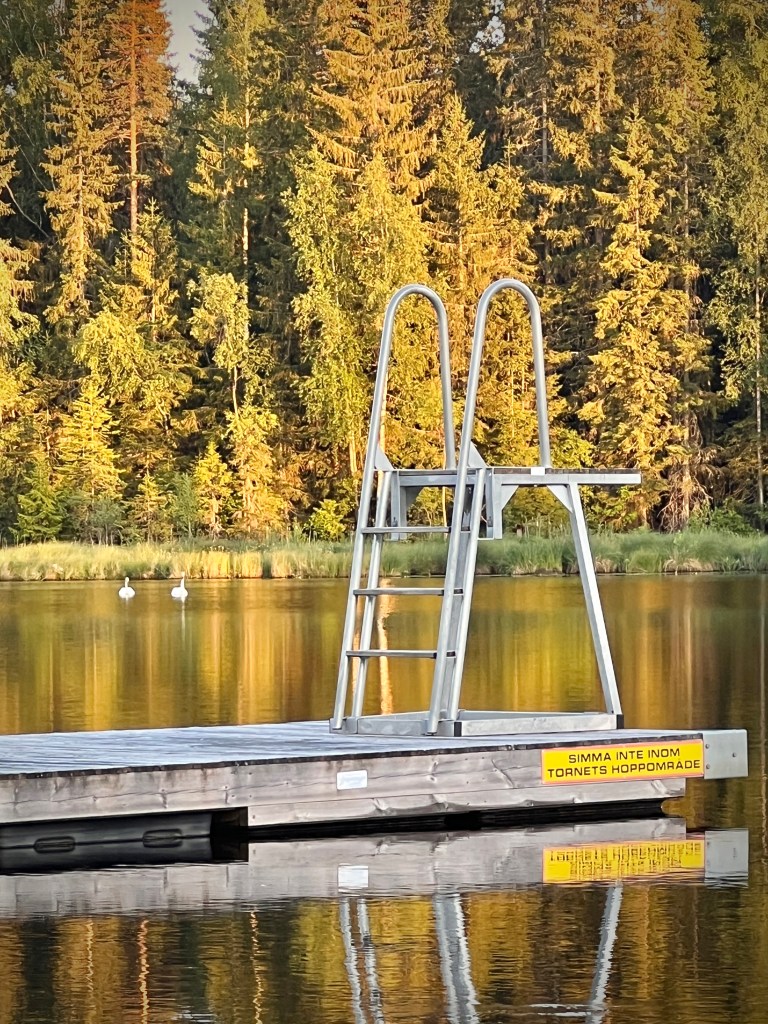
We also went to my favourite part of the national park, at Skäkarsbo, near the town of Tjärnsjö. Here you can find a high watch tower which looks out across a large part of the park, giving wide and distant views. Unfortunately, it was temporarily closed for maintenance but we made use of jetty jutting out into the water nearby and spent time in the sun looking for wildlife. It was clear that much of the summer birdlIfe had already moved south with gulls and terns conspicuous by their absence. However, we did get good views of two white-tailed eagles soaring on thermals, their tails flashing in the sunlight, before they purposefully glided off into the distance.


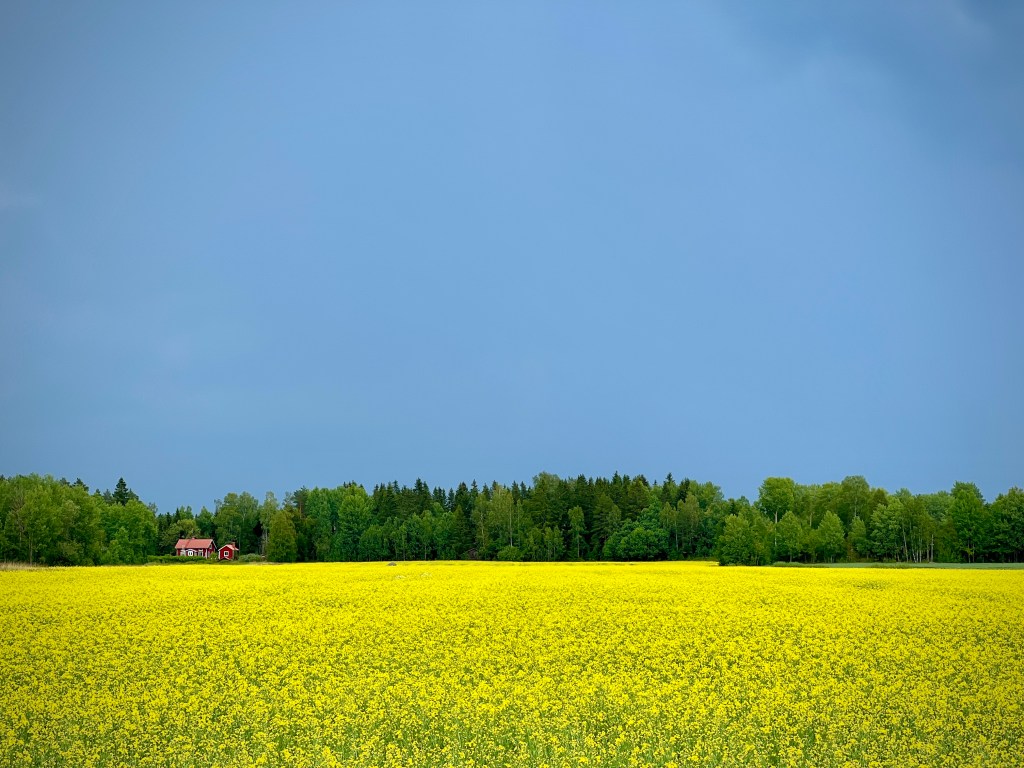
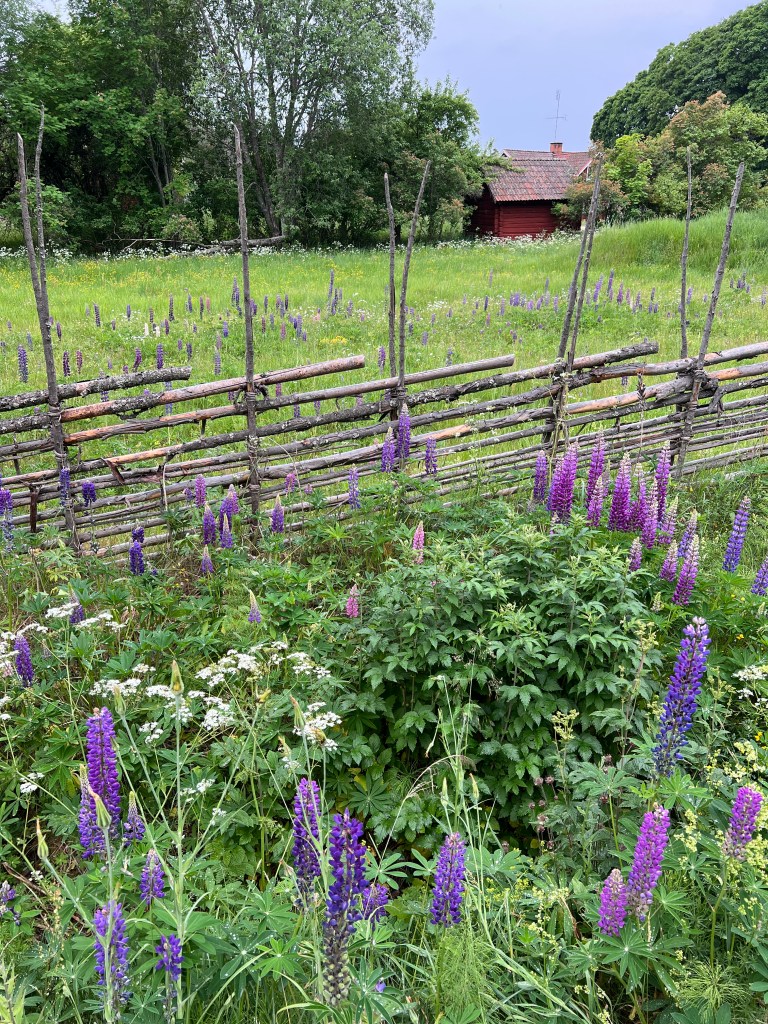
What I haven’t mentioned yet is the landscapes and scenery. The area of central Sweden in which we stay and spend most of our time is in the dividing line between the southern and northern ecosystems. It is an area of forests, meadows, lakes and bogs. The trees are a mixture of deciduous oaks, birch, alder and aspens, often in clear stands or at the edges of fields, alongside vast areas of evergreen pine forest. As our time in the area moved on, the colours of the deciduous trees changed dramatically. At the beginning of our stay. The autumn changes had only really started with the birch by as the trip progressed the other trees started to turn into a range of vibrant yellows, oranges and deep reds. The naturally sifting colours provided a charming background to the traditional red and white houses and barns that punctuate the landscape throughout the area.
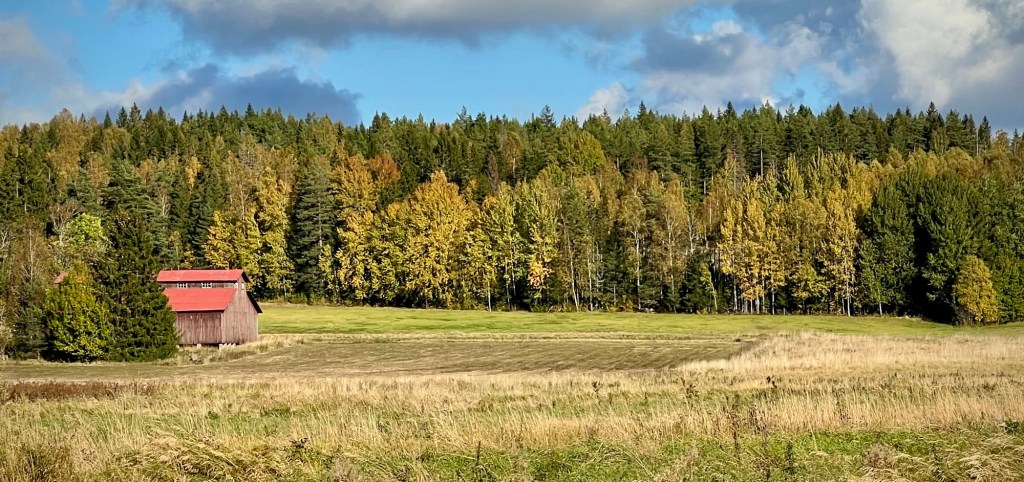


The weather made the views even brighter with most days of our stay having a good deal of sunshine and the only rain came on the last couple of days. The daytime temperatures were not too dissimilar to those of central England at this time of year, with highs around the mid-teens Celsius most days. We even sat outside in the sun a few times, with the day of our arrival being almost summer-like out of the shade. The night time temperatures did drop at times, with low single figure the norm but occasionally dropping closer to freezing.
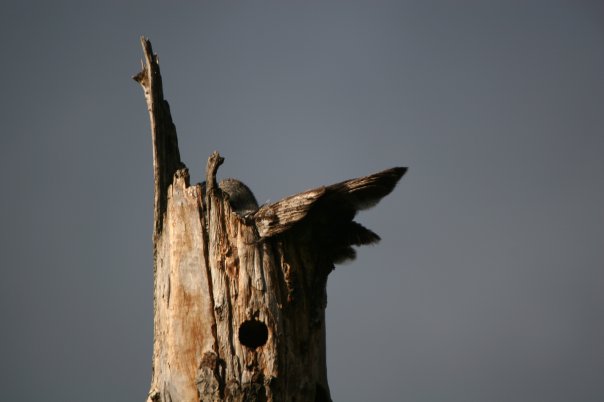
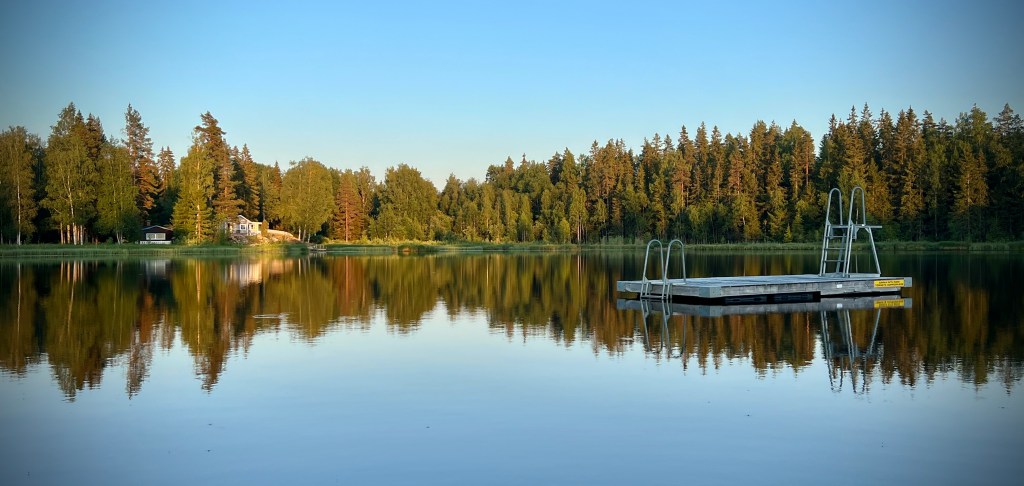
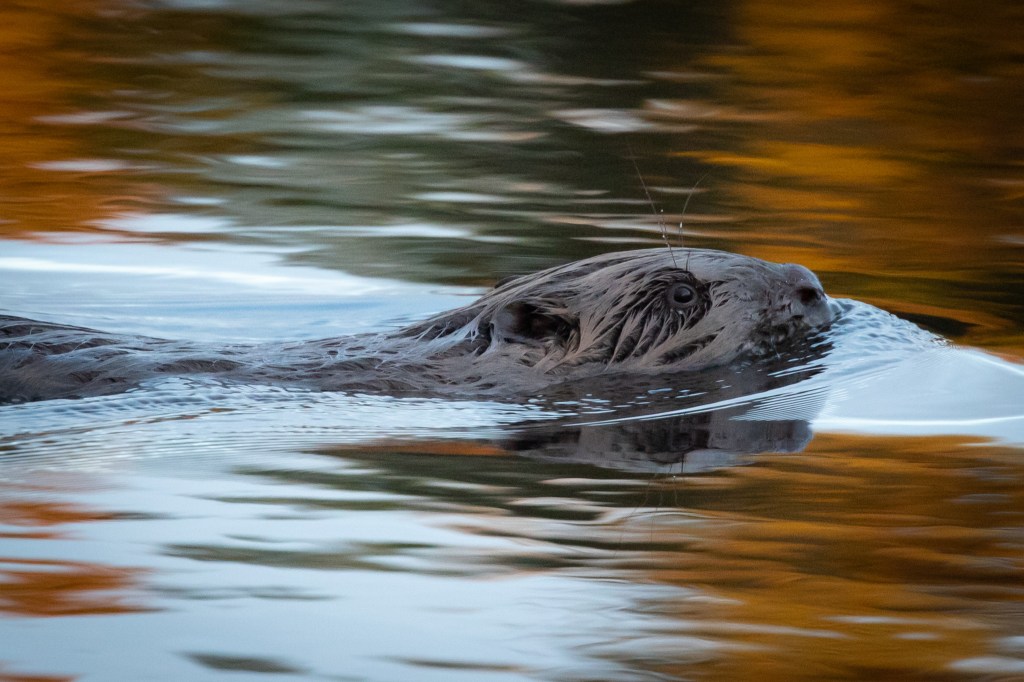
The wildlife wasn’t saved purely for the trips out into the countryside; the summerhouse itself has a great selection of birds and mammals both within the garden and in the immediate surrounding area. There was a resident brown hare in the garden when we arrived and there were nightly visits by a badger and roe deer. We also had frequent visits by red squirrels to the bird feeders, much to the annoyance of the birds. The feathered visitors included a good range of tits and nuthatches constantly on the food as well as jays, magpies and great spotted woodpeckers in the garden. Further out into the surrounding woodland were green and black woodpeckers and a frequently calling pygmy owl. Our favourite residents close to the summerhouse are the beavers in the nearby lake. After not seeing them at all during your visit last year, we saw two together as dusk on our penultimate evening. We also heard news that brown bear scat had been found in one of the garden of a nearby summerhouse recently; I’m not sure whether it would have been good to see one on our evening wanders! Perhaps it was best to leave that to our planned trip to Finland next year.
Amongst our wanderings we also came across some other notable birds of the landscape including goshawk, marsh harrier, whopper swan, goldeneye, crested tit, willow tit, fieldfare and hooded crow.
I’ve saved the best, and least expected, experience to last. Despite having visited the country throughout the year, most stays have been in the lighter spring and summer months. At these times of year, the sky barely gets dark at night, if dark at all, and it’s a joy to experience such long days. However, the drawback is you don’t get an opportunity to see one of the greatest spectacles of nature.
One evening during this stay, I stepped outside into the rapidly coolly night air to listen for any nocturnal wildlife calls. As I looked into the clear star-studded sky I saw the Milky Way above my head and off to the north what appeared to be clouds. To the naked eye, they appeared to be striped and slightly green-tinged. Having called my wife outside we both took photos with our phones. It was the start of a show of the Northern Lights!!!
Over the next hour or so, both outside the summerhouse and down by the nearby lake, we watched a flickering show of green and purple lights constantly moving in curtains and shafts across the sky. This was only the second time I’d seen them after a pretty tame show in Iceland over 15 years ago.
One night of such views was fantastic but we got a second the following night. The colours we perhaps not as clear but instead we saw rapid pulses of light scudding across the sky above our heads. This was far more difficult to pick up on our cameras, as it just looked like clouds in a still image. However, I also took a photo I had always dreamt of taking but never expected to; the Northern Lights above the summerhouse.

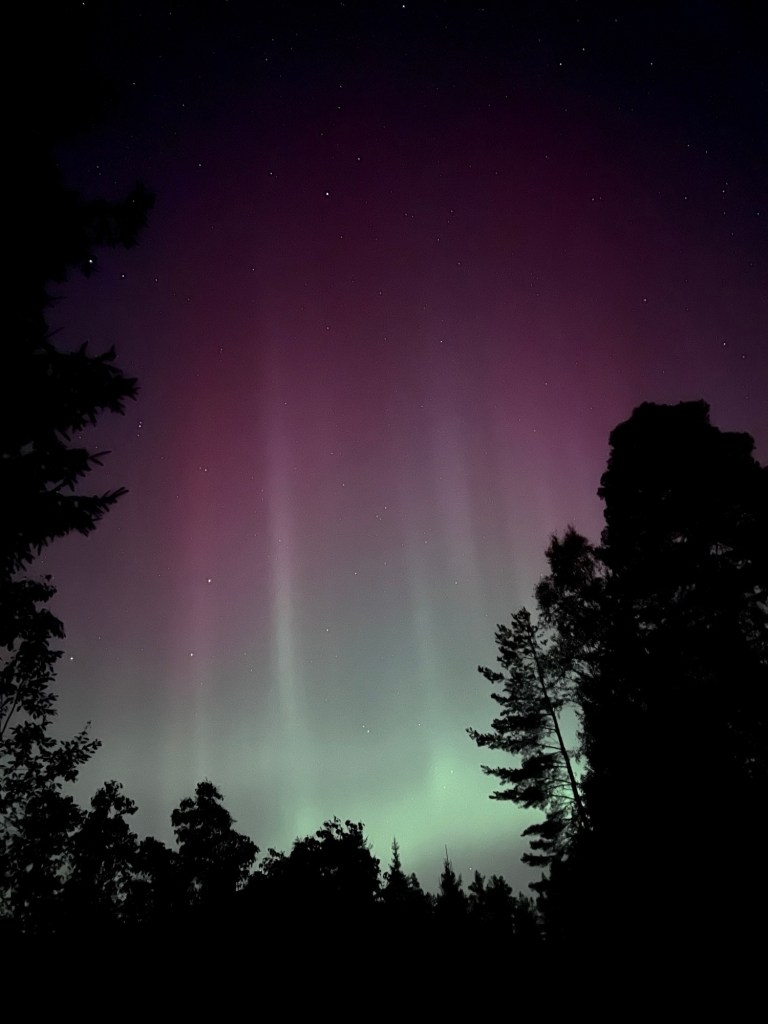

This really was the highlight of the trip but there was so much to like about our autumnal stay in rural Sweden. It was a visit truly in touch with the season, from the birds and mammals, the changing colours of the trees to picking mushrooms and berries, as well as nip in the air as the temperatures fell each evening. It was a visit that gave us a pause in our recently busy lives, to take a breath, to slow the pulse, and to feel more in step with nature’s rhythm. It felt like a celebration of cosiness, changing colours and shortening days, warmed by evening fires and hearty food.
In our morning drive to the airport, the Swedish nature gave us one last bit of joy. Travelling down the fast road to Västerås from Sala, we saw a large bird flying low over the tree tops before crossing the open fields and making its way across our view. At first we thought it was a grey heron, having seen a few during the week, but as it got closer we could make out the clear silhouette of a big bird of prey. It was a golden eagle brightening our journey home!






















 Daft Mumblings