Wolves in Finland – a dream come true

Of all the creatures in the world, wolves draw me to them more than any other. I have longed to see them for more years than I can remember and I have always thought that getting clear up-close views would be forever beyond me.

I have spent many hours on trips to Spain, Poland and Sweden trying to get even the slightest glimpse of them but usually to no avail. I have seen a wolf, twice, on separate trips to north-western Spain but on both occasions the views were distant and fleeting. On other trips I’ve found the signs of wolves including footprints, scent marking, scat and the grizzly remains of kills, but have often been a few minutes behind them and never caught up.

The first time I stood in wolf territory, in Sweden, I could sense their presence in a way I couldn’t quite understand; something in the deep pine forest, the dark lakes, the misty meadows. It felt different to move through that land knowing they were there. That feeling captured my imagination like no other animal has before or since.

So, to celebrate a rather large birthday recently, we flew to Finland to spend time looking for wolves as well as other mammals that live in the northern wilderness.

…and on one night my dreams came almost unbelievably true…

We headed to the far east of Finland to Kuhmo, not far from the Russian border. After driving out to a ‘base camp’ in the forest to collect some provisions and a couple of sleeping bags, we moved out to within 150 metres of Finnish/Russian no-man’s-land. We entered our two person hide, with its comfy benches, narrow observation windows and holes for cameras, and settled down for a 14 hour stay and what we thought would be a long, and possible fruitless, wait to see wolves.

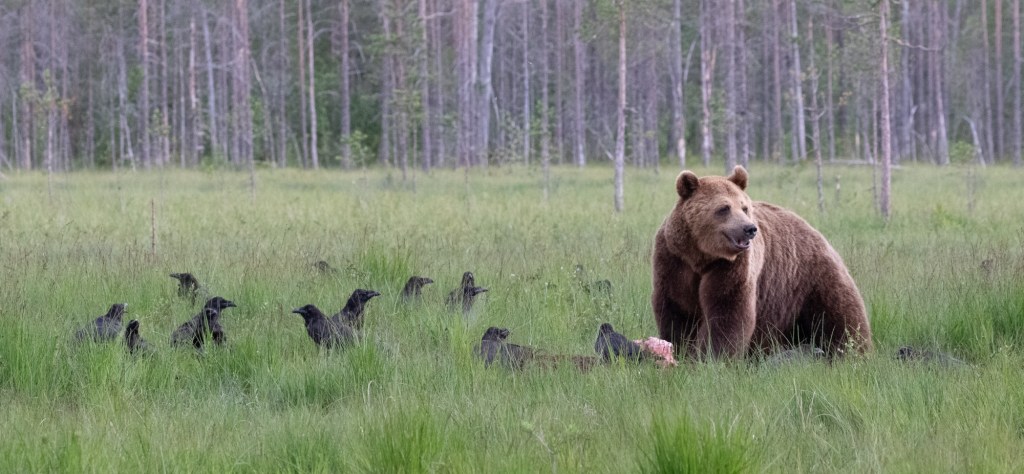
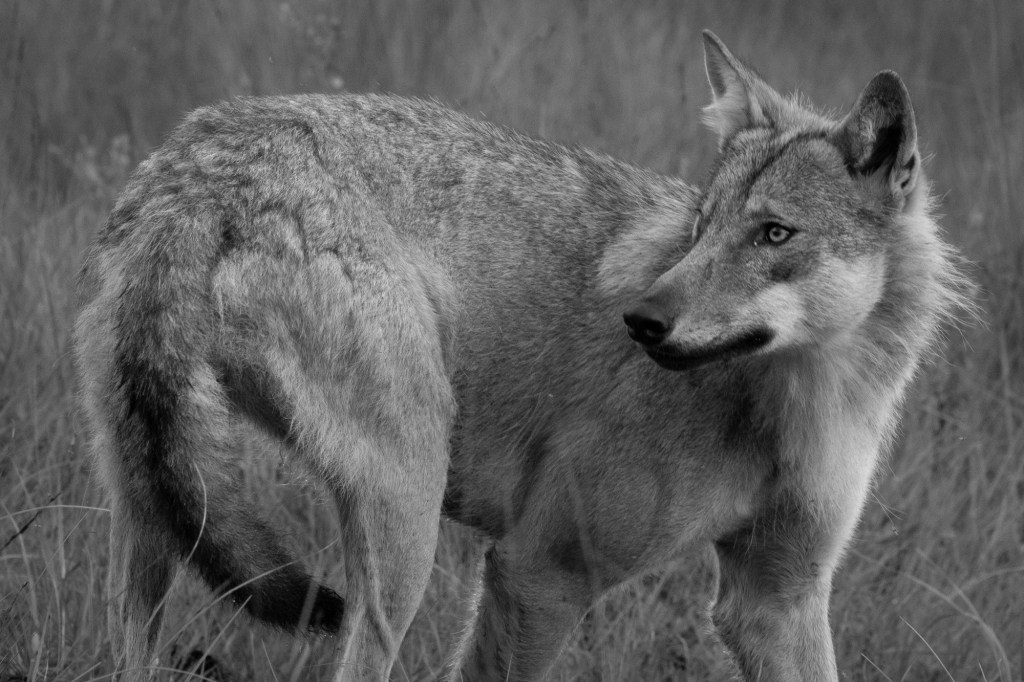
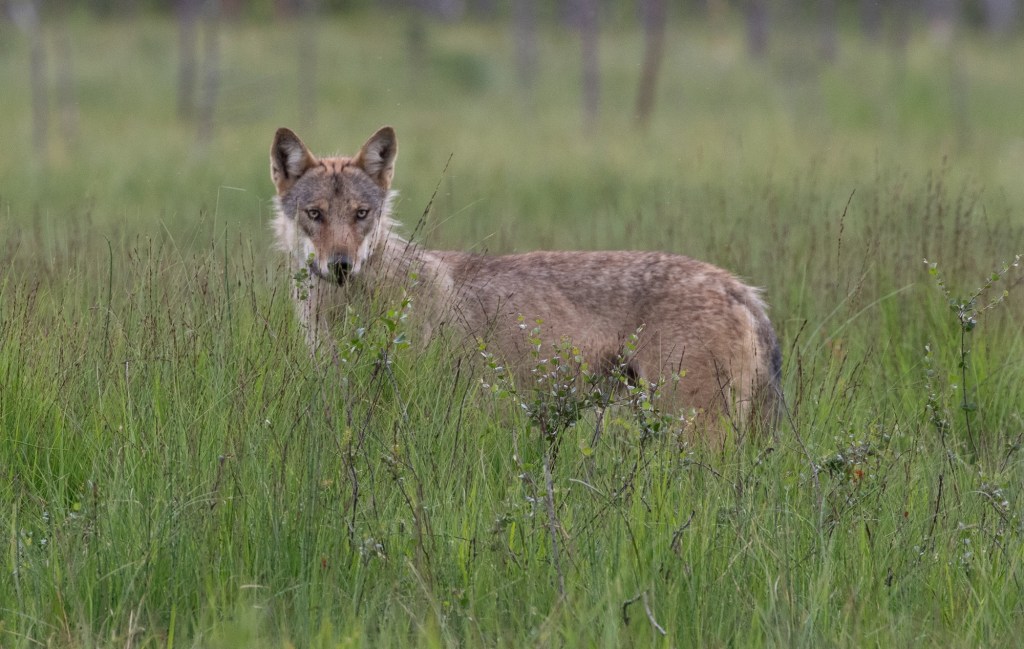
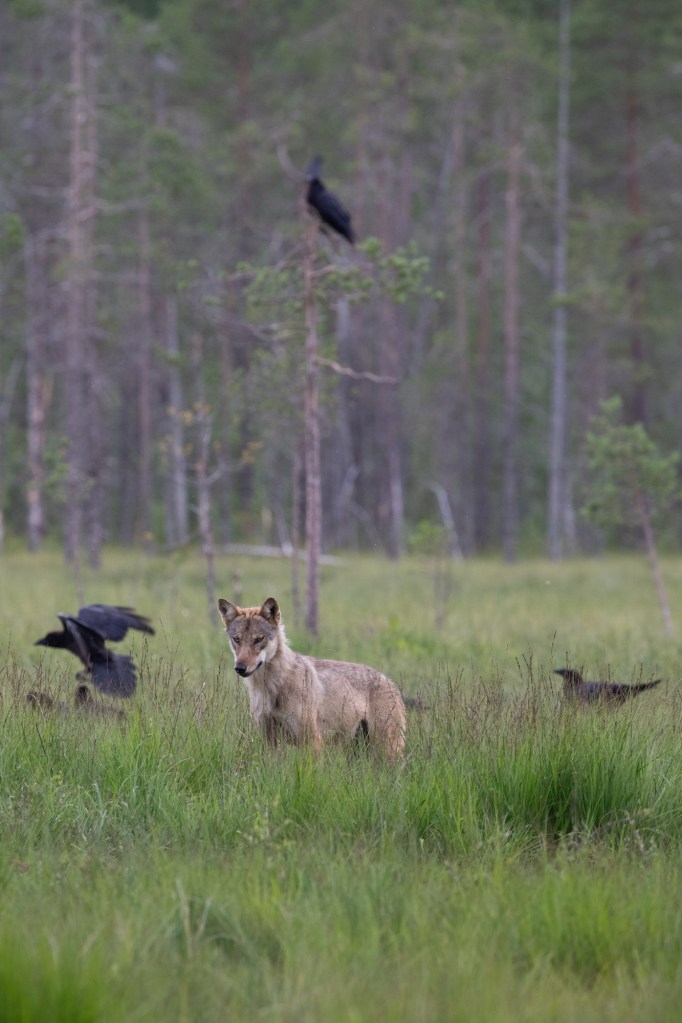
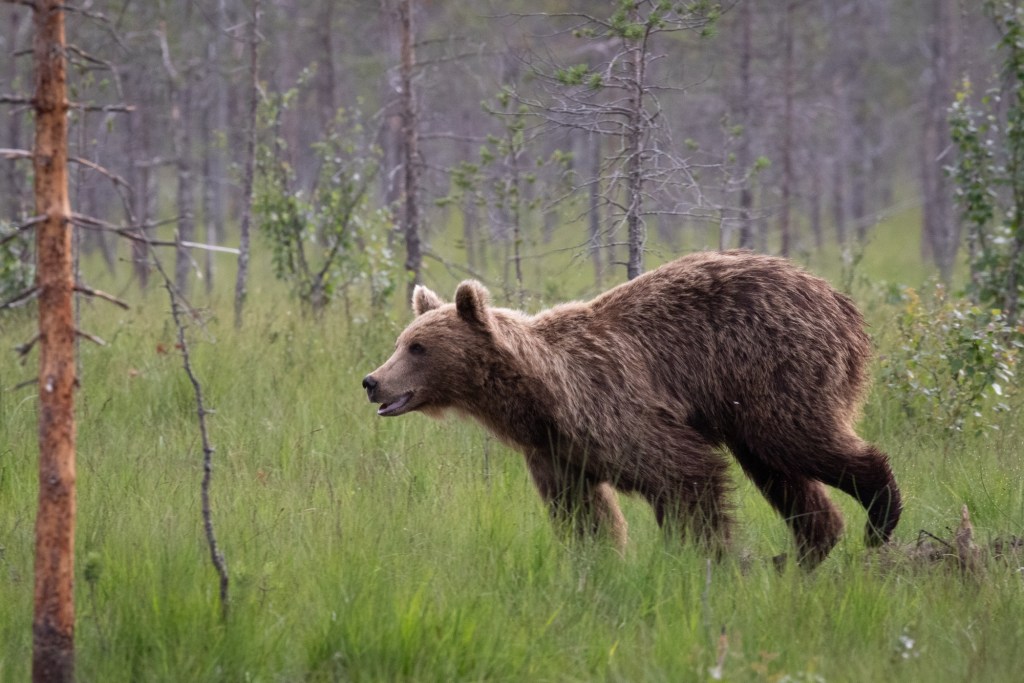
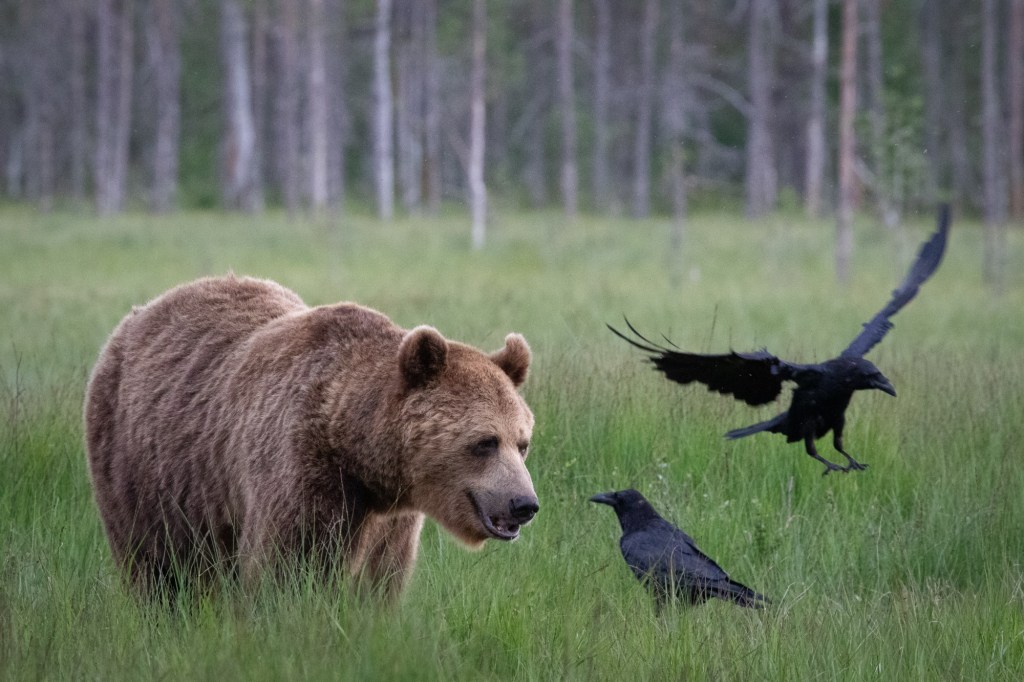
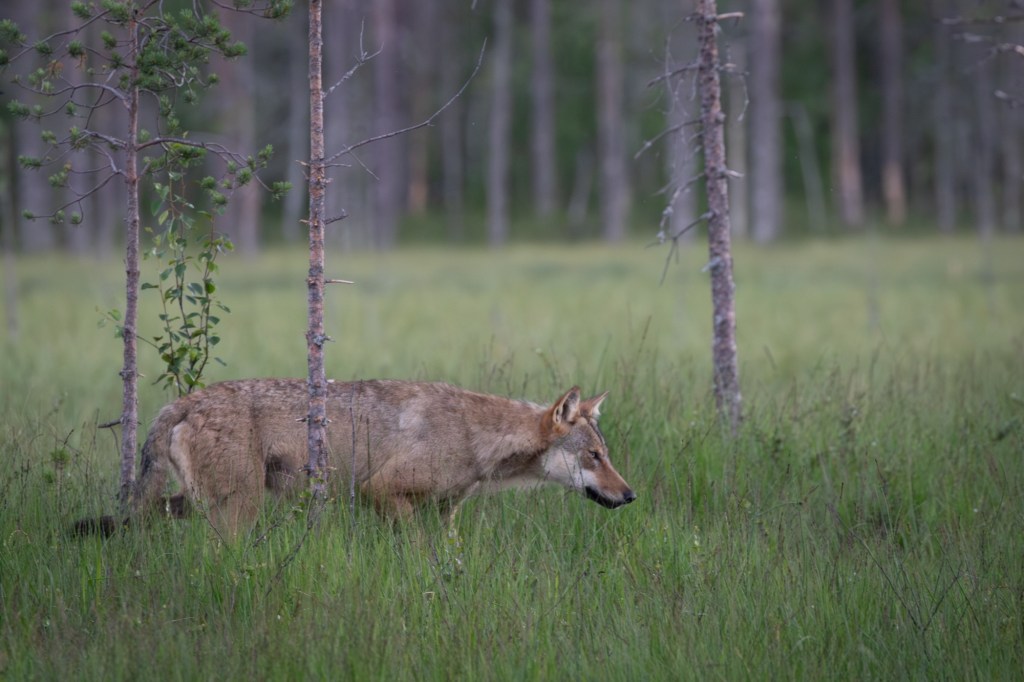
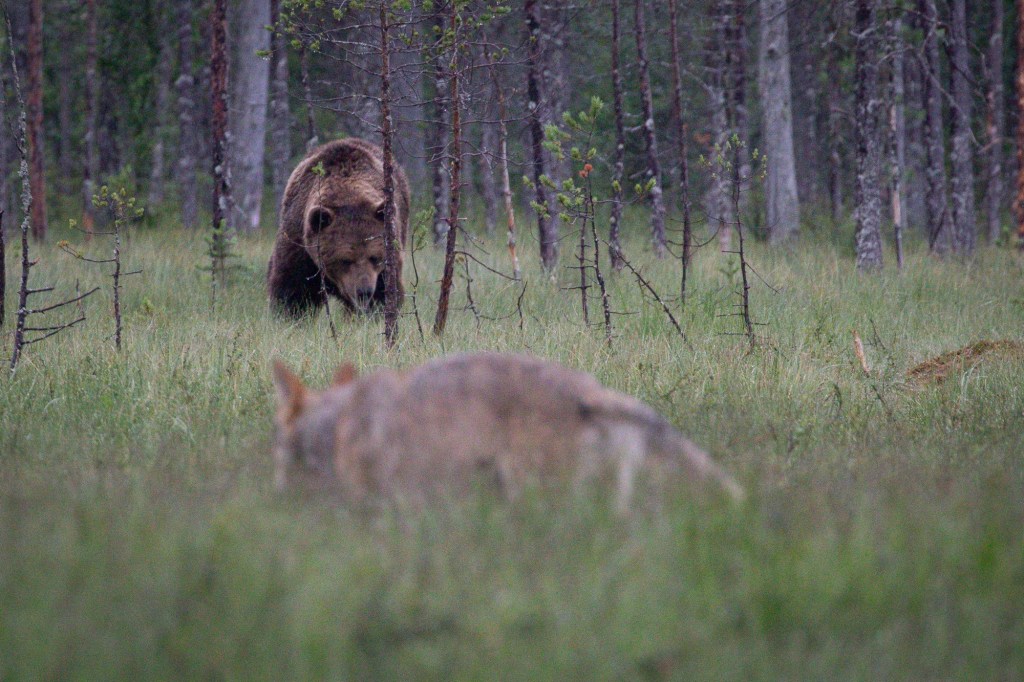
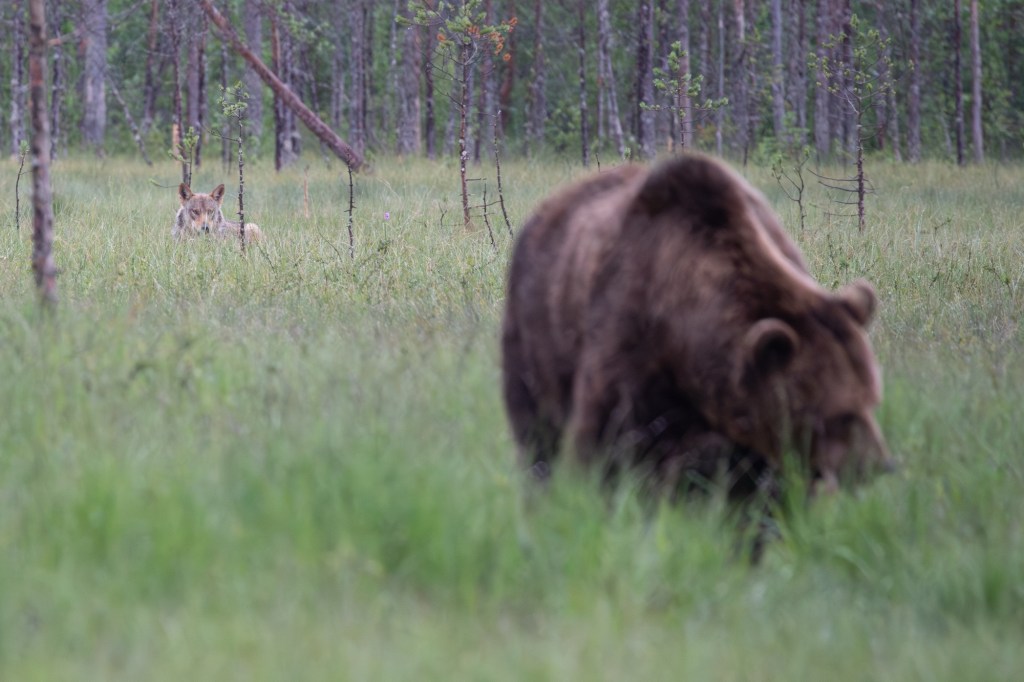
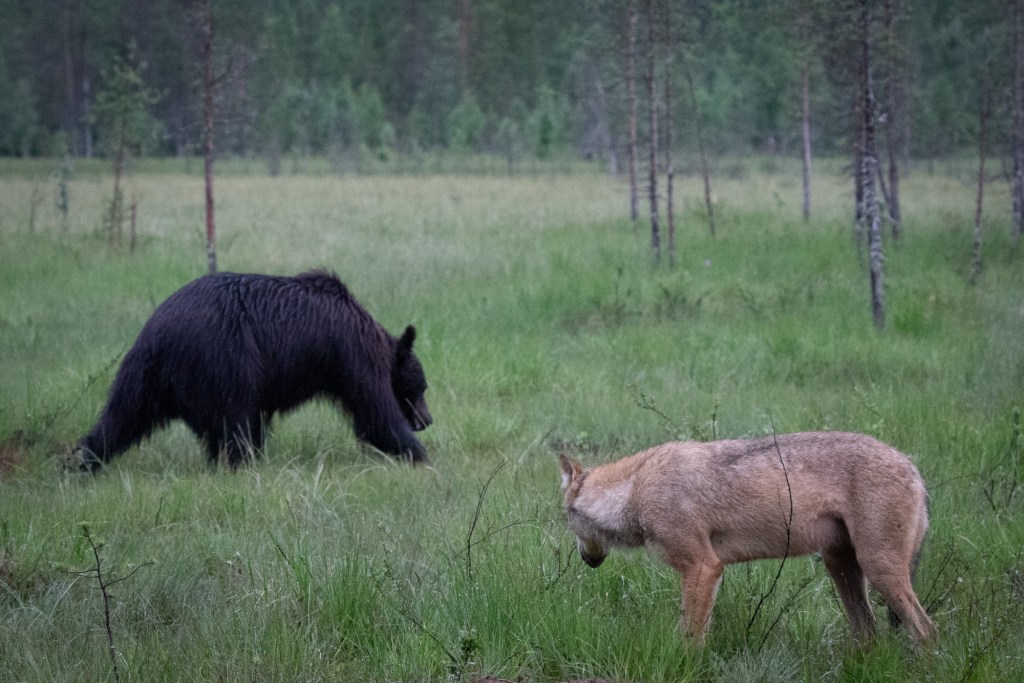
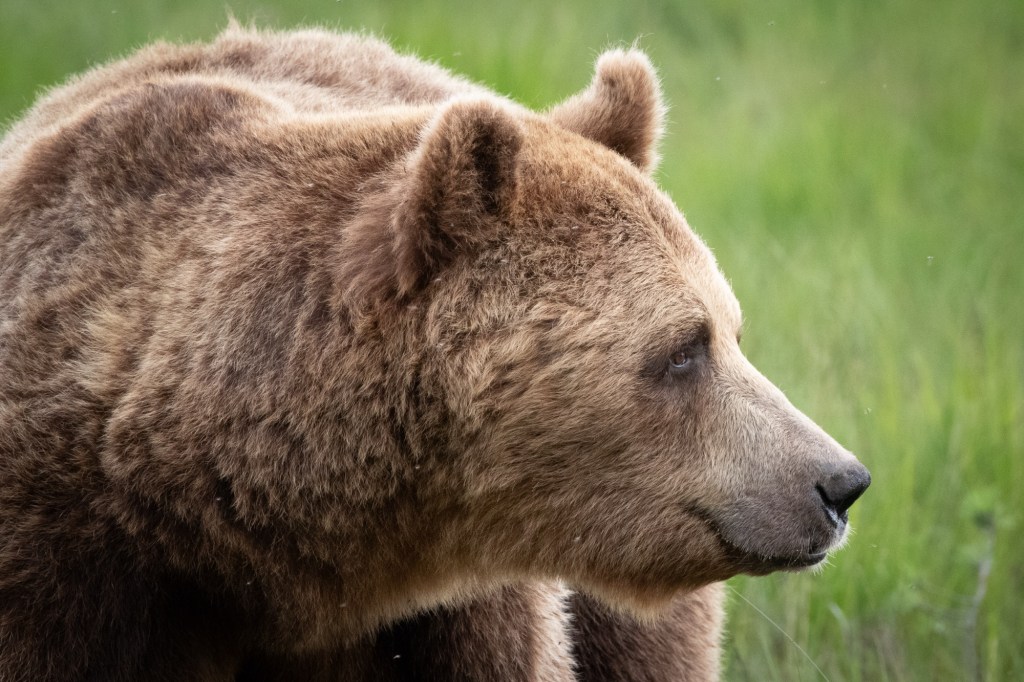
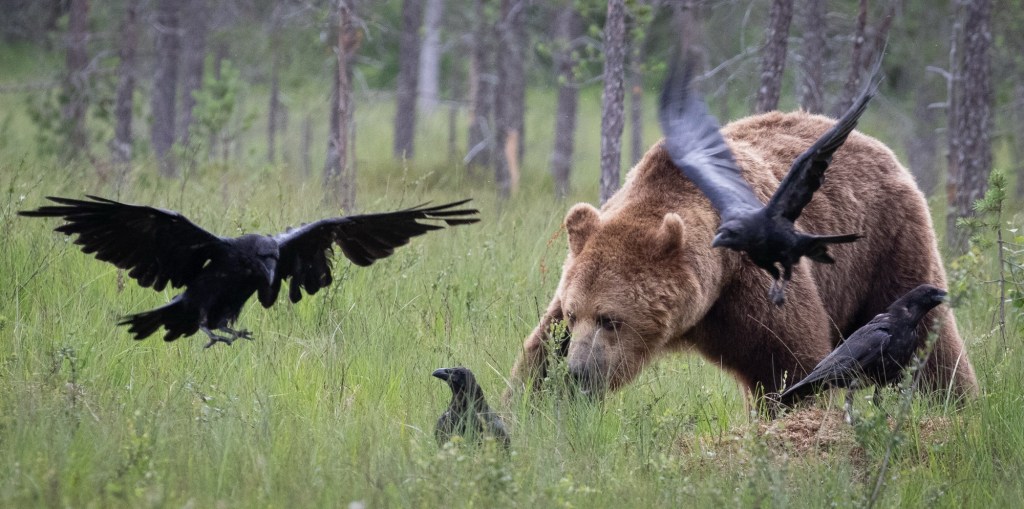
Defying expectations immediately, a brown bear appeared in front of the hide, followed shortly after by a wolf! They both checked the area right in front of the hide for some of the limited food that is put out to attract them. They appeared indifferent to each others presence; rivals in truce with the food available to both of them. Flying around them were gulls and ravens in good numbers, attracted by the bait but wary of the large carnivores.
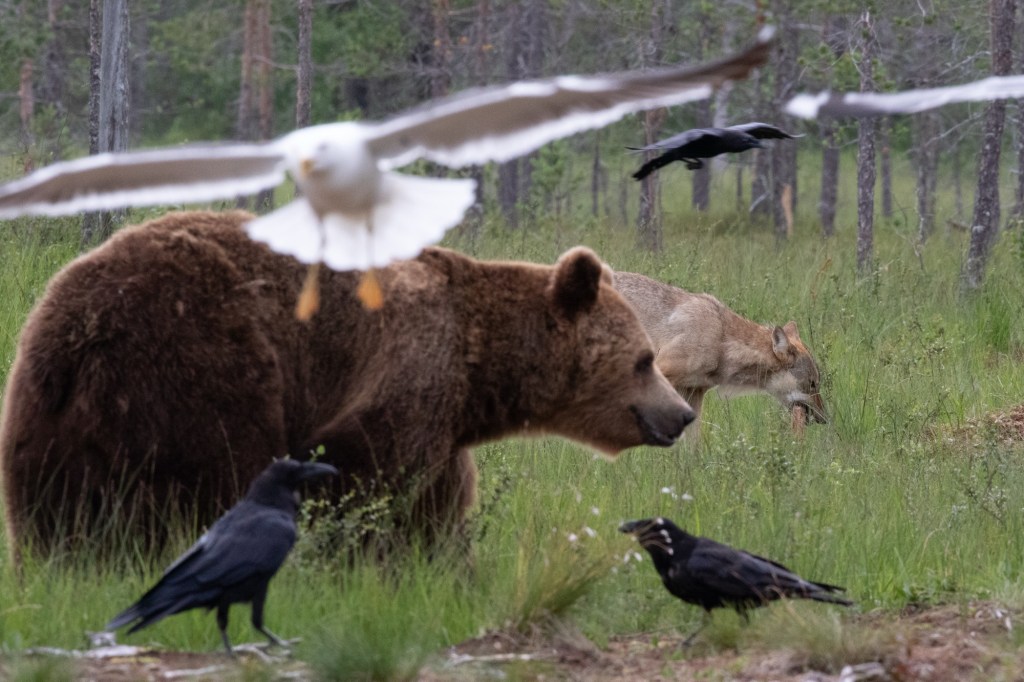
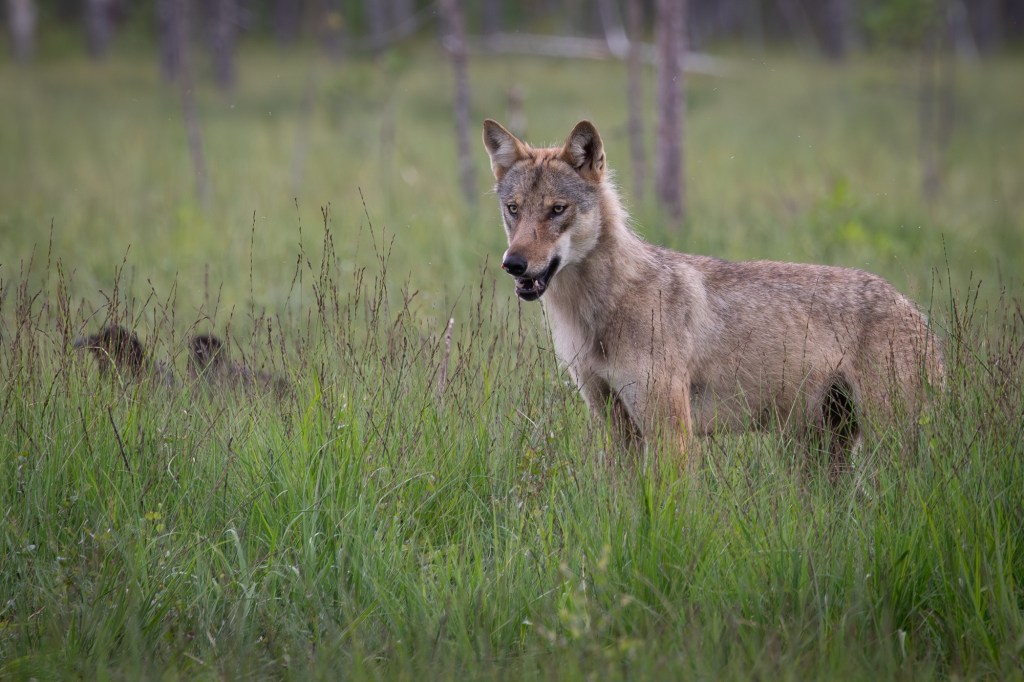
As these two wandered off, another bear and wolf appeared and checked out the area for food. The bear took a large chunk of meat and trotted off into the distance while the young wolf continued to hang around, with yet another bear appearing. The wolf soon picked up a large piece of meat itself and ran off perused by the bear into the distance.
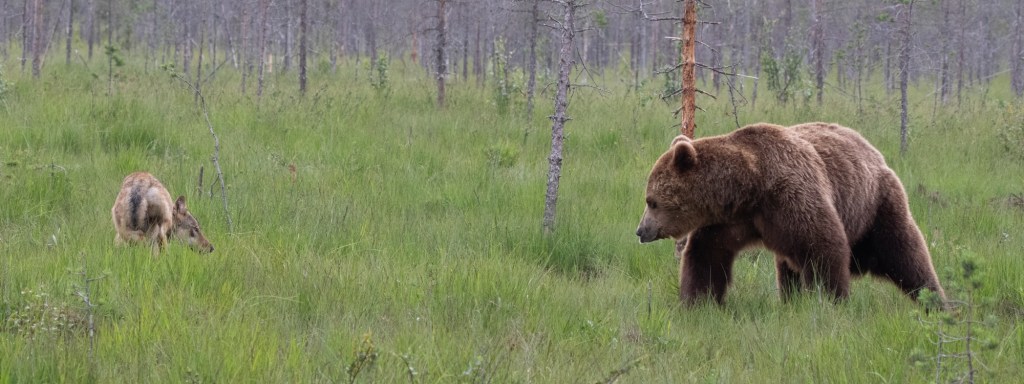
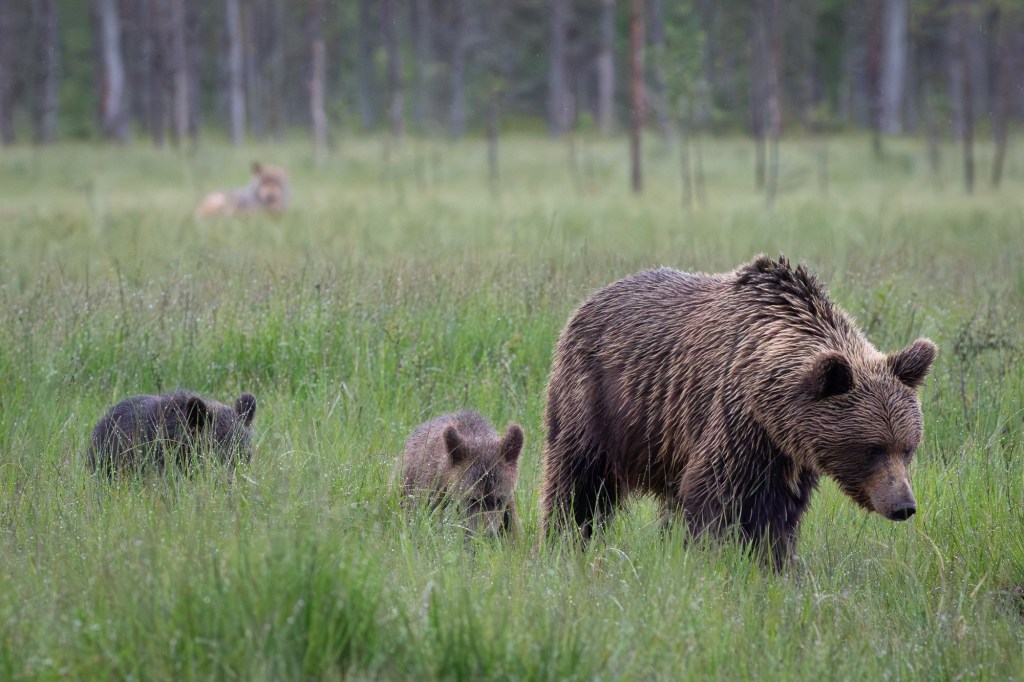
During the first few hours of watching, the cloud came in and it rained heavily. The photographs I took were given an extra dimension with the water forming beads on the long grass and changing the texture of the bears’ fur particularly.
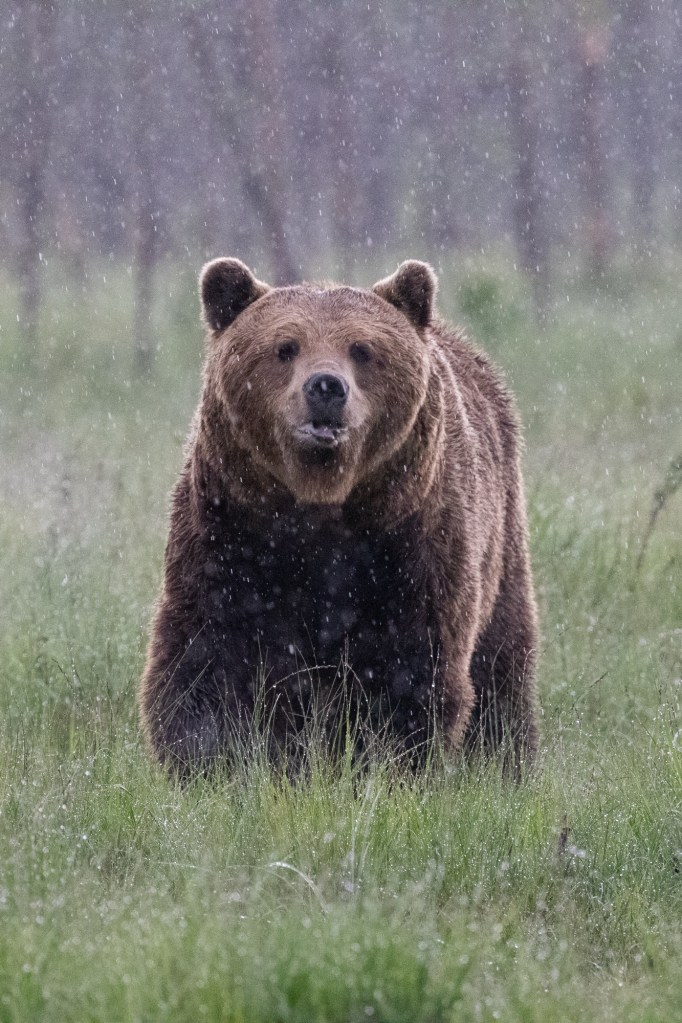
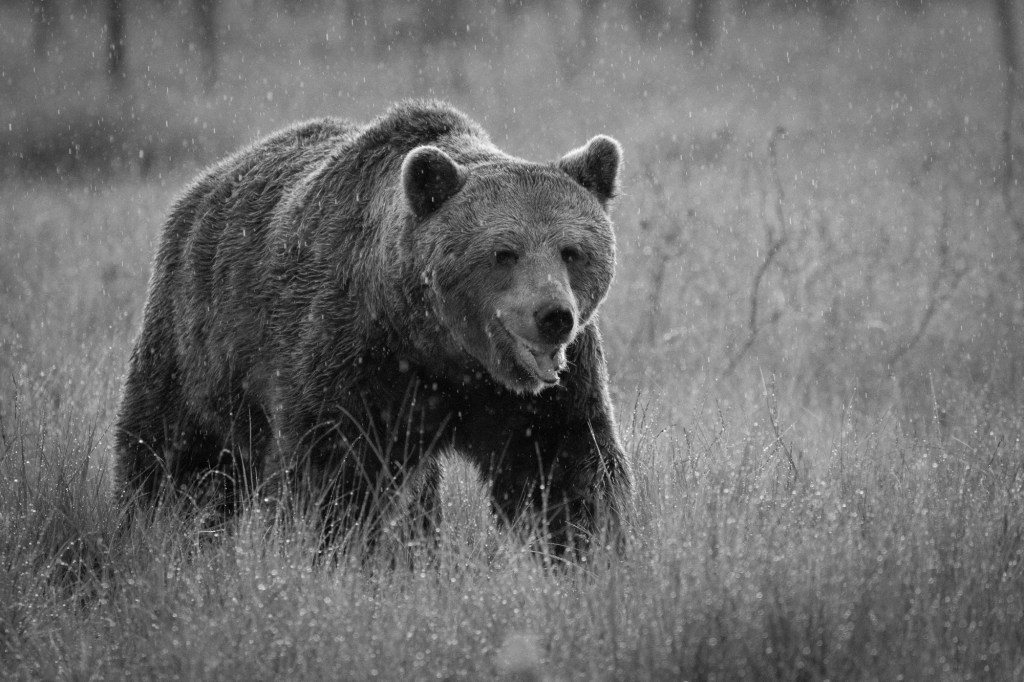
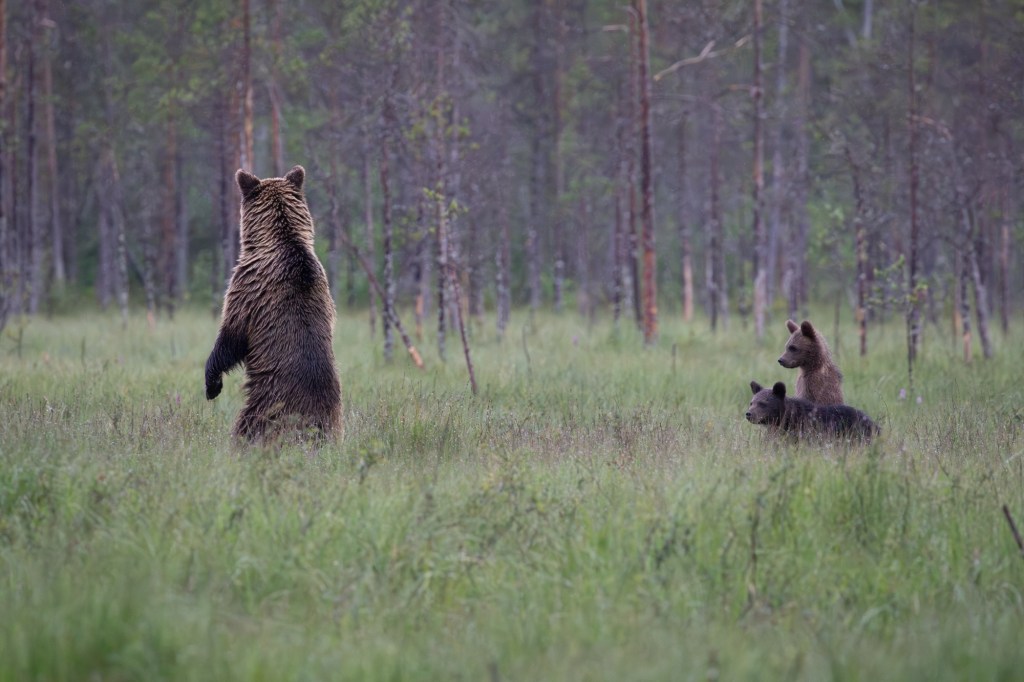
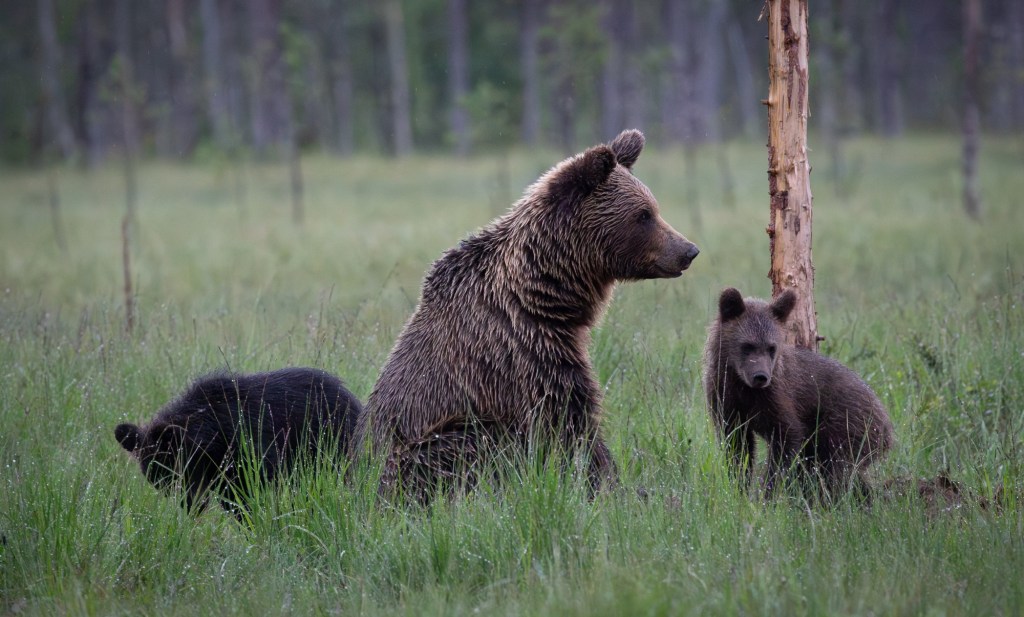
We spent around six hours from the moment we arrived at the hide, watching the bears and wolves looking for food and interacting with each other. At one stage, a large male bear appeared and wandered through looking for a meal. In the distance a mother bear and two cubs cautiously moved through the tree line. The male bear spotted them and headed off in lumbering pursuit with the mother and cubs making a quick exit. Later the small family approached the hide from a different location but didn’t stay long, wary about the presence of other bears.
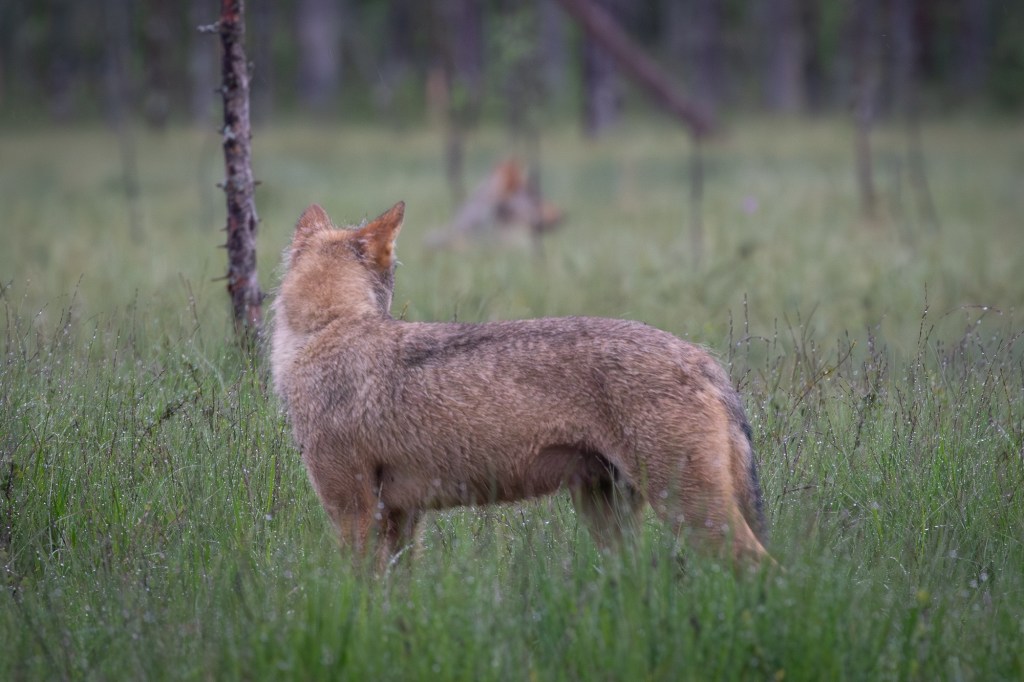
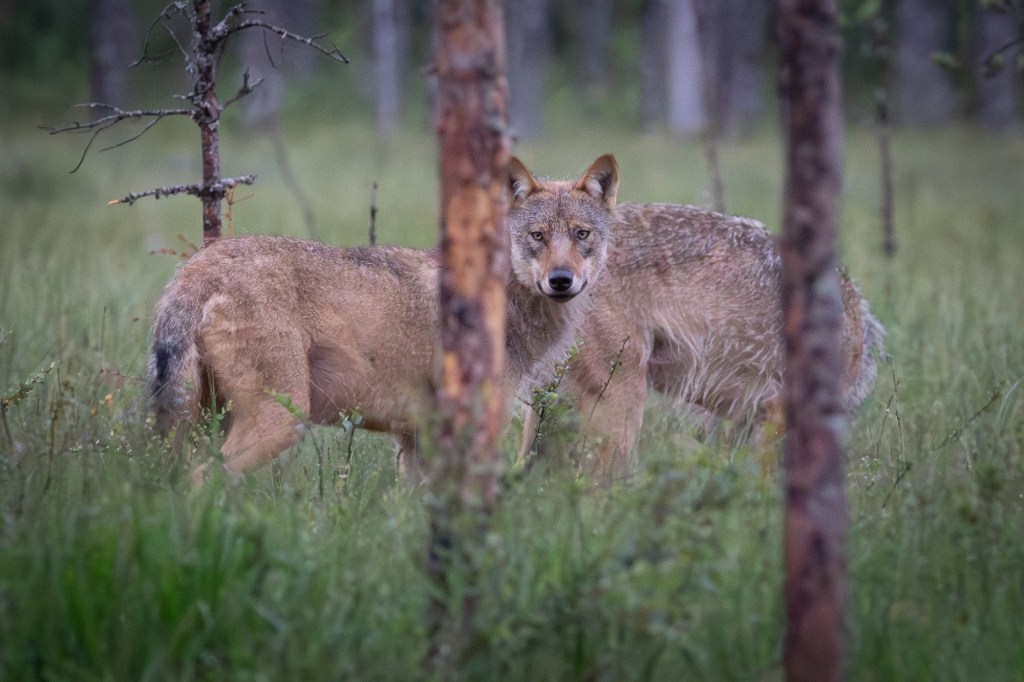
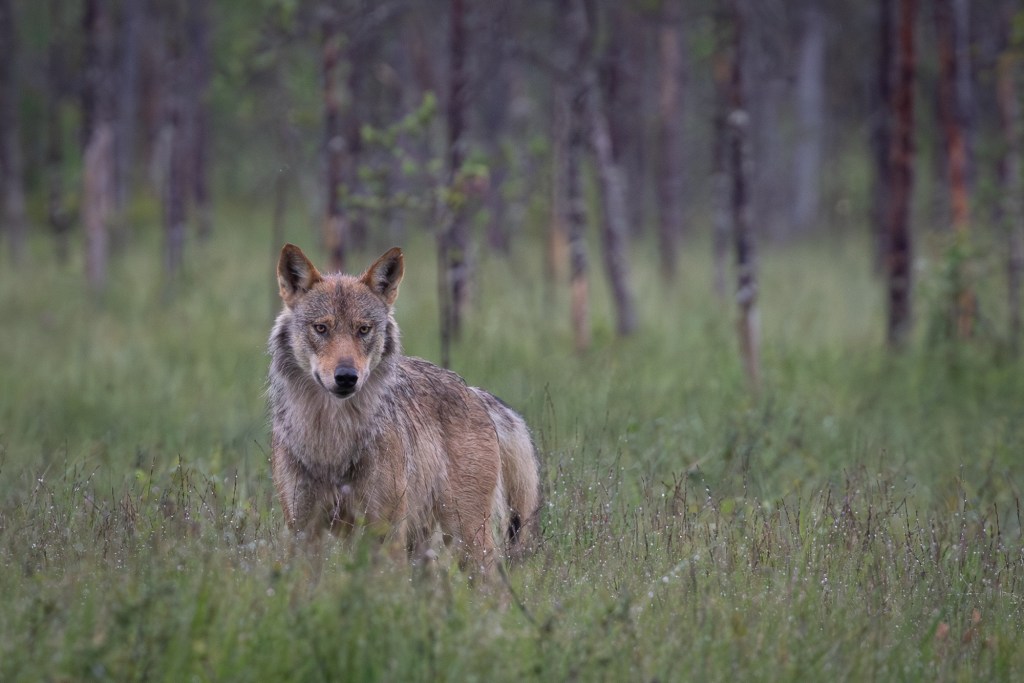
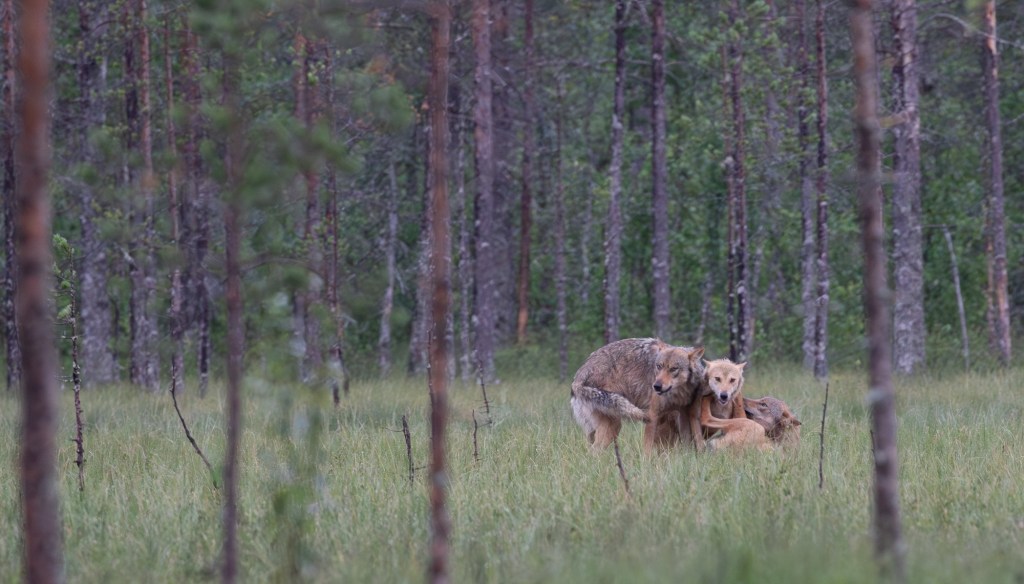
In all, we saw four wolves, the alpha male and female and two youngsters from last year. For a short while three of them came together, the small pack bonding in the long grass. One of the youngsters submissively lay on its back as the alpha male stood over it and the alpha female joined them. This stood out as a the sign of watching wildlife acting perfectly naturally, unbothered by our presence in the hide.
The tense truce between the bears and wolves finally broke towards the end of those six hours as the food diminished and the competition for that which remained increasing. The alpha pair started pestering a bear with the wolves rushing it and the bear retaliating and chasing after them. Some distance away, it was hard to see if any food changed hands but it was clear that the wolves were becoming an annoyance to the bear like crows are to the red kites that float above our garden at home.

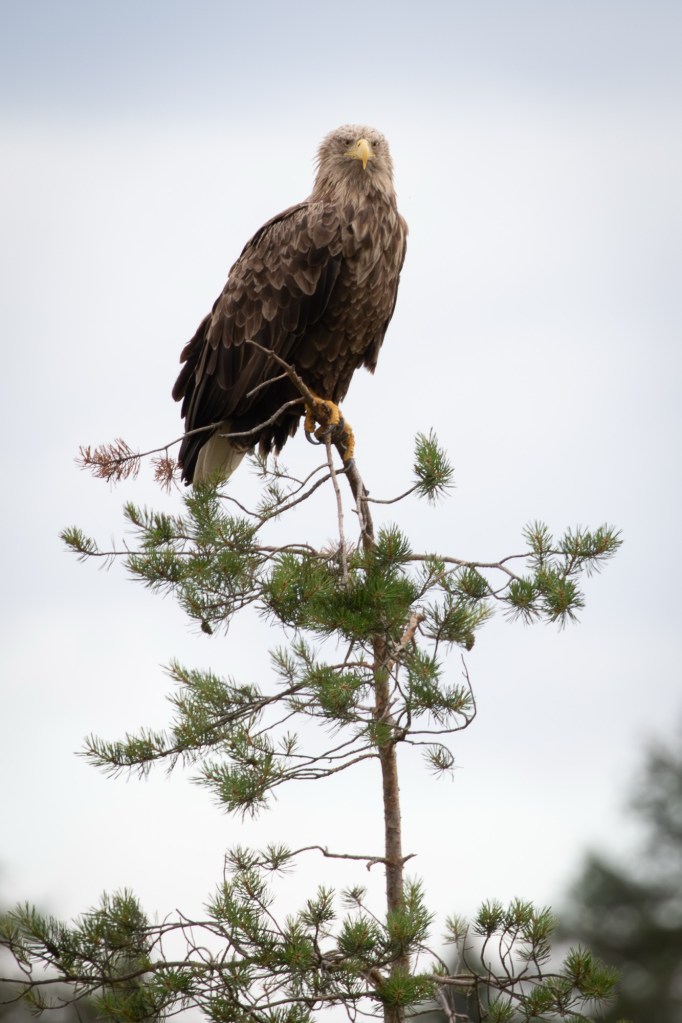
Eventually, the bears and wolves melted away into the distance and peace fell onto the area, bar the odd screech of a gull or cronk of a raven. The birds had been there throughout the hectic period with the bears and wolves and the large number of ravens, in particular, provided a backdrop to the feeding. Also making an appearance were several white-tailed eagles, two of which sat just a short distance away, enabling me to get the closest pictures I’ve taken of these huge birds.
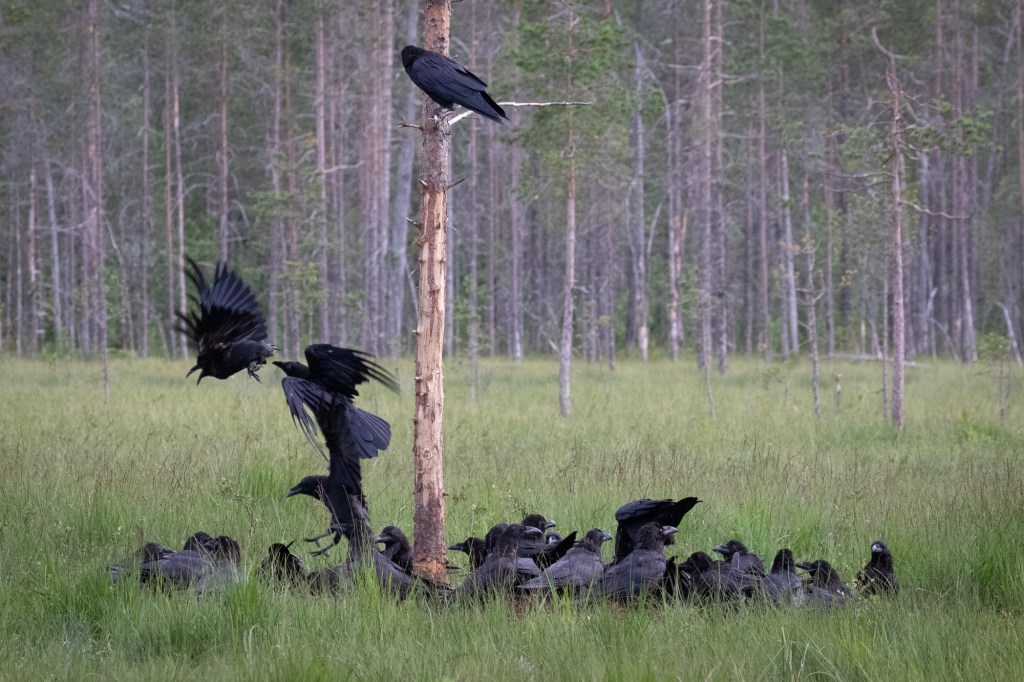
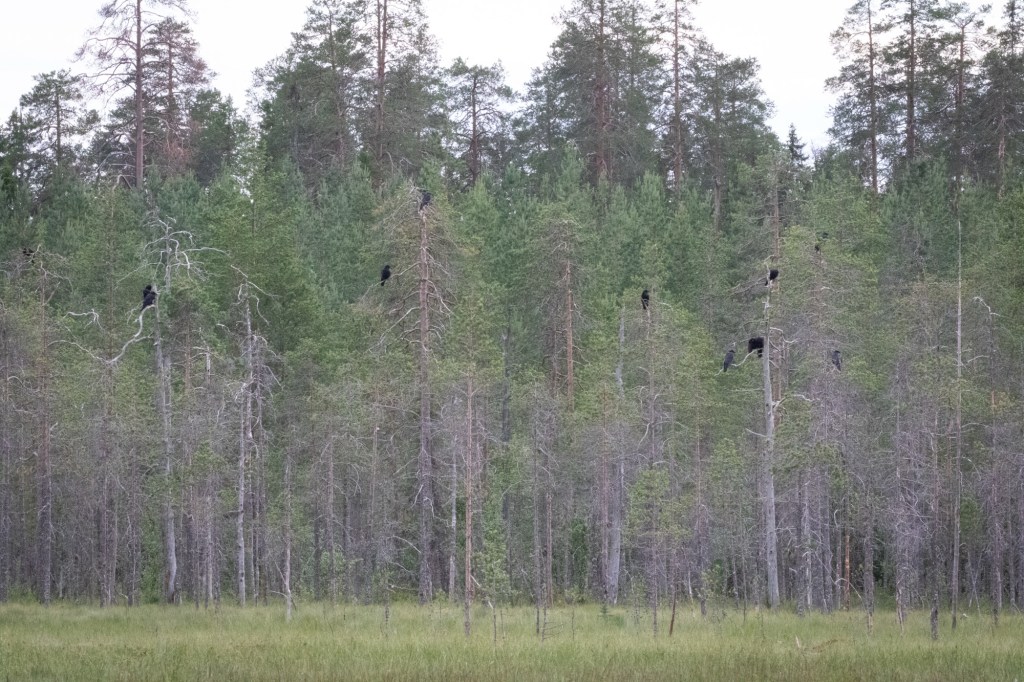
As the light started to fall, we were given one last view of the wolves as they reappeared close to the hide, seemingly on the purposeful journey to our rear. The alpha pair and a youngster passed in front of us and vanished off to our left, not to be seen again.

Now started the long wait. With another eight hours in the hide, there wasn’t much to do but patiently sit, scanning the distant treeline and hoping something of interest would appear. The Finnish nights in July don’t get properly dark, instead a light twilight descended on the scene. All the details were still visible, even the trees 500 metres away. Towards the end of the vigil, as the sun rose again, a mist started to form over the land. This turned into thinker clouds slowly moving across the land, from the open area into the trees. As the mist dissipated, a large dark figure moved slowly in the distance, a final view of a large bear.
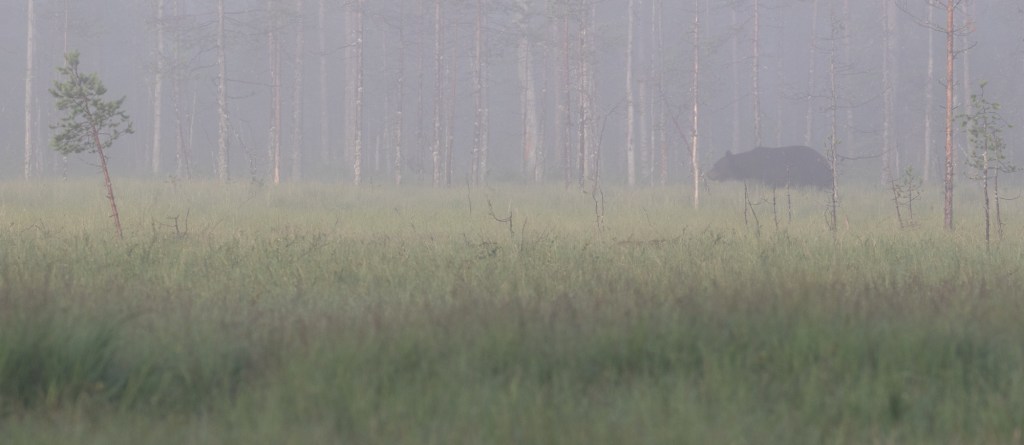
I barely expected to see one wolf, let alone four, and so close that I managed to get some photographs I have only dreamed of capturing. Without doubt this was one of the wildlife highlights of my life, alongside very few that can rival it.

This night was part of the Finnish Mammals trip operated through Naturetrek and led by the brilliant Belgian guide, Jan Kelchtermans.
Sweden: A wild world less diminished

Our annual trip to Sweden has come to a close again and as usual it provided a stark reminder of just how nature-depleted the UK is. A thought I’ve had since I returned was how glad I am to be living in a rural village rather than a city; the contrast would be even greater and my gloominess about the state of nature in the UK even worse.

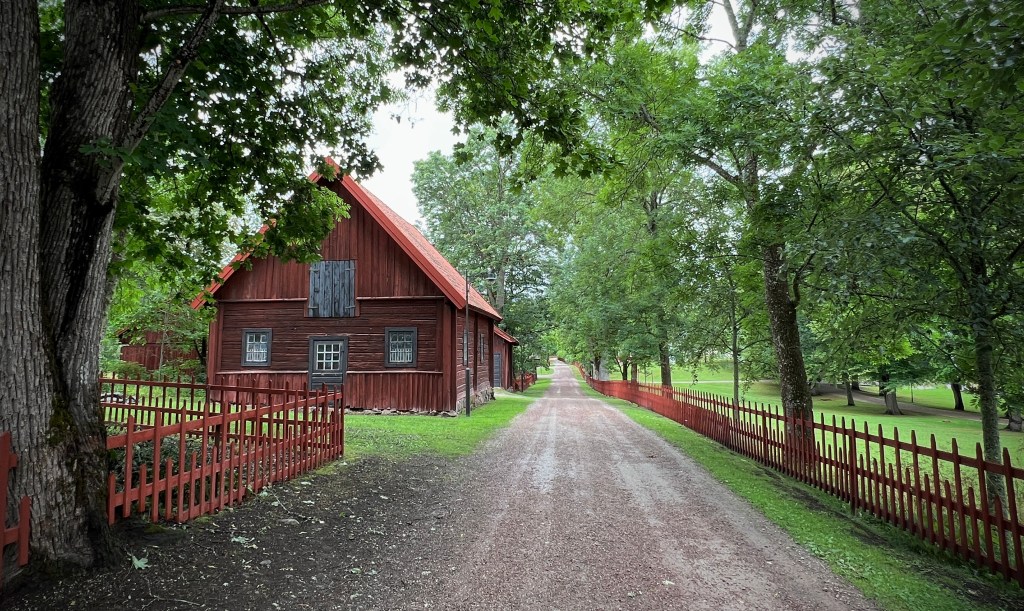
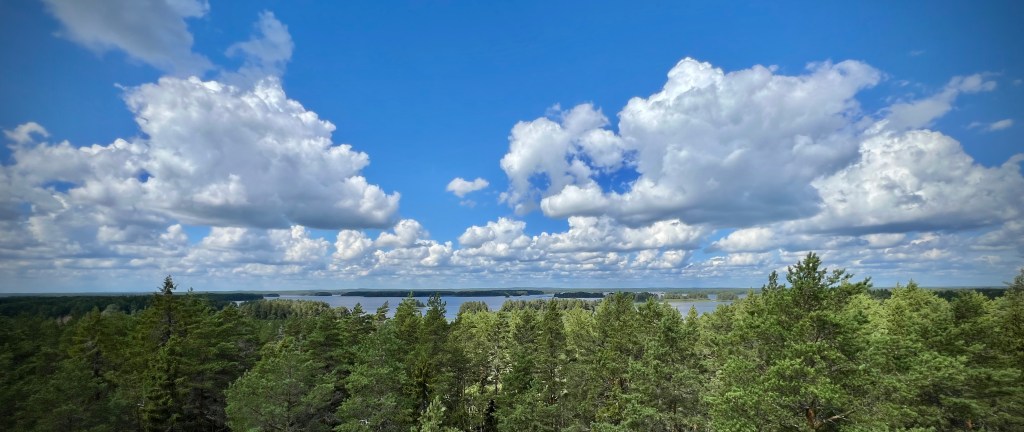
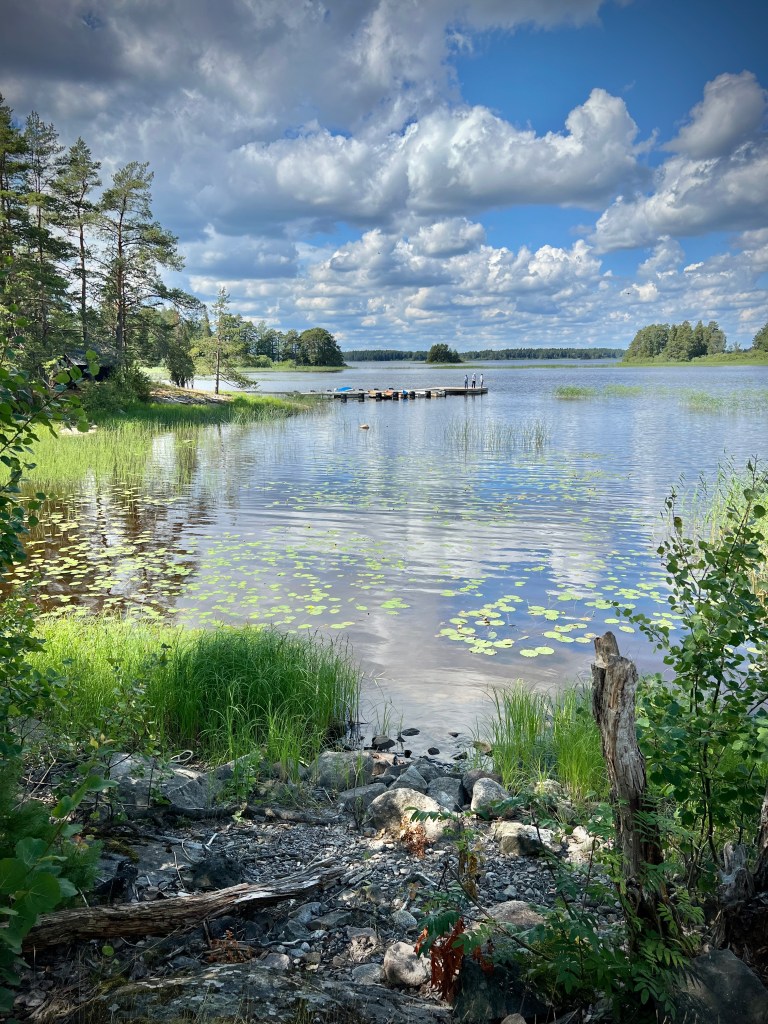
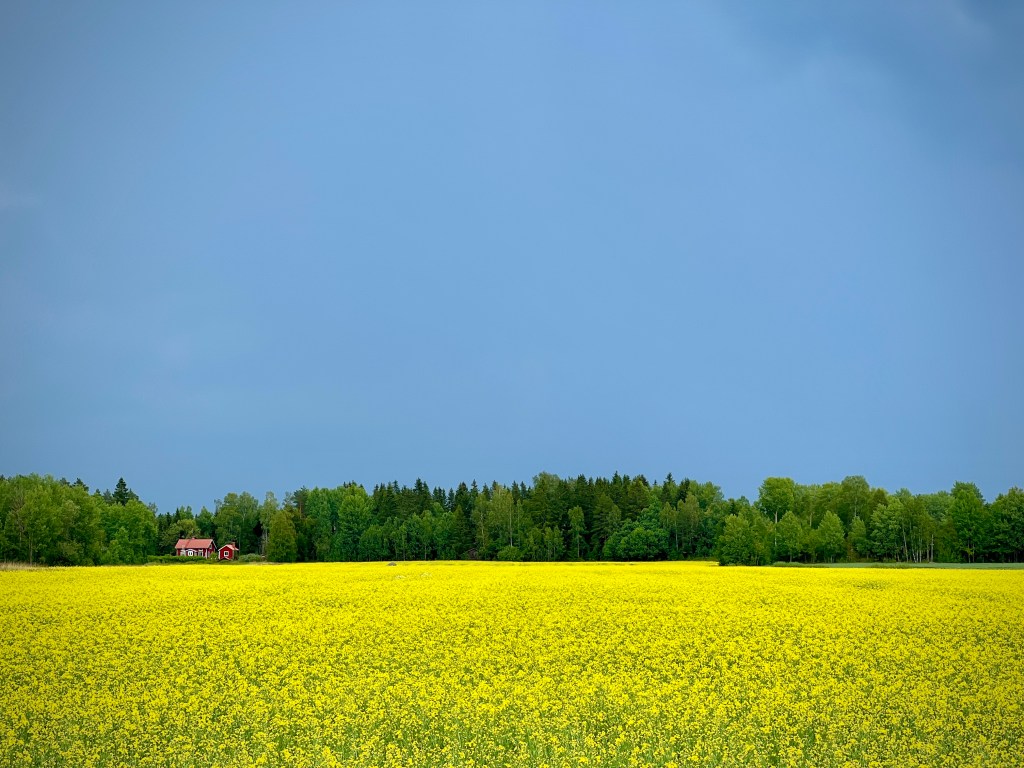
We are fortunate to be able to stay in a very lovely Swedish summer house out amongst the forests, meadows and lakes of central Sweden, about 125km north-west of Stockholm. The location is on the break between southern and northern Sweden; just a little further south, the landscape opens up into large arable fields and further north the forest cover is much greater. Our home for a week or two each year, feels a little softer where the influence of agriculture is lighter and the wild a little more, without being deep wilderness. 

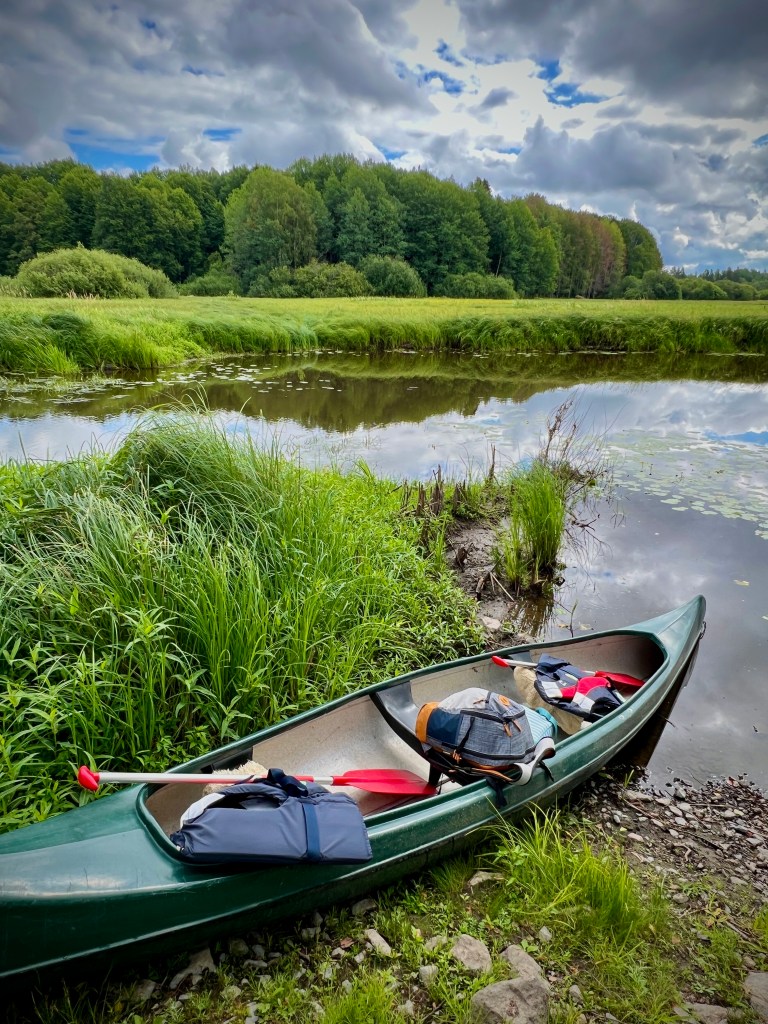
Over the course of the week, we went canoeing on a nearby river, went swimming on the local lake just a short amble from the summer house and we visited the national park an hour to the north. Each of these activities was accompanied by wildlife but even just sitting on the deck at the from on the house brought wildlife sights and sounds.

Whilst the birdlife in this year’s trip wasn’t as plentiful as last year – two weeks in June being more productive than one week in July – the birds around the house still provided some little stars including marsh tit, willow tit and the very lovely crested tit, and on a few evenings we saw roding woodcock on an aerial ‘racetrack’ above the tall treetops. 

As shown in a previous post, the mammals in the garden included brown hare, badger and fox but this year we missed seeing any red squirrels and we didn’t spot the beavers down on the lake. We did see plenty of roe deer, including one doe with two fawns, as we drove through the countryside but we weren’t as fortunate as my sister-in-law who saw a cow and calf European Elk as she drove home from work on our last day.

Out on our canoeing trip, the raptors were the stars of the show with a distant and very high white-tailed eagle, a hobby exploding from a reedbed, a honey-buzzard drifting slowly past and two ospreys circling above us as we paddled across a lake.

Swimming in the warm waters of the lake has quickly become my favourite activity of a Swedish holiday (after only learning to swim well in the last few years). In turn, my favourite part of that is to float on my back and watch the swifts chasing around the skies above and the dragonflies hawking over the water’s surface.

Our stay wasn’t all birds and mammals though as we had a very good view of a sunbathing adder as we walked through a lovely bit of forest after we had cooked sausages on an open fire in front of one of the wind shelters that are dotted around the countryside. The wildflowers seems more plentiful than at home in Northamptonshire, the roadside verges packed with flowers of many kinds although the lovely, but invasive, lupins were mostly well past their best.

All this nature, that was so easy to find, is in stark contrast to nature at home. To be fair, Sweden is a much bigger country and one fifth (or so) of our population, so the human footprint is always likely to be bigger in the UK. However, the tolerance of larger wild animals is much greater (albeit not without its debates), the use of chemicals in farming appears less and the almost unstoppable desire for ‘tidiness’ in the countryside does not seem to be present. Overall, the balance of human control over natural processes seems far less and as a result wildlife and wider nature are far better for it.

I wrote a post a few years back about my ‘yearning for nature’ and each trip I take to Sweden makes that yearning for wild places and an abundance of wildlife even greater.

Just to make a bit of a mockery of this post, most of this post was written sitting in my sunny back garden, on a warm summer afternoon, when a fox jumped onto and walked along the top of wall opposite, swifts, swallows and buzzards were in the sky above and I could hear green woodpecker calling from a nearby tree and a red kite crying in the distance. It’s not all bad in the UK and my little corner of Northamptonshire has quite a lot of wildlife, but it’s just not as rich as I wish it was.

Sweden in the Summer – Part II: Grilling in the Wilderness

If there’s one thing I absolutely have to do whenever I visit Sweden, it’s to go ‘grilling’. The Swedish countryside is dotted with wind shelters; small open-fronted log cabin-like shelters with fireplaces in front. The wind shelters are often close to water or nestled deep inside the forest and, for me, cooking over the open fire gives a real sense of being outdoors in the Swedish wilderness. The shelters are even stocked with wood, ready for visitors to light a fire!

 (4)

The windshelters I have used most often are in Färnebofjärdens National Park. The park is quite small but holds a landscape of wide rivers, lakes and dense forest, holding a rich variety of wildlife. While on trips to the Park, I’ve seen so much nature of the northern lands with the birds being particularly evident including cranes, owls, and white-tailed eagles. Walk a few metres into the forest and you’re bound to find signs of elk too and if you want a bit of pudding, there’s always the blueberries and lingon (cow berries) at this time of year.

IMG_4272

My grilling trip during my recent visit to Sweden was in the National Park and at a wind shelter at the edge of a set of rapids. It was a lovely, warm summer’s midday, with the sounds of the rushing water and the crackling fire accompanied by the smells of the forest, wood smoke and cooking sausages.

However, Sweden in the summer isn’t all sun and beauty; there are some smaller creatures that take a great liking for me, particularly my blood, and this trip left me with a very swollen ankle when I returned home.

I could spend hours sat at any fireside but there’s something special about grilling at a windshelter in the Swedish wilderness and I would happily spend days at one, maybe with a spot of fishing too (although I’m a complete novice at catching fish!). Over the years, I have visited the shelters in the height off summer, in the bright colours of autumn and deep in the cold, snowy winter – it doesn’t matter what the season is, I always have to pay a visit!

I’m sure the shelters could catch on in the UK but I think there are many people here who don’t have the same sense of a shared countryside that the Swedes seem to have and the shelters wouldn’t last long. Then again, there’s a belief that the vast majority of people won’t walk more than 100m from their car, so if the shelters were put half a mile from the road or car park, maybe they would last longer and be a reward the the more adventurous.