Sunset from my office window…


Sunset from my office window…
I was meant to be out with Crewe & Nantwich Conservation Volunteers today but with a poor weather forecast the task for Cheshire Wildlife Trust was called off. Disappointed I was but cutting back birch saplings and trying to burn them in heavy rain doesn’t sound like too much fun, especially when there is no good shelter on the Bagmere site.
I didn’t let a bad weather forecast force me to spend the day inside, however, and I went on a damp and blustery walk along the Cheshire sandstone ridge. I’ve been there so many times that I must know most footpaths that cross the series of low hills.

I set off from the far end of the hills, from the Bickerton Hill car park near Duckington. I walked up onto the ridge and headed north-eastwards and then down into the village of Bickerton. I stopped for a moment outside the church to listen to the Remembrance Sunday service but then walked up the road and onto the next hill towards Raw Head.
Across the top of the ridge, there was dampness in the air but no rain, the wind growing in strength and beginning to roar in the trees. I stopped momentarily at the trig point but then pressed on towards Coppermine Lane and then on to Bulkeley Hill. On top, low cloud was hanging in the trees giving an ominous feeling to the woodland.

Coming down off the hill, I walked through the fields to Burwardsley and then down the roads towards Harthill. The sky started to brighten as I walked around the small hill behind the village, with even a bit of blue sky appearing between the briskly blown clouds.
Behind that small hill I came across a newly built replica Observer Corps watchtower – looking over the Cheshire Plain towards the Wirral and Merseyside.

After passing through Brown Knowl and making my way up the last hill, the clouds finally started to drop their rain as I neared the car. Nine miles with rain only at the very end wasn’t exactly what had been forecast.
Rain stopped play? Well, somethings are better in the dry but a threat of rain isn’t going to stop me getting outside.

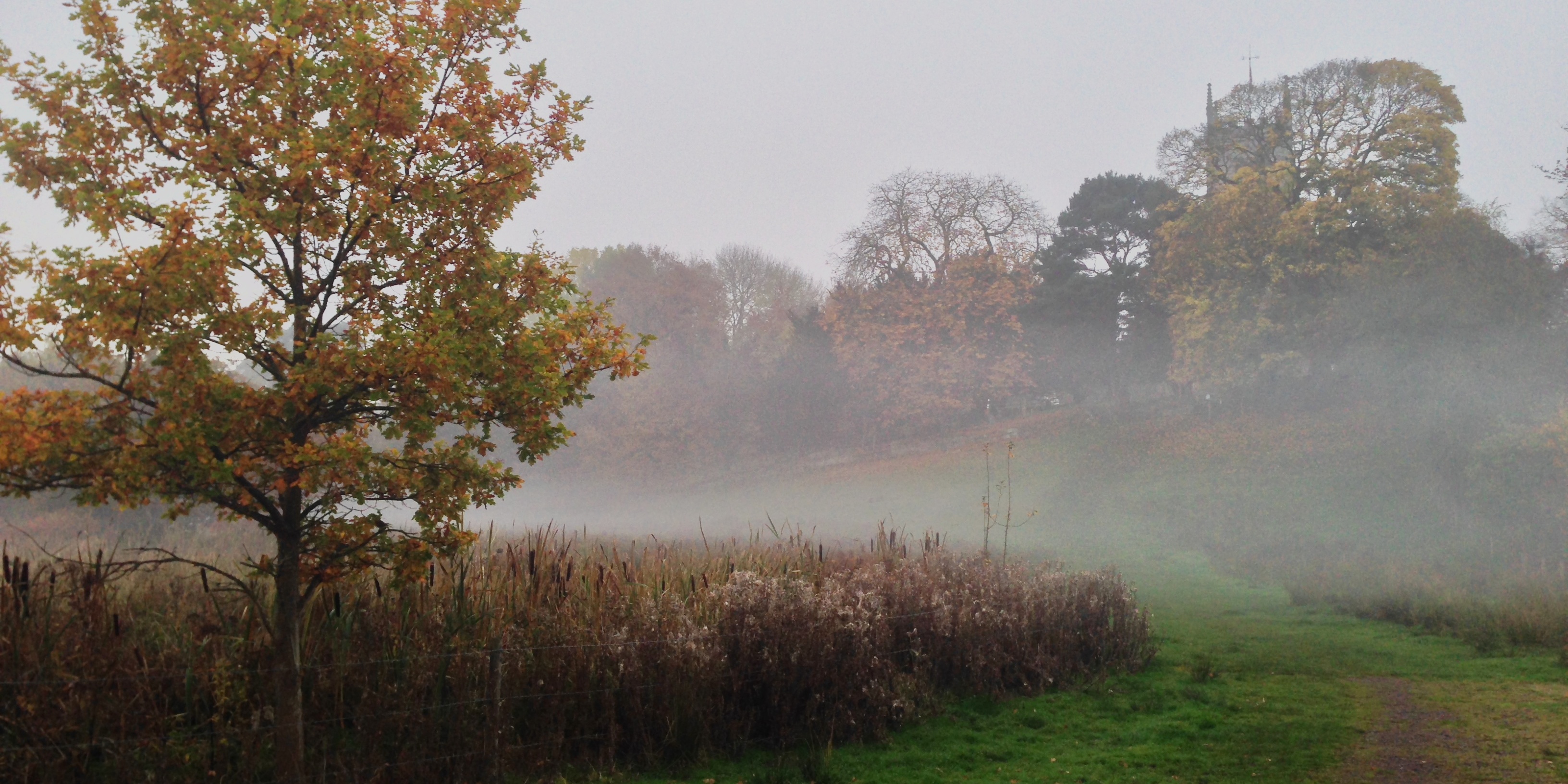
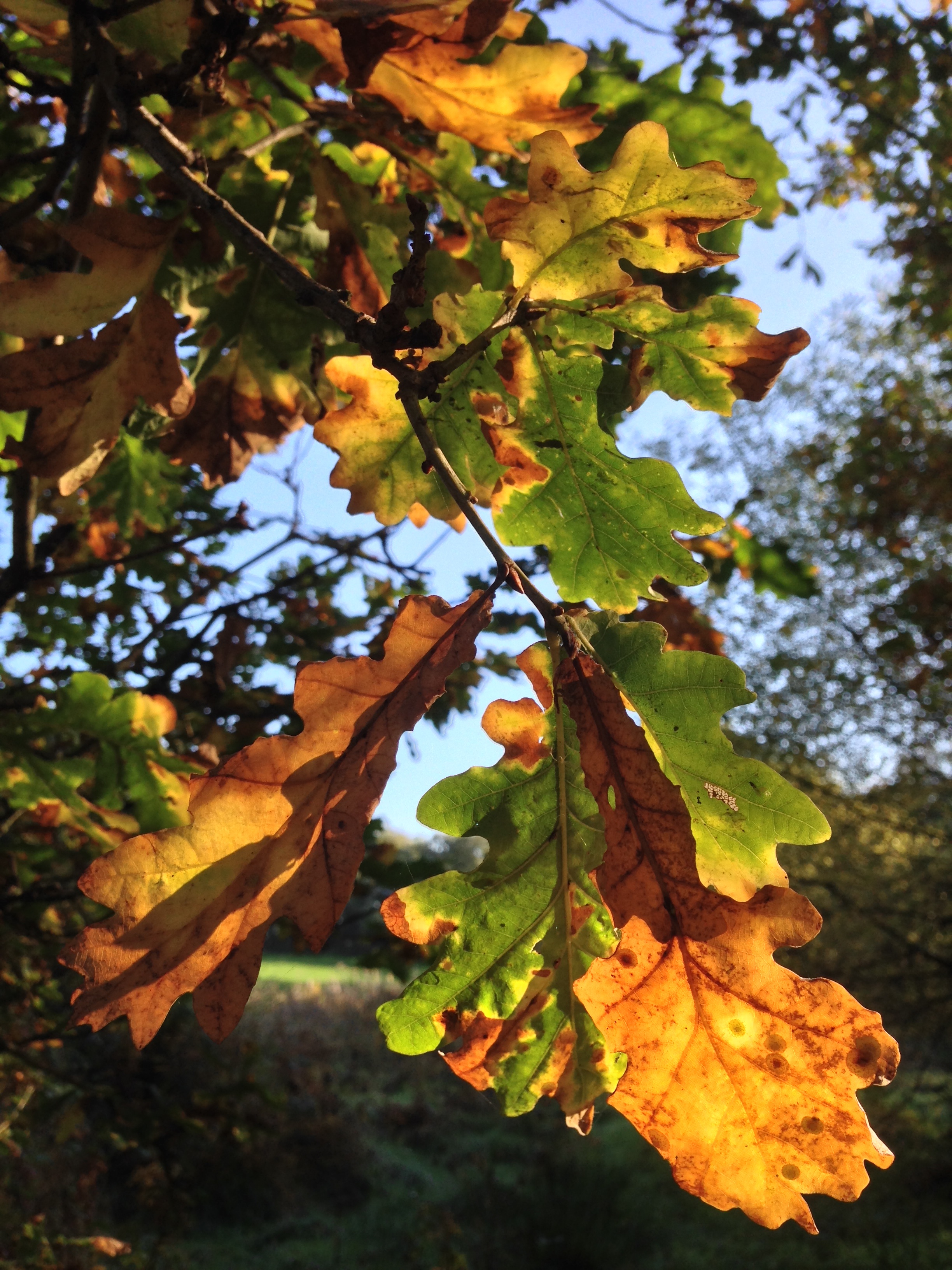
Yesterday, as I often do if I have a quiet Sunday afternoon, I took a wander around Wybunbury Moss. It had been a misty day but it had cleared in places. The trees were shedding their leaves which have turned into a fine range of yellows, reds, oranges and golds. The last of the fruits and berries remain on the branches, yet to be picked by the birds. There were signs of badgers clearing out their setts, ready for winter and some of our colder-month visitors were passing through.

As I walked around my usual route, the sun dipped below the trees and the colder air began to sink into the hollow in which the Moss lies. The mist started to form once again and as the last of the light, an eerie silence fell on the landscape, the land-hugging clouds seeming to mask any sounds from outside.
Last Sunday I went to Bagmere with Crewe & Nantwich Conservation Volunteers (CNCV) to work for Cheshire Wildlife Trust. We got on with our usual task of fighting back the encroachment of tree saplings onto the fenland landscape and burning what we cut. Unfortunately, the wood has to be burnt on site due to inaccessibility for vehicles and the distance from the road. However, it’s no hardship for most of us and some (well me, actually) always look forward to the colder months when we can have a big fire – there’s no better way to finish a task than sitting around a fire in the last of the day’s sun, as the flames die down and the last of its heat keeps you warm – marvellous!

I returned to Bagmere on yesterday to start my winter bird surveys for the season. Like the breeding bird surveys I do for Cheshire Wildlife Trust, I visit the Trust’s Bagmere and Blakenhall Moss reserves to record bird species. Unlike the surveys in spring and early summer, the winter versions are simpler as I only note the number of individual birds of each species I see.
Walking around the reserve on Saturday was lovely, the sun had broken through the early morning fog and a bright blue sky emerged. I spent just less than an hour walking from one end of the reserve to the other and recorded 22 species altogether. I didn’t find anything unusual but it was good to start the surveys with a reasonably good list.
Unfortunately, as with the four breeding bird survey visits between March and June and last of the previous winter bird surveys in January, I didn’t record willow tits, a red-listed species. This means that I haven’t recorded them at all so far this year across all the survey visits and several tasks with CNCV. The Wildlife Trust installed some nest boxes for them in the early spring, in the area of the reserve where I had last recorded them and I spent some extra time in that area to see if they were around. It would be a depressing finding if they have disappeared – this is only the second full year of surveys I have done at the reserve, with my surveys being the first ever undertaken at the site.
The Town Hall brightening up the darker evenings…

This is just a short clip of a golden eagle seen whilst on a trip with Isle of Skye Wildlife Tours last week. The island is a great place to see both golden and white tailed eagles – I saw four of the latter in one piece of sky!
With very strong winds today and with my walking boots still soaking wet, I decided against another coastal walk and headed north to retrace some of my steps (or tyre marks) from Sunday and visited some of the places I’d missed in the Trotternish area.
There were three places that stood out:
I spent a while at Faerie Glen, near Uig – it’s a very strange area of odd geological formations all coated in a blanket of rich green grass with clumps of woodland – there were even some bright red toadstools at the base of one of the hills – possibly nibbled on by fairies.


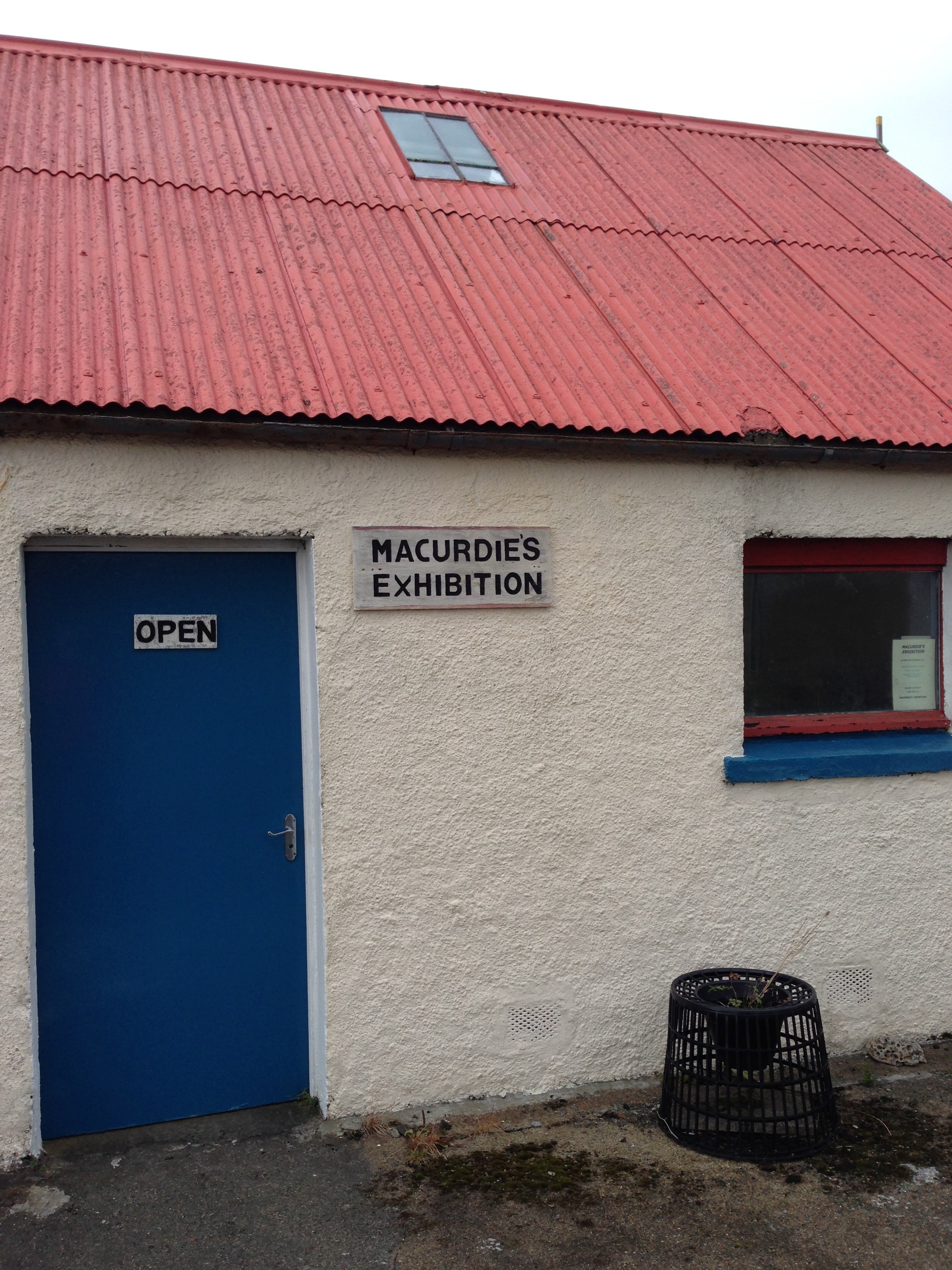
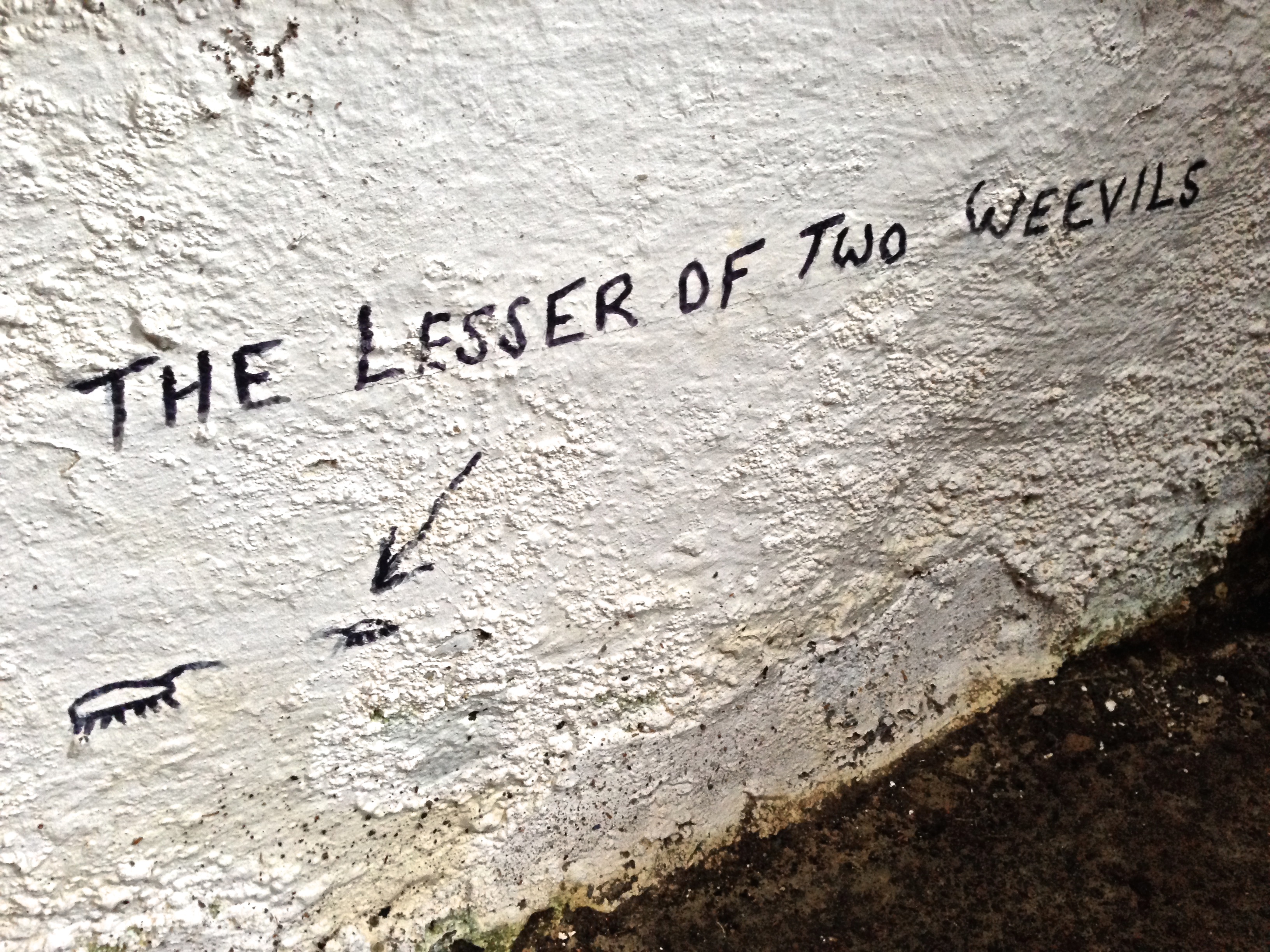
I visited Macurdie’s Exhibition, near Bornesketaig. It’s hard to describe exactly what it is and it’s best left for people to find out for themselves. All I’ll say is that it’s probably a work of both insanity and comedy genius and well worth a visit!


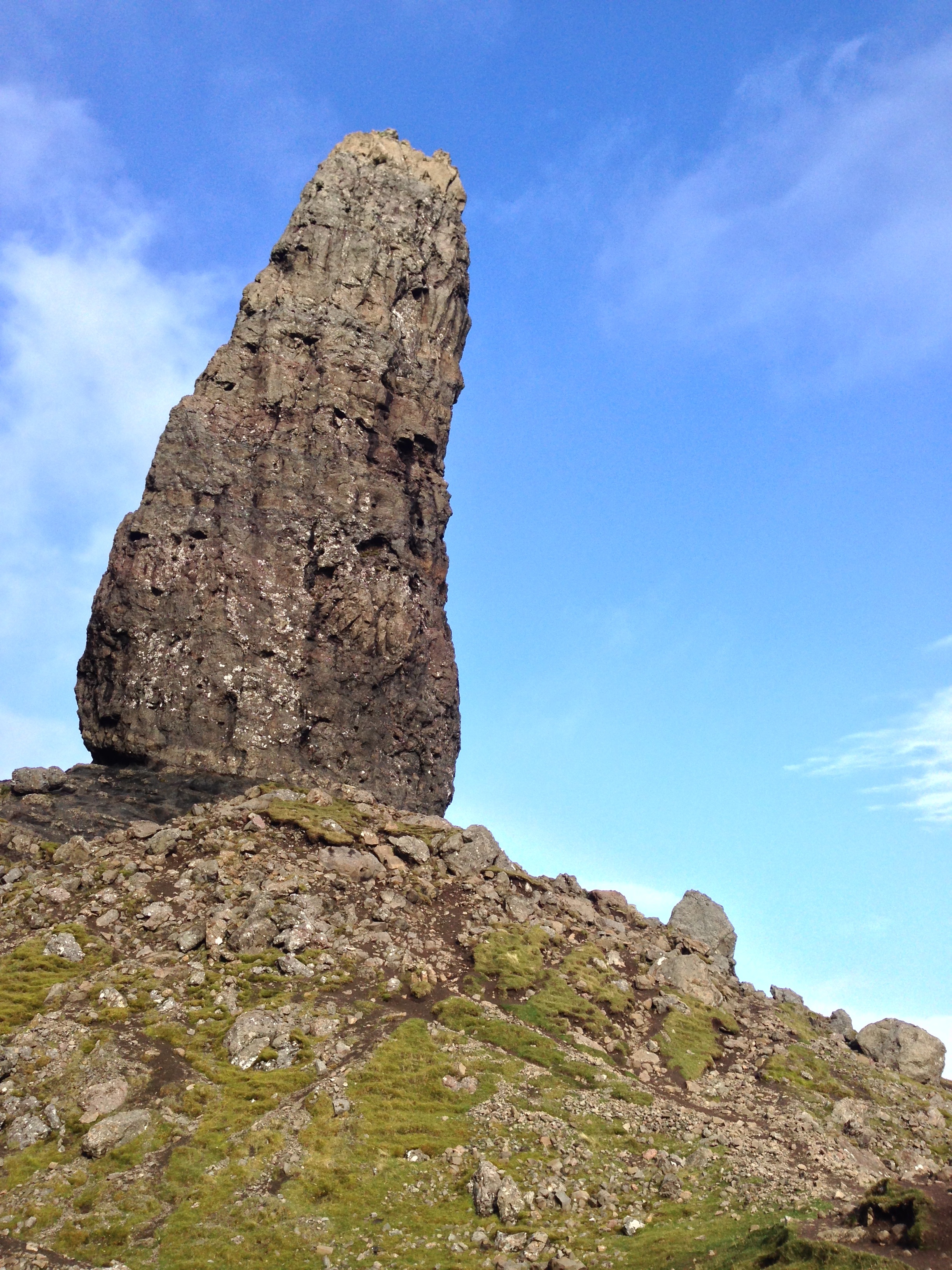
 My final stop of the day was the Old Man of Storr, another incredible geological formation that stands out in the landscape and can be seen for miles around. It’s a steep, breathtaking (literally), walk from the car park in quiet weather but with strong winds added, it was quite a challenge on the lower slopes of the hill. However, I managed to jog up the final sections once the felled forest area had been left behind. I also ran and bounced much of the way down but had to put a brake on my fun when the strong winds picked up again.

All three of these places are unique and together help to give Skye a character all of its own.
After short walk yesterday out to an abandoned village now lying empty as a result of the Highland Clearances, I found another, longer, walk today to two more such settlements.
Whilst yesterday’s weather wasn’t sparkling, today’s was awful – raining continuously that fine soaking rain and a strengthening wind with it. However, I’m on holiday so why waste it stuck indoors when there are spectacular places to be.
The start point of the 10-mile walk was a bit of a drive away and the weather deteriorated further before I got there, but I wasn’t going to let a bit of water get in the way. I was soaked from the first five minutes and my walking boots were full of water for the second half of the walk – I gave up avoiding the puddles and the paths-come-streams.
After about a third of the way round the route, along a good but rocky track, I came to the first village, Suisnish. It appears larger than Lorgill, which I visited yesterday, but I didn’t stick around for long as the rain came down heavier still.
The landscape between the two villages is particularly spectacular, high cliffs with some tall cascading waterfalls; the path winds its way at the high water mark above the beach.

Rounding a corner a white-tailed eagle launched itself off the cliff-face and disappeared. As I came around further cliffs, two eagles appeared and were soon joined by a third; the first two again disappeared quickly but the last hung in the wind for a while. I sensed it was watching me as I approached and it finally glided off slowly into the rain shrouded distance.

I began to see the remains of buildings as I crested a rise and eventually a village was laid out in front of me – Boreraig is larger again than Suisnish. There are buildings dotted all over a low wide valley, facing directly onto a rocky beach. The scale of the place is quite breathtaking; that a large community once lived here but now there are only the crumbled remains of their homes and the harsh environment to surround them.
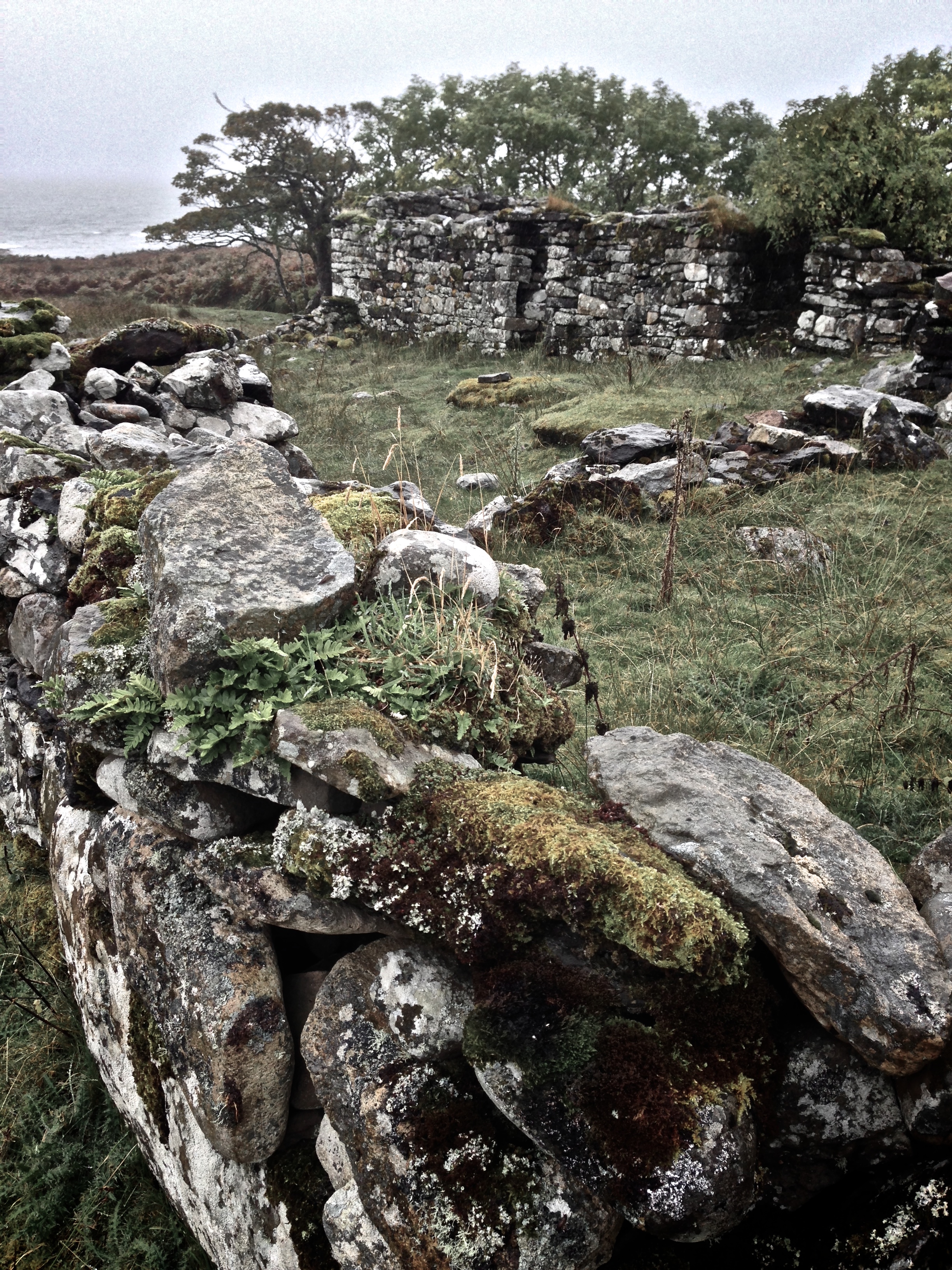
32 families were cleared from the two villages in 1854, the furniture smashed and the doors barred, the women and children had to fend for themselves on the nearby beaches until their menfolk returned from working on the mainland. It strikes me that all three Clearance villages I visited are extremely remote from the larger settlements on the island and are in very exposed locations. I wonder just how harsh the living was there and just how sustainable the communities were in the longer term if they had been allowed to stay – we’ll never know.

Walking on, the track led over the top of the moor behind Boreraig, up more paths and tracks turned into streams by the incessant rain. The sky brightened momentarily but the gloom gathered once more as I descended past one last abandoned building and made it back to the car.

Whilst getting soaked to the skin in pouring rain and a strong wind, walking along flooded paths and tracks, to go to look at some tumbled-down old buildings may not be everyone’s idea of a good day out when on holiday, I’m very glad I did it.
Tucked away at the end of a long, rough track, not far from the westernmost point of Skye, lies a hidden valley. I approach from a height, the track drops steeply to meet the valley bottom with a more shallow descent towards the sea. A narrow but fast flowing river makes its way between the two long hills, cascading from the moorland plateau through high falls and swift rocky channels, and begins to meander as the ground widens into a plain. As I walk down the slope, the track passes piles of rocks in amongst the short sheep-clipped grass and the thicker rushes covering the sodden areas of pasture. I approach a single one-storey house standing next to the river, built from stone but now without a roof, only one window left with a pane of glass. The track crosses the river and rises up the opposing hill and disappears over its summit.
I turn towards the sea, the wind whipping up the narrow channel between the hills, cooling me quickly and trying to take my hat. I follow the line of the sinuous river past further piles of rocks and then through low walls and enclosures, laid out on both sides of the water. These man-made structures are now a few cold and sunken remnants of what was once here, a community now gone and their homes now little more than lines of stones being overcome by grass and gradually consumed back into the earth.
Slowly picking my way along the sheep tracks, I finally come to the beach; not of sand but of dark grey rocks and pebbles, worn smooth by the powerful sea constantly trying to force its way over the lowest grassy reaches of the valley. Little can be heard over the sound of the wind and the rising waves, all except for the cries of the gulls and the calls of the oystercatchers whisked away on the air. The sights and senses of desolation are made more stark by the growing gloom brought on by encroaching dark rain-baring clouds, moisture now starting to cover my clothes and face.
Appearing from high above the southern hill slopes, an eagle floats on the wind, making its way northbound towards the high sea cliffs. It is joined by another, both now playing in the updrafts as the surging air is forced to rise as it hits the flat cliff faces. They look down on a valley that now has no human life, just the remains of a now long gone community, once living on the edge of this far northern land.


In 1830, the inhabitants of Lorgill were read the following statement by the sheriff officer:
‘To all the crofters in Lorgill. Take notice that you are hereby duly warned that you all be ready to leave Lorgill at twelve o’clock on the 4th August next with all your baggage but no stock and proceed to Loch Snizort, where you will board the ship Midlothian (Captain Morrison) that will take you to Nova-Scotia, where you are to receive a free grant of land from Her Majesty’s Government. Take further notice that any crofter disobeying this order will be immediately arrested and taken to prison. All persons over seventy years of age and who have no relatives to look after them will be taken care of in the County Poorhouse. This order is final and no appeal to the Government will be considered. God Save the Queen.’
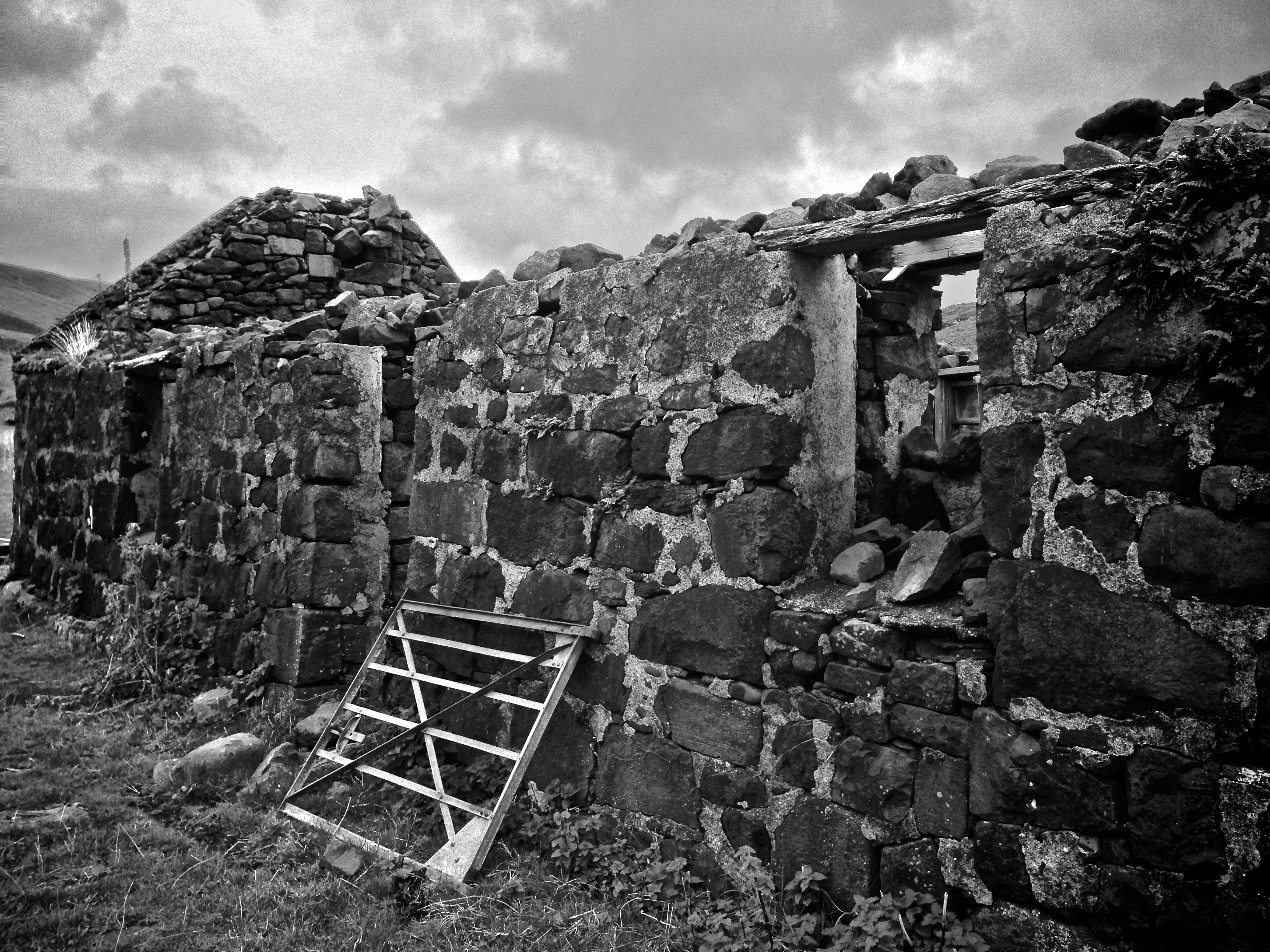

The were twelve houses in the valley as well as 21 other buildings and 10 enclosures, but very little of this not insubstantial settlement remains; one roofless building, one standing enclosure and numerous piles of rocks and old lines of walls.
I was looking for a walk to take and this short amble out into the Lorgill valley over a rough track got my imagination going. To my embarrassment I don’t know enough about the Highland Clearances but it is plainly obvious that great wrongs were done to many; communities broken apart by those with the power and will to do so. There is a real atmosphere in the valley, an emptiness that is obvious in view but also in spirit.
The whole experience was made more spiritual by the wildlife; a close encounter with an otter as I started the walk was incredible. However, I saw four, not two, white-tailed eagles in one view (the following picture has three specks – three of the eagles – this is the best I could do with my phone). I spent 10 minutes watching the eagles playing and soaring in the wind – a spectacle I doubt I’ll forget for long time.
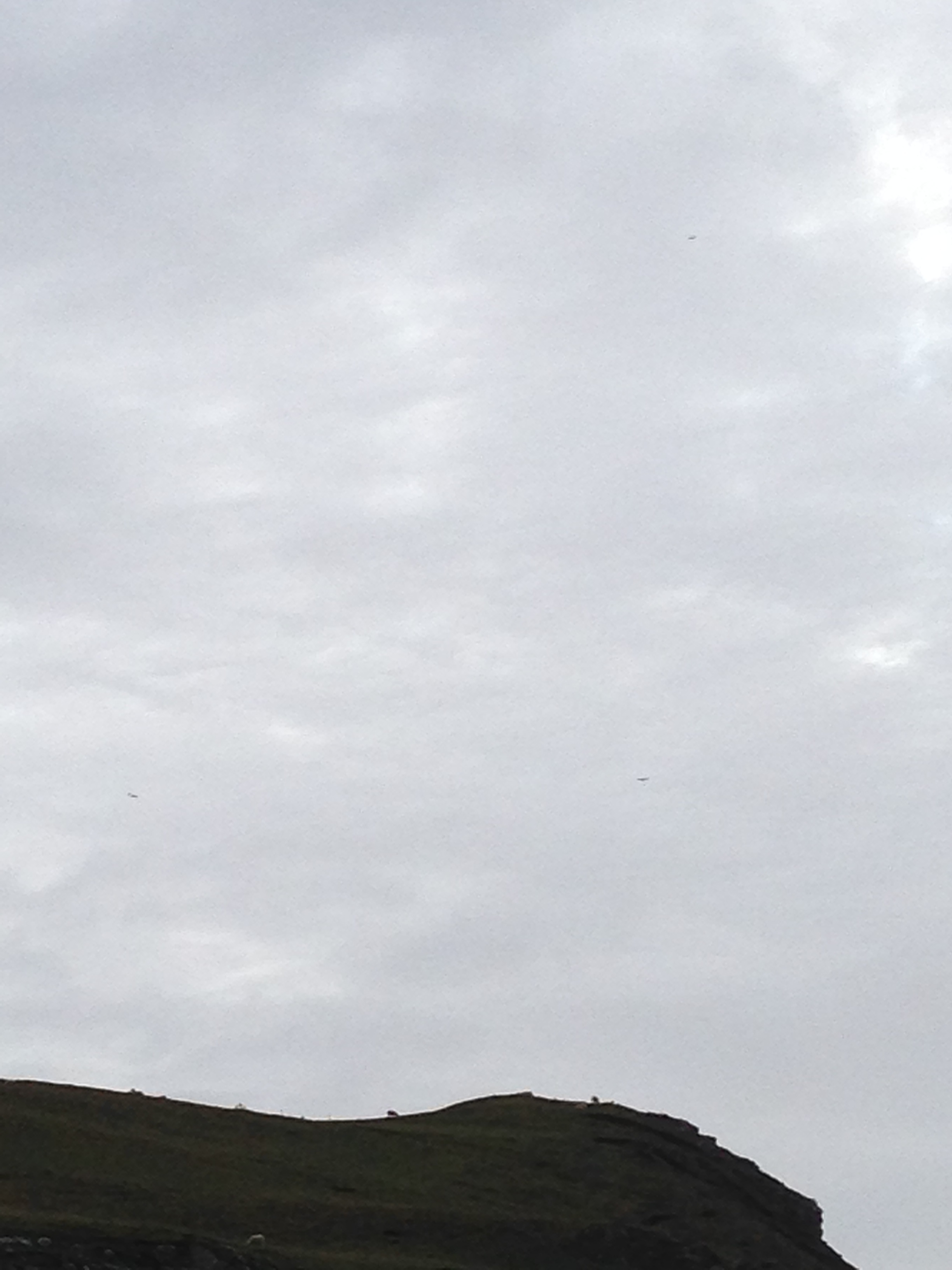
This is only my third day on Skye and already it has given me amazing memories.
To learn where the best nature spots are in a new area I think it’s alway best to ask the locals and a good way to do that it to take a tour with a local guide.
I’ve been on fully led wildlife holidays both in the UK and abroad, and whilst I have enjoyed every one, I don’t think there is any need to have such holidays in the UK. With a bit of planning (not that I’ve done much this time), some maps and a bit of thought into what habitats there are, and what wildlife they may support, you shouldn’t go too far wrong. However, a little local help is alway a bonus!
So today I went on a guided trip, without my (not so) trusty camera, to help familiarise myself with some of the best places to spot the best wildlife on Skye. Setting off midmorning from the main car park in Portree, we immediately headed out to spot otters in a nearby bay. However, no otters were seen but two soaring golden eagles more than made up for it – slowly floating and circling on what little wind and lift there was, they eventually dipped behind the nearby hill.
Perhaps the most unexpected and astonishing sighting was next with thousand upon thousand of migrating thrushes (mainly fieldfares with a few redwings mixed in) forming fly-swarm like clouds passing over the heaths and hillsides. Everywhere we looked there were birds – on the trees, in the heather, on the telephone lines and all round us in the air. This was a true wildlife spectacular.
As the weather started to close in we headed on in search of more eagles. We went to several places without much luck, seeing some red deer instead, but as the rain eased, we were rewarded with two juvenile white-tailed eagles floating around the top of a hill, giving us very good and close views (they were much closer than the photo below suggests).
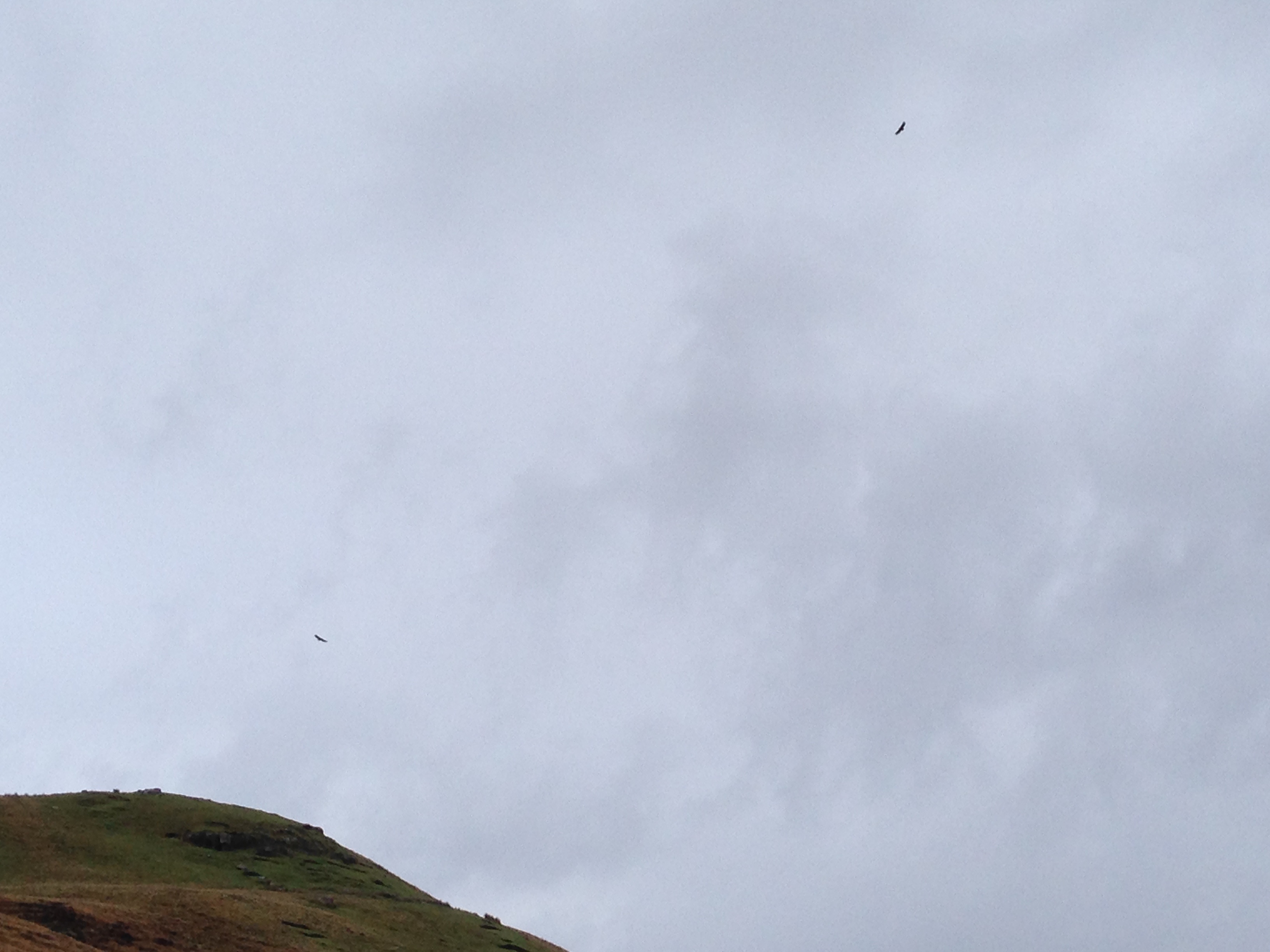
Moving on again we scoured an area of water for otter but again no luck but at lunch we were rewarded again, but this time by two golden eagles displaying high up above us, one moment soaring and then next stooping and rising like on an invisible rollercoaster.
The afternoon was spent looking for otters and finally we were given a few fleeting views of a couple of these watery mammals. We saw one from a distance but it soon disappeared, so we moved on around to the far side of where we had seen it. From there we had a better view but almost as fleeting. A second otter was then seen, but for just as short a time, with neither to be seen again.
Heading back to Portree, after a few more stops to look for otters, we were given a final sight of a single white-tailed eagle as it flew past back to where we had just come from – a nice, last view to finish the tour.
The trip wasn’t just otters and eagles, however, with plenty of other birdlife seen, in addition to the masses of migrating thrushes – we had well over thirty species by my reckoning.
Although I didn’t have my camera, I still managed some scenic shots of the island with the following two being the best my phone would allow.

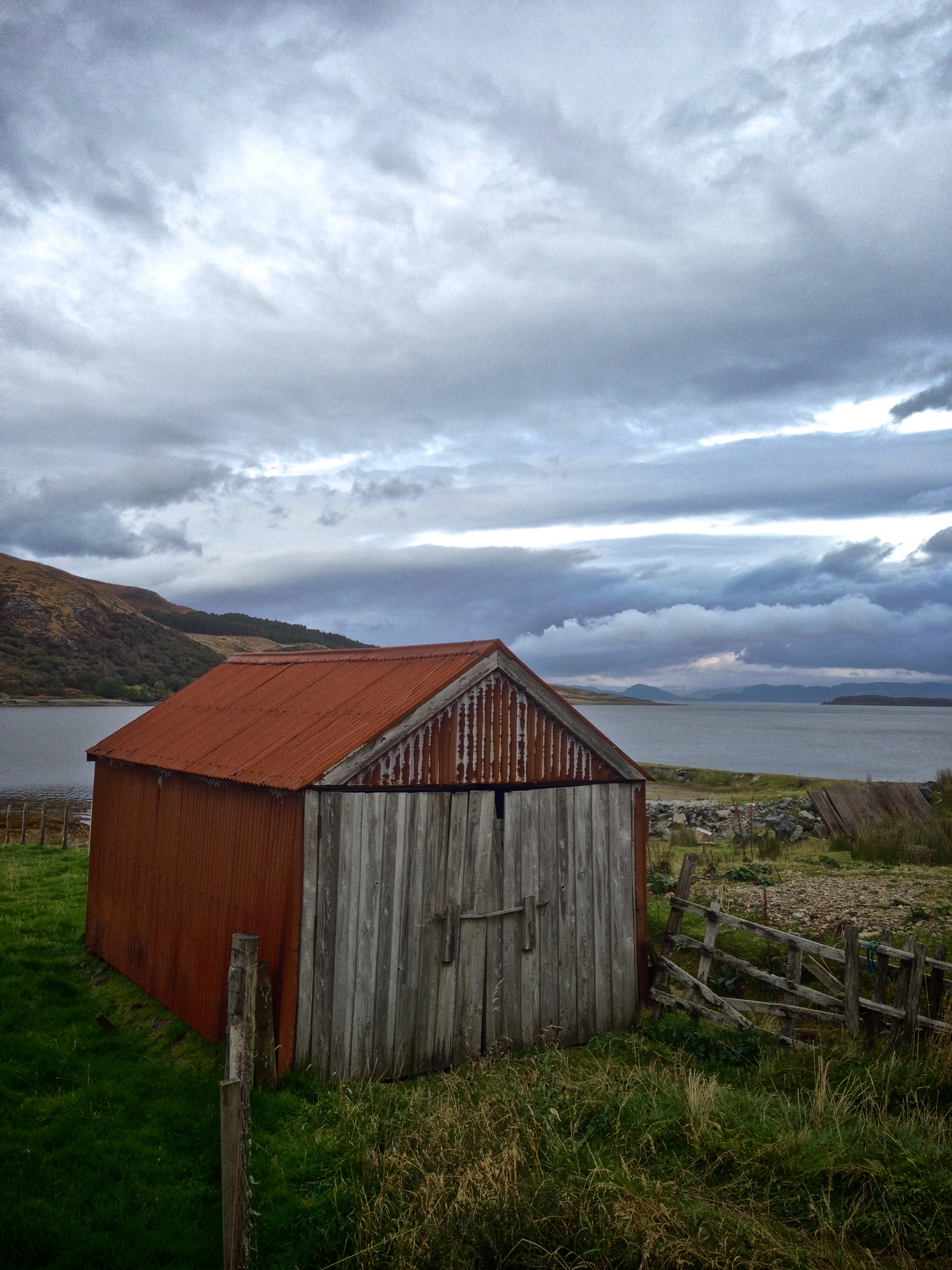
I have to say thank you to Andy of Isle of Skye Wildlife Tours for such a great day – he certainly put in the effort to make sure we had the best chances of seeing some pretty spectacular wildlife and I hope everyone went away as happy as I did!

 Daft Mumblings