
Our annual trip to Sweden has come to a close again and as usual it provided a stark reminder of just how nature-depleted the UK is. A thought I’ve had since I returned was how glad I am to be living in a rural village rather than a city; the contrast would be even greater and my gloominess about the state of nature in the UK even worse.
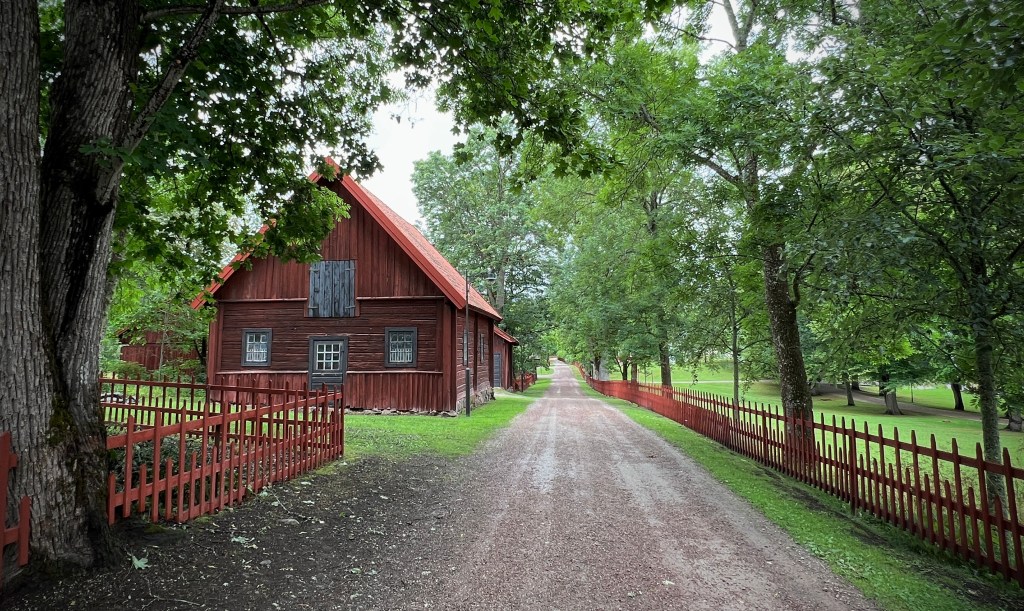
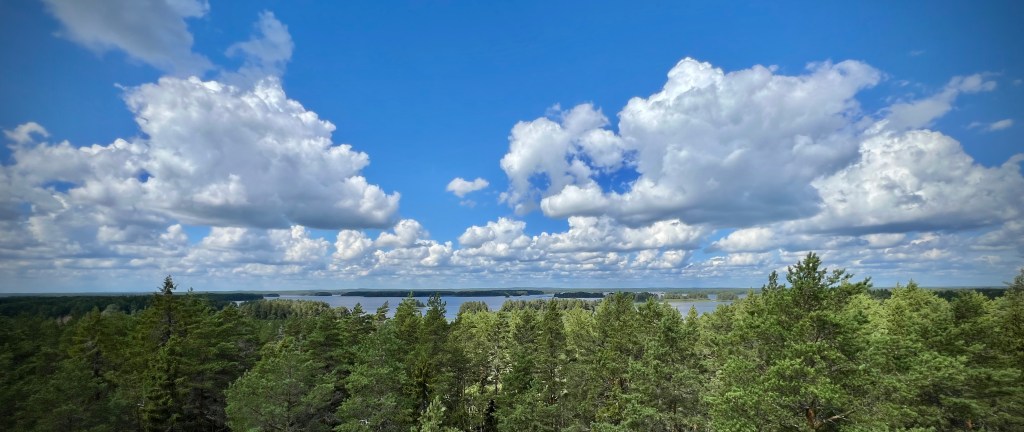
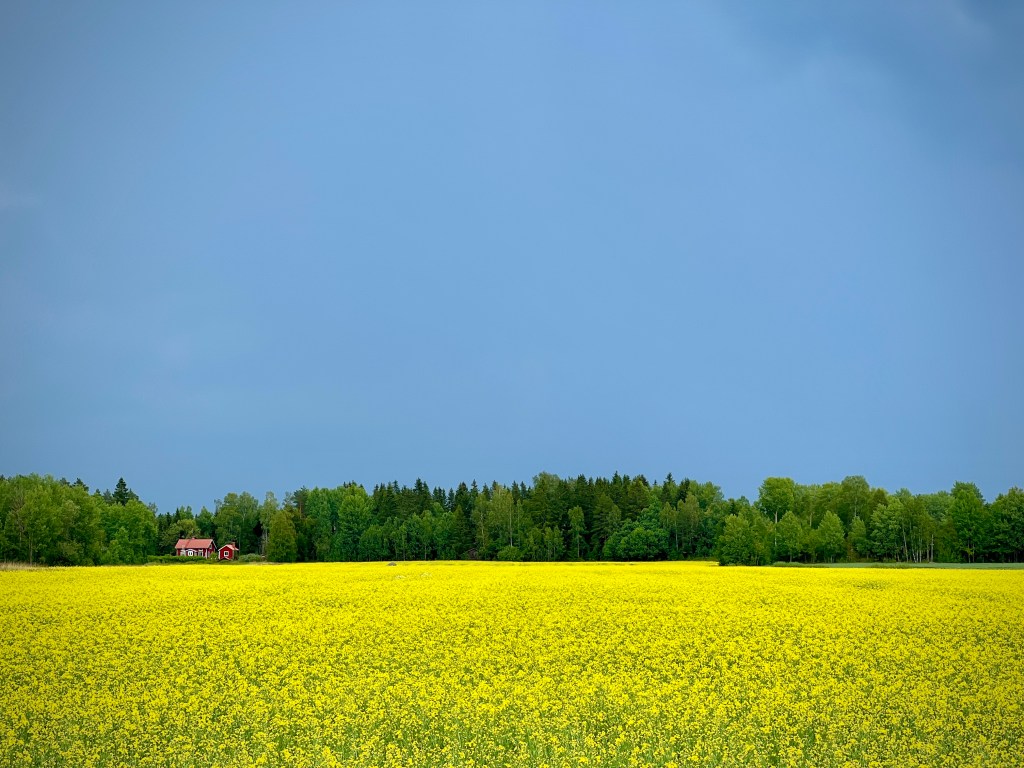
We are fortunate to be able to stay in a very lovely Swedish summer house out amongst the forests, meadows and lakes of central Sweden, about 125km north-west of Stockholm. The location is on the break between southern and northern Sweden; just a little further south, the landscape opens up into large arable fields and further north the forest cover is much greater. Our home for a week or two each year, feels a little softer where the influence of agriculture is lighter and the wild a little more, without being deep wilderness.
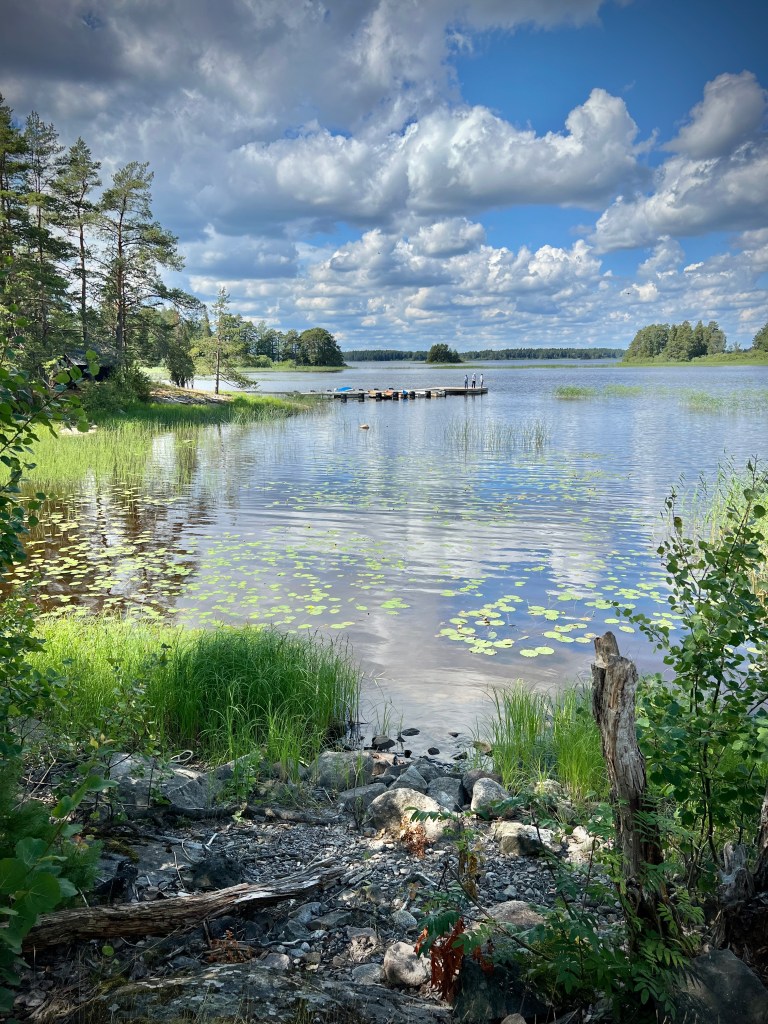
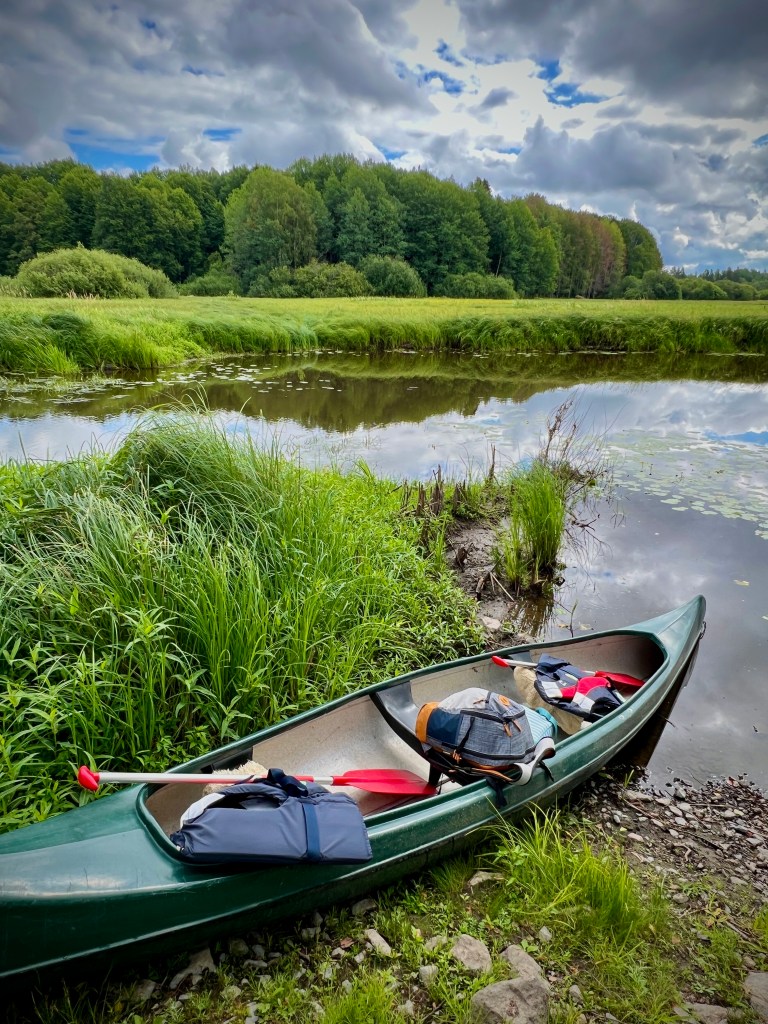
Over the course of the week, we went canoeing on a nearby river, went swimming on the local lake just a short amble from the summer house and we visited the national park an hour to the north. Each of these activities was accompanied by wildlife but even just sitting on the deck at the from on the house brought wildlife sights and sounds.
Whilst the birdlife in this year’s trip wasn’t as plentiful as last year – two weeks in June being more productive than one week in July – the birds around the house still provided some little stars including marsh tit, willow tit and the very lovely crested tit, and on a few evenings we saw roding woodcock on an aerial ‘racetrack’ above the tall treetops.
As shown in a previous post, the mammals in the garden included brown hare, badger and fox but this year we missed seeing any red squirrels and we didn’t spot the beavers down on the lake. We did see plenty of roe deer, including one doe with two fawns, as we drove through the countryside but we weren’t as fortunate as my sister-in-law who saw a cow and calf European Elk as she drove home from work on our last day.
Out on our canoeing trip, the raptors were the stars of the show with a distant and very high white-tailed eagle, a hobby exploding from a reedbed, a honey-buzzard drifting slowly past and two ospreys circling above us as we paddled across a lake.
Swimming in the warm waters of the lake has quickly become my favourite activity of a Swedish holiday (after only learning to swim well in the last few years). In turn, my favourite part of that is to float on my back and watch the swifts chasing around the skies above and the dragonflies hawking over the water’s surface.
Our stay wasn’t all birds and mammals though as we had a very good view of a sunbathing adder as we walked through a lovely bit of forest after we had cooked sausages on an open fire in front of one of the wind shelters that are dotted around the countryside. The wildflowers seems more plentiful than at home in Northamptonshire, the roadside verges packed with flowers of many kinds although the lovely, but invasive, lupins were mostly well past their best.
All this nature, that was so easy to find, is in stark contrast to nature at home. To be fair, Sweden is a much bigger country and one fifth (or so) of our population, so the human footprint is always likely to be bigger in the UK. However, the tolerance of larger wild animals is much greater (albeit not without its debates), the use of chemicals in farming appears less and the almost unstoppable desire for ‘tidiness’ in the countryside does not seem to be present. Overall, the balance of human control over natural processes seems far less and as a result wildlife and wider nature are far better for it.
I wrote a post a few years back about my ‘yearning for nature’ and each trip I take to Sweden makes that yearning for wild places and an abundance of wildlife even greater.



Just to make a bit of a mockery of this post, most of this post was written sitting in my sunny back garden, on a warm summer afternoon, when a fox jumped onto and walked along the top of wall opposite, swifts, swallows and buzzards were in the sky above and I could hear green woodpecker calling from a nearby tree and a red kite crying in the distance. It’s not all bad in the UK and my little corner of Northamptonshire has quite a lot of wildlife, but it’s just not as rich as I wish it was.


 Daft Mumblings