Lockdown Diary: settling in

It seems a bit late to be starting a lockdown diary but, oddly, I don’t really seem to have had the time over the first three weeks. Life has already settled into a pattern where weekdays are filled with work, albeit with longer lunches, and the evenings provide time for a daily walk or run, some cooking and eating, and then a bit of relaxation before bed. Having spent whole days in front of a computer screen writing or on video calls, spending more time at a screen writing a blog doesn’t feature high on my list of things to do in the evenings. However, despite all the terrible things happening right now, I still find time to look at nature and, feeling generally a bit helpless about the situation in general (I’m not a key worker), I thought at very least I could make some effort to write a few blog posts.

I arrived at my girlfriend’s flat in Kew the day we both came out of self-isolation and the government called the lockdown that evening. As I travelled down from my home in Cheshire, I knew that lockdown was very likely to happen and that I could have to stay in London for the duration. The decision was really a non-contest between my own home comforts and being with Sarah.

I can’t say there aren’t things I’m missing; the flat’s balcony is a great space to lift the prospect of cabin fever but I miss my back garden, I should have brought a few more clothes with me and I would have loved to have one of my bikes down here – Sarah’s may have to be brought out as a stand in.

Anyone who reads my blogs will know I love the countryside and outdoors and the prospect of being locked down, and locked down in a city in particular, goes against my basic nature (as I’m sure it does for most). Despite having loved being a student in Birmingham for four years and subsequently having worked in Manchester for over 20 years, cities are not my natural habitat and I like to spend as little time in them as possible. However, Kew is not central London and I have found that, whilst it’s not exactly rural, we are surrounded by wildlife and a lot of green space. 

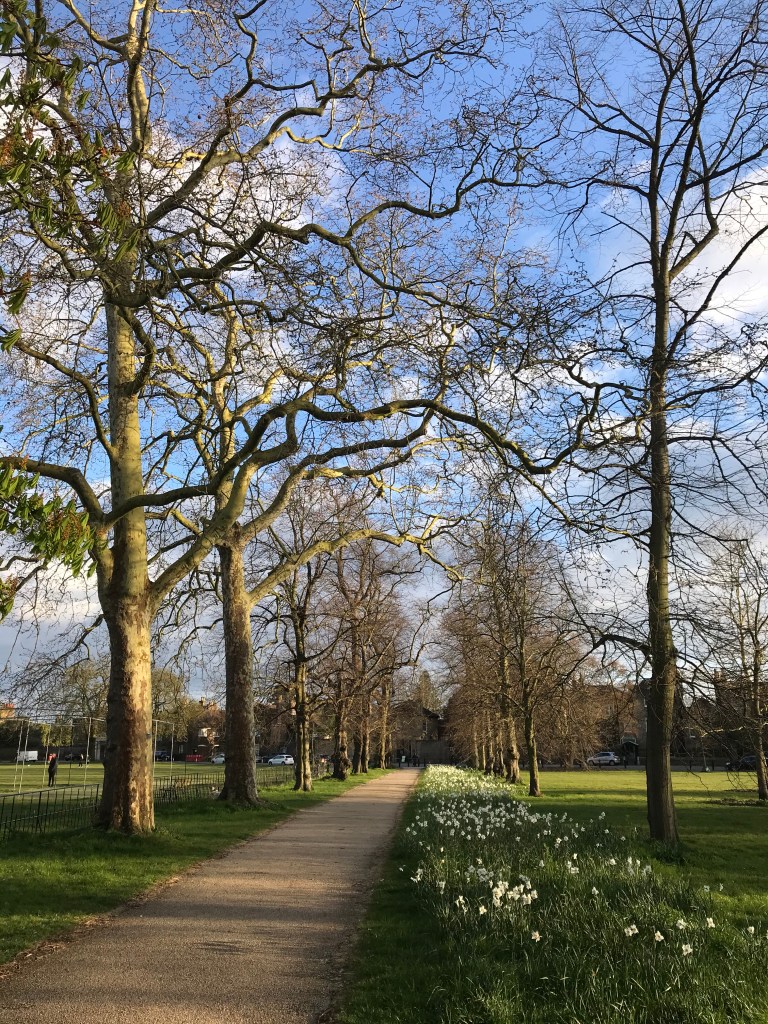
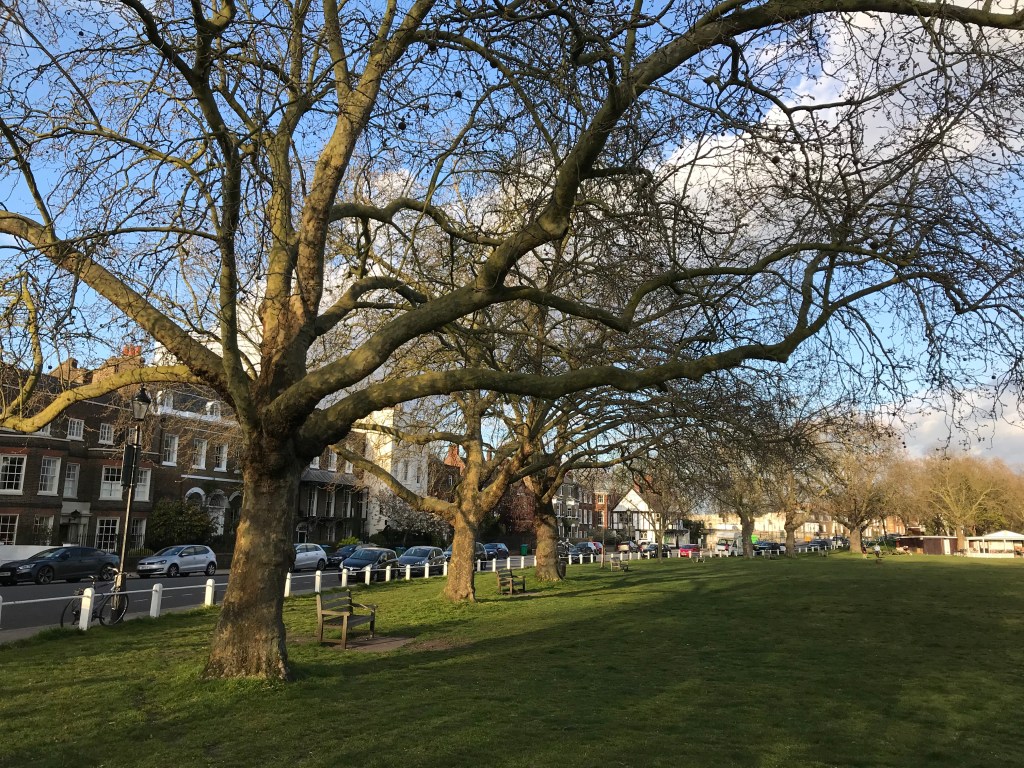
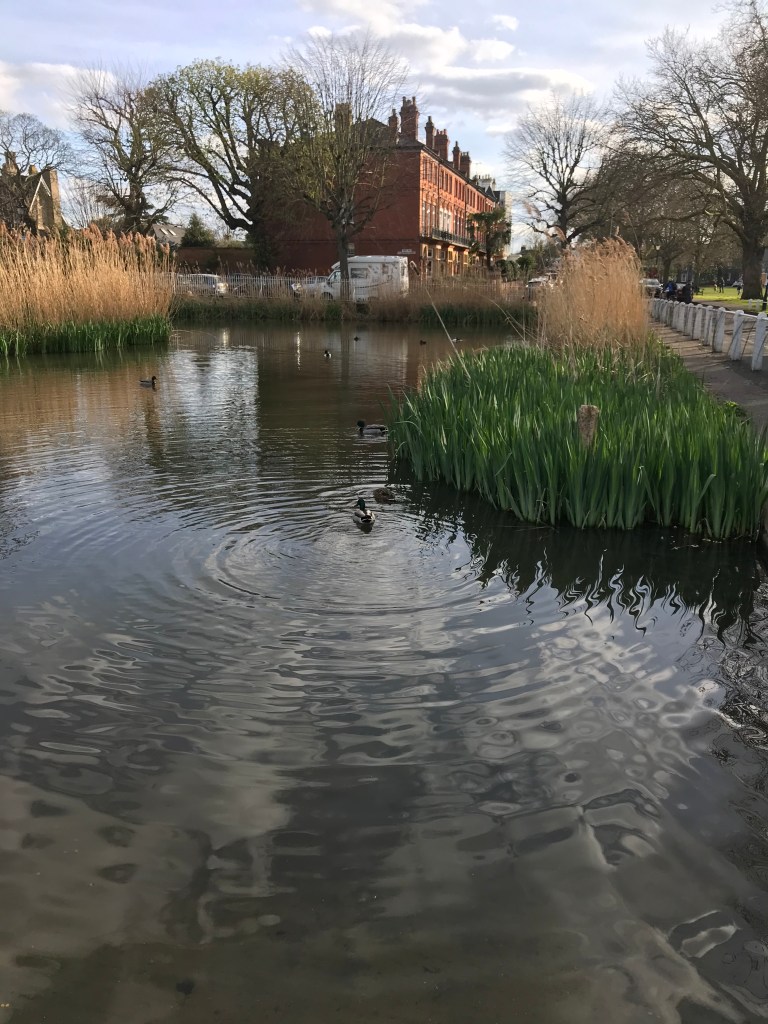
Kew is in the centre of a large loop of the Thames, which is a short walk to the north and to the east of us. We are just across the road from the famous botanic gardens, we can look over the wall from the second floor flat, but now it is closed to the public it blocks the route to the Thames to the west. Kew Green is also just down the road, on one of the routes to the river, and it brings openness to the area with its large park surrounded by lovely old houses with wisteria growing up the outside of many.

However, being Kew, it’s not just big garden across the road that has plenty of attention paid to it; so many of the residential gardens are lovely too. In fact the whole area is lovely and looking particularly so now. The roads are lined with more big old houses and terraces, and the occupants clearly all (or nearly all) have green fingers with the gardens seemly competing with each other to be mini versions of their famous, larger counterpart. The streets themselves are also almost gardens themselves; I don’t think I’ve ever noticed so many street trees and at present hundreds are out in blossom.

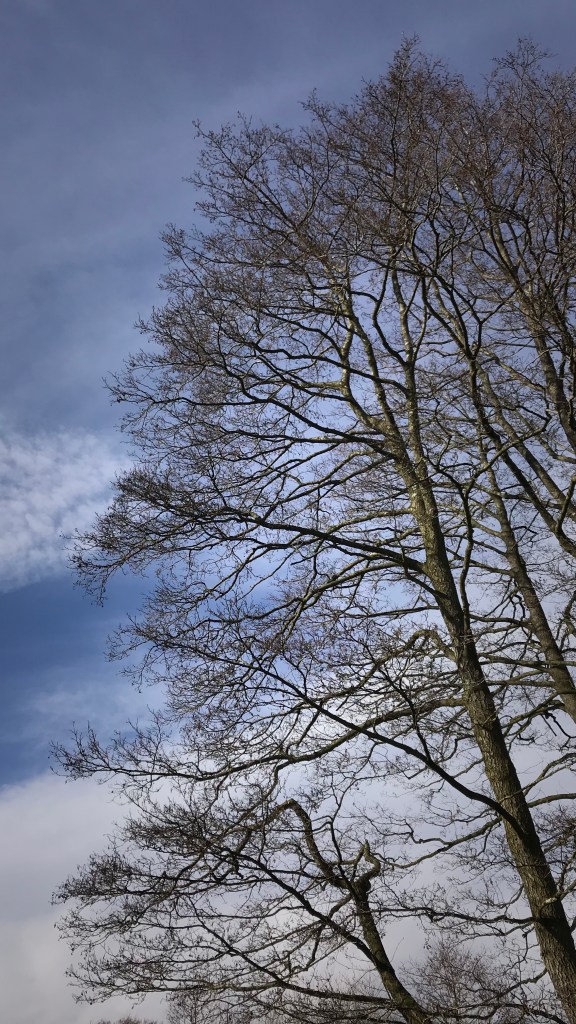
The past three weeks, whilst being the start of lockdown, have also seemingly seen the real start of spring. After many months of miserable weather (it almost seems to have been horrible since I left my three-month stint on Ramsey Island at the end of July), the sun and warmth have finally broken through. This week particularly has been very warm with temperatures up in the mid-20s at times and the sun has been out so much of the time. This appears to have kickstarted the trees with their leaves really bursting out all across the area.

The warm weather has enabled us to have the windows and balcony door open much of the time and that has let the natural sounds into the flat. The man-made sounds are less than usual with the roads much quieter and the planes going overhead on the flight path to Heathrow almost come as a surprise as they are so few and irregular now. The bird calls now float into the flat and I have to stop to listen every so often as the call of a green woodpecker or the song of a blackcap comes through into the rooms.

As I’m not a key worker and all I have had to do is shift to working from home, which is what I do at least a day a week anyway, I can hardly complain about the situation I find myself in. We have plenty of food and drink, we can get outside of the flat and can go for a walk or run each day. The traffic and planes are much quieter and spring is growing to its peak. There are so many people in much worse positions than us and under so much more pressure and anxiety. However, its not all plain sailing and I know just what a terrible situation the country is in at present, the stress of the collective situation we find ourselves in hasn’t completely passed me by but letting nature in is surely one of the best ways to cope with it all.
The seasons don’t stand still

As we are paused in our lives, hunkered down indoors, outside nature isn’t following us. The weather appears to have turned, from the seemly endless months of gloom and rain, to the past week which has been bright, cloudless and, occasionally, almost warm. The world is starting to react to these longer, lighter days with the earliest spring flowers coming and going, and the trees showing the first signs of leaves breaking out from their buds. The ground is drying out from the winter downpours and grass is coming into its first flushes of vibrant green. 

The birds are also reacting, with the residents building up their choruses at dawn and dusk, waiting for the spring arrivals to increase the depth of the music. The blackbirds, thrushes, robins, wrens and dunnocks will soon be joined by the warblers, redstarts, flycatchers and cuckoos, bringing greater intensity to the wave of calls washing across the fields and through the woods. 

The Glaslyn Valley always seems to be later to react to the coming of the new season, the plants and trees staying in their winter dormancy while other areas are well into their growth. However, we have noted the biggest sign of the coming of spring, the arrival at the top of that copse on the rocky outcrop in the wet meadowlands; the first osprey has landed in her nest and awaits the arrival of her parter.

Under current circumstances, I have no idea when I might been able to travel from my Cheshire home for my first shift of the protecting that osprey nest. For the duration of the lockdown, however long it lasts, I’m living in Kew, across the road from the famous botanic gardens, with a view over the wall from a second floor flat. Whilst there are no ospreys to be seen out of the window, we have our own nest to watch; a pair of magpies are setting up home in a tree only a few metres from our balcony. They’ve been noisily constructing their shaggy nest over past weeks and now seem to be getting on with the business of mating. We assume very we’ll only see one at once as the eggs are incubated.

Whilst Kew doesn’t have the rugged views of the Glaslyn’s natural landscape, it does have it’s visual charms. At present the cherry blossom is out and many of the streets are lined with trees slowly shedding their white and pink confetti petals.

Sunrise over the marshes

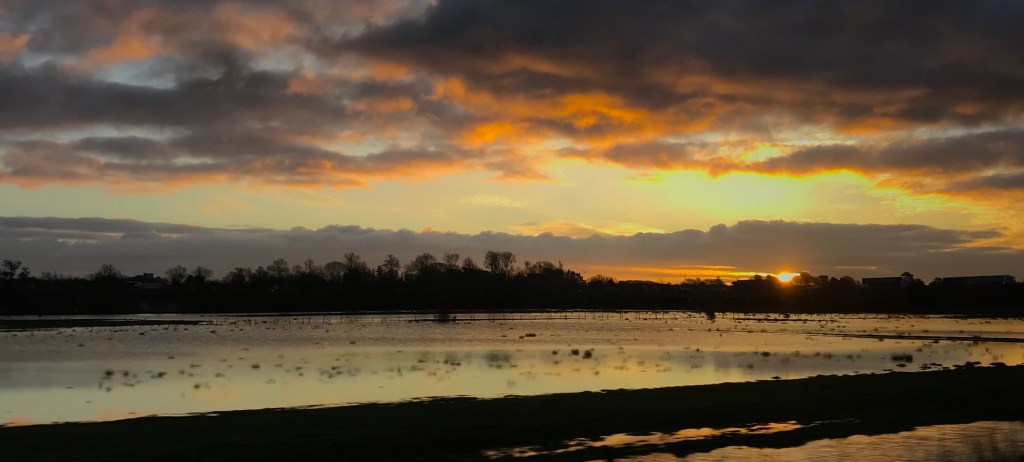
On the train to Birmingham this morning and was cheered by this lovely sunrise. I was just approaching Stafford and crossing Doxey Marshes as the sun first peaked above the horizon.

After the rain over the last few months, the marshes are looking even wetter than usual.

I just looked at the map to check the name of the location and learnt two things: it should be Sowford, not Stafford, and there’s a waterway in the Marshes called The Darling. Every day is a school day!

CNCV: Wybunbury Moss in March

Today I attended my first task of the year with Crewe & Nantwich Conservation Volunteers. With many other things happening in my life at the moment, it’s been difficult to fit in my usual fortnightly volunteering with the group but today I managed to at least attend for half a day.

After having to do some work this morning, yearning to be outside on what looked like a lovely day, I rushed across to Wybunbury Moss at lunchtime to join in the work. After being there two weeks ago, there was brash to cut and burn while others coppiced woodland on another part of the site.

The view from my desk wasn’t deceiving, it was an almost springlike day. There was as much blue sky as cloud and the sun’s warmth could be felt quite strongly but a keen chilly wind kept the feeling of late winter in the air rather than early spring. As we finished the task in mid-afternoon, a few light showers came along to dampen our enthusiasm. However, just being outside with some lovely sunshine lifted my spirits and blue away the morning work-cobwebs perfectly.

I’ve really missed being with the group over the last few months and hopefully I’ll find a few more gaps to attend over the course of the spring.

Upliftingly lovely…

Yesterday I went on a Saturday morning cycle in what has to have been the loveliest of sunny mornings for a very long time. It was chilly but with a cloudless sky and light wind and there was even a bit of warmth in the February sun.

I, like many others, suffer from the winter blues during the dark days of January and February. However, yesterday’s cycle seemed to lift a weight off my shoulders and afterwards I was almost bouncing as I walked down to town.

Unfortunately, today is stormy with strong winds and driving rain – what a difference 24hrs makes.

A return to Norfolk in January

At the end of last month (I’m getting behind with my blog writing!), we had a long weekend on the north Norfolk coast, staying in the lovely village of Blakeney. This is the second year in a row that I have taken a long January weekend in this Area of Outstanding Natural Beauty – it’s the perfect place to spend an early-year few days outdoors surrounded by nature.

Blakeney itself is a stunning little harbour village, about three kilometres from the sea up the River Glaven. The village is typical of this part of Norfolk with it’s few streets lined by flint-faced cottages. Our retreat for the weekend was a cottage in the old granary on the river front with great views across the wide and open salt marshes.

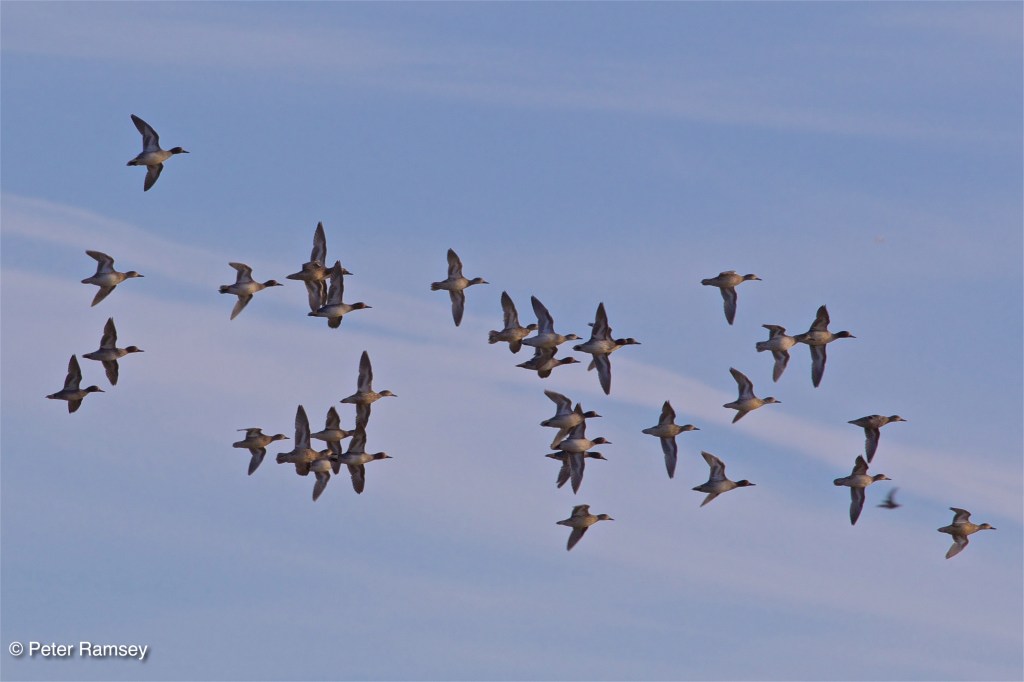
The two and a half days were spent walking along beaches, across the marshes and around some of the best nature reserves I know. This time of year on the north Norfolk coast is full of winter bird life with their sounds an almost constant accompaniment to any time spent outdoors. The richness of the wildlife is revealed by the figures; in just those short days in the area, we saw 80 different species and some huge flocks of wintering geese and ducks. 

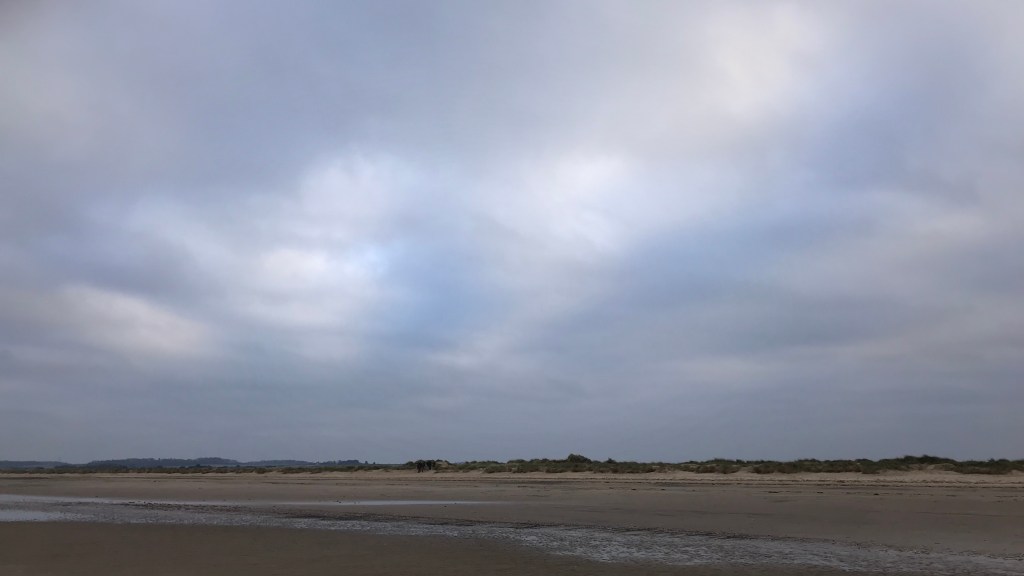
Over the weekend we went to the coast at Holkham, had two visits to RSPB Titchwell, walked from Blakeney to Cley and back again, walked around the Norfolk Wildlife Trust site at Cley and made a dusk visit to the steep pebble beach at Weybourne. Through each of these places we saw a great amount of wildlife; from the large flocks of wildfowl and waders, the geese being my favourite, to the smaller birds gathered together to forage in the dunes and fields. The best sights were of hundreds of scoter off the coast at Holkham, the pink-footed geese in the fields alongside the main road, the flock of snow buntings behind the Holkham dunes, the mixed flock of curlew and ruff near to Cley, the dusk gathering of marsh harriers at Titchwell, and the hares running down and across a darkened back road.  

The place is so rich in life that I yearn for a winter day wandering the area and I’m never in doubt that I will return many times again.

RSPB Leighton Moss

Yesterday we headed up to north Lancashire for an afternoon at the RSPB’s Leighton Moss reserve. After what has seemed like a never ending streak of gloomy days (or have I just spent too long in the office, far from natural light), it was a relief to be outside on a fabulously sunny day, even if there was a distinct chill in the air.

The reserve, nestled on a floodplain between the low hills of the Arnside & Silverdale AONB, is a patchwork of large lakes and reedbeds close to the shores of Morecambe Bay. The network of trails and hides puts you right in the middle of the reserve, giving great chances to see a whole range of wildlife from many different vantage points. Since my last visit, a new tower has been installed, giving visitors a view across the whole reserve.

Being a wetland reserve in winter, the lakes were the home to a large number of water birds with a good variety of ducks, geese and egrets. The tree-lined edges to the reserve were also good for woodland species with a good range of tits in particular seen during our five hours.

The day ended with a dusk spectacular with a murmuration of tens of thousands of starlings swirling above the reserve. We started to think it wouldn’t happen as the darkness descended and no birds had been seen. However, what began with a single bird, then a group of five, eventually became great rivers of starlings passing over our heads as they came in from spending the day foraging inland. Before they made their funnelling plummet to their nocturnal roosts, there was a mass of life swirling and waving over the reedbeds. It was just a pity the main body of the murmuration was a good few hundred metres away, but I still managed to get a bit of video…

Dartmoor’s Haunted Wood

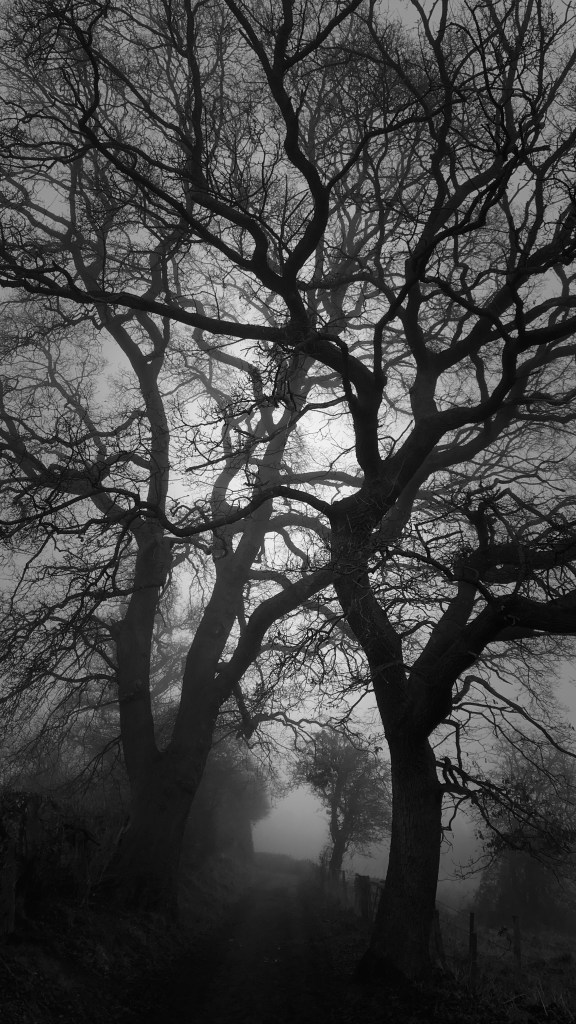
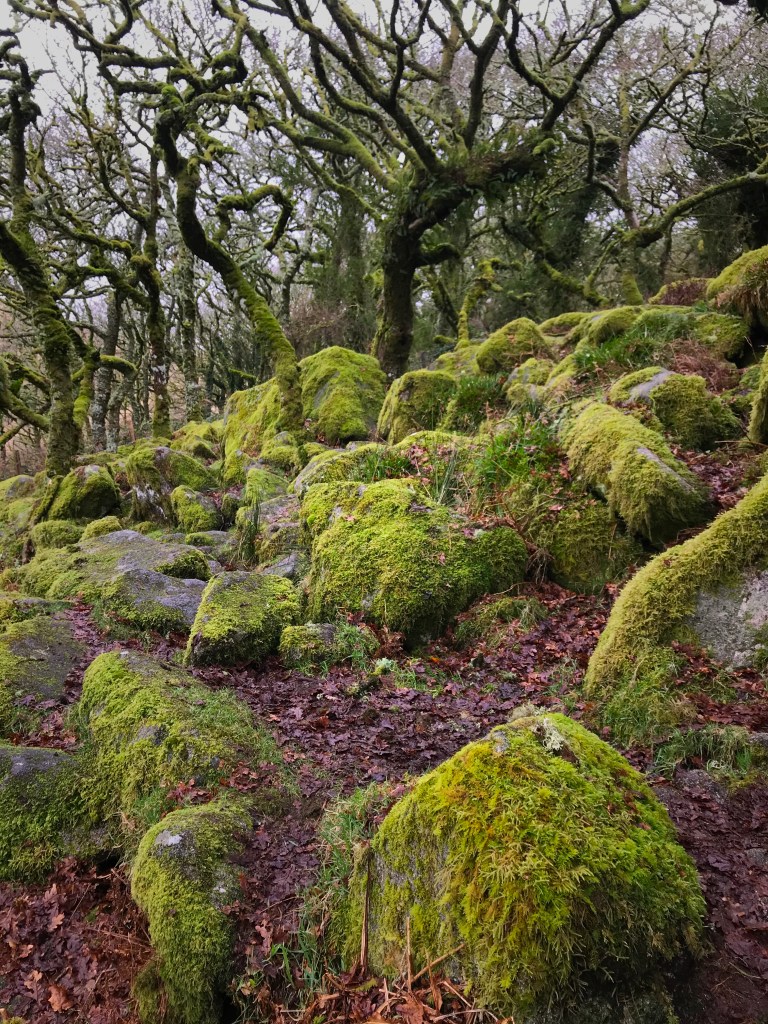
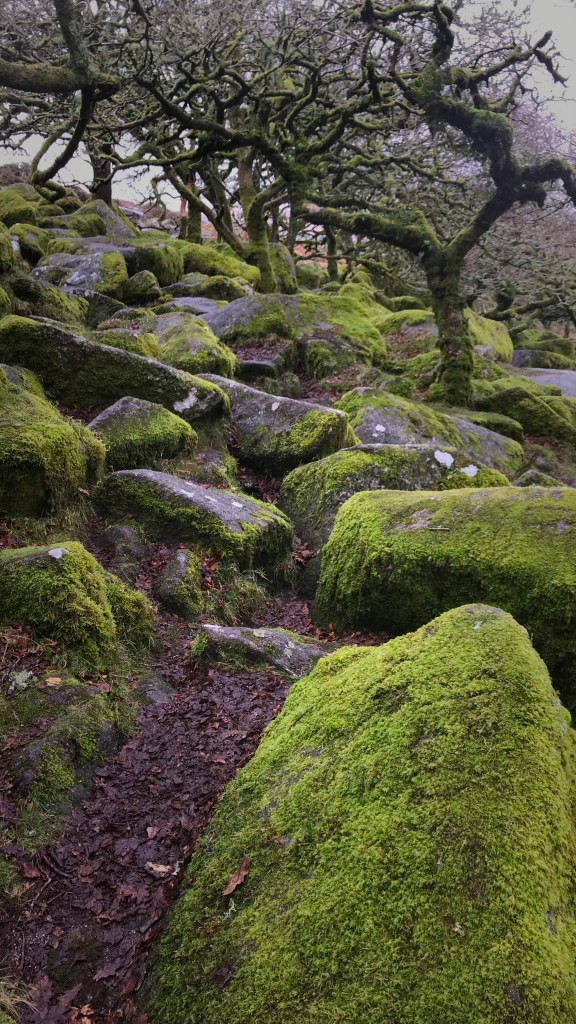
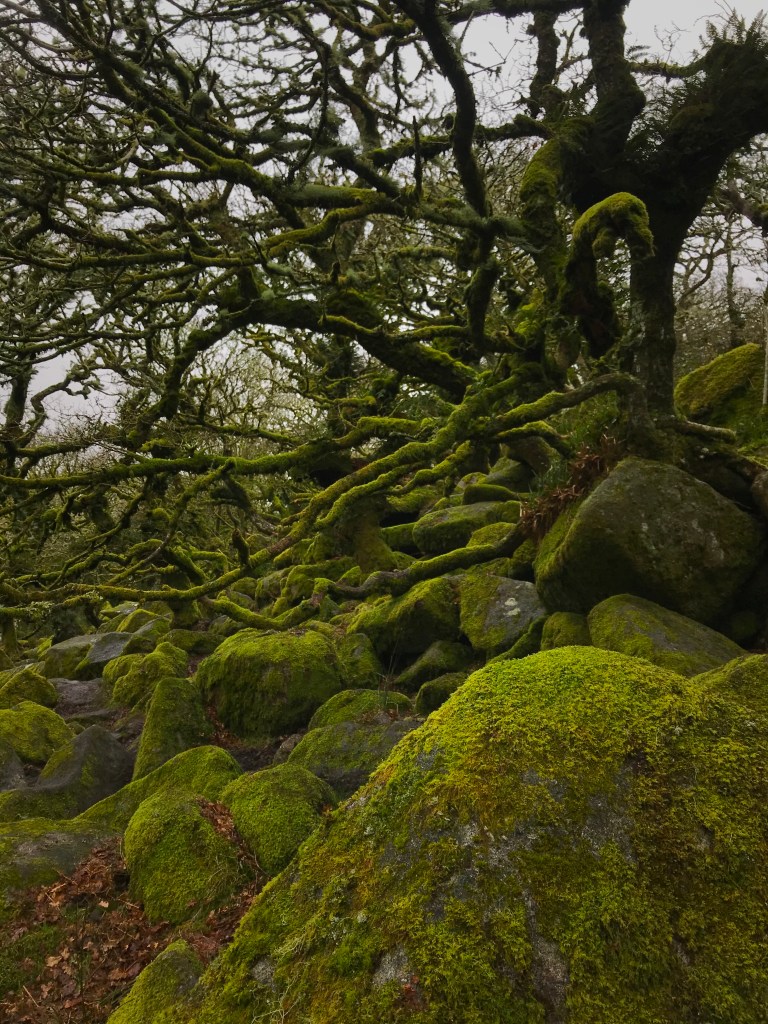
I spent New Year with my girlfriend and her close friends in South Devon and on the last full day, the two of use headed up to Dartmoor on what was a dark and damp day. We took a wet walk out to Wistman’s Wood which lived up to its spooky reputation.

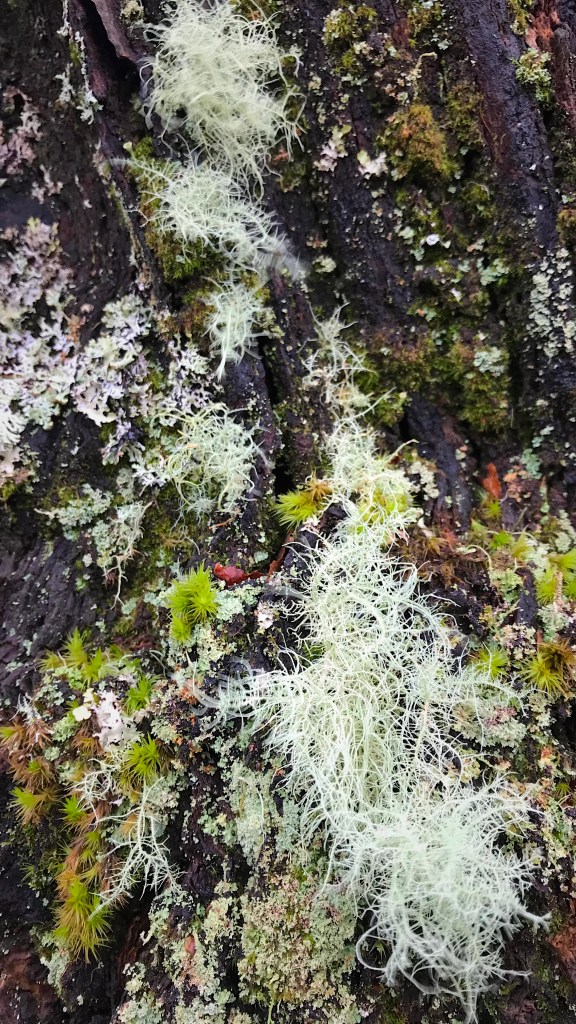
The old gnarly trees and moss-covered rocks really do give the place a brooding atmosphere which was made all the more sinister by the dark winter day on which we visited.

Looking forward to 2020

With four days already gone in the new year, I’m a little late in looking forward to 2020. What’s more, I’ve already had my first nights away and done my first bird survey.

In my last post, I said that 2019 was very probably the best year of my life but I didn’t intend for it to be a high-water mark. To ensure that is the case, I’ve already got loads planned for the year ahead.

Like last year, there will be a long weekend in Norfolk this month to kick off my wildlife watching year but it won’t be until May that I have my first proper holiday of 2020. We will be heading up to the Isle of Harris for a week, returning to Luskentyre Beach where I spent a lovely week in 2018, although this time there will be the two of us and we’ll be in a different cottage. Up there, we hope, in particular, to visit some of the outlying islands; possibly St Kilda and/or the Shiants.

In July, I will return to Ramsey Island where I spent three months last year. Sadly, it will be for just two weeks this time and it may be a little odd to be the short-term volunteer again. Hopefully, this will be followed by a short stay in Sweden in late July or August. At the end of the year, we’re also hoping to see in 2021 in Devon, from where I have just returned from doing the same for 2020.

The biggest trip of the year will be back to Africa, in September, this time to Zambia, where we will be camping in the South Luangwa National Park in search of all the usual beasts and birds on safari.

I’m hoping these highlights will also be mixed in with plenty of conservation volunteering, as usual, with osprey and peregrine nest protection shifts, bird surveys and local practical conservation tasks. I also need, urgently, to get back into regular and intense exercise; walking, cycling, running and swimming, in fact I’m making a start on that in a minute with a long cycle out into the countryside. Work, illness and time away from home, as well as plentiful festive eating, has left me heavier than I have been in many years and I need to get it shifted or I’ll struggle to fit into my clothes!

For me conservation volunteering is becoming even more important in the face of such catastrophic news about the climate and species. Even someone working full-time can find space in their lives to contribute. I also want to look at my life more broadly and see how I can reduce my carbon emissions and wider use of resources – a challenge it will be but it’s one we all need to face if the battle against climate change and species extinction is going to be won.

In the past, I may not have been alone in meeting a new year with a certain amount of dread; a whole new 12 months in which bad things could happen. However, my outlook on life, and on new years, has gradually changed, and for the last decade or so I have looked on each new year with expectation and excitement of great experiences to come. I now just need to make sure I put the effort in to make sure those experiences are delivered.