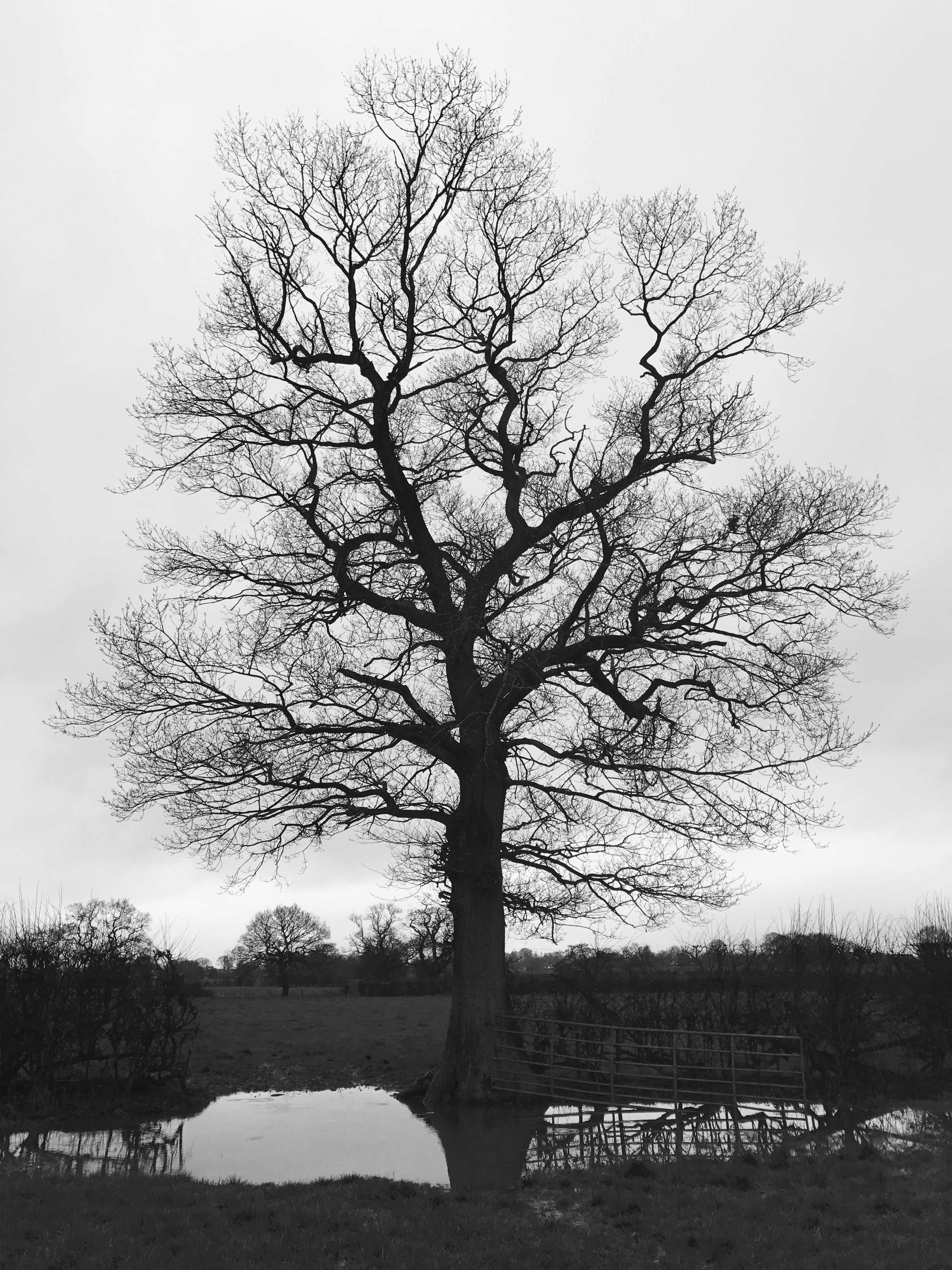
…just keeps on giving; today there were bluebells, wild garlic and willow warblers.
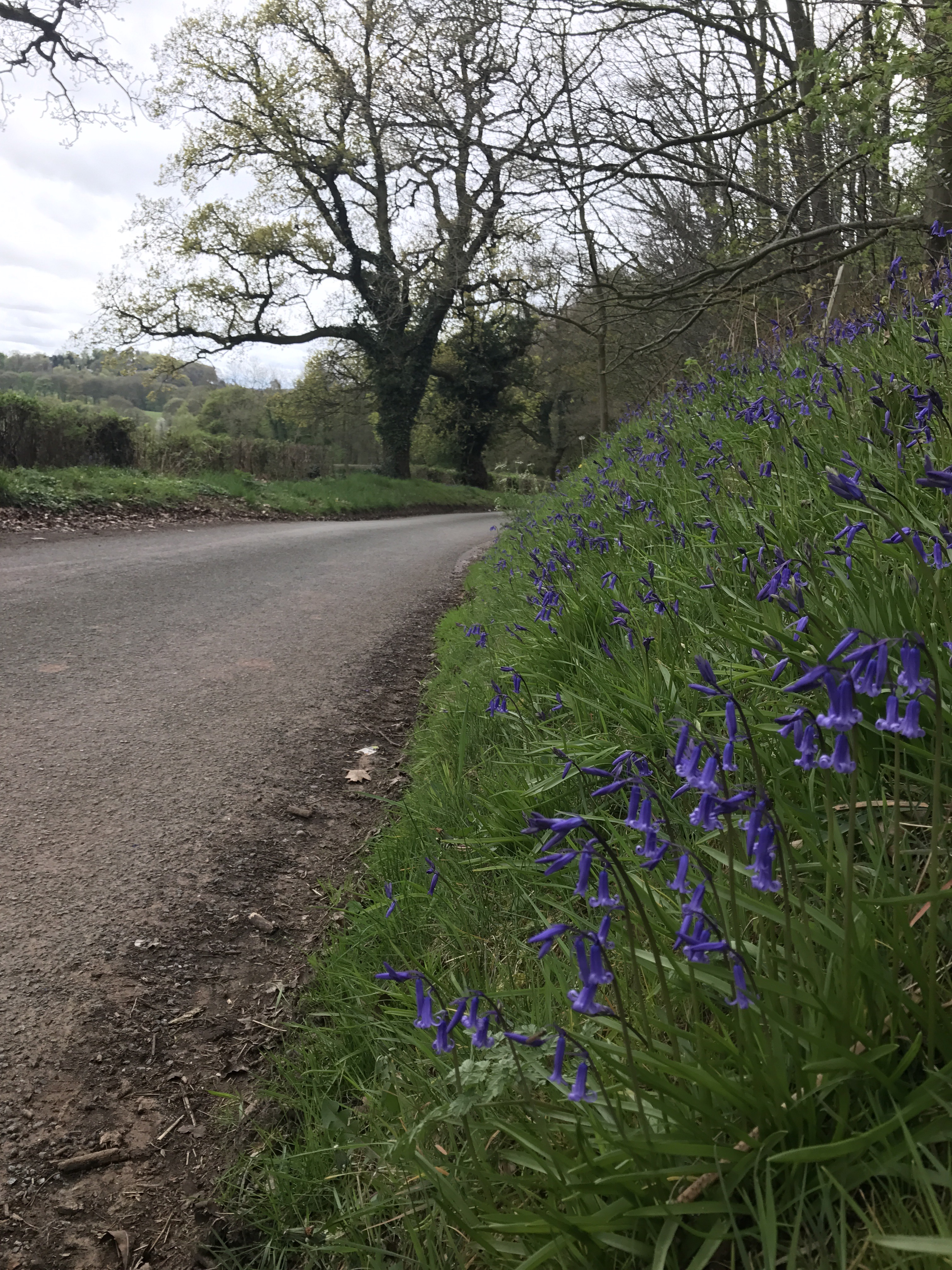

…just keeps on giving; today there were bluebells, wild garlic and willow warblers.
I did the second of four breeding bird surveys at Cheshire Wildlife Trust’s Bagmere reserve this morning. It was a chilly and slightly damp start but the weather wasn’t sufficiently poor to postpone the visit.
I’ve not been out in the Cheshire countryside much over the last two weeks and it has changed quite a lot with the plants starting to show their spring growth.
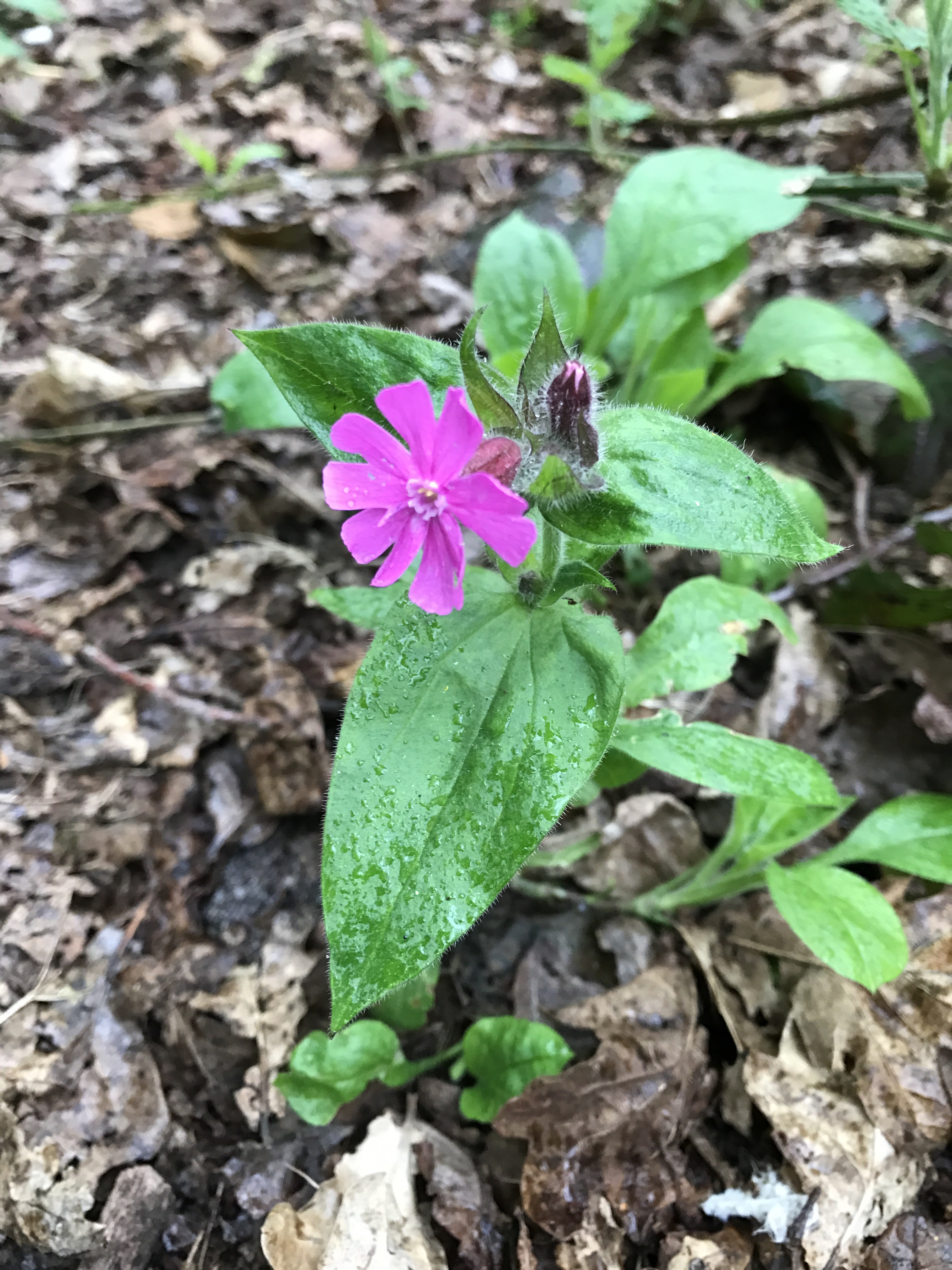
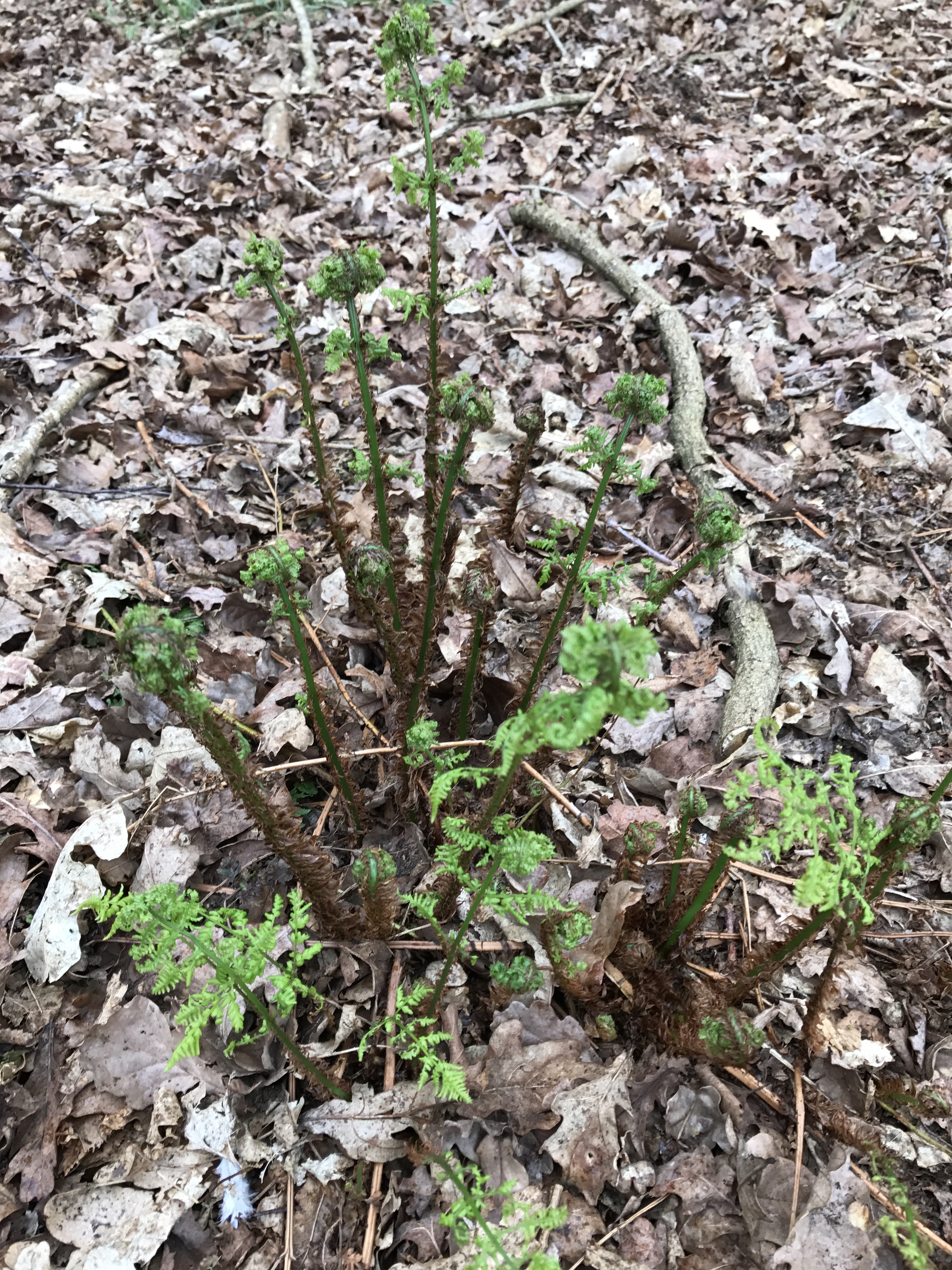
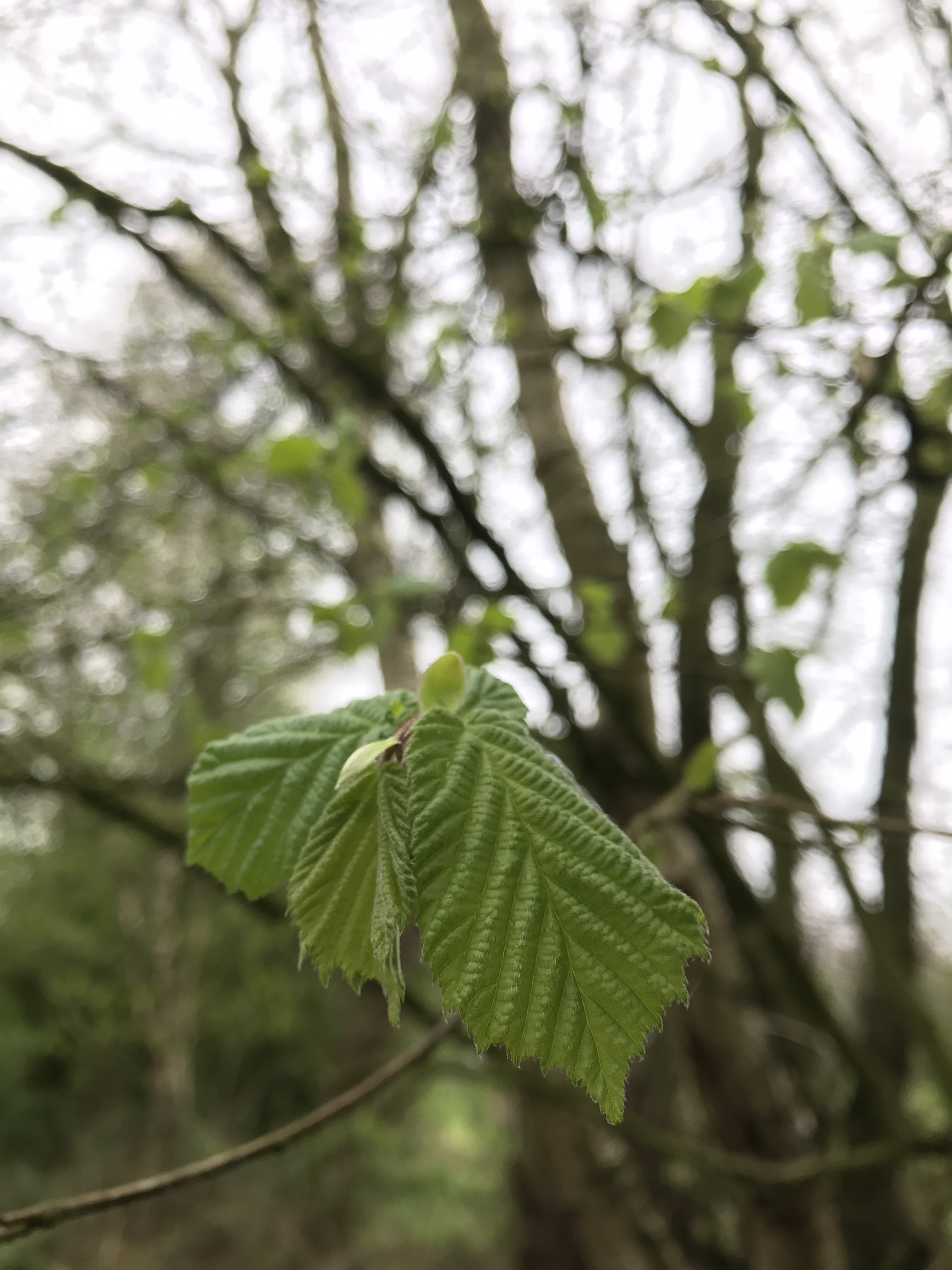
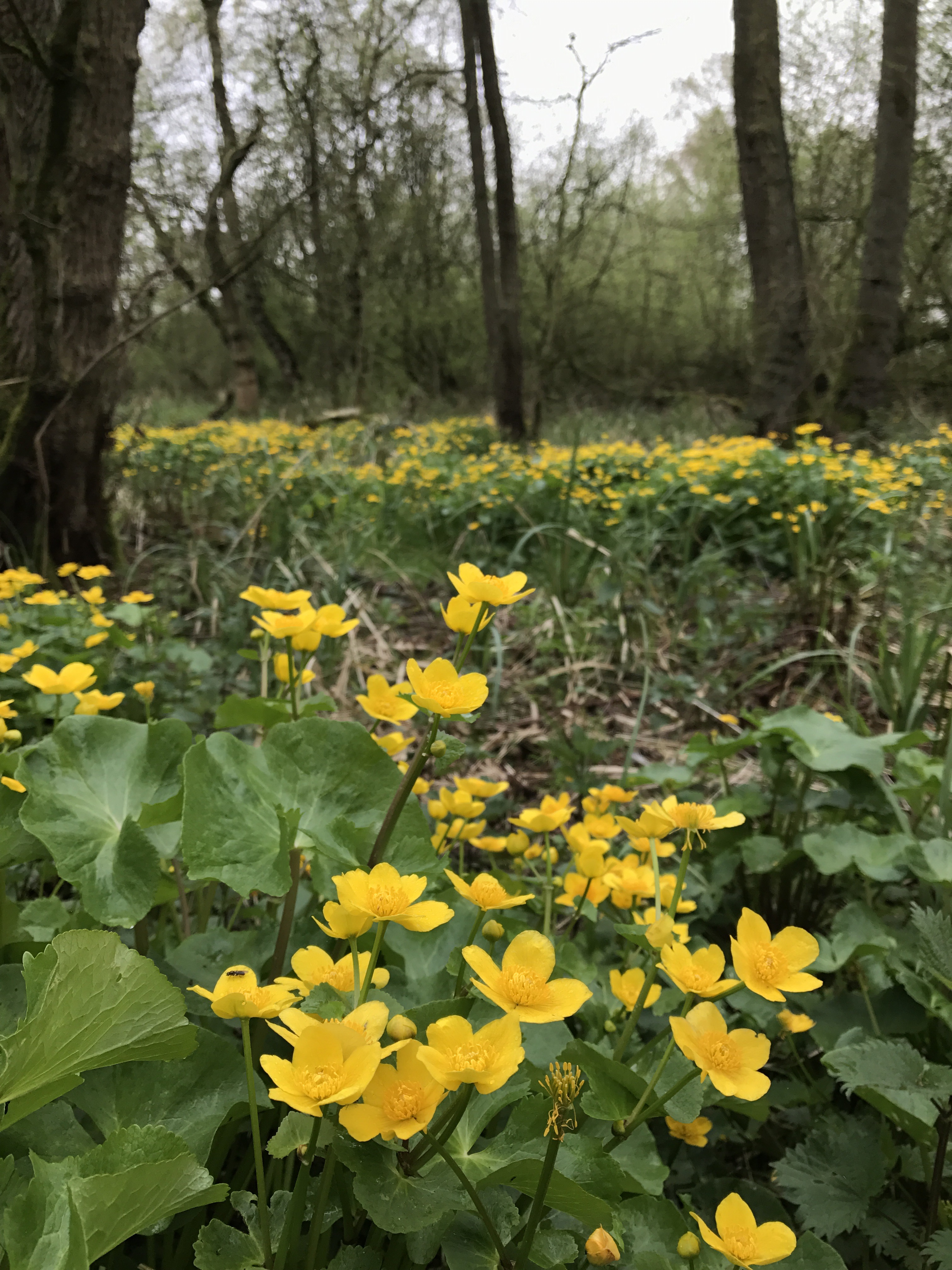 Our summer visitors are starting to arrive in good numbers and I recorded grasshopper warbler, willow warbler and swallow for the first time this year but there are still more to come.
Yet again, I didn’t record willow tit, which is disappointing but there are two more visits this spring to find them.
I’m struggling to stay awake writing this post, so I hope it doesn’t have the same effect on the reader! I’ve just got home from my first day back at work after my first visit to Africa; a nine night trip to the Okavango Delta in north -eastern Botswana. After seeing so much about the area on TV (including a Top Gear Special!), it really seemed the perfect place to start – and I wasn’t disappointed. The reason for my tiredness is that I woke around 2:00am (UK time) on Saturday morning, hearing hyena somewhere close by outside my tent, and didn’t go to bed until 11:00pm on Sunday, after going out for a few ‘quiet’ drinks.
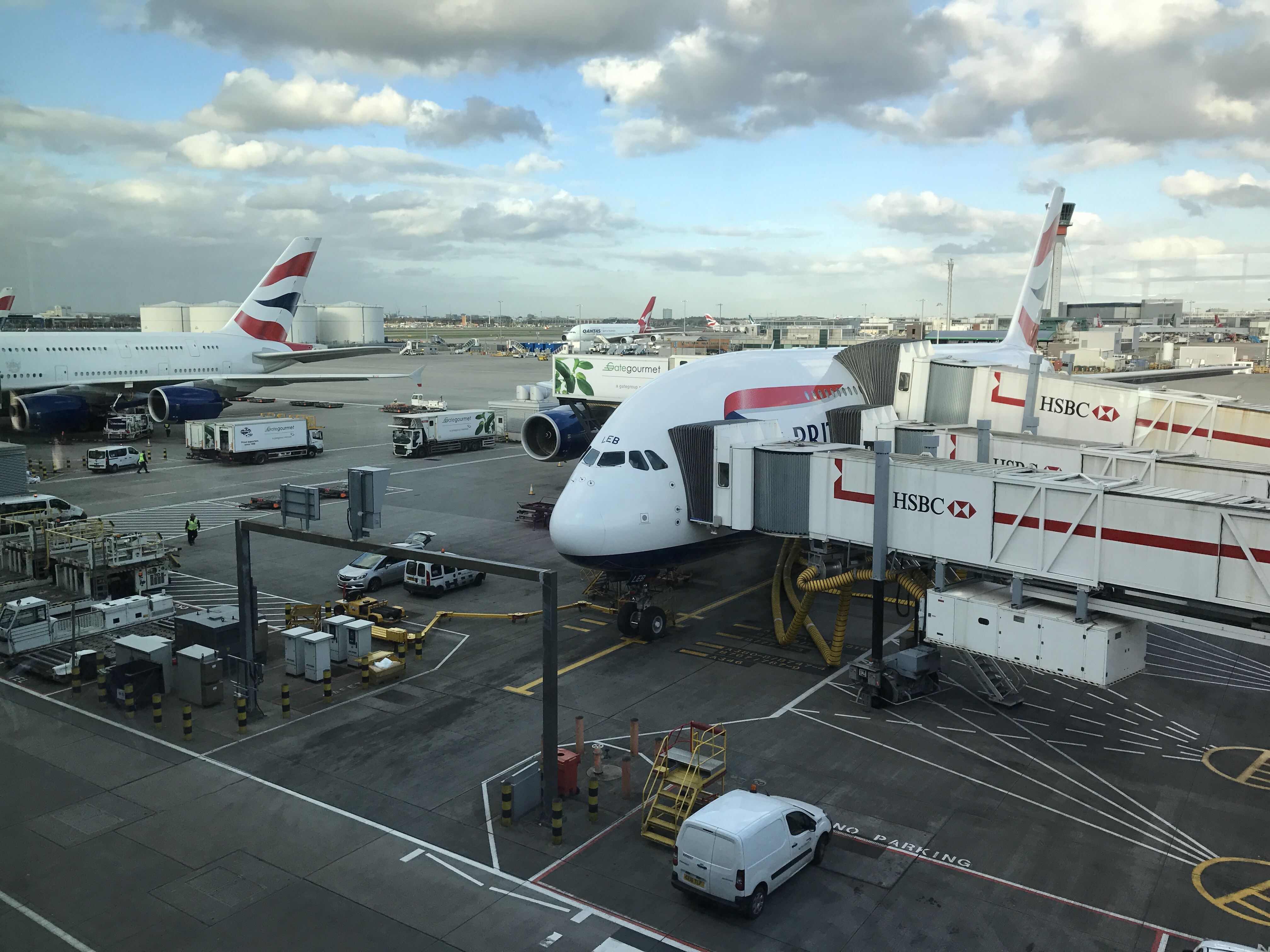
My trip started with a mid-evening flight from Heathrow to Johannesburg, South Africa. I was excited enough about the trip but was made even more so by my first flight in a double-decker A380 superjumbo. Went I got to the departure gate and handed in my boarding card, I was concerned with the scanner flashed red and the British Airways gate staff started typing in the computer but I was pleasantly surprised to be given a free upgrade to Premium Economy. The trip seemed to be getting off to a great start! Inside the plane, I was welcomed with a bigger, comfy seat, a glass of sparkling wine and a three course meal. I’m not a good sleeper on planes but managed a bit of shuteye, helped by how quiet the place was. However, I did spend time looking out of the window into the pitch-blackness as we passed southwards over north Africa and beyond, a few settlements appearing every-so-often.
On reaching Johannesburg early on the Saturday morning, I was welcomed by warmth not felt in the UK for some time, having moved from northern hemisphere spring to southern hemisphere autumn. The journey through immigration was slow, despite the early hour but it killed some of the four hours I had to wait at the airport for the connecting flight. I also spent a bit of time looking out of the large window near to the Air Botswana check-in desk, trying to see some of my first African wildlife. The were good numbers of swallows and swifts flying around the outside of the terminal although I struggled to identify them as my Botswana bird book was at the bottom of my luggage.
Eventually, I took off on the second flight, a late morning plane to Maun (pronounced Ma-oon), the gateway town to the Okavango. The flight was a little less comfortable than the first, the 50-seater twin propeller plane certainly had less leg room and the air was a little warmer inside, but after the 11-hour first flight, the two-hours onboard the second seemed to go very quickly. Leaving the plane at Maun, I was immediately hit by the heat coming down from the strong sun and radiating back up from the concrete beneath my feet. In the early afternoon, the temperature must have been in the 30s and it was with a little relief that I got into the terminal, only to be met by a longish wait to get through immigration. Out on the other side, I met the other members of the group and our guide for the week, Kabo or KB for short. We loaded our bags into the trailer and then climbed into the opensided Landcruiser safari truck to start our journey into the Okavango.


We were soon out of the centre of Maun, and onto wide, straight roads with even wider verges dotted with small stalls and, behind, the small breeze-block houses and homesteads became steadily less frequent as we travelled out of the town. The tarmac abruptly ran out and KB switched from two- to four-wheel drive before heading onto the dirt tracks that would take us well away from the town. The wind rushing through the open-sided truck was welcome as it took the edge away from the afternoon heat and the canvas roof kept the strong sun off our heads.
The road certainly wasn’t smooth, more like a washboard, and we often had to slow to manoeuvre around dried up mud pot-holes that looked like they could have swallowed up whole cars when wet. However, after being sat on planes or in airports for the previous twenty-four hours, it was a relief to be out in the open air and moving ever nearer to our first destination. The hours passed quite quickly as we moved on and soon we started to see wildlife (after only seeing cows, goats and donkeys for the first part of the journey). There were plenty of birds, although they were difficult to identify at speed but soon we came across something more obvious and were stopped in our tracks as elephants crossed the road in front of us – we had definitely landed in Africa!
After a few more stops to watch groups of elephant, zebra and giraffe, we neared the first of our two bases for the week; the Khwai Development Trust reserve at the north-eastern edge of the Okavango. As we approached our campsite, we came across our first water-covered track (what was to become a common sight on this trip), which the truck waded through and was still dripping as we arrived at our new home.
In a small clearing were five tents placed under the trees and a large dining table under an awning in the centre, along with a fire surrounded by camping chairs, ready for us to rest in after our long journey. On the opposite side was the kitchen and the camp staff’s own tents. We were each shown to our own tents; large abodes with porch at the front , and inside were a camp bed, with nicely firm mattress, a small table, a small LED light and a line from with to hang clothes. The tent had two large ‘flyscreen’ windows on each side and one on the front, all of which could be blacked out by zipping up a cover, as could the front door. At the back of the tent was a door into the ensuite ‘bathroom’; the roofless room formed by the back of the tent and a three-sided screen included a toilet (a hole in the ground with what looked like an upside-down bin and toilet seat placed on top) and a bucket shower (a large frame holding a metal bucket holding water and a shower head beneath which could be turned on and off). While basic, but more than adequate for me, the bathroom provided some memorable moments; such as popping out for a nighttime visit and sitting looking up at the Milky Way, and finishing my first shower only to realise that I was being observed from an overlooking tree by several keenly observant monkeys (more of them later).


As darkness fell, we sat around the camp fire, sipping our G&Ts or glasses of wine, and then came our first evening meal of our stay. Throughout the trip, I was amazed at what meals the camp staff managed to prepare on an open fire out in the middle of the wilderness. Each evening we had a main course of meat and vegetables followed by a sweet; all very tasty and of very good quality.
As well as making great food, the camp staff were just generally lovely; welcoming us each time we returned to camp and always being around if we needed something. They also had artistic flair, arranging our towels differently each day and making different napkin patterns at each meal. When we returned for lunch on our last day we were amazed that find that they had unexpectedly done our clothes washing for us and it was hanging on washing lines and almost dry. Well, at least they did this for those who had left their dirty washing scattered around the tent rather than packing it away neatly – they only touched the obviously used clothes (sometimes it pays to be untidy!).
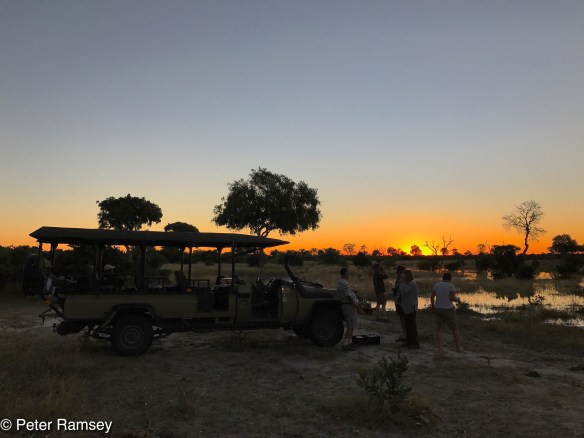
Waking on our first morning in the Okavango, we settled into what would become a familiar pattern for the next six days. At 5:30am there was a cheery ‘good morning’ from outside the tent and a delivery of hot water to the wash basin on the porch. We weren’t allowed out of our tents before our water delivery and if there was a delay it would be because there were animals in the campsite and it was better for us to stay inside the tents until they left. Breakfast was at 6:00am (cereals and toast) and we headed out at 6:30am, as the sun was rising, on the first drive of the day. We would return to the campsite after 11:00am, welcomed by the camp staff with hot towels and a drink and at noon was lunch (a hot main course). Then it was siesta time, during the hottest part of the day, until ‘afternoon tea’ at 3:30pm and we went out for our second drive at around 4:00pm. In the Khwai area, night drives are allowed (they aren’t allowed in the Moremi – the second location we stayed in), so on the second and third evenings we stayed out after darkness had fallen, having had a sundowner by the water each time, and then using a spotlight to search for wildlife wandering around in the darkness. After the evening meal at 7:00pm or 8:00pm, we all usually drifted off to our tents for a good night’s rest after long days out in the Okavango.
After three nights in the Khwai area, we moved on for four nights in the Moremi Game Reserve National Park further to the west. The trip occurred at the end of the rainy season in Botswana; in fact looking at the weather forecasts over the last few weeks, the season seemed to end overnight going from endless days of rain to days of constant clear skies. Over the course of the rainy season, the area has experienced rainfall not seen for several decades and the Delta had very high water levels even without all the usual water that flows in from the mountains of Angola which was still on its way. This meant that much less of the Delta was accessible to us than usual and many roads were under water, including the road to our second campsite, resulting in it being inaccessible. The camp staff therefore had to find another site and, due to closed roads, our transfer to the second site was much longer than it usually would be and took most of the day. However, we watched plenty of wildlife on the way and stopped for lunch at one of the national park gateways.


There was so much to see and so much happened that I can’t write about it all in one post, so this is the first of several. However, in this post I can point to some of the highlights of what was a great trip.
The whole experience was a feast for all the senses.
I went to bed each night and woke again each day accompanied by the sounds of nature; from the constant ticking of insects and pipping of frogs, to the calls of the mammals including lions roaring, hyenas laughing and hippos grumbling in the dark. Sometimes the calls were distant but at other times they came from within the campsite and not far from the front of the tent – certainly something to sharpen the senses! It was the cooing of turtle doves, however, that was immediately recognisable to me as the sound of wild Africa, after hearing them so often in wildlife documentaries. However, the calls of other birds were very much part of the constant cacophony we heard; from rhythmic booming of ground hornbills at dawn, to the nocturnal calls of owls and owlets, and the magpie-like chattering of the starlings.

The sense of touch was hit by the temperature changes; the mornings could be quite cool, especially if wearing shorts when out on the open-side safari truck. By mid-morning, however, the strong sun had turned up the heat and in the mid-afternoon it was too hot to do anything energetic (we couldn’t leave the camp for a walk anyway!). By the time evening came, the temperature was pleasant to sit out and dine in and by the time we went to our tents for the night, it was comfortably cool to sleep in and I never needed the heavy blanket on top of my duvet.

The sense of touch was also hit by riding around in the safari truck – not for those who like a nice, smooth ride – we were constantly going over bumps, down dips in the tracks and having to duck as branches thwacked past our heads; all part of the fun though and I think it might have counted as exercise!
The sense of smell was opened up by so many new aromas; from truck driving over the brush and sending up big wafts of wild sage, and the scents of the lush undergrowth in the woodlands, to smells of the muddy water we drove through and the stench of a newly dead impala and the content of its gut hitting us as we searched for its location and that of its leopard killer.

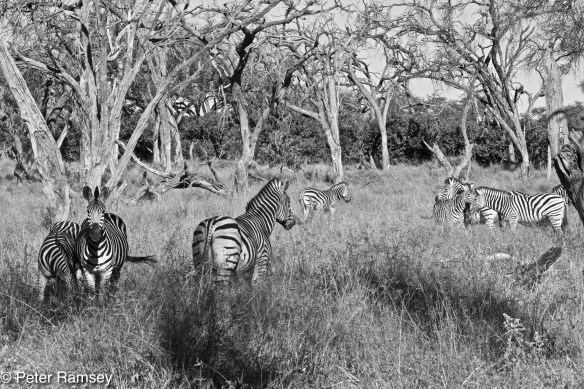
However, it was the sights that were the most extraordinary, from the colourful birds, large and small, the mammals, both prey and their stalkers, to the varied landscapes of lush green woodland, grassland dotted by stands of fossil-like dead trees and waterlands dissected by islands and roadbeds. There were differences between the landscapes in the two areas we stayed within. Whilst they are both part of the wider Okavango Delta and include a lot of the typical water and waterside landscapes, the level of tree cover was distinctly different in areas away from the water. At Khwai, which is more on the edge of the delta, much of the area is covered by open grassland with fewer trees, and of the trees that are there, many were dead, killed by elephants either taking off the bark or pushing them over. The tree cover in the area of Moremi we stayed in was much thicker with deep woodland cover with thick, almost unpenetrable understorey, with sporadic clearings. On the transfer between the two areas there was thick scrubland and further woodland with vast areas brightened by dense patches of yellow flowers.

On our last night we ate our final evening meal with a backdrop of huge clouds that has bubbled-up during the afternoon and giving us a display of huge electric lightning flashes and far off rolls of thunder (thankfully very little rain fell on us during the trip – only a light and short shower one morning).
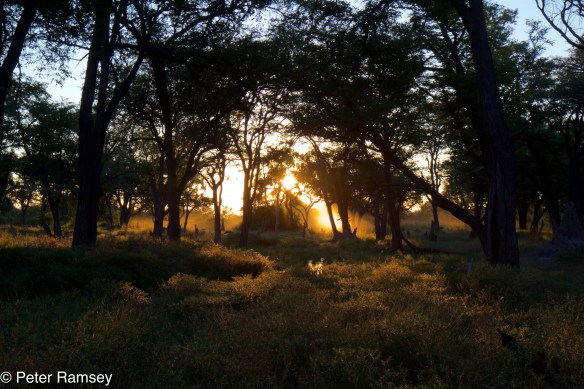
Whilst an emotion rather than a sense, there was something approaching fear, well maybe that’s a bit strong but certainly some unease. Whilst this was my first safari, it seems to me that camping is a far better way to experience the wilderness of Africa; with only canvas around you and no fences, the wildlife is with you 24 hours a day and you can never be sure what is around the next corner and hiding behind a clump of grass. We had punctures on the safari truck twice in two days and it was slightly unnerving when for the first KB had to change the wheel in the dark having just left a leopard a few hundred metres behind and knowing that lions were in area.
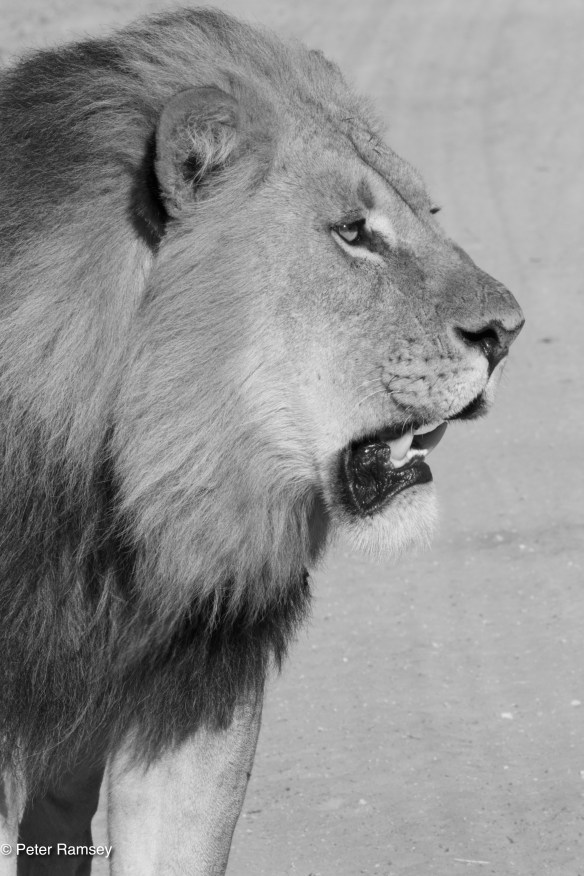
Over the course of the trip we saw nearly 150 species of bird, 24 species of mammal and reptile, and countless insects. My further posts will look at the birdlife and mammals we saw on the trip and also particularly focus on the painted dogs sightings we had – something very special indeed.
Overall, the trip more than met expectations in most aspects, not failing in any, and far exceeding in some. This trip wasn’t a luxury safari lodge holiday, or even African glamping, it was quite basic camping in the wildness (albeit with a nice bed) but the little extra touches made by camp staff sometimes felt like luxuries.

The important thing to recognise about wildlife holidays is that they are unpredictable in many ways, and in Africa I suspect they are even more so. The Okavango Delta is not a zoo, safari park or fenced reserve; it is entirely wild and the wildlife is free to move in and out and the land is not managed so the natural changes in season and weather have effects uncontrolled by man. As such, the experiences can’t be guaranteed and patience is need; it’s best to start off by not expecting to see everything that could be there. Previous trips to the area may have seen more birds and different mammals, but the extreme high water levels, whilst hampering our movement quite significantly, did have a big positive impact for us, something that may have been special to this year only. It concentrated the terrestrial animals into a smaller area, giving us a possibly unprecedented number of sightings of painted dogs – six times in seven days! Knowing that these trips are so unpredictable, for me, brings more excitement and when they go just about perfectly, it’s an added bonus. Even the problems that come up often seem like bonuses to the trip, adding more interest, not detracting from the experience. The people met along the way also add to the experience, the fellow travellers, the happy staff at Maun Airport, the brilliant camp staff, and of course our skilled and knowledgeable guide, KB!

All I can finish with, for the moment, is to say that this may have been my first trip to Africa but it certainly won’t be my last. At the very least I want to go back to the Okavango in the dry season to see how the place changes when the water has gone.
The trip was booked through Naturetrek, with whom I’ve travelled a few times before. The trip was their ‘Botswana – Desert and Delta’ holiday, for which there are mammal or bird focussed variations. I didn’t realise this when I booked and unknowingly put myself on the bird version. As someone with a general interest in all wildlife, I would have been concerned if the trip was just birds but I need not have worried as the holiday covered both birds and mammals, and everyone seemed happy that it was so – after all, it would have been very odd to ignore the mammals when they were so spectacular.
The trip itself was operated by Letaka Safaris, a local Maun company and featured in the ‘Safari Brothers’ TV series on National Geographic (Nat Geo Wild), and for my first safari experience, I don’t think it could have been bettered. The organisation was very good, the service pretty exceptional given we were camping in the middle of the African wilderness and they delivered a brilliant safari experience.
…coming in to land at Johannesburg.

I’m just sat in Heathrow Terminal 5 waiting for a flight to Johannesburg and trying not to get too excited too early – it’s an eleven hour flight after all and then I’m not stopping there! Tomorrow lunchtime I’m catching a shorter flight to Maun in Botswana – the gateway to the Okavango Delta.
After seeing the wildlife of Africa so often on TV I thought it was about time I saw it for real and the Okavango seems like a good place to start. The trip is a bird-focussed holiday organised by Naturetrek but I’m hoping for plenty of mammals too – I’d be a very happy boy if I saw African hunting dogs!
I realised a while back that I’d missed Africa and its wildlife off my bucket list, so I’m making amends with this being my second long distance trip outside of Europe (the first being the Falklands and hopefully more to come).
For the first time in a while, I’m travelling laptopless, so there won’t be any updates while I’m out there. However, hopefully there’ll be plenty to blog about on my return!
I woke very early this morning, not much later than my usual weekday time. With clear skies and no wind, I took the opportunity to do the second of my two March breeding bird surveys for Cheshire Wildlife Trust. This time at their Blakenhall Moss reserve.
Heading out it was a cold and frosty start but with no wind, it was quite comfortable outside and the spring sun soon warmed me up, hitting my dark waterproofs with strengthening rays.
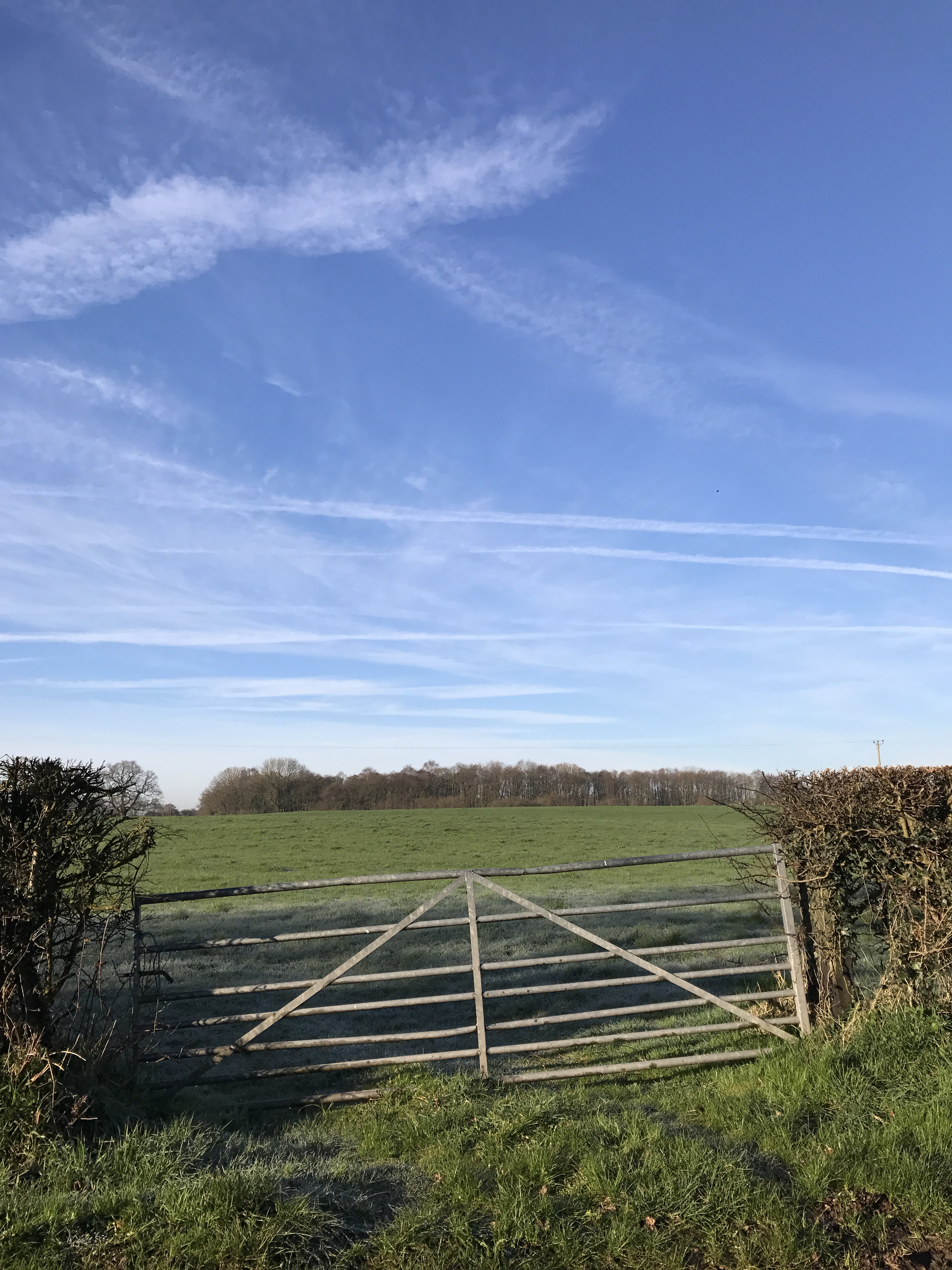
The reserve is out in the Cheshire countryside near to Wybunbury but isn’t open to the public. I’m very lucky to be allowed to spend a little bit of time there. However, it isn’t all fun…the site is getting more difficult to get around due to the bramble cover in places and the higher water levels, brought back up to help restore the Moss. I won’t let a bit a water or a few scratches put me off though and after an hour or so I had completed my walk around the site and recorded a good number of species.

There were two new species recorded for the site, meadow pipit and shelduck, and it was also good to record pairs of marsh tit and lapwing. Despite the lovely springlike weather, there were still some winter migrant species about with a good sized flock of teal still about and a small group of field fare passing purposely overhead. In total, in recorded 31 species and the two new ones brought the long term reserve list to 64.

For me, this was a perfect early spring morning – bright blue skies, warming sun, a slight frost on the ground, and spent wandering around the countryside listening to and watching wildlife.
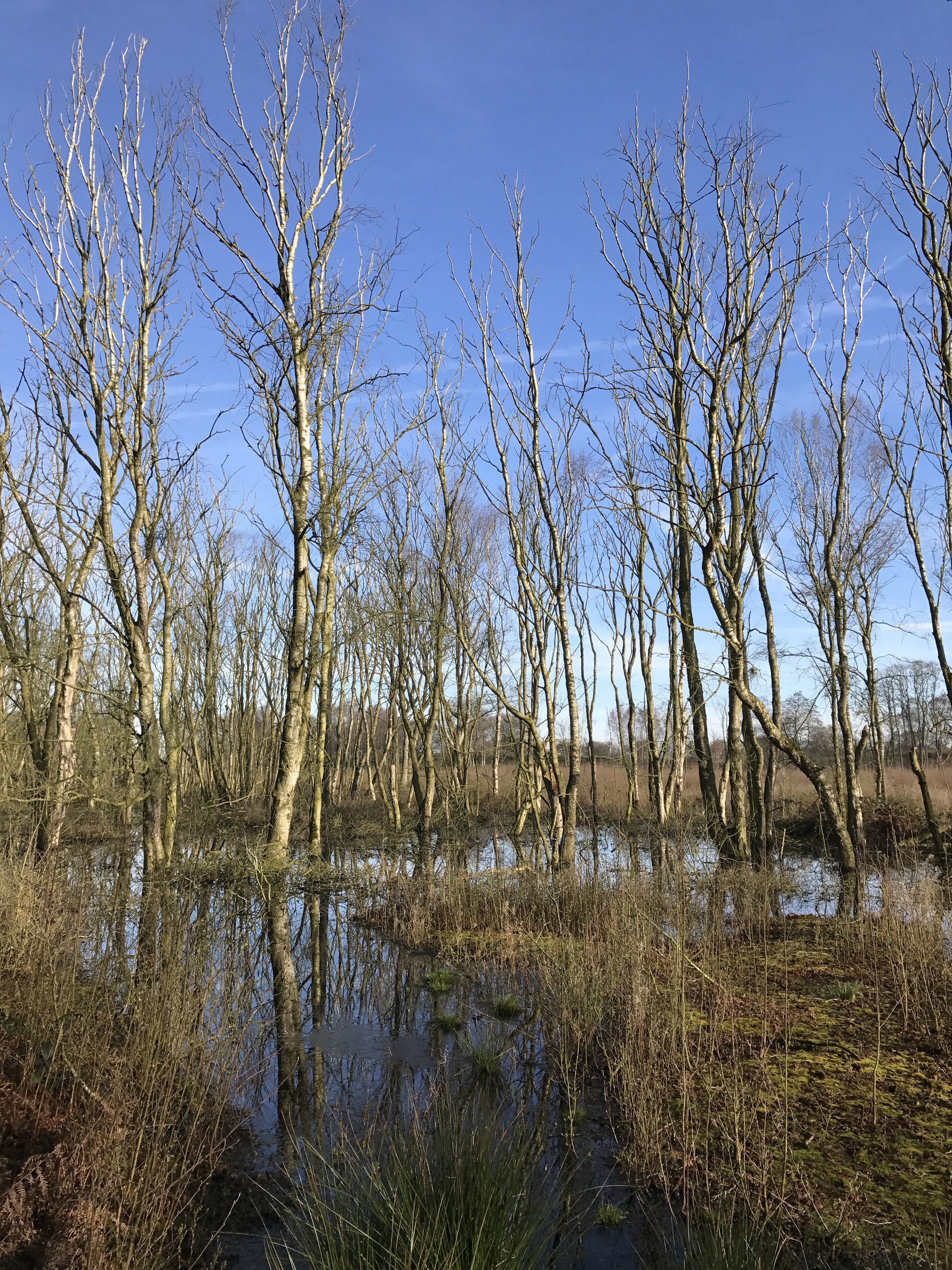
After working from home today I took the opportunity on a bright (but slightly breezy) spring day to go for an early evening cycle. With the wind coming from the east, I went out in a less frequently headed direction and up into the small hills across the Staffordshire border. The area isn’t far from home but I’ve not really explored it much before and when I came to a junction I decided to make a new turn and go down a road I’ve not passed along before…it led me to a stunning little valley.
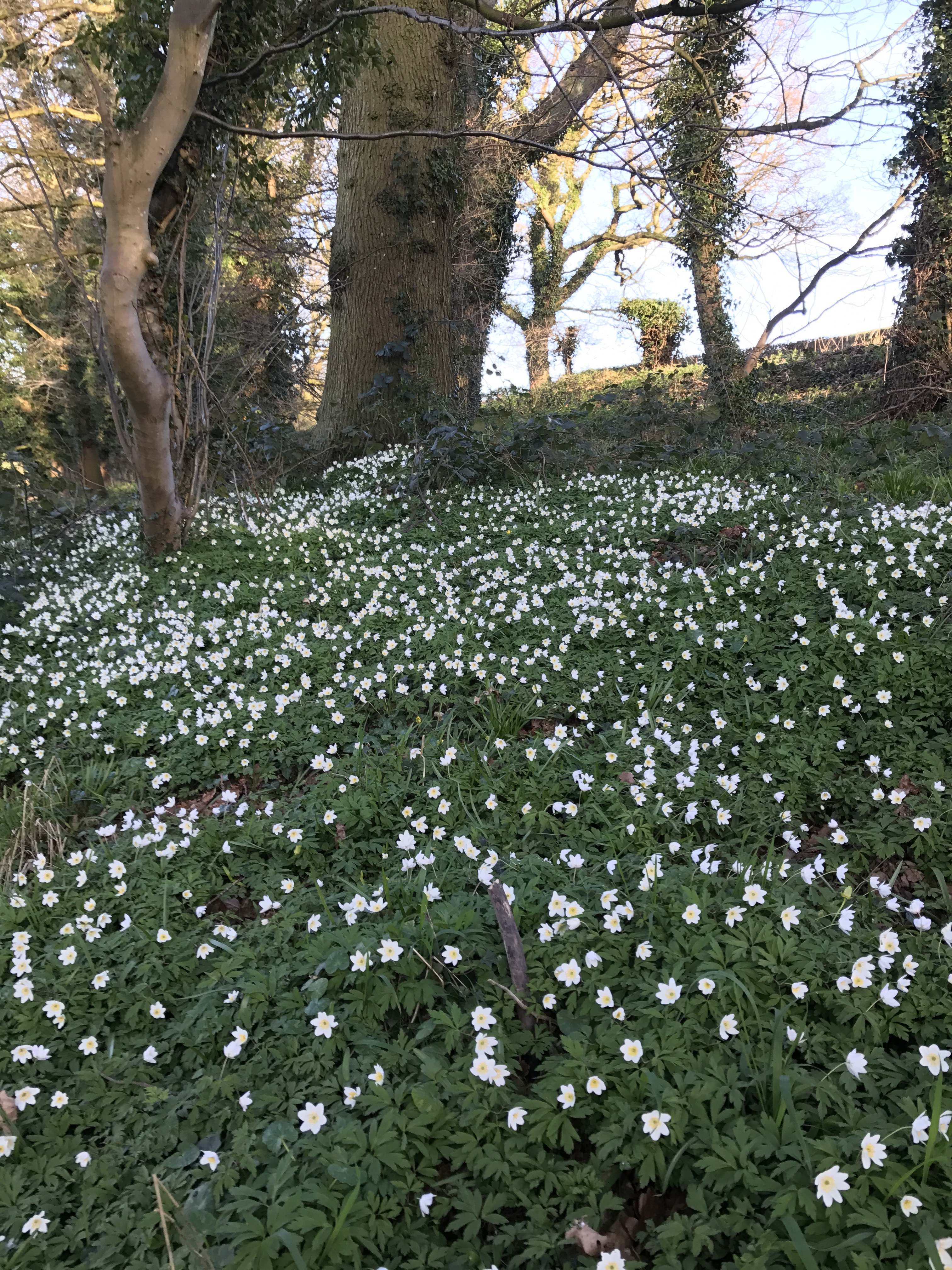
With the sun out and the grass turning a spring rich green, all under a bright blue sky, the valley seemed to be approaching its prime. All it needed was for the trees to be bursting into leaf. As I came to the end of the valley bottom road, I stumbled across a little piece of woodland with a rich carpet of wood anemones forming a green, white and yellow carpet beneath – lovely.
On the way home from doing a bird survey this morning, I went for a walk around Wybunbury Moss. It’s a few weeks since I paid one of my regular visits and, at last, spring is really is starting to show.
Getting out of my car, the first sign was the sound of a chiffchaff letting out its distinctive call from high up in a nearby tree. To me these diminutive little birds are a clear sign that the season has turned; some are long distance migrants while others stay and overwinter here, but when they start signing I feel spring really has arrived.
Heading up into the church yard, the daffodils are out in full bloom, their heads being buffeted in the increasing breeze. Other birds are starting to make themselves heard, with greenfinches, goldfinches and gold crests all singing in the trees.
Walking around the outside of the Moss, other plants are showing their first growth of the year. Leaves are coming out on the hawthorn hedges and brambles bushes, dandelions are unfurling their first flowers, nettles are sprouting, the gorse is well out in bloom and the catkins are opening on the willows.


On the far side of the Moss, circling up in the strong winds, was a foursome of buzzards, calling and playing in the rushing air. There was also a busy movement of jackdaws, crows and magpies all around the area as they prepare for breeding season.
However, the spring is yet to be in full swing; others are missing and yet to arrive. The great movement inwards of our summer visitors has yet to really be felt but over the next few days and weeks, the woodlands, fields and hedges will welcome a great influx of avian life bring the spring to its rapturous heights.
Spring and early summer is without doubt the busiest part of my year. I fill weekends with bird surveys, raptor nest protection shifts, some practical environmental tasks, cycling and walking, and my evenings have more cycling thrown in too. With the warmer weather arriving, I also take more holidays during these months, either volunteering or travelling to new places.
My busy spring really kicked off this weekend. On Saturday I attended a Breeding Bird Survey (BBS) training course run by the British Trust for Ornithology. I was meant to go to it last year but the worst bout of flu I ever had put paid to that plan. I’ve been doing the BTO version of the BBS since 2014 and have a lovely grid square out near the Cheshire Sandstone Ridge. Despite now having some experience of the survey, I thought it would be worth having some formal training, if only to check that I was doing everything correctly…and it appears that have been, which is a relief.
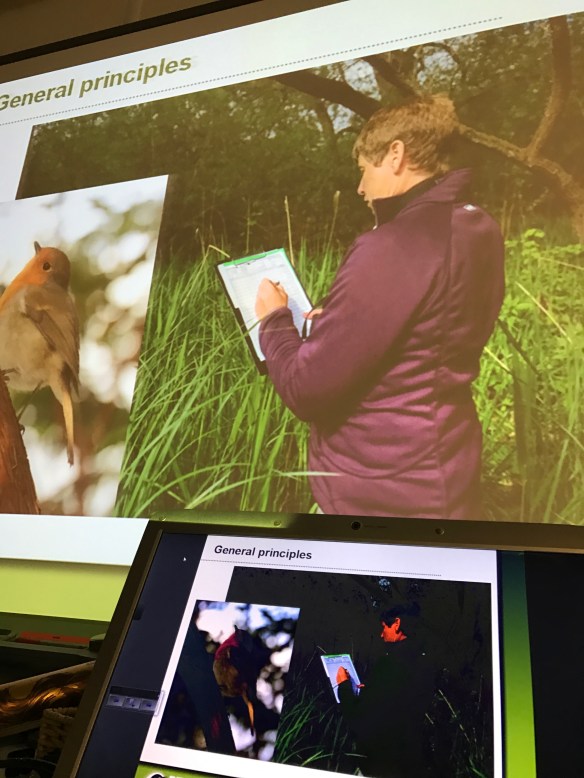
This morning, I was up early and out to Cheshire Wildlife Trust’s (CWT) Bagmere reserve to undertake the first of four BBS visits. The methodology for CWT’s BBS is different to the BTO’s and collects more detail including recording the behaviour of the bird species noted. When I arrived at the site I almost came straight home again as the wind had picked up and the rain was starting to fall. However, after waiting a little while the rain went away and after walking down to the reserve I could confirm that the site was somewhat sheltered from the breeze and it wouldn’t interfere with the survey by masking bird sounds.
The survey recorded a good number of species and the bird activity is really starting to pick up with the chiffchaffs being a great sign of the new season having arrived. There are still plenty of species to return to the site and there were also winter visitors still in the area with a flock of fieldfares passing overhead. There was also a new species for the site; I flushed a noisy oystercatcher as I walked across the first field into the reserve. However, there was disappointment as again I didn’t record willow tit; a species which has suffered from significant declines nationally and I have noted with decreasing frequency at Bagmere.


I’m going to be busy, but I can’t wait!
Despite the rain and cold, and cycling 45 miles yesterday followed by a run, this morning I couldn’t help myself and went for a walk around the nearby fields. I had decided to have a quiet morning inside but my itchy feet got the better of me and I just had to get some exercise. It wasn’t the loveliest of walks but as Billy Connolly says “there’s no such thing as bad weather, just the wrong clothing”.