A Glaslyn Nightshift – Volunteering at its Best!

Leaving the house, after a brighter day, the weather knows I’m on my way to Glaslyn; the drizzle starts to fall as I close the door behind me. I join the end of the slow moving traffic, families heading into Wales for the long weekend, bikes on racks and caravans towed behind. Passing through villages and making turns, the cars move aside one by one, until I’m alone on the narrow twisting route down into the valley. As I descend, the clouds begin to break and the last rays from the sun pick up highlights on the mountainsides.

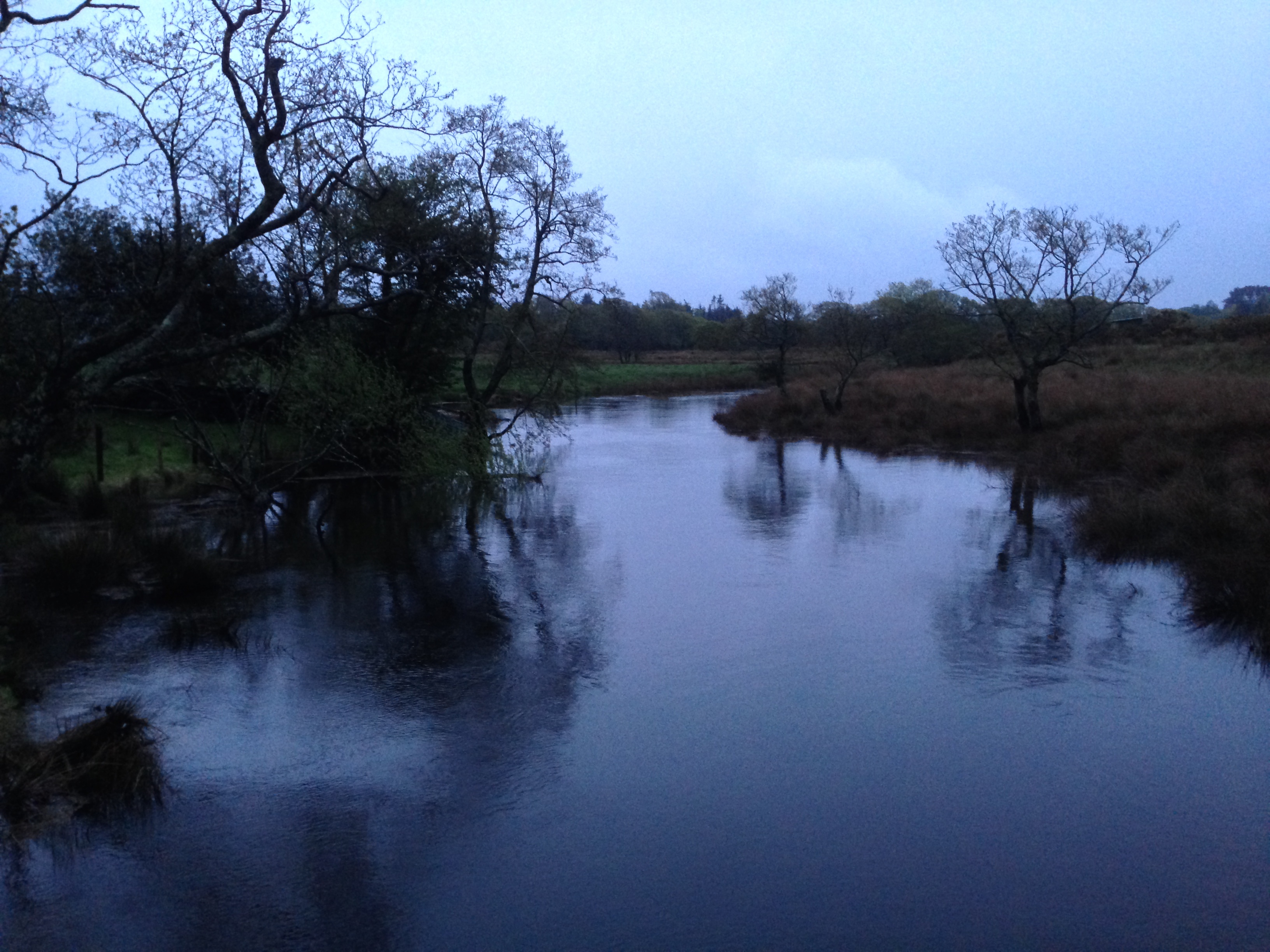
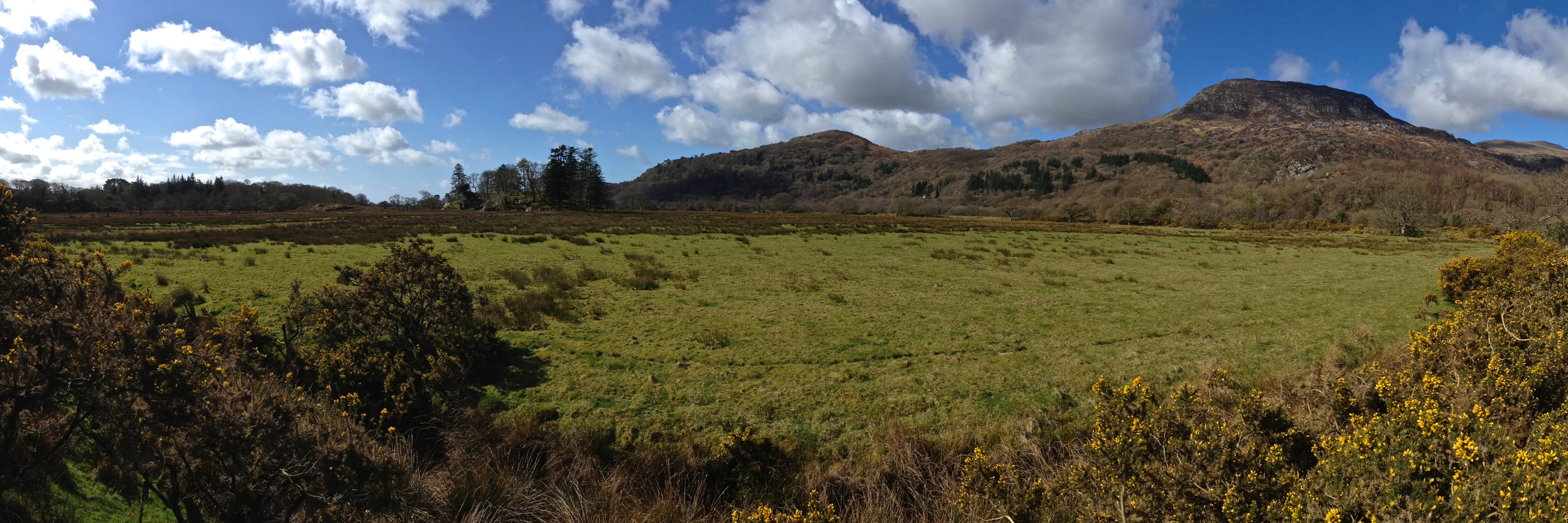
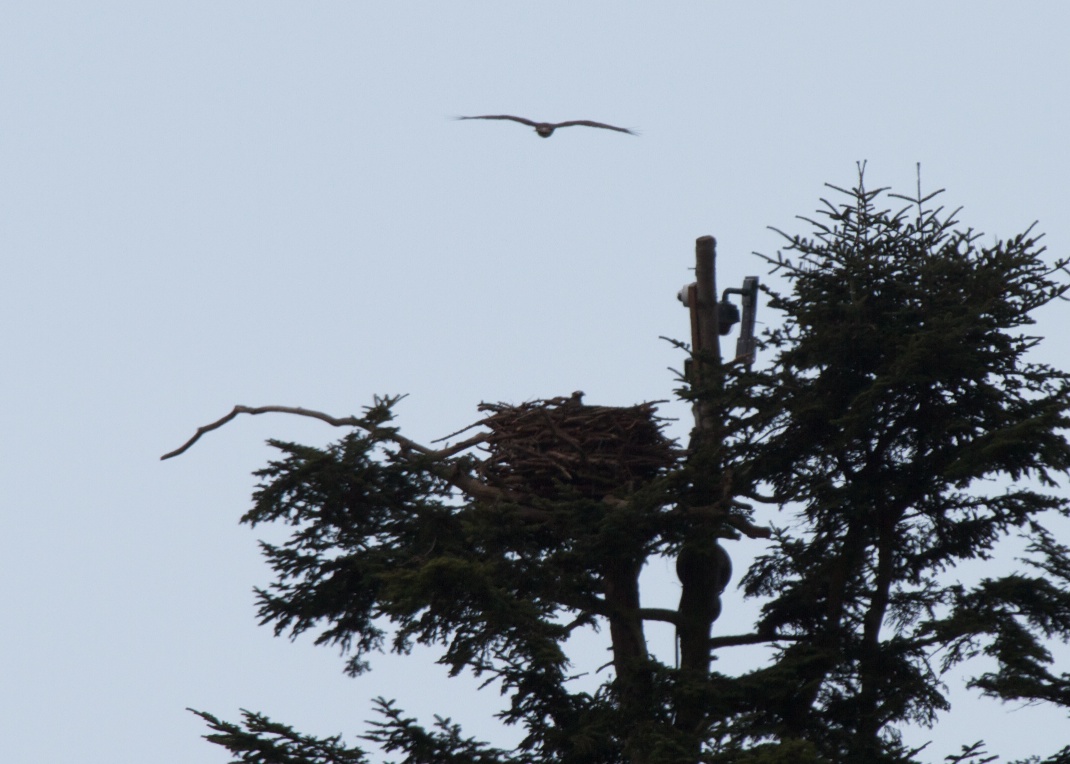
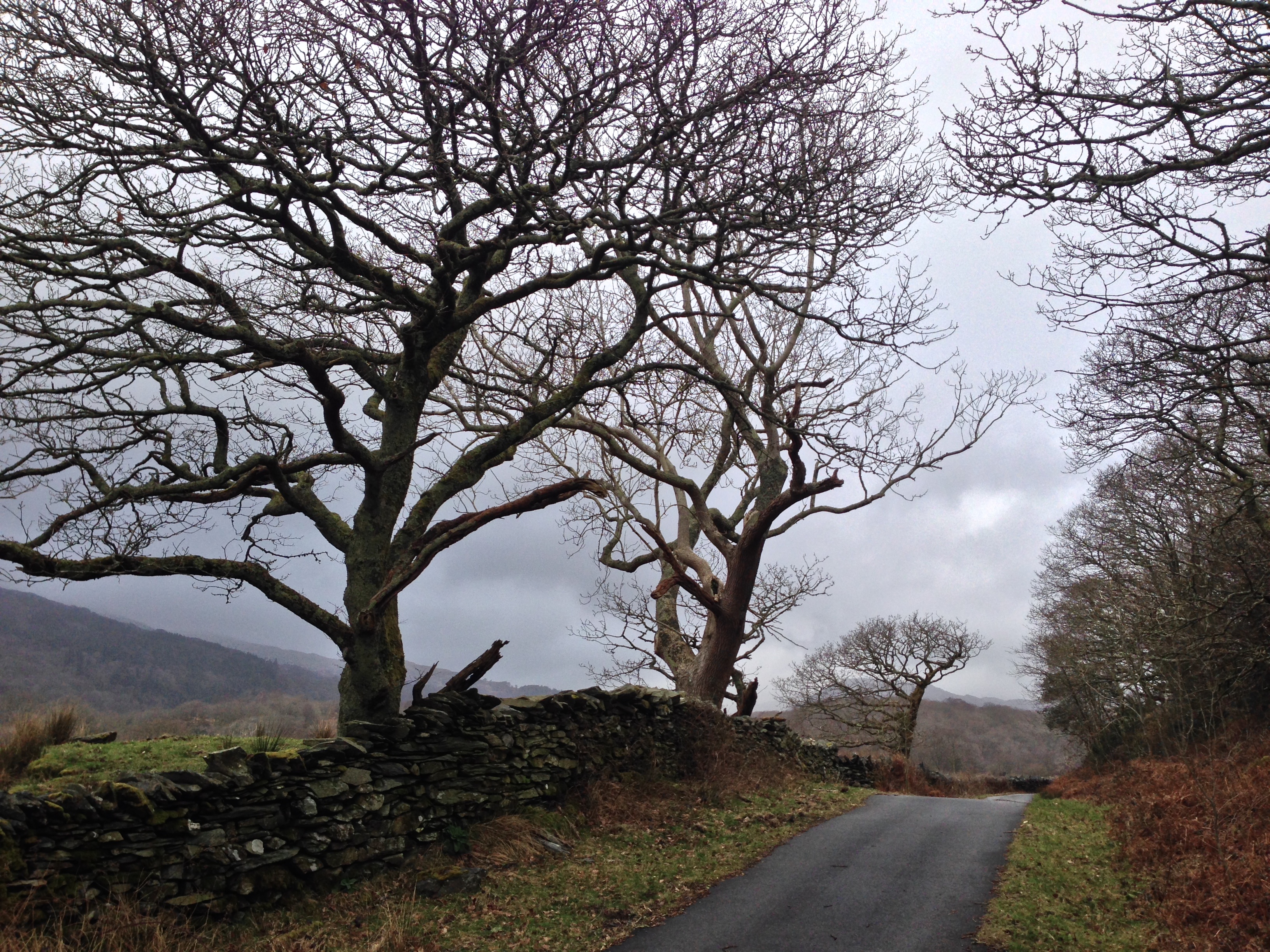
Turning onto the track, I do the usual and lower my windows, no rain dripping in this time. The woodland path is dotted with fallen blossom and the undergrowth is beginning to encroach; the vibrant green still prominent despite the failing light. The last sounds of the day float into the car but the night is coming upon the valley as I break out into the open meadowscape. It’s not a bird that flits in front of the car as I reach the gates but a single bat, out early in the growing gloom. As I open the door and stand in the fresh air, a dampness clings to me, the rain of the past few days has left behind humidity from which mist is rising and enveloping the hillsides. Across the fields, over the river and behind the bund, the nest overlooking the small copse has a single new hope, an egg being incubated; a last chance of the year?

IMG_6478

After the windy and rainy night shift of two weeks ago, it was with excitement that I arrived at protection yesterday. I was welcomed by bats flying around the field by the caravan, some just skimming above my head, and the sounds of owls in the woodland. I’ve done quite a few night shifts over the past four springs but this was the first without either rain or the old generator that used to power the camera systems. Without those two annoyances, the night was peaceful and all the more vivid for it. The bats were stunning, different sizes circling and darting through the trees and over the fields. The owls screeched and hooted at each other, both barn owl and tawny. A distant fox called and the occasional trilling of a grasshopper warbler could be heard as I made my way over to the forward hide.

The hide, just a bit nearer to the nest than the protection caravan, gives an unobstructed view across the field towards the tree. The last of the evening light was just failing as we set up in the hide, the mist starting to settle at the bottom of the valley as well as clinging to the hillsides and a silence descending on the scene. The moon made fleeting appearances and the stars begin to flicker in breaks between the clouds. After a couple of hours, I returned to the caravan to monitor the cameras while Gwyn remained in the hide.

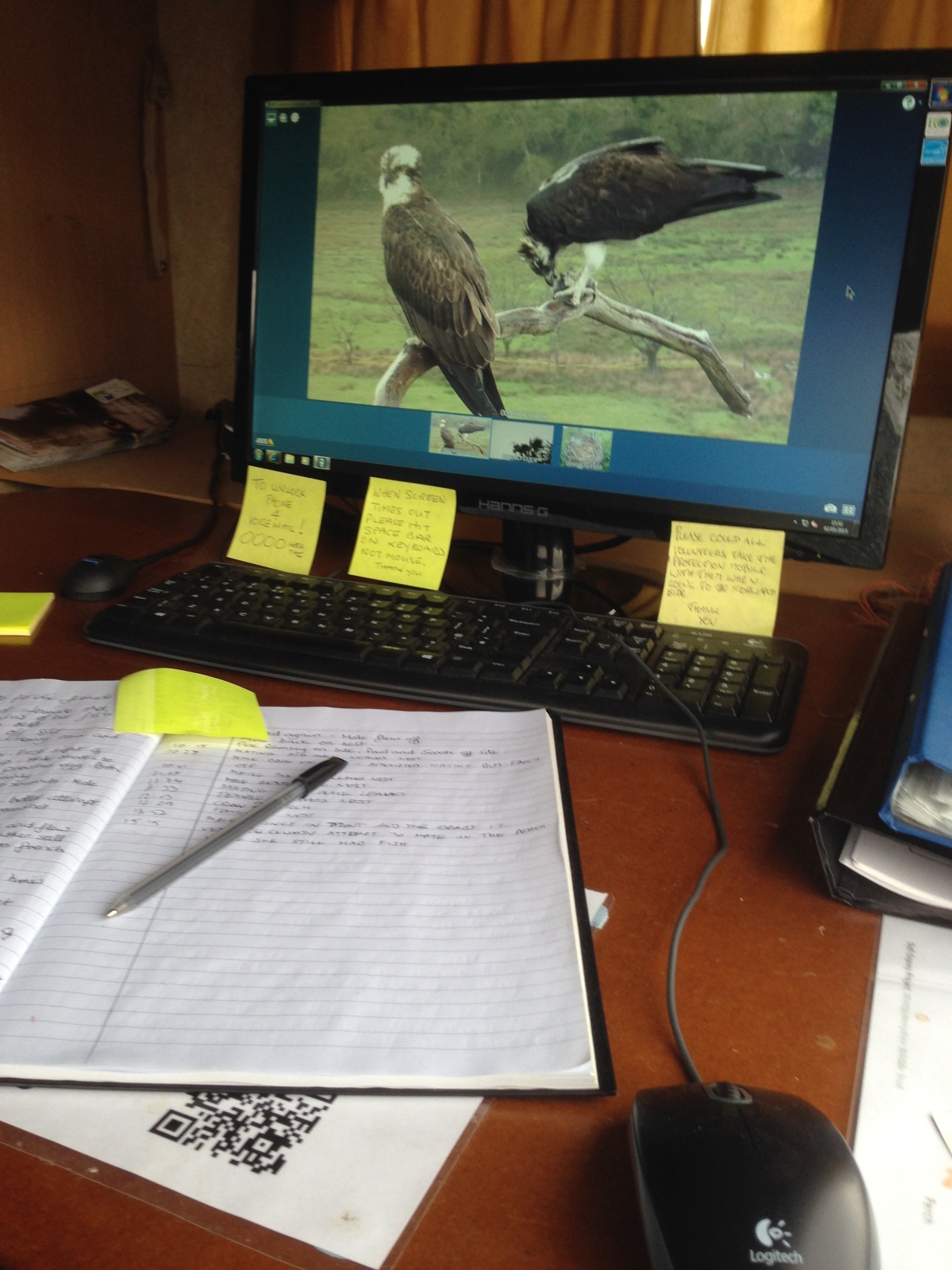
Since my last shift another egg has been laid, the sixth so far, but there’s a difference this time as it is being actively incubated, unlike the previous ones. When I arrived for my shift, the female was nestled down for the night atop the egg, looking more comfortable than the last time I saw her at the end of a rain-sodden shift. She seemed restless throughout the night but all in all it was quite uneventful during the darker hours.
IMG_6495

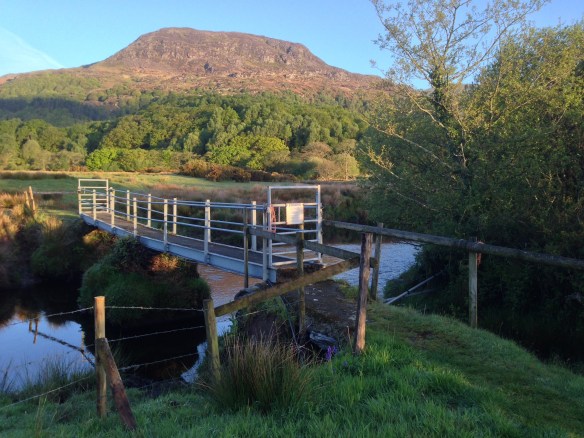
As the light began to rise, at around four o’clock, I made my way back through the field, over the bridge and along the bund, to the forward hide. Rejoining Gwyn, we listened to the dawn chorus and waited for the first rays of sunlight to touch the dew-washed land. The birds laid on a great opening to the day with song thrushes, blackbirds and redstarts providing the backing track to a cuckoo calling across the meadows. As the day grew in its strength the signs of the night still remained until just before the sun broke from behind the mountains of Snowdonia; tawny owls still hooting in the woods and the occasional bat remaining out to catch a late meal. A cronking raven passed overhead making a first flight of the day and a lesser spotted woodpecker made its undulating flight past the hide, narrowly missing a low flying buzzard.

The day began for the ospreys as the male returned from his overnight roost but it was only when we returned to the protection caravan that we noticed the reason for the female’s nocturnal restlessness; a second egg now in the nest – a further hope raised for success this year.
IMG_6497

A first night shift of the year!

After a drive to Lincoln and back already in the day, I head out again into the rain. It has come down heavily over the past few hours and the roads are flooded in places, water stretching from gutter to gutter. The hills across the border have a low cloak of cloud, with wisps of mist in the fir tree forests. The familiar route is a bit of a drag today, hours spent in the car already take the enjoyment out of the travel. Rising higher and higher, I take the moor-top route this time, a little bit of fun to cheer up this damp, dark and dreary journey.

Turning through the gateway, the dusk is closing the light and the track is littered with woodland debris, brought down by wind and rain. Opening the windows, with drops coming in, there is very little to hear and no chorus this time, no birds calling, no spring prime display. A night-long shift this time, a first of the year, and eight hours to while away, enclosed and protected from the weather. Out in the tree top nest, no defence from the weather is offered and the female sits hunkered down in the scraped out bowl.

IMG_6376

Friday night brought yet another rainy protection shift. The rising water in the nearby river looked like it could block the path to the forward hide, so I (and Dan, my fellow nocturnal watch keeper) spent the shift in the protection caravan.

The Glaslyn female was still in the company of the unringed male and they seem to have bonded very well over the past week since my last shift. She was sitting on the fifth egg of the year and there was hope that it could be the first fertilised egg. However, on Sunday the it was seen to be cracked; another hope dashed.

Night shifts are usually less eventful than those during the day and this one was even less so with the persistent rain. With the female sat in the nest and the male roosting elsewhere, there wasn’t much to do but talk or doze. There’s always at least one person either watching the cameras or in the forward hide but it’s always good if there’s a bit of sleep involved too!

The pay back for a night shift usually comes from being able to experience the dawn chorus and I usually wander down to the river and stand on the bridge to listen. Saturday was no different, and with the water levels not as high as they might have been, I took my usual position. However, it was a very subdued chorus probably due to rain still being in the air and a strong breeze.  It didn’t take long for me to decide to give up and return to the shelter of the spy cave.

IMG_6379

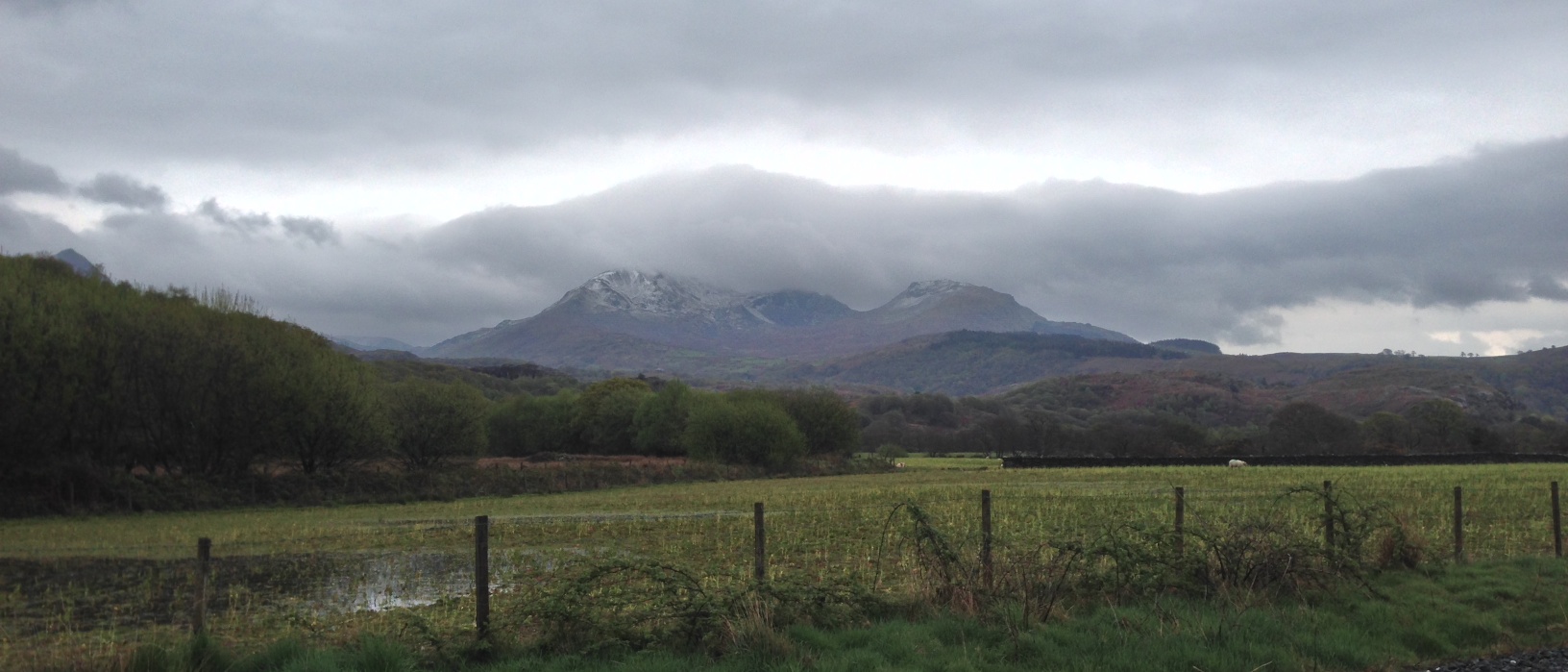
We were relieved at 6:00am and drove around to the static caravan at the lovely Aberdunant site. I got an hour or so’s sleep before heading down to Port’ for a cooked breakfast. Before heading home I made my first visit to the viewing site this year and saw the new visitor centre for the first time. It’s a huge improvement on the previous accommodation and provides lovely floor to ceiling views over the river and towards Snowdon. It’s not all about ospreys and there’s plenty of other wildlife to see – there were loads of swallows and house martins skimming low over the water and a woodpecker on the bird feeders.

IMG_6384

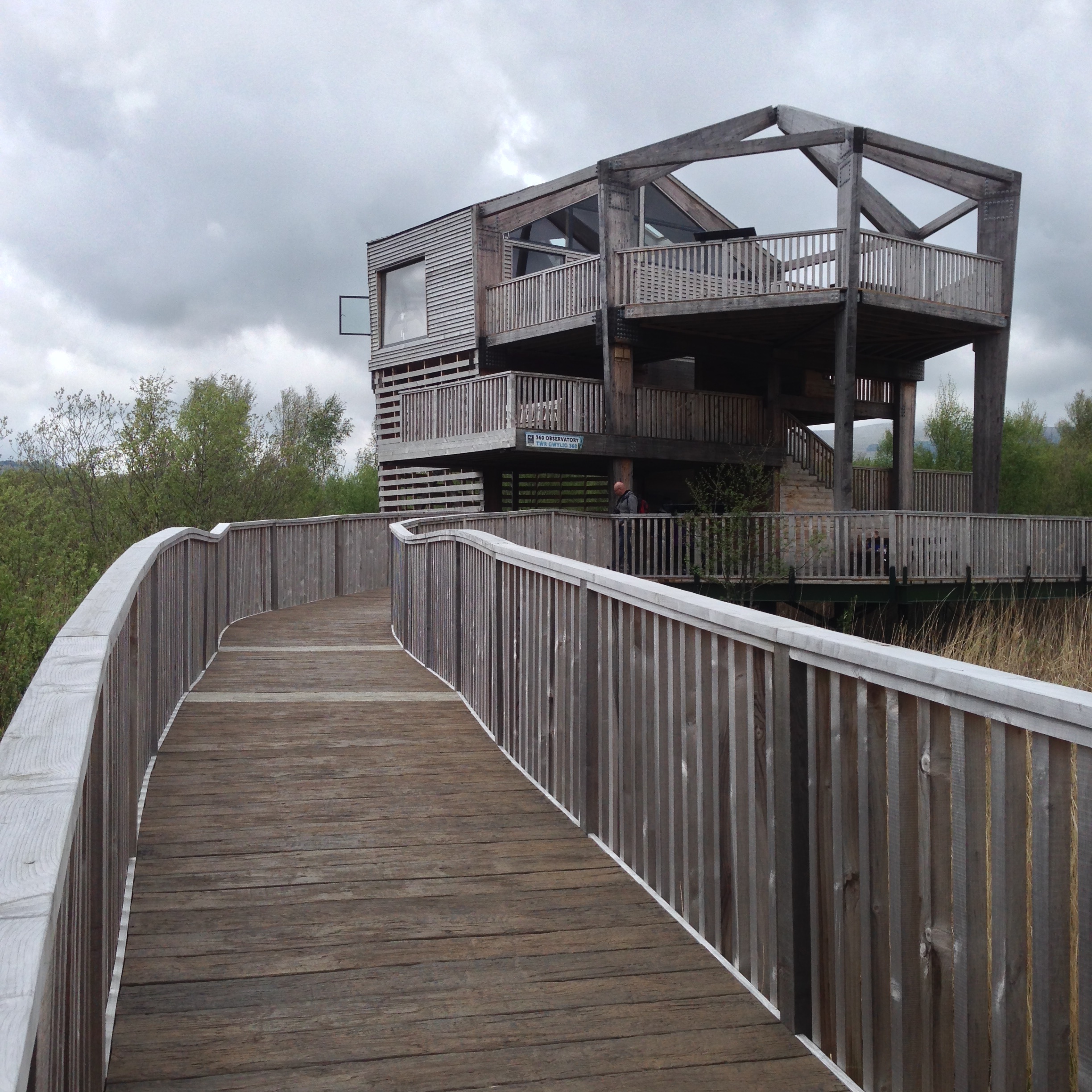
On the way home I made a diversion via the Dyfi Osprey Project and visited their new 360 observatory. That’s a great visitor facility and the new walk out to it also provides good views and sounds – I saw my first cuckoo for a couple of years.

IMG_6392

The drive home was stunning, as a passed through the mid-Wales valleys between Machynlleth and Welshpool – the night shift was worth it for the drive alone!

It’s going to be a couple of weeks before I return and maybe, even by then, there might still be just that last glimmer of hope for some chicks this year.

Perfect weather for misery but there’s a glimmer of hope…

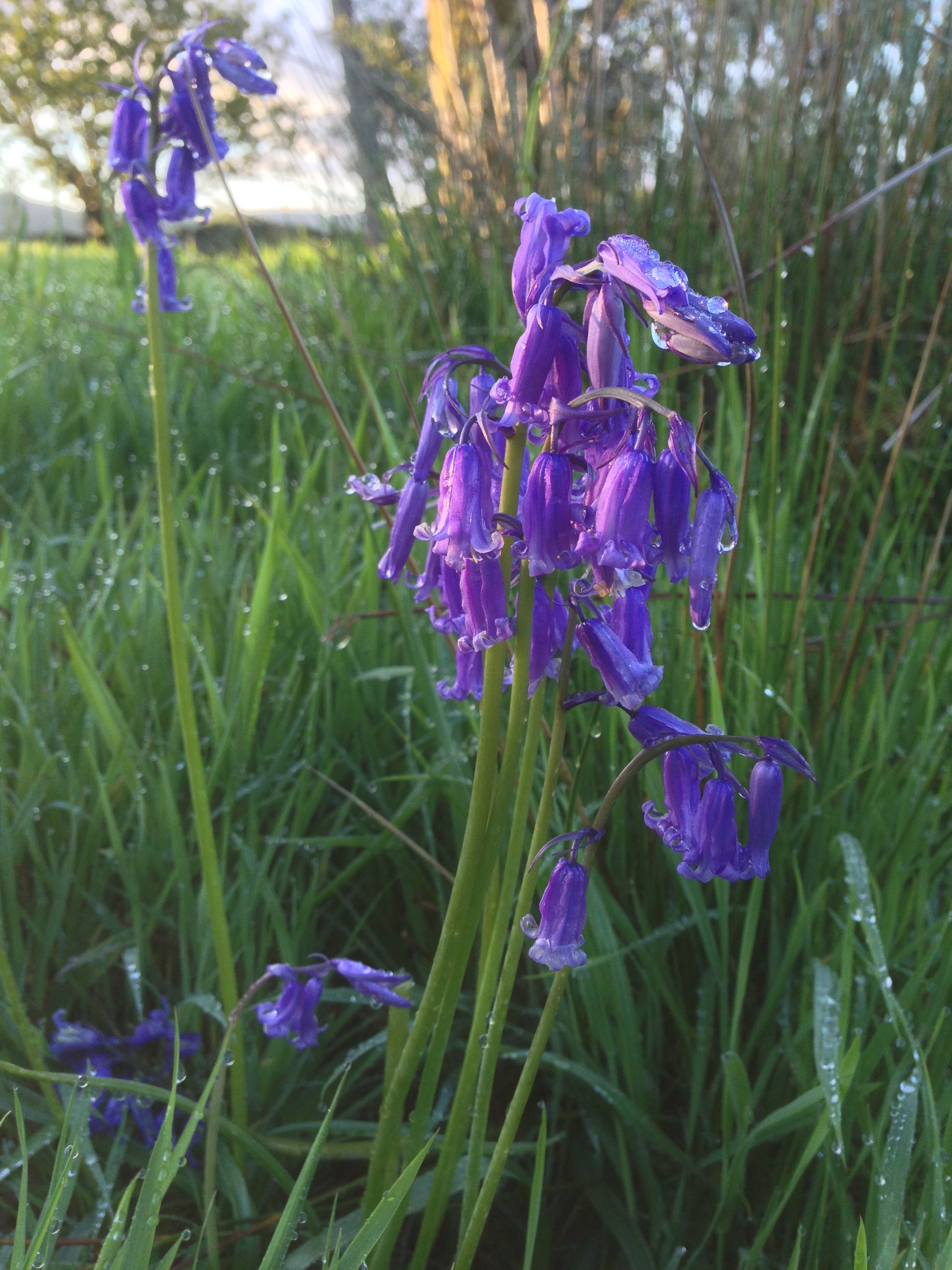
As I head out it seems that the brief summer-like weather of a over a fortnight ago has gone for good and it’s already raining heavily before I cross the border into Wales. The wind is getting stronger too but I only notice from inside the warm cocoon of my car when the caravan in front gets buffeted sideways as we break out from behind the shelter of a hill. The fresh greens of the trees and fields are subdued by the thick cloud cover but there is a flash of bright colour as I pass a carpet bluebells beneath a roadside wood. Climbing into the mountains the temperature falls, getting closer and closer to freezing. The heavy rain starts to be dotted with white flakes and I decide to continue on the main road rather than taking the moor-top route.

The weather worsens further as I get closer to the Glaslyn but as I turn onto the wooded track I still open my windows to let the sounds of the valley in (and the rain!). It’s hard to hear the usual chorus above the rattling of drops on the roof and splashing of tyres through the puddles. A thrush and robin are there but everything else is drowned out. The track is getting darker by the day, shaded by the greening canopy, made more so by the monotone clouds. I’m used to being guided by a wren or blackbird as I progress but today it’s a sheep, stuck on the wrong side of the wall and now herded by a big black metal sheepdog.

The wet meadows are now sodden as I reach the open air away from the trees. Across the river and over the bund, the round home at the top of the fir tree now has two bedraggled occupants. They stand there, backs to the wind and the worst of the rain, looking miserable and dejected. However, at last, despite the weather, maybe there is new hope in the nest and possibly this won’t be a barren year after all.

IMG_6348

As I arrived today, up in the nest was a new young male keeping the Glaslyn female company. He’s been around for a few days and has been attentive to her, bringing fish. They mated at least three times in the first hour of my shift; well, attempted to at least – he fell off on one occasion. He’s a fine looking lad, rather like the previous Glaslyn male (11/98) and, in my opinion, the best looking of her suiters so far this year – maybe she’s just picky and the others weren’t her type. He’s an unringed male, so no one knows where he’s from but perhaps he’s a Scot as the larger numbers of ospreys up there means that a smaller proportion are ringed.

IMG_6351

A fourth egg of the spring was laid yesterday but there was no sign of it when I arrived this morning. The new male disappeared for a couple of hours and then half-way through my shift he brought back a sea trout and she immediately snatched it from him and started hungrily devouring it. However, she did stop for a mid-fish snooze and he twice tried to mate with her while she was still eating. He made a right mess of the first attempt but on the second occasion either he had got the hang of it or he seemed to think it normal just to sit on her back for a while. In total, they mated at least nine times during the eight hours of my shift, which is hopefully a good sign.

I learnt my lesson of last week, when I froze for most of the day in the protection caravan (spy cave). Today I brought warmer clothes and a sleeping bag, and also popped into Port’ for a cooked breakfast before I started my shift – the sausage bap last week obviously didn’t do the job.

IMG_6341

I was looking forward to a quick wander in the woods this week to see if the bluebells had come out further and to take some shots but the heavy rain put paid to that idea. Instead, I stayed curled up in the caravan for the day, longing for the rain to stop, clouds to part, wind to drop and for that summer weather to come back. During a lull in the rain, I had a short wander around the site and soon noticed a good sign of just how cold it was with a fresh blanket of snow on the upper slopes of the surrounding mountains.

Maybe, just maybe, next week the good weather will have returned and eggs will be being incubated in the nest – but I’ll happily settle for the latter!

An Era’s End and Two False Starts

Just like two weeks ago, I wake on a day more dull and grey than the previous few, the weekday summer turned into weekend winter. The rain falls lightly as I head out, the roads turning more wet by the minute. Despite the chilly dampness of the early morning, spring is in full flow and even as I head across the border into Wales and up into the hills, the signs show no doubt that the season is here. However, the weather turns for the worse as I head onwards and higher, the clouds close in further, enveloping the road; surely I’ve just driven out of April and into December?

Dropping down into the Glaslyn Valley, below the cloud base, spring reappears, even if it is trapped beneath a dark, brooding grey cloak. As I turn onto that wooded track, I’m met by fresh, renewing life, the past two weeks have given time for a transformation. The landscape has a growing richness as if a giant has thinly draped sheets of green tissue paper over the hills and fields. The trees all around are breaking out into leaf, the grass has a new richness and the bracken is starting to unfurl. Under the canopy, the bluebells are breaking out their blooms and even the irises and foxgloves have begun their growth. In through the car windows comes a woodland chorus of song, now given greater dimensions by the arrival of the summer migrants. The wrens, robins, great tits and song thrushes have now been joined by the chiffchaffs and redstarts, with the willow warblers giving more voice than most. Out into the open amongst the wet meadows, the wind has an edge, adding a bit of extra sharpness to the chill in the air. This may be a day to stay in the ‘warmth’ and shelter of the caravan. However, I leave the door open, away from the wind, to allow the sounds of the valley to flow inside.

IMG_6270
My blog post after my last protection shift wondered whether my next visit would see a male at the nest or any ospreys at all. Well, when I arrived, the nest would have been totally empty had it not been for the broken eggshell lying discarded to one side. There was no sign of the Glaslyn female or male nor of either of her two recent suitors. Over the past two weeks, it has become clear that the male osprey (11/98) who has been paired with the female since 2004 will not be returning this year. His fate is very unlikely ever to be known and all manner of things could have stopped him from returning. Despite the sadness that he has not returned, there has been some hope for successful breeding this season with two males showing keen interest in the female.

The first to make concerted effort to pair with the Glaslyn female was CU2, born in Dumfries in 2012. He arrived at the nest on the 15th April and over the course of a couple of days tried to mate with the her, however, on the 17th another osprey appeared at the nest. This second male was Blue 80, a Glaslyn-born chick from 2012 and the son of the Glaslyn female – a fledgling from the first brood I helped to protect! He immediately took ‘possession’ of the nest and on 20th, after mating with Blue 80 several times, the female laid her first egg of the year. By the following day, the egg had been lost in the nest and CU2 was back with the female and Blue 80 nowhere to be seen. On 25th (yesterday), a second egg was laid but unfortunately was soon broken, while at the time of posting, CU2 hasn’t been seen since 24th.

IMG_6272

The female arrived at the nest at 12:40 this afternoon with a flounder in her talons. For a moment she appeared to have lost it as she was chased off her perch by the local crows but she soon returned, and still with her fish.

There has been a lot of discussion about the possible pairing of the Glaslyn female with her son and whilst is does seem odd to us humans, it is perfectly natural in ospreys – here’s a link to a great piece written on the subject by Emyr at the Dyfi Osprey Project.

During the day, other birds kept me entertained too and not least the ravens and crows around the protection site. There seemed to be ongoing antagonism between the two species throughout my shift with the ravens frequently floating past, cronking loudly, and pursued by a band of angry crows. I also watched the newly-returned swallows as they made their jinking flights over the fields, their passes getting gradually lower as the rain forced the insects towards the ground.

In the afternoon, as the wind picked up and the rain became heavier, I closed the caravan door and tried to keep warm – it became decidedly cold inside. The weather we have had this week lulled me into thinking I didn’t need to dress warmly for a shift; next time I’ll take my woolly hat and sleeping bag!

IMG_6259

With the female still alone when I finished my shift today, it looks like she may be starting her lonely vigil once again. This time I will only have to wait a week for another stint down at protection and to see whether she will continue to have to wait for a new partner.

Another day, another survey

After yesterday’s lovely spring morning, today was much cooler and cloudier but I still ventured out reasonably early to complete the last of this months bird surveys.  Cheshire Wildlife Trust’s Blakenhall Moss reserve was the focus again and I completed the survey in just over an hour; it may take longer on the last two surveys in May and June as the undergrowth increases in the woodland.

Over the course of this survey and the visit last month, I recorded a total of 39 species; that’s four more than the total over all four Breeding Bird Survey visits last year.  This visit also took the complete bird list for the site to 56 with the addition of shoveler, red-legged partridge and grasshopper warbler.  Both the shoveler and partridge appeared to be in pairs, so are probable breeders on the site.  This is almost certainly the first time breeding on the site for shoveler following the woodland clearance and re-wetting work that has been done over the past couple of years.

The grasshopper warbler tested me a bit as I have only heard one once before (close to where I leave my car on the mainland when I stay on Ramsey Island) and only when the particular bird was calling in full flow – a constant, long grasshopper-like call.  Just as I was completing the survey I heard a short, three or four second long low trilling coming from some brash but I couldn’t see the creature it was coming from. Several more short bursts came from the undergrowth, moving a couple of times but I still couldn’t get a view.  After waiting quite a while, I left for home and checked the call on xeno-canto bird sounds library, suspecting that it was one of these warblers. I turned out to be right and it seems these summer visitors don’t give their full call when they first arrive, starting off in bursts before building up to the constant insect-like sound.

These birds are red-listed after significant long-term declines in their populations, although more recent times have seen promising increases.  Checking my copy of the brilliant BTO Bird Atlas, the birds are relatively scarce along the Welsh border from south Cheshire all the way down to Gloucesteshire.  Therefore, finding one at Blakenhall, if it stays, could be good news.

Bluebells

It wasn’t just the birds that were showing well this morning, there were other signs that spring is here.  There were flowering marsh marigolds and the first few bluebells starting to bloom in the woods ringing the Moss and the blackthorn has broken out into blossom in hedgerows across the area.

Blackthorn

A Perfect Spring Morning for a Survey!

I was up early this morning to do the first of two recording visits to my BTO Breeding Bird Survey site out at Bulkeley.  Getting up was a bit of a struggle after what felt like a long week and doing circuit training last night – my aching muscles didn’t really like the early alarm.  However, it was well worth it.

IMG_6057

It was a lovely, bright and quite warm spring morning with a cloudless sky and only the hint of a cooling breeze.   Even before I’d set off on the first of two one kilometre transects, the birds were performing for me with two buzzards soaring above the sandstone ridge of Bulkeley Hill, being mobbed by a raven and carrion crows.  The summer migrants were also quickly in my notes with willow warbler, chiffchaff and blackcap all singing loudly and persistently.  As I made my way into the second section of the first transect, a good flock of 30 jackdaws took flight after feeding in a hillside meadow.

The each transect took around 45 minutes to complete, with frequent stops to make notes and checking the species through my binoculars.  Some sections were quicker than others with fewer species out in the open fields away from the wooded hill. The last section seemed the most intense of all, almost running out of space to make notes at the end.  The birds seemed quite unconcerned about my presence in some places and I had very good views of chiffchaffs and blackcaps – maybe they had other, springlike, things on their minds. Overall, I recorded 29 species, which is just three shy of the total for the two visits last year.

Wandering around the countryside on a beautiful spring morning is a lovely thing to do anyway but doing a bird survey makes it even better.  Listening and watching wildlife immerses me even deeper into the natural surroundings and makes the experience even more intense. While it is sometimes a struggle to get out of bed early at a weekend, it was certainly worth it this morning!

IMG_6059

As I finished the survey I came across two lost scouts, looking confused as they tried to workout where they were on their OS map.  It’s well over 20 years since I took part in the Cheshire Hike; the two-day event these lads were taking part in.  Whilst it might be counted as cheating, I pointed out where they were and guided them in the right direction.    Mapping reading was always a strength of mine when I was a scout but maybe they don’t teach the current generation as well as I was taught as I came across four more lost lads just a little further down the track. I decided I’d done my good deed for the day and left them to work it all out for themselves.

A (not so) Lonely Vigil

After the summer-like weather of the previous few days, the rattling of rain and blustering of wind against my bedroom window stirred me this morning and well before the alarm was meant to. The skies didn’t looking promising as I left the house in the early light and the windscreen wipers were needed as I drove out through the Cheshire countryside.

Across the border and into Wales, the signs of spring are growing in strength and reaching further and higher. The pastures are becoming a fresher and more vibrant shade of green and the roadsides are dotted with clumps of daffodils. The hedge rows are starting to break out their leaves and blossom, and there are young lambs in the fields on rolling hills. The views started to brighten and the rain died away as I continued on, until above Bala the clouds broke into wide blue skies and the land started to dry, helped by the strong wind. This time I stuck to the main road, rather than twisting moor-topping route, and made more gentle progress.

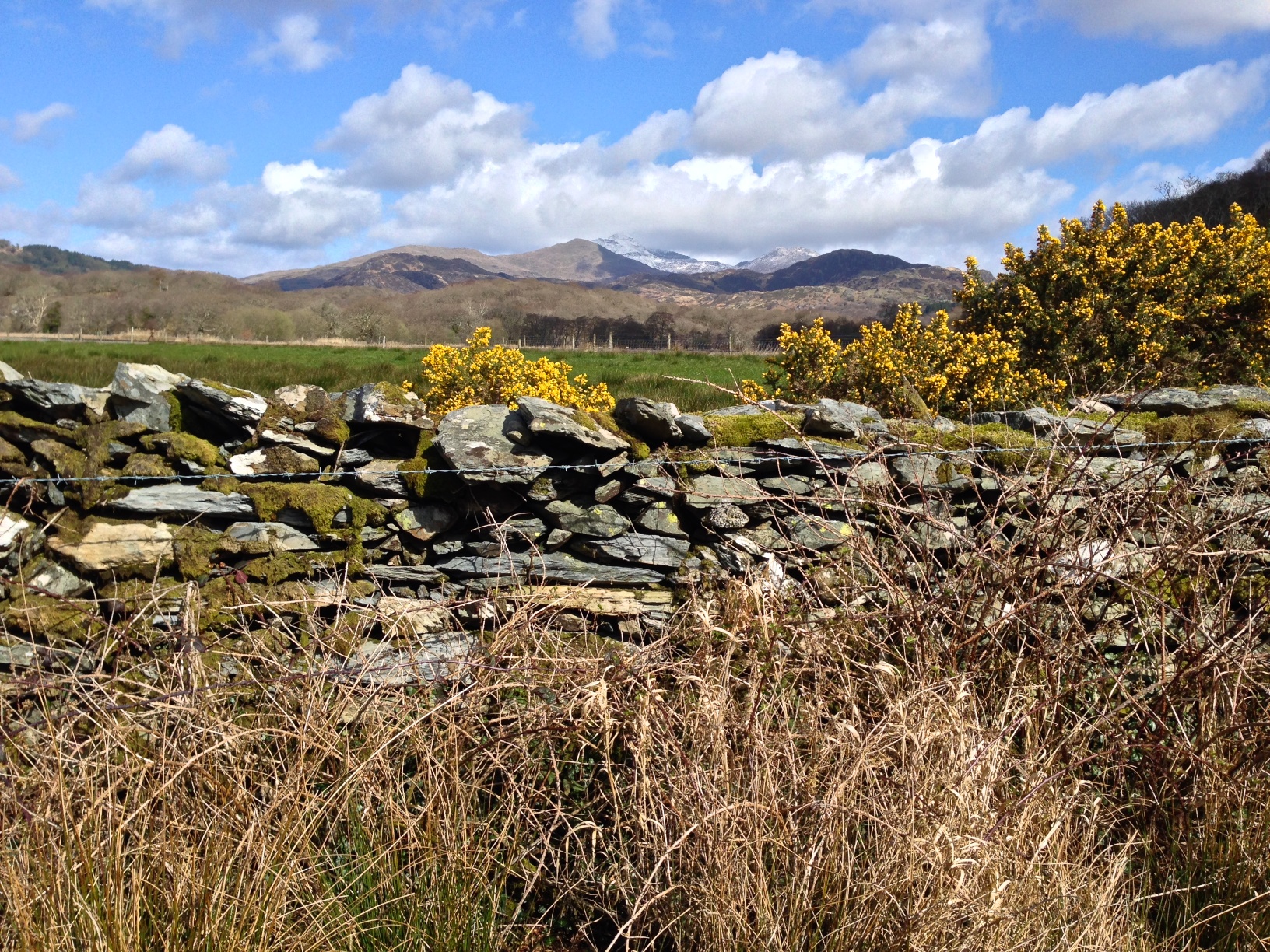
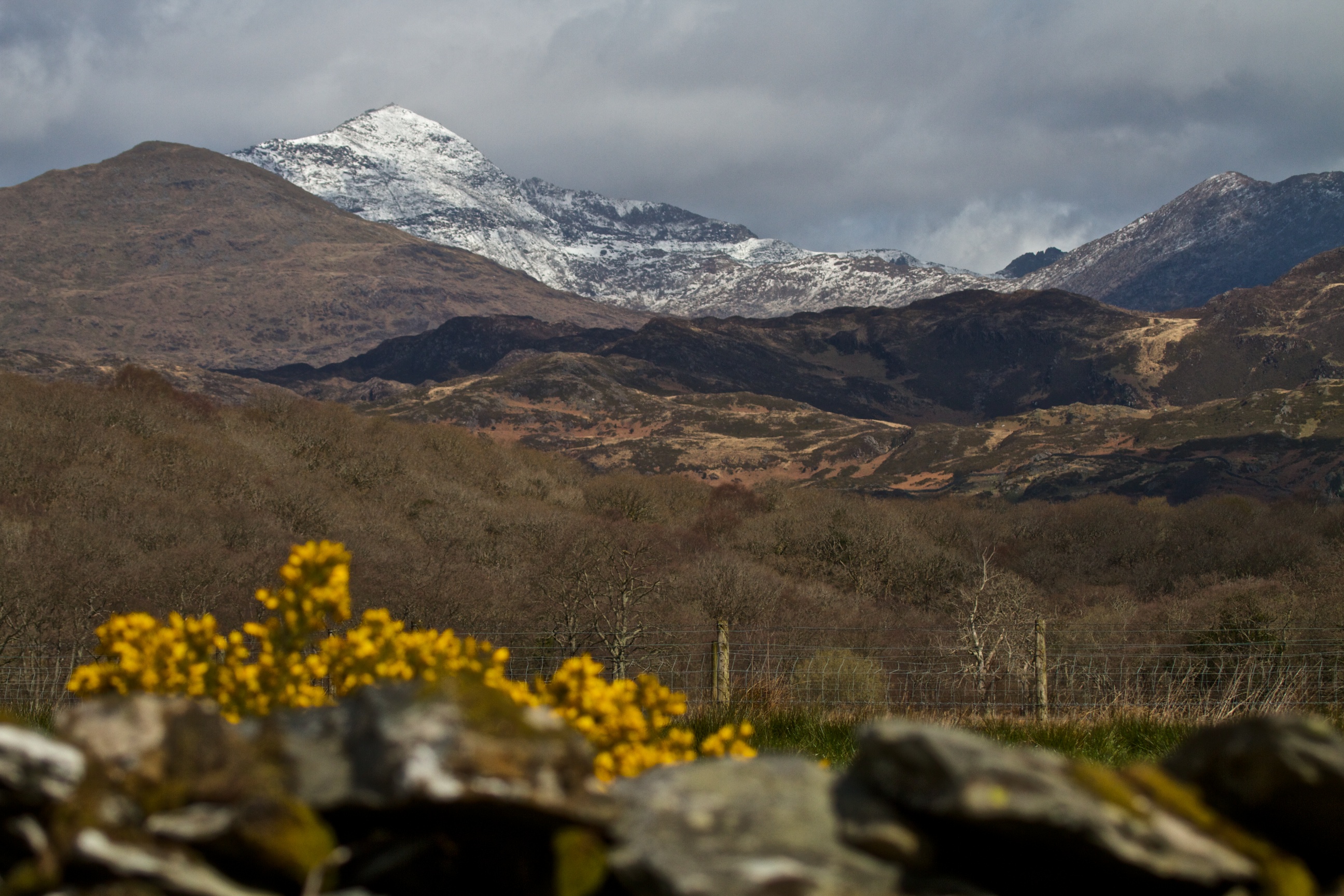
Turning through the narrow gateway there was no need for this smaller car to breath in so sharply. Onto the track, I opened the windows to let the sounds of the wooded valley wash in. The songs of wrens, tits and robins came through and that of a chiffchaff too, a certainty that spring must be here. The visible signs of the season are few in the Glaslyn Valley; it remains more winter than spring. Only the gorse is in flower and just a few leaves are starting to show. The scene is made all the more chilled with the back-drop of an ice-topped Snowdon and the cooling breeze that the sun cannot warm.

IMG_5995

IMG_0749

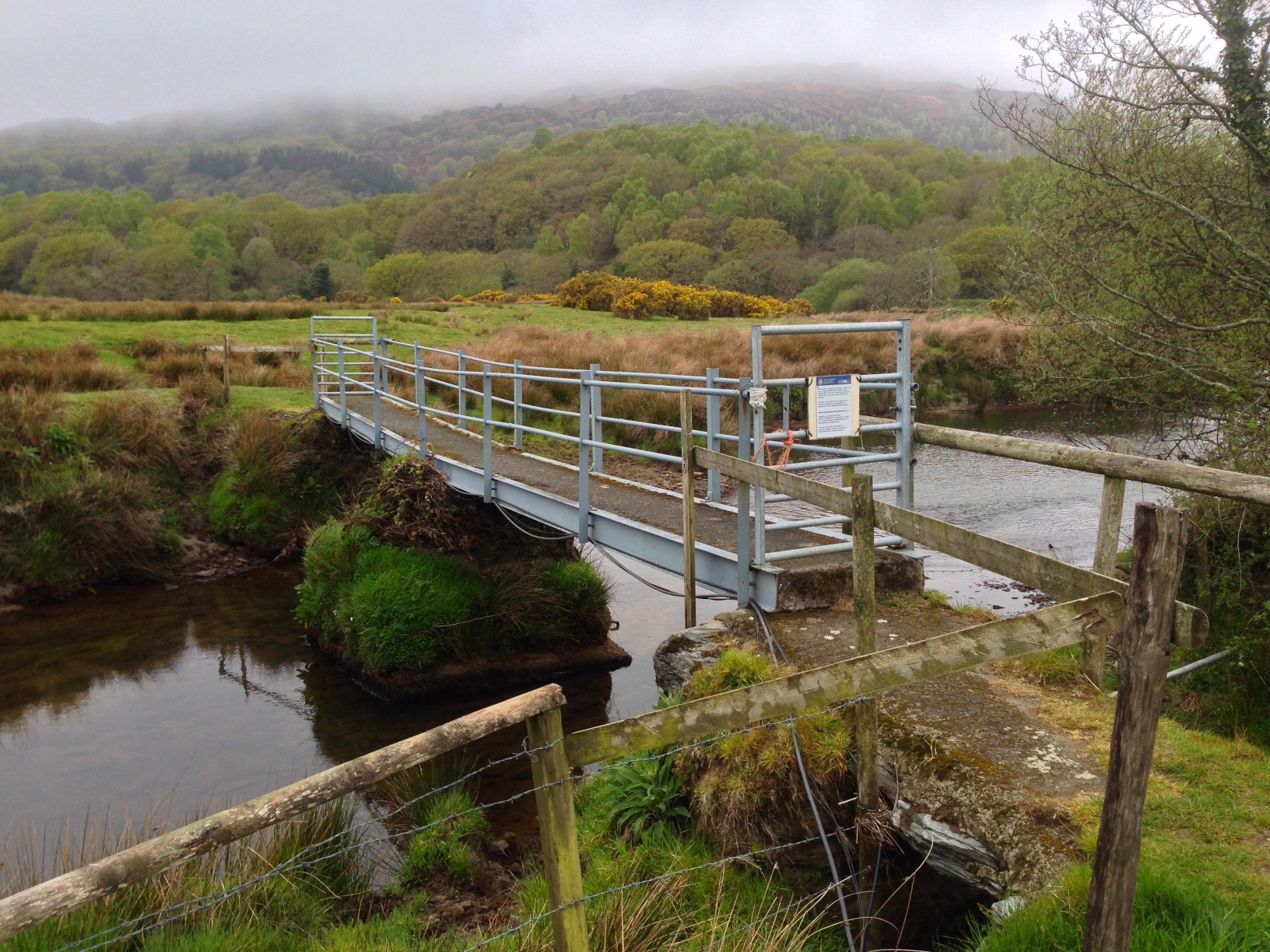
At the end of the track, across the bridge and over the wet meadow, the copse by the tumbledown barn still has a giant nest, somewhat hovering above the small outcrop. It is more empty than full and there is a loneliness about the ongoing vigil that is making a stand on its long-held claim. Whilst she has returned, he has not; the osprey partnership that has bred in this valley for over a decade has yet to reform. She has been back for over three weeks now and stands alone, waiting for him to join her.

IMG_5997

Both ospreys usually return in the last quarter of March, with the male normally a day or so before the female. Since the nest was first found in 2004, the male has never returned later than 31st March and the female has only once returned in April (22nd). All hope of the male returning is not yet lost as poor weather, first over Africa, then Spain and then France, has led to many ospreys returning late this year. With an improvement in the weather has come a sudden mass movement over the past few days and this has seen many ospreys returning to their nests across the UK, including to Wales. So far, the Glaslyn male has not been amongst them.

Whilst the female is currently without her longstanding mate, she has not been completely alone. Since her return, she has had contact with a number of other ospreys including during my shift today. Just over two hours into my stint, the female had been away from the nest for a short period but then returned. Something didn’t look quite right, she looked different and I almost thought it could be the Glaslyn male for a moment, as the bird had larger white crown. I then noticed the leg ring; the bird wasn’t either of the Glaslyn pair but Blue 5F (blue being the ring colour). Over the course of the shift Blue 5F was seen flying around the area and the Glaslyn female seemed disturbed by her and left the nest on a number of occasions. The Glaslyn female also mantled while on the nest – an alarm or protective posture when the birds crouch down and form a canopy of their wings, in the same way they would when protecting chicks – but I couldn’t always see why. Eventually Blue 5F disappeared and the Glaslyn female was alone again when I left.

IMG_0781

As Blue 5F is leg-ringed, it is easy to identify her; she is a 2012-born bird who fledged at Rutland Water. After leaving the nest, she migrated to Africa and spent 2013 and 2014 in Gambia, and this is the first time that she has returned to the UK. She is related to two other Rutland-born birds that are well known in Wales. She is a cousin of both Glesni and Blue 24, both of whom have returned this year. Glesni is the resident female at the Dyfi osprey nest and Blue 24 is the female who made a nuisance of herself at Dyfi last year (literally fighting Glesni on a number of occasions) and was also seen in the Glaslyn area too.

I’ve got another shift coming up in a couple of weeks, so I’m hoping by the time I return there will be a male in residence too.  Whether that’s the Glaslyn male or not, I’ll have to wait and see.

S is for Spring, Song and Surveys

As I have mentioned in previous posts, I undertake wildlife surveys for both Cheshire Wildlife Trust and the British Trust for Ornithology (BTO) and this makes spring a very busy season. I undertake Breeding Bird Surveys (BBS) for both organisations, using different methodologies but both types require spending early mornings wandering around in the Cheshire countywide, listening to bird song, counting individual birds and making notes.

I’m one of a handful of amateur surveyors undertaking these surveys across Cheshire Wildlife Trust’s sites. I’m particularly privileged to be undertaking them at the Trust’s Blakenhall Moss and Bagmere reserves as I’m the first person to do bird surveys at these sites and I’m really starting with a blank piece of paper as far as bird records go. Hopefully, my records will give the Trust some useful information with which to help plan the management of the two sites over the next few years.

Blakenhall Moss

The BBS programme for the BTO is of a completely different scale with thousands of people undertaking surveys across the whole of the UK. I’m fortunate with my involvement in this survey too, as my site (a one kilometre Ordnance Survey map grid square) is in one of the nicest spots in the county, around the village of Bulkeley, just below the sandstone ridge that dissects the Cheshire Plain. The two one kilometre transects (survey routes) cover a surprisingly wide range of habitats, from roadside hedges and country gardens, to wide open dairy pasture and hay fields, and from horse paddocks and small ponds to hillside woodland and open heathland. There’s even a good pub slap-bang in the middle of the grid square – one of my favourite habitats!

Bulkeley Hill
The Wildlife Trust’s surveys are undertaken once per month during March, April, May and June, and over the first couple of weekends of March I decided to get a head start and did the first of surveys at ‘my’ two sites. At Bagmere, I recorded 24 species; not a bad number for the site, but some way short of the 41 in total recorded over the course of the four spring surveys last year. It was disappointing not record willow tit this time, as it is a local rarity and I have recorded them there before a number of times. However, water rail are becoming a regular and were recorded again.

The Blakenhall Moss survey was more successful with 31 species recorded during the visit; this compared to a total of 35 recorded across the four spring surveys last year. This good total helped to bring the site bird list to over 50 – thats the total number of species I have so far recorded over the course of two sets of Winter Bird Surveys and this and last years’ BBSs (and this year’s has only just started!). Of particular note again at Blakenhall were the marsh tits, very similar to willow tits and also a red list species, but also a good sized group of wintering teal and one or two pairs of lapwing.

View from Bulkeley Hill
The BTO’s surveys are undertaken during two visits, one in April/May and the other in May/June. I did a recce visit for the BTO survey last saturday to check for any changes to the transects including any alterations to the habitats (e.g. changes to farmland uses). It was a lovely, bright spring morning and I recorded (unofficially as this wasn’t the survey itself) 25 bird species including raven, the first time I had heard them this year, and quite a few chiffchaffs, a sure sign that spring is here! It was also interesting to note that winter migrants to these shores were still around with one big flock of redwings and fieldfares making their way northwards; spring is here but winter may still have a few last gasps to come.

I have mentioned before that undertaking these surveys has significantly improved by ‘ear’ for bird song. I seem to lose some of my memory for these songs and calls between seasons but soon get back into the rhythm. Whilst this improving ear has certainly helped with the surveys themselves, it has also increased my pleasure of going about my other activities; even the walk from the station to my office in Manchester city centre is brightened by the bird song I sometimes hear along the way. However, the real difference I have noticed this year is how the dawn chorus changes over the weeks, with some birds starting to sing earlier in the season than others. As spring first started to stir, I was still leaving home in the dark, but the song thrushes were already singing. As the mornings got lighter, other birds started to slowly join in, with the robins next and then the blackbirds. Now, I am leaving almost as the sun has risen and the birds are belting out their songs, with the wrens, blue tits, great tits, starlings and others adding to the sound and giving it their best.

It’s going to be a busy time over the spring months, and into the summer, and the surveys are just the start – I’ve also got shifts across at the Glaslyn osprey protection site and two weeks on Ramsey Island – can’t wait!

That’s one, now where’s the other?

Today the Glaslyn female osprey returned to her nest after spending the northern winter in West Africa – now we just have to wait for her other half to turn up (hopefully).

So much effort has been put in by the volunteers at the Bywyd Gwyllt Glaslyn Wildlife community interest company to get both the protection and visitor sites ready for their arrival.  Yet, there is no certainty at all, each year, that they will make it all the way back to North Wales.

So, it’s so far so good…and fingers crossed!

From Spring into Winter and Back Again

Out I drive, across the flatness of the Cheshire Plain and on towards the Welsh Border; the startling sun shining down, my shades reducing the glare. Up into the low hills I go, the road no less winding but certainly more undulating. The open skies and the warmth inside mask the wind on which a buzzard floats, just above the neighbouring ridge. Onwards I press, wanting an open-topped sportscar not an Autobahn saloon; maybe that’ll be another day!

As I pass Bala and its reservoir, I start to climb up into the mountains and the weather changes. There is a line, a break, between the brightness and a dark, brooding gloom. The hopes of a fine spring day soon fade as I pass under the divide and the cloud encloses the scenery. Above the lake, I take a sharp right turn and forcefully make my way up the hill, cresting the ridge and out onto the open moors, with the slim and twisting quiet road laid out in front. Finally, after turns and straights, and more turns, past sheer plunges, I drop down into the villages and then onto an open, flat plain once more.

I approach a familiar junction and turn, slowing to make the car narrow enough to pass through the gateway. Onto the track I drive, passing between wall and slope to the valley bottom; there are no hints of spring here and the birds remain hushed by the lingering cold and damp. The signs of last autumn remain; leaves still cover the ground and the track is split by a line of fallen twigs and mulch. The bracken, once bright in its closing year rustiness, has withered further and is left almost colourless, like the surrounding landscape, subdued by the monochrome skies. The new season seems a long way off here and it is only the mosses coating the walls and trees that add any pigment to the otherwise washed-out scene.

Bala

The Track

Surely spring must be here now? I’ve been to the training day for the Glaslyn osprey protection volunteers! As has been the case for the past three years, the season will be dotted with shifts down in the Glaslyn Valley, helping to protect a pair of nesting ospreys, and their precious clutch of eggs, from the backward, childish, and just plain illegal, advances of collectors. Maybe, one day, the actions of a few dimwitted idiots won’t have to be stopped by a group of passionate and proactive people that truly care about the world around them…but that is a slim hope. However, I have to confess (and don’t tell anyone), but I kind of like the Glaslyn Valley, and the attentions of a few egg collectors just gives me an excuse to spend more time there. As long as these idiots continue trying to satisfy their senseless needs, there will be people ready and waiting to stop them.

The Track

Yet again, I have been truly impressed by how much a group of volunteers has achieved in such a short space of time. Just over a year ago, the RSPB passed the project to protect the Glaslyn Ospreys to a group of volunteers, who set up a public interest company. Although last year was a big learning experience, the ospreys were successfully protected and fledged three chicks. Even more hard work has been put in since the birds left in the early autumn, which has resulted in big improvements this year with a new visitor centre nearly completed. However, the project can’t be run without a large group of volunteers, either at the protection site or visitor centre, but also without monetary donations. Time given for free only goes so far and the plans in place need financial support. So, if you have a few quid lying down the back of the sofa, or in a jar by the door, perhaps you could give it to a good cause and help to generate a thriving population of Welsh ospreys (by the way, they’re not just Welsh – the offspring of the Glaslyn pair currently breed in both England and Scotland). You can donate via the Bywyd Gwyllt Glaslyn Wildlife website.

On the way home, to my surprise, the break in the weather was in exactly the same place. As I approached Bala, the gloom of the middle of the day was left behind and a bright spring day reappeared. Even better, there were some spectacular lenticular clouds to be seen on the way, making concentration on the road ahead a little more difficult than usual.

Lenticular Clouds

So a day started in spring, spent in winter, and finished in spring again – perhaps I was a little too hopeful that the season had changed…and summer is definitely a long way off!