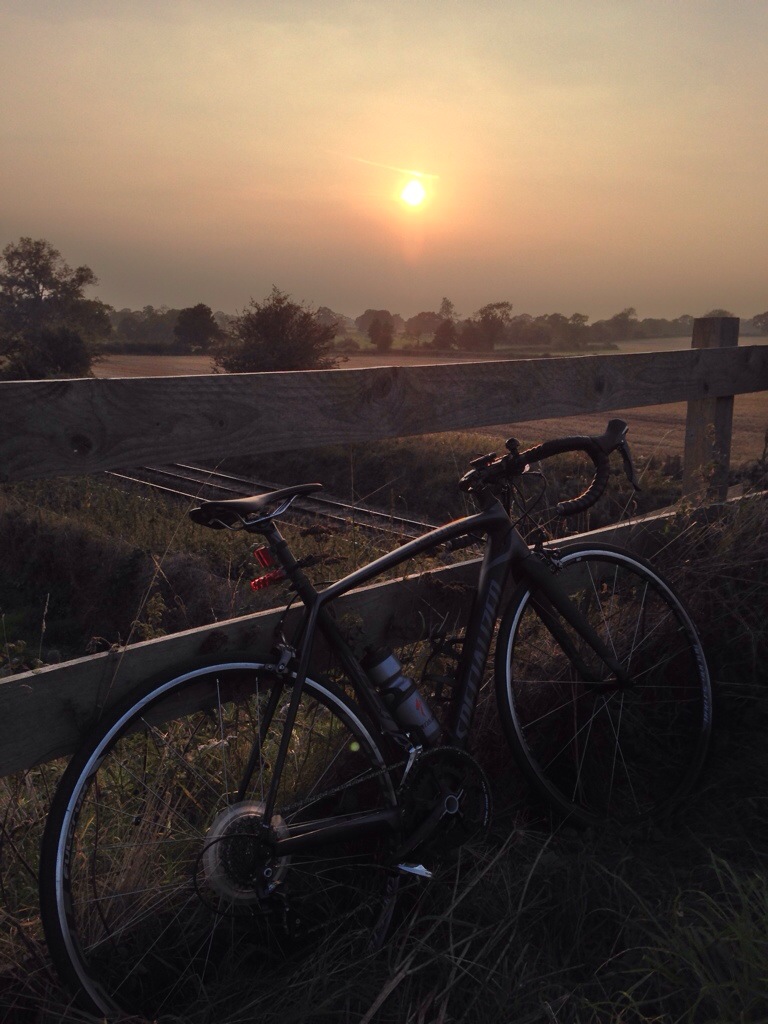
Evenings don’t get much nicer for an after-work ride…
Image
Reply

I went for one of my regular wanders around Wybunbury Moss this morning and found a group of spider webs amongst the grass at the edge of the Moss with the sun yet to burn off the dew. 
Walking along the forested dirt track, passing the summer homes, the lake comes into view. Approaching the water, the track gives way to short cut grass surrounded by meadow and marsh. The birch trees enclosing the shallow beach merge into pines around most of the lake. There are gaps in the barrier of trees, providing windows into meadows and glades.
The lake is calm but not mirror-like, with a light breeze rippling the surface and bringing scents of sweet, fresh nordic air with hints of the forest, summer blooms and the damp wetland at the water’s edge. Stepping onto the jetty, more ripples spread out and the creaking and clanking of the wood and metal disturbs the scene. Serenity soon returns and the only sounds are of nature at peace as the evening comes to a close. The last of the sun lights up the trees at the far end of the lake but the rays have lost little of their strength from the heat of the day.
The whoopers are here, two cygnets protected by cautious parents which give occasional trumpets on the far side away from my seat. The small orchestra of birds is given more depth by the willow warbler’s descending song and the far off bugling of the common cranes but a heron stands silent in the shallows, not delivering its harsh call. The screaming swifts add a quicker tempo as they chase in the evening’s closing light.
The deepening blue of the sky reflects in the calmer areas towards the banks with small disturbances triggered by pond-skaters making their punctuated ways over the tension. Fish rising to feast on the emerging insects ‘plip’ as they break the surface with an occasional splash as one leaps clear.
Out on the far edge of the lake are more industrious creatures. Beavers live here; their large lodge growing by the year. They make their way purposefully around their watery home; gnawing can be heard where they are working on their next tree to fell. The whoopers are wary of their presence and a beaver slaps the water with its tail and dives as one of the parents moves to ward off any further advance.
The evening is starting to cool and I return back along the tracks, giving one last look over my shoulder at a view which will have to wait again for another year.

I’ve just come home after a week and a bit in central Sweden visiting family. While the main purpose for visiting was to spend time with my brother, sister-in-law, nephew and niece, I did manage to indulge my wildlife interests.
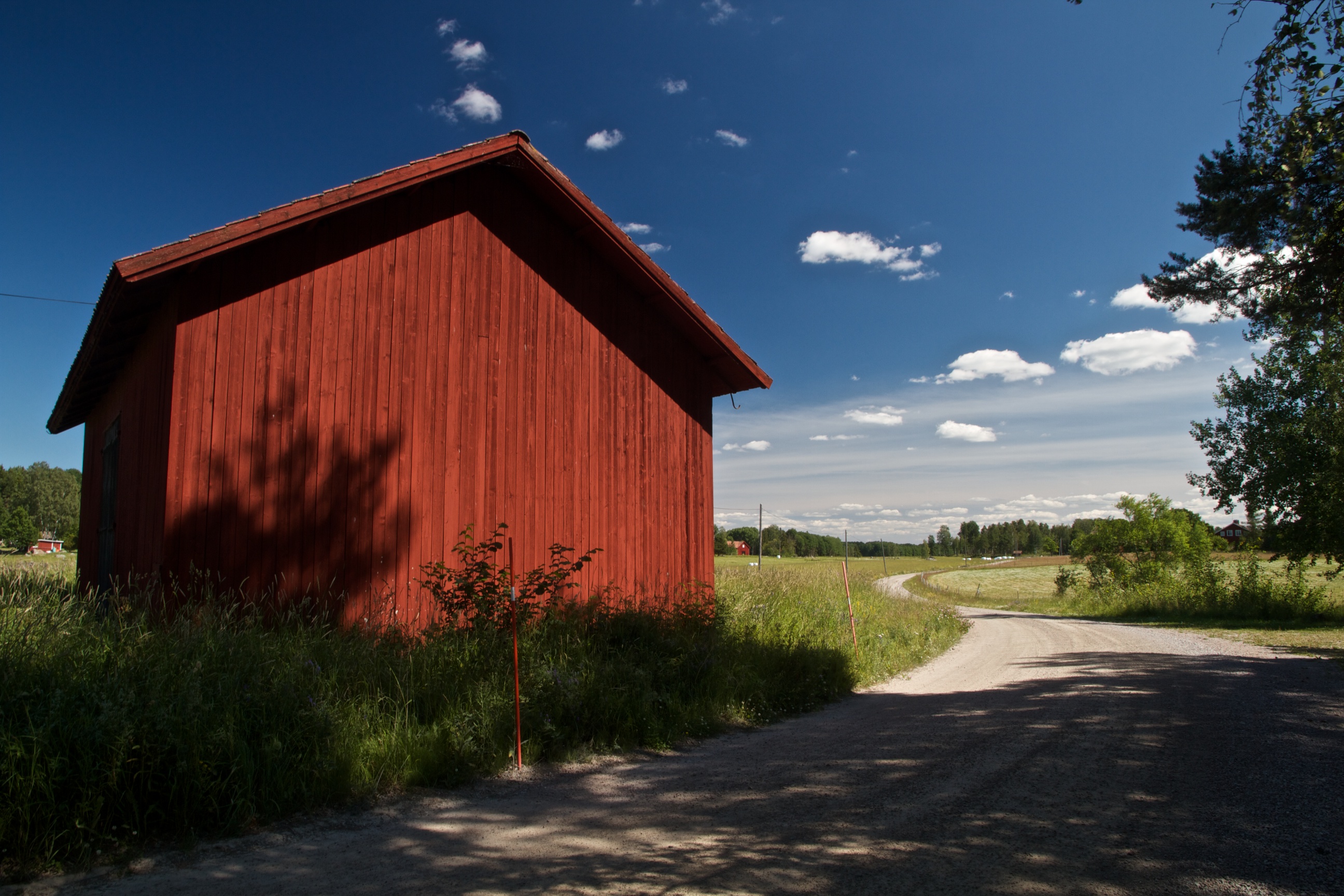
The area of central Sweden where I stay is on the dividing line between the south and north of the country – the area immediately south being characterised by broadleaf woodlands and wide, open, hedgeless fields with the area to the north being typically rocky pine forest, dark lakes and bogs, interspersed with smaller meadows and glades. However, everywhere there are field barns in a deep, rich red which bring timeless touch of man to the landscapes.
The land is rich in wildlife and I saw a great range of fauna, many of which are rare or non-existent in my area of England or, indeed, the rest of the UK, while others would require a long trip for a glimpse. The summer house where I have spent some time can be great for seeing some of the specialities with willow and crested tit common visitors, crossbills passing in groups and the occasional sound of cranes and black woodpeckers. The roe deer are seen regularly but I missed the red squirrels this time and the brown hares, but I really dream of seeing a lynx or wolf in my wanderings around the area. I had my camera trap with me and caught a nice night-time video of a deer and her fawn – I say night-time but the skies stay light for 24hrs at this time of year, not a mid-night sun but light enough to walk without a torch.
The whooper swans breeding on the lake were a nice surprise as this is the first time they have done so in the three years I have stayed near the lake. I see these birds in the UK in winter but those are icelandic swans and I suspect these swedish breeders may winter elsewhere on the continent.

I’ve been visiting Sweden for the past 13 years and I still love to see the wildlife and scenery, and spend time out in the countryside – wilderness is much closer to hand than it is at home.
Had a early evening walk around Wybunbury Moss today and saw a few of these amongst the long grass in the surrounding wet meadows.
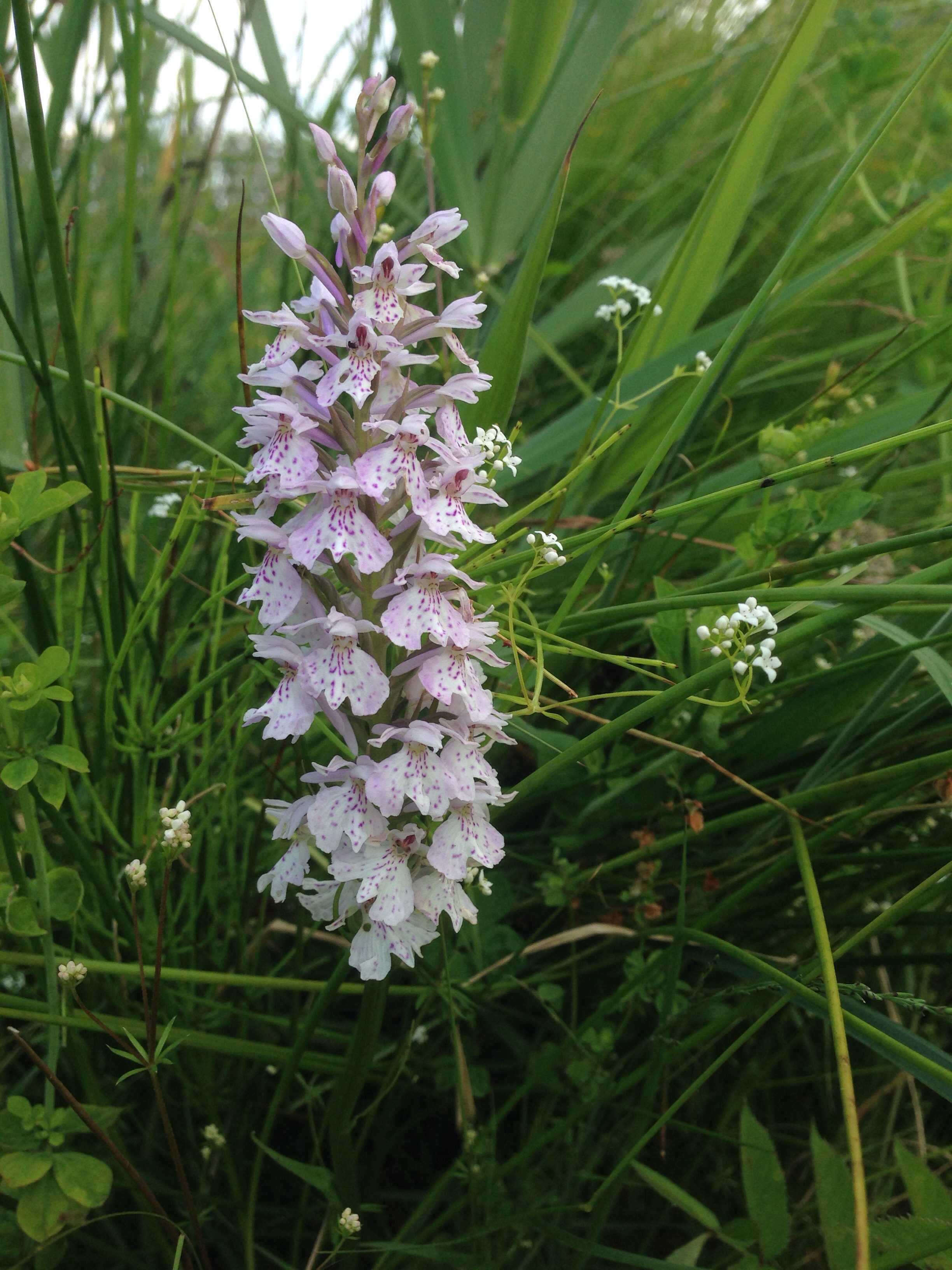 I also recorded 26 species of bird, including a nice Spotted Flycatcher in the church yard, and plenty of Meadow Brown and Large White butterflies.
It’s been a while since I posted a picture of the best building in the city and it was looking very fine when I passed on the way to the station on this bright and warm afternoon.
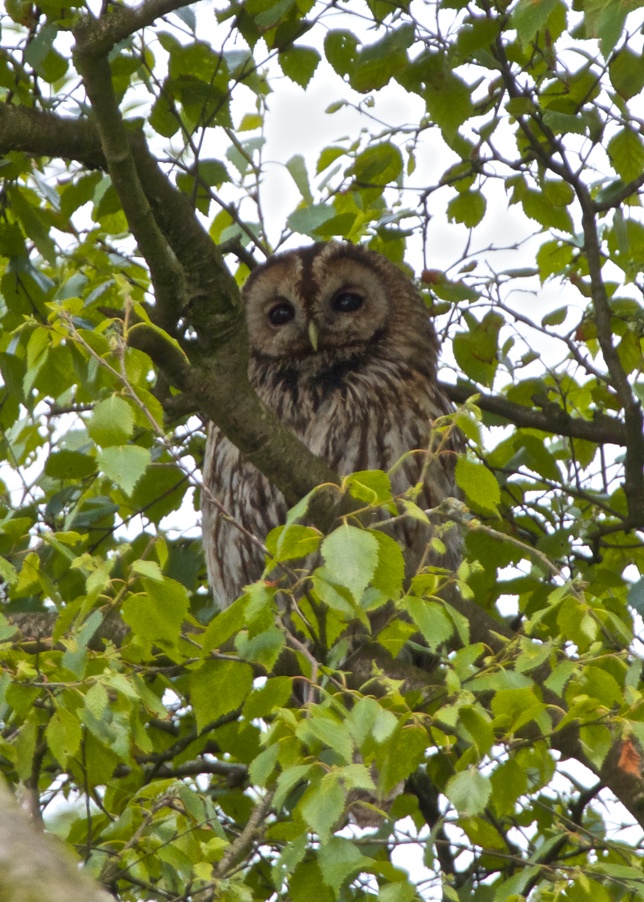
I went for a walk around Wybunbury Moss this afternoon (it’s getting to be a regular thing when I have a spare hour or so!) and as I was wandering through the woodland, this flew directly over my head and landed in a tall tree in front of me. It was huge for a tawny owl and it sat in the tree totally unfazed as I walked around the base trying to find the best location for a shot. I’ve never seen one during the daytime before, let alone had such a great view for such a long time – I must have spent about ten minutes trying to find the best spot.
Yesterday, I had a work trip to Lincolnshire – not an infrequent event – but the home of the yellowbellies was even more yellow than usual with numerous large fields of oil seed rape spread across the wide flat lands. The bright luminous yellow fields were a contrast against the deep blue sky dotted with fluffy white clouds and the sun brought out a blinding intensity to the colours. it’s a pity I had to go to a meeting; I would have much preferred to have spent the day driving around the county taking photos.
The reason why people from Lincolnshire are called yellowbellies is debated and Wikipedia gives numerous explanations – it could be an insult but as I’m a quarter yellowbelly myself, I think I should be allowed to get away with it. In fact, there are plenty of people driving around the county with bumper stickers claiming to be proud yellowbellies; when their county looks this stunning, there’s a very good reason to be!
With all the debate around the visual (and other) impacts of wind turbines, I really have to say that they are certainly no worse that pylons.

I visited Cheshire Wildlife Trust’s Gowy Meadows reserve yesterday and the pylons shown in the photo above (obviously tinkered with for effect!) really do scar the landscape
I should mention here that the reserve is right next to a large chemical works, which doesn’t exactly provide a nice backdrop either. However, I enjoyed my quick visit and will return.
In the amazingly warm early Spring sun yesterday afternoon, I went for a wander around a local nature reserve, Wybunbury Moss.
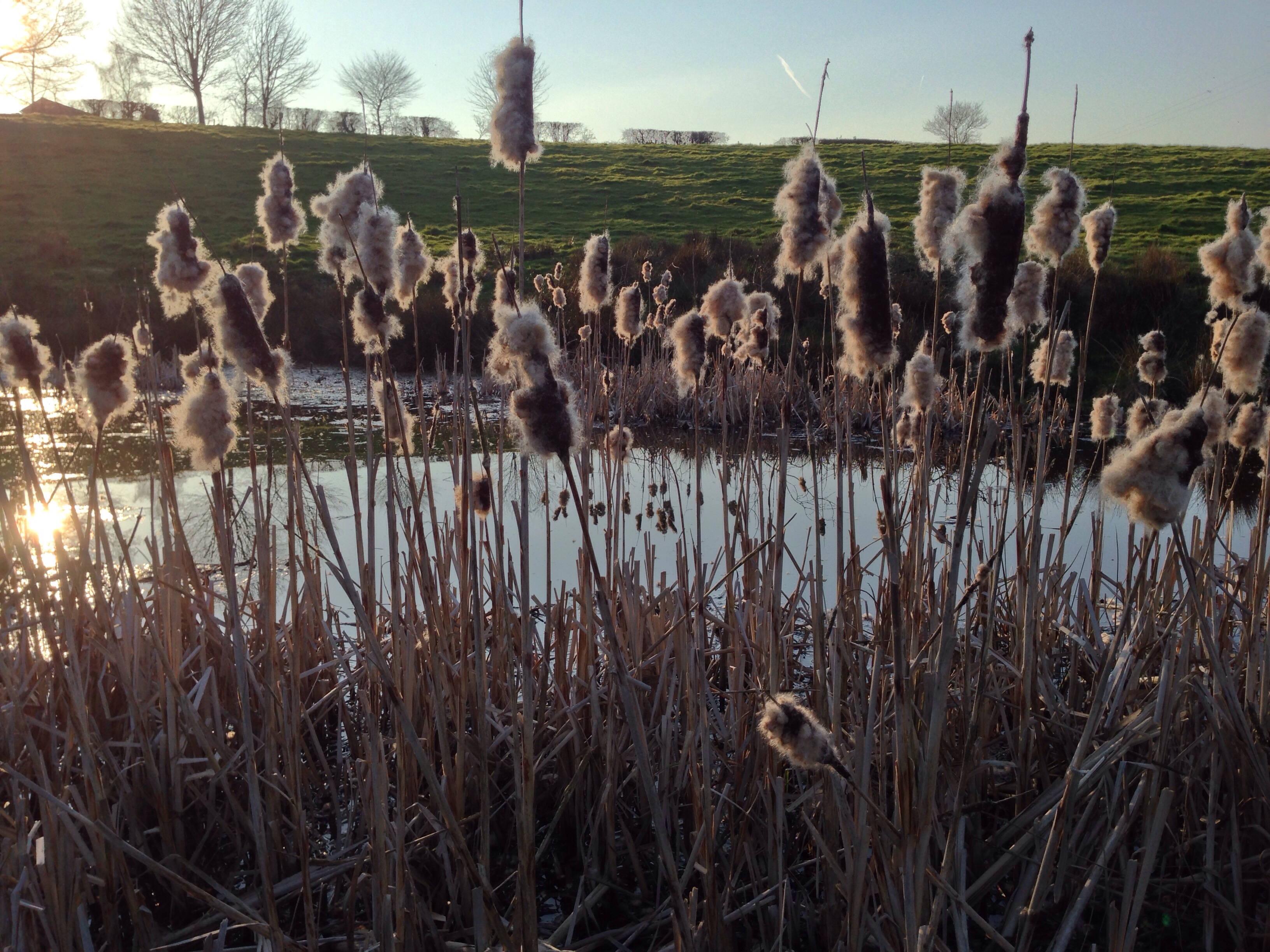
The air was filled with seeds from the bullrushes that had split open – not sure if this is a reaction to the sun or just a coincidence.

 Daft Mumblings
