
Manchester Buildings
Reply


…and (weather allowing), I’ll be there this time next week!
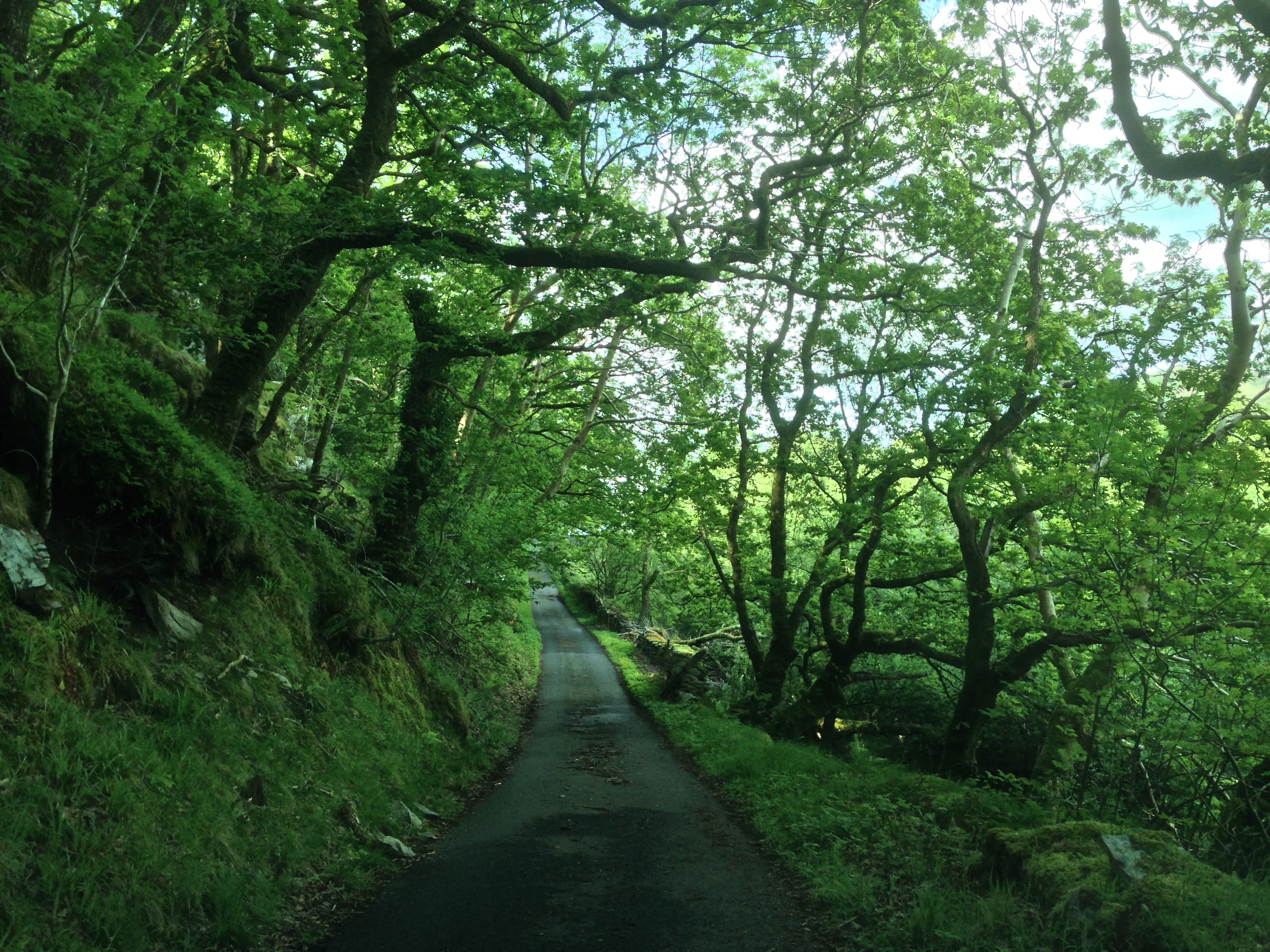
I pull back the curtains and the day welcomes me with rain drops on the window and puddles on the ground; of course it’s raining, I’ve got an osprey shift! However, the rain has been and gone, and looking up, there’s blue. Leaving home and driving through the Cheshire fields, I can see what has gone, rain falling further east. Ahead is more clear sky and my shades go on as I cross the border. It may be sunny but there still a chill in the early morning air and the heating soon warms the car. Despite my expectations, breaks remain in the clouds and the sun goes in and out on my way. I choose the moor top route again but stop part way to look down on the stone bridge over the mountain river.
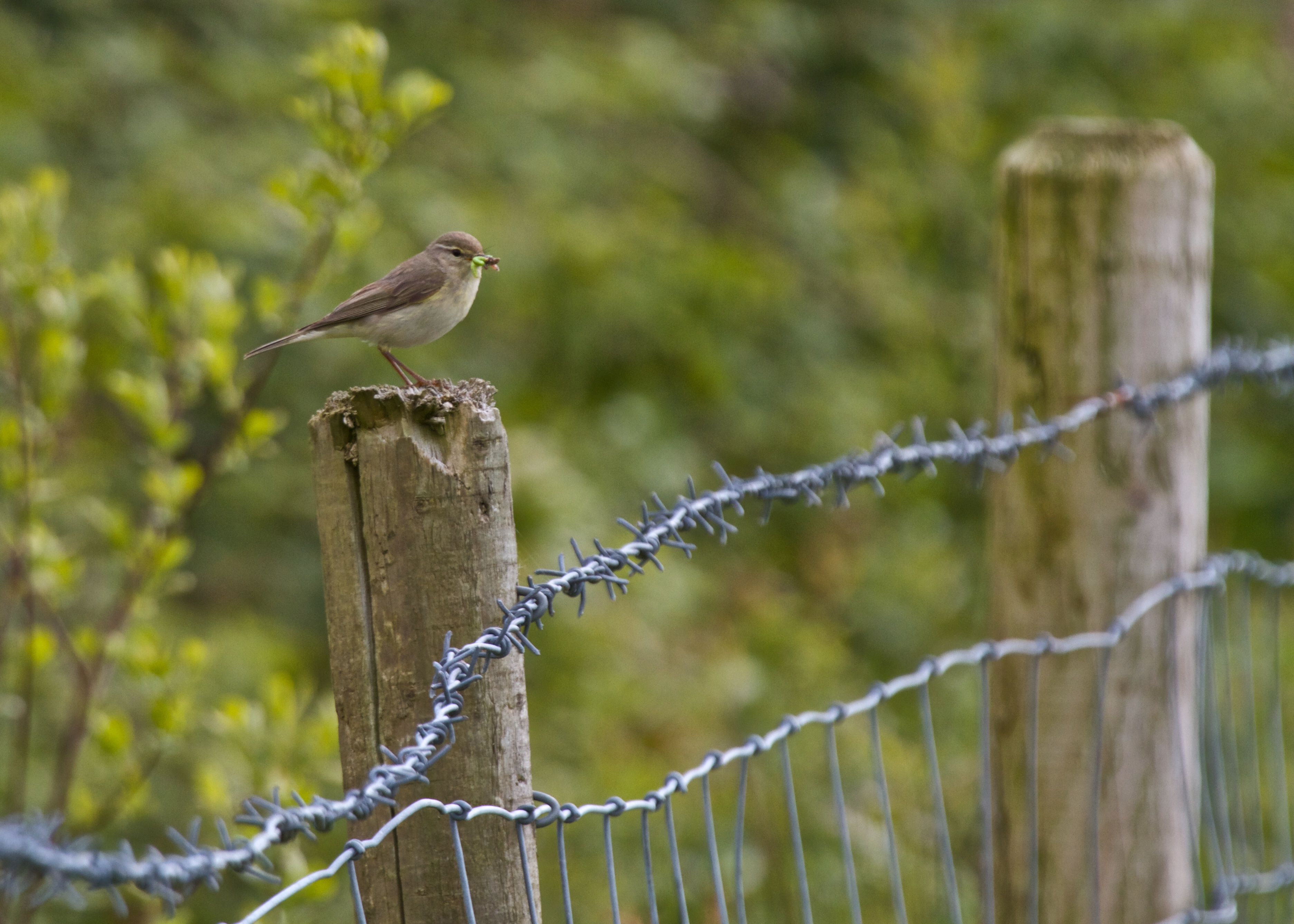
Passing through the gateway and over the cattle grid, my windows are already open and the woodland is full of bird song. The chiffchaff, willow warbler, robin and wren welcome me while the breeze helps to bring the scents of the damp-covered land into the car. The debris on the track cracks and snaps as I drive under the dappled sunlight. The roadside bluebells are now past their best but the summer flowers are starting to show; the first foxgloves are bursting up their stems. Leaving my car, a cuckoo calls from the hillside trees and buzzards are feeding on the recently ploughed field. The swallows skim low over grass and a redstart chatters in a lane-side tree.
Out in the open, the ground is now dry, made more so by the warm sun and cooling wind. In shelter it is almost summer-like; away from cover, when a cloud rolls over, it’s almost cold and could be the first days of spring. Hope still stands in the nest across the meadows, both birds are up in the tree-top bowl as I arrive. The two eggs have some time to remain intact until they start to be chipped at from inside.
The early part of my shift made it almost easy to forget the soap opera-like drama of the past few weeks. Two ospreys quietly marking time while incubating a clutch of eggs in that well established nest and territory; they looked quite content in the sunshine. The peace and quiet wasn’t to last long as there were two intrusions in the first two hours. A third osprey was in the area and made concerted attempts to land on the nest. The male gave chase on both occasions and was gone for quite some time, trying to drive off the incomer. When the male returned in the company of the intruder, the female successfully drove it off and then had a brief skirmish with the local crows. Later on, when the male had gone fishing, the intruder returned but only made one dive at the nest before heading off east.

This was the penultimate day of the meteorological spring and with the sun out it felt almost summer-like but the stiff breeze made it seem much earlier in the year when cloud cover returned. The trees also don’t quite seem to be in tune with the time of year with not all fully out in leaf. Maybe there’s a theme here in the Glaslyn Valley this year with the ospreys being behind the usual schedule too.
I don’t often have an excuse to sit listening to Test Match Special for most of a day. For once, the internet worked well on my laptop so I had a shift accompanied by Geoffrey, Aggers & co. (with the backing of a constantly calling cuckoo). It wasn’t a great start to the day with the New Zealand tail wagging but after they were all out for 350, England had a good opening partnership – only for this to start falling apart when I was on the way home!

That was my last shift for a while but hopefully usual osprey service has been resumed. Maybe, just maybe, there might be four ospreys in the nest next time I make my way west and down through that wooded valley.
My spring bird surveys are just about coming to an end with only the June breeding bird surveys to do at two Cheshire wildlife trust sites. However, I’ve a new summer survey to do this year and it’s all about house martins.
This will be the fifteenth summer I will have lived in my house and each one has been accompanied by house martins breeding under the eaves. However, last year they only built the nest and didn’t successfully breed, this year they haven’t returned at all. Fortunately, there are martins on some of the surrounding houses but mine appear to have gone.
Whilst the birds did make a bit of a mess on my drive, that was more than made up for by the chortling sounds coming in through the landing window on warm summer evenings and early each morning. I fear that those sounds won’t return. These birds live on average for only two years, so a break of two years breeding on my house may mean they never return.
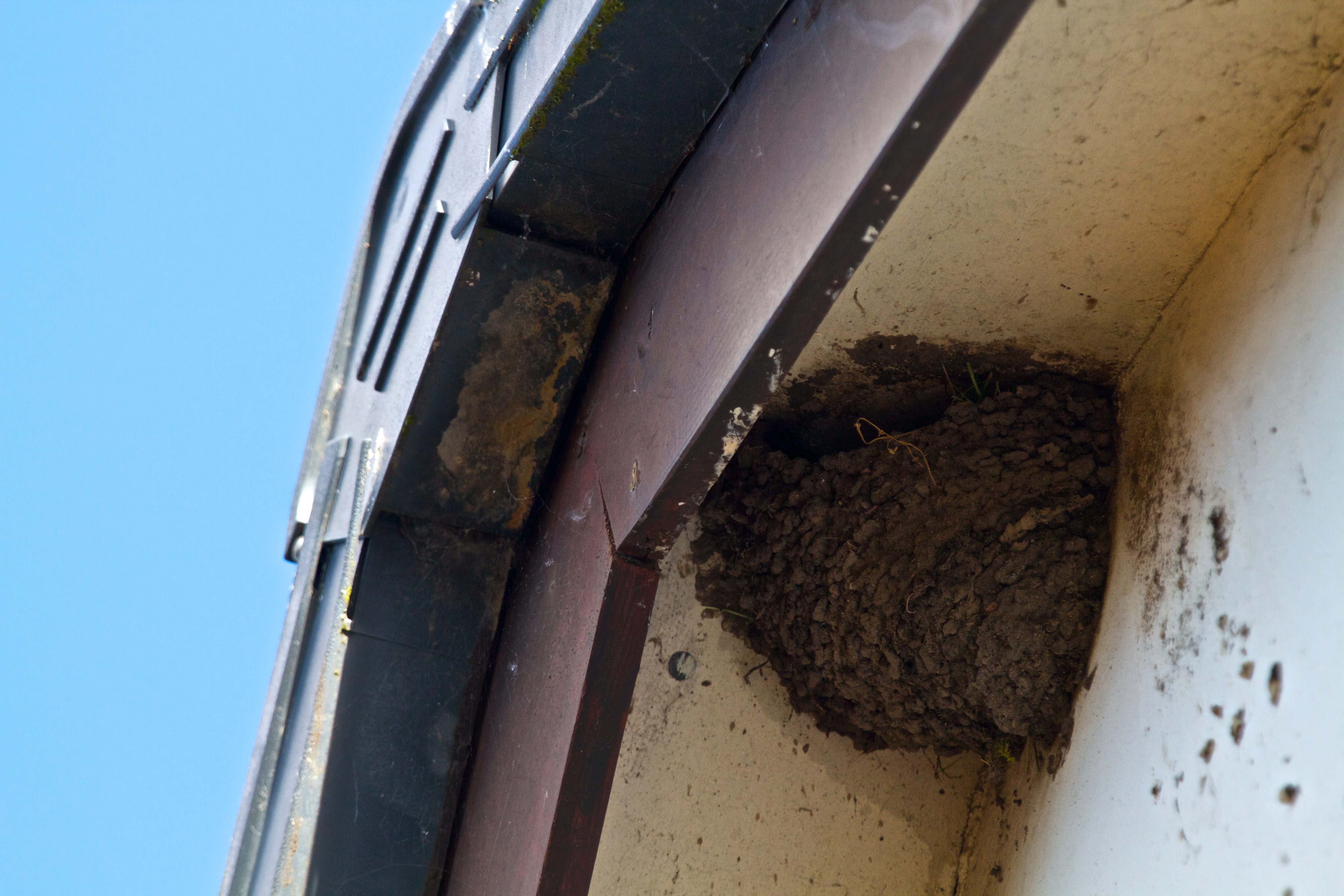
It isn’t just my house that they are failing to return to. The rapid decline of this species means they are now amber listed – of conservation concern – but very little is known about them; this is where the new survey comes in. In 2015, 2,000-3,000 randomly selected one-kilometre grid squares will be surveyed to generate estimates of the national population. In 2016, a further set of surveys will be undertaken to monitor breeding activity at individual nests.
I’m very fortunate to have been allocated the grid square next to the one in which I live; it starts about 100 metres from my house. The survey involves three visits (I’ll explain the second two in a later post) and I completed the first last weekend. This visit to the grid square was a recce to make initial investigations into what nests are present in the area.
My allocated grid square is largely rural with a couple of small housing estates and a couple of sections of residential road. I wasn’t therefore expecting to have huge numbers of nests but I only found one within the whole square. I felt somewhat cheated by this as I observed three distinct groups of house martins flying around the area in the east, south and west of the grid square. I felt even more cheated by the fact that I found other nests literally a handful of metres outside the grid square which I’m unable to include in the survey. However, it is just as important what you don’t count in the square as what you do, so even feeling slightly cheated, I must only record the one nest.
Whilst these surveys won’t directly bring ‘my’ house martins back, I hope it will contribute to the understanding of the reasons for their decline. In due course, maybe that understanding will help to reverse the decline and, one day, I may again hear the chortling of house martins coming in through my landing window on a warm summer evening.
You can read more on these surveys on the British Trust for Ornithology’s website.
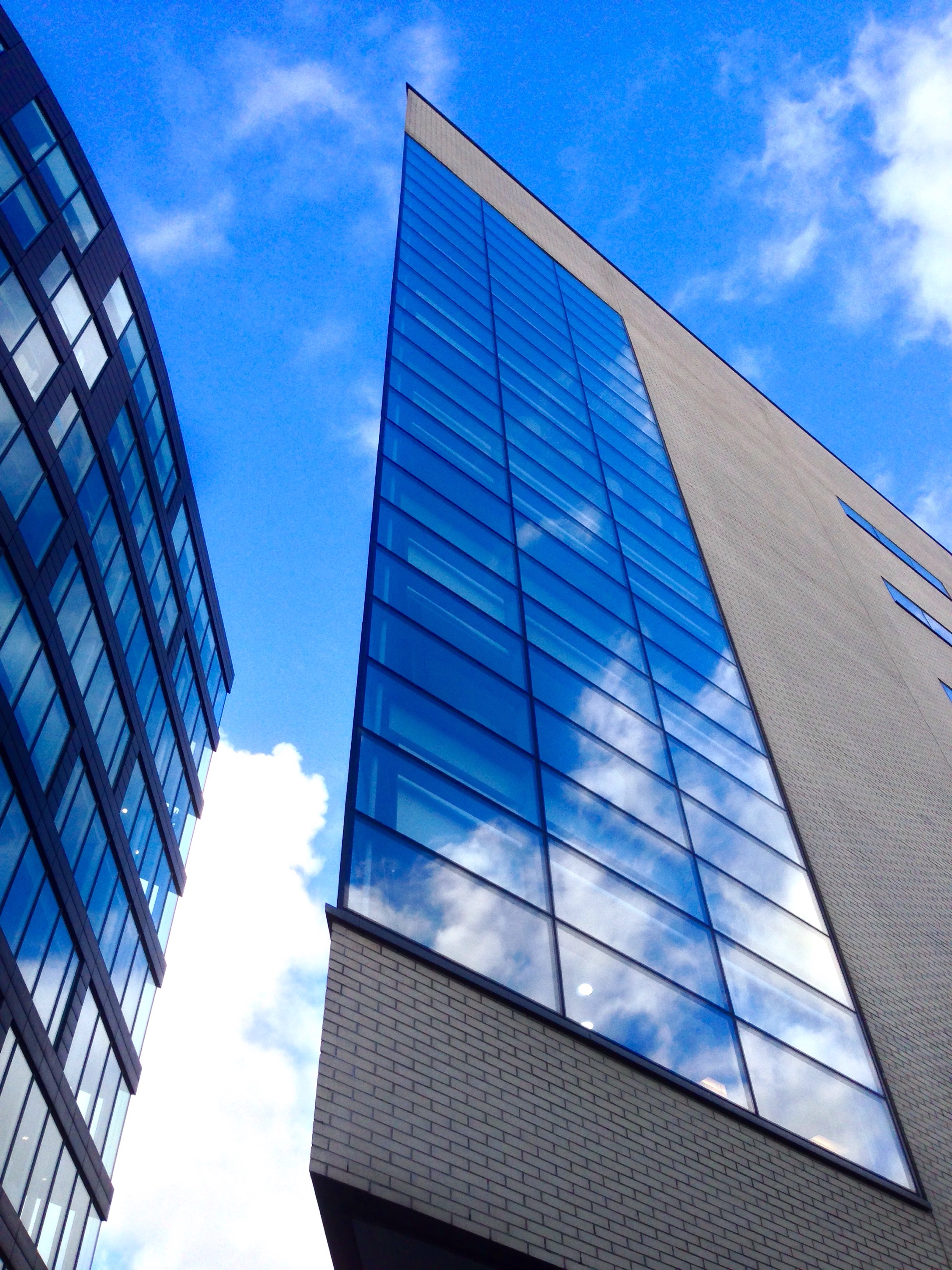
Piccadilly Place…
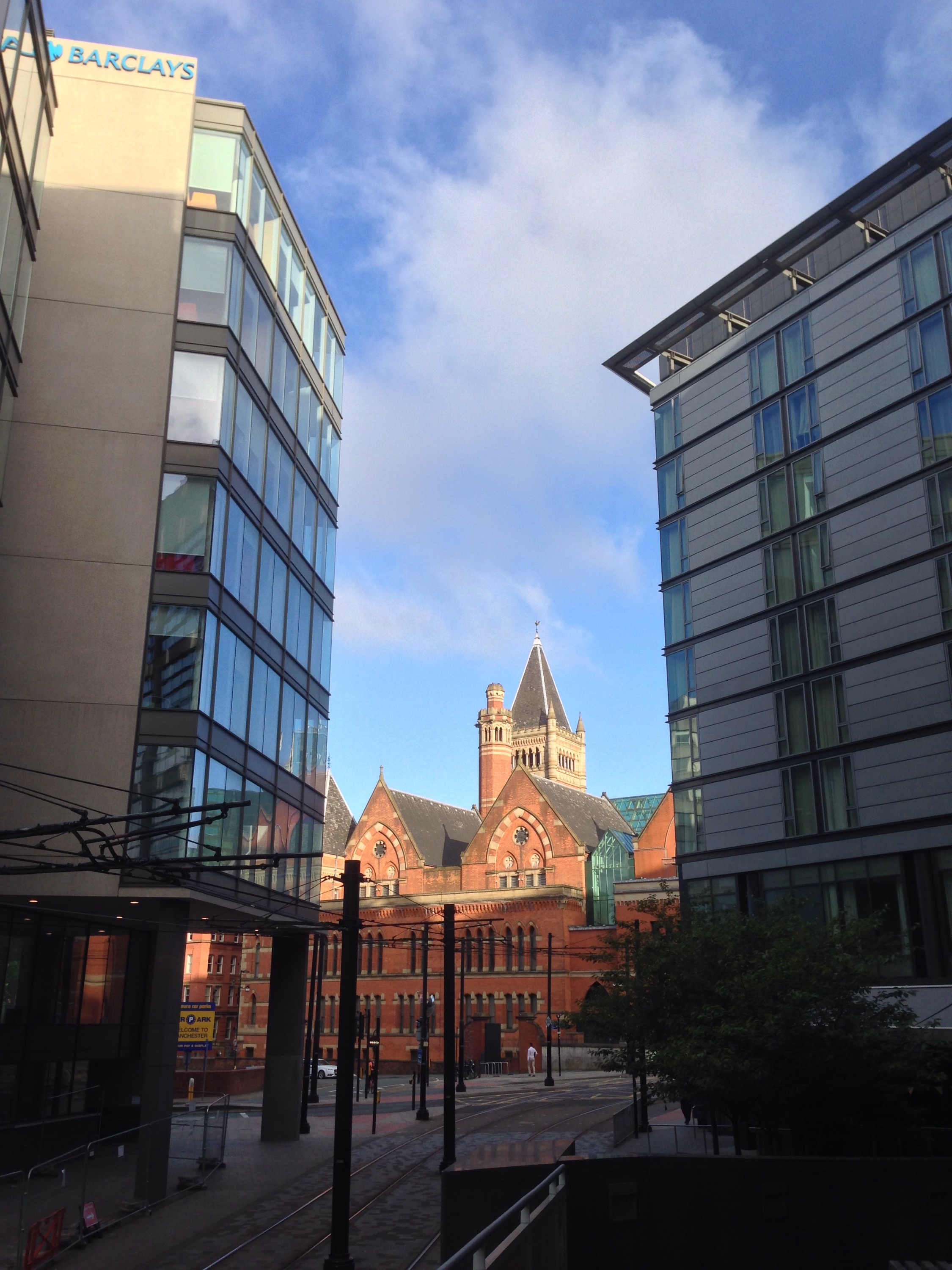
Minshull Street Crown Court from Piccadilly Place

A few days ago I did the third and final spring visit to my British Trust for Ornithology (BTO) Breeding Bird Survey grid square. This was the second of the visits to undertake the survey itself, following a first visit back in March to record any changes in habitats from the same surveys last year. It was a lovely warm spring morning with the countryside full of activity, the landscape a lush green and the birds putting on a great show.
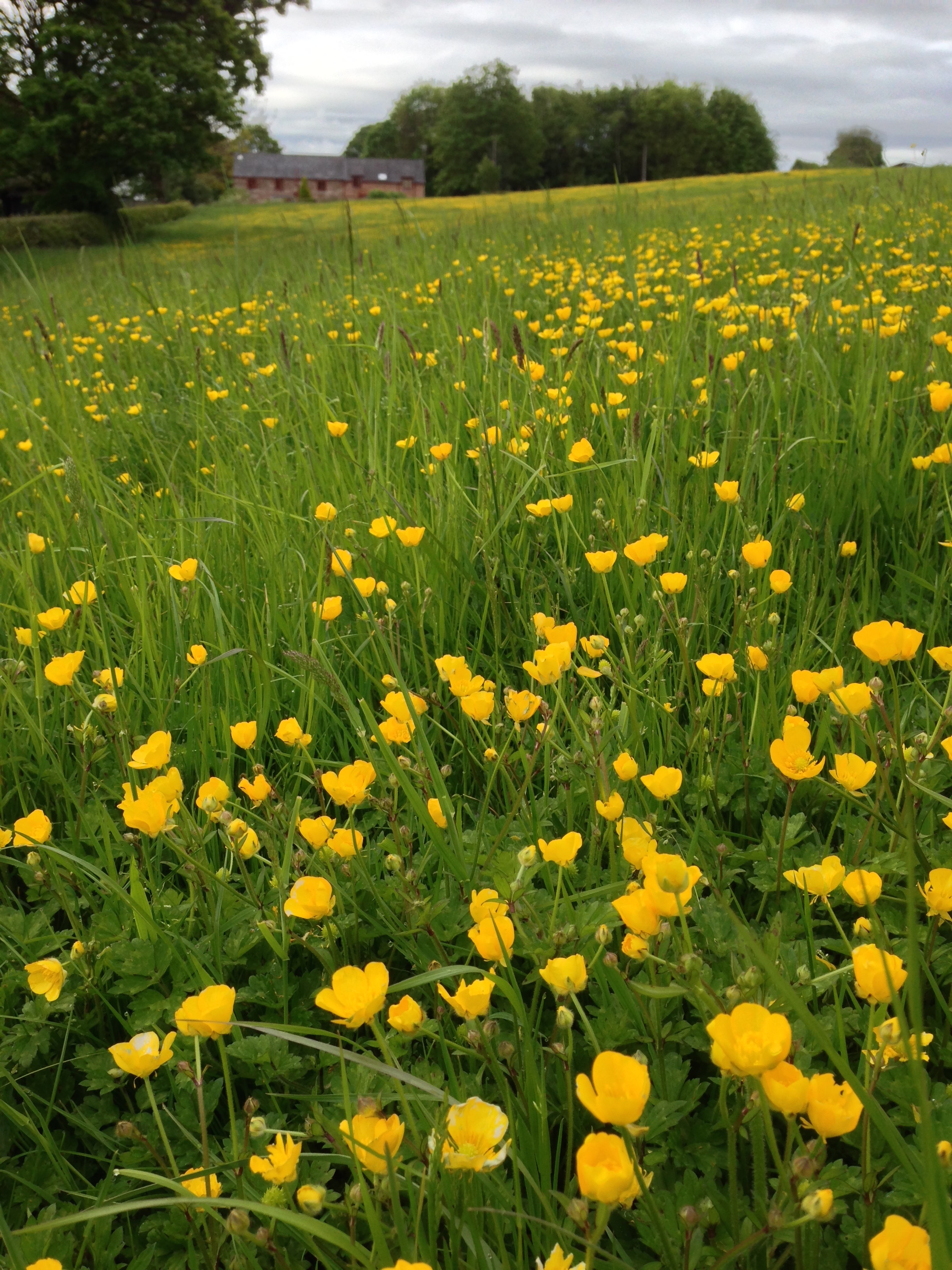
As usual it took me about 45 minutes to complete each of the two 1km transects, recording all the species I saw or heard, including the number of individuals. I also recorded any mammals I saw or their signs. At the end of the survey, which finishes part way up Bulkeley Hill, I walked the rest of the way up the hill and then the long way around back to my car. The top of the hill gives some great views across the Cheshire Plain back towards home and it also gives nice views across the survey grid square.

Whilst this was the second year I have done the survey of the grid square near Bulkeley, the site has been surveyed for nearly two decades. The first survey of the site was done in 1998 and the average number of species recorded each year since then, before I started the surveys last year, was 26. Last year I noted 32 species in total and this year I noted the highest ever figure of 39. Over the course of the last 18 years of surveys, 55 species have been recorded. Five of the species I’ve recorded in the last two years weren’t recorded previously (raven, linnet, meadow pipit, goldcrest and red-legged partridge).
My, now usual, busy spring is almost coming to a close with only a last osprey shift to come before the change in month brings a change in season. However, summer will also be busy and will hold more wildlife encounters. I have a new BTO survey to do, I need to complete the surveys at the two Cheshire Wildlife Trust sites I monitor, I’m bound to have a few more trips to Glaslyn and the highlight of my year in nature is still to come – a fortnight on RSPB Ramsey Island.
 Daft Mumblings