House Martin Survey 2015

My spring bird surveys are just about coming to an end with only the June breeding bird surveys to do at two Cheshire wildlife trust sites. However, I’ve a new summer survey to do this year and it’s all about house martins.

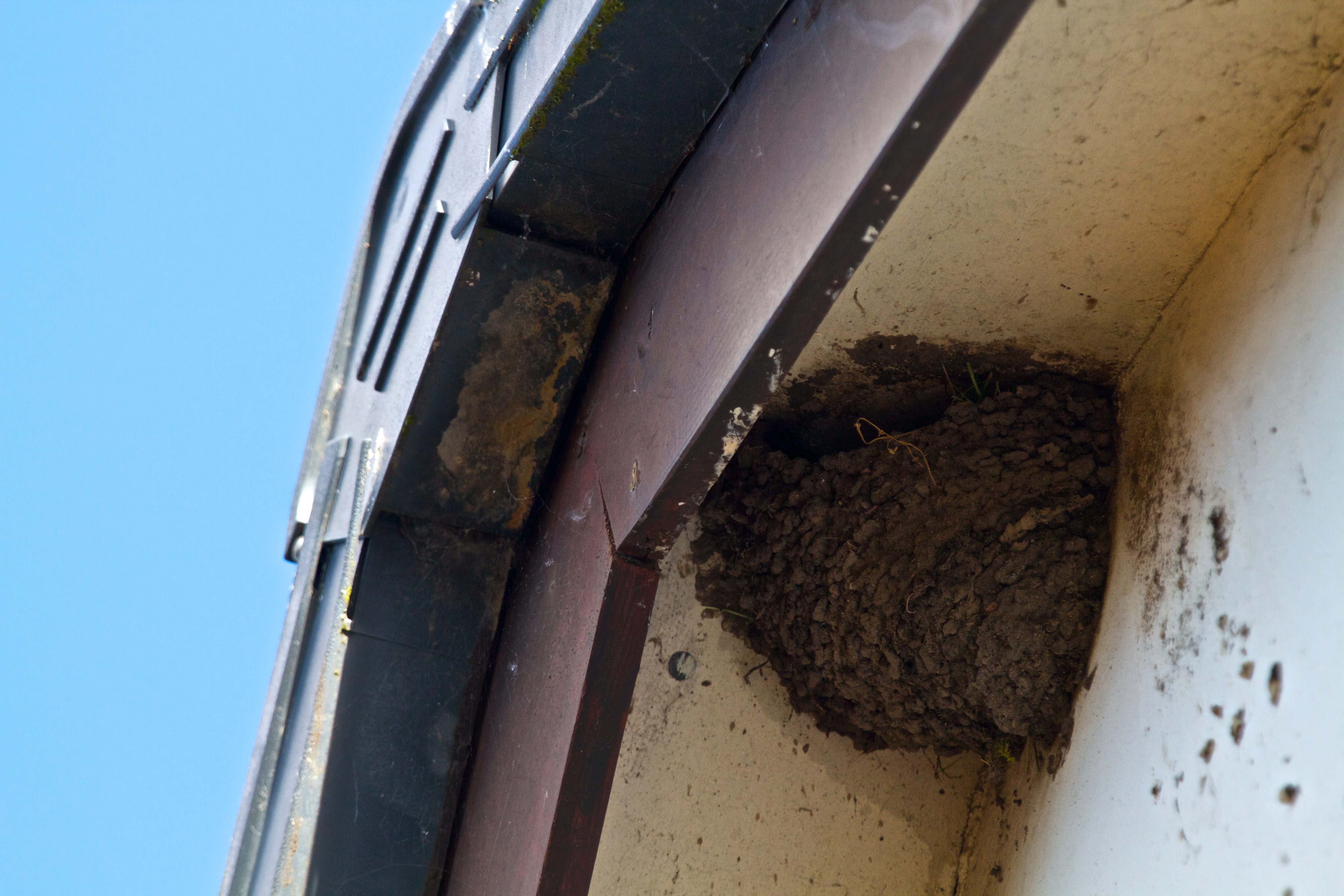
This will be the fifteenth summer I will have lived in my house and each one has been accompanied by house martins breeding under the eaves. However, last year they only built the nest and didn’t successfully breed, this year they haven’t returned at all. Fortunately, there are martins on some of the surrounding houses but mine appear to have gone.

Whilst the birds did make a bit of a mess on my drive, that was more than made up for by the chortling sounds coming in through the landing window on warm summer evenings and early each morning. I fear that those sounds won’t return. These birds live on average for only two years, so a break of two years breeding on my house may mean they never return.
IMG_1225

It isn’t just my house that they are failing to return to. The rapid decline of this species means they are now amber listed – of conservation concern – but very little is known about them; this is where the new survey comes in. In 2015, 2,000-3,000 randomly selected one-kilometre grid squares will be surveyed to generate estimates of the national population. In 2016, a further set of surveys will be undertaken to monitor breeding activity at individual nests.

I’m very fortunate to have been allocated the grid square next to the one in which I live; it starts about 100 metres from my house. The survey involves three visits (I’ll explain the second two in a later post) and I completed the first last weekend. This visit to the grid square was a recce to make initial investigations into what nests are present in the area.

My allocated grid square is largely rural with a couple of small housing estates and a couple of sections of residential road. I wasn’t therefore expecting to have huge numbers of nests but I only found one within the whole square. I felt somewhat cheated by this as I observed three distinct groups of house martins flying around the area in the east, south and west of the grid square. I felt even more cheated by the fact that I found other nests literally a handful of metres outside the grid square which I’m unable to include in the survey. However, it is just as important what you don’t count in the square as what you do, so even feeling slightly cheated, I must only record the one nest.

Whilst these surveys won’t directly bring ‘my’ house martins back, I hope it will contribute to the understanding of the reasons for their decline. In due course, maybe that understanding will help to reverse the decline and, one day, I may again hear the chortling of house martins coming in through my landing window on a warm summer evening.

You can read more on these surveys on the British Trust for Ornithology’s website.

A Perfect Spring Morning for a Survey!

I was up early this morning to do the first of two recording visits to my BTO Breeding Bird Survey site out at Bulkeley.  Getting up was a bit of a struggle after what felt like a long week and doing circuit training last night – my aching muscles didn’t really like the early alarm.  However, it was well worth it.

IMG_6057

It was a lovely, bright and quite warm spring morning with a cloudless sky and only the hint of a cooling breeze.   Even before I’d set off on the first of two one kilometre transects, the birds were performing for me with two buzzards soaring above the sandstone ridge of Bulkeley Hill, being mobbed by a raven and carrion crows.  The summer migrants were also quickly in my notes with willow warbler, chiffchaff and blackcap all singing loudly and persistently.  As I made my way into the second section of the first transect, a good flock of 30 jackdaws took flight after feeding in a hillside meadow.

The each transect took around 45 minutes to complete, with frequent stops to make notes and checking the species through my binoculars.  Some sections were quicker than others with fewer species out in the open fields away from the wooded hill. The last section seemed the most intense of all, almost running out of space to make notes at the end.  The birds seemed quite unconcerned about my presence in some places and I had very good views of chiffchaffs and blackcaps – maybe they had other, springlike, things on their minds. Overall, I recorded 29 species, which is just three shy of the total for the two visits last year.

Wandering around the countryside on a beautiful spring morning is a lovely thing to do anyway but doing a bird survey makes it even better.  Listening and watching wildlife immerses me even deeper into the natural surroundings and makes the experience even more intense. While it is sometimes a struggle to get out of bed early at a weekend, it was certainly worth it this morning!

IMG_6059

As I finished the survey I came across two lost scouts, looking confused as they tried to workout where they were on their OS map.  It’s well over 20 years since I took part in the Cheshire Hike; the two-day event these lads were taking part in.  Whilst it might be counted as cheating, I pointed out where they were and guided them in the right direction.    Mapping reading was always a strength of mine when I was a scout but maybe they don’t teach the current generation as well as I was taught as I came across four more lost lads just a little further down the track. I decided I’d done my good deed for the day and left them to work it all out for themselves.

Breeding Bird Surveys

On Sunday last week and Friday and Saturday this week, I did the second round of four monthly Breeding Bird Surveys for Cheshire Wildlife Trust and my first Breeding Bird Survey for the British Trust for Ornithology (BTO).

The survey at the Wildlife Trust’s Bagmere reserve, on Sunday last weekend, picked up Willow Tits again, so they are probable breeders at the site, and there could be up to three territories.  However, I didn’t pick up any water rails this time, but there are two more surveys to do (in May and June) so hopefully I’ll note them again.

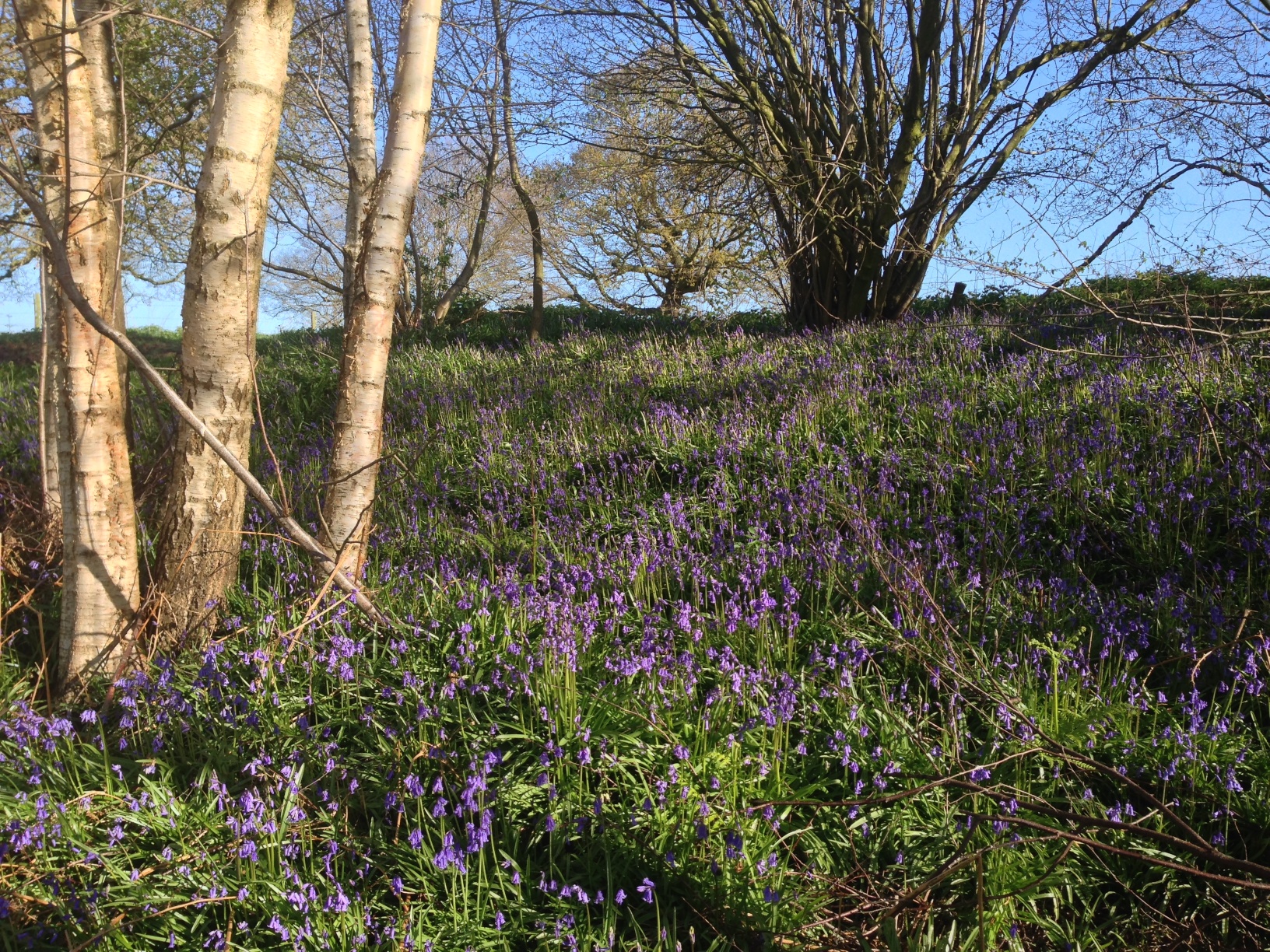
The Blakenhall survey was on Friday, which was a fabulously bright but chilly morning.  There was a low mist across the field as I walked to the reserve and Spring was in full swing with the bluebells now out, or at least on the sunnier slopes around the Moss.

Image

Hearing the bird song was a little more difficult this time as there’s now a mixed flock of greylag and canada geese around the reserve and they were making a racket. The stars of the survey must have been the blackcaps, with eight seen around the site, including a group of three chasing each other around.

Embed from Getty Images

Another highlight was seeing a pair of Marsh Tits, which I’d hoped to see last time but didn’t come across them.  Like the very similar looking Willow Tits, they are a red-listed species and have suffered 22% declines since the 1970s, although this is less severe than the decline in numbers of Willow Tits.  They are also a local rarity, so it was good to see them at Blakenhall as part of the survey – I’ve seen them before at the site when doing some conservation volunteering with the Wildlife Trust.

The BTO Breeding Bird Survey is more onerous than the Wildlife Trust version and takes twice as long.  On Saturday morning I did the first of the two surveys I’m doing in the grid square near the Cheshire sandstone ridge, centred around the Bickerton Poacher pub.  The survey requires two (roughly) parallel 1km transects to be walked making note of all the birds seen or heard.  Each 1km transect is divided into five 200m sections and the birds seen or heard are noted within 25m, 100m or over 100m.  Whether the birds were identified by song, call or sight is also noted as are signs and sightings of mammals.

The survey was done on another bright sunny morning and walking around the Cheshire countryside was a real pleasure.  There were no real species of note although the three buzzards circling above the hills were pretty special and I came across a couple of red-legged partridge.

Image