Spring has sprung!

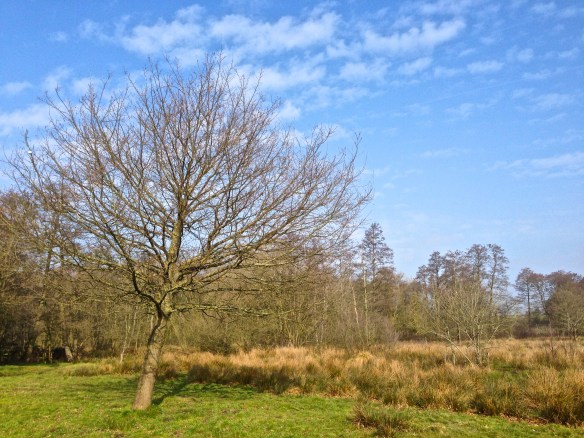
I spent today with Crewe & Nantwich Conservation Volunteers on another task at Wybunbury Moss working for Natural England.  Heading out this morning, it felt that finally spring is here, with a clear blue sky, strengthening warmth from the sun and birds starting to sing at the top of their voices.

IMG_8008

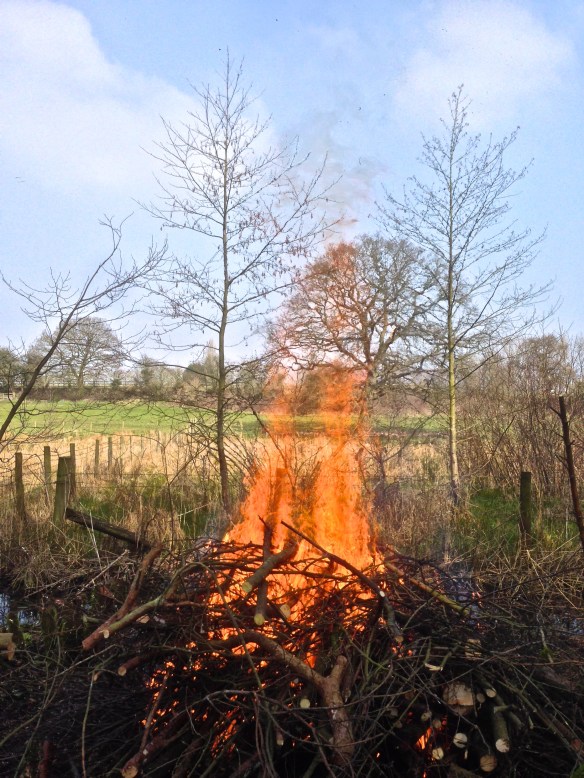
However, the task today was still very much a winter one, with more trees to fell and burn.  The task we have been doing for the last two visits has been focussed on softening an area of woodland edge by removing some of the smaller trees. This should encourage regrowth of the understory which should in turn provide improved habitats for scrub nesting birds.  After working in the same area last year, the signs of this regrowth are already there.

IMG_8015

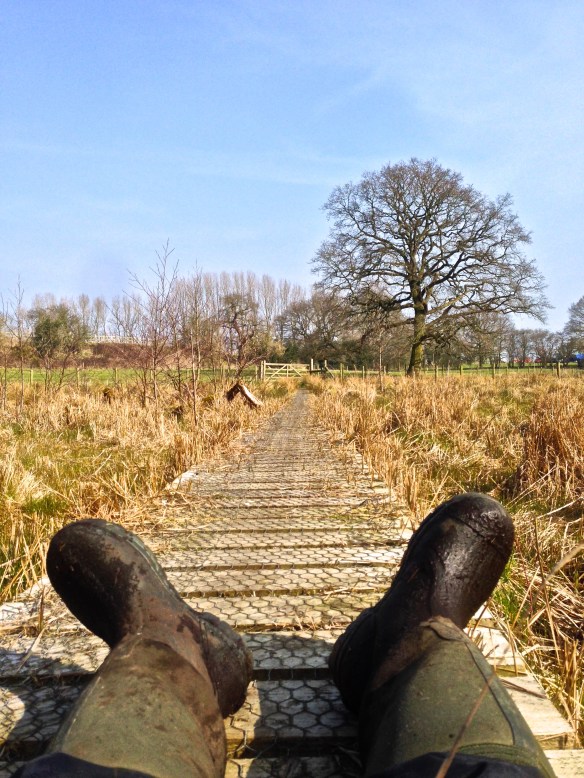
With bird nesting season upon us, this could have been the last fire until autumn, a pity as I enjoy them so much, but having a fire in the sun does seem a bit wrong. At the end of what has seemed like a long, dark winter, I’ll quite happily swap having fires for more nice, warm sunny days!

IMG_8017

From Spring into Winter and (Almost) Back Again

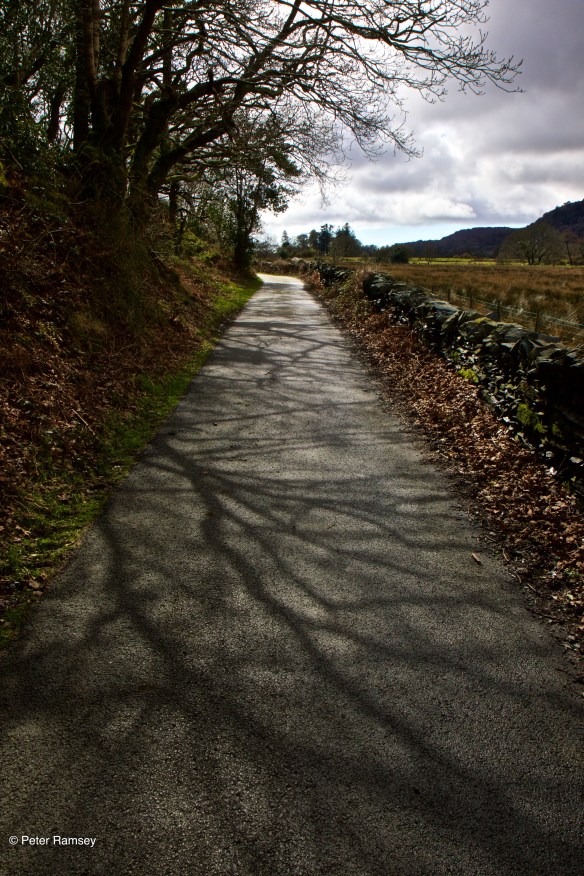
There’s mist over the land as I head out on a welcome journey not done since the height of last summer (if there was a ‘height’). The roads are quiet and I make good time as the hazy sun brightens the countryside around. There are signs of spring along my route; daffodils and snowdrops at the roadside and the hawthorn hedges starting to burst new leaves. There’s also new life in the fields with the first of the lambs out in the low-lying pastures; the grass just starting to turning a richer green.

As the border is crossed and the road rises into the hills, the initial optimism for another rich early-season day falls away as the clouds draw over the longed-for sun and darkness covers the route ahead. It’s soon that I’m passing the reservoir and the first drops of fine rain need to be cleared from my windscreen but the high moorland route still beckons and I increase the pace once turned at the junction. The gloom is even deeper up here and my journey is slowed, lowland mist now upland fog. As I descend into the enclosed valleys, hopes are dashed that dropping out of the cloud will bring a halt to the fine but blanketing rain. There are no signs of brightness across the damp pastureland that divides the mountains and the sea; water lying in the fields are sure signs that these are familiar conditions.

After a break in my journey I eventually make my way down the track in the secluded wooded valley. In the trees and out in the damp water-logged pastureland, spring still seems to be a distant thought, the signs of the new season present in the lowlands yet to appear here. Whilst the birdsong has more strength, it is subdued by the weather and there seems little to sing for with water clinging to every tree, rock and blade of grass.

There may be few signs of spring in the valley but it is on its way and so is a wave of avian visitors, sweeping slowly northwards from warmer lands. Amongst them, hopefully, will be two pairs of wings, returning to an old nest high up in the fir tree copse out in the centre of the damp fields. With them are the hopes of a growing band of followers, hopes of a return of an old favourite and her new partner, and hopes of slightly less drama than last year.

IMG_5749
There is something very familiar about the text above, not just the journey but the weather pattern too. I made the same first trip to the Glaslyn Valley this time last year with signs of spring at home but the weather then enclosing as I made my way towards Snowdonia. The only difference this time was that on my return journey the bad weather had spread into the lowlands too.

The trip was made for the training day for the volunteers with Bywyd Gwyllt Glaslyn Wildlife; this is the community group that took over the Glaslyn Osprey Project from the RSPB in 2014. This will be fifth season that I’ve volunteered at the ‘Protection Site’ where the osprey nest is monitored to stop thieves stealing the eggs. Volunteers also help to prevent disturbance of the birds by walkers on the public footpath that passes close to the nest.

2015 was an osprey rollercoaster by previous standards. There had been the same pair of birds using Glaslyn nest for over a decade but last year the male failed to return and the female was left waiting at the nest. Over the following weeks there was a succession of males trying to mate with her but it was the third that finally settled down with her and managed to raise two healthy chicks which migrated south at the end of the summer.

Last year saw great strides forward by the group including a new visitor centre and video streaming from nest cameras going live on the internet towards the end of the season. Hopefully, the cameras will be live on the website soon and this year the whole breeding season can be watched from the comfort of my own sofa (or desk at work for that matter!).

Live streaming is expensive to run, particularly from such a remote location and it costs thousands of pounds each year and the equipment will need replacing from time to time. Therefore, an appeal has been launched to raise funds to pay for this year’s live streaming and to contribute towards replacement equipment when it is needed in due course. The details of the appeal can be found here.

That trip really marked the start of my spring of conservation volunteering which will also include bird surveys, practical land management tasks and maybe some other nest protection work, but sitting in the quiet of the Protection Site ‘spy cave’ watching over the ospreys really is a highlight – can’t wait for my next trip down that wooded track.

The look of spring; the touch of winter

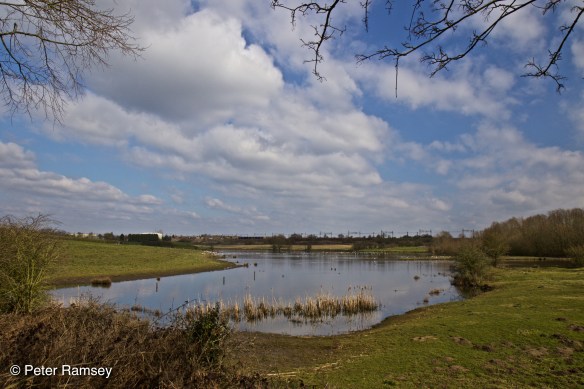
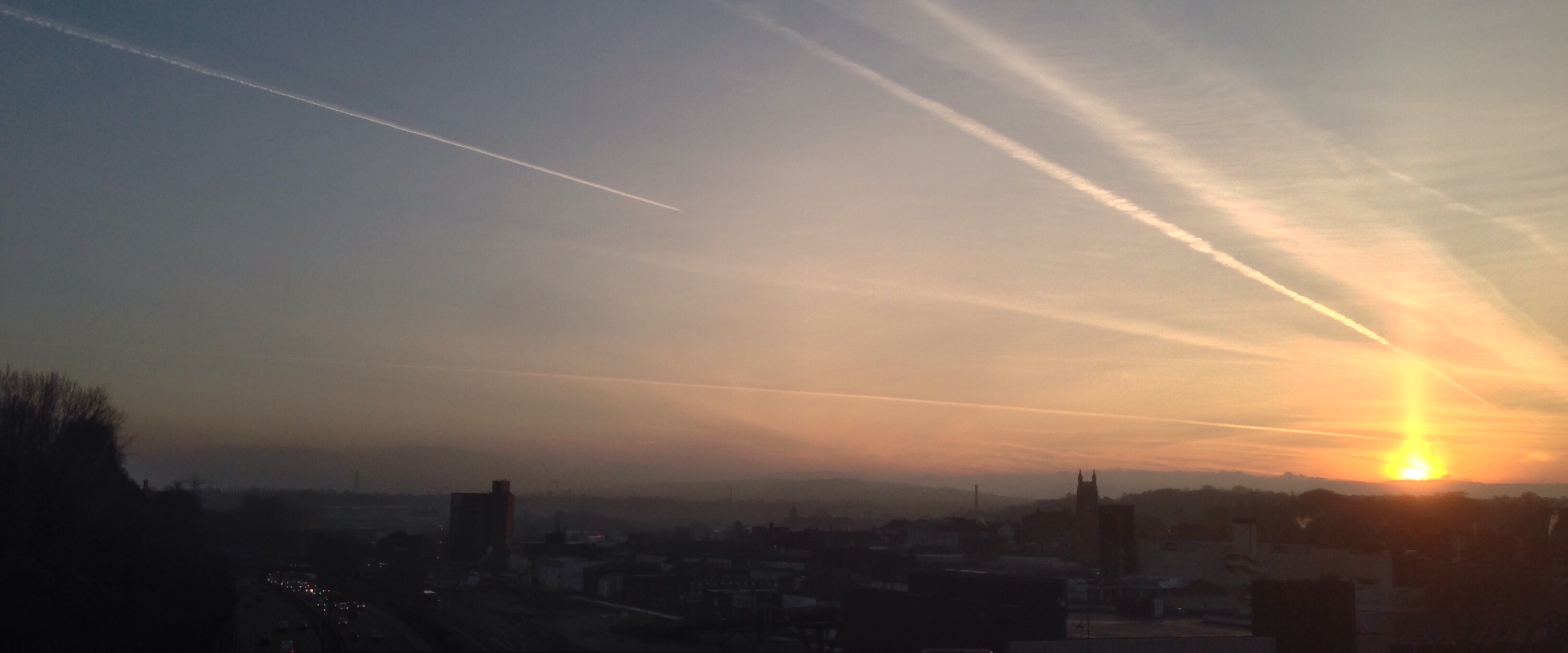
Working from home yesterday afternoon, I couldn’t help but be tempted to go for a wander around my local patch at sunset.  It had been the first gloriously bright and almost cloudless day I could remember for a long time so I had to take advantage of the last bit of light.

The sky and light conditions were very springlike looking out of the window but as soon as I set foot outside, winter was in the air.  At around 5 degrees celsius, it certainly didn’t feel like spring and as I made my way out into the fields, the ground conditions showed it wasn’t either.  After recent rains, the fields were saturated and my wellies became heavier and heavier as more mud clung to them.

There were other signs that spring in the fields has yet appear – the trees were still skeletal in their lack of leaves and the collection of birds I saw had a wintry touch.  There was a large flock of redwings and fieldfares, our visitors from Scandinavia for the colder months of the year, noisily making it’s way through the trees and bushes as I wandered along the footpaths.

I took a few shots as I walked around the fields.  I wouldn’t say my local patch is particularly blessed with great beauty but in the fading light of last evening, it looked at its best.


A Nose for snow

I spent a few hours today at Tegg’s Nose Country Park taking advantage of the snow to try out my new camera…

With the mild winter we’ve had, I didn’t expect to get any snow photos and I couldn’t pass up the opportunity.  It was slightly strange driving from early spring at home into winter in the hills and I took other photos looking from the hills towards a green Cheshire Plain. However, the birds up there also seem to be in a spring-likee mood with plenty of singing in the woods and valleys.

There are rumours that the weather is to remain cold all the way into April so there might be more chances to take a shot worthy of my next Christmas card!

From brash to ash

Another day spent at Wybunbury Moss with Crewe & Nantwich Conservation Volunteers burning brash left behind by Natural England’s tree clearance activities.

IMG_7959IMG_7974

It was a lovely spring-like day with blue sky and white fluffy clouds.  The woodland was full of bird song, not quite at it’s full strength but certainly starting to build.

A day in the (very chilly) sun

I was out with Crewe & Nantwich Conservation Volunteers today to continue with our tasks at Wybunbury Moss National Nature Reserve.  We spent the day burning brash that was left over from the tree clearance work Natural England have been undertaking.

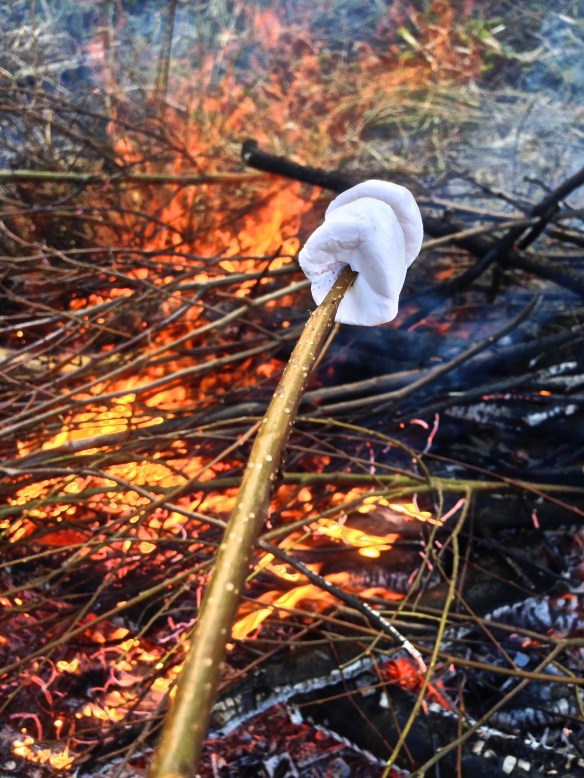
It was lovely, bright weather but the chill didn’t leave all day when out of the sun and the breeze added a wintry edge that reminded us that spring could still be some way off.  In fact, it was so cold that there was still ice on the open water when we finished at around 3:00pm.  However, the fire kept us warm and it was put to good use towards the end with some marshmallow toasting (nom, nom).

IMG_7885

Before we left the Moss for the day, I went for a walk around the centre of the site.  It’s not often I can do this as the main area of the Moss is out-of-bounds to the public – it’s dangerous place to be.  One of the most eye-catching parts of the Moss is where there are standing dead trees; they drown as they grow heavier and their roots break into lake beneath the peat floating layer of peat – the weather made this photo opportunity impossible to let go.

IMG_7896

An uplifting break in the weather

It seems a long time since I was out in the sunshine, so this morning when I woke to a blue sky, I went to Bagmere to do the final Winter Bird Survey for site this season.  After all the miserable weather and the dark mornings and evenings, a bit of sun can really lift the spirits.

Whilst the sun was shining, the wind was close to being too strong to allow me to do the survey.  However, when I got down into the shallow bowl in which Bagmere sits, it was sheltered from the worst of the wind and I could more than easily hear all the birds in the surrounding area.

5R0A0655-1

There wasn’t a great deal of bird activity and I didn’t get a particularly great list of species.  Unfortunately, willow tits were again missing from my records; after seeing them at Bagmere last time out there, I hoped I’d get them again.  Some nest boxes were put up for them last year and hopefully these will encourage them to breed.  The breeding bird surveys at Bagmere and Blakenhall Moss (both Cheshire Wildlife Trust reserves) start again next month, so I’ll soon see!

5R0A0665-1

Not long after returning home, the clouds came across and it started to pour with rain and hail – usual service had resumed!