Mr Angry disturbs bird survey

This morning was perfect for my first Breeding Bird Survey of the spring for Cheshire Wildlife Trust (CWT).  With a milky sun peeping through the cloud, a light breeze and (relatively) warm air, I set out to count the birds at the Trust’s Bagmere reserve.

After two years of doing both Winter Bird Surveys and Breeding Bird Surveys for CWT, there’s a bit of a change this spring. The Trust has been developing an amended methodology, so things are a little delayed this year.  Instead of having one transect at Bagmere (and the Blakenhall Moss site that I also survey), it is divided into compartments of different habitats.  Bagmere is divided into several grassland, woodland and fenland compartments, in which the birds are recorded separately to show what birdlife the different habitats support.  This morning was my first outing with the new methodology and it worked well and clearly showed some differences between the various areas.

As I’ve written before, a bird survey on a spring morning is an idyllic way to spend a bit of time, wandering through the fields and woodlands, listening to the birds singing in their breeding prime.  Today was as good a morning as there has been when I’ve done a survey and Bagmere was lovely with the flowers starting to show and the leaves beginning to unfurl on the trees.

All was peaceful…apart from this whitethroat who called out in alarm as I passed on the way out and the way back.  He seemed to see me as a great threat and flew from bush to bush berating and scolding me until I was outside of his territory.

Common Whitethroat


A spring survey at the end of a wintry week

This morning I went out to the middle of the Cheshire countryside to undertake my first of two visits to my grid square for the British Trust for Ornithology’s (BTO) Breeding Bird Survey.  It’s the third year I’ve done this survey and it’s always a pleasure to spend a couple of hours out in the green fields and wooded hillsides observing nature and listening to the calls and songs of the birds.

It’s certainly been a strange spring week with the temperatures dropping and snow appearing on a couple of days.  However, the season is still progressing towards summer with the daffodils on the roadside verges having lost their flowers, the bluebells starting to bloom and the grass growing brighter shade of green. The leaves are coming out on the trees but could they be a little late this year? Some trees are barely showing any signs of leaves at all – it’s May tomorrow!

IMG_8117

The day started cold but bright and as we set off on the first of two one kilometre transects I had to check exactly what I had to do – the long winter has obviously dulled my memory. However, I soon got into the swing of it, for once aided by my assist (thanks Dad – he did the map reading), and started to get the sightings down on the record sheets.

The first transect went without a hitch and the second went well until the penultimate section when winter intervened; the heavens opened and down came a heavy spell of hailstones.  We waited under the shelter of the woodland and halted the survey until the downpour had completely finished, leaving it a little while longer for the birds to re-emerge from wherever they had been sheltering.  It wasn’t long until the birds were singing their spring songs once more and we completed the remaining section of the survey in the dry.

Nothing particularly notable popped up during the survey but all the usual summer migrants were present including the first swallows and house martins I’ve seen this year.  I’m hoping the house martins that nest on my own house return soon – or at least at lot earlier than the did last year – as I’ve got the BTO’s nest survey to do this year.

A conclusion to survey season

Last weekend I did my last bird survey of the breeding season, having had a busy few months of recording since the beginning of March. This year I’ve been doing surveys at two nature reserves for Cheshire Wildlife Trust, I’ve completed a Breeding Bird Survey for the British Trust for Ornithology (BTO) in a grid square near Bulkeley, I’ve taken part in the BTO’s House Martin Survey and I did a bit of surveying for the RSPB when I stayed on Ramsey Island.

The surveys for Cheshire Wildlife Trust, at its Bagmere and Blakenhall Moss reserves, were done once a month during March, April, May and June, and this year the overall bird lists for the sites increased further. Over the course of the four visits to Bagmere, 39 species were recorded and this was two less than last year. However, I also made a note of species when I spent a day there with Crewe & Nantwich Conservation Volunteers and that visit brought the total up to 45. It was disappointing not to record willow tits at Bagmere this year, a red-listed species, particularly as some nest boxes have now been put up for them; I haven’t seen them at the site since December last year. However, it was good to hear water rail on each visit and to add some new species including garden warbler and grasshopper warbler. This year I didn’t record any confirmed breeding species at Bagmere but I did record 19 probables and 12 possibles.

IMG_5461

At Blakenhall, the transformation from woodland to wetland continues to increase the species seen at the reserve. Up until a couple of years ago there would have only been woodland species but now there is a range of both wintering and breeding wildfowl. In total, 47 species were recorded, up from 35 last year and there were five species confirmed as breeding including blue tit, great tit, Canada goose, greylag goose and treecreeper. In addition, 12 probables and 22 possibles were recorded. There were some new species at Blakenhall too including grasshopper warbler, spotted flycatcher, swallow, shoveler, tufted duck and little owl.

IMG_5770

I’ve now completed two years’ of Winter Bird Surveys and Breeding Bird Surveys at Bagmere and Blakenhall, and these have set a baseline for the sites as they were the first surveys of birds done by the Wildlife Trust at the reserves. I’ve now recorded a total of 53 species at Bagmere and 59 at Blakenhall.

The House Martin Survey is being undertaken for one year only, to help to assess the state of the house martin population in the UK. My second visit to my allocated grid square added another nest to the one recorded during the previous visit in June. However, it was only the first one that appeared to being used, with adult birds visiting to feed chicks. Fortunately, there are more house martins in the area, with colonies just outside my grid square. It was also nice to see a good dozen or more floating around in the evening sky last night when I was at a BBQ only a couple of hundred metres from the boundary of my square.

My hopes were raised that the old house martin nest on the side of my house might still be used this year as I saw birds making fleeting visits over a couple of days and I found droppings beneath the nest when I came back from my two weeks on Ramsey Island. However, those hopes have gone as the birds’ interest didn’t last long and it’s now too late for a pair to breed in the nest. Maybe next year!

IMG_2465

I really enjoy doing the bird surveys, not only because I’m doing something practical to support conservation efforts, but also because it’s lovely to spend a couple of early hours on spring mornings wandering around nature reserves. However, I have to say that the bird survey I helped with on my first day on Ramsey Island was the most fun and memorable of the year. The seabird survey by jet boat in warm summer sunshine was spectacular and a world away from the freezing cold March morning at Bagmere when I crunched my way around the hushed, snow coated reserve with my fingers, toes and nose being nipped by the frost.

A record for my BTO Breeding Bird Survey

A few days ago I did the third and final spring visit to my British Trust for Ornithology (BTO) Breeding Bird Survey grid square. This was the second of the visits to undertake the survey itself, following a first visit back in March to record any changes in habitats from the same surveys last year. It was a lovely warm spring morning with the countryside full of activity, the landscape a lush green and the birds putting on a great show.

IMG_6459

As usual it took me about 45 minutes to complete each of the two 1km transects, recording all the species I saw or heard, including the number of individuals. I also recorded any mammals I saw or their signs. At the end of the survey, which finishes part way up Bulkeley Hill, I walked the rest of the way up the hill and then the long way around back to my car. The top of the hill gives some great views across the Cheshire Plain back towards home and it also gives nice views across the survey grid square.

IMG_6465

Whilst this was the second year I have done the survey of the grid square near Bulkeley, the site has been surveyed for nearly two decades. The first survey of the site was done in 1998 and the average number of species recorded each year since then, before I started the surveys last year, was 26. Last year I noted 32 species in total and this year I noted the highest ever figure of 39. Over the course of the last 18 years of surveys, 55 species have been recorded. Five of the species I’ve recorded in the last two years weren’t recorded previously (raven, linnet, meadow pipit, goldcrest and red-legged partridge).

My, now usual, busy spring is almost coming to a close with only a last osprey shift to come before the change in month brings a change in season. However, summer will also be busy and will hold more wildlife encounters.  I have a new BTO survey to do, I need to complete the surveys at the two Cheshire Wildlife Trust sites I monitor, I’m bound to have a few more trips to Glaslyn and the highlight of my year in nature is still to come – a fortnight on RSPB Ramsey Island.

A Perfect Spring Morning for a Survey!

I was up early this morning to do the first of two recording visits to my BTO Breeding Bird Survey site out at Bulkeley.  Getting up was a bit of a struggle after what felt like a long week and doing circuit training last night – my aching muscles didn’t really like the early alarm.  However, it was well worth it.

IMG_6057

It was a lovely, bright and quite warm spring morning with a cloudless sky and only the hint of a cooling breeze.   Even before I’d set off on the first of two one kilometre transects, the birds were performing for me with two buzzards soaring above the sandstone ridge of Bulkeley Hill, being mobbed by a raven and carrion crows.  The summer migrants were also quickly in my notes with willow warbler, chiffchaff and blackcap all singing loudly and persistently.  As I made my way into the second section of the first transect, a good flock of 30 jackdaws took flight after feeding in a hillside meadow.

The each transect took around 45 minutes to complete, with frequent stops to make notes and checking the species through my binoculars.  Some sections were quicker than others with fewer species out in the open fields away from the wooded hill. The last section seemed the most intense of all, almost running out of space to make notes at the end.  The birds seemed quite unconcerned about my presence in some places and I had very good views of chiffchaffs and blackcaps – maybe they had other, springlike, things on their minds. Overall, I recorded 29 species, which is just three shy of the total for the two visits last year.

Wandering around the countryside on a beautiful spring morning is a lovely thing to do anyway but doing a bird survey makes it even better.  Listening and watching wildlife immerses me even deeper into the natural surroundings and makes the experience even more intense. While it is sometimes a struggle to get out of bed early at a weekend, it was certainly worth it this morning!

IMG_6059

As I finished the survey I came across two lost scouts, looking confused as they tried to workout where they were on their OS map.  It’s well over 20 years since I took part in the Cheshire Hike; the two-day event these lads were taking part in.  Whilst it might be counted as cheating, I pointed out where they were and guided them in the right direction.    Mapping reading was always a strength of mine when I was a scout but maybe they don’t teach the current generation as well as I was taught as I came across four more lost lads just a little further down the track. I decided I’d done my good deed for the day and left them to work it all out for themselves.

S is for Spring, Song and Surveys

As I have mentioned in previous posts, I undertake wildlife surveys for both Cheshire Wildlife Trust and the British Trust for Ornithology (BTO) and this makes spring a very busy season. I undertake Breeding Bird Surveys (BBS) for both organisations, using different methodologies but both types require spending early mornings wandering around in the Cheshire countywide, listening to bird song, counting individual birds and making notes.

I’m one of a handful of amateur surveyors undertaking these surveys across Cheshire Wildlife Trust’s sites. I’m particularly privileged to be undertaking them at the Trust’s Blakenhall Moss and Bagmere reserves as I’m the first person to do bird surveys at these sites and I’m really starting with a blank piece of paper as far as bird records go. Hopefully, my records will give the Trust some useful information with which to help plan the management of the two sites over the next few years.

Blakenhall Moss

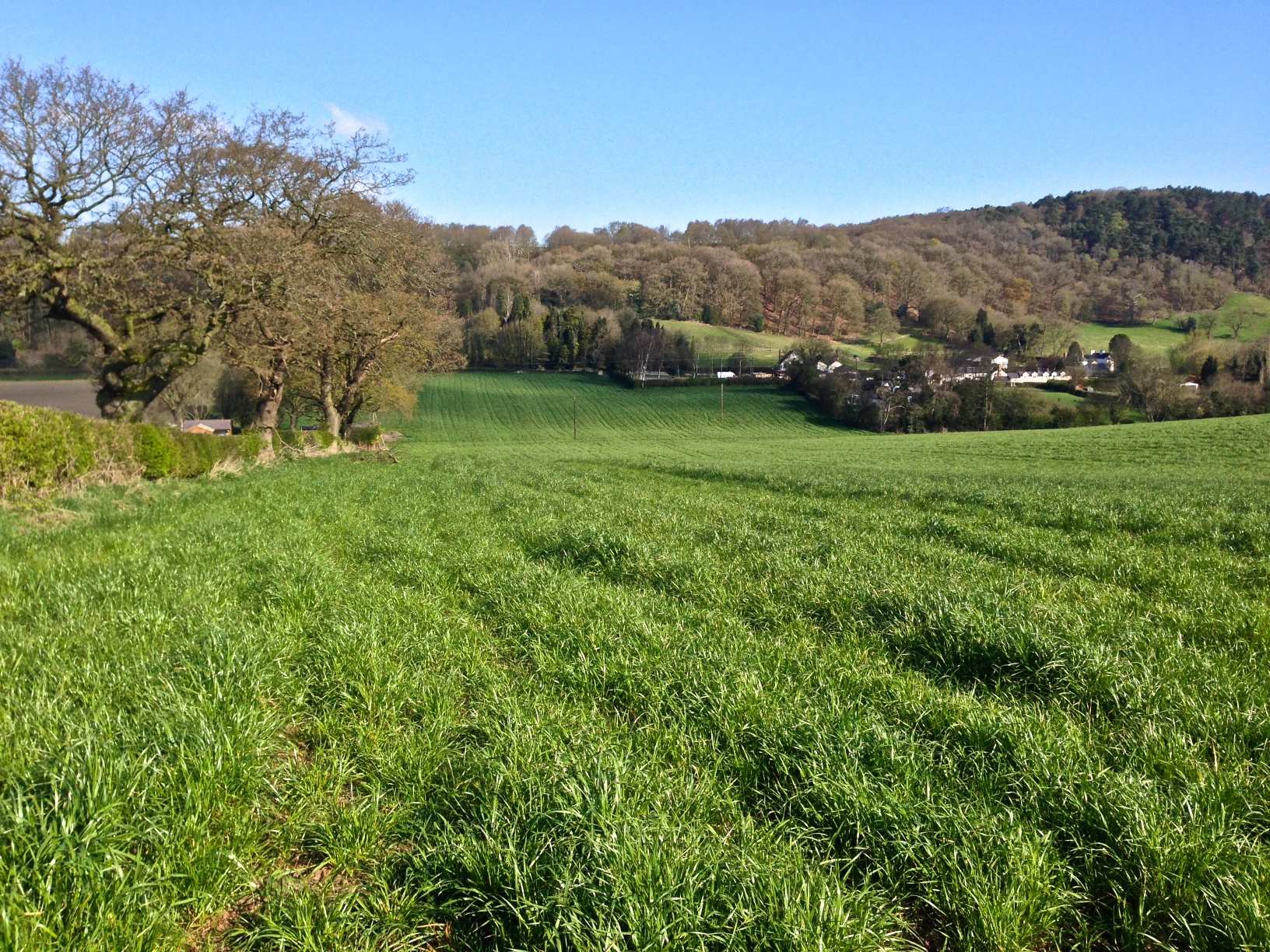
The BBS programme for the BTO is of a completely different scale with thousands of people undertaking surveys across the whole of the UK. I’m fortunate with my involvement in this survey too, as my site (a one kilometre Ordnance Survey map grid square) is in one of the nicest spots in the county, around the village of Bulkeley, just below the sandstone ridge that dissects the Cheshire Plain. The two one kilometre transects (survey routes) cover a surprisingly wide range of habitats, from roadside hedges and country gardens, to wide open dairy pasture and hay fields, and from horse paddocks and small ponds to hillside woodland and open heathland. There’s even a good pub slap-bang in the middle of the grid square – one of my favourite habitats!

Bulkeley Hill
The Wildlife Trust’s surveys are undertaken once per month during March, April, May and June, and over the first couple of weekends of March I decided to get a head start and did the first of surveys at ‘my’ two sites. At Bagmere, I recorded 24 species; not a bad number for the site, but some way short of the 41 in total recorded over the course of the four spring surveys last year. It was disappointing not record willow tit this time, as it is a local rarity and I have recorded them there before a number of times. However, water rail are becoming a regular and were recorded again.

The Blakenhall Moss survey was more successful with 31 species recorded during the visit; this compared to a total of 35 recorded across the four spring surveys last year. This good total helped to bring the site bird list to over 50 – thats the total number of species I have so far recorded over the course of two sets of Winter Bird Surveys and this and last years’ BBSs (and this year’s has only just started!). Of particular note again at Blakenhall were the marsh tits, very similar to willow tits and also a red list species, but also a good sized group of wintering teal and one or two pairs of lapwing.

View from Bulkeley Hill
The BTO’s surveys are undertaken during two visits, one in April/May and the other in May/June. I did a recce visit for the BTO survey last saturday to check for any changes to the transects including any alterations to the habitats (e.g. changes to farmland uses). It was a lovely, bright spring morning and I recorded (unofficially as this wasn’t the survey itself) 25 bird species including raven, the first time I had heard them this year, and quite a few chiffchaffs, a sure sign that spring is here! It was also interesting to note that winter migrants to these shores were still around with one big flock of redwings and fieldfares making their way northwards; spring is here but winter may still have a few last gasps to come.

I have mentioned before that undertaking these surveys has significantly improved by ‘ear’ for bird song. I seem to lose some of my memory for these songs and calls between seasons but soon get back into the rhythm. Whilst this improving ear has certainly helped with the surveys themselves, it has also increased my pleasure of going about my other activities; even the walk from the station to my office in Manchester city centre is brightened by the bird song I sometimes hear along the way. However, the real difference I have noticed this year is how the dawn chorus changes over the weeks, with some birds starting to sing earlier in the season than others. As spring first started to stir, I was still leaving home in the dark, but the song thrushes were already singing. As the mornings got lighter, other birds started to slowly join in, with the robins next and then the blackbirds. Now, I am leaving almost as the sun has risen and the birds are belting out their songs, with the wrens, blue tits, great tits, starlings and others adding to the sound and giving it their best.

It’s going to be a busy time over the spring months, and into the summer, and the surveys are just the start – I’ve also got shifts across at the Glaslyn osprey protection site and two weeks on Ramsey Island – can’t wait!

Battling through a Breeding Bird Survey

I’ve just finished the fourth and final visit to Cheshire Wildlife Trust’s Blakenhall Moss Reserve to undertake the Breeding Bird Survey for the site.  Wandering around a nature reserve recording the birds heard or seen, seems like an idilic way to spend an early morning in summer; however, it was a bit of a battle today.

Image

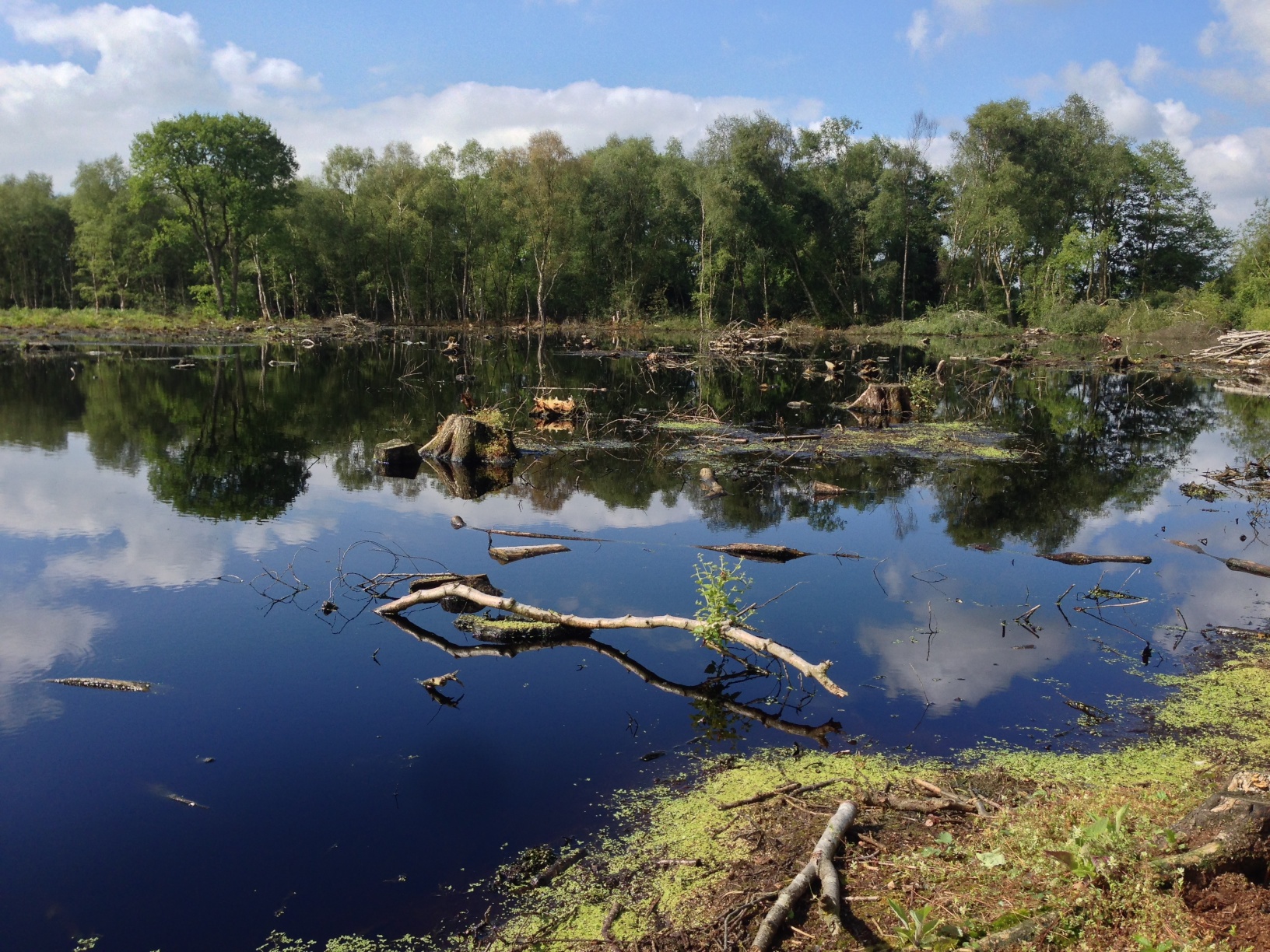
As I’ve mentioned before, the Trust bought the site last year and has blocked the drainage channels and cleared the majority of the woodland to hopefully restore the Moss to its previous bog-like state.  This has brought about a transformation to the reserve, which is now open in the centre and has large areas of standing water.  Throughout the time I have been doing the surveys (March, April, May and June), the raised water level has provided a few obstacles, with water overtopping my wellies, hidden timber to trip over and mud to get stuck in.  With the undergrowth having grown so much over the course of the spring and early summer, the brambles and nettles now also provide more obstacles to get over, through and around.  All this is then added to by the lovely mosquitoes which seem to like me quite a lot and they followed me around and bit me for much of the hour and a quarter it took to complete the survey.

With the final of the four visits completed, I can now submit my records to the Trust.  In total, over the course of the four visits, I noted 35 species, with a reasonably consistent number (26, 25, 23 and 26) recorded each time.  Of these species, five were confirmed as breeding including:

  • Mallard (destroyed nest found in March)
  • Great Tit (fledglings seen today)
  • Canada Goose (four goslings seen today)
  • Coot (three chicks seen today)
  • Buzzard (at least one chick heard in a nest today with an agitated adult nearby)

Image

I also recorded 16 ‘probable’ breeders; this is based on the numbers seen either during one visit or a number of visits, pairs seen or agitated behaviour indicating a nest may be nearby.

Also of note were seven species that are unlikely to have been breeding at the site last year but have now been attracted by the new areas of water; these species include mallard, canada goose, coot, greylag goose, little grebe, grey heron and lapwing.  Of course, with less tree cover at the reserve, the number of woodland birds will have decreased significantly since last year but hopefully only in total numbers of individual birds and not species.

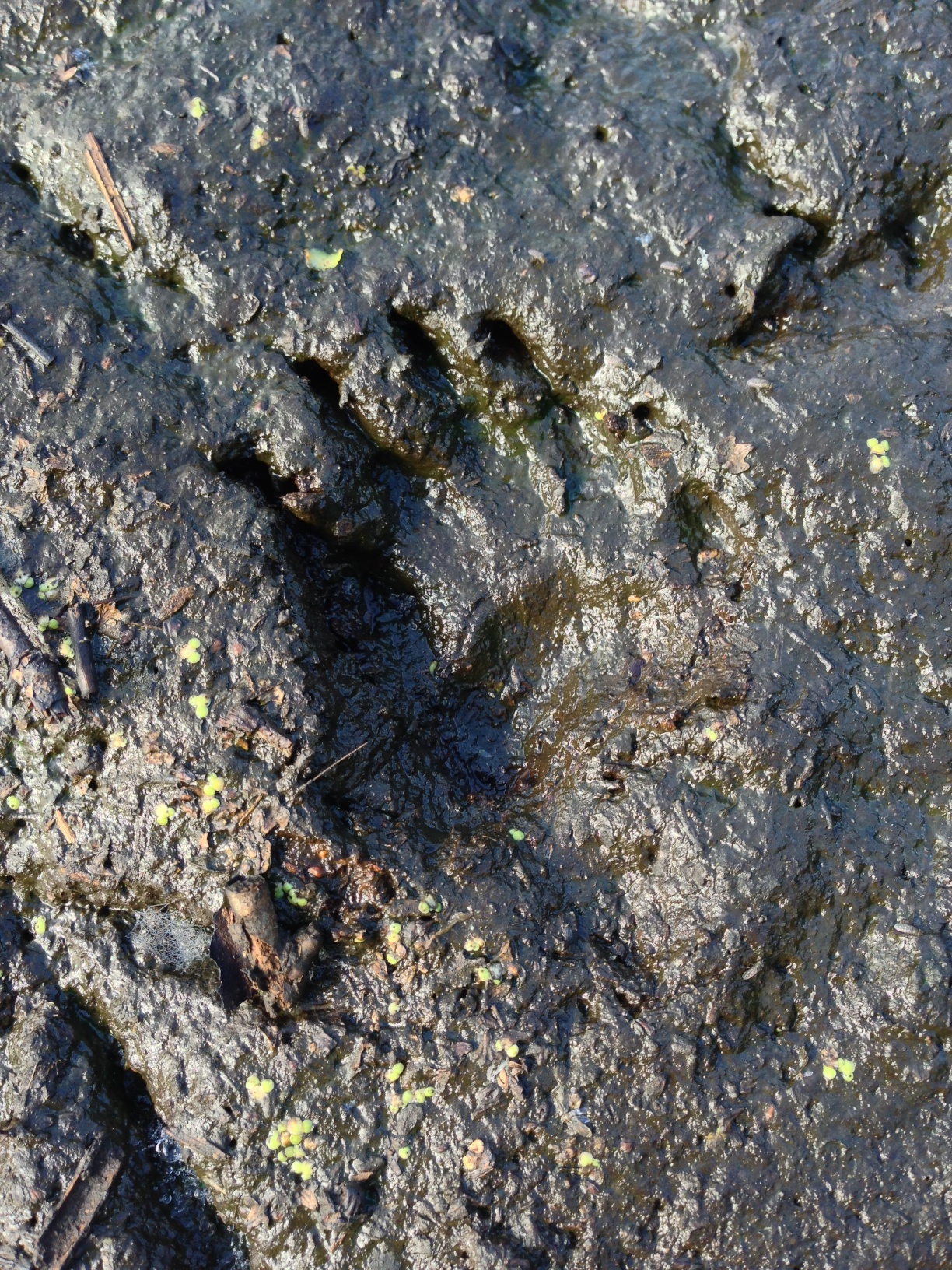
While I was at the site, I also recorded three species of mammal, either by seeing them (rabbit) or finding signs (mole hills and badger tracks – see below).  I also noted small white and spotted wood butterflies.

Image

I’ve really enjoyed doing the surveys for the Trust and I’ve learnt a lot over the course of the surveys, both at Blakenhall Moss and the same surveys completed at the Bagmere reserve – hopefully, I will be able to continue doing the surveys next years – now I just need to find some new activities to fill my weekend early mornings!

Breeding Bird Survey – Getting back more than I put in…

Today, I completed the Breeding Bird Survey (BBS) for Cheshire Wildlife Trust’s Bagmere reserve.  The site is located at the centre of a triangle formed by Sandbach, Holmes Chapel and Congleton and is only a short drive from where I live (well it should be if I hadn’t been caught in rush hour traffic today!).  The survey has involved visiting the site once per month during March, April, May and June, and recording the species of birds seen, the number of each species and their behaviour.  Now at the end of the four visits, I can assess what birds are possibly breeding, probably breeding or confirmed breeding on the site.

Over the course of the four visits, I have noted 41 species at the site. A number of these have been flying over Bagmere and therefore are unlikely to be breeding there (e.g. Lapwing, swallow and jackdaw) but many of the others are either possible or probable breeders.  I was quite excited that in the earlier visits I had recorded both Willow Tit and Water Rail but these species have not put in an appearance more recently but I think I can put the former down as a probable breeder at least. Today I saw young Blue Tits and Great Tits, so these are likely to be recorded as confirmed breeders for the site.

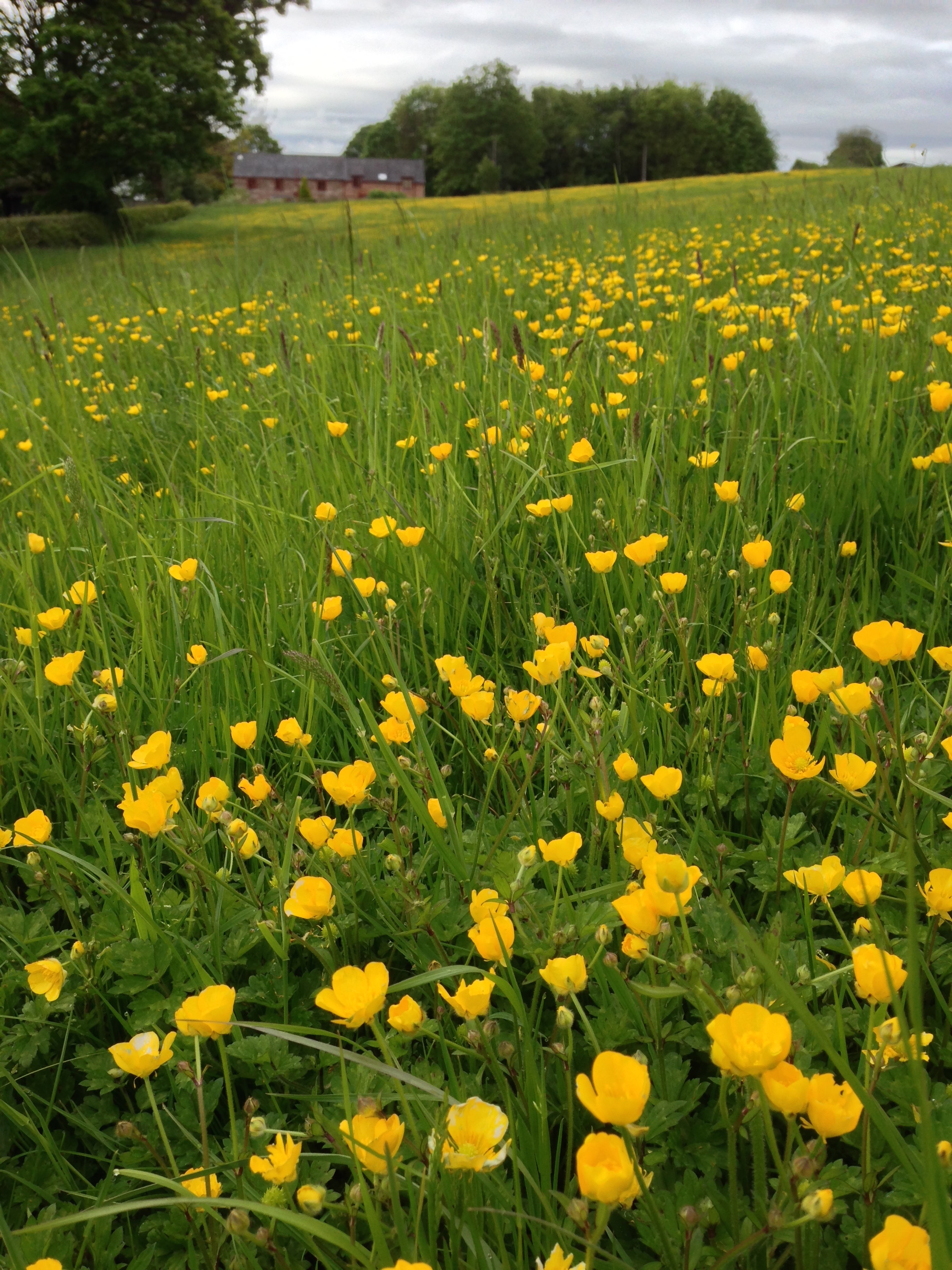
One thing that has struck me over the course of the four visits is how Bagmere and the birds have changed as the Spring has progressed.  During my first visit, the trees were bare, the temperatures were low and there were still some avian winter visitors around (Fieldfares and Redwings).  When I did the surveys in April and May, the grass was starting to grow, the trees were coming into leaf and the migrants gradually started to arrive. My visit today found the reserve in its prime; all of the summer migrants had arrived, the grass was almost too long to walk through, the trees were in full leaf and the flowers were blooming.

Image

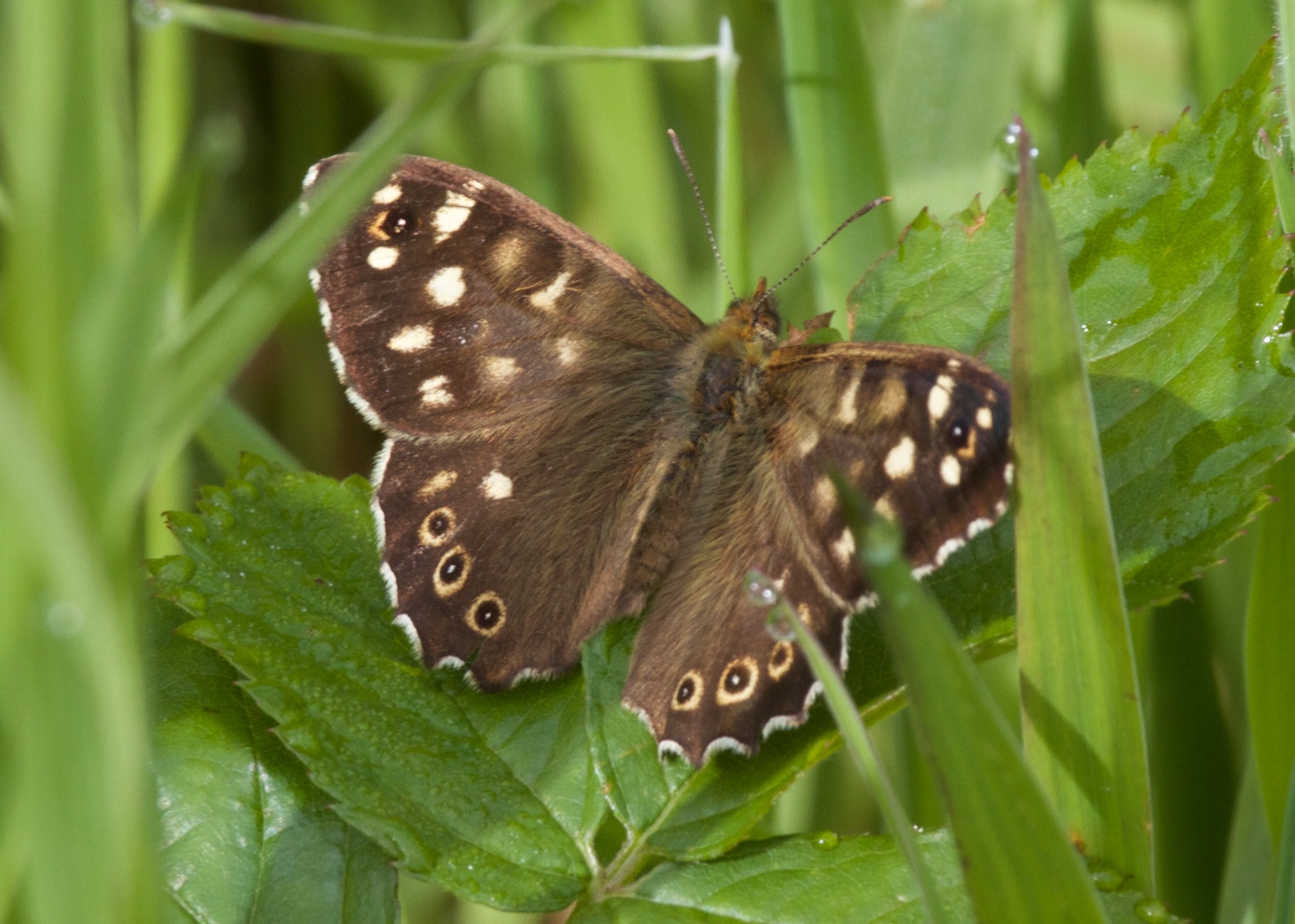
While undertaking the surveys I have also noted the other fauna I have seen within the reserve and today I saw both Spotted Wood and Meadow Brown butterflies (pictured below).  I also saw two brown hares during the May visit to the site – for me, a lovely moment and highlight.

Image

Image

One of the things that makes this task so special is that I’m the first person to do a full BBS for the site and my list of species is the first complete one done for Bagmere (I think so, anyway).

I have gained so much through doing these surveys. I don’t think I have ever noticed the seasons change as much as I have this year.  I have always thought I was in touch with the changing of the seasons but these surveys have taken it to a whole new level. The surveys have also improved my ear for birds and I now seem to be able to cut through the general cacophony of the modern world and pick out a single bird singing amongst the trees or undergrowth.

I started doing these surveys to help Cheshire Wildlife Trust with its work but I have received far more than I have put in – I think I have really learnt and grown by doing them – I just hope I can continue to do the surveys for the years to come!

May Breeding Bird Survey – Bagmere

With an extra day at home following my return from Ramsey Island, I went out and did the third of four spring Breeding Bird Surveys at Cheshire Wildlife Trust’s Bagmere Reserve. The reserve has changed hugely since my last visit with the trees now all out in leaf and the willow tree ‘fluff’ floating on the breeze and sticking to my clothes.  The warm sun made it feel like summer rather than spring.

Image

The reserve was strangely quiet this morning and I only recorded 17 species, compared to the 28 and 24 species I recorded during the March and April surveys respectively.  However, I did record five new species for the site; blackcap, whitethroat, sedge warbler, sky lark and reed bunting.

The whitethroats were particularly excitable and angrily called at me as I strolled past.  This summer migrant is amber-listed for conservation but still has over one million breeding territories in the UK.

 1

While the survey is focused on breeding birds, I noted mammals and butterflies as I made my way around the site.  Two large brown hares ran past me, momentarily stopping to check me out, and then loped off into the long grass.  I also identified large white, small white and painted lady butterflies as well as the small pearl-bordered fritillary butterfly, for which the site is known.


Breeding Bird Surveys

On Sunday last week and Friday and Saturday this week, I did the second round of four monthly Breeding Bird Surveys for Cheshire Wildlife Trust and my first Breeding Bird Survey for the British Trust for Ornithology (BTO).

The survey at the Wildlife Trust’s Bagmere reserve, on Sunday last weekend, picked up Willow Tits again, so they are probable breeders at the site, and there could be up to three territories.  However, I didn’t pick up any water rails this time, but there are two more surveys to do (in May and June) so hopefully I’ll note them again.

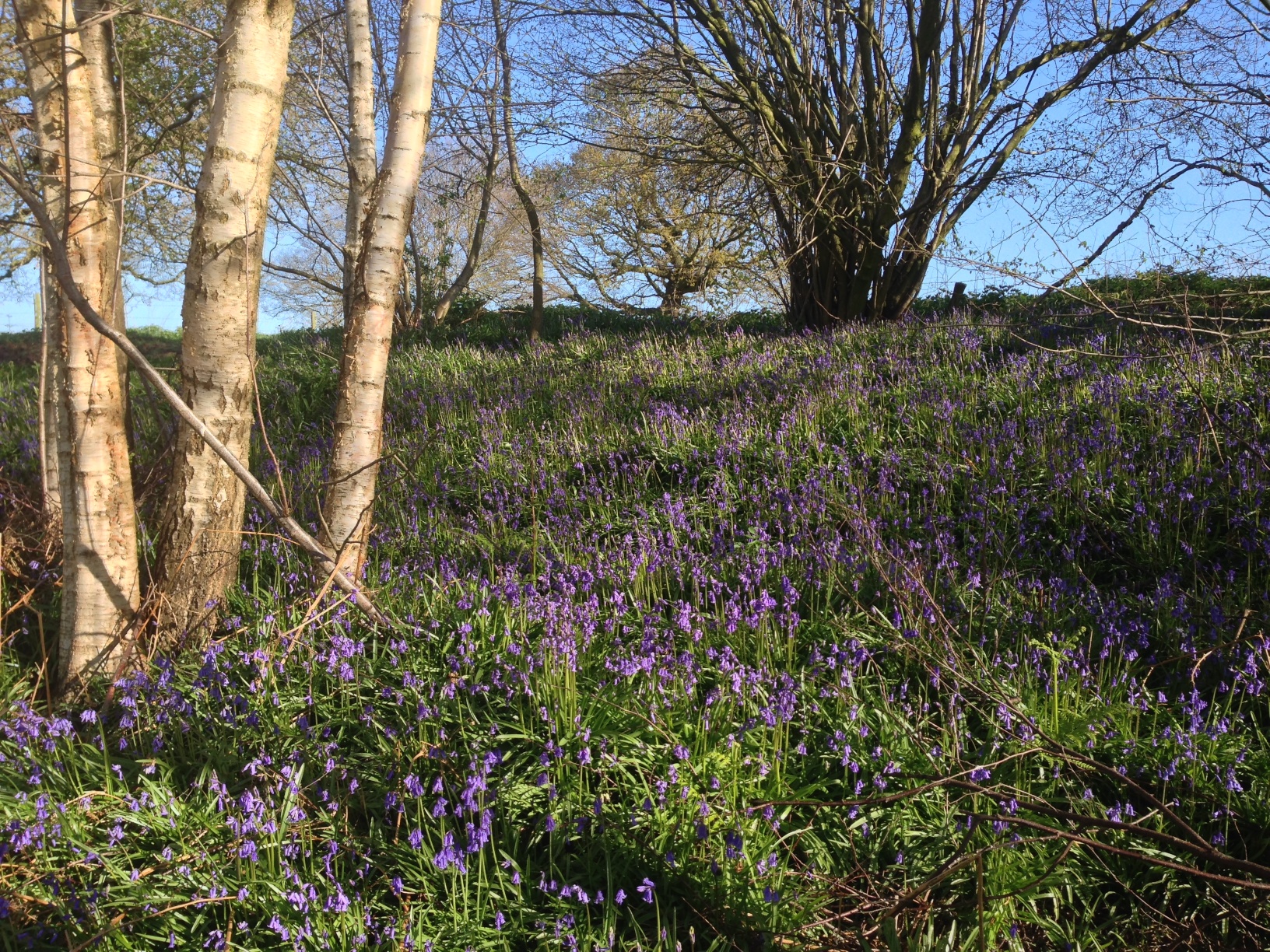
The Blakenhall survey was on Friday, which was a fabulously bright but chilly morning.  There was a low mist across the field as I walked to the reserve and Spring was in full swing with the bluebells now out, or at least on the sunnier slopes around the Moss.

Image

Hearing the bird song was a little more difficult this time as there’s now a mixed flock of greylag and canada geese around the reserve and they were making a racket. The stars of the survey must have been the blackcaps, with eight seen around the site, including a group of three chasing each other around.

Embed from Getty Images

Another highlight was seeing a pair of Marsh Tits, which I’d hoped to see last time but didn’t come across them.  Like the very similar looking Willow Tits, they are a red-listed species and have suffered 22% declines since the 1970s, although this is less severe than the decline in numbers of Willow Tits.  They are also a local rarity, so it was good to see them at Blakenhall as part of the survey – I’ve seen them before at the site when doing some conservation volunteering with the Wildlife Trust.

The BTO Breeding Bird Survey is more onerous than the Wildlife Trust version and takes twice as long.  On Saturday morning I did the first of the two surveys I’m doing in the grid square near the Cheshire sandstone ridge, centred around the Bickerton Poacher pub.  The survey requires two (roughly) parallel 1km transects to be walked making note of all the birds seen or heard.  Each 1km transect is divided into five 200m sections and the birds seen or heard are noted within 25m, 100m or over 100m.  Whether the birds were identified by song, call or sight is also noted as are signs and sightings of mammals.

The survey was done on another bright sunny morning and walking around the Cheshire countryside was a real pleasure.  There were no real species of note although the three buzzards circling above the hills were pretty special and I came across a couple of red-legged partridge.

Image