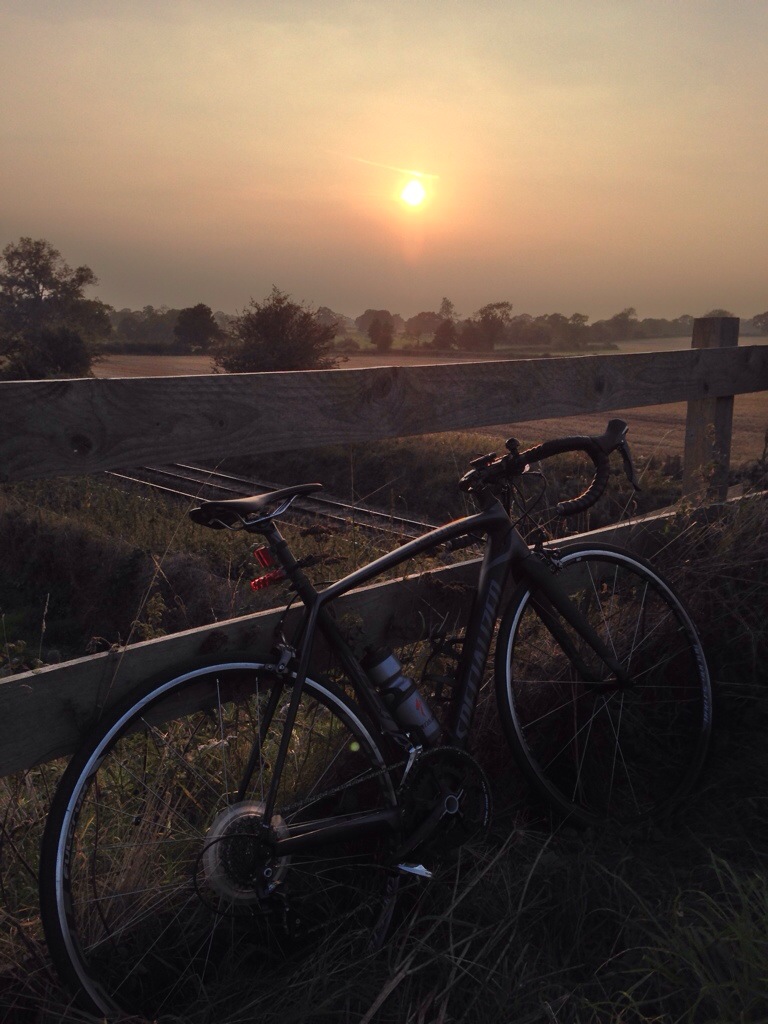
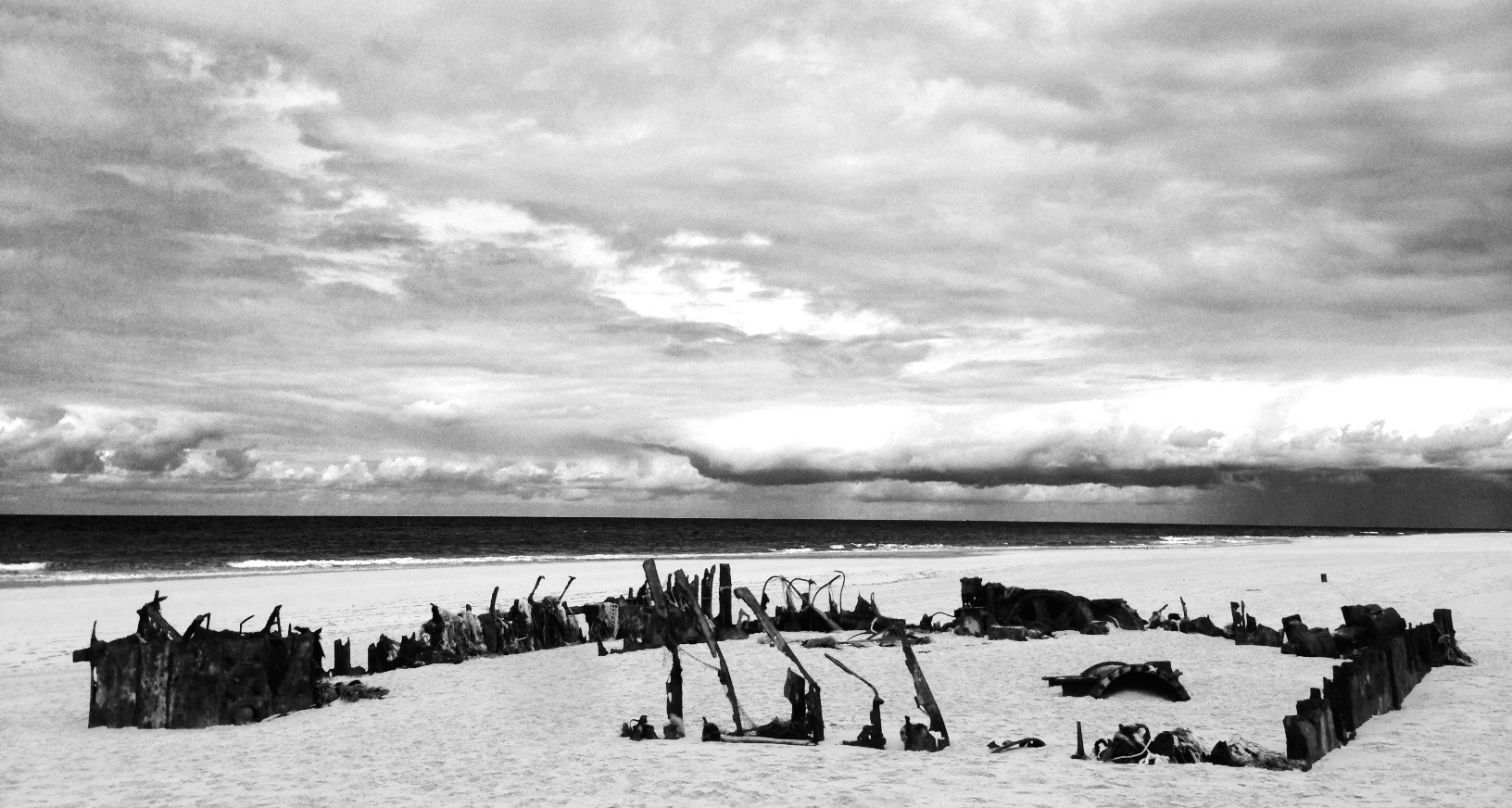
I went for one of my regular wanders around Wybunbury Moss this morning and found a group of spider webs amongst the grass at the edge of the Moss with the sun yet to burn off the dew. 
GUEST BLOG: An Arctic Affair by Ali Bagley
An Arctic Affair…That’s what the brochure called our adventure, which was in reality a two week cruise up Norway to Svalbard, an island group where-in lies the most northerly settlement in the world, less of an affair than a breath-taking foray to the top of the world.
Dilemma number one, what to pack? It’s July, going to be warm in southern Norway but Svalbard, approx. 600 miles from the North Pole, might be somewhat chillier. Luggage limit 23kgs each, it was difficult, but we managed it, packing everything from swimsuits to jumpers, beach wraps to waterproofs and flip flops to hiking boots.
We boarded in Newcastle, headed straight for the bar and immediately relaxed. We had been on this ship, the Thompson Spirit, last year and so didn’t need to do the obligatory orientation walk. The rest of that day was the sail away, dinner, and unpacking, drinking and general merriment.
I have to say, the major joy of a cruise is in not having to pack and unpack every time you go somewhere new, your hotel room goes with you to all your destinations!
We had nine stops ahead of us on this trip but a day at sea first to get properly into the holiday mood. Having the all-inclusive drinks package was going to be a major factor in this endeavour.
The first stop was a quick drop off for trippers in Hellesylt but we stayed on board for the sail through the Fjords to collect the trippers from Geiranger. Not only did we pass through magnificent scenery, on a glorious summer day, but we passed the Seven Sisters waterfall, fairly sedate in July but must be a sight to behold in spring when the melting snow is rushing down the mountain sides.
Sailing back out of the fjords on our way to our next port of call we took in yet more glorious views, all accompanied by classical music belting from the ships speakers, a truly magical experience.
And then we crossed into the Arctic Circle.
More eating, drinking, shows, quizzes, meeting new people and general fun stuff that evening (and every evening) but that evening we had our first, and forever memorable experience, of the land of the midnight sun.
We came out onto the deck at 1am in the morning to such an incredible sight, colours I’d never seen before, shimmering silvers, pinks and blues, lit by the sun hovering just above the horizon.
It was simply magical, like being on the road to heaven.
We just didn’t want to go to bed and miss any of this but we had more nights ahead.
Our next stop was in Tromso, known as the ‘Gateway to the Arctic’. A large city which has seen the start of many polar expeditions, including that of Roald Amundsen, Norway’s most famous arctic adventurer.
We took the tour going to the Northern Lights science museum, as you don’t see the real thing when the sun doesn’t go down. The film was shown in the planetarium, where you recline and watch it on the domed ceiling, and as it had all been filmed in and around Tromso we got a great idea of how phenomenal the Northern Lights are. Note to self, book a trip to Iceland in January!
The trip also did a bit of a scenic half hour around the city, the most notable view being the sight of a reindeer walking along the pavement, they run free here apparently.
We had also seen whales swimming along by the side of the ship but the pesky buggers were not happy to be photographed, hence this blurred zoomed in effort that was the best I could get.
Over the next couple of days we were at sea and made a last mainland Norway stop at Honningsvag, the home of the Northern Cape. More amazing scenery, still in delightfully warm summer weather, but we were anxious to get to the main event, Svalbard and the northernmost settlement in the world, Ny-Alesund.
We arrived on Sunday morning, the drop in temperature from mid-twenties to six degrees most notable. This is a bleak and barren place, snow on the mountains even in July and this settlement, with only 30 permanent residents, is in darkness for the best part of eight months of the year.
Ny-Alesund is in effect a hodgepodge of outbuildings, used for scientific research on global warming, arctic flora and fauna and other geographic sciency stuff. We had a walk around the settlement, phones had to be turned off, stick to the paths, don’t talk to polar bears, that sort of thing. We didn’t actually see any polar bears but on Svalbard they significantly outnumber people.
I did get dive bombed by an Arctic Tern when I got too close to her nest, we got soaked in the driving sleet but by golly it was a wonderful day.
The sail from Ny-Alesund took us into the Magdelena Fjord that evening. This is simply stunning, even in fog and damp weather the sight of the glaciers climbing over and down the mountains was amazing. These monsters were hundreds of feet high and had been moving through the land for millions of years. It’s hard to take in the magnitude of this wonder of nature and even harder to get a picture that truly puts them into perspective.
Next day found us in Longyearbyen, the largest town on Svalbard and home to the Svalbard museum and Camp Barentz.
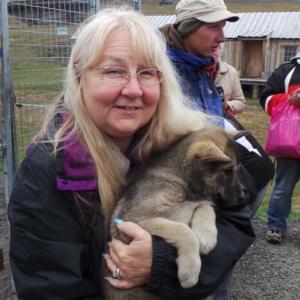
We joined the tour, there aren’t any taxi’s here so going it alone which we normally do wasn’t possible. First stop Camp Barentz, a tourist spot in the middle of nowhere which has a replica of an explorers hut, a wigwam type structure (where we found caramel cheese waffles – delicious) and most importantly, a husky farm. I was in my element. These are real working dogs but they are so used to humans, and are handled from very early that they get very excited when we arrive. These aren’t the fluffy domesticated husky back home, these are dirty, moulting and live in wooden boxes but they were so friendly and lovable. I even got to hold a puppy – fantastic.
We then went to the museum, which houses various stuffed examples of the wildlife and a bit of history about all the polar expeditions that have gone from the island.
Another day at sea, chilly but bright before stops in Bronnysund and Leknes, where I stayed on the ship sunbathing because honestly there’s only so many Norwegian towns you can visit before you realise they are pretty much all the same!
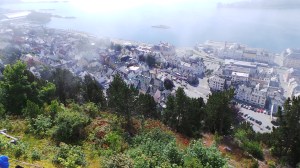
Our penultimate stop was in Alysund, interesting because the whole place burnt down in 1904 and was rebuilt art deco style in just six years. We took the local mini train up into the mountains to see the town from above, it’s very Disney medieval village styly from up the top but great views.
Our last port of call was the truly stunning Flam, a town which sits at the end of a Fjord and from which you can get a train up through the mountains (which obviously was what we did). There are a load of wonderful pictures from that train journey, here are a few . . .
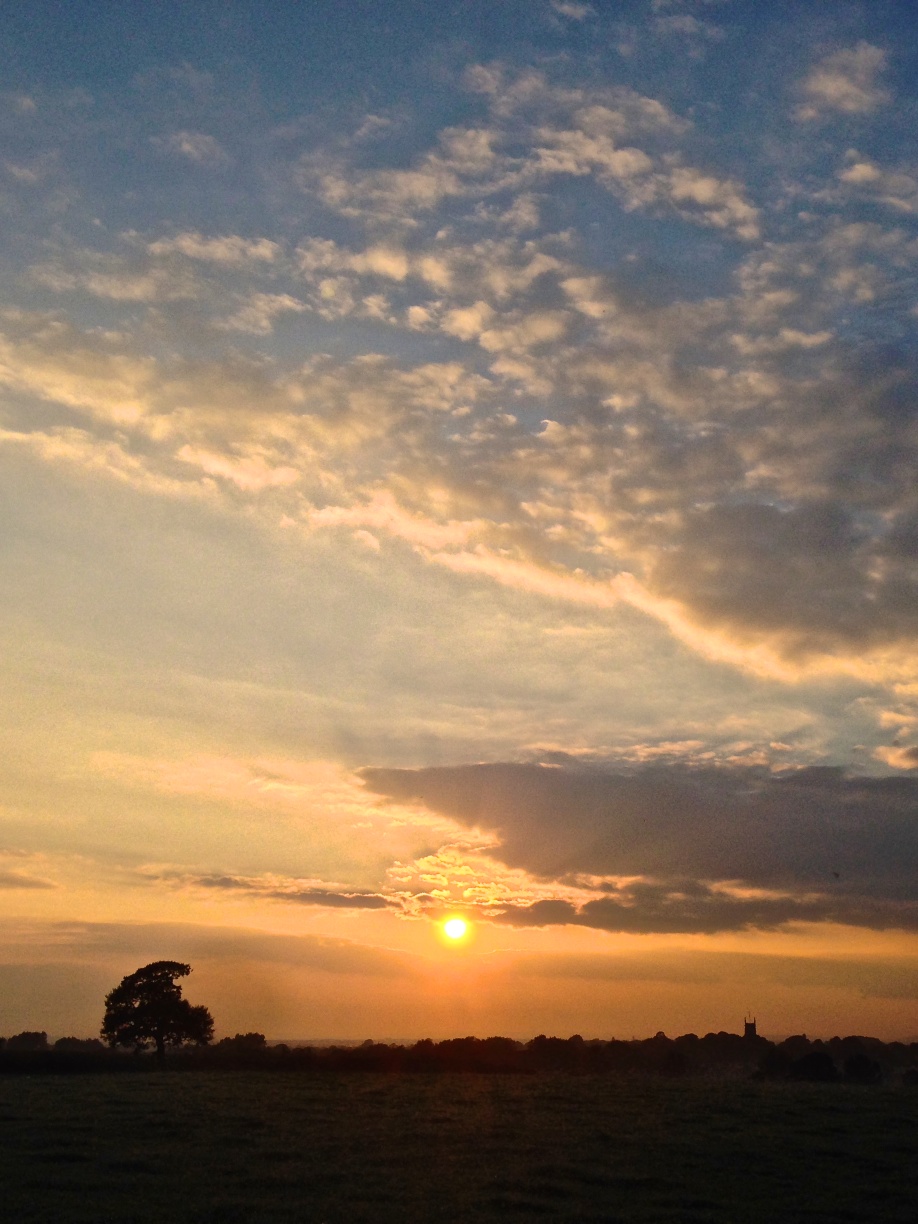
And then it was home again, so I will leave you with a final sunset and a recommendation to get there if you can because the sights and experiences of this trip will stay with you for a lifetime.
The melancholic tune of autumn…
As I stepped out of my porch this morning, with the dawn still to come, I was struck by a sound coming from the tree across the road. The sad, wistful notes came from an unseen bird, standing on a branch or twig amongst the foliage. The tune came again as I left the office for the day but this time there were two calling from within the bushes, perched some way apart.
After hearing very little bird song over the past few weeks, with the post-breeding moult keeping the birds quiet, the calls stood out from the background noise.
The calls came from robins.
Embed from Getty ImagesThe robin is unusual in that it sings almost throughout the year – the moult being the only time it remains quiet for any length of time. The singing enables the robin to keep its territory across the seasons but the song changes and is in two distinct phases. As breeding approaches, the song is more powerful, purposeful and bright, attracting a mate to the ground above which it stands protector. However, after it has refreshed from a hectic breeding season and the autumn proceeds, the song changes to more melancholic notes, as if saddened by the end of another year approaching.
After spending so much time listening to bird songs and calls during the breeding bird surveys this year, the quietness that the moult brought was quite startling and I noticed it more than ever before. The autumn call of the robin, however, has lifted the silence and has opened my ears to a whole new season of sound. It won’t be long until the some of my days are filled with the sounds of wintering geese and swans, and the dusk is accompanied by the alarm calls of blackbirds as the darkness of the lengthening nights envelope the land.
A footnote to an osprey footnote
I’m spending the bank holiday weekend at a family wedding on the atlantic coast of France, not far south of Bordeaux. As always, I’ve taken an interest in the wildlife around the area I’m staying and there’s been plenty to see – ranging from a pipistrelle bat making a few passes over the post wedding drinks to a sand lizard in the dunes I walked through before the big event.
Looking at the birds, there are some similarities to the Glaslyn Valley in the summer with green woodpecker yaffling in the woods, chaffchaff calling occasionally, a tawny owl screeching in the dark and a family of redstarts flitting from bush to bush. However, the most significant connection came this morning on a slightly fuzzy walk down to the nearby lake. In the distance I saw a familiar shape floating above the trees on the far shore. It made its way along the lakeside and then suddenly plunged and splashed into the water, lifting itself out again after a moment on the surface. I didn’t see if the bird had caught anything before it disappeared against the wooded backdrop. Even at some distance the bird was unmistakably an osprey but could it even have been one of the Glaslyn birds on migration south? If it was, that really would have been another great postscript to the osprey protecting season!
The first signs of mists and mellow fruitfulness
We may only be just past the middle of August but we are five sixths of the way through meteorological summer and the first signs of autumn are starting to appear.
The weather has turned, after two gloriously warm and sunny months in June and July, August has so far been generally cooler and certainly wetter. Gone are the warm, bright evenings with temperatures in the high twenties and we’re now seemingly stuck with days in the high teens or low twenties, with stronger winds and more rain. However, the approach of autumn isn’t just shown in the weather.
On my early morning commute the signs are also there with the sun now not risen as I walk into the station and mists have been quite common across the fields as I head into Manchester. The series of lakes not far from the station that I pass each day had a large flock of geese on it earlier this week. In the gloom, I suspect these were Canada Geese which are an introduced species but they do move together into larger flocks in the colder months of the year.
The migration of summering birds actually starts much earlier than many people think but it is now well underway. For me, this is particularly shown by the disappearance of the swifts; one of my favourite signs of summer. Unlike the swallows and house martins, swifts have only one brood each year, therefore, they make an early departure back to Africa. The swifts from around my house have gone and last week in Lincolnshire I saw only a tiny proportion of the numbers I had seen only a couple of weeks previously. Also in Lincolnshire, I saw the first signs of the trees changing colour and this morning I noticed a few leaves turning brown in the car park I use each day.
Last weekend on a rural wander around the canal near to Beeston Castle, there were more signs that we are coming to the end of the summer with a wide variety of trees and plants laden down with the fruits of the summer – hawthorn, bramble, apple, elder and blackthorn.
I was getting back to my car, there was also large gathering of swallows skimming low over a meadow, fattening up on the insects in preparation for their own journeys south.
I used to approach summer with a certain amount of dread; spending hot meetings in client’s stuffy offices isn’t always my idea of fun, especially when it’s so nice outside. I also always used to dread the hot and sticky walk across the city centre back to the station on the way home but maybe all the exercise I have taken over the past couple of years has helped to stop me melting in my suit as I turn up at the train. I now love the summer, which is quite a transformation, however, the autumn has been my favourite season for quite a while now and I can’t wait to see what the coming ‘season of mists and mellow fruitfulness’ brings.
A great footnote to the end of another osprey protecting season!
Yesterday evening I was ecstatic to see the news that a Glaslyn chick from 2012 had been caught on camera at Dyfi. Whilst I’m sure this is a brilliant news for everyone involved in the great Glaslyn osprey project, for me it was quite personal. 2012 was the first year I volunteered at Glaslyn and this is the first time that a chick I have helped to protect has made it all the way back to Wales.
In 2012, I spent a total of four weeks on the Glaslyn as part of a year off work I had taken to do some ‘conservation stuff’. I have so many great memories of those four weeks, from the male treating me to a ‘fly-by’ on my first visit to protection, to seeing the chicks for the first time, and from going to bed fully clothed after a night shift as I couldn’t defrost, to finding the Porthmadog wonder that is Dark Side of the Moose…not forgetting the people I met and the friends I made (of course!).
Seeing the successful fledging of another brood of young welsh ospreys is an immediate sign of success for all those who have spent many day and night hours watching over the Glaslyn nest, in all weathers (and, this year, some sun!). However, for me, personally, the knowledge that one of the chicks I helped to protect not only successfully fledged but lived through its first two years to make it all the way back to north Wales is the real sign that what the volunteers do at Glaslyn really makes a difference.
Here’s to you Blue 80, you’ve made my osprey protecting season!!!
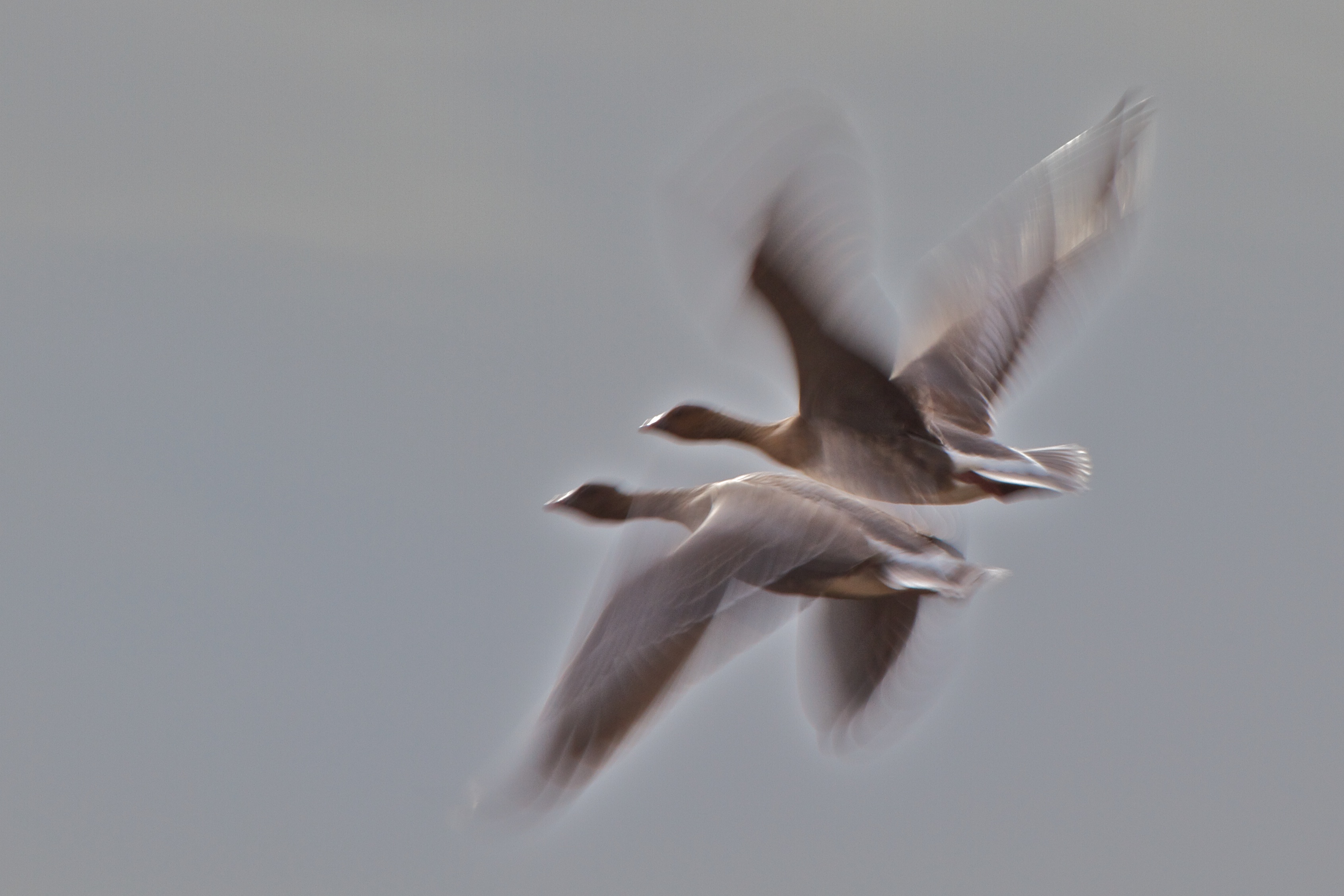
P.S. A young Blue 80 is one of the birds in the picture below!
A return to the butterflies of Tegg’s Nose
After going to a wet and windy guided butterfly walk around Tegg’s Nose Country Park a few weeks ago, I returned last weekend to see if I could better views.
It was certainly much better weather with the sun out and warmth in the air, although the wind was quite strong. Butterflies and moths were very much more in evidence with many flitting around across grass and heathland. Trying to identify them at distance was quite difficult (especially for a beginner like me!) but I did manage to get good shot of the following:
Meadow Brown
Common Blue
Gatekeeper
Also around the park, the bilberries were ripe and ready for picking, with a few visitors taking a good harvest.
The guided walk certainly increased my interest in butterflies but I might not get many more opportunities this year, particularly as the weather has taken a very autumnal turn.
A Taste of Wildness – an evening of bats at a Cheshire riverside
Standing at the end of a country road, the sun is setting over my shoulder as I stare down into the shallow river valley. It is a typically Cheshire scene, with wide open grassy fields enclosed by trimmed hawthorn hedges and overlooked by old heavily leafed oaks. The atmosphere should be undisturbed as the light falls on a warm sunny day but the railway over the crest interferes with the senses, with the distant rumble of freight trains and the higher pitched passing of inter-city expresses. Above human sounds, the birds come through; there are chiffchaffs well past their spring prime, great tits irritated in a nearby tree, swallows gathering the last insects of the day, blackbirds calling their dusk alarm and the ubiquitous rural crow slowly paddling and calling its way though the cooling air. Hidden away at the bottom of the gradually sloping fields runs a narrow river, enclosed by woodland on one side and by wheat and maize fields on the other. As the light continues to dim, the daytime wildlife settles down, while their nocturnal counterparts start to stir and emerge out to feed. This is a time of badgers, foxes and owls, but tonight it is the bats that will reveal their world.
I don’t normally find myself heading out into the countryside at sunset on a weekday, but this week I had a very good reason to. My conservation volunteering colleagues and friends, Wendy and Gerry, undertake bat surveys at a number of locations around Cheshire and last year I was luckily enough to be invited to join them on a couple of their survey evenings. After enjoying the experience so much last year, I hinted, not too subtlety, that I would like to join them again and this week the first opportunity for this year came my way.
This survey focusses on Daubenton’s bat activity on a one kilometre stretch of river bank, with survey points every 100 metres. Using bat detectors, torches, a stop watch and midge repellent, the number of passes made by Daubenton’s bats over a four minute period are recorded at each point. The data generated enables the Bat Conservation Trust to understand the intensity of feeding and identify any trends in population levels.
The survey site is at the end of a long farm track, just north of Church Minshull, and the River Weaver is the focus. The section of river has open fields on one side, where we survey from, and woodland on the other. We crossed the river from where we parked and had to battle our way along rows of maize before breaking out onto a freshly harvested wheat field, the stubble crunched beneath our feet as we walked to the first survey point. Starting at the far end of the survey site, we stood next to a water pumping building waiting for the right time after sunset to start the survey. The first four-minutes revealed very few bats, Daubenton’s or others, so a little disappointed we made our way to the next points.
This particular evening was warm, dry and clear but as the survey progressed the air started to cool, the dew formed on the grass and the clouds began to appear. As we wandered from point to point, the moon appeared, breaking through the haze, casting our shadows across the field. Herons flew off from the riverside and tawny owls called from inside the woodland. At times we had to scramble down the banks to the water’s edge, whilst at other points we stood high up where the banks had been cut sheer by the passing river. The midges became an increasing annoyance as we made our way along the field and into the maize, where some of the survey points are located, but they were not as aggressive as they were when I went camping in Wales a couple of weeks ago.

Our disappointment at the first survey point was soon forgotten as we recorded 127 Daubenton’s passes at one location; by far the most I have seen (last year 55 was the highest record at a single survey point). However, there were more than just the low flying Daubenton’s in the air, with Pipistrelle, Noctule and possibly Brandt’s bats flitting and speeding around our heads, some making very close passes. Overall, we recorded a good number of bats over the course of the survey but will have to wait until the second of the two visits to see how this year’s numbers compare to those previously recorded.
As we finished the survey and wandered back to the cars, I did a quick scan with the powerful torch, across the surrounding fields, to see if I could pick up any eye-shine from wandering wildlife in the night but didn’t see any. However, Wendy and Gerry did see a brown hare running along the road on the way home – a rare sight nowadays and I missed it unfortunately.
Whilst I have found these batty evenings in the middle of the Cheshire countryside truly enchanting, what I’ve really taken from these experiences is the thought that the bats are out there every night, doing what they do, not caring about the manmade world that surrounds them. Not seeing them every night doesn’t stop them being there, going about their nocturnal ways. It’s a bit like the feeling I got from the first time I wandered around a wolf territory in Sweden; I didn’t see or even hear any wolves but the mere fact that they were out there, somewhere, was enough to make me feel there was something truly wild and untamed around me, something man cannot touch. Unfortunately that feeling is just that, a feeling, as, in reality, man is touching, destroying, the wildness around us. I say wildness as there is already no wilderness at all on this island but when you look closely enough, wildness is certainly there, everywhere – from deer in the woods, bats above the rivers, to spiders in the grass and lichen on the rocks.
GUEST BLOG: Black Fish Fundraiser – By Jack Riggall
I’ve never lived by the sea, but obviously in the UK we are never far away from it; so I’ve had some opportunity to see a few of its many citizens (both here and abroad), enough to secure my support, small though it may be, for its preservation. Cornwall was a frequented holiday destination for my family growing up, and events that spring to mind are rescuing a stranded plaice (Pleuronectes platessa) from the busy Polzeath beach where it was likely to be squashed and returning it to the tide, watching basking sharks (Cetorhinus maximus) from the cliffs at Boscastle and investigating rock pools looking for various crab species whilst the large aquatic woodlice amazed me (I’m not actually sure what they are to this day, though I suppose as an amateur naturalist I should find out). The time I spent in Florida swimming with captive dolphins is admittedly something I don’t look back on with pride after learning the origins of captured cetaceans, but my more recent experience of kayaking & swimming with loggerhead sea turtles (Caretta caretta) off the coast off Zakynthos in Greece is something I treasure. One charity working to protect them came to speak at our hotel, and I later recommended a friend spend the following summer with this group with the experience & challenges the loggerhead faces described on my own blog.
All these species, whether cetacean, turtle or fish, have something in common – overfishing threatens their future. It’s perhaps telling that the first posts that show up on google when searching for fish are links to the best way to cook them (whereas searches for mammals, invertebrates & birds all present information on ecology). The Black Fish made it clear when they came to my college towards the end of last year that current predictions of the impact of overfishing mean the ocean will be largely devoid of life (think Jellyfish and not much else) by the year 2050. This charity is working to achieve commitment to sustainable use of the ocean on a political level as well as monitor fishing for illegal activity (a big issue in the Mediterranean where the charity has been active & successful in pursuing prosecutions) such as the use of driftnets, also known as ‘curtains of death’ for their habit of drowning cetaceans & turtles which are then simply discarded. It’s clear that if all the lovely creatures of the ocean are to have a future, idleness is not an option.
So, in support of The Black Fish myself and fellow wildlife campaigner & student Matthew Goodacre signed up (rather last minute) to the London to Brighton bike ride the charity is organising in September; we would race the 54 miles but as I intend to lounge about in many cafes en route it simply would not be fair. We need to raise £200 each, so your support (whether in sponsorship or encouragement) would greatly be appreciated by ourselves and the lovely ocean creatures too.
A Final Weekend with the Ospreys
One last journey down the wooded track, now starting to be overgrown by the bracken and bramble. It is high summer and there is a heat I haven’t felt here before. This time there are no blackbirds guiding my way on the wing and the only sound is the undergrowth being brushed away by my car. As I break out into the harsh light of the open fields and walk to the river, the air is still and the birds are hushed. An occasional call of a flitting bird breaks the calm but not the cacophony of spring. The flowers are almost gone with the foxgloves dying away and the irises finished; only a few marsh woundwort remain. The insects are here though, the crickets and grasshoppers calling from the long grass, butterflies by the dozen dancing around the meadows and damselflies chasing each other above the river. Perhaps it is the recent heat and the lack of rain, but there appear to be the first tentative signs of autumn in the valley – with the brambles weighed down by a bumper harvest of blackberries and the bracken starting to turn brown. But this is the height of summer, we may be almost two thirds of the way through the season but this is the peak of the heat. The young ospreys, now fledged and learning their trade in the air, now seem to spend their days hiding from the sun beneath the large trees around the nest or wandering further afield to strengthen their wings and seek new lessons.
These were my last two shifts of the year down at the Glaslyn osprey protection site. The last three and a half months, and nine shifts, have shown the changing seasons as much as progress of the breeding osprey pair and their chicks. The scenes in the valley have gone from the grey dampness of late winter, through the clean and freshly bright colours of the new leaves and flowers of spring, to the dazzling brightness and drying land of high summer.
I was first to see an egg in the nest this year but missed the hatching. I retuned to see three gawky reptilian chicks only a fortnight old and on each subsequent visit, with weeks in between, they have grown larger and more confident, until now when they are as large as their parents and just as magnificent.
During these two shifts, I spent quite a bit on time in my favourite spot – sat on the bridge, feet dangling. With the river now at the lowest I’ve seen; it’s hard to imagine during the spring that it was close to the bottom of the caravan, high up and far from the water. I spent time watching the fish, from shoals of small minnows to larger fish hiding under the bridge. The insects chased around, hovered and landed on the weed and the birds gathered food from the surface or beneath the slow moving water.
Well, that’s it. I get back in my car, opening the windows, a breeze washing in from across the fields. It’s with a sense of melancholy that I turn on the ignition and start my journey home, but there is also a sense of satisfaction of being involved in another successful breeding season for the Glaslyn ospreys. I have played only a small part compared to the other volunteers, who have made such a great start to the running the community interest company that now watches over the ospreys and shows them to the public. However, its all now down to the ospreys themselves; will the parents return for another year and how will the youngsters cope on their first long journey down to Africa and will they also return, in two or three years time, to breed themselves?
I slowly make my way back up the track, windows still open to let the last sounds of the valley in. The trees soon to be changing to their autumn colours, the bracken to die back, the other birds to seek their winter homes and a silence to descend over the land once more. I cross over the cattle grid and pull out onto the main road, accelerating away, not to see that old track through the woodland again until next spring.
The viewing site will be open to the public on selected weekends until the end of August. For more information, click on the following link: