A secret valley

After working from home today I took the opportunity on a bright (but slightly breezy) spring day to go for an early evening cycle. With the wind coming from the east, I went out in a less frequently headed direction and up into the small hills across the Staffordshire border. The area isn’t far from home but I’ve not really explored it much before and when I came to a junction I decided to make a new turn and go down a road I’ve not passed along before…it led me to a stunning little valley.

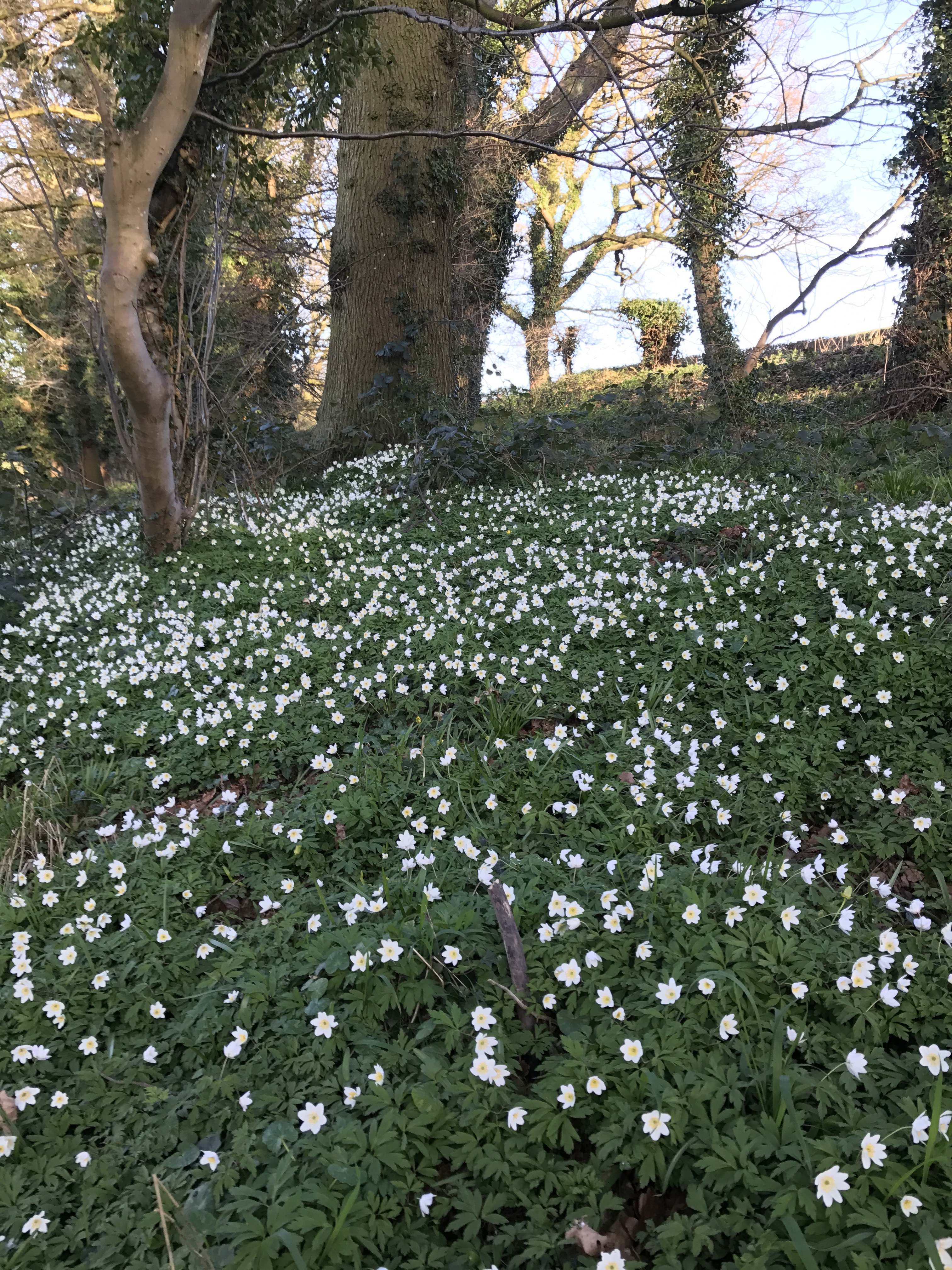
With the sun out and the grass turning a spring rich green, all under a bright blue sky, the valley seemed to be approaching its prime. All it needed was for the trees to be bursting into leaf. As I came to the end of the valley bottom road, I stumbled across a little piece of woodland with a rich carpet of wood anemones forming a green, white and yellow carpet beneath – lovely.

The signs of spring

On the way home from doing a bird survey this morning, I went for a walk around Wybunbury Moss. It’s a few weeks since I paid one of my regular visits and, at last, spring is really is starting to show.

Getting out of my car, the first sign was the sound of a chiffchaff letting out its distinctive call from high up in a nearby tree.  To me these diminutive little birds are a clear sign that the season has turned; some are long distance migrants while others stay and overwinter here, but when they start signing I feel spring really has arrived.

Heading up into the church yard, the daffodils are out in full bloom, their heads being buffeted in the increasing breeze.  Other birds are starting to make themselves heard, with greenfinches, goldfinches and gold crests all singing in the trees.

Walking around the outside of the Moss, other plants are showing their first growth of the year. Leaves are coming out on the hawthorn hedges and brambles bushes, dandelions are unfurling their first flowers, nettles are sprouting, the gorse is well out in bloom and the catkins are opening on the willows.

On the far side of the Moss, circling up in the strong winds, was a foursome of buzzards, calling and playing in the rushing air.  There was also a busy movement of jackdaws, crows and magpies all around the area as they prepare for breeding season.

However, the spring is yet to be in full swing; others are missing and yet to arrive.  The great movement inwards of our summer visitors has yet to really be felt but over the next few days and weeks, the woodlands, fields and hedges will welcome a great influx of avian life bring the spring to its rapturous heights.


Starting a busy spring

Spring and early summer is without doubt the busiest part of my year. I fill weekends with bird surveys, raptor nest protection shifts, some practical environmental tasks, cycling and walking, and my evenings have more cycling thrown in too. With the warmer weather arriving, I also take more holidays during these months, either volunteering or travelling to new places.

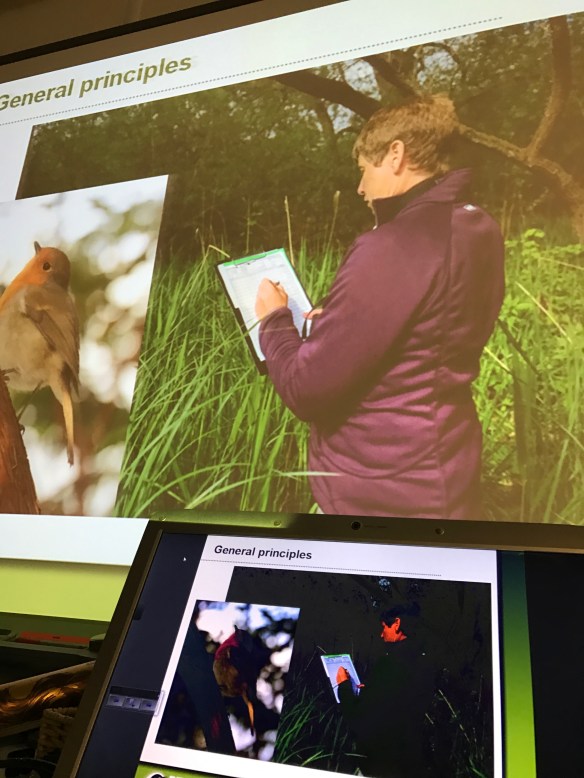
My busy spring really kicked off this weekend. On Saturday I attended a Breeding Bird Survey (BBS) training course run by the British Trust for Ornithology. I was meant to go to it last year but the worst bout of flu I ever had put paid to that plan. I’ve been doing the BTO version of the BBS since 2014 and have a lovely grid square out near the Cheshire Sandstone Ridge. Despite now having some experience of the survey, I thought it would be worth having some formal training, if only to check that I was doing everything correctly…and it appears that have been, which is a relief.

IMG_1785

This morning, I was up early and out to Cheshire Wildlife Trust’s (CWT) Bagmere reserve to undertake the first of four BBS visits. The methodology for CWT’s BBS is different to the BTO’s and collects more detail including recording the behaviour of the bird species noted. When I arrived at the site I almost came straight home again as the wind had picked up and the rain was starting to fall. However, after waiting a little while the rain went away and after walking down to the reserve I could confirm that the site was somewhat sheltered from the breeze and it wouldn’t interfere with the survey by masking bird sounds.

The survey recorded a good number of species and the bird activity is really starting to pick up with the chiffchaffs being a great sign of the new season having arrived. There are still plenty of species to return to the site and there were also winter visitors still in the area with a flock of fieldfares passing overhead. There was also a new species for the site; I flushed a noisy oystercatcher as I walked across the first field into the reserve. However, there was disappointment as again I didn’t record willow tit; a species which has suffered from significant declines nationally and I have noted with decreasing frequency at Bagmere.


Next weekend I hope to make the first BBS visit to my other CWT site, Blakenhall Moss, but this is all dependent on the weather. I will also have another of the fortnightly Crewe & Nantwich Conservation Volunteers task on the Sunday, heading out to a site at Oakmere to do a habitat improvement task. The following weekend I’m off on holiday (more posts about this soon) and when I return, over the following weekends will be my first peregrine and osprey nest protection shifts.

I’m going to be busy, but I can’t wait!

Itchy feet

Despite the rain and cold, and cycling 45 miles yesterday followed by a run, this morning I couldn’t help myself and went for a walk around the nearby fields. I had decided to have a quiet morning inside but my itchy feet got the better of me and I just had to get some exercise. It wasn’t the loveliest of walks but as Billy Connolly says “there’s no such thing as bad weather, just the wrong clothing”.

An uplifting sign of spring

While out on my Saturday morning cycle I came across a lovely and uplifting sign that winter is passing and spring is starting to blossom.  Along a country lane through dairy pastureland and occasional arable fields, I was brought to a halt by a pair of aerial dancing lapwings, making their electronic-like calls – almost like they were playing avian space invaders.

The species is red listed and in serious decline but I’ve seen a few more around my part of Cheshire during the past few breeding seasons, so maybe things are on the up.

5r0a2905-1

(picture taken during my trip to the Uists last April where they are much more abundant and easier to photograph).

A wintry day in north Norfolk

After a late meeting in Boston on Thursday, I decided to take Friday off and head over into Norfolk and spend the day wandering around some of the nature reserves that dot the coast.  Having had a few holidays and long weekends in the area, I know the sites well along the north coast and planned to fit a few in during the course of the day.

After a couple of dawn visits to RSPB Snettisham in the past, with great spectacles of both dawn flight of pink-feet geese and the hide tide wader root, I had thought about getting up very early again. However, looking at the weather forecast and the stage of the moon cycle the night before, I decided a dawn visit would probably be less fruitful than my previous two, so I decided to have a bit of a lie-in instead.  I eventually got to Snettisham at about 9am and as I headed out on the walk to the front, the dark, brooding cloud cover started to release icey snow, made more forceful by the strengthening breeze and rattling on the outside on my hood.

img_1275

Passing the lakes on the way to the front, there were plenty of geese, ducks and lapwings, the latter occasionally lifting in large flocks spooked by a passing raptor.  On getting to the front, I found the sea was out, revealing square miles of mud, and out on that mud were thousands of birds.  Close to the shoreline were shelduck, curlew and a few redshank but out in the distance were masses of others including large groups of golden plover and knot.  As the wind became stronger and the snow came down heavier, I turned and made my way back to the car, crunching on the pebbly shoreline as I went.

Next stop was RSPB Titchwell, seeing a few brown hares in the fields on the way.  The weather had improved markedly by the time I got there and I headed straight out for the coast again. Stopping on the way, I talked to a group looking into the distance and had my first ever view of a water pipit and then (as usual) a very fleeting view of the electric-blue flash of a kingfisher as it darted past.  At the front, I had another first ever view, this time of velvet scoters – all in a nice group very close to the short line.  Further out was a much larger group of several thousand common scoter and I tried for ages to see long-tailed ducks and red-throated divers but to no avail.  On my way back to the car, I had a nice view of a male and female marsh harrier playing in the wind – one didn’t look too happy with the other.  There were also good-sized groups of brent geese busily coming in and out of the reserve making a change from the large number of pink-feet I usually see in the area but strangely missing on this particular day.

Onwards I went again and moved on to the Norfolk Wildlife Trust site at Cley.  The weather had drawn in again and the snow was coming down but I still decided to do the 3-mile walk  around the reserve including out to the sea shore.  With the weather proving troublesome, I didn’t see much wildlife on my way around but found the impact of previous poor weather was just as interesting.  I haven’t been to north Norfolk since the storm surge of late 2013 and the impact is noticeable, with the high shingle bank now flattened and partially spread out onto the reserve behind it.  Walking along the coast was hard-going in parts as a more recent storm surge had loosened the shingle.  While there was no storm surge this time, the force of the sea was still clear to see with the waves crashing onto the shoreline and the wind buffeting me as I made my way west giving a bit of welcome assistance.

On return to the car, I decided on one last stop before heading for my digs for the night and I went off to Holkham.  Parking on Lady Anne’s Drive, I walked along fields on the landward side of the woodland and went up to the hide.  During my brief stop, I had great views of four marsh harriers floating in the strong winds as they prepared to come down at dusk.  Back out into the weather again, I went to the beach but soon headed back inland as the wind strengthened again and down came more snow, starting to settle for the first time in the day.  As I approached the car, the snow was starting crunch underfoot as it froze on the ground; the going becoming more slippery with every metre.

img_1419

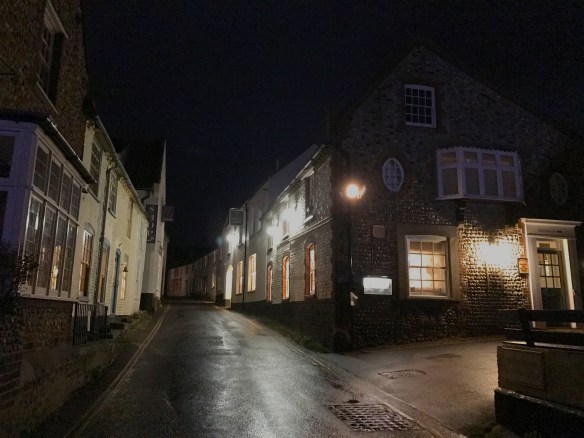
I drove on to Blakeney and the White Horse – a fine Adnam’s pub and hotel – which provided a comfy, warm room and lovely evening meal of local produce, all washed down with a few pints of their great beers.  Before turning in, however, I had to go for another walk and went out into the darkened streets of the village.  The snow had stopped and the wind had lessened, making it a nice, chilly late evening wander around the picturesque lanes of flint-faced cottages.  As I reached the final waterfront of the day, I couldn’t see far out along the river and across the marshes but could still hear nature out there.  One of my favourite calls of wild followed me back up the hill to the hotel – the evocative, enchanting, and to me, slightly melancholic call of the curlew.
img_1421

The great thing about Norfolk, I find, is that no matter what time of year you visit, there’s always plenty of wildlife to see.  Despite the slightly challenging weather of this short trip, I managed to see well over 50 species of bird and a few mammals. The good thing about visiting in winter, is that you can have large parts of the lovely place all to yourself.  Norfolk simply has to be on the anyone’s list who has an interest in wildlife and great English countryside.

 

Moody and muddy

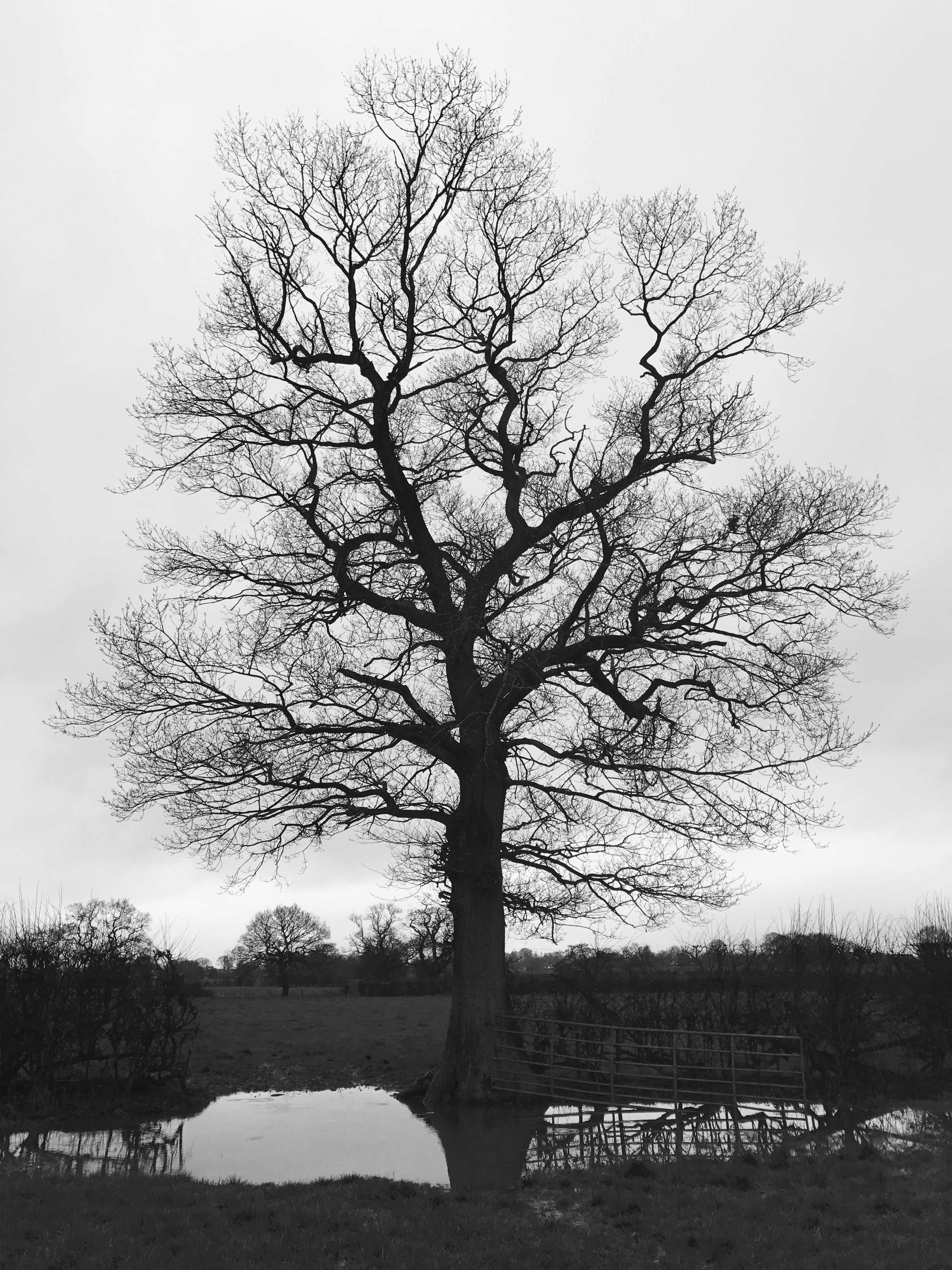
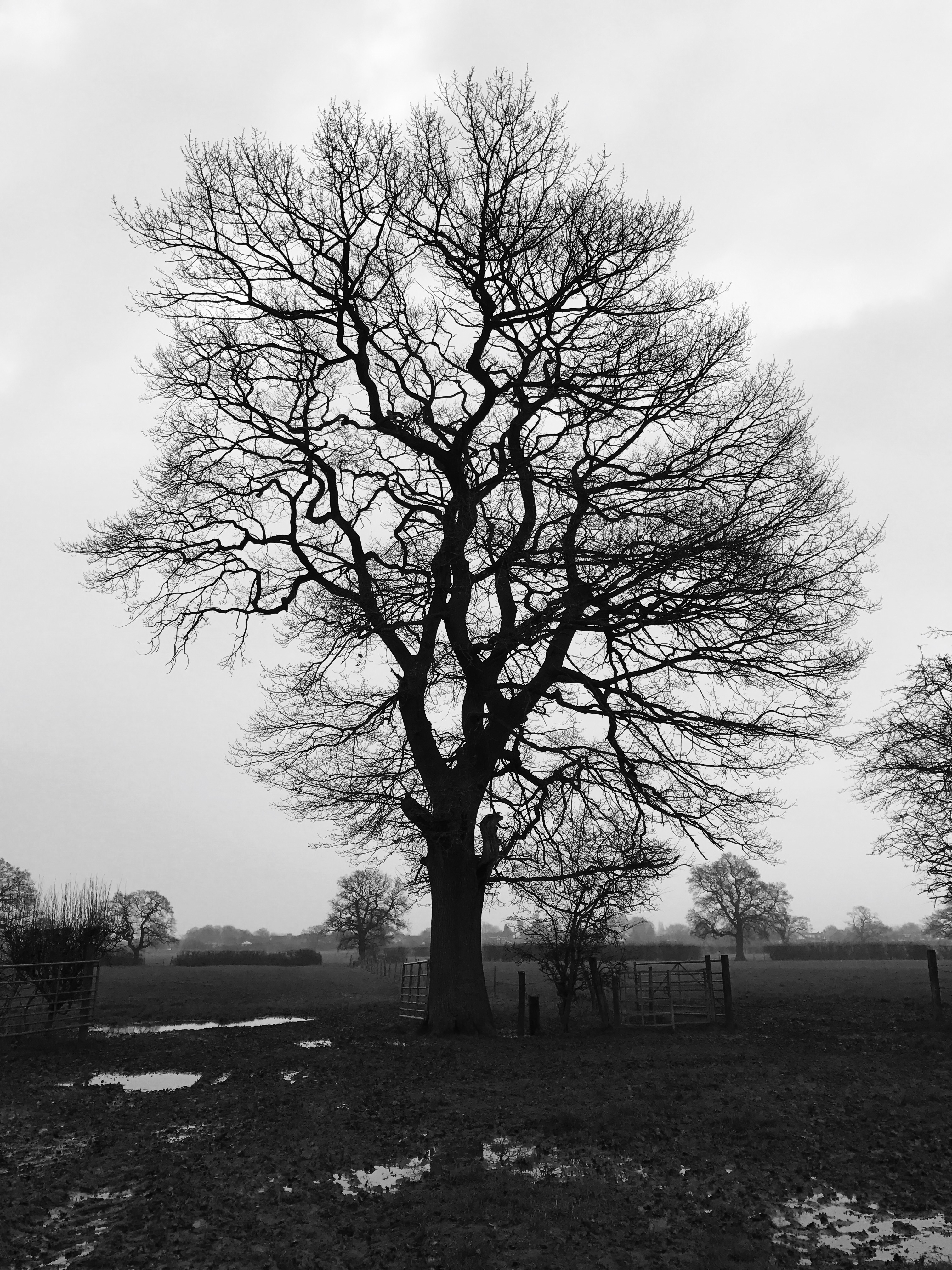
I went for a wander around my local patch of countryside this morning. It’s ridiculous that that I’ve lived in my house for 16 years but I’ve only walked in the nearby fields a handful of times.

I found a nice 2.75 mile route this morning that passes through a series of open cow fields and down a quiet country lane. It also passes a dairy farm; all the cows are currently inside their winter quarters. That’s a good thing too – the fields are very wet and muddy.

It was a moody and gloomy walk this morning with the early snow shower turning into sleat and then light rain. Just as I got home, the sun started to break through the cloud but only briefly and it’s now gone back into hiding.