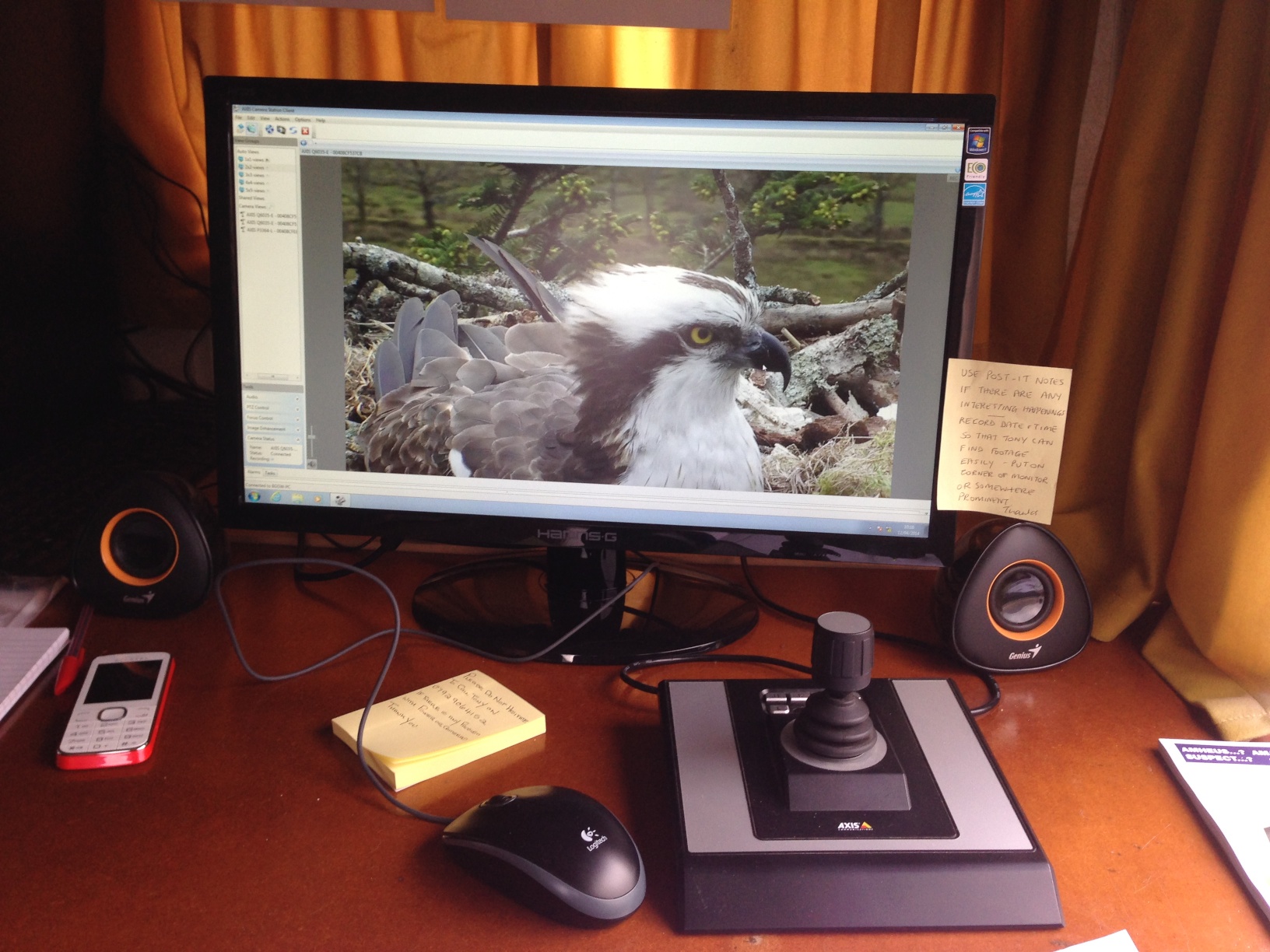
Summer in the Glaslyn Valley

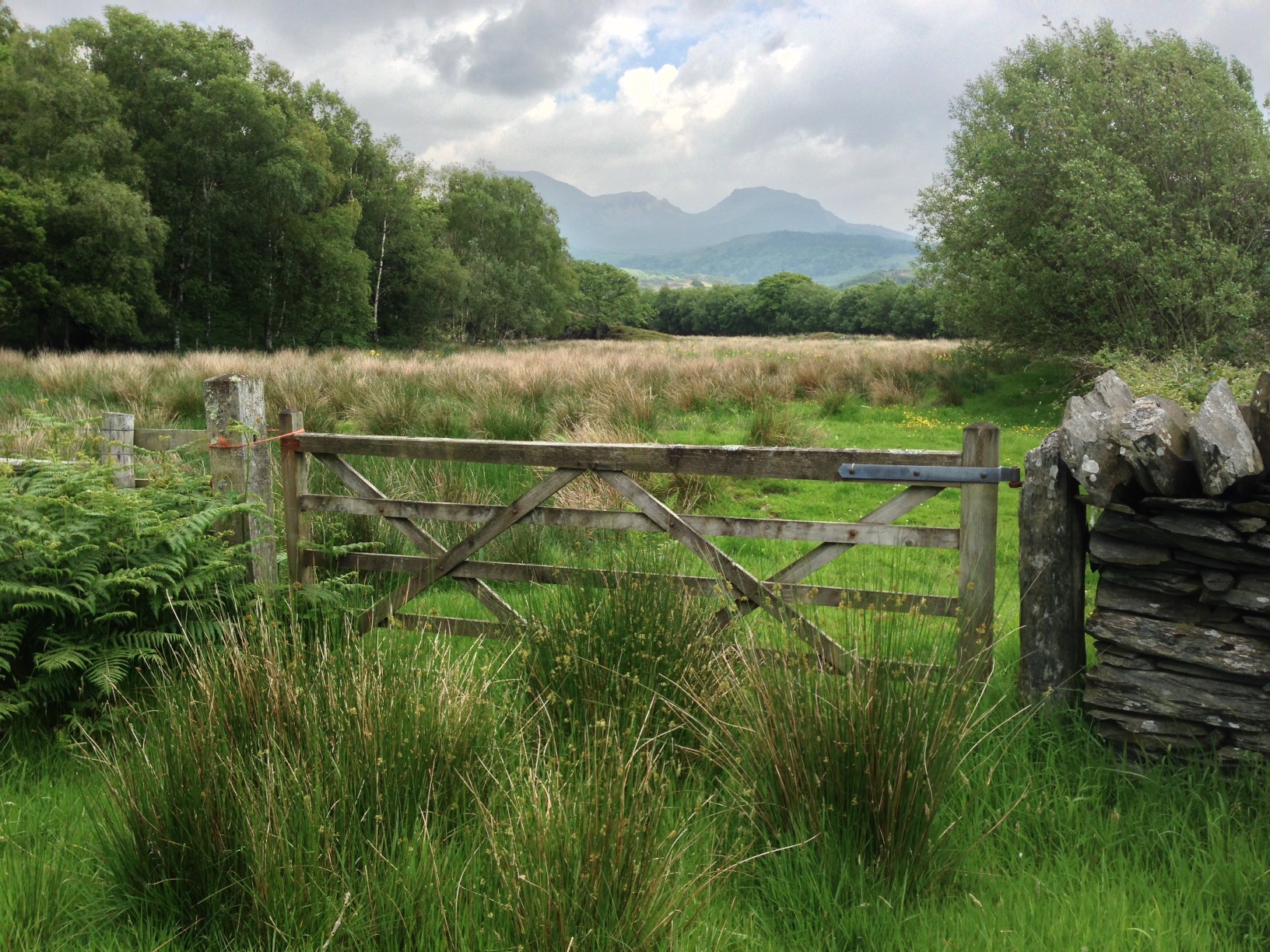
As I drive down the track once more, the sun is already high and its light makes dappled patterns through the old oak trees. The breeze brings a shimmering to the shadowed world beneath the canopy, with the leaves dancing in its wake. I have my windows open, letting in the sounds of the valley and I’m serenaded by bird song from the wrens and willow warblers. The harsh light across the fields is visible before I break out into the open. The sky is a deep blue with the few clouds shadowing the tops of the surrounding hills and mountains. Summer has truly taken over from the spring now and the flowers are starting to finish their show. The irises have faded and the foxgloves are coming to their final flowers but the bramble blossom is more plentiful and there is even greater promise of autumn fruits. The day is warm and there are hours more for the real heat to grow but the breeze will be welcome high up in that fir tree.

Image

The three chicks have grown up over the last fortnight and they are now looking more like their parents. They try to shelter from the sun under the female’s shadow but there is really only room for one, two at most. The eldest is starting to stand up to its full height with some first tentative flaps of its wings; it will be only a matter of weeks before they are all taking their first flights. It’s amazing to think that in just a few short months, these chicks will have changed from hatchlings to intercontinental flyers – it does show how remarkable nature can be.

The valley really is full of life. From the birds in the woodland and over the open fields, to the butterflies, dragonflies and damselflies searching the meadows, hedgerows and water, and the fish in the river, darting from cover to cover. Whilst the focus may be on the young ospreys, the volunteers at the protection site are surrounded by new life; there are parties of young swallows, blue tits, great tits, long-tailed tits, redstarts and wrens, flitting, rambling and racing around the area.

Image

I spent the day divided between the caravan, the bridge and a sunny spot between the two. I even sat on the river bank for a time, dangling my feet in the cool water; a spot from where I got a different perspective on the scene and I was surrounded by flying life. The swallows were collecting mud from the riverbanks and were dropping low over the river, scooping up mouthfuls of the water. A moth (well I need to look up exactly what it was) hovered by my side, about a foot above the river, then dropped to dip its abdomen into the water before returning to its hover; it repeated this process several times and then flew off out of sight.

A walker with a dog went through on the footpath today. I gave him the usual warning but he was intent on going through. He stuck to the footpath and although both adults left the next, it was difficult to tell whether they were worried by him or were simply continuing their daily battles with their crow neighbours.

So much for only ever being there in the cold, rain and wind – that’s now two shifts in a row at Glaslyn with lovely weather. This will be my last visit for a few weeks but hopefully I’ll see the chicks again before they make their way south.

Breeding Bird Survey – Getting back more than I put in…

Today, I completed the Breeding Bird Survey (BBS) for Cheshire Wildlife Trust’s Bagmere reserve.  The site is located at the centre of a triangle formed by Sandbach, Holmes Chapel and Congleton and is only a short drive from where I live (well it should be if I hadn’t been caught in rush hour traffic today!).  The survey has involved visiting the site once per month during March, April, May and June, and recording the species of birds seen, the number of each species and their behaviour.  Now at the end of the four visits, I can assess what birds are possibly breeding, probably breeding or confirmed breeding on the site.

Over the course of the four visits, I have noted 41 species at the site. A number of these have been flying over Bagmere and therefore are unlikely to be breeding there (e.g. Lapwing, swallow and jackdaw) but many of the others are either possible or probable breeders.  I was quite excited that in the earlier visits I had recorded both Willow Tit and Water Rail but these species have not put in an appearance more recently but I think I can put the former down as a probable breeder at least. Today I saw young Blue Tits and Great Tits, so these are likely to be recorded as confirmed breeders for the site.

One thing that has struck me over the course of the four visits is how Bagmere and the birds have changed as the Spring has progressed.  During my first visit, the trees were bare, the temperatures were low and there were still some avian winter visitors around (Fieldfares and Redwings).  When I did the surveys in April and May, the grass was starting to grow, the trees were coming into leaf and the migrants gradually started to arrive. My visit today found the reserve in its prime; all of the summer migrants had arrived, the grass was almost too long to walk through, the trees were in full leaf and the flowers were blooming.

Image

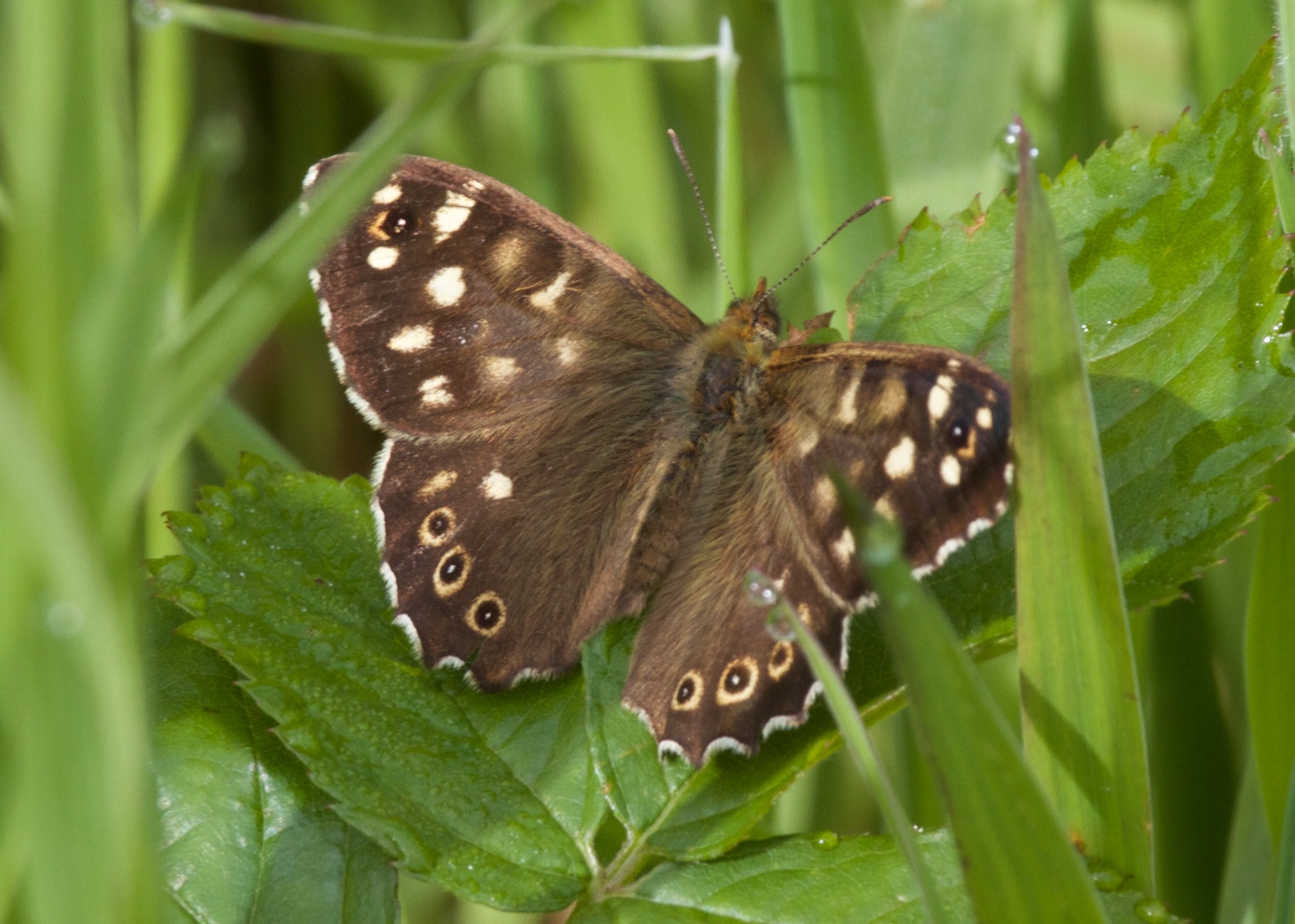
While undertaking the surveys I have also noted the other fauna I have seen within the reserve and today I saw both Spotted Wood and Meadow Brown butterflies (pictured below).  I also saw two brown hares during the May visit to the site – for me, a lovely moment and highlight.

Image

Image

One of the things that makes this task so special is that I’m the first person to do a full BBS for the site and my list of species is the first complete one done for Bagmere (I think so, anyway).

I have gained so much through doing these surveys. I don’t think I have ever noticed the seasons change as much as I have this year.  I have always thought I was in touch with the changing of the seasons but these surveys have taken it to a whole new level. The surveys have also improved my ear for birds and I now seem to be able to cut through the general cacophony of the modern world and pick out a single bird singing amongst the trees or undergrowth.

I started doing these surveys to help Cheshire Wildlife Trust with its work but I have received far more than I have put in – I think I have really learnt and grown by doing them – I just hope I can continue to do the surveys for the years to come!

Was I dreaming or did I just spend a day in a sunny Glaslyn Valley?

As I get out of my car at the end of the wooded track, a hush has descended across the open valley. The air is warm and still and the murk of the low grey cloud lies heavy over the land. The quietness of the place gives it an atmosphere, like I’ve invaded the private world of the wildlife and plants. There would be silence if it was not for the birds; the dawn chorus appears to have lasted well into the mid-morning and there’s a whole avian choir singing in all 360 degrees. There is young life in abundance with great tit and robin fledglings, all calling to be fed, and the wrens shout alarm as they wait to enter their nest, beaks full of insects. The real herald of spring is here too; the cuckoo calling first at distance and then close by. The signs of the season have been clear in the valley for weeks but this is now spring in its prime. High up in the fir tree, the chicks have grown so much in just one week; they still have growing to do but they have already come so far.

Image

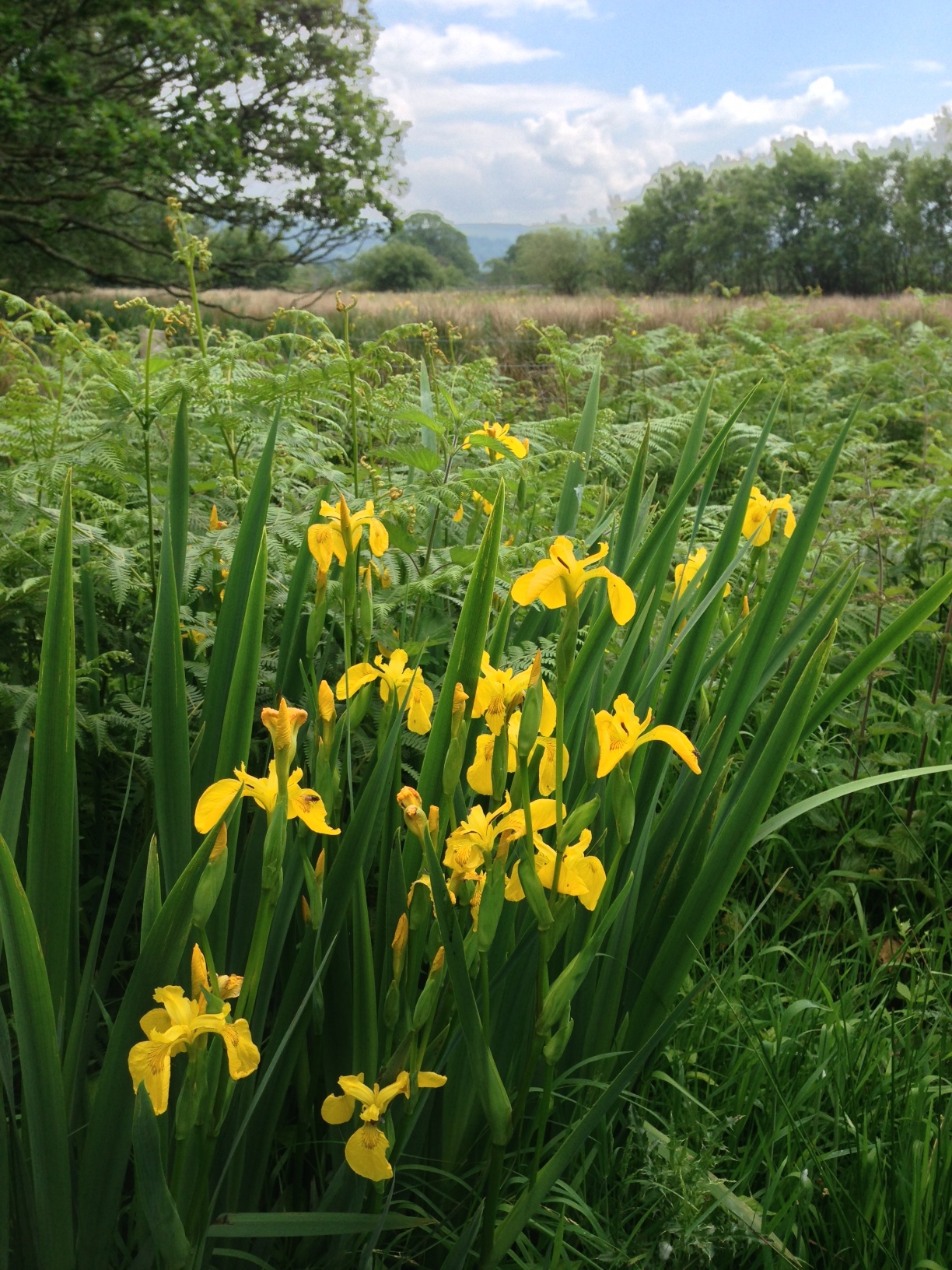
The valley scene has not changed dramatically since my last shift but the plants are continuing to surge upwards; the bracken is becoming more dominant, the irises more plentiful and the flowers of the foxgloves are opening further up the stems. As the blossom of the gorse has died away, the bramble is starting to come into flower; hopefully to provide another bumper blackberry crop this autumn.

As the morning moved on, the wind picked up and blew the clouds away to reveal a bright blue sky and warm summer sun. In fact, today is the last day of spring (meteorologically speaking) and it has been a fine one. Yes the weather forecast yesterday said it had been one of the dullest on record but the Glaslyn Valley has been in its splendour – what will the summer bring?

The birds really were on top form today and I recorded 31 species over the course of my eight hour shift. The redstarts, wrens, willow warblers and chaffinches dominated with their calls but others made their presence known. The osprey battles with the crows are still ongoing and the buzzards have been close by too. The pied wagtails nesting just up the track have been taking insects from the drystone wall and a mistle thrush has been calling angrily around the site.

Image

I did a long dreamt of thing today; I sat in the warm sun at the protection site – It may seem like a little thing to most. I think this little corner of north Wales is a hidden and quiet oasis and I love to spend time there but over the course of the past three springs (and over 30 shifts – many at night, to be fair!), I have yet to have this pleasure.  I’m sure the sun shines on the valley quite a lot but my shifts seem to coincide with rains and storms; so today was a bit of luxury.

Before I packed up for the day and made the long, but enjoyable and scenic, drive home, I went down to the river…

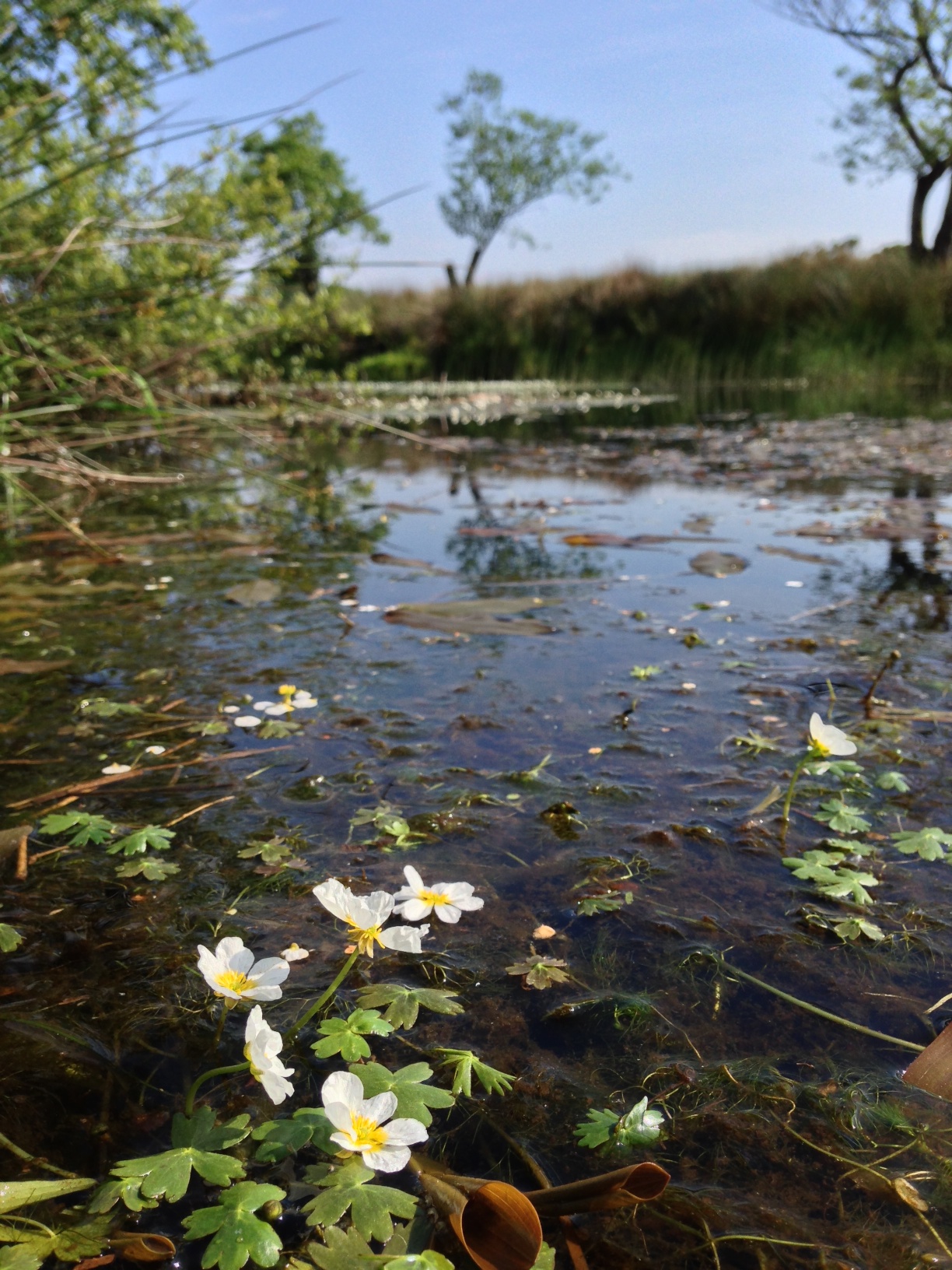
Standing on the bridge, staring down into the river, the water crowfoot and rich grasses wave in the current, like breeze blown stands of wheat.  A bee passes close by, humming as it bumps from flower to flower. The strong sun, not far off its yearly peak, brings a tingling warmth to my face, only slightly cooled by the passing breeze. The trickling water runs beneath the concrete slab and the mirror-like surface is only lightly stirred by the air flowing above. The crisp blue sky is reflected back towards the clouds but the crystal clearness grows as the river nears the arches. Above, a wren calls from a stand on the gorse and bramble covered stone wall, while below, shoals of small fish dart from cover to cover, momentarily wavering in the faster flowing water.  A redstart continues its chattering from the tree top, joined by the willow warbler and the blackbird, early for its dusk vigil.  The scent of tanning skin and drying grass mingle in the fresh air drifting in from the coast. The low bleating of the ewes and lambs go almost unnoticed, unlike the cuckoo announcing its subversive intentions.  I stir from my stance above the water and, begrudgingly wander back to my car.

Image


While I was away…

The wooded way is now in the shadow of a vibrant green cloak; the oak trees are out in full leaf. The damp track still has a scattering of the fallen leaves of last autumn but their replacements have brought a richness to the valley, yet to fade to their deep green of summer. A blackbird rushes off in front as I drive down through the woodland; the bluebells are now past their finest and the bracken is starting to take ascendency across the floor. There are a few rain drops in the air but it is not cold and the sun makes a fleeting appearance as I break cover across the wet pastureland. The clouds above make promises of downpours to come and it may be another day in the caravan or forward hide, sheltering away from the worst. While the bluebell bloom may be subsiding, there are other flowers here, with the fox glove and iris taking to the stage. The ospreys are still where I left them but there are now five, not two. The parents are stood alert by their sides as the three growing chicks rest in the cradling bowl of the nest. They have already grown so much; I’ve missed their early days and weeks but with more visits, I hope to see them thrive, from gawkiness into splendour.

There have been significant changes down at the osprey protection site since my last shift back in April. The biggest change of all being that the three eggs have turned into chicks, and they are starting to lose their down and show early signs of producing feathers. There are obvious differences in size between them and the largest seems to take precedence at feeding time but the smallest, and downiest (if that’s a real word) gives as good as it gets during the sibling squabbles.

Image

There has also been some construction work down at the protection site. The old frame that held the solar panels (powering the camera and equipment) has gone and been replaced by a larger and more sturdy structure, with space for additional panels. The ospreys have also been doing some building work but not necessarily to our benefit – with constant adding to the nest, there’s now a stick, upright, obstructing the view of the chicks. Hopefully, the ever tinkering parents will move it soon.

Something that hasn’t changed is the weather, at least not for my visits anyway. There have been some nice spells since my last visit, but as usual, my shift featured heavy rain – please, please, please, can I have nice, warm weather for my next shift?

Also unchanged from my previous visits were the never-ending battles with the local crows, with the female frequently leaving the nest to chase them off, and this time one crow dive-bombing the nest while she was away chasing others.

Towards the end of my stint, the male brought in another fish; the third since the start of my shift at 10:00am. For the first time, I saw the female and male feeding the chicks together. When I say both, I mean she was and he was trying to. The chicks seemed to ignore him, even when he was trying to press food into their mouths and they would turn away and face the female. Eventually, after some persistence, and eating the fish himself, he managed to get one of the chicks to take food from him and seemed to finally get the hang of it. He’s an old hand at this fathering lark, having been breeding in the Glaslyn Valley since 2004; I’d have thought he’d have worked it out by now!

Image

Osprey images courtesy of Bywyd Gwyllt Glaslyn Wildlife – thank you!

May Breeding Bird Survey – Bagmere

With an extra day at home following my return from Ramsey Island, I went out and did the third of four spring Breeding Bird Surveys at Cheshire Wildlife Trust’s Bagmere Reserve. The reserve has changed hugely since my last visit with the trees now all out in leaf and the willow tree ‘fluff’ floating on the breeze and sticking to my clothes.  The warm sun made it feel like summer rather than spring.

Image

The reserve was strangely quiet this morning and I only recorded 17 species, compared to the 28 and 24 species I recorded during the March and April surveys respectively.  However, I did record five new species for the site; blackcap, whitethroat, sedge warbler, sky lark and reed bunting.

The whitethroats were particularly excitable and angrily called at me as I strolled past.  This summer migrant is amber-listed for conservation but still has over one million breeding territories in the UK.

 1

While the survey is focused on breeding birds, I noted mammals and butterflies as I made my way around the site.  Two large brown hares ran past me, momentarily stopping to check me out, and then loped off into the long grass.  I also identified large white, small white and painted lady butterflies as well as the small pearl-bordered fritillary butterfly, for which the site is known.


Ramsey-bound!

Well, tomorrow I’m off to spend another two weeks on the fabulous Ramsey Island off the coast of Pembrokeshire, near St. David’s.  This is all weather-permitting of course – the boats to Ramsey from St. David’s Lifeboat Station at St. Justinian can be halted by strong winds and a rough sea – so here’s hoping the weather will hold!

IMG_1825

The Island is owned and managed for wildlife by the RSPB and I will be one of up to three volunteers helping (or possibly hindering) the work of the wardens.

I’m hoping to blog each day while I’m there, even if it’s only a photo or two – I’ll see how long this idea lasts!

In the meantime, here’s a link to the Ramsey Island page on the RSPB website.


A quiet day with the ospreys

That winding track down through the hillside woodland grows more stunning with every Springtime visit. There is a freshness to the scene; the season of emergence and renewal bringing new life to the old trees. The leaves on the gnarled and moss-blanketed oaks are slowly coming out and the grass is turning a more vibrant shade of green each day. The birds are still singing for their territories but the voices change each time I arrive. This day has a backing of willow warblers and redstarts with an occasional cry of a buzzard circling above the rock studded valley sides. Out from under the canopy and into the open wet pastures, a cool breeze still cuts across the land, dismissing the stone wall barriers and taking the heat away from the Sun’s growing strength. There in the tall fir tree, they still sit patiently waiting for the first cracks to appear in the eggs and the small, ever-hungry mouths to appear. It’s time to rest, as the coming weeks will offer little.

Image

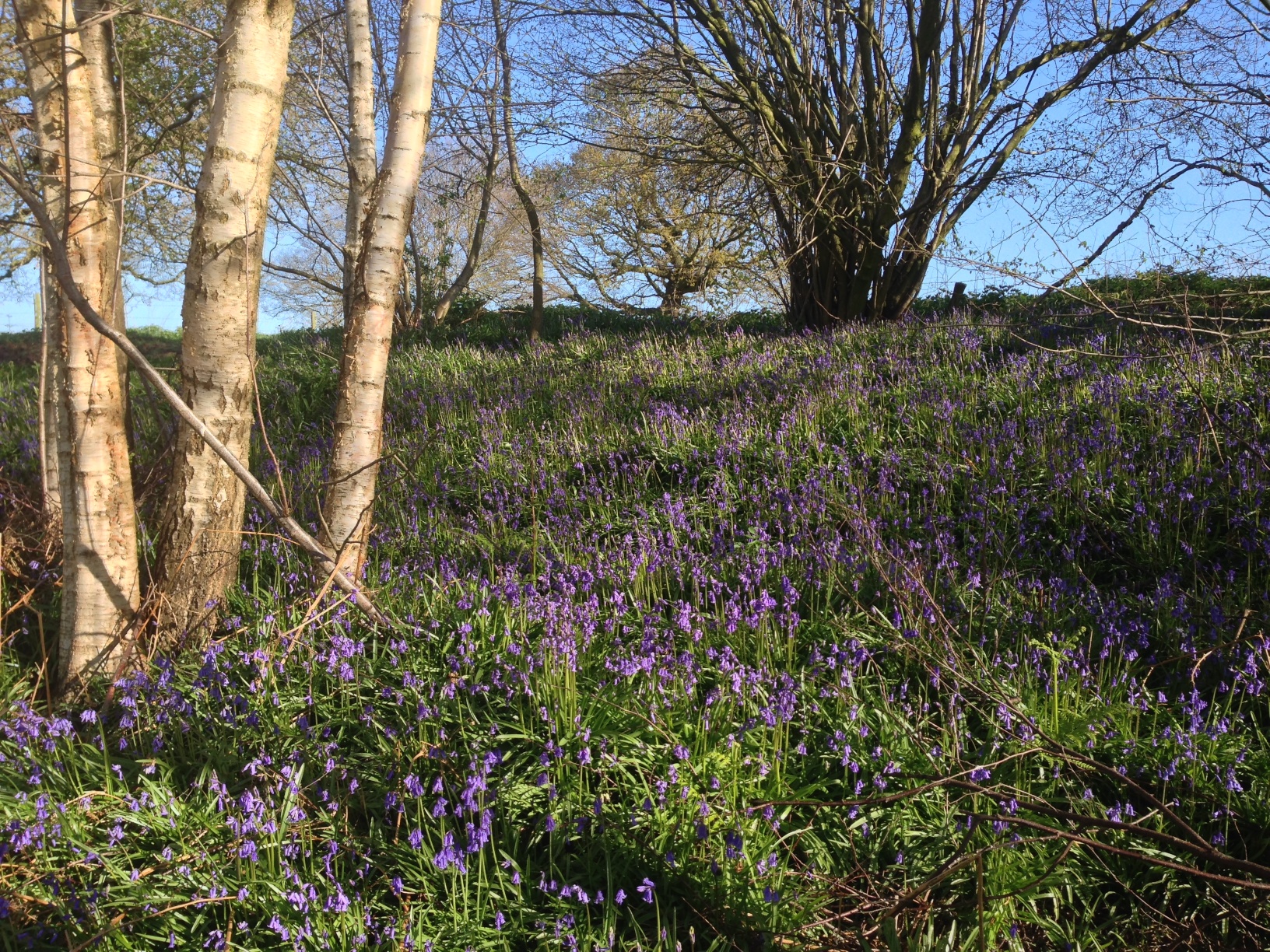
Before my shift started, I took a brief wander amongst the trees, as the bluebells are now emerging and there’s a soft carpet of blue and green under the growing shade of the wooded canopy. There is a dell amongst the oaks and crags in the crown of the small hill behind the site; I could have spent the whole day sat up there but I had to relieve the previous tenant of the osprey protection spy cave and start my watch.

Image

The title to this post may say ‘quiet’, but the diesel generator was on for much of the shift due to the lack of Sun. The equipment in the caravan is powered by solar panels but if the battery reserves fall too low, the generator is switched on. Whilst it does take the edge off the tranquility, it’s a lot quieter than the old generator that we used to have during night shifts – I’m sure even the Ospreys used to cover their ears!

Image

It was an uneventful shift – just how we like them – the ospreys quietly waiting. The sun and rain took it in turns, alternating between warm and dry, and wet and chilly. The only disturbance came from the crows, more chasing and mobbing, the ospreys getting impatient and irritated by their presence so close to the nest.

Image

At about 4 o’clock, the female started calling to the male; almost certainly telling him to get on with his job and fetch her a Saturday evening takeaway. Eventually he took the hint and hopped off down to ‘Port’ to see what he could wrap his talons around. After about an hour he returned, but to the naked eye he didn’t appear to have anything with him – no carrier bag, nothing wrapped in newspaper, no foil cartons, no nothing! However, after a little while, he popped down onto the nest and presented the female with the tail end of a very small fish. She grabbed it, hopped onto the nearby perch and wolfed it down in a couple of minutes – didn’t seem to care about the fish bones! I think he might be up early in the morning to get her breakfast – by the look of that meal, she’ll be hungry – and probably not in the best of moods! She has one of the most scary stares of any female I’ve seen; in fact, second only to my 6-year-old niece!

It’ll be a while until my next shift but by the time I return there should be chicks! Can’t wait!!!

Breeding Bird Surveys

On Sunday last week and Friday and Saturday this week, I did the second round of four monthly Breeding Bird Surveys for Cheshire Wildlife Trust and my first Breeding Bird Survey for the British Trust for Ornithology (BTO).

The survey at the Wildlife Trust’s Bagmere reserve, on Sunday last weekend, picked up Willow Tits again, so they are probable breeders at the site, and there could be up to three territories.  However, I didn’t pick up any water rails this time, but there are two more surveys to do (in May and June) so hopefully I’ll note them again.

The Blakenhall survey was on Friday, which was a fabulously bright but chilly morning.  There was a low mist across the field as I walked to the reserve and Spring was in full swing with the bluebells now out, or at least on the sunnier slopes around the Moss.

Image

Hearing the bird song was a little more difficult this time as there’s now a mixed flock of greylag and canada geese around the reserve and they were making a racket. The stars of the survey must have been the blackcaps, with eight seen around the site, including a group of three chasing each other around.

Embed from Getty Images

Another highlight was seeing a pair of Marsh Tits, which I’d hoped to see last time but didn’t come across them.  Like the very similar looking Willow Tits, they are a red-listed species and have suffered 22% declines since the 1970s, although this is less severe than the decline in numbers of Willow Tits.  They are also a local rarity, so it was good to see them at Blakenhall as part of the survey – I’ve seen them before at the site when doing some conservation volunteering with the Wildlife Trust.

The BTO Breeding Bird Survey is more onerous than the Wildlife Trust version and takes twice as long.  On Saturday morning I did the first of the two surveys I’m doing in the grid square near the Cheshire sandstone ridge, centred around the Bickerton Poacher pub.  The survey requires two (roughly) parallel 1km transects to be walked making note of all the birds seen or heard.  Each 1km transect is divided into five 200m sections and the birds seen or heard are noted within 25m, 100m or over 100m.  Whether the birds were identified by song, call or sight is also noted as are signs and sightings of mammals.

The survey was done on another bright sunny morning and walking around the Cheshire countryside was a real pleasure.  There were no real species of note although the three buzzards circling above the hills were pretty special and I came across a couple of red-legged partridge.

Image

A hidden gem…

I spent most of Sunday with the local group I volunteer with, Crewe & Nantwich Conservation Volunteers (CNCV). I almost didn’t go; after a long day Osprey sitting on Saturday and getting up early to do a bird survey, part of me just wanted to go home and relax. What a mistake that would have been!

Image

Wybunbury Moss is a fairly regular haunt for CNCV and it’s always a good task each time we go there. However, this day was special. While I’ve been at plenty of tasks in the woodland and meadows around the outside of the Moss, I’ve never worked on the Moss itself and what a place it is!

The Moss is a schwingmoor or quaking bog – essentially, a glacial depression that has filled with water and then, over time, has been covered in a layer of moss, which in turn has become peat.  This has resulted in what appears to be a solid surface but in fact is just a three metre skin floating on a 13 metre deep lake.  The ‘solid’ surface does indeed quake and visibly wobbles if you jump on it.  It’s not a very safe place to be and is not open to the public but plenty of people in the group have experience of the Moss and know where to go, and more importantly, where not to.

Image

I arrived late after doing the bird survey and struggled to find the group but I eventually came across them lying in the Sun drinking tea and scoffing biscuits (not an unusual sight). When we decided to get back on with the task (they had already done some work to be fair), we spent the rest of the day pulling pine saplings from the surface of the Moss. Carried on the wind, pine seeds scatter easily and far from their parent trees, growing well where they land. If not controlled every so often, the woodland would start to encroach further and further onto the Moss.

ImageImage

ImageImage

We spent a few hours in total, under bright blue skies, with a strengthening Sun and fluffy white clouds, pulling the saplings and eventually we cleared them all. We did a final walk around the site just to make sure and then headed home. I parked some distance away, so wandered around the rest of the reserve on the way back.

We recorded a great deal of wildlife while we went about our task, including 31 species of bird, 5 species of butterfly and common lizard. There were also signs of fox, badger and rabbit. However, the most special sighting was of the first swallows of Summer flying past.

The reserve is a truly lovely place to spend a day and standing in the centre I could easily imagine that I was in the middle of the Scandinavian wilderness, particularly when the ravens went ‘cronking’ past. I feel privileged that I could visit a place that not many people can. To be honest, it really was a joyful day – and I was absolutely buzzing (in fact I couldn’t shut up about it!).

So few people seem to know that this place is there – probably a good thing too, as a few visitors would start disappearing if they ventured out onto the Moss. It really is a hidden gem, somewhere special and somewhere worth working for and protecting – and just on my doorstep too!

 24

Cyclist trouble in the Glaslyn Valley…

Back down the winding track through the old woodland, the rainfall rivers across the way have now dried, as has the protection site. While last week, the river was threatening to break its banks, this week it has a mellow calmness about its movement and it has dropped well below the field level. High up in the tree now sits a complete clutch of three precious speckled eggs.  It’s not all peace and quiet though – there’s a fair bit if mutual antagonism between the ospreys and their carrion crow neighbours with the ospreys giving chase or being mobbed over the course of each day.

Image

On Saturday I retuned to the Glaslyn osprey protection site near Porthmadog in North Wales for another eight hour shift. This time I had company in the form of Jack, one of my fellow volunteers from my local conservation volunteering group. To break up the shift, Jack and I took it in turns to go for a walk in the woodland near to the site. It’s a lovely spot in amongst the old moss-covered oaks and the small craggy hills. Spring bird song was all around and no road noise to disturb the peace; in fact it was almost silent when we arrived at the site. The bluebells are starting to come through, a little later than at home, and the trees are just starting to burst their leaf buds.

It’s not just the ospreys that keep our interest while on shift; the valley is full of life. The birds are the most obvious with 38 different species seen or heard by me on my three visits so far this year but there are mammals too.  The bank voles scuttle on the drystone wall beside the caravan and often a weasel isn’t far behind. There are badgers in the vicinity of the protection site and a lucky few get a glimpse of otters in the river – but not me so far!

In my 30-odd shifts over this and the previous two springs, I have never had an incident to deal with but this changed on Saturday.  Part way into the shift, a cyclist came through the gate by the caravan and proceeded past and towards the bridge over the river.  I spoke to him and made him aware that while the footpath wasn’t closed,  there were nesting ospreys in the area and that if he continued across the bridge and into the field he risked disturbing them.  I told him that if he did indeed disturb them, he would be breaking the law (Wildlife & Countryside Act 1981) and if this was a serious disturbance I would call the Police.  This didn’t seem to bother him and he dismissed my warning with some mutterings about cycling on footpaths and off he went.  He said he would push his bike around the edge of the field but got back on to his bike and rode straight across once over the river.  When he approached the vicinity of the nest tree, the female flew off, circled above and then appeared to dive towards him before they both disappeared from sight.  However, the male stayed firmly on the nest, keeping the eggs warm and the female soon returned.

No harm was done in the end but it just shows how little care some people have for wildlife when their presence risks inconveniencing them.