Summer in the Glaslyn Valley

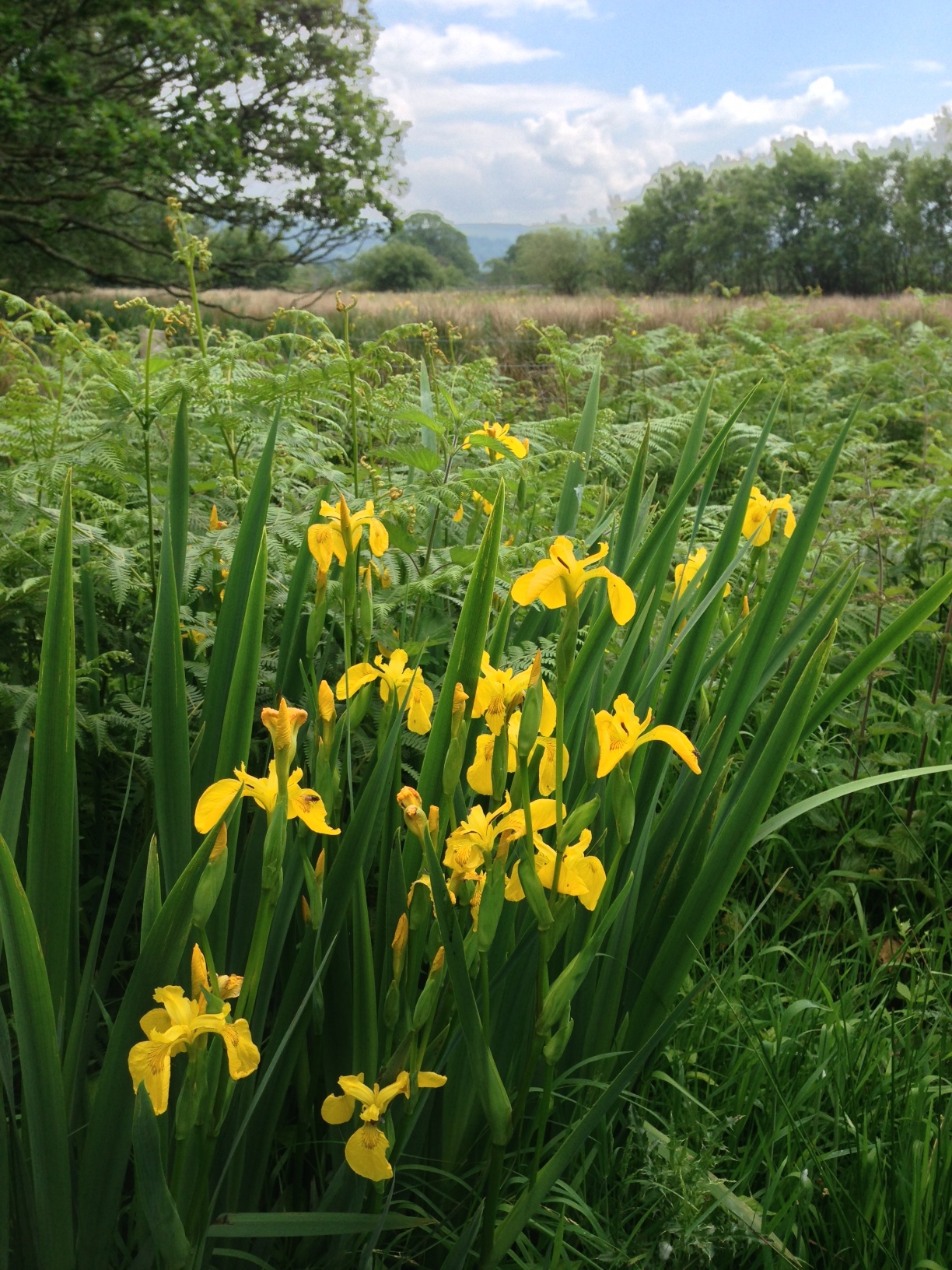
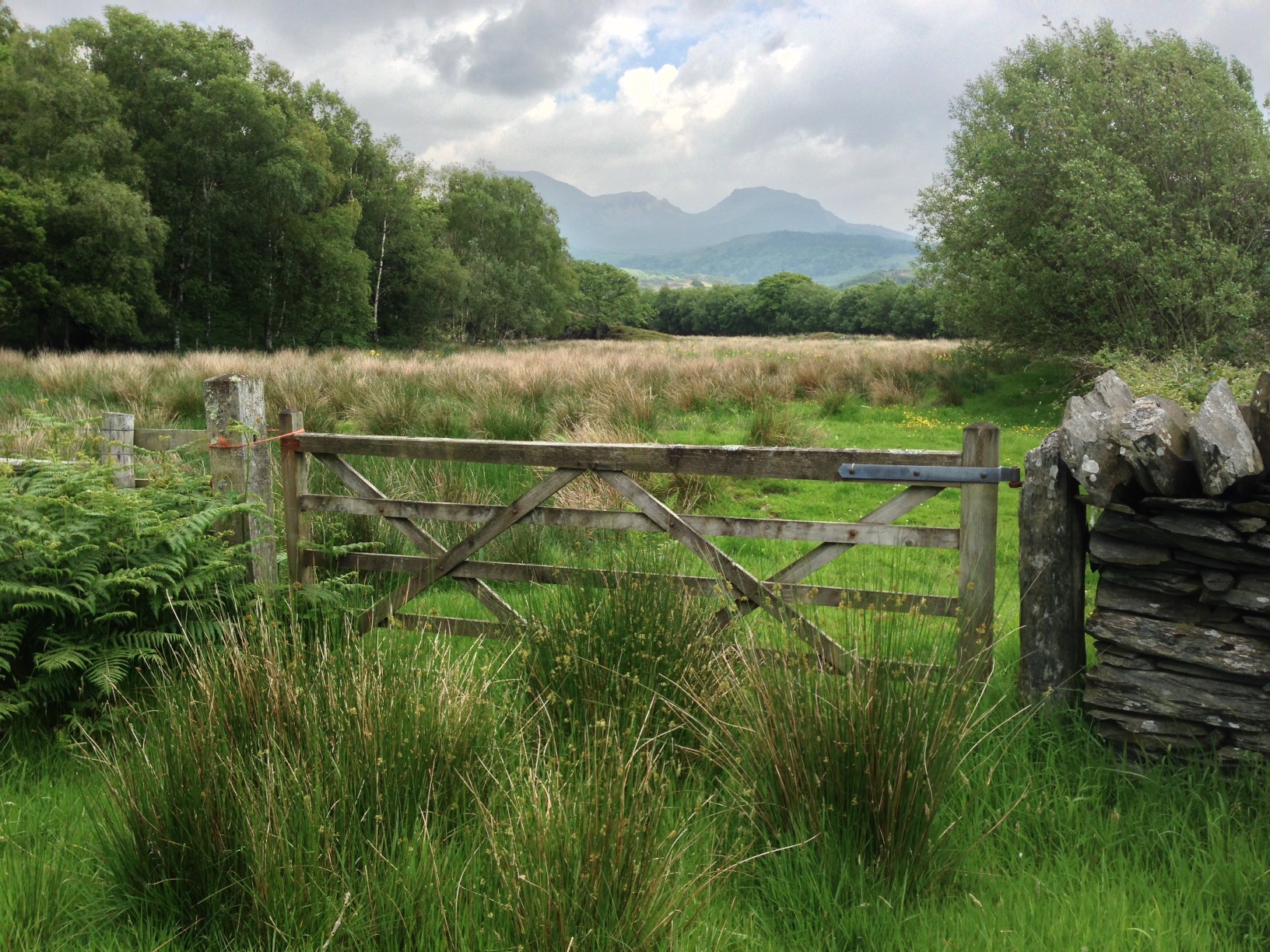
As I drive down the track once more, the sun is already high and its light makes dappled patterns through the old oak trees. The breeze brings a shimmering to the shadowed world beneath the canopy, with the leaves dancing in its wake. I have my windows open, letting in the sounds of the valley and I’m serenaded by bird song from the wrens and willow warblers. The harsh light across the fields is visible before I break out into the open. The sky is a deep blue with the few clouds shadowing the tops of the surrounding hills and mountains. Summer has truly taken over from the spring now and the flowers are starting to finish their show. The irises have faded and the foxgloves are coming to their final flowers but the bramble blossom is more plentiful and there is even greater promise of autumn fruits. The day is warm and there are hours more for the real heat to grow but the breeze will be welcome high up in that fir tree.

Image

The three chicks have grown up over the last fortnight and they are now looking more like their parents. They try to shelter from the sun under the female’s shadow but there is really only room for one, two at most. The eldest is starting to stand up to its full height with some first tentative flaps of its wings; it will be only a matter of weeks before they are all taking their first flights. It’s amazing to think that in just a few short months, these chicks will have changed from hatchlings to intercontinental flyers – it does show how remarkable nature can be.

The valley really is full of life. From the birds in the woodland and over the open fields, to the butterflies, dragonflies and damselflies searching the meadows, hedgerows and water, and the fish in the river, darting from cover to cover. Whilst the focus may be on the young ospreys, the volunteers at the protection site are surrounded by new life; there are parties of young swallows, blue tits, great tits, long-tailed tits, redstarts and wrens, flitting, rambling and racing around the area.

Image

I spent the day divided between the caravan, the bridge and a sunny spot between the two. I even sat on the river bank for a time, dangling my feet in the cool water; a spot from where I got a different perspective on the scene and I was surrounded by flying life. The swallows were collecting mud from the riverbanks and were dropping low over the river, scooping up mouthfuls of the water. A moth (well I need to look up exactly what it was) hovered by my side, about a foot above the river, then dropped to dip its abdomen into the water before returning to its hover; it repeated this process several times and then flew off out of sight.

A walker with a dog went through on the footpath today. I gave him the usual warning but he was intent on going through. He stuck to the footpath and although both adults left the next, it was difficult to tell whether they were worried by him or were simply continuing their daily battles with their crow neighbours.

So much for only ever being there in the cold, rain and wind – that’s now two shifts in a row at Glaslyn with lovely weather. This will be my last visit for a few weeks but hopefully I’ll see the chicks again before they make their way south.

Breeding Bird Survey – Getting back more than I put in…

Today, I completed the Breeding Bird Survey (BBS) for Cheshire Wildlife Trust’s Bagmere reserve.  The site is located at the centre of a triangle formed by Sandbach, Holmes Chapel and Congleton and is only a short drive from where I live (well it should be if I hadn’t been caught in rush hour traffic today!).  The survey has involved visiting the site once per month during March, April, May and June, and recording the species of birds seen, the number of each species and their behaviour.  Now at the end of the four visits, I can assess what birds are possibly breeding, probably breeding or confirmed breeding on the site.

Over the course of the four visits, I have noted 41 species at the site. A number of these have been flying over Bagmere and therefore are unlikely to be breeding there (e.g. Lapwing, swallow and jackdaw) but many of the others are either possible or probable breeders.  I was quite excited that in the earlier visits I had recorded both Willow Tit and Water Rail but these species have not put in an appearance more recently but I think I can put the former down as a probable breeder at least. Today I saw young Blue Tits and Great Tits, so these are likely to be recorded as confirmed breeders for the site.

One thing that has struck me over the course of the four visits is how Bagmere and the birds have changed as the Spring has progressed.  During my first visit, the trees were bare, the temperatures were low and there were still some avian winter visitors around (Fieldfares and Redwings).  When I did the surveys in April and May, the grass was starting to grow, the trees were coming into leaf and the migrants gradually started to arrive. My visit today found the reserve in its prime; all of the summer migrants had arrived, the grass was almost too long to walk through, the trees were in full leaf and the flowers were blooming.

Image

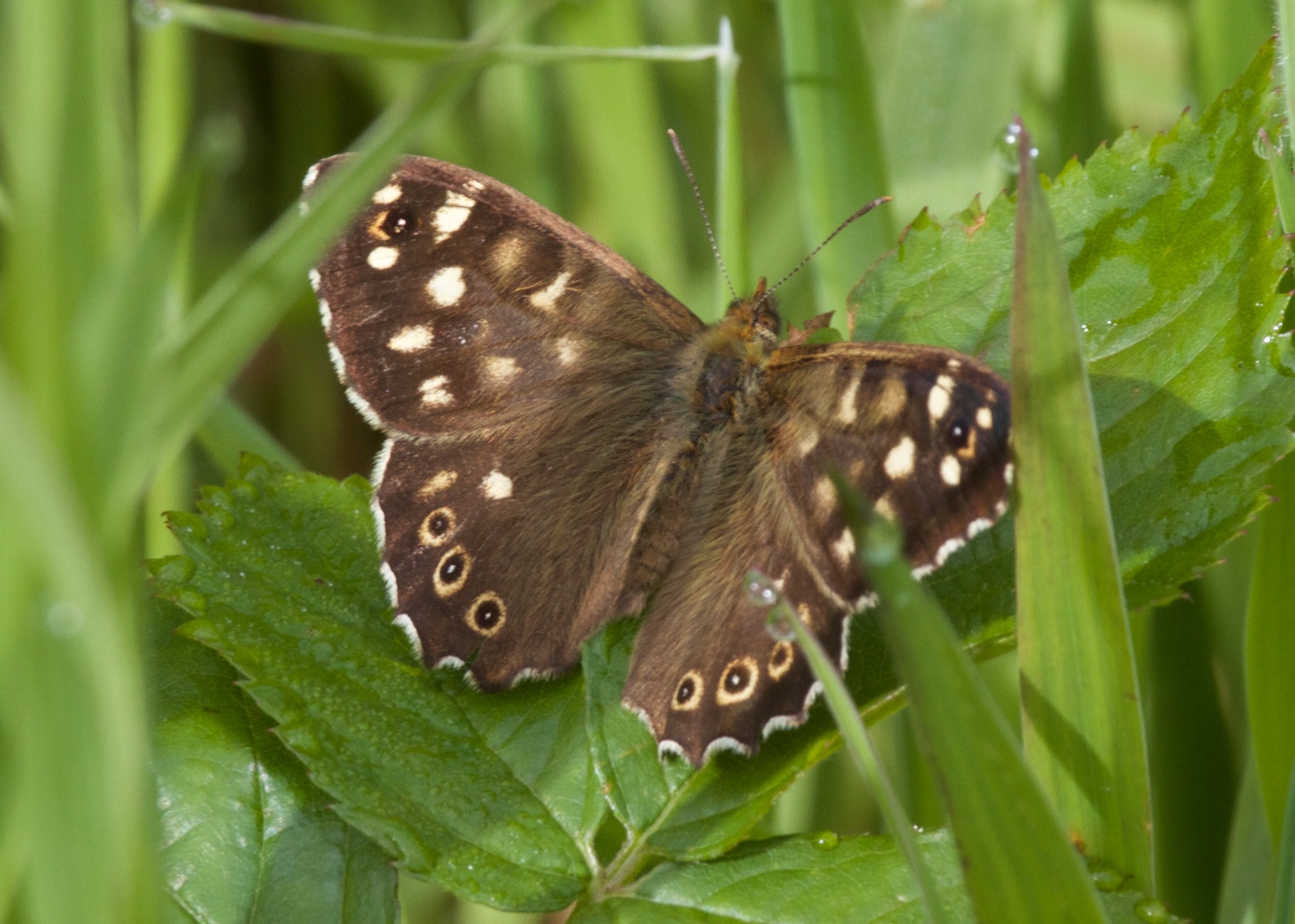
While undertaking the surveys I have also noted the other fauna I have seen within the reserve and today I saw both Spotted Wood and Meadow Brown butterflies (pictured below).  I also saw two brown hares during the May visit to the site – for me, a lovely moment and highlight.

Image

Image

One of the things that makes this task so special is that I’m the first person to do a full BBS for the site and my list of species is the first complete one done for Bagmere (I think so, anyway).

I have gained so much through doing these surveys. I don’t think I have ever noticed the seasons change as much as I have this year.  I have always thought I was in touch with the changing of the seasons but these surveys have taken it to a whole new level. The surveys have also improved my ear for birds and I now seem to be able to cut through the general cacophony of the modern world and pick out a single bird singing amongst the trees or undergrowth.

I started doing these surveys to help Cheshire Wildlife Trust with its work but I have received far more than I have put in – I think I have really learnt and grown by doing them – I just hope I can continue to do the surveys for the years to come!

Summer is most definitely on!

The first test has started, Springwatch is coming to an end and I’m having my tea by the open kitchen door, being serenaded by a goldcrest amongst the trees at the bottom of my garden.  The evening sun is shining, I have a glass of wine in hand and I’m just finishing a lovely meal – and I have four days off…

 (1)

The atmosphere has just been slightly disturbed by a tomato squirting juice all the way up my arm!

Never mind…strawberries to finish.

Masters of the summer sky

Since they disappeared during the closing months of last year, I’ve been longing to look up at the sky above my house and see them darting, playing, chasing, gliding and screaming through the warm summer air.

I’m blessed where I live as I have swallows, house martins and swifts all living in the surrounding area. On a summer evening I can stand at my back door, glass of wine in hand, music in the background, and watch an aerial spectacle unfold above my head. Swallows are the popular sign of summer and I have become very attached to the house martins that nest on my home each year; even the twittering during warm nights, when I have my windows open, doesn’t stop me from cherishing their presence. However, it is the swifts that I really love.

Swifts are true masters of the sky, these living scythes in the summer blue don’t land except to feed their young. Constantly on the wing, even sleeping in the air, their dusk screaming parties are a true sign of summer – the season would be empty without them.

The bird surveys I’ve been doing over the course of the last few months have given me a stronger ear for birds and even as I’ve been watching TV I’ve been picking up the birds in the background. It seems to me that a summer scene in any good TV show isn’t complete without the sound of a gang of swifts chasing and screaming above the actors.

However, I suspect my favourite summer domestic views may not last much longer. When I first moved into my house over thirteen years ago, I had two house martin nests under the eves and there was another immediately next door. I now have one, and they turned up late this year; I was worried that they wouldn’t turn up at all. I’m concerned for a future without the swallows, martins and swifts and that if we don’t do something now, they will be lost forever. As I read this morning (I can’t remember where now), if children have never seen something, how will they ever cherish it and how will they ever be driven to fight for it? If these birds disappear in the next few years we don’t have much time to show the current generation of children just how special these creatures are and just how much they should be part of our lives.

It might already be too late.

Tawny Owl

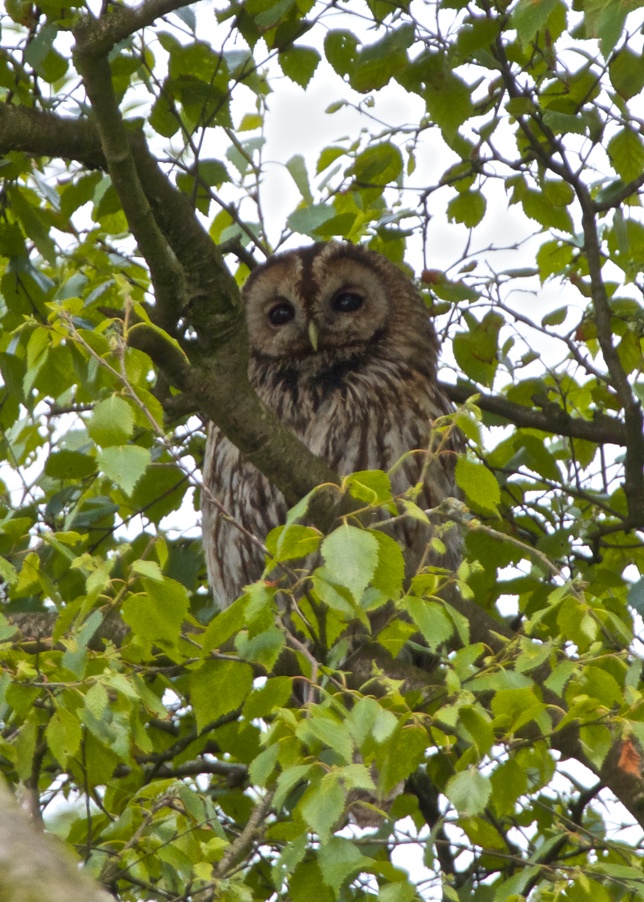
I went for a walk around Wybunbury Moss this afternoon (it’s getting to be a regular thing when I have a spare hour or so!) and as I was wandering through the woodland, this flew directly over my head and landed in a tall tree in front of me.  It was huge for a tawny owl and it sat in the tree totally unfazed as I walked around the base trying to find the best location for a shot. I’ve never seen one during the daytime before, let alone had such a great view for such a long time – I must have spent about ten minutes trying to find the best spot.

Image

Was I dreaming or did I just spend a day in a sunny Glaslyn Valley?

As I get out of my car at the end of the wooded track, a hush has descended across the open valley. The air is warm and still and the murk of the low grey cloud lies heavy over the land. The quietness of the place gives it an atmosphere, like I’ve invaded the private world of the wildlife and plants. There would be silence if it was not for the birds; the dawn chorus appears to have lasted well into the mid-morning and there’s a whole avian choir singing in all 360 degrees. There is young life in abundance with great tit and robin fledglings, all calling to be fed, and the wrens shout alarm as they wait to enter their nest, beaks full of insects. The real herald of spring is here too; the cuckoo calling first at distance and then close by. The signs of the season have been clear in the valley for weeks but this is now spring in its prime. High up in the fir tree, the chicks have grown so much in just one week; they still have growing to do but they have already come so far.
Image

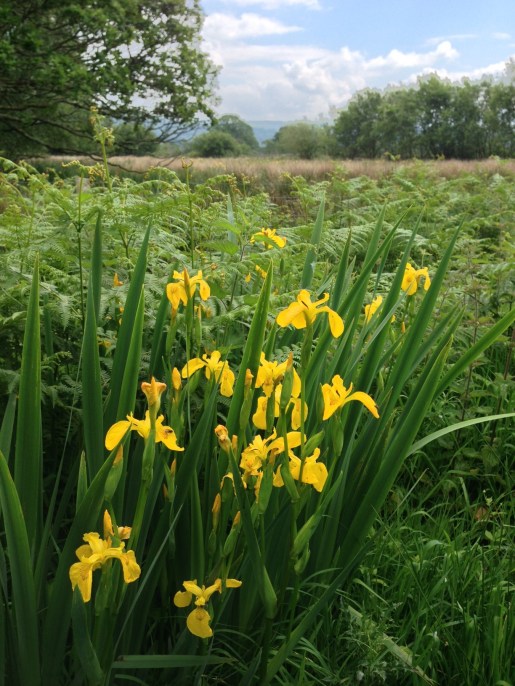
The valley scene has not changed dramatically since my last shift but the plants are continuing to surge upwards; the bracken is becoming more dominant, the irises more plentiful and the flowers of the foxgloves are opening further up the stems. As the blossom of the gorse has died away, the bramble is starting to come into flower; hopefully to provide another bumper blackberry crop this autumn.

As the morning moved on, the wind picked up and blew the clouds away to reveal a bright blue sky and warm summer sun. In fact, today is the last day of spring (meteorologically speaking) and it has been a fine one. Yes the weather forecast yesterday said it had been one of the dullest on record but the Glaslyn Valley has been in its splendour – what will the summer bring?

The birds really were on top form today and I recorded 31 species over the course of my eight hour shift. The redstarts, wrens, willow warblers and chaffinches dominated with their calls but others made their presence known. The osprey battles with the crows are still ongoing and the buzzards have been close by too. The pied wagtails nesting just up the track have been taking insects from the drystone wall and a mistle thrush has been calling angrily around the site.
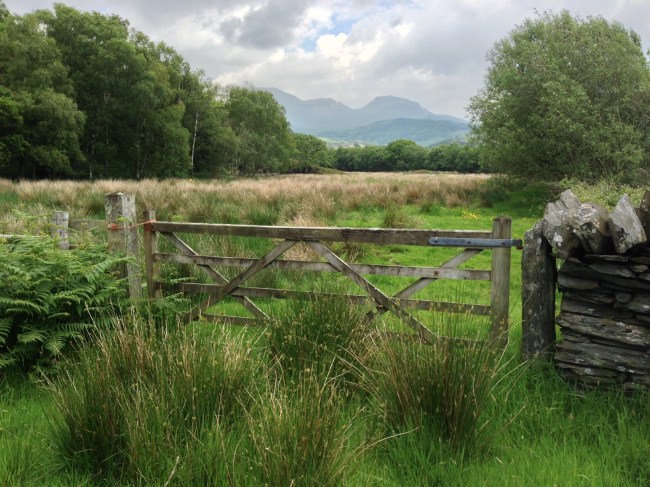
Image

I did a long dreamt of thing today; I sat in the warm sun at the protection site – It may seem like a little thing to most. I think this little corner of north Wales is a hidden and quiet oasis and I love to spend time there but over the course of the past three springs (and over 30 shifts – many at night, to be fair!), I have yet to have this pleasure.  I’m sure the sun shines on the valley quite a lot but my shifts seem to coincide with rains and storms; so today was a bit of luxury.

Before I packed up for the day and made the long, but enjoyable and scenic, drive home, I went down to the river…

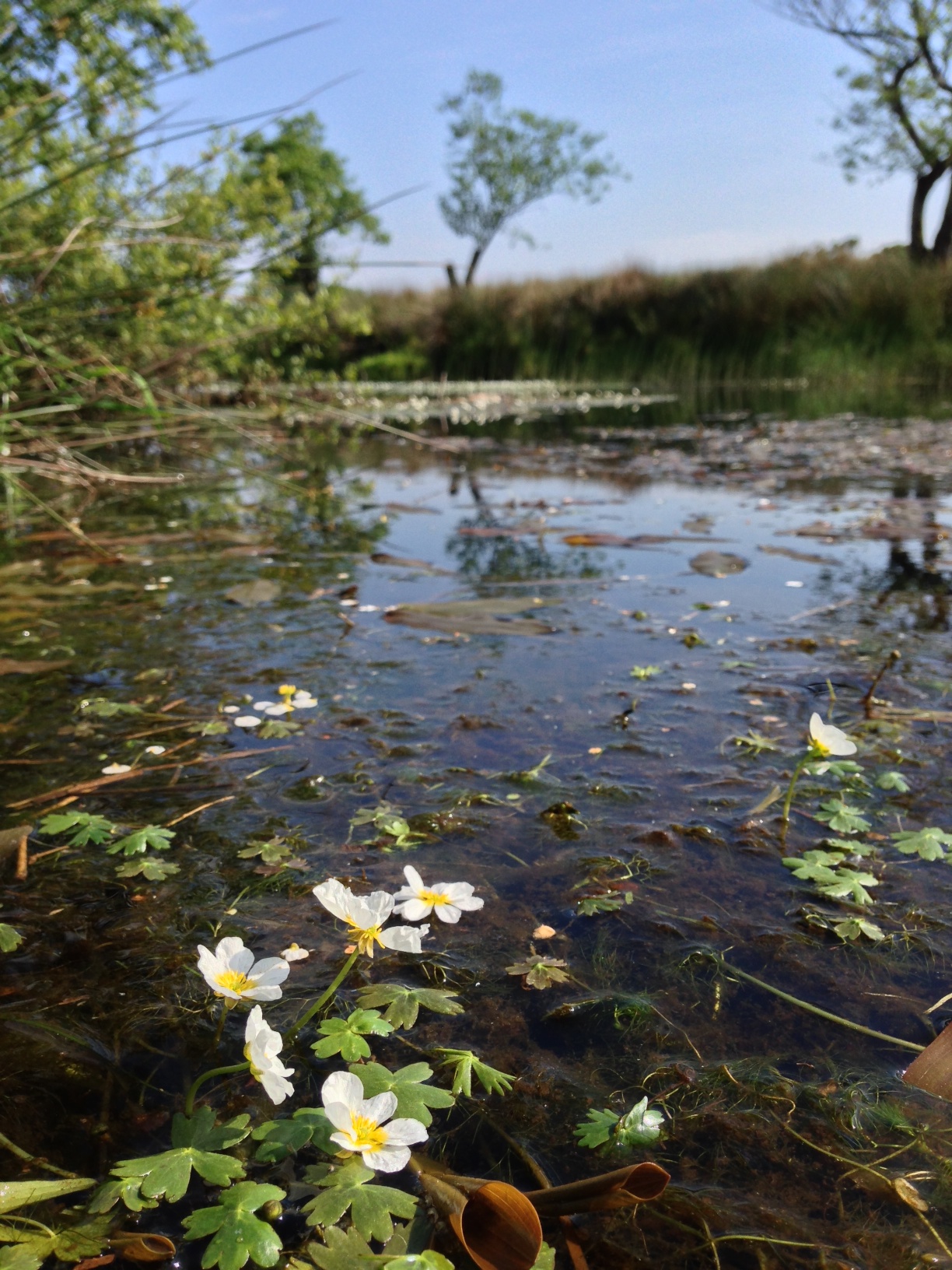
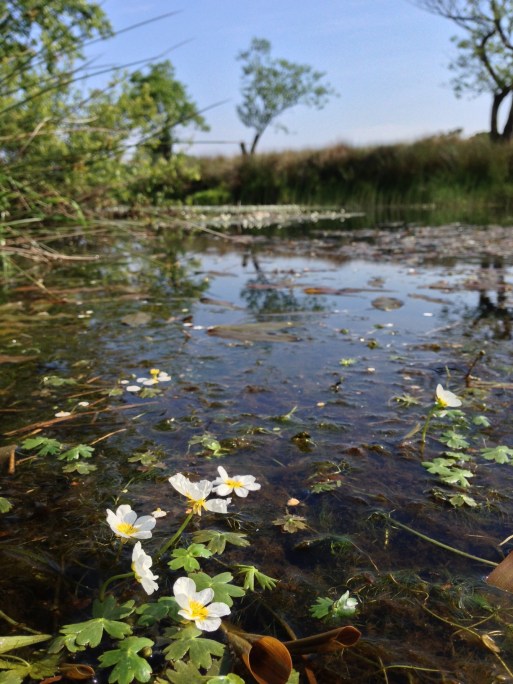
Standing on the bridge, staring down into the river, the water crowfoot and rich grasses wave in the current, like breeze blown stands of wheat.  A bee passes close by, humming as it bumps from flower to flower. The strong sun, not far off its yearly peak, brings a tingling warmth to my face, only slightly cooled by the passing breeze. The trickling water runs beneath the concrete slab and the mirror-like surface is only lightly stirred by the air flowing above. The crisp blue sky is reflected back towards the clouds but the crystal clearness grows as the river nears the arches. Above, a wren calls from a stand on the gorse and bramble covered stone wall, while below, shoals of small fish dart from cover to cover, momentarily wavering in the faster flowing water.  A redstart continues its chattering from the tree top, joined by the willow warbler and the blackbird, early for its dusk vigil.  The scent of tanning skin and drying grass mingle in the fresh air drifting in from the coast. The low bleating of the ewes and lambs go almost unnoticed, unlike the cuckoo announcing its subversive intentions.  I stir from my stance above the water and, begrudgingly wander back to my car.
Image


Wybunbury Moss in Spring

Yesterday I went for a walk around my local nature reserve, Wybunbury Moss.  I volunteer there quite often with the local conservation group I’m part of but I also like to go for a walk at the Moss and probably do so every three weeks or so.

I usually use the British Trust for Ornithology’s (BTO) BirdTrack app on my phone to record all the bird species I see and hear.  Yesterday, I recorded the most bird species I ever have done at the Moss, a total of 31.  One of the great things about BirdTrack is that you can go onto the BTO’s website and see all the records that you have submitted.  Interrogating my records for Wybunbury Moss reveals that I have recorded 57 species at reserve since January 2013.

While many of the species were fairly common, I did note both Raven and Willow Tit.  Ravens are starting to recover their former territories and I often see them at the Moss – for me their calls give me a real sense of wilderness.  The Willow Tits, as I’ve blogged previously, are a local rarity and have been in significant decline over the past few decades, so it was good to note them at the Moss again.

I first saw the ravens within the woodland that surrounds the Moss and they were calling quite irately for some time.  There was suddenly a call in return and I spotted a sparrowhawk nest high up in a fir tree.  Now I know where it is, I will have to return with my camera to see if I can get some shots of the youngsters after they leave the nest.

On the way out of the Moss, I passed through an area of wildflower meadow and took the following shot…


Visiting the Moss on a frequent basis means I get a real sense of the changing seasons.  From the first warm spring day spent on the Moss itself clearing fir tree saplings, to hearing and seeing some of the first migrant birds returning to breed and the trees coming out into leaf, to the wildflowers starting to bloom in the meadows. The season has been pretty special so far.


Wet days can be great days…

Why do people let a bit of rain get in the way of their plans – it’s only water, and if the weather is otherwise warm, what’s the problem? Yes, a winter storm, with ice cold sheets of rain and strong winds, chilling you to the bone can be a bit off-putting but if you wrap up in warm, waterproof clothes, it still shouldn’t stop people going outside for a bit of fresh (maybe bracing would be a better word) air.

Yesterday was a brilliant wet day, which started off with the May Breeding Bird Survey at Cheshire Wildlife Trust’s Blakenhall site, went on to include scrub clearance at a bog near Oakmere just off the A49, followed by some womble habitat improvement in my back garden and finished off with a few beers down my local. All but the latter included a bit of heavy rain – thankfully the survey was completed before the water started falling as rainy conditions can reduce the chase of seeing or hearing the birds but it chucked it down as I walk back to my car.

The survey at Blakenhall was slightly disappointing as I only recorded 17 species, compared to the 28 and 24 recorded on the previous two visits.  However, I did see four lapwing (hopefully two breeding pairs) – these birds are a red listed species and have suffered very significant declines over recent years.  The scenes at the reserve have changed so much since my first visits there late last year.  The trees are nearly all fully out in leaf and the ground cover is growing quickly – my next and final survey visit, in June, might require the use of a machete!

Image

As I arrived at Oakmere to join the other Crewe & Nantwich Conservation Volunteers, the heavens opened and there was serious talk of going straight home. Fortunately, we all agreed to stay and get on with the task.  The task was on a privately owned Site of Special Scientific Interest and we were removing birch and pine saplings from a bog to help restore it back to its previous boggy state.  We removed a significant section of the scrub but there will need to be quite a few more shifts there to remove it all.

 1

I’ve bought a hedgehog (womble) shelter and have put it under the hedge in my back garden. I’ve also bought some hedgehog food and am now trying to entice them into my garden. I’ve already found hedgehog scat on my driveway but at present there’s no way for them to get through to the back as there’s no suitable hole in gate or fence – this will have to be rectified!  The heavens opened again as I was installing the shelter under the hedge but I didn’t get too soaked.

Hedgehogs are in serious decline and there is a campaign ‘Hedgehog Street‘ to encourage communities to work together to improve habitats for these spiky creatures.

While I was away…

The wooded way is now in the shadow of a vibrant green cloak; the oak trees are out in full leaf. The damp track still has a scattering of the fallen leaves of last autumn but their replacements have brought a richness to the valley, yet to fade to their deep green of summer. A blackbird rushes off in front as I drive down through the woodland; the bluebells are now past their finest and the bracken is starting to take ascendency across the floor. There are a few rain drops in the air but it is not cold and the sun makes a fleeting appearance as I break cover across the wet pastureland. The clouds above make promises of downpours to come and it may be another day in the caravan or forward hide, sheltering away from the worst. While the bluebell bloom may be subsiding, there are other flowers here, with the fox glove and iris taking to the stage. The ospreys are still where I left them but there are now five, not two. The parents are stood alert by their sides as the three growing chicks rest in the cradling bowl of the nest. They have already grown so much; I’ve missed their early days and weeks but with more visits, I hope to see them thrive, from gawkiness into splendour.

There have been significant changes down at the osprey protection site since my last shift back in April. The biggest change of all being that the three eggs have turned into chicks, and they are starting to lose their down and show early signs of producing feathers. There are obvious differences in size between them and the largest seems to take precedence at feeding time but the smallest, and downiest (if that’s a real word) gives as good as it gets during the sibling squabbles.

Image

There has also been some construction work down at the protection site. The old frame that held the solar panels (powering the camera and equipment) has gone and been replaced by a larger and more sturdy structure, with space for additional panels. The ospreys have also been doing some building work but not necessarily to our benefit – with constant adding to the nest, there’s now a stick, upright, obstructing the view of the chicks. Hopefully, the ever tinkering parents will move it soon.

Something that hasn’t changed is the weather, at least not for my visits anyway. There have been some nice spells since my last visit, but as usual, my shift featured heavy rain – please, please, please, can I have nice, warm weather for my next shift?

Also unchanged from my previous visits were the never-ending battles with the local crows, with the female frequently leaving the nest to chase them off, and this time one crow dive-bombing the nest while she was away chasing others.

Towards the end of my stint, the male brought in another fish; the third since the start of my shift at 10:00am. For the first time, I saw the female and male feeding the chicks together. When I say both, I mean she was and he was trying to. The chicks seemed to ignore him, even when he was trying to press food into their mouths and they would turn away and face the female. Eventually, after some persistence, and eating the fish himself, he managed to get one of the chicks to take food from him and seemed to finally get the hang of it. He’s an old hand at this fathering lark, having been breeding in the Glaslyn Valley since 2004; I’d have thought he’d have worked it out by now!

Image

Osprey images courtesy of Bywyd Gwyllt Glaslyn Wildlife – thank you!

Cycle helmets: making your kids wear one…

…but not wearing one yourself?

I don’t really want to engage in the whole debate about making wearing a cycle helmet a legal requirement – I have my views and I’ll stick to them. However, as someone who always wears one, I find it hard to understand it when I see a parent out cycling with their child, with the child wearing one but not the parent.

What kind of message is that giving to the child? ‘Its okay, when you grow up, you won’t need to wear one either!’ Whilst these children are clearly precious to their parents (they are making them wear a helmet afterall), it doesn’t exactly do the children much good to have a parent in hospital with severe head injures, or worse, does it?  Furthermore, when does a child stop being precious to their parents?  By not wearing a helmet, the parents are indirectly encouraging their children not to wear a helmet later in life, increasing the potential that they could come to harm if they have an accident.

That is all.